Why a GM1 Puppy Loses Coordination
Watching a once-vibrant Portuguese Water Dog puppy begin to stumble, lose its balance, and struggle with movements that came so naturally just weeks before is one of the most heartbreaking experiences a dog owner can face. This guide delves into GM1 Gangliosidosis, explaining exactly why affected puppies gradually lose their coordination and what this devastating genetic disease entails.
Understanding GM1 Gangliosidosis: A Genetic Puzzle
GM1 Gangliosidosis is a truly terrible inherited metabolic disorder that impacts certain breeds, including our beloved Portuguese Water Dogs. It's not something a puppy catches; it's something they're born with, a silent ticking bomb that starts to manifest its cruel symptoms as they grow. This disease is particularly insidious because puppies often appear completely normal and healthy in their earliest weeks, full of the playful energy typical of the breed, only for symptoms to slowly creep in and worsen.
The core of GM1 lies in a missing or deficient enzyme called beta-galactosidase. Think of enzymes as tiny workers in the body, each with a specific job. In this case, beta-galactosidase is responsible for breaking down a fatty substance called GM1 ganglioside. When this enzyme isn't doing its job properly, or isn't present at all, the GM1 ganglioside starts to accumulate. It builds up in the cells, particularly the delicate nerve cells in the brain and spinal cord, like a toxic waste dump growing larger and larger.
This relentless buildup isn't harmless; it actually interferes with the normal function of these crucial cells. Over time, it damages and ultimately destroys them. Because the nervous system controls everything from movement and balance to thought processes, vision, and hearing, this cellular breakdown leads to a cascade of neurological problems, with the most noticeable and devastating being the progressive loss of coordination.
What Happens at the Cellular Level
To really grasp why coordination goes awry, we need to zoom in on what's happening inside the puppy's body. Every cell has tiny compartments called lysosomes, often referred to as the "recycling centers" of the cell. Their job is to break down waste products and worn-out cell parts so they can be either reused or eliminated. In a puppy with GM1 Gangliosidosis, these recycling centers are essentially broken.
The beta-galactosidase enzyme is supposed to be hard at work inside the lysosomes, specifically targeting and breaking down GM1 gangliosides. These gangliosides are important components of cell membranes, especially in nerve cells, but they need to be recycled once they've served their purpose. When the enzyme is faulty or absent, these gangliosides can't be broken down, so they just pile up within the lysosomes.
Imagine your kitchen sink is constantly running, but the drain is completely blocked. Eventually, your kitchen will flood. Similarly, these cellular recycling centers become engorged with undigested GM1 gangliosides. This swelling and accumulation disrupt the cell's internal machinery, making it impossible for the nerve cell to transmit signals effectively. Over time, the pressure and toxicity from this buildup cause the nerve cell to degenerate and die. This widespread neuronal damage across the brain and spinal cord is the direct reason for the severe neurological deficits, especially the staggering loss of coordination. You might have heard about other devastating conditions like Juvenile Dilated Cardiomyopathy Kills a Portuguese Water Dog Puppy Fast, and while both are genetic and heartbreaking, GM1 specifically targets the nervous system in this way.
The Impact on the Nervous System
The nervous system is an incredibly complex network that orchestrates every single movement, thought, and sensation. It's composed of the central nervous system (brain and spinal cord) and the peripheral nervous system (nerves extending throughout the body). GM1 Gangliosidosis predominantly wreaks havoc on the central nervous system, which is precisely why coordination is so profoundly affected.
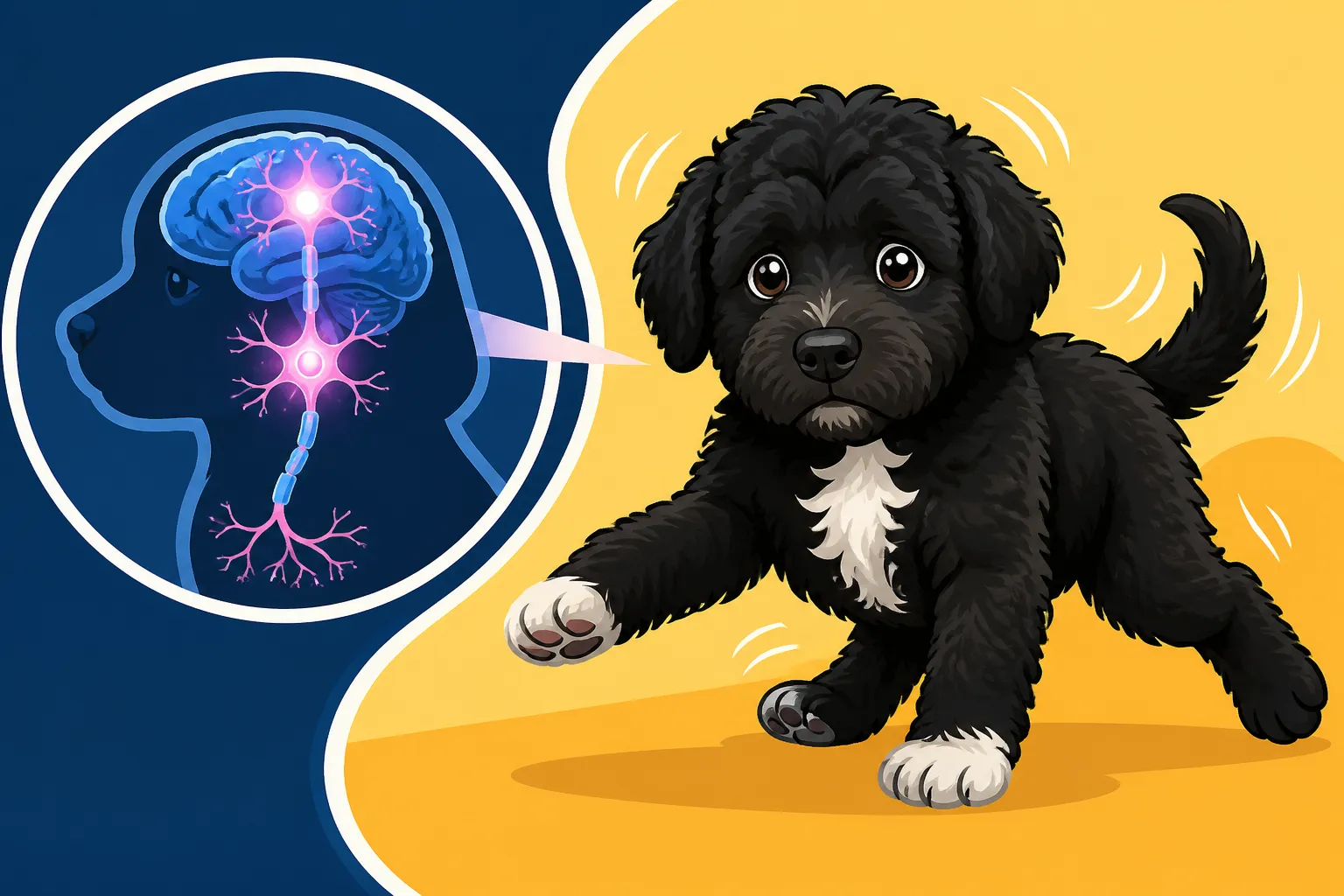
When nerve cells in the cerebellum – the part of the brain responsible for coordinating voluntary movements and maintaining balance – are damaged, a puppy can no longer execute smooth, controlled actions. The signals from the brain telling the muscles what to do become garbled or don't get through at all. This leads to a wobbly gait, unsteadiness, and an inability to judge distances or maintain equilibrium. It’s like trying to walk on a ship constantly rocking in rough seas, but the problem isn't external; it's internal to the dog's own control system.
Beyond the cerebellum, the buildup in other parts of the brain can affect cognitive function, leading to changes in temperament or behavior, and can also impact the optic nerves, causing vision impairment or even blindness. The spinal cord, which carries messages between the brain and the rest of the body, also suffers damage. This further compromises muscle control and sensation, exacerbating the coordination issues and leading to overall weakness and eventually paralysis. This systemic attack on the nervous system is what makes GM1 so tragically debilitating.
Progressive Loss of Coordination and Other Clinical Signs
The onset of GM1 Gangliosidosis symptoms is notoriously subtle, making it incredibly difficult for owners to pinpoint early on. Often, the first hints of trouble are dismissed as typical puppy clumsiness or a growth spurt imbalance. But as the gangliosides continue their relentless accumulation and nerve cells suffer more damage, the symptoms become impossible to ignore, rapidly progressing and leading to a heartbreaking decline. Learning about these signs can help you understand What GM1 Gangliosidosis Does to a Portuguese Water Dog, but early diagnosis is key.
Early Signs and Subtle Changes
In the initial stages, a Portuguese Water Dog puppy with GM1 might show very slight, almost imperceptible signs of unsteadiness. They might seem a little more clumsy than their littermates, perhaps stumbling occasionally during play or having difficulty navigating stairs. You might notice a slight head tremor, especially when they're excited or focused, or a subtle change in their gait—perhaps a wider stance or a tendency to lean to one side. Their once perfectly coordinated puppy movements might start to look a little stiff or uncertain.
Owners often report that the puppy seems to develop slower motor skills or that their playful antics appear slightly off. For instance, a puppy might struggle to jump onto a low couch or trip over its own feet more frequently than what would be considered normal puppy exuberance. These are the kinds of Signs a Portuguese Water Dog Puppy Has GM1, and they are easily missed, precisely because puppies are inherently awkward. This period of subtle changes is often when the underlying damage is already well underway but hasn't yet reached a critical threshold to cause overt, severe symptoms.
Worsening Neurological Symptoms
As the disease progresses, the loss of coordination, known medically as ataxia, becomes much more pronounced and devastating. The subtle head tremors can evolve into full-body tremors, especially when the puppy tries to stand or move. Their gait transforms from merely clumsy to severely uncoordinated, characterized by a wide-based stance, high-stepping actions, and dramatic loss of balance. They might fall down frequently, struggle to get up, or even have difficulty standing still. Imagine trying to walk on ice all the time – that's often what it looks like for them.
Beyond coordination, other neurological symptoms emerge and worsen. Vision impairment is common, as the optic nerves and parts of the brain responsible for processing sight are affected. Affected puppies might bump into objects, especially in dim light, or struggle to track moving toys. They may also develop nystagmus, an involuntary rhythmic eye movement. Changes in mental state can also occur, with some puppies exhibiting dullness, disorientation, or even seizures in later stages. The ability to chew and swallow can be impacted, making eating difficult. Ultimately, the progressive neurological deterioration leads to an inability to stand or walk, rendering the puppy completely debilitated. This rapid decline is often observed within the first few months of life, highlighting the tragic nature of the disease, and why it's a critical component of The Four DNA Tests Every Portuguese Water Dog Breeder Runs.
Diagnosing GM1 and Understanding Inheritance
The emotional and financial toll of a puppy battling a progressive neurological disease like GM1 Gangliosidosis can be immense. Understanding how it's diagnosed and, more importantly, how it's inherited, is crucial for both affected families and responsible breeders working to eradicate such conditions. Knowing How GM1 Builds Up in a Portuguese Water Dog Puppy helps explain the physical manifestation, but the genetic blueprint is where the true understanding lies.
The Diagnostic Process
Diagnosing GM1 Gangliosidosis typically involves a combination of clinical observation, specialized testing, and unfortunately, sometimes post-mortem examination. When a veterinarian suspects a lysosomal storage disease based on the progressive neurological signs, especially the specific pattern of coordination loss and other symptoms, they will often recommend genetic testing.
Thanks to advancements in veterinary medicine, a specific DNA test is available for GM1 Gangliosidosis in Portuguese Water Dogs. This test can be performed using a simple cheek swab or blood sample and will definitively identify whether a dog is clear, a carrier, or affected by the disease. This is a game-changer because it allows for early, accurate diagnosis, often before severe symptoms manifest, which can save families from prolonged uncertainty and expensive, futile treatments.
Before the widespread availability of DNA tests, diagnosis was much more challenging. Vets might have performed enzyme assays on blood or tissue samples to look for the deficient beta-galactosidase activity. In some cases, a brain biopsy or, tragically, a necropsy (animal autopsy) after the puppy's passing would confirm the presence of accumulated GM1 gangliosides in the neural tissue, providing a definitive diagnosis. Today, however, the DNA test is the gold standard for living animals and a critical tool that vets recommend for breeders. Even with clear diagnosis, the journey can be tough, and having a robust pet insurance plan like those offered by Healthy Paws can certainly help alleviate some of the financial burden associated with extensive diagnostic workups and supportive care.
The Role of Genetic Testing in Breeding
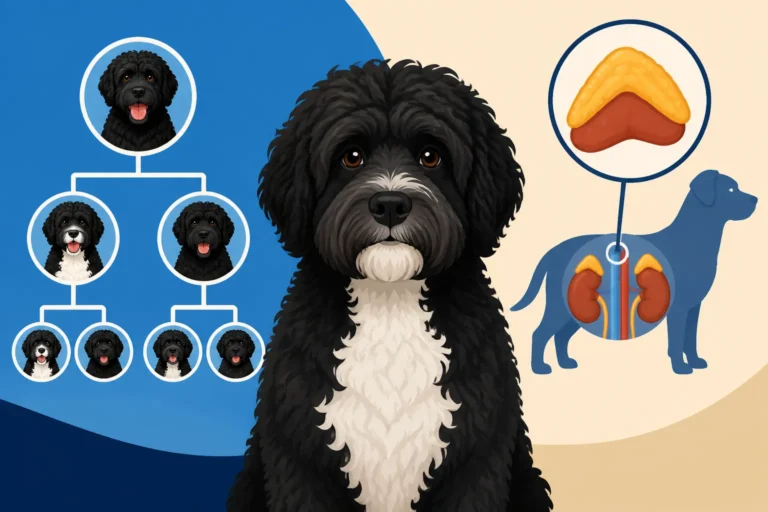
GM1 Gangliosidosis is inherited in an autosomal recessive pattern. This means that a puppy must inherit two copies of the faulty gene – one from each parent – to be affected by the disease. Dogs that inherit only one copy of the faulty gene are considered "carriers." They do not show any symptoms of the disease themselves, but they can pass the gene on to their offspring. This is why a GM1 carrier Portuguese Water Dog is not affected but can still contribute to the problem if bred irresponsibly.
The advent of the GM1 DNA test has revolutionized breeding practices for Portuguese Water Dogs. Responsible breeders now routinely test their breeding stock for GM1, along with other critical genetic conditions. By knowing the genetic status of their dogs (clear, carrier, or affected), they can make informed breeding decisions. The goal is to avoid breeding two carriers together, as this combination has a 25% chance of producing affected puppies, a 50% chance of producing carriers, and a 25% chance of producing clear puppies in each litter.
For example, a breeder might choose to breed a carrier dog only with a clear dog. In such a pairing, all puppies will either be clear or carriers, but none will be affected by GM1. This strategy allows breeders to maintain genetic diversity within the breed while gradually reducing the prevalence of the GM1 gene in the population. The cost of a simple cheek swab for genetic testing is minimal compared to the heartache and expense of dealing with an affected puppy. It's an investment that ensures the health and well-being of future generations and is a cornerstone of ethical breeding practices, which also influences What a Portuguese Water Dog Puppy Costs From a Breeder. Organizations like the Orthopedic Foundation for Animals (OFA) maintain public databases where health test results, including GM1, are recorded, allowing prospective puppy buyers to verify a breeder's claims. It’s part of a breeder’s commitment to running Which Health Tests a Portuguese Water Dog Breeder Should Run.
Here's a quick overview of GM1 Gangliosidosis at a glance:
| Aspect | Description | Impact on Coordination |
|---|---|---|
| Genetic Basis | Autosomal recessive inheritance; mutation in GLB1 gene. | Causes enzyme deficiency, leading to nerve cell dysfunction. |
| Enzyme Deficiency | Beta-galactosidase is absent or deficient. | Cannot break down GM1 gangliosides, critical for nerve signal transmission. |
| Cellular Accumulation | Toxic GM1 gangliosides build up in lysosomes of nerve cells. | Swollen, damaged neurons cannot properly send signals for movement. |
| Nervous System Damage | Progressive degeneration of neurons in brain (cerebellum) and spinal cord. | Directly impairs motor control, balance, and gait, leading to ataxia. |
| Clinical Onset | Typically 3-6 months of age, subtle at first. | Early clumsiness progresses to severe unsteadiness and inability to walk. |
| Prognosis | Always fatal; no effective treatment, supportive care only. | Worsening coordination is a primary indicator of disease progression. |
Ultimately, while there is no cure for GM1 Gangliosidosis, the power of genetic testing means that this devastating disease can, and should, be eliminated from breeding lines. If you're considering a Portuguese Water Dog puppy, always ask about the parents' genetic health clearances, including their GM1 status. A responsible breeder will be transparent and provide proof of these critical tests, ensuring you bring home a healthy, vibrant companion.
Disclaimer
This article is for general informational purposes only and does not constitute professional advice. Laws, prices and regulations vary by location and change over time. Consult a qualified professional for guidance on your specific situation.