How GM1 Builds Up in a Portuguese Water Dog Puppy
The thought of a Portuguese Water Dog puppy, full of life and promise, being struck down by a devastating genetic disease like GM1 Gangliosidosis is truly heartbreaking for any owner or breeder. It’s a cruel condition because it isn't a sudden, acute illness; instead, it's an insidious problem where vital substances slowly accumulate, silently stealing the puppy's health. This guide will meticulously unpack exactly how GM1 builds up in a Portuguese Water Dog puppy, breaking down the complex science into understandable terms so you can grasp the mechanics behind this tragic genetic disorder.
Understanding GM1 Gangliosidosis at a Glance
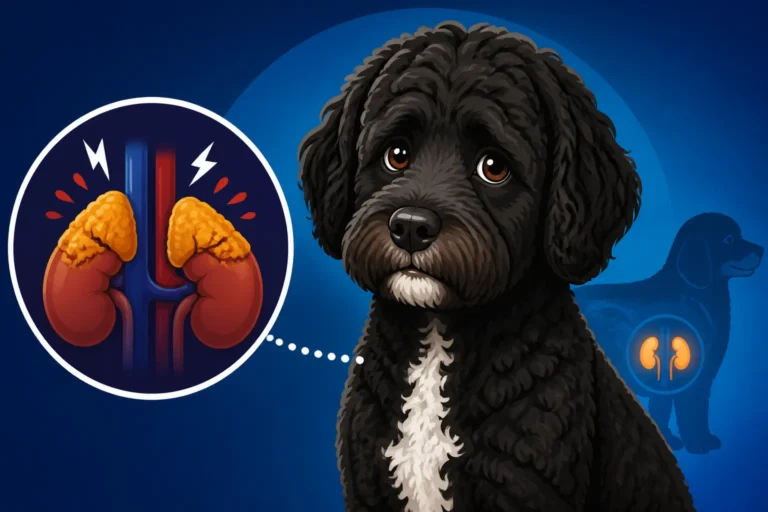
GM1 Gangliosidosis is one of those genetic conditions that makes your stomach drop when you hear about it, especially when you realize its profound impact on a young, otherwise vibrant puppy. It’s a lysosomal storage disease, meaning it's a condition where the body can't properly dispose of certain waste products within its cells. For Portuguese Water Dogs, this specific problem leads to a buildup of a fatty substance called GM1 ganglioside, primarily in the nervous system, causing progressive and ultimately fatal neurological damage.
The Genetic Basis of GM1
At its core, GM1 Gangliosidosis in Portuguese Water Dogs is an inherited condition, passed down through generations. It operates on an autosomal recessive inheritance pattern. What this means for breeders and puppy parents is that a puppy must inherit two copies of the defective gene – one from its mother and one from its father – to actually be affected by the disease. If a puppy gets one normal gene and one defective gene, it becomes a "carrier." Carriers don't show any symptoms themselves, which is why the disease can quietly persist in breeding lines if proper genetic testing isn't done. They are perfectly healthy dogs, but they can pass that single defective gene on to their offspring. This is why understanding the genetic heritage is paramount for responsible breeding, tying directly into the broader concern of GM1 Gangliosidosis and the Portuguese Water Dog Puppy That Never Reaches Six Months. The faulty gene in question is GLB1, which provides instructions for making an enzyme crucial for cellular waste disposal.
What is a Ganglioside, Anyway?
When you hear "ganglioside," it sounds incredibly scientific and perhaps a little intimidating. But let's break it down. Gangliosides are complex fat-like molecules that are absolutely essential components of cell membranes, particularly in the brain and nervous system. Think of them as tiny, intricate building blocks that help neurons communicate efficiently and maintain their structure. They play a crucial role in nerve transmission, cell recognition, and even regulating cell growth. Like all components of the body, gangliosides have a life cycle; they are produced, serve their purpose, and then need to be broken down and recycled. This is where the problem starts in GM1. When the body's recycling system falters, these vital molecules, instead of being properly dismantled, begin to accumulate.
The Breakdown Blocker: Beta-Galactosidase Deficiency
The entire tragedy of GM1 Gangliosidosis stems from a single, critical missing piece in the cellular machinery: the enzyme beta-galactosidase. Without this enzyme functioning correctly, the natural process of breaking down GM1 gangliosides grinds to a halt. It's like having a perfectly good recycling plant, but one of its most important sorting machines is completely broken, leading to a specific type of waste piling up endlessly.
The Crucial Role of Lysosomes
To truly understand the buildup, we need to talk about lysosomes. These are often called the "recycling centers" or "waste disposal units" of an animal's cells. Imagine your house – you have systems in place to break down old food scraps, cardboard, and plastics. Lysosomes do something similar for cells. They are specialized organelles containing a whole suite of powerful enzymes, each designed to break down specific types of cellular waste, from old proteins and carbohydrates to lipids like gangliosides. This process ensures that cellular debris doesn't accumulate and interfere with normal cell function. When everything works as it should, cells are clean, efficient, and healthy. For a Portuguese Water Dog, or any living creature, healthy lysosomes are fundamental to overall well-being.
When the Enzyme is Missing or Malformed
In a Portuguese Water Dog puppy affected by GM1 Gangliosidosis, the genetic mutation specifically targets the GLB1 gene, which is responsible for producing the beta-galactosidase enzyme. Because of this mutation, the puppy's cells either produce an enzyme that is non-functional, meaning it can't do its job, or they produce very little of it. Sometimes, the enzyme is malformed and can't even get to the lysosome where it's needed.
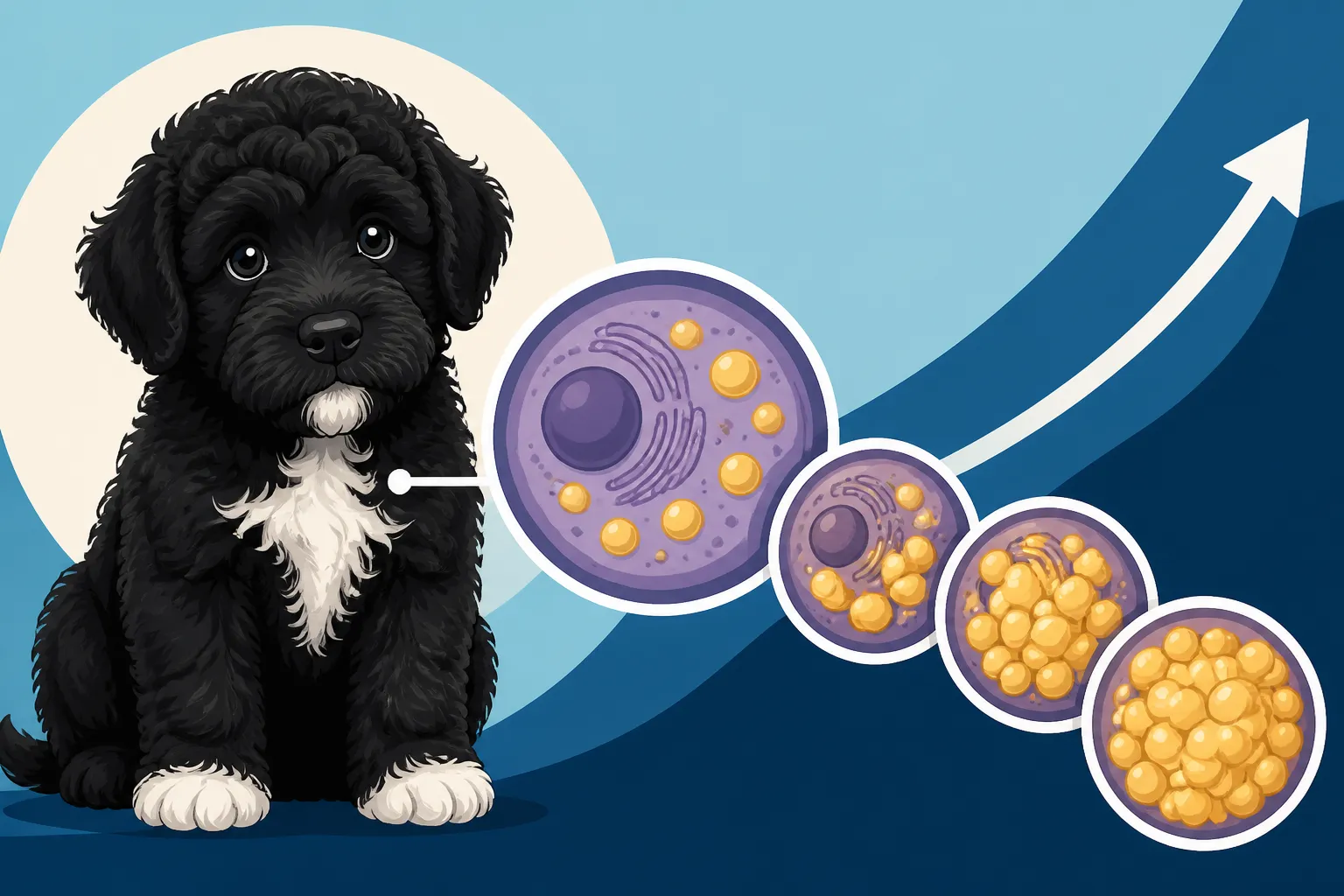
Without functional beta-galactosidase, the specific ganglioside known as GM1 cannot be broken down inside the lysosomes. It’s like trying to remove a stubborn stain without the right cleaning solution; the stain just sits there, getting worse. This deficiency means that with every new cell created and every old ganglioside needing disposal, GM1 starts to accumulate. This isn't a simple overflow; it's a continuous, uninterrupted buildup, primarily within the lysosomes of cells throughout the body, but most notably and destructively in the cells of the nervous system. This is the fundamental flaw that sets the stage for the devastating symptoms to come.
The Accumulation Process in a PWD Puppy
The accumulation of GM1 ganglioside in a Portuguese Water Dog puppy is not a sudden event, but a gradual, relentless process that begins early in life. It's a slow burn, steadily affecting the most critical systems in the body before any outward signs become glaringly obvious.
Gradual Buildup, Progressive Damage
From the moment an affected Portuguese Water Dog puppy is conceived, its cells are already failing to properly break down GM1 gangliosides. This means the accumulation starts immediately. Initially, the amount of stored material is small, and the puppy appears perfectly healthy and normal. This is why the disease is so heartbreaking – owners often describe their puppies as vibrant and active in their first few weeks or months. But beneath the surface, tiny lysosomes in countless cells are becoming increasingly engorged with undigested GM1 gangliosides.
As the puppy grows, so does the burden on its cells. The lysosomes swell, disrupting normal cellular processes, and eventually leading to cell dysfunction and death. This process isn't uniform across all tissues, but it disproportionately affects the highly active and complex cells of the nervous system. The brain, spinal cord, and peripheral nerves require constant maintenance and efficient waste removal, and they are particularly vulnerable to this kind of toxic buildup. It's a slow, insidious form of poisoning from within, gradually chipping away at the puppy's health and vitality.
Impact on the Nervous System and Organs
The cells most critically impacted by GM1 ganglioside accumulation are neurons. These are the fundamental units of the nervous system, responsible for transmitting information throughout the brain and body. When their lysosomes become clogged, neurons can't function correctly. Their ability to send electrical signals, process information, and control movement is compromised. This leads to a cascade of neurological problems.
Imagine a finely tuned electrical system where the wires are slowly getting coated in a sticky, insulating residue. Communication slows down, signals get scrambled, and eventually, parts of the system fail. This is what happens in the brain and spinal cord of a GM1-affected puppy. The brain cells become damaged, leading to intellectual and behavioral changes. The motor neurons, which control muscle movement, are also affected, resulting in the loss of coordination and tremors that are characteristic of the disease.
While the nervous system bears the brunt, GM1 ganglioside can also accumulate in other organs, though usually with less devastating immediate effects. The liver, spleen, and even the skeletal system can show signs of storage. However, it's the profound and progressive neurological damage that dictates the severity and terminal nature of the disease, leading to the devastating clinical signs observed. This extensive damage is precisely What GM1 Gangliosidosis Does to a Portuguese Water Dog, stealing their coordination, their joy, and ultimately, their life.
Visible Signs and Developmental Regression
It’s truly devastating because a puppy affected by GM1 Gangliosidosis often appears completely normal in its first few months, sometimes even longer. The signs are insidious, starting subtly and worsening progressively, making it all the more heartbreaking for families who thought they had a perfectly healthy companion.
Early Subtle Indicators
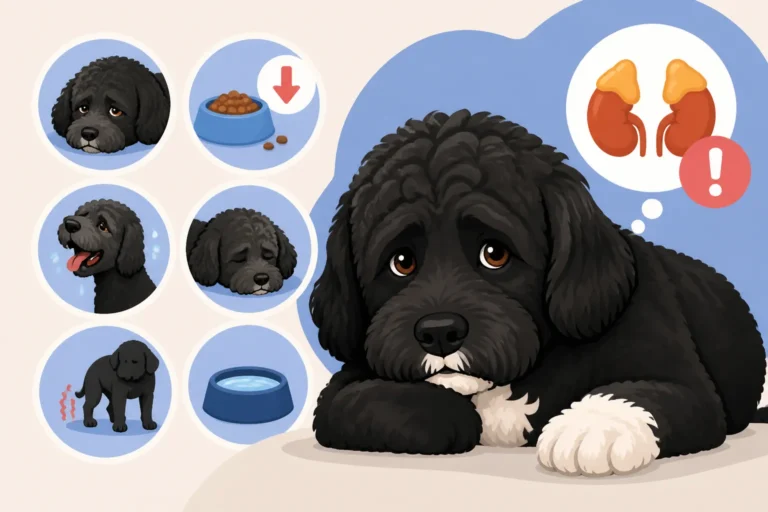
Initially, the signs of GM1 are incredibly subtle and easily mistaken for normal puppy behavior or minor clumsiness. You might notice a slight unsteadiness in their gait, perhaps a little less coordination than their littermates. They might trip more often, seem a bit wobbly on their feet, or have trouble with stairs or jumping. These are things many new puppy owners might initially shrug off, thinking, "Oh, he's just a clumsy pup!" or "She's still growing into her paws." The progressive nature means that these minor quirks slowly but surely become more pronounced. Owners might observe a tremor, particularly when the puppy is excited or focused on something. Eating might become a bit messier, as their coordination makes it harder to precisely grasp kibble. These early, almost imperceptible changes are often the first whispers of the underlying problem, often leaving owners wondering Signs a Portuguese Water Dog Puppy Has GM1 that they might have missed.
Progressive Neurological Decline
As the GM1 ganglioside continues to accumulate and damage more and more neurons, the subtle indicators give way to much more obvious and debilitating symptoms. The progressive neurological decline means the puppy loses skills it once had or fails to develop new ones appropriately. Coordination deteriorates significantly; what was once a slight wobble becomes a pronounced ataxia, or lack of muscle control. The puppy might struggle to stand, walk, or even maintain balance. You'll see tremors become more constant, not just during excitement. Eating and drinking become increasingly difficult, leading to weight loss despite a good appetite, because they simply cannot manage the mechanics of feeding themselves.
Behavioral changes can also emerge, with some puppies appearing duller, less responsive, or even experiencing visual impairment as the optic nerves and brain areas responsible for sight are affected. In advanced stages, seizures can occur, which is a terrifying manifestation of the severe brain damage. This directly explains Whether a GM1 Portuguese Water Dog Has Seizures. The decline is relentless, and sadly, there is no treatment that can halt or reverse the progression. The puppy essentially regresses, losing vital functions until the quality of life becomes severely compromised. This tragic journey usually culminates in humane euthanasia before the puppy reaches its first birthday, often much sooner, highlighting the grim reality of the disease.
| Age (Approx.) | Potential Signs of GM1 Gangliosidosis | Notes for Owners |
|---|---|---|
| 0-3 Months | Appears normal, occasionally clumsy | Very subtle, often mistaken for normal puppy development. Genetic testing is the only way to confirm at this stage. |
| 3-6 Months | Mild unsteadiness, slight tremors | Progressive ataxia, loss of coordination. May struggle with balance or fine motor skills like eating. |
| 6-9 Months | Significant coordination loss, tremors, visual impairment | Difficulty walking, frequent falls, noticeable head tremors, vision problems. |
| 9-12 Months | Severe neurological deficits, seizures | Inability to stand or walk, severe tremors, blindness, potential seizures. Greatly diminished quality of life. |
Why Early Detection and Prevention are Key
The reality of GM1 Gangliosidosis is harsh, and it underscores why knowledge, early detection, and especially prevention are not just important, but absolutely critical for the Portuguese Water Dog breed. We're talking about preventing profound suffering, both for the affected puppy and the heartbroken family.
The Irreversible Nature of GM1
One of the most devastating aspects of GM1 Gangliosidosis is its irreversible nature. Once a Portuguese Water Dog puppy starts showing symptoms, it means that significant and widespread damage has already occurred within its nervous system. Those gangliosides have built up, the lysosomes are overloaded, and the vital neuronal cells are already compromised or destroyed. At that point, there is no cure, no medication, and no therapy that can effectively reverse the damage or even slow the progression in any meaningful way. It's a progressive degenerative disease that sadly leads to a fatal outcome, typically within the first year of life. This is why when an owner sees signs like Why a GM1 Puppy Loses Coordination, they are already witnessing the severe impact of an unstoppable process. This harsh truth makes prevention the only real "solution" to GM1.
The Power of Genetic Testing
Given the devastating and untreatable nature of GM1, genetic testing has been an absolute game-changer for the Portuguese Water Dog breed. Before the DNA test became widely available, breeders were unknowingly producing affected puppies, leading to immense heartbreak and the perpetuation of the disease in breeding lines.
Now, responsible breeders routinely screen their breeding dogs for the GLB1 mutation that causes GM1. This is usually done with a simple cheek swab, making it a non-invasive and easy process. The test can identify if a dog is "clear" (meaning it has two normal copies of the gene), a "carrier" (meaning it has one normal and one defective copy), or "affected" (meaning it has two defective copies, which is rare in adult breeding dogs because affected puppies do not survive to adulthood).
By knowing the genetic status of their breeding stock, breeders can make informed decisions. The golden rule of responsible breeding is to never breed two carriers together. If two carriers are bred, there is a 25% chance that each puppy in the litter will be affected by GM1, a 50% chance they will be carriers, and a 25% chance they will be clear. By ensuring that at least one parent in a breeding pair is "clear," a breeder can guarantee that no affected puppies will be born. Even if a clear dog is bred to a carrier, all puppies will either be clear or carriers, but none will be affected. This proactive approach has dramatically reduced the incidence of GM1 Gangliosidosis in Portuguese Water Dogs, making it a rare disease in well-bred lines today. The availability of this test revolutionized breeding practices, demonstrating How the GM1 Test Changed Portuguese Water Dog Breeding for the better, protecting countless puppies and their future families. Many owners find value in considering pet insurance from providers like Healthy Paws for conditions that do have treatments, ensuring they are prepared for unexpected health challenges that might arise.
Disclaimer
This article is for general informational purposes only and does not constitute professional advice. Laws, prices and regulations vary by location and change over time. Consult a qualified professional for guidance on your specific situation.