Whether GM1 Changes a Portuguese Water Dog’s Temperament
It's absolutely heartbreaking to consider a puppy facing a serious genetic illness, and even more so when that illness affects their brain and body. For Portuguese Water Dog owners, the thought of GM1 Gangliosidosis is truly terrifying. One common concern is whether this devastating condition might fundamentally alter your beloved dog's personality. This guide will meticulously explore how GM1 impacts a Portuguese Water Dog's neurological function and, by extension, any observable changes in their demeanor and behavior.
Understanding GM1 Gangliosidosis and Its Neurological Roots
GM1 Gangliosidosis is a truly horrific genetic disorder that specifically affects Portuguese Water Dogs, among other breeds. It’s a lysosomal storage disease, meaning there's a missing or deficient enzyme in the dog's cells. Imagine your dog's cells as tiny factories, each with a waste disposal unit called a lysosome. In a healthy dog, the beta-galactosidase enzyme is like a little worker in this disposal unit, breaking down certain fatty waste products called gangliosides. In a Portuguese Water Dog afflicted with GM1, that worker is either absent or doesn't do its job properly.
The Cellular Impact of GM1 Gangliosidosis
Without that crucial enzyme, a specific type of ganglioside, GM1, starts to build up relentlessly within the cells. This accumulation isn't just inconvenient; it's toxic, especially to the cells of the central and peripheral nervous systems. Think of it like a never-ending flood of waste material slowly suffocating and damaging the very structures responsible for thought, movement, and sensation. This cellular chaos leads to progressive neurodegeneration, which is a fancy way of saying the brain and nerve cells literally start to break down over time. It's a cruel disease because it targets the very essence of what makes a dog a dog—their ability to move, interact, and experience the world. If you're looking for more in-depth information on the specific mechanisms, you might find "What GM1 Gangliosidosis Does to a Portuguese Water Dog" a valuable resource.
The Rapid Progression of GM1 Symptoms
The cruelest part of GM1 is how quickly it takes hold and progresses, usually without much warning until symptoms become undeniable. Affected Portuguese Water Dog puppies typically appear completely normal at birth and for the first few months of their lives. They're playful, energetic, and seemingly healthy, which makes the onset of symptoms all the more devastating. Between three and six months of age, subtle signs begin to emerge. You might notice a slight clumsiness, a lack of coordination that seems out of place for a puppy. This quickly escalates to more pronounced neurological deficits. These puppies truly never reach six months of age in full health, as highlighted in "GM1 Gangliosidosis and the Portuguese Water Dog Puppy That Never Reaches Six Months". They don't just 'grow out of it'; instead, their condition steadily worsens.
Why GM1 is Primarily a Physical Affliction
It's vital to understand that GM1 Gangliosidosis is fundamentally a physical disease with profound neurological consequences. The primary impact is on the dog's motor skills, balance, and the basic functioning of their nervous system. As the gangliosides accumulate and damage nerve cells, a puppy will start to show signs like ataxia (wobbly gait), tremors, difficulty eating and swallowing, and eventually, seizures. Their vision can also be affected. These are all direct results of the physical destruction occurring within their brain and nerves. While these physical changes will inevitably influence a dog's behavior, it's not a disease that directly attacks their core "temperament" in the way we might think of behavioral disorders. The changes you observe are a tragic manifestation of their body and mind failing them. You can learn more about specific indicators in "Signs a Portuguese Water Dog Puppy Has GM1".
Distinguishing Direct and Indirect Behavioral Shifts with GM1
When considering if GM1 changes a Portuguese Water Dog's temperament, it's crucial to differentiate between direct personality shifts and behavioral changes that are symptomatic of a severe, progressive neurological disease. It’s a subtle but important distinction that offers some clarity during a profoundly difficult time.
Direct Effects: Impairment, Not Personality Change
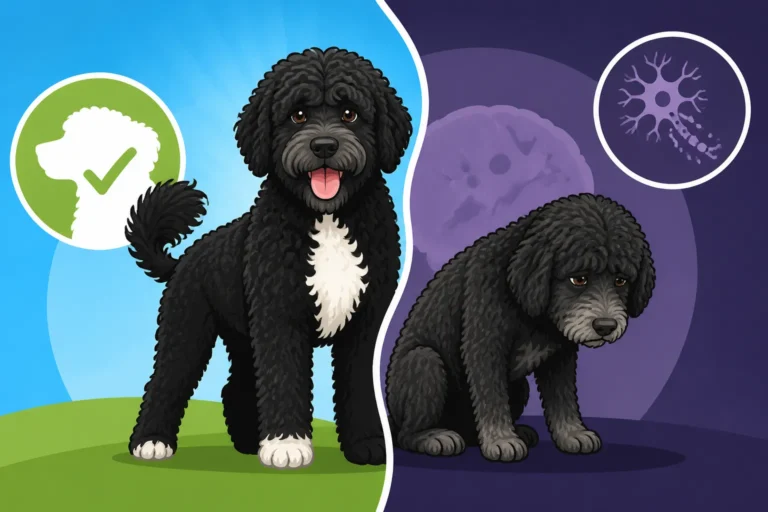
The heartbreaking reality is that GM1 doesn't typically cause a Portuguese Water Dog to suddenly become aggressive, fearful, or develop a new, distinct "personality." Instead, the neurological degeneration impairs their ability to express their normal temperament. Imagine being a happy, active, intelligent Portuguese Water Dog, but your brain can no longer send clear signals to your muscles, or process sensory input correctly. This isn't a change in who they are, but a profound limitation on how they can be themselves.
For example, a puppy known for being outgoing and playful might become withdrawn. This withdrawal isn't because they've decided to be introverted, but because their coordination issues make play impossible and frustrating. Their cognitive processing might slow, leading to confusion or a vacant stare, especially as the disease progresses and they begin to lose their coordination and balance, which is further detailed in "Why a GM1 Puppy Loses Coordination". They might not respond to commands they once knew, not out of stubbornness, but because their brain can no longer effectively interpret or execute the request. Their natural zest for life is still there, but it's trapped within a body that is failing them.
Indirect Behavioral Manifestations of Illness
While GM1 doesn't alter a dog's fundamental personality, the suffering and physical decline absolutely lead to behavioral manifestations that can easily be mistaken for temperament changes. A puppy experiencing constant tremors, struggling to walk, or having difficulty eating is going to be distressed. This distress can lead to behaviors such as:
- Increased Irritability or Sensitivity: A dog in discomfort might snap or growl if touched in a way that causes pain or startles them, even if they were previously very tolerant. They might react defensively because they feel vulnerable and unable to escape.
- Withdrawal and Lethargy: As physical abilities diminish and the disease makes them weaker, puppies will naturally become less active and more withdrawn. They might seek solitude because movement is painful or confusing.
- Anxiety and Disorientation: Cognitive decline can lead to disorientation. A puppy might appear confused, stare blankly, or pace restlessly. This isn't a "change" in their core personality but a direct result of their brain function being compromised.
- Changes in Appetite or Potty Habits: The physical act of eating can become difficult, leading to a loss of interest in food. Muscle weakness can also impact bladder and bowel control, leading to accidents, which can cause anxiety for the dog.
- Vocalization Changes: Some affected puppies might whine more due to discomfort or confusion, or become less vocal if their energy is completely drained.
These behaviors are symptoms of profound illness, not a shift in the dog's inherent character. It's a dog reacting to the immense challenge of its deteriorating body and mind. The possibility of seizures, which can be a symptom of GM1, would also significantly impact how a dog behaves and feels, as discussed in "Whether a GM1 Portuguese Water Dog Has Seizures". It's important for owners to remember that these are signs of suffering, not a willful change in temperament.
Differentiating Illness from Personality
It can be incredibly challenging to separate the dog you know from the dog suffering from illness. To help, consider:
- Suddenness of Change: True temperament changes usually develop over time, often influenced by training, socialization, or environmental factors. Behavioral shifts due to GM1 are often rapid and align directly with the progression of neurological symptoms.
- Context of Behavior: Is the behavior present only when the dog is trying to move, eat, or interact, suggesting physical limitation? Or is it a consistent, generalized shift in how they respond to all stimuli, even when comfortable?
- Physical Manifestations: Look for the clear physical signs of GM1—tremors, ataxia, loss of balance, difficulty coordinating movements. These physical signs are the root cause of the behavioral changes.
A Portuguese Water Dog with GM1 is not choosing to be different; their body and mind are failing them, forcing these agonizing changes upon them. Understanding this can help owners navigate the grief and provide the most compassionate care possible during their short time together.
Supporting a Portuguese Water Dog Puppy Through GM1
Dealing with a diagnosis of GM1 Gangliosidosis in a Portuguese Water Dog puppy is one of the hardest experiences a dog owner can face. The truth is, there is currently no cure, and the disease is always fatal, typically within a few months of symptom onset. This stark reality means that the focus shifts entirely from cure to compassionate care, ensuring the puppy's remaining time is as comfortable and full of love as possible.
Palliative Care and Quality of Life
When a Portuguese Water Dog puppy is diagnosed with GM1, the veterinary team will guide you towards palliative care. This isn't about treating the disease itself, but about managing the symptoms to maintain the best possible quality of life for as long as possible. This might involve:
- Supportive Feeding: As coordination declines, puppies may struggle to eat. Hand-feeding, elevated bowls, or even softened food can help. In advanced stages, some owners might explore feeding tubes with their vet, though this is a significant decision.
- Environmental Adjustments: Making the home safe and accessible is crucial. This means soft bedding, padded areas to prevent injury from falls, and perhaps ramps or slings to help with mobility. Keeping their environment calm and predictable can reduce stress and confusion.
- Pain Management: While GM1 isn't typically considered an acutely painful disease in the early stages, the constant tremors, falls, and muscle strain can lead to discomfort. Your vet might prescribe medications to help manage any pain or seizure activity. Understanding "Whether GM1 Can Be Treated in a Portuguese Water Dog" clarifies the limitations of current treatments.
- Emotional Comfort: Perhaps most importantly, these puppies need an abundance of love, gentle affection, and reassurance. Being held, spoken to softly, and having familiar routines can provide immense comfort as their world becomes increasingly confusing.
Veterinary support will become central to your life. Regular check-ups to assess the puppy’s comfort levels, discuss symptom progression, and make difficult decisions about euthanasia when the time comes are an unfortunate part of this journey.
The Emotional Impact on Owners
The emotional toll of caring for a Portuguese Water Dog puppy with GM1 is immense. Owners often experience a roller coaster of hope, despair, guilt, and profound sadness. You fall in love with a vibrant puppy, only to watch them rapidly decline. This grief is unique because it's anticipatory – you're mourning the loss of a future that will never be, even as your puppy is still physically with you.
It's okay to feel overwhelmed, angry, or heartbroken. Connecting with support groups, whether online or locally, can be incredibly helpful. Talking to friends, family, or even a grief counselor who understands the human-animal bond can provide much-needed solace. Remember, you are doing everything you can for your puppy, and your love is the most important comfort you can offer.
The Importance of Genetic Testing in Breeding
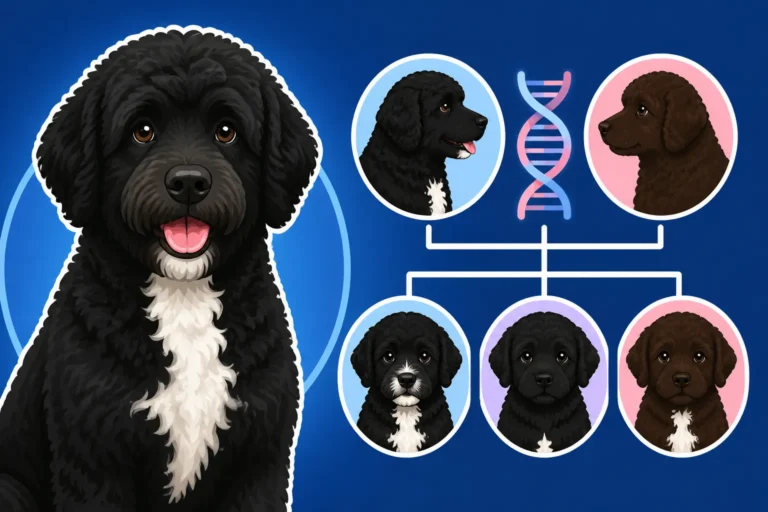
This heartbreaking disease underscores the absolute critical importance of responsible breeding practices and genetic testing. GM1 Gangliosidosis is an autosomal recessive inherited disease. This means a puppy must inherit two copies of the defective gene – one from each parent – to be affected. Dogs that inherit only one copy are carriers; they don't show symptoms but can pass the gene on to their offspring.
Reputable Portuguese Water Dog breeders are incredibly diligent about genetic screening to prevent diseases like GM1. They will test their breeding stock for a panel of genetic conditions specific to the breed. The availability of a DNA test for GM1, which became widely used around 2007, was a game-changer. "When the GM1 DNA Test Became Available" marked a turning point, allowing breeders to make informed decisions and virtually eradicate GM1 from their lines. This commitment means that if you are considering bringing a Portuguese Water Dog puppy into your home, you must ensure that the breeder has performed the full recommended genetic health panel on both parents. You should ask to see the results of these tests, which should include GM1.
While genetic testing helps prevent known inherited conditions like GM1, life with any pet can bring unexpected health challenges. Having a comprehensive pet insurance plan, such as one from Healthy Paws, can provide significant peace of mind. While it won't cover a pre-existing genetic condition like GM1 once diagnosed, it can certainly help with unforeseen accidents or other illnesses that might arise throughout your Portuguese Water Dog's life. It's a thoughtful consideration for any new puppy owner, safeguarding against the high costs of veterinary care that can sometimes emerge out of nowhere. Breeders who focus on health are actively shaping the future of the breed, as discussed in "How the GM1 Test Changed Portuguese Water Dog Breeding". For more information on what health tests to expect, "The Four DNA Tests Every Portuguese Water Dog Breeder Runs" and "Which Health Tests a Portuguese Water Dog Breeder Should Run" are excellent guides.
Here's a comparison of typical Portuguese Water Dog temperament versus behaviors observed in GM1-affected puppies:
| Aspect of Temperament/Behavior | Typical Healthy Portuguese Water Dog Puppy | GM1-Affected Portuguese Water Dog Puppy |
|---|---|---|
| Energy Level/Playfulness | High, active, eager to play and explore | Progressive lethargy, reluctance to play, rapid tiring |
| Coordination/Movement | Agile, good balance, strong swimmer | Ataxia (wobbly gait), tremors, difficulty standing/walking, eventually falls |
| Engagement/Responsiveness | Alert, intelligent, responds to commands and interaction | Becomes withdrawn, confused, slow to respond, may ignore commands |
| Social Interaction | Affectionate, enjoys family interaction, may be wary of strangers | May become irritable or seek solitude due to discomfort, less desire for interaction |
| Appetite/Eating | Enthusiastic eater, eager for treats | Difficulty chewing/swallowing, loss of appetite, drooling |
| Vocalization | Moderate barking, expressive, playful growls | May increase whining due to distress, or become very quiet |
| Alertness/Cognition | Quick learner, observant, problem-solver | Progressive disorientation, vacant stare, difficulty recognizing surroundings |
It's important to remember that these changes are not reflective of the puppy's true temperament but are agonizing symptoms of a devastating neurological disease. Healthy Paws, or any good pet insurance, helps cover those unforeseen illnesses and accidents, allowing you to focus on your dog's care, rather than overwhelming vet bills.
Disclaimer
This article is for general informational purposes only and does not constitute professional advice. Laws, prices and regulations vary by location and change over time. Consult a qualified professional for guidance on your specific situation.