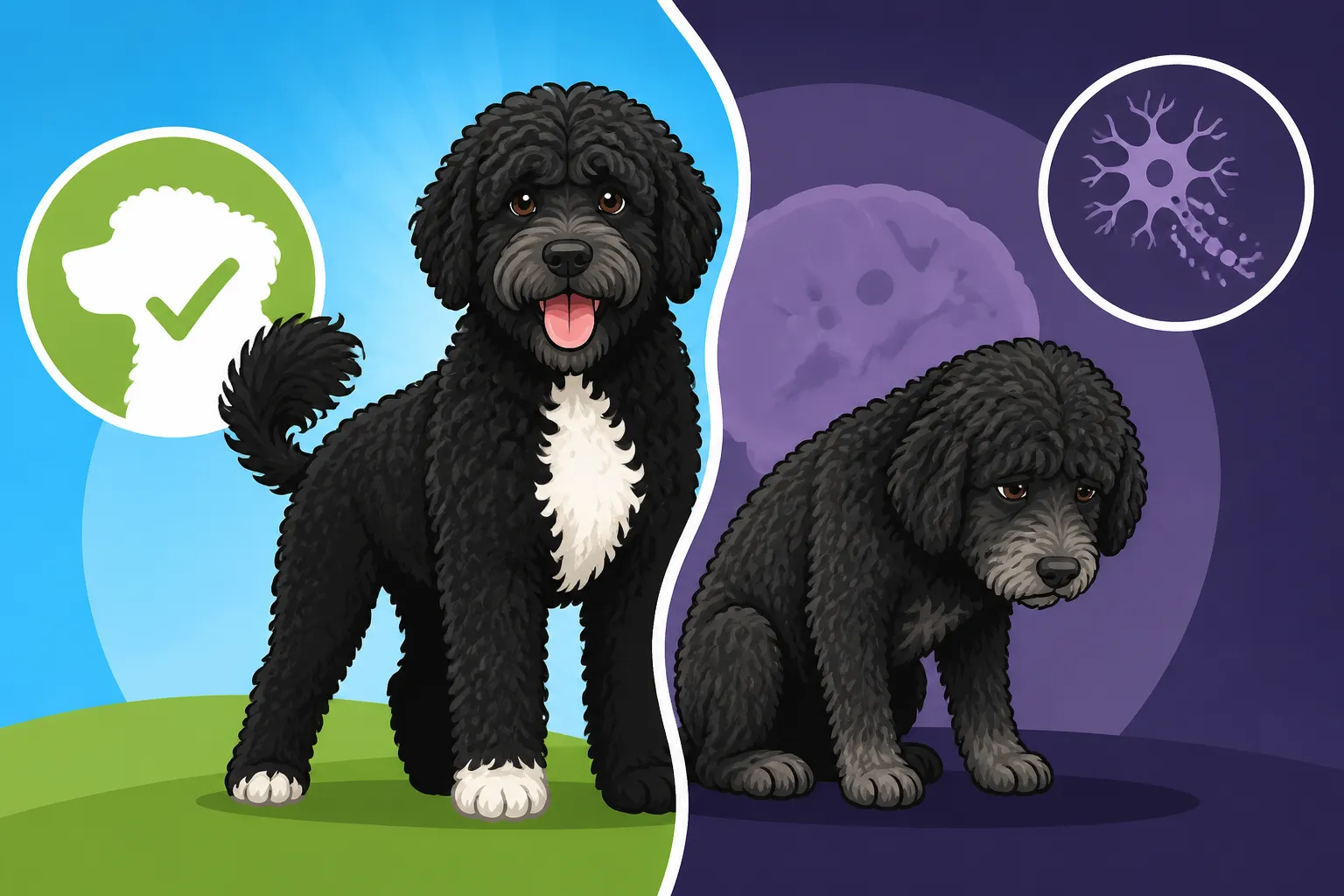
What GM1 Gangliosidosis Does to a Portuguese Water Dog
Bringing a new Portuguese Water Dog puppy into your home is an incredibly exciting time, full of dreams of swims, adventures, and endless loyalty. However, the shadow of genetic diseases can loom large, and few are as heartbreakingly swift and severe as GM1 Gangliosidosis. This devastating neurological disorder robs families of their beloved pups far too soon, and understanding exactly what it does is crucial for any prospective or current PWD owner.
Understanding GM1 Gangliosidosis in Portuguese Water Dogs
GM1 Gangliosidosis is a truly dreadful condition, a lysosomal storage disease that specifically targets the central nervous system in Portuguese Water Dogs. It's not just a minor ailment; it's a progressive, neurodegenerative disease that ultimately leads to a severely compromised quality of life and, tragically, a very early death. When you hear about genetic conditions, this is one of the ones that truly underscores the importance of responsible breeding and testing.
The Science Behind the Suffering
At its core, GM1 Gangliosidosis in a Portuguese Water Dog stems from a genetic mutation that causes a deficiency in the beta-galactosidase enzyme. Now, that might sound like a mouthful of scientific jargon, but what it means is critical: this enzyme is like a tiny cleanup crew inside the cells. Its job is to break down specific fatty substances called gangliosides. When there isn't enough of this enzyme, or it's simply not working correctly, these gangliosides can't be processed. Instead, they start to accumulate, particularly in the nerve cells of the brain, spinal cord, and even in other organs. Think of it like a trash compactor that stops working – the waste just piles up, clogging everything and eventually making the whole system fail. This toxic buildup of gangliosides is what leads to the severe neurological symptoms we see in affected puppies.
A Rapid and Incurable Progression
What makes GM1 so particularly heartbreaking is its rapid and relentless progression. Unlike some diseases where symptoms might be mild or manageable for years, GM1 acts fast. Pups born with GM1 often appear perfectly normal at birth, which can give families a false sense of security during those precious first weeks. It's during those critical early months, usually between three and six months of age, that the first subtle signs begin to manifest. Once they appear, the disease progresses quickly, with neurological function deteriorating week by week, sometimes even day by day. There's no cure, no way to halt the accumulation of these toxic substances. The sad reality is that these puppies rarely live past six months of age. This swift decline is why it's so vital for breeders to be transparent and for owners to be aware of the implications.
The Early Onset of Clinical Signs
One of the most insidious aspects of GM1 Gangliosidosis is how normal affected puppies appear in their initial weeks. You're bringing home a bundle of joy, a vibrant, playful little Portuguese Water Dog, and you have no idea that a ticking clock has already started. This makes the eventual appearance of symptoms all the more shocking and devastating. The subtle nature of the first signs can also make them easy to miss for an inexperienced owner, or even for a vet who isn't specifically looking for this rare genetic condition.
Subtle Behavioral and Motor Changes
The initial signs of GM1 often manifest as subtle changes in a puppy's behavior and motor skills. You might notice your energetic PWD puppy, typically a bouncy and coordinated breed, starting to seem a bit clumsy. They might stumble more often than their littermates, or have difficulty navigating stairs or jumping onto furniture that used to be easy. Owners often describe a general lack of coordination or an unsteady gait. Imagine your puppy trying to walk across a room, and instead of a smooth trot, their back end seems to sway a little too much, or their steps are slightly off-kilter. This loss of coordination isn't just a puppy being awkward; it's a direct result of the ganglioside buildup affecting their neurological pathways. Early on, these signs can be intermittent, making them even harder to pinpoint, but they inevitably become more pronounced. For more on these indicators, consider reading about the specific Signs a Portuguese Water Dog Puppy Has GM1.
The Progression to More Severe Neurological Deficits
As the gangliosides continue to accumulate and wreak havoc on the nervous system, the symptoms become impossible to ignore. The initial clumsiness gives way to more significant motor dysfunction. Pups might develop a noticeable tremor, particularly when they are excited or trying to focus on something. Their movements become increasingly spastic and uncoordinated, a phenomenon often described as ataxia. This can make simple acts like walking a major challenge. The joy of watching a Portuguese Water Dog swim, a hallmark of the breed, becomes a distant memory as their ability to coordinate their limbs in water diminishes.
Beyond motor skills, the neurological impact can lead to other terrifying signs. Affected puppies might start to have seizures, which can range from mild, momentary disorientations to full-blown grand mal episodes. Their vision can also be affected, leading to blindness as the optic nerve or parts of the brain responsible for processing sight degenerate. There can even be changes in temperament, with some puppies becoming withdrawn or unusually irritable as their world becomes increasingly confusing and difficult to navigate. This is why it's heartbreaking to witness, as these vibrant pups lose their spark so quickly.
Diagnosis and Prognosis
Discovering that your beloved Portuguese Water Dog puppy is affected by GM1 Gangliosidosis is an incredibly difficult and painful experience for any family. The journey to diagnosis, especially given the rarity of the condition and its rapid progression, can be emotionally taxing. However, advancements in veterinary medicine, particularly in genetic testing, have significantly improved the ability to identify this disease definitively, both in affected puppies and in potential carriers.
The Path to Confirmation: Clinical Signs and Genetic Testing
Initially, a veterinarian might suspect a neurological issue based on the clinical signs presented by the puppy – the progressive incoordination, tremors, vision problems, and sometimes seizures. However, these symptoms can be indicative of several different conditions, making a definitive diagnosis crucial. Blood tests might reveal abnormalities in enzyme levels, and in some cases, specialized veterinary neurologists might recommend an MRI or other imaging to look for changes in the brain. However, the gold standard for diagnosing GM1 Gangliosidosis in Portuguese Water Dogs is genetic testing.
This involves sending a DNA sample, usually collected via a simple cheek swab, to a specialized laboratory. These labs can identify the specific genetic mutation responsible for the beta-galactosidase enzyme deficiency. The availability of this test has been a game-changer. For instance, reputable labs like Optigen have offered comprehensive genetic testing panels for years, including the GM1 marker. This allows for a precise diagnosis, confirming whether a puppy is indeed affected, or even if an apparently healthy dog is a carrier of the gene. This test is vital for breeders who want to ensure they are not inadvertently passing on this devastating condition. You can learn more about What the Portuguese Water Dog JDCM Swab Costs and similar genetic tests, as GM1 testing is typically part of these comprehensive panels.
The Inevitable Prognosis and Lack of Treatment
Once a Portuguese Water Dog is diagnosed with GM1 Gangliosidosis, the prognosis is universally grim. There is currently no effective treatment or cure for this disease. Veterinary care focuses primarily on supportive measures to manage symptoms and ensure the puppy's comfort for as long as possible. This might involve medications to control seizures, nutritional support if eating becomes difficult, and creating a safe, padded environment to prevent injuries from falls or disorientation.
Families facing this diagnosis are often forced to make agonizing decisions about their puppy's quality of life. As the disease progresses, the neurological deficits become so severe that the puppy loses its ability to walk, eat, or even interact meaningfully with its environment. The kindest, albeit heartbreaking, decision often involves euthanasia to prevent further suffering. This devastating outcome underscores why preventative genetic testing in breeding is so incredibly important for the future of the breed. It also highlights why robust pet insurance plans, such as those offered by Healthy Paws, are vital, as they can help cover the extensive diagnostic and supportive care costs during such a difficult time, though a genetic condition diagnosed at birth or prior to coverage may have limitations.
The Impact on the Portuguese Water Dog Breed
The discovery and understanding of GM1 Gangliosidosis have had a profound and lasting impact on Portuguese Water Dog breeding practices and the breed's overall health strategy. It's a prime example of how scientific advancement and dedicated breeders can work together to combat devastating inherited diseases. The proactive approach taken by many in the PWD community serves as a model for other breeds facing similar genetic challenges.
Breeding Responsibly to Eradicate GM1
The devastating nature of GM1 Gangliosidosis meant that once the genetic mutation was identified and a reliable DNA test became available, responsible breeders quickly adopted it. The goal was, and remains, to eliminate the disease from the Portuguese Water Dog gene pool entirely. Breeders now routinely test all their breeding stock for GM1, along with other critical genetic diseases like Juvenile Dilated Cardiomyopathy Kills a Portuguese Water Dog Puppy Fast and the two forms of Progressive Retinal Atrophy.
The breeding strategy for GM1 is straightforward:
- Clear x Clear: Breeding two dogs that are both genetically "clear" of the GM1 mutation will produce a litter where all puppies are clear.
- Clear x Carrier: Breeding a clear dog with a "carrier" (a dog that carries one copy of the mutated gene but is not affected itself) will result in approximately 50% clear puppies and 50% carrier puppies. These carriers are then identified and should only be bred with clear dogs to avoid producing affected offspring. For more on this, check out Whether a GM1 Carrier Portuguese Water Dog Is Affected.
- Carrier x Carrier: This breeding combination is strictly avoided by responsible breeders. It carries a 25% risk of producing affected puppies, 50% carriers, and 25% clear.
This systematic approach, embraced by ethical breeders and supported by organizations like the Portuguese Water Dog Club of America, has dramatically reduced the incidence of GM1. It's a testament to how the breed community can rally to protect its future. For a broader look at responsible breeding practices, refer to What a Portuguese Water Dog Breeder Should Have Tested.
The Role of Genetic Testing in Breed Health
Genetic testing has been a monumental step forward for the Portuguese Water Dog breed, transforming how breeders approach health. Before the GM1 DNA test became available around the year 2000, breeders had no way of knowing if their dogs were carriers unless they unfortunately produced an affected puppy. This meant the disease could silently pass through generations, only to surface devastatingly in unsuspecting litters.
Now, prospective puppy owners can (and should) ask breeders for documented proof of genetic testing for both parent dogs, ensuring they are clear of GM1. If a breeder is using a carrier in their program (which can sometimes be done to preserve valuable bloodlines, but only when bred to a clear dog), they should also test the puppies to identify which ones are carriers. This transparency and proactive testing ensures that no affected puppies are born, and helps maintain a healthy gene pool while slowly reducing the carrier rate over time.
This vigilance is a crucial part of responsible dog ownership. If you're looking for a puppy, always verify the health clearances. Organizations like the Orthopedic Foundation for Animals (OFA) maintain a public database of health results, including genetic tests, for many breeds. This commitment to testing is a significant financial investment for breeders, as a full panel of tests can be extensive. When considering the Cost of a Portuguese Water Dog Puppy From a Breeder, remember that a significant portion of that cost goes towards these essential health screenings. Comprehensive pet insurance plans like those from Healthy Paws can also offer peace of mind for future health concerns, though genetic conditions present at birth are typically not covered.
Resources for Owners and Breeders
Navigating the world of genetic health in Portuguese Water Dogs can feel overwhelming, especially when confronting serious conditions like GM1 Gangliosidosis. Thankfully, there's a robust network of resources available to help both current owners and prospective families make informed decisions and find support.
Where to Find Reliable Genetic Testing Services
For Portuguese Water Dog owners and breeders looking to perform genetic testing, several reputable laboratories specialize in canine DNA diagnostics. These labs offer comprehensive panels that include GM1 Gangliosidosis, along with other breed-specific conditions.
Some of the leading laboratories include:
- Optigen: This lab has a long history of working with the Portuguese Water Dog community and offers specific testing for GM1, prcd-PRA, and other PWD genetic conditions. They are a trusted name in canine genetic testing.
- Embark Veterinary: Known for its comprehensive genetic screening that goes beyond simple disease markers to include breed identification, trait analysis, and health predispositions. Their health panel typically includes GM1.
- OFA (Orthopedic Foundation for Animals): While primarily known for orthopedic clearances, OFA also maintains a vast database of DNA test results from various labs, allowing breeders to register and verify their dogs' genetic health clearances. They don't perform the DNA tests themselves but serve as a central registry.
It's crucial to ensure that any genetic testing is done by a reputable lab that provides accurate and verifiable results. Always ask breeders for the official documentation from these labs. This ensures you're getting a puppy from parents who have been properly screened, helping to ensure that Whether GM1 Still Appears in Portuguese Water Dogs becomes an increasingly rare and eventually non-existent question.
Support and Information for Portuguese Water Dog Families
Even with responsible breeding, new owners should always be prepared for potential health challenges. This is where community and information become invaluable.
- Portuguese Water Dog Club of America (PWDCA): This national breed club is an excellent resource. They offer extensive health information on their website, including detailed explanations of genetic diseases common in the breed, recommended health testing protocols, and lists of responsible breeders who adhere to these standards. They also often have health committees and forums where owners can find support and advice.
- Veterinary Specialists: If you have concerns about your puppy's health, or if your regular vet suspects a neurological issue, don't hesitate to seek a referral to a board-certified veterinary neurologist. These specialists have the expertise and diagnostic tools to accurately diagnose complex conditions and provide the best possible guidance.
- Pet Insurance: While genetic conditions like GM1 Gangliosidosis, if identified early, might fall under pre-existing conditions clauses for many pet insurance policies, robust pet insurance from providers like Healthy Paws can still be a lifesaver for unexpected accidents, illnesses, or other potential conditions that might arise throughout your Portuguese Water Dog's life. It's always wise to research policies thoroughly and understand their coverage for genetic and hereditary conditions. Planning for the lifetime cost of care, including potential health issues, is a significant part of Twelve Years of a Portuguese Water Dog, Priced Out.
Being informed and proactive is the best way to ensure a healthy and happy life for your Portuguese Water Dog, mitigating the risks of devastating conditions like GM1 Gangliosidosis through careful selection and robust support networks.
| Key Aspects of GM1 Gangliosidosis in Portuguese Water Dogs | Description | Impact on Puppy | Breeding Implications |
|---|---|---|---|
| Nature of Disease | Lysosomal storage disorder, inherited recessively | Destroys nerve cells, leading to severe neurological dysfunction | Requires both parents to be carriers to produce affected puppies |
| Genetic Cause | Deficiency in beta-galactosidase enzyme due to specific gene mutation | Accumulation of toxic gangliosides in brain and other organs | DNA test identifies carriers and affected individuals |
| Age of Onset | Typically 3-6 months, appears normal at birth | Rapidly progressive decline, usually no survival past 6 months | Early detection crucial for ethical breeding decisions |
| Clinical Signs | Progressive incoordination (ataxia), tremors, vision loss, seizures, behavioral changes | Loss of motor control, cognitive decline, severe disability, eventual humane euthanasia | Breeders must screen parents to prevent affected offspring |
| Diagnosis | Clinical signs + definitive DNA test via cheek swab | Confirms presence of genetic mutation | Essential for responsible breeding; informs owner about puppy's genetic status |
| Treatment/Prognosis | No cure; supportive care only | Universally fatal outcome | Highlights the critical importance of preventative genetic screening |
Disclaimer
The information provided in this article is for educational purposes only and is not intended to be a substitute for professional veterinary advice, diagnosis, or treatment. Always seek the advice of your veterinarian or other qualified health provider with any questions you may have regarding a medical condition.