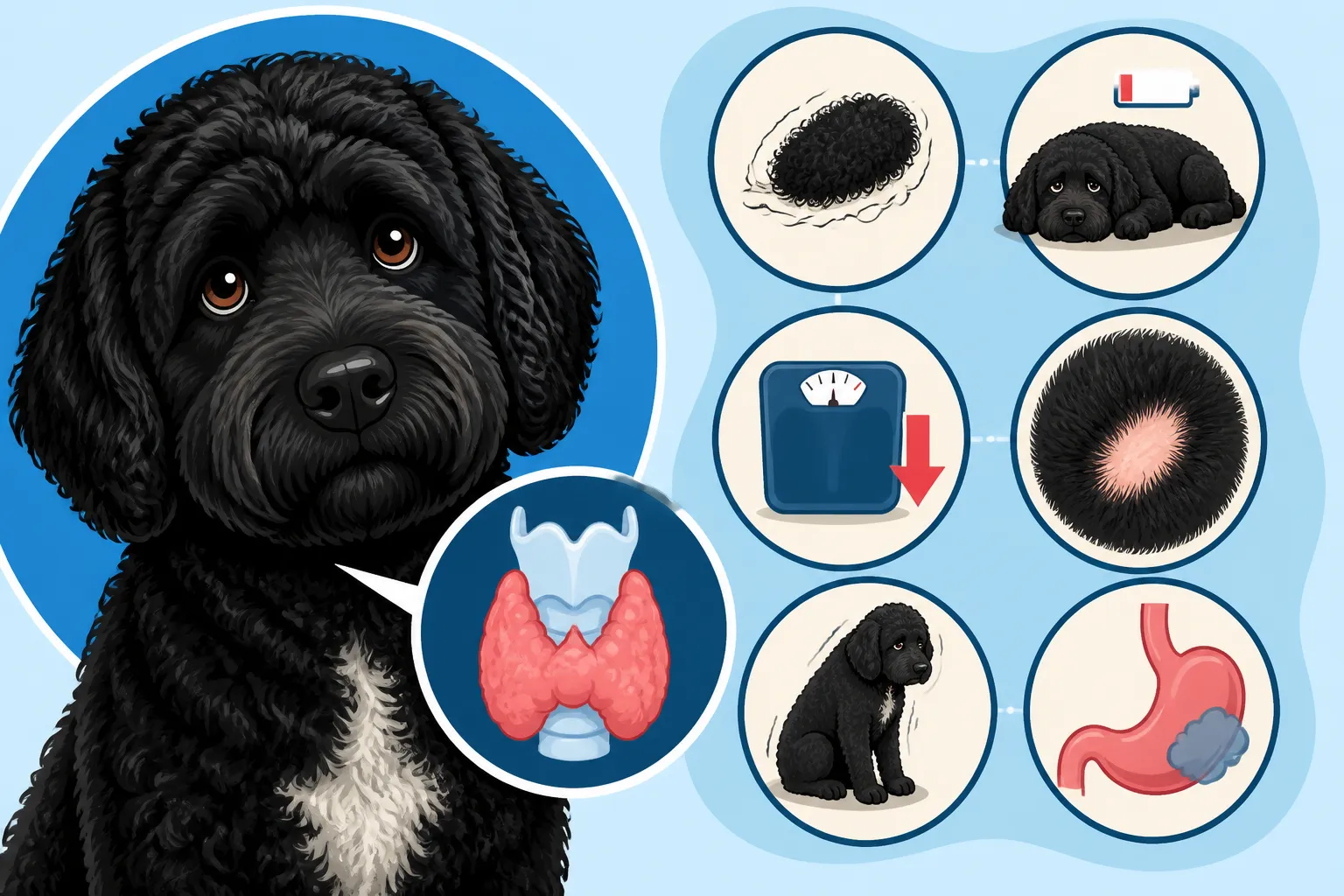
Signs a Portuguese Water Dog’s Thyroid Is Low
It’s a frustrating scenario many dog owners face: your beloved Portuguese Water Dog just isn't quite themselves, but you can't put your finger on why. They seem a little slower, perhaps a bit chunkier, or their glorious coat, usually so vibrant, looks dull. These subtle changes can be incredibly confusing, leaving you wondering if it's just old age, a shift in personality, or something more serious. This comprehensive guide will walk you through the often-overlooked signs that your Portuguese Water Dog might have a low thyroid, helping you understand what to look for and what steps to take next.
Understanding Hypothyroidism in Portuguese Water Dogs
When we talk about a "low thyroid," we're referring to a condition called hypothyroidism. It’s not just a minor hiccup; it’s a systemic problem that can impact almost every bodily function in your Portuguese Water Dog, often subtly at first, then more overtly. As a breed, Portuguese Water Dogs are unfortunately among those more commonly affected by thyroid issues, making it a crucial topic for every owner to understand.
What Exactly is Hypothyroidism?
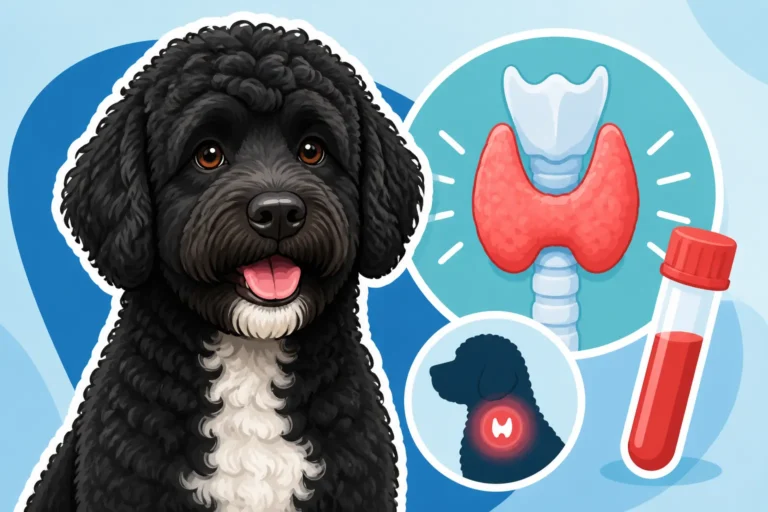
Imagine your dog's thyroid gland as the master regulator of their metabolism. Located in the neck, this small but mighty gland produces hormones, primarily thyroxine (T4), which dictate how quickly the body uses energy. These hormones influence heart rate, body temperature, digestion, hair growth, and even brain function. When a dog has hypothyroidism, their thyroid gland isn't producing enough of these vital hormones. It’s like the furnace of their body is turned down too low, making everything operate in slow motion. This deficiency can stem from various causes, most commonly immune-mediated thyroiditis, where the dog's own immune system mistakenly attacks and destroys the thyroid tissue.
For a Portuguese Water Dog, an active and often robust breed, this metabolic slowdown can be particularly impactful. They are typically full of vim and vigor, eager to swim, retrieve, and engage in high-energy activities. A dog with low thyroid, however, might find even their usual walk exhausting, let alone a spirited session of fetch at the beach. This fundamental change in their energy processing affects them from their fur to their very spirit, leading to a cascade of observable symptoms that we'll dive into. Understanding the root cause helps you appreciate why seemingly unrelated symptoms can all point back to this single glandular dysfunction.
Why PWDs Are Prone to Thyroid Issues
It's a tough truth, but certain breeds, including our beloved Portuguese Water Dogs, have a genetic predisposition to developing hypothyroidism. This isn't to say every PWD will get it, but the likelihood is elevated compared to many other breeds. Research indicates that autoimmune thyroiditis, the most common form of canine hypothyroidism, has a heritable component. This means that if there's a history of thyroid issues in your dog's family line, their risk increases. Reputable breeders often screen their breeding stock for thyroid function, but even with careful selection, it can still appear, as the genetics can be complex.
Beyond genetics, other factors might contribute, such as exposure to certain environmental toxins or even other concurrent autoimmune diseases. However, for most Portuguese Water Dog owners, the primary concern remains that breed-specific genetic vulnerability. This predisposition underscores the importance of being vigilant about changes in your dog's health and discussing thyroid screening with your veterinarian, especially as your PWD gets older. It’s a sad reality that sometimes the very characteristics that make a breed unique also carry a higher risk for certain health challenges. Knowing that Whether a Portuguese Water Dog Gets Hypothyroidism is a possibility helps owners be proactive rather than reactive when symptoms begin to emerge.
The Subtle, Early Indicators of Low Thyroid
Hypothyroidism rarely announces itself with a dramatic flourish. Instead, it often creeps in quietly, presenting symptoms that are easy to dismiss or attribute to other factors. These subtle changes are the ones you need to pay close attention to, as early detection can make a significant difference in your dog's quality of life and treatment success.
Behavioral Shifts You Might Miss
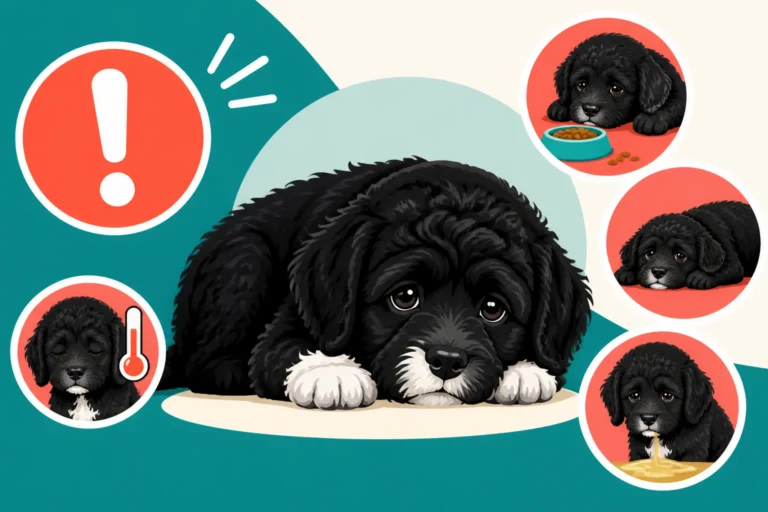
One of the first things you might notice, if you're truly attuned to your Portuguese Water Dog's personality, are shifts in their usual behavior. A breed known for its intelligence, boundless energy, and zest for life might start to slow down. That dog who used to greet you with an enthusiastic dive into the water at the mention of "swim" might now hesitate, or opt for a much shorter dip. They might seem more lethargic, sleeping more than usual or appearing less eager to engage in playtime or training sessions.
Perhaps your typically outgoing PWD seems a bit withdrawn, or less interested in their favorite activities. They might be less playful with other dogs at the park or show a decreased tolerance for exercise, tiring out much faster on walks that used to be a breeze. It's not just about physical energy; their mental engagement can also wane. They might seem less alert, perhaps even appearing a bit dull or less responsive to commands. This isn't necessarily a sudden personality change but a gradual fading of their typical spirited self, and it's a critical early warning sign that something physiological is amiss.
Unexplained Weight Gain and Appetite Changes
Another common, yet often attributed to "aging," symptom is unexplained weight gain. Despite no discernible increase in food intake or a decrease in their usual exercise routine (though, as noted, their willingness to exercise might drop), your Portuguese Water Dog starts to look a little heavier. This happens because their slowed metabolism means their body isn't burning calories efficiently. They are effectively running on a lower power setting, so even normal food portions can lead to a calorie surplus that gets stored as fat.
Sometimes, paradoxically, you might even notice a decrease in appetite. A dog that once wolfed down their dinner might now pick at it, or leave food in their bowl. Despite this reduced intake, the weight still creeps on. This can be incredibly frustrating for owners who are already mindful of their dog's diet, trying to keep What a Portuguese Water Dog Weighs and How to Keep It There in a healthy range. It’s important to remember that this isn't about your dog being "lazy" or "greedy"; it's a direct consequence of their body’s inability to process nutrients and energy correctly due to insufficient thyroid hormones. If you're seeing your PWD get heavier without a clear reason, it's definitely time to consider a vet visit.
Skin and Coat Clues
The coat of a Portuguese Water Dog is one of their most distinctive features – whether curly or wavy, it's typically dense, lustrous, and water-resistant. So, when changes occur here, they can be significant indicators of an underlying health problem. With low thyroid, you might start to notice a dullness to their usually vibrant coat. It loses its sheen and feels dry or brittle to the touch. The texture might change, becoming coarser or even sparse. You might run your hands through their fur and feel patches where the hair seems thinner than usual, or simply not as plush.
One classic sign is bilateral hair loss, often symmetrical on both sides of the body, particularly on the trunk, flanks, and the top of the tail, sometimes referred to as a "rat tail" or "comedo tail." This hair loss isn't usually itchy in the early stages, distinguishing it from common allergies or skin irritations. You might also notice their skin itself becomes dry, flaky, or even thickened, particularly in areas of friction. Some PWDs with hypothyroidism also experience a lack of shedding or, conversely, what seems like excessive shedding of dull, lifeless hair. The issue of Whether a hypothyroid Portuguese Water Dog loses coat is a very common and visible symptom that often prompts owners to seek veterinary advice. If you're seeing these kinds of coat and skin changes, especially in combination with other subtle signs, it’s a strong signal that thyroid function needs to be investigated.
More Pronounced and Later-Stage Symptoms
As hypothyroidism progresses without treatment, the subtle signs can become more pronounced, impacting various systems within your Portuguese Water Dog's body. These later-stage symptoms are often more debilitating and clearly indicate a significant health issue.
Muscular and Neurological Manifestations
Beyond general lethargy, a Portuguese Water Dog with advanced hypothyroidism might start to exhibit more distinct muscular and neurological symptoms. You might observe a noticeable weakness, particularly in their hindquarters, making it harder for them to jump into the car, climb stairs, or even stand up from a lying position. Their gait might become stiff or clumsy, and they could seem disoriented or unsteady on their feet. This isn't just tiredness; it's a genuine muscular weakness stemming from the metabolic slowdown affecting muscle function.
Another common symptom is an increased intolerance to cold. Your PWD, usually unfazed by a cool dip, might shiver more easily, seek out warmer spots, or seem generally chilled even in mild temperatures. This is because the thyroid hormones are crucial for regulating body temperature, and with low levels, their internal furnace simply isn't working efficiently enough to keep them warm. In rare, severe cases, you might even see more serious neurological signs such as facial paralysis, laryngeal paralysis (which can affect their bark and breathing), or even seizures, though these are far less common presentations than the more general lethargy and weakness. Such profound changes warrant immediate veterinary attention.
Reproductive and Other Systemic Impacts
Hypothyroidism isn't limited to energy levels and coat quality; it can also affect a dog's reproductive system and even have implications for other endocrine functions. For intact female Portuguese Water Dogs, irregular or absent heat cycles (anestrus) are a common sign of low thyroid. They might fail to conceive or experience early embryonic death if they do become pregnant. Males might show decreased libido or reduced sperm count. These reproductive issues stem from the thyroid hormones' critical role in regulating the entire endocrine system.
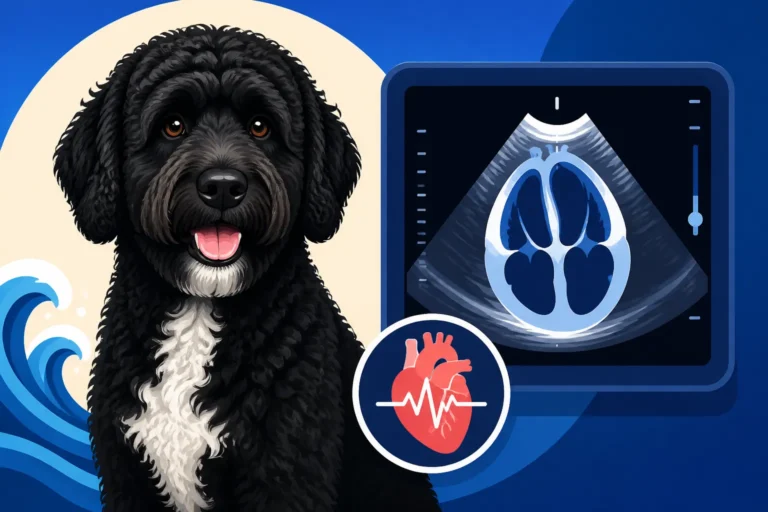
Furthermore, hypothyroidism can sometimes coexist with, or mimic, other autoimmune conditions. For example, while not directly related to Addison's Disease, the initial symptoms can sometimes overlap, making diagnosis tricky. In fact, Why Addisons Is Called the Great Pretender in a Portuguese Water Dog is a common adage in veterinary medicine because its symptoms can be so vague and wide-ranging, just like hypothyroidism. This interplay highlights the importance of comprehensive testing. Some Portuguese Water Dogs with hypothyroidism may also develop other health concerns, such as anemia, elevated cholesterol, or even heart rate abnormalities, as the body struggles to maintain normal function across all systems.
The "Great Pretender" Aspect
One of the most challenging aspects of diagnosing hypothyroidism in Portuguese Water Dogs, and indeed in many breeds, is its reputation as a "great pretender." The symptoms are often non-specific and can easily be mistaken for other conditions, making a definitive diagnosis reliant on specific blood tests. For instance, the lethargy and weight gain could be attributed to a sedentary lifestyle or normal aging, while skin issues might be diagnosed as allergies, infections, or even Whether a Portuguese Water Dog Gets Skin Allergies which need to be ruled out. A dog that's always been a bit shy might simply be seen as having a temperament change rather than a hormonal imbalance.
This is where the keen eye of an owner who truly knows their dog comes into play, combined with the expertise of a veterinarian. It’s not uncommon for owners to go through several rounds of different treatments for what they think is the problem – maybe a new diet for weight, supplements for coat, or even anti-inflammatory drugs for joint pain – before hypothyroidism is finally considered. This delay can prolong suffering and lead to unnecessary costs, but with diligent observation and good communication with your vet, you can help narrow down the possibilities much faster. Pet insurance providers like Healthy Paws are particularly helpful here, as they often cover the diagnostic tests and long-term medication for chronic conditions like hypothyroidism, providing significant financial relief during what can be a confusing and expensive journey.
When to Suspect Low Thyroid and What to Do Next
Recognizing the subtle signs is the first crucial step, but knowing when to act and what to expect from the diagnostic process is equally important. Don't hesitate to reach out to your veterinarian if you have any concerns.
The Importance of Regular Vet Check-ups
This cannot be stressed enough: regular veterinary check-ups are your first line of defense against many insidious diseases, including hypothyroidism. Even if your Portuguese Water Dog seems perfectly healthy, a yearly wellness exam provides your vet with baseline information and allows them to catch subtle changes you might miss. During these visits, your vet will perform a thorough physical examination, checking their weight, coat condition, heart rate, and overall demeanor. This is the perfect opportunity to discuss any concerns you might have, no matter how minor they seem.
For Portuguese Water Dogs, given their breed predisposition, proactive screening can be incredibly valuable. Many veterinarians will recommend a basic thyroid screen as part of What a Portuguese Water Dog's Yearly Bloodwork Should Cover, especially as they approach middle age, which is typically around 6-8 years for this breed. Even if your dog isn't showing obvious symptoms, a baseline thyroid panel can help identify trends or subtle deficiencies before they manifest into full-blown illness. Consistent care, and open dialogue with your vet, are truly the cornerstones of ensuring a long and healthy life for your PWD, especially as you start Caring for a Portuguese Water Dog Past Nine.
Diagnostic Steps and What to Expect
If you and your vet suspect hypothyroidism, the diagnostic process usually involves a specific blood test. This isn't just any blood test; it's a specialized panel designed to measure the levels of thyroid hormones in your dog's blood. The most common tests include:
- Total T4 (TT4): This measures the total amount of thyroxine (T4) in the blood, both bound and unbound. A low TT4 is a common indicator of hypothyroidism, but it can also be affected by non-thyroidal illnesses or certain medications.
- Free T4 (fT4): This measures only the unbound, biologically active T4. It's often a more accurate indicator than TT4, as it's less affected by other medical conditions.
- Canine Thyroid-Stimulating Hormone (cTSH): This hormone, produced by the pituitary gland, tells the thyroid when to release more T4. In hypothyroid dogs, the pituitary gland often works overtime trying to stimulate a failing thyroid, leading to a high cTSH level.
Often, vets will run a combination of these tests, sometimes referred to as a "full thyroid panel," to get the most accurate picture. A low fT4 combined with a high cTSH is generally considered diagnostic for hypothyroidism. Your vet might also want to re-test after a few weeks to confirm the results, as hormone levels can fluctuate. It's important to remember that these tests need to be interpreted by a veterinarian, as various factors can influence results. Getting a clear diagnosis is the definitive answer you need, and pet insurance like Healthy Paws can significantly ease the financial burden of these diagnostic panels, ensuring you can pursue all necessary tests without hesitation.
Living with a Hypothyroid PWD
Receiving a diagnosis of hypothyroidism can feel overwhelming, but the good news is that it’s a very manageable condition. Treatment typically involves daily oral medication – synthetic thyroid hormone replacement (levothyroxine). This medication replenishes the hormones your dog's body isn't producing, essentially restarting their metabolic furnace. It’s usually given twice a day, and most dogs respond wonderfully, showing significant improvement in their symptoms within a few weeks. The lethargy lifts, their coat begins to regain its luster, and that unexplained weight often starts to normalize.
It's a lifelong commitment; much like Whether Addisons Medication Is Lifelong for a Portuguese Water Dog, thyroid medication will likely be needed for the remainder of your PWD's life. However, the benefits far outweigh the inconvenience. Your vet will establish an initial dosage, and then regular follow-up blood tests will be necessary to ensure the medication levels are optimal. These rechecks are vital because finding the correct dosage is a bit of a balancing act, and it can change over time. With consistent medication and monitoring, your Portuguese Water Dog can live a full, active, and happy life, enjoying all the swimming, retrieving, and family adventures they were bred for. The key is diligence and commitment to their prescribed treatment plan.
| Symptom Category | Early/Subtle Signs | More Pronounced/Later-Stage Signs |
|---|---|---|
| Energy/Behavior | Mild lethargy, reduced enthusiasm, increased sleeping, less engagement. | Significant lethargy, reluctance to play/exercise, withdrawal, mental dullness. |
| Weight/Appetite | Unexplained weight gain despite normal/reduced food intake. | Pronounced obesity, appetite changes (either increased or decreased). |
| Coat/Skin | Dull, dry coat, mild thinning, flaky skin. | Extensive bilateral hair loss (especially trunk/tail), "rat tail," thickened skin, recurring skin infections. |
| Temperature | Seeking warmth, mild cold intolerance. | Shivering, pronounced cold intolerance, seeking constant warmth. |
| Muscular/Neurological | Mild weakness, less stamina. | Muscle weakness, stiffness, clumsy gait, rare neurological signs (e.g., facial paralysis). |
| Other | No obvious signs, irregular heat cycles (intact females). | Anemia, elevated cholesterol, reproductive issues, potentially other systemic problems. |
Disclaimer
The information provided in this guide is intended for general knowledge and informational purposes only, and does not constitute veterinary advice. Always consult with a qualified veterinarian for any health concerns or before making any decisions related to your Portuguese Water Dog's health and treatment.