When a Portuguese Water Dog’s Thyroid Should Be Tested
It’s truly disheartening when your energetic, water-loving Portuguese Water Dog starts showing signs of slowing down, maybe gaining a little weight, or their beautiful coat just isn't what it used to be. Many of these subtle changes can be easily dismissed as just "getting older" or a phase, but for Portuguese Water Dog owners, these can often be early indicators of a thyroid issue. This guide is here to walk you through exactly when and why thyroid testing is so crucial for your beloved PWD, helping you catch potential problems early and ensure they live their fullest, happiest life.
The Unseen Challenge: Why Thyroid Testing Is So Important for Your Portuguese Water Dog
Portuguese Water Dogs are renowned for their vigor, their boundless enthusiasm for life, and their distinct curly or wavy coats. It’s hard to imagine such a vibrant breed being silently affected by something that can drain their energy and dull their shine, but hypothyroidism, an underactive thyroid, is a health concern that PWD owners absolutely need to be aware of. This isn't just a minor inconvenience; it can significantly impact their quality of life if left undiagnosed and untreated.
Understanding Hypothyroidism in PWDs
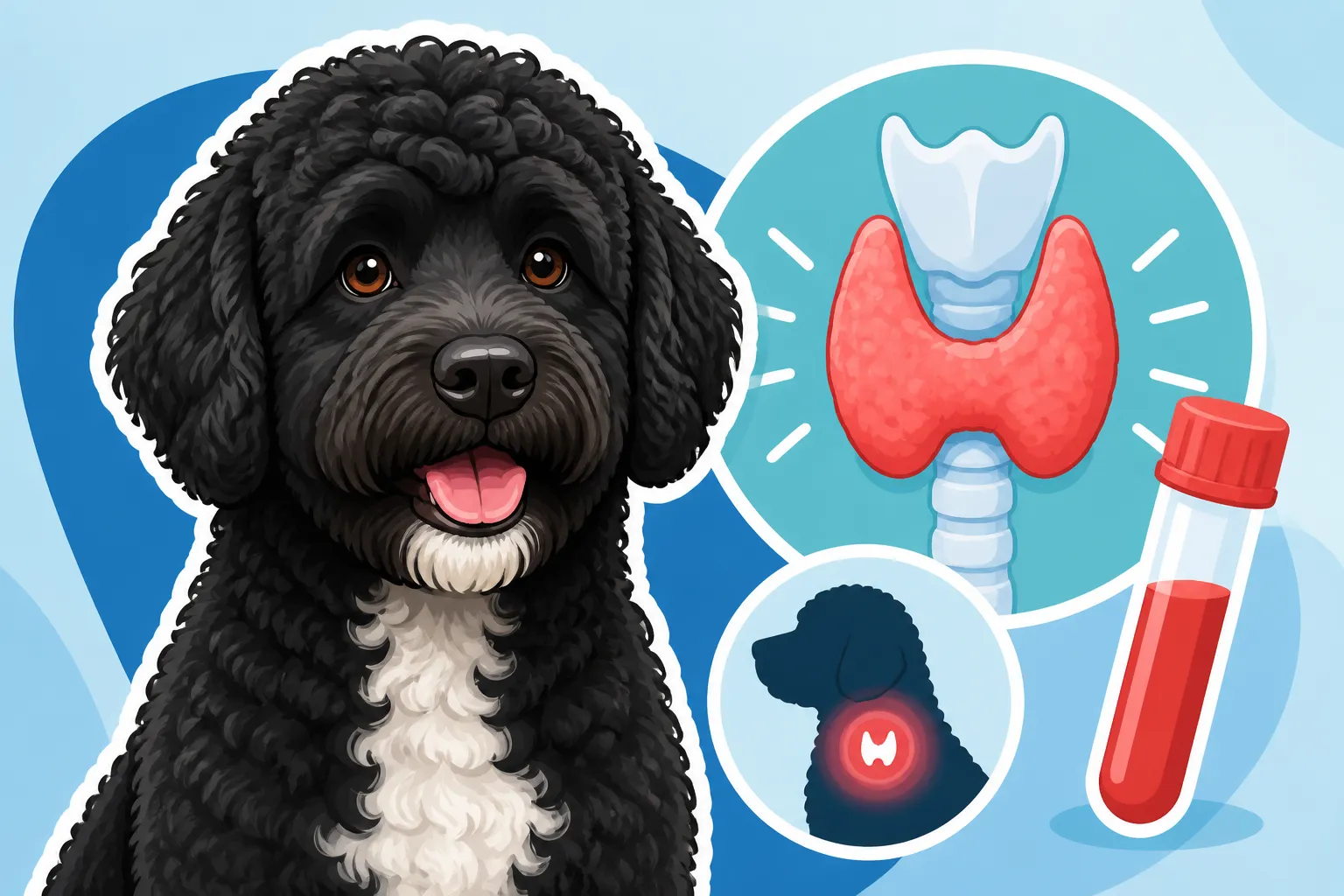
Hypothyroidism occurs when the thyroid gland, a small but mighty gland in the neck, doesn't produce enough thyroid hormones. These hormones are like the conductors of an orchestra, regulating metabolism, energy levels, heart function, body temperature, and even the health of their skin and coat. When the conductor goes missing, the whole orchestra starts to play out of tune. In PWDs, like many purebred dogs, the most common cause is lymphocytic thyroiditis, an autoimmune condition where the body's immune system mistakenly attacks and destroys the thyroid gland. This isn't something you can prevent with diet or exercise; it's often genetic, and while it doesn't manifest at birth, it develops over time.
What makes hypothyroidism particularly frustrating in our active PWDs is that the initial symptoms can be incredibly subtle, easily mistaken for normal aging or just a particularly lazy day. Perhaps your dog, who usually begs for a swim, is now content with a short walk, or they're just not as bouncy as they once were. These small shifts can compound over months or even years before more obvious signs appear. Many owners don't realize that their dog isn't just "slowing down" but is actually experiencing a metabolic slowdown due to insufficient thyroid hormones. Understanding What a Portuguese Water Dog Does All Day helps put these changes into perspective; a PWD should be active, engaged, and full of beans. When they aren't, it's a red flag worth investigating.
The Silent Onset of Thyroid Issues
One of the most challenging aspects of hypothyroidism in Portuguese Water Dogs is its insidious onset. Unlike an acute injury, the symptoms creep up slowly, making them hard to pinpoint. You might notice a gradual weight gain despite no change in diet or exercise, a dullness in their once vibrant coat, or even hair loss, especially on the flanks or tail. They might seem more lethargic, less interested in games, or intolerant to cold weather, shivering when they never used to. Sometimes, behavioral changes, like increased anxiety or aggression, can also be linked to an underactive thyroid, though these are less common primary signs.
This slow progression means that by the time overt symptoms like severe lethargy, a "tragic" facial expression, or recurrent skin infections become obvious, the disease has likely been present for quite some time, steadily affecting their internal systems. This is why proactive monitoring and timely testing are paramount. If you've been noticing any of these subtle shifts, especially if your PWD is reaching middle age, it's absolutely worth a conversation with your veterinarian about thyroid health. These concerns are also important to discuss during their annual check-ups, which should also include What a Portuguese Water Dog's Yearly Bloodwork Should Cover.
Navigating the Right Time: When to Consider Thyroid Testing for Your PWD
Knowing when to test your Portuguese Water Dog’s thyroid can feel like a guessing game, especially with the subtle nature of the disease. However, there are several key periods and scenarios where thyroid testing moves from being a suggestion to a critical step in maintaining your PWD's health. Proactive testing can make a world of difference, allowing for early intervention and a much better prognosis.
Baseline Testing in Young Adults
Establishing a baseline thyroid level for your Portuguese Water Dog when they are young adults – typically between 2 and 4 years of age – is one of the smartest things you can do. This initial test provides a benchmark of what "normal" looks like for your individual dog. Every dog is unique, and while there are established reference ranges, having your dog's personal normal can be invaluable later on. For instance, some PWDs might naturally run at the lower end of the normal range, while others are at the higher end. Without that baseline, interpreting results years down the line can be more challenging.
Think of it like having a blueprint for their optimal health. If their thyroid levels start to dip below this established baseline in subsequent years, even if they're still technically within the "normal" range for the general canine population, it could signal an early trend toward hypothyroidism for them specifically. Many breeders advocate for this proactive approach, often performing initial screenings as part of their comprehensive health programs. If you're wondering Which Health Tests a Portuguese Water Dog Breeder Should Run, thyroid screening should definitely be on that list.
Testing When Symptoms Appear
This is often when most owners realize something might be amiss. As mentioned, the symptoms of hypothyroidism can be wide-ranging and often mimic other conditions. However, if your Portuguese Water Dog starts exhibiting a combination of these signs, it's a strong indicator that a thyroid panel is in order:
- Lethargy and Reduced Activity: Your once indefatigable companion seems less enthusiastic about their favorite activities, whether it's a long walk, a game of fetch, or, critically, a swim. They might sleep more or seem generally low on energy.
- Weight Gain: Despite no changes in diet or exercise routine, they begin to pack on the pounds. This is a classic sign of a slowed metabolism.
- Coat and Skin Changes: The beautiful, dense coat that defines the PWD might become dry, brittle, or sparse. You might notice excessive shedding, particularly in areas like the tail ("rat tail"), flanks, or throat. Recurring skin infections, dullness, or even dark pigmentation (hyperpigmentation) are also common. You can learn more about specific coat changes in Whether a Hypothyroid Portuguese Water Dog Loses Coat.
- Intolerance to Cold: They might seek out warm spots, shiver more, or generally seem uncomfortable in cooler temperatures that never bothered them before.
- Other Potential Signs: Less commonly, owners might observe a slow heart rate, muscle weakness, or even neurological signs like seizures, although these are typically seen in more advanced cases.
If you observe any of these " Signs a Portuguese Water Dog's Thyroid Is Low", don't hesitate to contact your vet. It's far better to rule out hypothyroidism than to let it progress untreated. Your vet will perform a physical exam and discuss their history, then likely recommend blood tests to assess thyroid function. Remember, the earlier a diagnosis is made, the sooner treatment can begin, leading to a much better quality of life for your PWD.
Pre-breeding Screening
For anyone involved in responsible Portuguese Water Dog breeding, thyroid screening is not just recommended; it's absolutely essential. Since lymphocytic thyroiditis, the primary cause of hypothyroidism in PWDs, is an inherited autoimmune disease, breeders have a critical role to play in reducing its prevalence. Both male and female dogs intended for breeding should undergo regular thyroid testing, typically starting around two years of age and repeating annually or biennially.
The Orthopedic Foundation for Animals (OFA) maintains a public database for various canine health tests, including thyroid. Breeders can submit results from certified labs to OFA, allowing for transparency and informed breeding decisions. A dog with diagnosed hypothyroidism, even if managed with medication, should generally not be used for breeding due to the hereditary component of the disease. By carefully screening breeding stock, breeders help ensure that future generations of Portuguese Water Dogs are as healthy as possible, reducing the risk of passing on this debilitating condition. This commitment to health screening, including a The Four DNA Tests Every Portuguese Water Dog Breeder Runs, is a hallmark of an ethical breeder.
Beyond the Blood Draw: Understanding the Thyroid Panel and What Comes Next
Getting your Portuguese Water Dog’s blood drawn for a thyroid test is just the first step. Understanding what those results mean, what a "normal" range truly signifies, and the commitment to ongoing care are all crucial parts of managing this condition. It's a journey, but one that is entirely navigable with the right knowledge and partnership with your veterinarian.
Comprehensive Thyroid Panels
When your vet suspects hypothyroidism, they won't just run a single test. A comprehensive thyroid panel provides a much more accurate picture than a basic T4 test alone. Here's a breakdown of what these tests measure:
- Total T4 (TT4): This measures the total amount of thyroxine (a primary thyroid hormone) circulating in the blood, both free and bound to proteins. It's a good initial screening test, but can be influenced by many non-thyroidal illnesses and certain medications.
- Free T4 (fT4) by Equilibrium Dialysis: This is considered the most accurate measure of the biologically active form of T4. Because it's not affected by protein binding, it's less prone to external influences and provides a more reliable indicator of actual thyroid function.
- Total T3 (TT3) and Free T3 (fT3): These measure triiodothyronine, another thyroid hormone. While important, T3 levels can fluctuate more and are often less reliable for diagnosing hypothyroidism in dogs compared to T4.
- Canine Thyroid Stimulating Hormone (cTSH): Produced by the pituitary gland, TSH tells the thyroid gland to make more thyroid hormones. In hypothyroid dogs, the thyroid isn't responding, so the pituitary tries harder, leading to elevated TSH levels. This is a key diagnostic marker.
- Thyroglobulin Autoantibodies (TgAA): This test detects antibodies that attack the thyroid gland itself. A positive result indicates an autoimmune thyroiditis, which is the most common cause of hypothyroidism in PWDs. This is incredibly important for diagnosing the underlying cause and understanding the genetic predisposition.
Your vet will likely send samples to a specialized veterinary diagnostic lab, such as Michigan State University’s Animal Health Diagnostic Laboratory or Cornell University's Animal Health Diagnostic Center, both recognized for their expertise in endocrine testing. These labs often offer full thyroid panels that provide all these measurements, giving a complete diagnostic picture.
Understanding Normal vs. Abnormal Ranges
Once the results are back, your vet will interpret them in the context of your dog's symptoms, age, and breed. It's not always as simple as a clear "yes" or "no." Here’s why:
- Reference Ranges: Labs provide a "normal" reference range, but this is an average. Some healthy dogs might have values at the low end of normal, while early hypothyroid dogs might still fall within the low-normal range. This is why a baseline test in younger years is so helpful.
- "Sick Euthyroid" Syndrome: Various non-thyroidal illnesses (e.g., kidney disease, liver disease, chronic infections) or even medications (like steroids or sulfa antibiotics) can temporarily suppress thyroid hormone levels, making a healthy dog appear hypothyroid. This is called "sick euthyroid syndrome." This is where the comprehensive panel and the fT4 and cTSH tests become crucial for distinguishing true hypothyroidism from other conditions.
- Autoantibody Significance: A positive TgAA test, even if T4 and TSH levels are currently normal, indicates that your dog's immune system is attacking their thyroid. This means they are highly likely to develop clinical hypothyroidism in the future and warrant close monitoring with repeat testing every 6-12 months. This is a form of Autoimmune Disease in a Portuguese Water Dog, a condition worth understanding in this breed.
Your vet's expertise is vital here. They will consider all factors to provide an accurate diagnosis. Don't be afraid to ask questions about the numbers and what they specifically mean for your PWD.
Monitoring and Management Post-Diagnosis
If your Portuguese Water Dog is diagnosed with hypothyroidism, the good news is that it’s a very manageable condition. Treatment typically involves lifelong oral thyroid hormone replacement therapy, usually in the form of levothyroxine. Your vet will prescribe a starting dose, and then follow-up blood tests will be necessary to fine-tune it.
Typically, recheck blood work is done 4-8 weeks after starting medication or after a dose change. These tests usually focus on TT4 or fT4 levels, ideally measured 4-6 hours after the morning dose of medication to ensure the drug is reaching therapeutic levels. Once your dog is stable on medication, testing might be needed every 6-12 months. This ongoing monitoring ensures the dosage remains appropriate and that your PWD is feeling their best. The aim is to alleviate symptoms and restore their normal metabolic function.
Managing a chronic condition like hypothyroidism does come with ongoing costs for medication and regular blood work. This is where pet insurance can be a real lifeline. Companies like Healthy Paws offer comprehensive pet insurance plans that can help cover these recurring expenses, ensuring you can provide the best possible care without significant financial strain. Having a plan from Healthy Paws can mean less worry about the cost of quarterly blood tests or daily medication and more focus on your dog's well-being. Knowing you have that safety net can make a huge difference in long-term management, allowing your PWD to continue enjoying The Twelve to Fifteen Years a Portuguese Water Dog Gets.
Thyroid Testing Timeline for Portuguese Water Dogs
To help summarize when you should consider thyroid testing for your Portuguese Water Dog, here's a handy overview:
| Age/Scenario | Recommended Action | Key Tests Usually Performed | Why It's Important |
|---|---|---|---|
| 2-4 Years Old | Establish Baseline | Full Thyroid Panel (TT4, fT4, cTSH, TgAA) | Creates an individual "normal" range for your PWD; crucial for future comparisons. |
| Annually (Breeders) | Pre-breeding Screening | Full Thyroid Panel (TT4, fT4, cTSH, TgAA) | Helps ethical breeders avoid passing on hereditary autoimmune thyroiditis. |
| Any Age, Symptomatic | Diagnostic Testing | Full Thyroid Panel (TT4, fT4, cTSH, TgAA) | Confirms or rules out hypothyroidism when clinical signs appear. |
| Post-Diagnosis (4-8 weeks) | Dose Adjustment Monitoring | TT4 or fT4 (4-6 hours post-pill) | Ensures medication dosage is effective and dog is responding to treatment. |
| Post-Diagnosis (6-12 months) | Ongoing Management & Monitoring | TT4 or fT4 (4-6 hours post-pill) | Maintains optimal hormone levels and adjusts dosage as needed throughout life. |
| If on other medications | Before/During new meds | TT4, fT4 | Rules out "sick euthyroid" syndrome, as some drugs can mimic low thyroid. |
Disclaimer
This article is intended for informational purposes only and does not constitute veterinary advice. Always consult with a qualified veterinarian for any health concerns or before making any decisions about your Portuguese Water Dog's medical care.