When a Portuguese Water Dog Should Eat Before Swimming
It’s a common scenario for Portuguese Water Dog owners: you’ve got a dog that lives for the water, a boundless energy supply, and a desire to give them the best possible life. But then mealtime rolls around, and you start to wonder, "Is it okay if Fido just ate a full bowl of kibble before we head to the lake for a swim?" It’s a very real and valid concern, blending the desire for exercise with the basic need for nutrition, and it often leaves owners second-guessing themselves. This guide is here to untangle the complexities of feeding your Portuguese Water Dog around their beloved swim times, helping you ensure they get the most out of both their meals and their aquatic adventures.
Understanding Your Portuguese Water Dog's Digestive System
Before we even dive into specific timing, it’s really helpful to understand what’s actually going on inside your Portuguese Water Dog's body when they eat. Their digestive system is a marvel, but it's also a system that needs to operate efficiently without undue stress, especially when paired with intense physical activity. Thinking about it in terms of competing demands on their body’s resources can make the "why" of meal timing much clearer.
How Food Moves Through Your PWD's System
When your Portuguese Water Dog wolfs down their meal, that food embarks on a journey. First, it hits the stomach, where digestive acids and enzymes get to work, breaking down those delicious proteins, fats, and carbohydrates. The stomach muscles contract and churn, mixing everything into a more manageable paste called chyme. This is a critical initial phase where a lot of energy is being expended to start the breakdown process.
From the stomach, this partially digested food slowly moves into the small intestine. This is where the real heavy lifting of nutrient absorption happens. Villi, tiny finger-like projections, increase the surface area for maximum uptake of all those good things your dog needs to thrive. It’s a complex and continuous process, relying on a steady blood supply and a calm environment to do its job effectively.
Finally, any remaining material passes into the large intestine, where water is absorbed, and waste is prepared for excretion. The entire journey from first bite to complete digestion can take anywhere from 8 to 12 hours, depending on the food type and the individual dog's metabolism. It's not a quick sprint; it's a marathon for their internal systems.
Energy Needs for Digestion vs. Activity
Here’s where the conflict often arises. Digestion isn't a passive process; it's incredibly energy-intensive. Your dog's body needs to direct a significant amount of blood flow to the stomach and intestines to facilitate the breakdown and absorption of nutrients. Think of it like a busy factory, humming along, requiring a lot of resources.
Now, imagine you ask that same body to engage in vigorous activity, like an enthusiastic swimming session or a challenging game of Which Retrieving Games Tire a Portuguese Water Dog. When your PWD is swimming, their muscles are working hard, their heart rate increases, and their lungs are taking in more air. All these activities also demand a huge amount of blood flow, sending it to the muscles, heart, and lungs to deliver oxygen and nutrients and to clear away waste products.
When digestion and intense physical activity happen too close together, their body is essentially trying to do two major, resource-intensive jobs at once. It has to split its efforts, which means neither process is performed optimally. This can lead to digestive upset, discomfort, a less effective workout, and in some cases, more serious issues. It's a bit like trying to run a marathon right after eating a Thanksgiving dinner – your body simply isn't set up to do both well.
Risks of Combining Meals and Immediate Swimming
While the thought of a good swim after a hearty meal might sound appealing to us humans, for our canine companions, particularly active breeds like the Portuguese Water Dog, it can actually pose some significant risks. These aren't just minor inconveniences; some can be quite serious, highlighting why careful timing is so important.
Gastrointestinal Discomfort and Vomiting
The most immediate and common issue your Portuguese Water Dog might face if they swim too soon after eating is simple gastrointestinal discomfort. Imagine being bloated and full, then being asked to twist, turn, and exert yourself vigorously in the water. The jostling, the exertion, and the pressure on a full stomach can easily lead to nausea and vomiting. It’s not pleasant for them, and it certainly isn’t pleasant for you to clean up!
This discomfort can also manifest as cramping, stomach ache, or diarrhea after the activity. Their body, trying to manage both digestion and intense movement, often struggles, leading to a breakdown in normal digestive processes. If your PWD frequently experiences an upset stomach after swimming, poor meal timing is often the first thing to investigate. This is especially true if you're feeding them a new or particularly rich food. When buying food, whether from your local pet store or online via Chewy, always consider how easily digestible it is.
Reduced Performance and Stamina
Even if your Portuguese Water Dog doesn't outright vomit, exercising on a full stomach will almost certainly impact their performance and stamina. Remember how we talked about blood flow? When their body is focused on digesting a meal, a significant portion of its blood supply is diverted to the digestive organs. This means there's less oxygen-rich blood available for their muscles, which are working hard during a swim.
This reduced blood flow to the muscles translates directly to less efficient movement, quicker fatigue, and a general feeling of sluggishness. Your typically energetic Portuguese Water Dog might seem less enthusiastic, tire out faster, or not be able to swim as far or as strongly as usual. It's not because they've lost their love for the water, but because their body is literally battling itself, trying to digest food while also powering a vigorous swim. You want them to enjoy and excel in the water, and proper timing plays a huge role in that.
Bloat Gastric Dilatation-Volvulus
This is perhaps the most serious, albeit less common, risk associated with exercise on a full stomach. Gastric Dilatation-Volvulus (GDV), commonly known as bloat, is a life-threatening condition where the stomach fills with gas and twists, trapping food and gas inside. While Portuguese Water Dogs are not among the breeds most commonly associated with bloat (which tends to be very large, deep-chested breeds), it's a concern for any dog.
The exact causes of bloat aren't fully understood, but one of the recognized risk factors is vigorous exercise shortly after eating a large meal. The combination of a full stomach, gas accumulation from digestion, and the physical movements of swimming or running can potentially contribute to the stomach twisting. Symptoms of bloat include unproductive retching, a distended abdomen, restlessness, and signs of pain. It is an emergency condition that requires immediate veterinary attention. You can read more about it here: Whether a Portuguese Water Dog Bloats. While it's not something to panic about constantly, it's a significant reason to be mindful of meal timing, especially if your PWD is a fast eater or gulps air while eating.
Best Practices for Meal Timing Around Swimming
Alright, so we know why it's important to time meals correctly. Now, let's talk about the practical "how." Finding that sweet spot between fueling your active Portuguese Water Dog and ensuring their digestive system is clear before a swim can feel like a balancing act, but it's absolutely achievable with a little planning.
The Ideal Pre-Swim Waiting Period
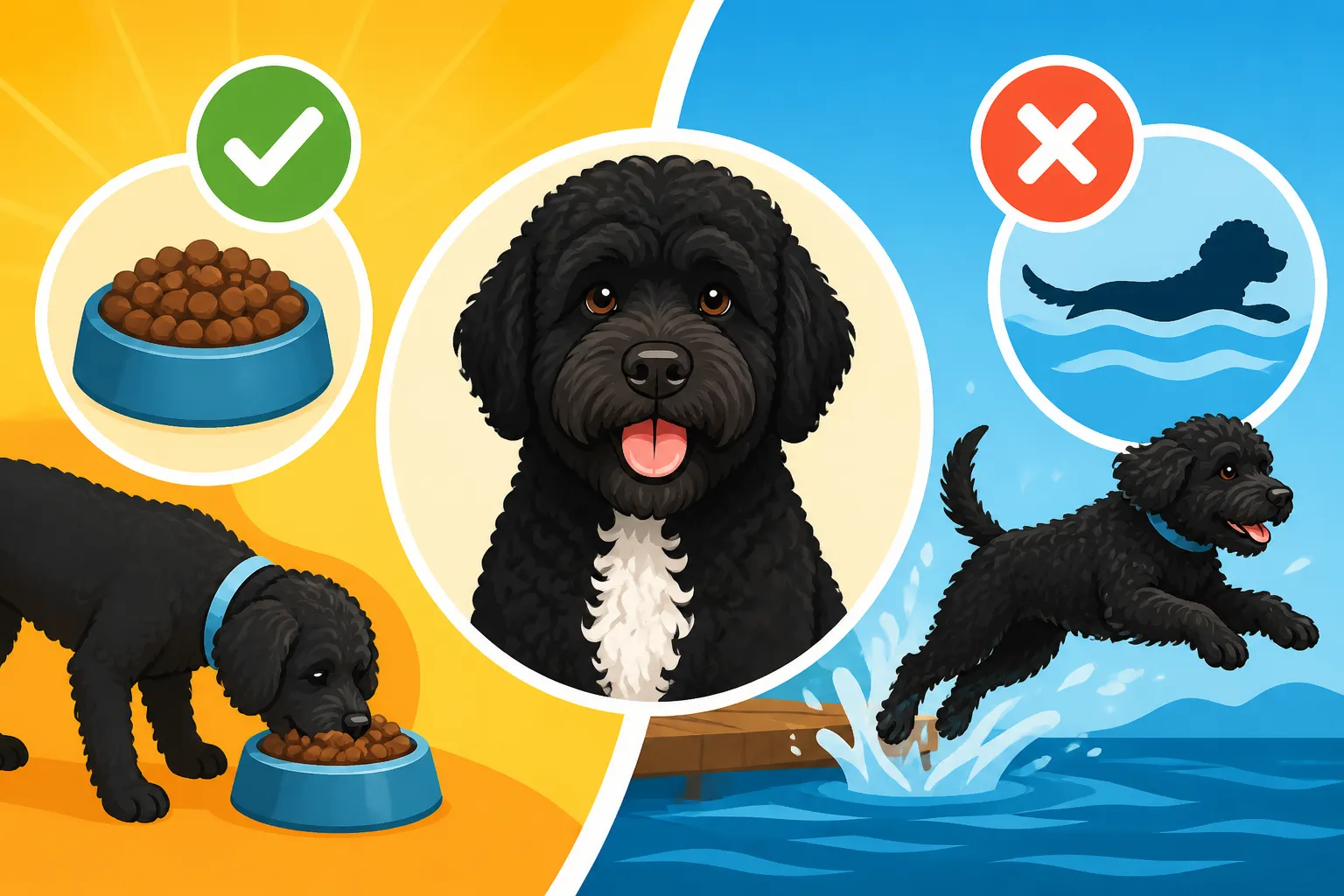
The general consensus among veterinarians and experienced dog owners is to wait at least 2 to 3 hours after a full meal before allowing your Portuguese Water Dog to engage in vigorous exercise, especially swimming. For some dogs, particularly if they are prone to sensitivity or if they've had a very large meal, a 4-hour window might even be better.
This waiting period allows their stomach to largely empty its contents into the small intestine, significantly reducing the amount of food sloshing around. It gives their body ample time to kickstart the digestive process without the added stress of physical exertion. By the time they hit the water, their energy can be fully directed toward propelling themselves through the water, fetching that toy, or practicing their water trial skills. This also means less risk of stomach upset and a much more enjoyable and safer swim.
Think about the structure of your day. If your PWD loves an afternoon swim, then an early morning meal and a mid-day meal with plenty of time before their dip makes sense. Similarly, if evening swims are your routine, make sure dinner is served well after they've toweled off and settled down.
Small Snacks Before a Long Session
Sometimes, despite your best intentions, a swim session might be longer or more intense than usual, or you might find yourself needing to give your Portuguese Water Dog a little boost if it's been many hours since their last meal. In these cases, a small, easily digestible snack about 30-60 minutes before hitting the water can be beneficial.
We're talking about a very small amount here – not a full meal. Think a couple of high-quality training treats, a small piece of cooked chicken, or a spoonful of plain pumpkin. The key is easy digestion and minimal volume. This provides a quick burst of readily available energy without putting a heavy load on their stomach. It's just enough to stave off hunger and provide a little fuel for their muscles, especially if they're embarking on something like a long retrieve training session or a dock diving practice. You can find excellent, digestible treats at pet stores or online, perhaps browsing Amazon for options specifically designed for active dogs.
Post-Swim Meal Timing and Hydration
After an exhilarating swim, your Portuguese Water Dog will likely be hungry and thirsty. It's tempting to immediately offer them food, but it's still best to allow them a cool-down period. Wait at least 30-60 minutes after a vigorous swim before offering their next meal.
Why the wait? Their body has just been through a lot of exertion. Their core temperature might be elevated, their breathing and heart rate will be high, and their muscles are recovering. Immediately filling their stomach could lead to stomach upset or even gulping air if they eat too quickly, which, again, can contribute to discomfort. This cooling-down period allows their body to return to a more relaxed state, making digestion more efficient and comfortable.
More importantly than immediate food, ensure they have access to plenty of fresh, clean water immediately after swimming, and even during breaks in longer sessions. Swimming, especially in warm weather or salt water, can be dehydrating. Your Portuguese Water Dog needs to rehydrate effectively. Offer water in small, frequent amounts rather than a huge bowl all at once, which could lead to them drinking too fast and gulping air. Keeping them well-hydrated is crucial for their overall health, especially for an active breed like the Portuguese Water Dog, and you can learn more about managing them in different environments here: How Long a Portuguese Water Dog Can Stay in Cold Water.
| Activity Level | Meal Timing Before Swim | Snack Before Swim (Optional) | Meal Timing After Swim | Notes |
|---|---|---|---|---|
| Casual Play | 1-2 hours | Small, easily digestible | 30 mins | Light splashing, short retrieves. Focus on comfort. |
| Moderate Swim | 2-3 hours | Small, easily digestible | 30-60 mins | Energetic fetching, sustained swimming for 15-30 mins. |
| Intense Workout | 3-4 hours | Very small, high-energy | 60 mins | Long-distance swims, dock diving, water trials. Prioritize safety and performance. |
What to Feed Your Swimming Portuguese Water Dog
Beyond when you feed, what you feed also plays a significant role in supporting your Portuguese Water Dog's active, water-loving lifestyle. Their diet needs to provide sustained energy, aid in recovery, and be gentle on their digestive system. After all, they’re an athletic breed, and their nutrition should reflect that.
Choosing Easily Digestible Foods
For an active dog, especially one that swims often, selecting easily digestible food is paramount. This means food that their body can efficiently break down and absorb nutrients from, without putting undue strain on their digestive system. Look for high-quality dog foods with identifiable meat proteins as the first few ingredients, and avoid excessive fillers, artificial colors, or preservatives.
Many Portuguese Water Dog owners opt for premium kibbles specifically formulated for active breeds, which are often nutrient-dense and designed for efficient energy conversion. Brands found on platforms like Chewy offer a vast selection of such foods. Some owners also choose fresh food diets, like those offered by Ollie, which can be highly digestible, though careful consideration of portion sizes and timing is still necessary. Regardless of the type of food, ensure it’s something your dog tolerates well and doesn't cause them any gastrointestinal upset on a regular basis. You want their gut to be happy and calm.
Appropriate Portion Sizes
The amount you feed your Portuguese Water Dog is just as critical as the type of food. Overfeeding, especially before activity, exacerbates all the risks we've discussed. It's not just about the calories, but the sheer volume of food in their stomach. A good rule of thumb is to feed the recommended portion size for their age, weight, and activity level, as provided by the food manufacturer or your veterinarian.
If your PWD is particularly active, working in water trials, or doing extensive swimming, they might need slightly more calories overall to maintain their weight and energy. However, instead of increasing meal size right before a swim, consider splitting their daily food intake into two smaller meals. This strategy ensures they get the necessary nutrients without overloading their stomach at any one time. This also aligns with general recommendations for managing an active dog's diet: Feeding an Athletic Portuguese Water Dog. Keep an eye on their body condition; you should be able to feel their ribs easily without seeing them protruding.
The Importance of Hydration Beyond the Bowl
We've talked about offering water after a swim, but consistent hydration throughout the day is vital for your Portuguese Water Dog. Dogs are not always the best at self-regulating their water intake, especially when distracted by play or when their water bowl isn't easily accessible.
Beyond just having a bowl available, consider strategies to encourage drinking, particularly if you have a PWD who might be a little fussy. Some dogs love a pet drinking fountain. For outdoor activities, always carry fresh water with you and offer it frequently. If your PWD is swimming in salt water or chlorinated pools, rinsing them off afterwards and offering fresh water helps remove residues and encourages rehydration. Adding a splash of low-sodium chicken broth to their water can sometimes entice a reluctant drinker. Remember, their magnificent coat can sometimes make it hard to spot weight changes, so you need to be proactive about their overall health and hydration. For more on keeping track of their health, check out What a Portuguese Water Dog Weighs and How to Keep It There.
Practical Tips for Busy Portuguese Water Dog Owners
We all lead busy lives, and sometimes scheduling meals and swims perfectly feels like another impossible task on a never-ending to-do list. But with a little foresight and consistency, you can easily integrate these best practices into your routine, ensuring your Portuguese Water Dog stays happy, healthy, and ready for their next splash.
Establishing a Routine
Dogs thrive on routine, and establishing a consistent schedule for meals and exercise can make a world of difference for your Portuguese Water Dog. Try to feed them at roughly the same times each day. For example, if morning swims are a staple, an early breakfast (say, 6:00 AM) could mean a swim around 9:00 AM. If you plan an evening swim after work, ensure they had their last meal well before you even leave for the day, or plan for a lighter dinner much later in the evening after they've had their fun and properly rested.
This consistency helps their digestive system regulate itself and allows you to anticipate when they’ll be ready for activity. It also helps manage their energy levels throughout the day. If you find yourself needing to adjust the routine, do it gradually over a few days rather than making sudden changes, which can sometimes upset a dog's stomach. For dogs who might get hungry between meals, particularly active ones, consider splitting their daily food ration into When a Portuguese Water Dog Should Be Fed Twice a Day to manage hunger without overfilling their stomach at one sitting.
Observing Your Dog's Individual Needs
Every Portuguese Water Dog is an individual. While the 2-3 hour rule is a solid guideline, your specific dog might have slightly different needs. Some dogs might have more sensitive stomachs and require a longer waiting period, perhaps 3.5 to 4 hours. Others with faster metabolisms might tolerate a slightly shorter window.
Pay close attention to your PWD after they swim. Do they seem uncomfortable? Are they sluggish or prone to burping or passing gas excessively? Do they ever vomit or have loose stools? These are all signs that the current timing might not be ideal for them. If you notice any concerning symptoms, always consult your veterinarian. They can offer tailored advice based on your dog's health, age, and activity level. Building a strong relationship with your vet is crucial for managing your dog's health, and they can provide excellent guidance on all aspects of care.
Using Training and Enrichment to Manage Energy
Sometimes, the challenge isn't just meal timing, but managing your Portuguese Water Dog's boundless energy when they can't swim immediately. This is where creative training and enrichment come into play. Instead of vigorous physical activity, engage their brilliant minds. Puzzle toys, scent work games (even simple "find the treat" games indoors), or short, focused obedience sessions can burn mental energy without putting stress on their digestive system.
For example, a solid hour after a meal, before a big swim, you could engage them with a Kong filled with frozen peanut butter or a snuffle mat. This keeps them happily occupied and mentally stimulated while their food settles. It also helps reinforce positive behavior and prevents boredom-induced mischief. A mentally tired Portuguese Water Dog is often just as content as a physically tired one, at least for a while! This allows you to stick to your safe meal-to-swim schedule while still providing for their inherent need for engagement.
Disclaimer
This article is for general informational purposes only and does not constitute professional advice. Laws, prices and regulations vary by location and change over time. Consult a qualified professional for guidance on your specific situation.