What Blade Length a Portuguese Water Dog’s Retriever Clip Uses
It’s a common frustration for Portuguese Water Dog owners: you love that classic, low-maintenance Retriever Clip, but when you stand there with your clippers, staring at a dizzying array of blade lengths, it can feel like you need a degree in dog grooming. What length do you actually use to get that balanced, functional, and adorable look without leaving your pup patchy or too sparse? This guide is here to walk you through the specific blade lengths that will help you achieve the perfect Retriever Clip for your Portuguese Water Dog, making home grooming less daunting and much more successful.
Understanding the Portuguese Water Dog Retriever Clip
The Retriever Clip is a beloved choice for many Portuguese Water Dog families, and for good reason. Unlike the more elaborate Lion Clip, which leaves specific areas long for a traditional show appearance, the Retriever Clip focuses on a uniform, functional length across the body. Its purpose is to maintain a healthy, manageable coat that sheds minimal hair and prevents matting, especially for an active dog that loves to swim and play.
Imagine your Portuguese Water Dog diving into a lake, retrieving a bumper, or splashing through the surf. A shorter, even coat, like that achieved with a good Retriever Clip, dries faster, collects fewer burrs and debris, and is significantly easier to brush and maintain. It's the ultimate practical hairstyle for a dog that truly lives up to its name. Many owners appreciate that it allows their dog to look neat and tidy without the extensive daily upkeep required for a longer coat. It really lets their playful personality shine through without being weighed down by extra hair. For more on this popular style, check out The Retriever Clip Is the Coat Most Portuguese Water Dogs Wear.
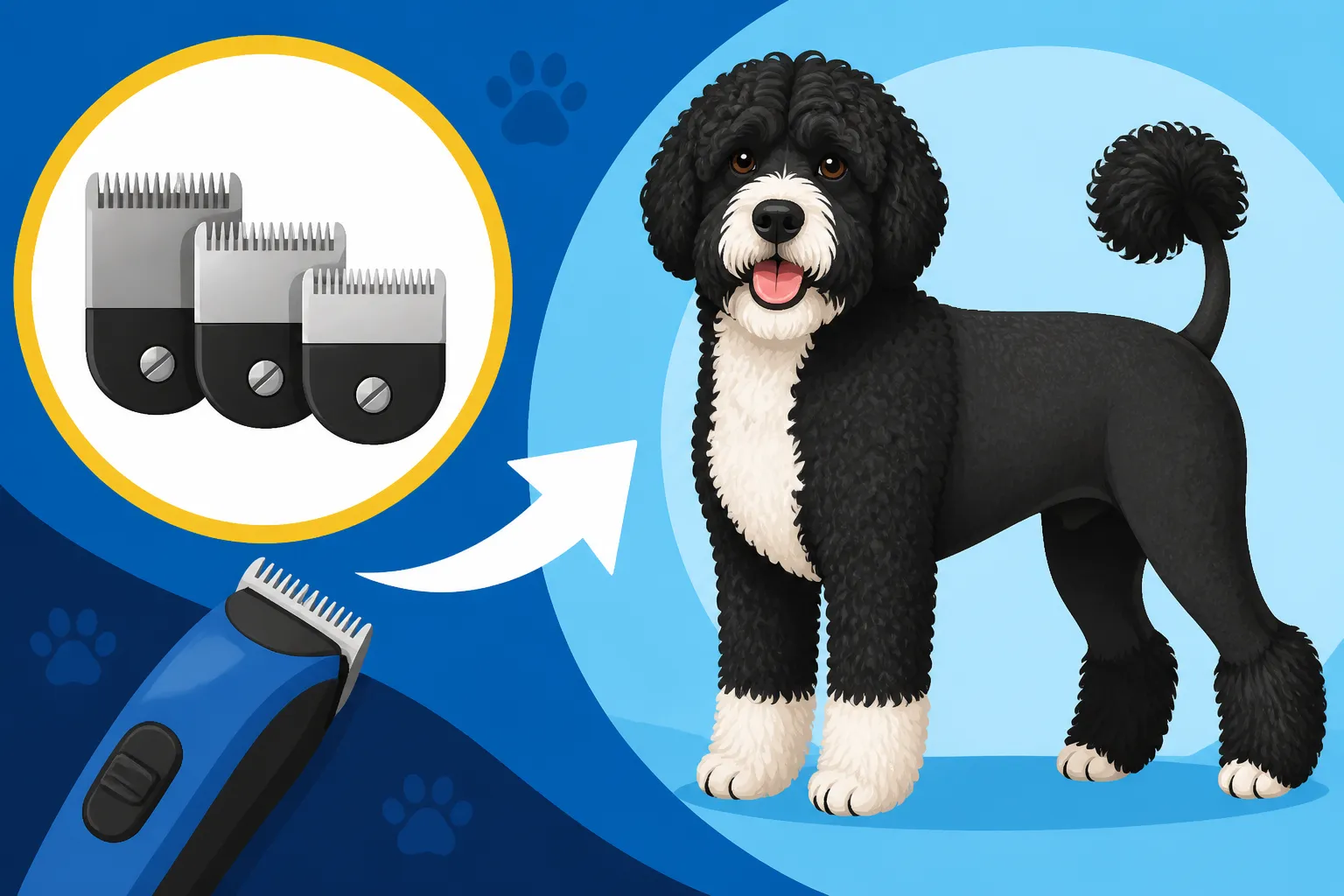
This clip leaves the coat long enough to offer some protection from the elements but short enough to be highly functional. It’s about balance—not too short that your dog feels cold or exposed, and not so long that it becomes a magnet for tangles. The goal is a uniform appearance, typically ranging from about 1/2 inch to 1 inch in length across the body, with some variations for specific areas like the face, feet, and tail. This consistent length helps to highlight the natural musculature and sturdy build of the Portuguese Water Dog, maintaining the breed's distinct silhouette without being overly "styled."
Essential Blade Lengths for the Retriever Clip
Achieving that signature Retriever Clip look requires a thoughtful approach to blade selection. It's not a "one blade fits all" situation for the entire dog, but rather a combination of blades tailored to different body parts. The key is to create a seamless, well-groomed appearance that’s both attractive and functional.
Here’s a breakdown of the common blade lengths and where they’re typically used for a successful Retriever Clip:
Body and Torso Blades
For the main body, you're usually aiming for a uniform length that's easy to care for but still provides some natural insulation and sun protection. The most common blades for this area are the #4F (full tooth) or #5F (full tooth).
- #4F Blade (Approx. 3/8 inch or 9.5mm): This blade leaves a slightly longer, plush finish. It's excellent for dogs with dense, wavy coats or owners who prefer a bit more length, especially during cooler months or if their dog spends a lot of time outdoors. It gives a lovely, soft texture without being overly short. However, because it leaves more hair, it might require slightly more frequent brushing to prevent matting, especially if your dog is an avid swimmer. If you’re just starting out with home grooming, it’s a good safe choice as it’s less likely to show minor imperfections in your clipping technique.
- #5F Blade (Approx. 1/4 inch or 6.3mm): This blade provides a slightly shorter, neater look. It’s very popular for PWDs, especially those who swim frequently, as it helps the coat dry quicker and reduces the risk of matting. It’s also a great option for warmer climates or during the summer. While it offers less hair to tangle, it does require a steady hand to avoid lines if your technique isn't perfectly smooth. Many owners find this to be the sweet spot for a truly practical and attractive Retriever Clip. Remember, the "F" stands for "Finish," indicating a full-tooth blade that leaves a smooth, finished cut, rather than a skip-tooth blade which can leave a more textured, sometimes uneven, appearance.
When you're working on the body, consistency is crucial. Go against the grain of the coat for the shortest, most even result. Overlapping your strokes slightly will help prevent unsightly lines. Keep your clippers well-oiled and cool; a hot blade can cause discomfort and even clipper burn on your dog's skin.
Head, Face, and Ear Blades
These areas require precision and often a shorter blade to keep them clean and prevent hair from getting into the eyes or mouth.
- #10 Blade (Approx. 1/16 inch or 1.5mm): This is your go-to blade for sensitive areas. It provides a very short, clean cut and is typically used for the bridge of the nose, around the eyes, and on the sanitary areas. On the face, it helps to open up the expression, prevent tear staining, and keep food out of the muzzle hair. For the ears, it can be used on the underside or around the ear canal opening to promote air circulation and prevent moisture buildup, which is crucial for a water dog to avoid ear infections. However, be extremely careful using this blade on the face; your dog must be still, and you should use the tips of the blade, not the flat, to avoid any nicks. This is also the standard blade for hygiene clips around the privates and under the tail.
For the top of the head and the outer ear flaps, you might use a slightly longer blade or even scissors to blend with the body length. Some owners prefer a #7F (approx. 1/8 inch or 3.2mm) on the top of the head for a slightly longer, softer look than the #10, especially if they want to maintain a bit more volume. The key is to create a soft transition from the shorter facial hair to the longer body coat.
Leg and Foot Blades
The legs and feet also benefit from a slightly shorter, tidier clip to prevent matting and make cleaning easier, especially after muddy walks or swims.
- #7F Blade (Approx. 1/8 inch or 3.2mm): This blade works wonderfully for the legs, especially the outside of the front and back legs. It creates a clean, practical length that prevents burrs and debris from clinging, while still looking neat. It's short enough to be low-maintenance but long enough to look "dog-like" and not too shaved.
- #10 Blade (Approx. 1/16 inch or 1.5mm): For the pads of the feet, the #10 blade is essential. The webbing between a Portuguese Water Dog’s toes can quickly collect debris and matt if the hair isn't kept short. Trimming the hair between the pads helps with traction, hygiene, and prevents ice balls from forming in winter. Always be extra careful when clipping between the pads, as the skin is very delicate. Use your fingers to spread the pads and keep the skin taut.
The tail is usually left a bit longer, often trimmed with scissors to achieve a natural-looking plume or flag, or with a slightly longer blade like a #4F to blend with the body. You can learn more about managing that amazing PWD coat by reading What a Portuguese Water Dog's Coat Is Made Of.
Here's a quick reference table for blade lengths:
| Body Part | Recommended Blade Length(s) | Typical Millimeter Length | Notes |
|---|---|---|---|
| Main Body/Torso | #4F or #5F | 9.5mm / 6.3mm | For a uniform, functional length. #4F is longer, #5F is neater. |
| Legs (Outside) | #7F or #5F | 3.2mm / 6.3mm | Keeps legs tidy, prevents debris. Match to body length for seamless look. |
| Face (Bridge of Nose, Around Eyes) | #10 | 1.5mm | For hygiene and clear vision. Be very cautious. |
| Ears (Underside/Opening) | #10 | 1.5mm | Promotes air circulation, prevents infections. |
| Sanitary Areas | #10 | 1.5mm | Essential for hygiene. |
| Pads of Feet | #10 | 1.5mm | Crucial for traction and preventing matting between webbing. |
| Top of Head/Outer Ears | #7F (or scissors) | 3.2mm | Can be slightly longer to blend or add softness. |
| Tail | #4F (or scissors) | 9.5mm | Usually left longer, shaped with scissors for a natural plume. |
Factors Influencing Your Blade Length Choice
Choosing the right blade length isn't just about following a chart; it's also about understanding your individual dog, their lifestyle, and even the time of year. Every Portuguese Water Dog is unique, and what works perfectly for one might need a slight adjustment for another.
Coat Type and Condition
Portuguese Water Dogs come in two primary coat types: curly and wavy. While both require regular grooming, their texture can influence how a certain blade length appears. A very dense, tightly curled coat might look shorter with a #5F than a wavy coat clipped with the same blade. If your dog's coat is particularly thick or prone to matting, you might find that a slightly shorter length (like a #5F) on the body makes maintenance much easier, especially during the challenging "coat change" phase as a puppy. You can find more detail on this in Whether a Portuguese Water Dog's Coat Changes Texture With Age.
The condition of your dog's coat also plays a huge role. If your PWD has gotten a bit matted, you might need to use a shorter blade than planned, or even detangle extensively before clipping, to get under the mats safely. A heavily matted coat can pull on the blade and cause discomfort. In severe cases, a very short blade (like a #7 or #10) might be necessary to get under mats, and then you can let the coat regrow to your desired Retriever Clip length. Always ensure the coat is clean and thoroughly dried before clipping, as dirt and moisture can dull blades and lead to an uneven cut.
Activity Level and Lifestyle
A Portuguese Water Dog is, by nature, an active and water-loving breed. If your dog spends hours swimming in lakes, oceans, or even just your backyard pool, a shorter Retriever Clip will be your best friend. A #5F on the body will dry much faster than a #4F, reducing the chances of skin issues like hot spots or fungal infections that can arise from prolonged dampness. This quicker drying time also means less time spent with towels and force dryers, which is a huge bonus for busy owners!
Consider their outdoor adventures too. Dogs that hike through brush, fields, or heavily wooded areas will benefit from a shorter coat that collects fewer burrs, stickers, and debris. This means less time picking things out of their fur and a more comfortable dog. If your PWD is more of a couch potato (unlikely, but possible!), you might get away with a slightly longer clip, but even then, the functional benefits of the Retriever Clip are hard to beat. The goal is to choose a blade length that supports their adventures, rather than hinders them.
Climate and Season
The weather definitely plays a part in grooming choices. During the hot summer months, many owners opt for a slightly shorter Retriever Clip, perhaps a #5F on the body, to help their PWD stay cooler. While their coat provides natural insulation, reducing bulk can make a difference, especially when combined with their intense activity levels. Just remember that a clipped coat, especially if very short, can be susceptible to sunburn, so monitor your dog's sun exposure, particularly on very sunny days.
Conversely, in colder climates or during the winter, you might lean towards the longer #4F blade to offer a bit more insulation. Portuguese Water Dogs are built for cold water, but on land, a bit more coat can provide extra warmth. It’s all about finding that balance between warmth, rapid drying, and preventing those pesky winter mats from snow and slush. Knowing the best frequency for clipping will also help you adjust to seasonal changes; you can find more information about this in How Often a Portuguese Water Dog Needs Clipping.
Maintaining the Retriever Clip and Your Tools
Once you’ve achieved that perfect Retriever Clip, the work isn't entirely done. Proper maintenance ensures your Portuguese Water Dog stays comfortable and looking sharp, and that your grooming tools remain in top condition for next time.
Regular Brushing and Bathing
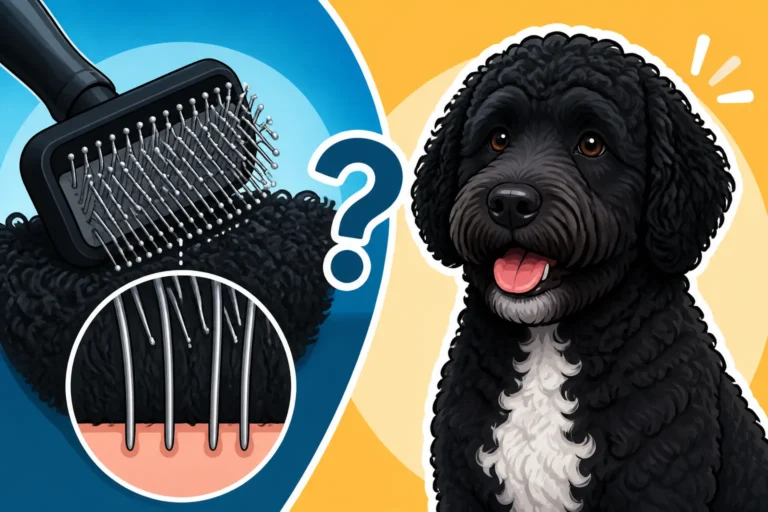
Even with a shorter Retriever Clip, regular brushing is still essential to prevent minor tangles from forming and to distribute natural oils, keeping the coat healthy. Aim for a thorough brush-out at least 2-3 times a week, paying special attention to areas prone to matting like behind the ears, under the legs, and where a harness might rub. A good slicker brush and a sturdy comb will be your best friends here. You can find excellent options for these on sites like Chewy or Amazon, ensuring you have the right tools to tackle that dense coat.
Bathing frequency depends on your dog's activity level. If your PWD is a frequent swimmer, you might rinse them thoroughly after each swim and give a full bath every 2-4 weeks using a dog-specific shampoo and conditioner. For more info on drying, refer to Drying a Portuguese Water Dog After Every Swim. Always ensure your dog is completely dry before brushing or letting them air dry in colder weather, as a damp coat is a magnet for matting and skin issues.
Caring for Your Clippers and Blades
Your grooming tools are an investment, and proper care will extend their life and ensure they provide a clean, smooth cut every time. After each grooming session, remove as much hair from the blades as possible with a small brush. Then, apply blade wash or a blade cleaning solution, running the clippers briefly to dislodge any remaining hair or debris. Finish by oiling the blades with a few drops of clipper oil – this is crucial for keeping them sharp and preventing rust.
Regular sharpening or replacing your blades is also important. Dull blades pull at the hair, causing discomfort for your dog and an uneven cut. If you find your clippers are struggling or your dog is reacting negatively, it might be time for a new blade or a professional sharpening. You can often purchase replacement blades or entire grooming kits from retailers like Chewy or Amazon, which offer a wide variety of grooming supplies. Investing in quality clippers that can handle a PWD's dense coat, as discussed in Which Clippers Handle a Portuguese Water Dog's Coat, will make a world of difference in your home grooming experience.
Health and Nutrition Support
Beyond external care, a healthy coat starts from within. Feeding your Portuguese Water Dog a high-quality diet rich in essential fatty acids will contribute to a strong, lustrous coat that's less prone to dryness and breakage, and therefore less prone to matting. Brands like Ollie focus on fresh, wholesome ingredients that can support overall canine health, including skin and coat condition. Good nutrition makes your grooming efforts more effective, as healthy hair is easier to manage.
Regular vet check-ups are also part of overall coat health. Sometimes, excessive shedding, dry skin, or persistent matting can be a sign of underlying health issues, like allergies or thyroid problems. Your vet can provide guidance and rule out any medical causes. By combining the right blade lengths, consistent grooming practices, and a healthy lifestyle, your Portuguese Water Dog will not only look fantastic in their Retriever Clip but also feel their absolute best.
Disclaimer
This article is for general informational purposes only and does not constitute professional advice. Laws, prices and regulations vary by location and change over time. Consult a qualified professional for guidance on your specific situation.