Which Retrieving Games Tire a Portuguese Water Dog
It’s a common scenario: you’ve spent an hour at the dog park, thrown the ball countless times, and your Portuguese Water Dog still looks at you with bright, energetic eyes, ready for more. It can feel like an endless battle to truly tire out these intelligent, driven, and perpetually enthusiastic dogs. This guide will dive deep into specific retrieving games that don't just occupy your PWD, but genuinely engage their mind and body enough to send them off for a well-deserved nap.
Why Retrieving is the Ultimate Workout for a PWD
Portuguese Water Dogs were bred for an active, demanding job alongside fishermen. Their entire genetic makeup screams "work!" and "retrieve!" It's not just a casual pastime for them; it's a deep-seated instinct. When they don't get to exercise this natural drive, you often see that boundless energy channeled into less desirable behaviors, like counter surfing, excessive chewing, or even demanding attention with a playful (but relentless) bark. Understanding this heritage is key to unlocking the most effective ways to tire them out.
The Instinct to Fetch: More Than Just a Game
Think about their history: Portuguese Water Dogs were responsible for retrieving lost gear from the ocean, carrying messages between boats, and even driving fish into nets. This wasn't just about picking up a stick; it was complex problem-solving, navigation in challenging environments, and physical endurance. When your PWD brings back a toy, they aren't just performing a trick; they're fulfilling centuries of genetic programming. This deep-seated instinct means that simple, repetitive throwing often isn't enough to satisfy them. They need variations, challenges, and mental engagement to truly feel "worked."
Without this outlet, your PWD might seem perpetually restless. You might wonder, "How many miles a Portuguese Water Dog needs on a dry day" or "Whether swimming replaces walking for a Portuguese Water Dog." While those are important considerations, it's often the lack of fulfilling, instinct-driven work that leaves them with a full tank of energy, even after significant physical exercise.
How Retrieving Engages Both Body and Mind
Retrieving isn't just a physical sprint; it's a full-body and full-brain workout. Physically, it involves bursts of speed, agility in turning, jumping (especially for dock diving), and swimming. All of these activities tax their cardiovascular system and build strong muscles. Mentally, they have to focus on the object, track its trajectory, remember where it landed, and often navigate obstacles to get to it. When you add in different environments, like water or dense cover, the mental load increases significantly. This combination of intense physical exertion and mental concentration is what truly drains a PWD's energy. It’s far more effective than just a long, leisurely walk.
Consider the difference between a simple walk on a leash and a vigorous retrieving session. During the walk, their body is moving, but their mind might be only mildly engaged, sniffing here and there. In a retrieving game, especially one with challenges, their eyes are scanning, their ears are listening, their nose is working, and their brain is constantly calculating distance, speed, and retrieval strategy. This comprehensive engagement is why they come back from a good retrieving session panting, happy, and ready for a serious snooze, rather than just a quick drink of water and a plea for more.
Top Retrieving Games to Truly Tire Out Your Portuguese Water Dog
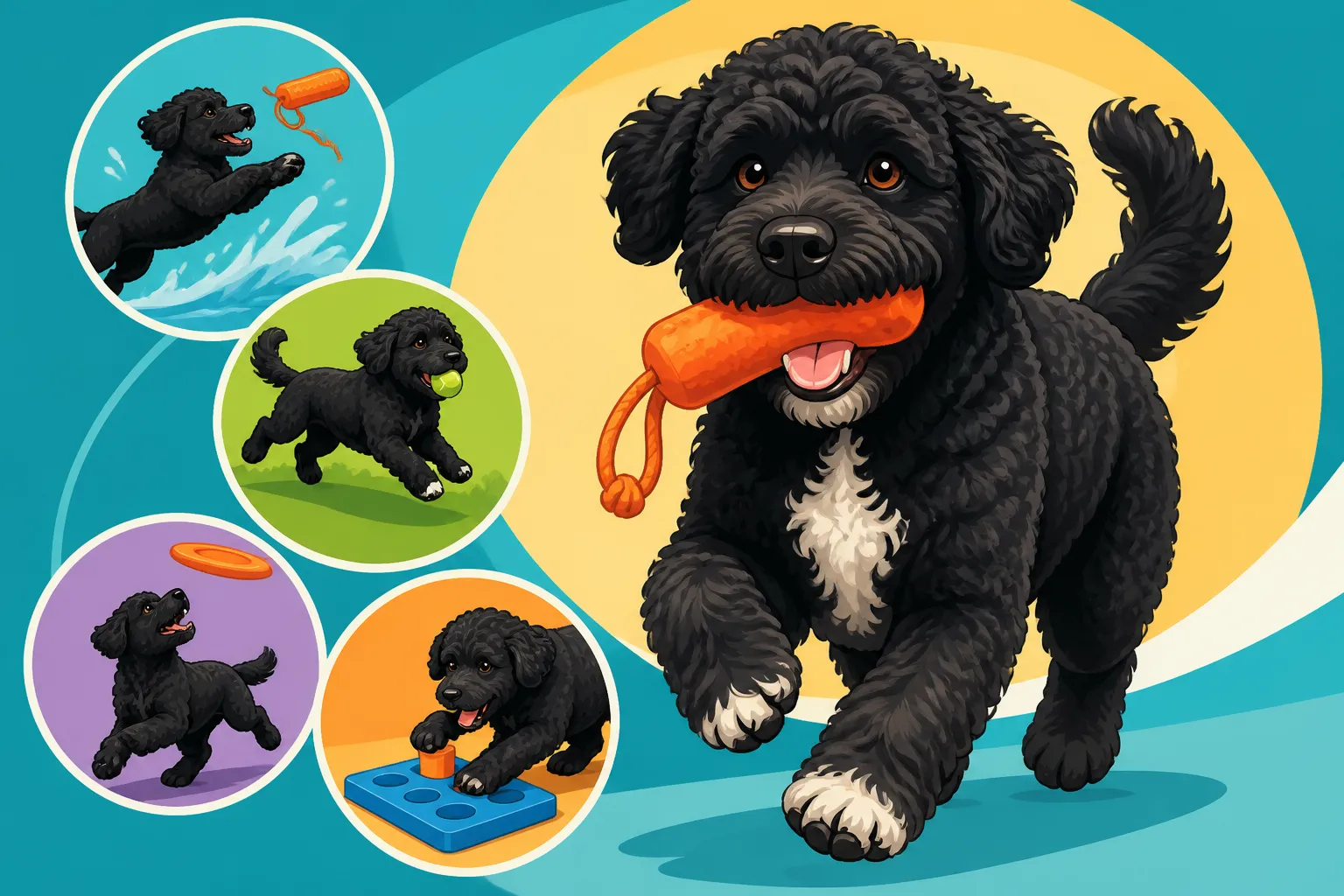
To really make a dent in that PWD energy, you need to go beyond the basic throw-and-bring-back. These games leverage their natural abilities and add layers of complexity that keep them engaged.
Classic Fetch: Upping the Ante
Yes, plain old fetch is a start, but we can make it more challenging and tiring. Instead of throwing the same tennis ball in the same direction, try these variations:
- Long-Distance Retrieves: Find an open field and use a powerful launcher to send a ball or bumper a considerable distance. The longer the run, the more physical exertion. You might be surprised by "How far a Portuguese Water Dog can swim" or run to get a favored toy.
- Varying Terrain: Throw the toy into tall grass, up a slight incline, or over a small ditch. This adds physical challenges and mental navigation. They have to work harder to locate and retrieve the item.
- "Blind" Retrieves: Show your PWD the toy, then hide it while they watch, but then send them after you've walked away from the drop point. This forces them to remember the spot and use their nose, rather than just following the visual arc of the throw. You can even combine this with hand signals to guide them, which builds their obedience and focus.
- Multiple Retrieves (Memory Game): Throw two or three identical items, one after the other, in different directions. Then, send your PWD to retrieve them one by one, giving a command for which one to get first. This is a fantastic mental workout, testing their memory and impulse control.
Water Retrieves: Their True Calling
This is where your Portuguese Water Dog truly shines and where you'll see them get tired faster than almost anywhere else. They were, after all, bred to be in the water.
- Dock Diving: If you have access to a dock and a body of water, dock diving is an incredible sport for PWDs. It involves an explosive jump, a powerful swim, and retrieving a toy. It's incredibly athletic and mentally stimulating. Even if you're not competing, simply practicing jumps off a low dock or platform can be hugely beneficial. The Age a Portuguese Water Dog Can Start Dock Diving is usually quite young, but ensure they are physically mature enough for the impact.
- Open Water Fetch: Take them to a lake, a calm ocean beach, or even a large, dog-friendly pond. Throw floating toys far out into the water. This is a full-body swim, using their powerful webbed feet and rudder-like tail. The resistance of the water provides a much more intense workout than running on land. Make sure to choose toys that are highly visible and float well.
- Underwater Retrieves: Some PWDs love to dive! If yours does, throw sinkable, brightly colored toys into shallow, clear water. This adds a new dimension, requiring them to hold their breath and use their eyes underwater. Always supervise closely and ensure the water is safe and free of hazards.
- Water Trials: These are organized events that simulate the work of the old fishing dogs. They involve retrieving objects from the water, swimming long distances, and following commands. Participating in water trials, even at a novice level, provides an amazing outlet for their instincts and energy. What a Water Trial Asks of a Portuguese Water Dog details the kind of challenges they face.
Hidden Toy Hunts: Engaging Their Nose and Brain
Retrieving isn't just about seeing the toy; it's also about finding it. PWDs have excellent noses, and engaging this sense is incredibly tiring.
- Scent-Based Retrieves: Hide a favorite toy or a scented dummy in your yard or house. Start easy, letting them see where it goes, then gradually make the hiding spots more challenging. Use a "find it" command. This game makes them use their brain to solve a puzzle, which is mentally exhausting. You can even elevate this by scenting toys with specific essential oils (safe for dogs) and teaching them to find particular scents.
- "Go Find It" in a Designated Area: Take several toys and scatter them in a specific, contained area (like a fenced yard or a large room). Then, tell your PWD "Go find it!" and let them sniff out and collect all the toys. This is especially good for days when you can't get to the water or a large open space.
- "Clean Up" Game: Teach them to put their toys away in a basket or box. After a fetch session, tell them to "clean up." They retrieve a toy, bring it to the basket, and drop it in. This combines retrieving with a useful household chore and adds mental sequencing to the game.
Multiple Toy Retrieve: The PWD's Jackpot
This game really taps into their drive and provides a high-intensity, satisfying session.
- The "Throw and Send" Method: Have 3-5 identical toys (e.g., standard bumpers, brightly colored balls). Throw one, and as your PWD is on their way back, throw another in a different direction. Continue this, making sure they retrieve the first one before you send them for the next. The idea is to keep them moving and thinking. It's a fantastic way to burn off energy in a shorter period. Some dogs naturally try to grab multiple at once, which is fine, but the goal is to get them to keep working for each one.
- The "Line Up" Game: This is a more advanced version. Line up 3-5 toys in a row. Send your PWD to retrieve them one by one, calling out which toy to get (e.g., "Rover, get the red one!"). This requires strong focus, selective retrieving, and impulse control. You can use different colored bumpers or different types of toys for variety. You'll find resources on sites like BAXTER & Bella for training these kinds of advanced retrieves, building on basic obedience.
| Game Type | Environment | Key Benefit | Intensity Level | Recommended Gear |
|---|---|---|---|---|
| Long-Distance Fetch | Open Field, Park | High physical exertion, speed training | High | Ball launcher, durable balls/bumpers |
| Varying Terrain Fetch | Wooded Area, Hill | Agility, problem-solving, physical challenge | Medium-High | Durable, brightly colored toys |
| Water Retrieves | Lake, Ocean, Pool | Ultimate physical workout, instinct fulfillment | Very High | Floating dummies, life jacket for safety, long line |
| Hidden Toy Hunts | Yard, House, Woods | Mental stimulation, nose work, problem-solving | Medium | Scented toys, specific "find it" command |
| Multiple Toy Retrieve | Open Field, Large Room | Sustained physical and mental engagement, focus | High | Multiple identical toys |
Making Retrieving Games Effective and Safe
While these games are fantastic for your PWD, it's crucial to implement them safely and thoughtfully. You want to tire them out, not wear them out or injure them.
Gear Up for Success
Having the right equipment not only makes the games more fun but also safer and more efficient.
- Durable, Dog-Safe Toys: Portuguese Water Dogs have strong jaws and a vigorous retrieving style. Invest in toys built to last, especially for water work. Brands like Kong or West Paw offer tough, floatable options. For land retrieves, a quality canvas or rubber bumper is excellent. Avoid small or easily breakable toys that could be choking hazards. When browsing on Amazon, look for reviews from owners of active breeds.
- Ball Launchers: These are a game-changer for long-distance fetch, saving your arm and allowing for greater distances. They project balls much further than you can throw by hand, meaning more running for your dog with less effort from you.
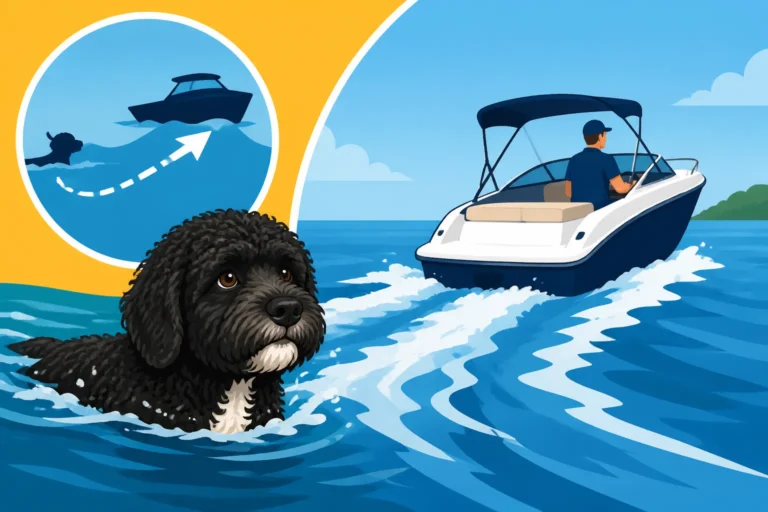
- Life Jackets: If your PWD is doing a lot of open water retrieving, a well-fitting life jacket is a non-negotiable safety item. Even strong swimmers can get tired, caught in currents, or experience unexpected medical issues. A bright color also makes them more visible in the water. When a Portuguese Water Dog Needs a Life Jacket delves into this more.
- Long Line: A long training line (15-30 feet) is invaluable for practicing retrieves in unfenced areas or near water, allowing you to maintain control while giving them space to run and learn.
Safety First: Preventing Injury and Overheating
Their enthusiasm can sometimes override their common sense, so it’s up to us to keep them safe.
- Warm-up and Cool-down: Just like human athletes, PWDs need to warm up their muscles before intense activity and cool down afterward. A brisk walk for 5-10 minutes before and after a retrieving session can prevent strains and stiffness.
- Hydration: Always have fresh water available, especially during and after intense retrieving, particularly in warm weather or during water work. PWDs can get very focused and may not take breaks to drink on their own. Carry a portable water bottle and bowl.
- Watch for Overheating: Their dense coat, even if clipped, can make them prone to overheating, especially during vigorous exercise in hot or humid conditions. Pay attention to signs like excessive panting, bright red gums, or stumbling. Schedule retrieving sessions for cooler parts of the day, like early mornings or evenings. If they're swimming in warm water, What Temperature Water Is Too Cold for a Portuguese Water Dog is a good read, but also consider what temperature is too warm and provides no cooling effect.
- Environmental Hazards: Always check the retrieving area for potential dangers: sharp objects, broken glass, strong currents, slippery rocks, or toxic plants. If swimming in natural bodies of water, be aware of algal blooms, parasites, or dangerous wildlife.
Training for Better Retrieves
Effective retrieving isn't just about throwing; it's about good communication and training.
- "Bring It" and "Drop It" Commands: These are fundamental. Practice in a low-distraction environment, rewarding generously for compliance. Consistency is key.
- "Wait" and "Go": Teaching your PWD to wait patiently before being sent for the retrieve builds impulse control and focus, making the game more structured and challenging. It also prevents them from simply mugging you for the toy.
- Positive Reinforcement: Keep retrieving games fun and rewarding. Use praise, treats, and continued play as motivators. If your PWD is struggling or losing interest, simplify the game and end on a positive note. Remember that these dogs are intelligent and can offer their "own solution" to a problem, so clear, consistent communication is crucial.
- Enroll in Classes: Consider enrolling in a local dock diving class, a water trial training group, or even an advanced obedience class that incorporates retrieving. This provides expert guidance and a structured environment for you and your PWD to learn and grow together. Many modern dog training programs, like those offered by BAXTER & Bella, include modules on perfecting retrieves and engaging high-drive breeds.
Beyond Retrieving: Other Ways to Channel PWD Energy
While retrieving games are incredibly effective, it's good to remember they're just one tool in your PWD energy management toolbox. A truly fulfilled Portuguese Water Dog benefits from a variety of activities that stimulate them physically and mentally.
Agility, for example, is another fantastic sport that demands both speed and problem-solving, engaging their athletic build and sharp mind. Obedience and rally trials provide a mental workout, requiring focus and precision. Scent work, where they use their powerful nose to find hidden odors, can be surprisingly exhausting for them. Which other sports suit a Portuguese Water Dog can give you more ideas for diverse activities.
The key is variety and consistency. Don't let your PWD get bored doing the same activity day in and day out. Mix it up, introduce new challenges, and always remember their heritage as hardworking, intelligent companions. By providing a rich and varied environment, filled with stimulating retrieving games and other activities, you'll have a happy, well-adjusted, and yes, truly tired Portuguese Water Dog.
Disclaimer
This article is for general informational purposes only and does not constitute professional advice. Laws, prices and regulations vary by location and change over time. Consult a qualified professional for guidance on your specific situation.