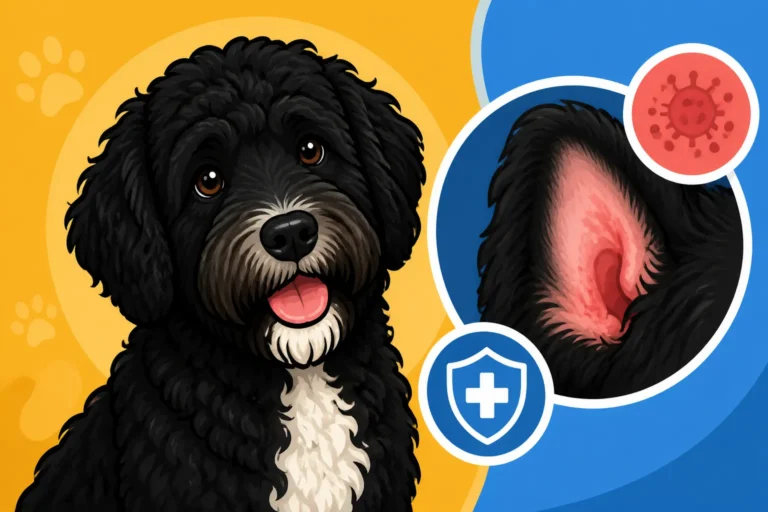
Whether a Portuguese Water Dog Needs a Yearly Eye Exam
As Portuguese Water Dog owners, we've all been there: staring at our happy, seemingly healthy pup and wondering if every single recommended vet visit or specialized test is truly necessary. Especially when it comes to something like a yearly eye exam, it’s easy to think, "My dog sees perfectly fine, why put them through a trip to the specialist and myself through the expense?" This guide aims to thoroughly explore why yearly eye exams are not just a recommendation but often a critical part of maintaining the long-term health and well-being of your beloved Portuguese Water Dog.
Why Eye Exams Are Crucial for Portuguese Water Dogs
It's tempting to assume that if your Portuguese Water Dog isn't bumping into furniture, their eyes must be perfectly healthy. However, many significant eye conditions develop subtly, progressing silently long before outward signs become apparent. For a breed like the Portuguese Water Dog, which is predisposed to certain inherited eye diseases, regular professional evaluation is invaluable for early detection and intervention.
Understanding Breed-Specific Eye Conditions
Portuguese Water Dogs, while generally robust, carry genetic predispositions to specific eye conditions that warrant vigilance. These aren't just minor irritations; they can be progressive and significantly impact your dog's quality of life, potentially leading to blindness.
One of the most well-known concerns in the breed is Progressive Retinal Atrophy (PRA). Actually, there are Two Kinds of Retinal Atrophy in a Portuguese Water Dog that we need to be aware of: prcd-PRA (progressive rod-cone degeneration) and Early Onset PRA (EO-PRA). Both forms involve the degeneration of the retina, the light-sensitive tissue at the back of the eye, eventually leading to blindness. The insidious nature of PRA is that it often begins with night blindness, which can be hard for an owner to notice, especially if your PWD spends most of its evenings indoors or in well-lit areas. By the time you observe your dog struggling in low light, the disease may have progressed considerably. For a deeper dive into how this impacts vision, you can read more about What prcd PRA Does to a Portuguese Water Dog and What Early Onset PRA Does to a Portuguese Water Dog. These conditions can appear at different ages, with The Age prcd PRA Appears in a Portuguese Water Dog often being later than The Age Early Onset PRA Appears in a Portuguese Water Dog, making consistent monitoring vital throughout their life stages.
Another concern is cataracts, which can sometimes appear as Juvenile Cataracts in a Portuguese Water Dog or later in life. While not always leading to complete blindness, cataracts can severely obstruct vision and, in some cases, may require surgical intervention. Distichiasis, an inherited condition where extra eyelashes grow from the eyelid margin and rub against the eye, causing irritation and potential corneal damage, is also something a vet ophthalmologist will look for. These conditions, while not as devastating as PRA, still require careful monitoring and treatment to ensure your Portuguese Water Dog's comfort and vision.
The Problem with Waiting for Visible Symptoms
Think about it: how often do we, as humans, wait until we're in excruciating pain before seeing a doctor? With our dogs, it’s often the same. But for many eye conditions, waiting for visible symptoms means the disease has already advanced. Your Portuguese Water Dog is a master at adapting and hiding discomfort, especially when it comes to subtle vision changes. They use their other keen senses – smell and hearing – to compensate, making it incredibly difficult for an owner to detect early signs of vision impairment.
Imagine your Portuguese Water Dog, known for their athleticism and love of water, gradually losing their night vision. Initially, they might just seem a little more hesitant on evening walks or when navigating a dimly lit yard. You might chalk it up to them being tired or distracted. But over months, as their vision deteriorates further, they could become genuinely disoriented. By the time they're actually bumping into things or refusing to go outside in the dark, the damage from PRA is often extensive. This is precisely why early detection through professional exams is so critical; it allows you to get ahead of these conditions, manage them, and plan for your dog's future with the best possible information.
Different Types of Eye Examinations for Your PWD
When we talk about "eye exams," it's not a one-size-fits-all situation. There’s a big difference between your regular vet glancing at your dog's eyes during an annual check-up and a board-certified veterinary ophthalmologist performing a comprehensive evaluation. Understanding these differences is key to ensuring your Portuguese Water Dog receives the appropriate level of care.
Routine Vet Check vs. Ophthalmologist Exam
Your general practice veterinarian is fantastic for overall health, including basic eye health. During a routine wellness exam, they'll typically check for obvious signs of infection, irritation, or injury, and may perform a basic vision test. They might use an ophthalmoscope to look at the general structures of the eye. This is important, but it's not designed to catch subtle, inherited conditions like those Portuguese Water Dogs are prone to.
A board-certified veterinary ophthalmologist, on the other hand, is a specialist who has undergone extensive additional training specifically in eye diseases and surgery. Their clinic is equipped with specialized instruments, like slit lamps for examining the front of the eye, indirect ophthalmoscopes for a wider view of the retina, and tonometers for measuring intraocular pressure (important for glaucoma). They conduct a much more thorough examination, often dilating the pupils to get a clear view of the entire retina. This detailed evaluation is essential for diagnosing conditions that might be missed during a routine check.
OFA/CAER Eye Certification Exams
For breeding Portuguese Water Dogs, and indeed for any responsible owner wanting the most comprehensive assessment, the OFA Eye Certification Exam (formerly known as CERF, Canine Eye Registration Foundation, but now part of the Orthopedic Foundation for Animals' Companion Animal Eye Registry, or CAER) is the gold standard. This specialized exam is performed by a board-certified veterinary ophthalmologist and specifically screens for inherited eye diseases common to the breed. The ophthalmologist completes a standardized form, identifying any observable conditions, and the results are submitted to OFA.
The beauty of the OFA/CAER exam is its standardization and public registry. This allows breeders to make informed decisions and helps prospective puppy buyers verify the eye health of a dog's lineage. These exams are crucial not just for diagnosis but also for tracking the prevalence of certain conditions within the breed over time. It’s a proactive step to safeguard the breed's future and ensure individual dogs receive the best preventative care. If you're looking into buying a puppy, knowing Which Health Tests a Portuguese Water Dog Breeder Should Run includes these vital eye certifications.
When Should Your PWD Have an Eye Exam?
The frequency of eye exams for your Portuguese Water Dog will vary depending on their age, whether they are used for breeding, and any existing concerns. A proactive approach is always best, especially for a breed with known predispositions.
Puppy Eye Checks
Yes, even puppies need their eyes checked! A good breeder will have a veterinary ophthalmologist perform an initial eye certification on the entire litter before they go to their new homes. This early check is important because some conditions, like certain forms of cataracts or retinal issues, can manifest in very young dogs. Even if a puppy seems completely normal, a specialist can sometimes detect subtle abnormalities. For example, if you’re wondering Whether a Portuguese Water Dog Puppy's Eyes Should Be Checked early on, the answer is a resounding yes, ideally by a specialist. This initial screening sets a baseline and can flag any immediate concerns.
Adult and Senior Dog Recommendations
For adult Portuguese Water Dogs, especially those that are part of a breeding program, a yearly OFA/CAER eye exam is strongly recommended. This consistent annual screening is your best defense against those silently progressing diseases. For companion Portuguese Water Dogs, even if not part of a breeding program, an annual eye exam with a board-certified veterinary ophthalmologist is a wise investment in their long-term health. Think of it as preventative maintenance, just like their regular physicals and dental cleanings.
As your Portuguese Water Dog enters their senior years, which typically starts around age nine or ten, yearly eye exams become even more critical. Older dogs are more prone to conditions like cataracts, glaucoma, and dry eye syndrome. Catching these early can allow for treatments that maintain their comfort and vision for as long as possible. Caring for a Portuguese Water Dog Past Nine definitely includes maintaining rigorous eye health checks.
Here’s a helpful table summarizing the recommended eye exam schedule:
| Age/Life Stage | Type of Exam | Frequency | Key Conditions Monitored |
|---|---|---|---|
| Puppy (8-10 wks) | OFA/CAER Eye Certification | Once before placement | Congenital defects, Juvenile Cataracts, early PRA |
| Adult (1-8 yrs) | OFA/CAER Eye Certification | Annually | PRA, Cataracts, Distichiasis, Glaucoma risk |
| Senior (9+ yrs) | OFA/CAER Eye Certification | Annually, or more if concerns | PRA, Cataracts, Glaucoma, Dry Eye Syndrome, retinal degeneration |
| Any age | General Vet Check | Annually (part of wellness) | Infections, injuries, obvious abnormalities |
| Any age | Specialist Consult (if concerns) | As needed | Specific diagnostic work-up for symptoms or suspicion |
What an Eye Certification Costs
The cost of an eye certification exam for your Portuguese Water Dog can vary based on your geographic location and the specific veterinary ophthalmologist. Generally, you can expect to pay anywhere from $50 to $100 for an OFA/CAER exam. While this might seem like an added expense on top of your regular vet visits, it’s a small price to pay for the peace of mind it offers. To get a better idea of the financial aspect, you can review What an Eye Certification Costs on a Portuguese Water Dog.
If your dog is diagnosed with a condition that requires ongoing treatment, such as medications for glaucoma or even surgery for advanced cataracts, those costs can quickly add up. This is where a good pet insurance plan can really make a difference. Many owners find that plans from providers like Healthy Paws help cover the costs of unexpected specialist visits and treatments, making it easier to provide the best care without financial strain. It’s definitely worth looking into pet insurance, especially when considering the potential for long-term care for conditions like PRA.
What Happens During a Portuguese Water Dog Eye Exam?
Knowing what to expect can ease any anxiety you or your dog might have about the ophthalmologist visit. A thorough eye exam is a systematic process designed to evaluate every part of the eye, from the eyelids to the retina.
The Comprehensive Process
When you arrive for an ophthalmology appointment, the specialist or a vet tech will typically start by taking a detailed history. They'll ask about any changes you've noticed, your dog's general health, and any medications they're on.
The examination usually begins with assessing your Portuguese Water Dog's vision and overall behavior, observing how they navigate the exam room. Then, the ophthalmologist will use a series of tools:
- Schirmer Tear Test: This measures tear production and is a quick, simple way to diagnose dry eye. A small strip of paper is placed in the lower eyelid for a minute.
- Fluorescein Stain: A special orange dye is applied to the eye. This dye adheres to any abrasions or ulcers on the cornea, making them visible under a blue light.
- Tonometry: This involves using a tonometer to measure the pressure inside the eye, which is critical for diagnosing or ruling out glaucoma. It's usually done with a topical anesthetic drop so your dog barely feels it.
- Slit Lamp Biomicroscopy: This high-magnification microscope allows the ophthalmologist to examine the eyelids, conjunctiva, cornea, iris, and lens in incredible detail, checking for subtle abnormalities like early cataracts or distichiasis.
- Pupil Dilation: Eye drops are administered to dilate your dog’s pupils. This takes about 20-30 minutes and is crucial for getting a clear view of the back of the eye.
- Indirect Ophthalmoscopy: Once the pupils are dilated, the ophthalmologist uses an indirect ophthalmoscope and a handheld lens to examine the retina, optic nerve, and vitreous humor. This is where signs of PRA and other retinal degenerations are detected.
Each step is performed gently, and most dogs tolerate the exam very well, often with the help of treats and calm reassurance.
Interpreting the Results and Next Steps
After the comprehensive exam, the ophthalmologist will discuss their findings with you. If everything looks healthy, they'll provide the OFA/CAER certification and recommend continuing annual exams. You'll leave with peace of mind knowing your PWD's eyes are in good shape.
If any abnormalities are found, the ophthalmologist will explain the diagnosis, its potential progression, and treatment options. This might range from simple eye drops for an infection to more complex management strategies for conditions like glaucoma or PRA. For instance, if Whether a Portuguese Water Dog Goes Fully Blind due to PRA, they can help you prepare and adapt your home environment to support them. In some cases, they might recommend further diagnostic tests, like electroretinography (ERG) to assess retinal function, or even genetic testing if a specific inherited disease is suspected but hasn't been confirmed by prior DNA panels. Having pet insurance, like a plan from Healthy Paws, can certainly alleviate concerns about the financial implications of these potential next steps, ensuring you can focus on your dog's health without undue stress. Early detection provides the best opportunity for effective management and can significantly impact your Portuguese Water Dog’s long-term comfort and quality of life.
Disclaimer
This article is intended for informational purposes only and does not constitute professional veterinary advice. Always consult with a qualified veterinarian or a board-certified veterinary ophthalmologist for any health concerns or before making any decisions about your Portuguese Water Dog's care.