Cataracts in a Portuguese Water Dog
It’s truly disheartening to see the sparkle fade from your beloved Portuguese Water Dog’s eyes, especially when you suspect something more than just age is at play. Many PWD owners find themselves noticing a subtle cloudiness in their dog's vision, wondering if it's a normal part of growing older or something more serious that needs attention. This guide will walk you through everything you need to know about cataracts in Portuguese Water Dogs, from identifying the early signs to understanding treatment options, so you can make informed decisions for your furry family member.
Understanding Cataracts in Portuguese Water Dogs
Discovering that your PWD might have cataracts can be alarming. It’s a common eye condition, but understanding what it truly means for your dog and how it affects their daily life is crucial. This isn't just about a cloudy eye; it's about potentially losing the ability to see the world they love to explore.
What Exactly Are Cataracts?
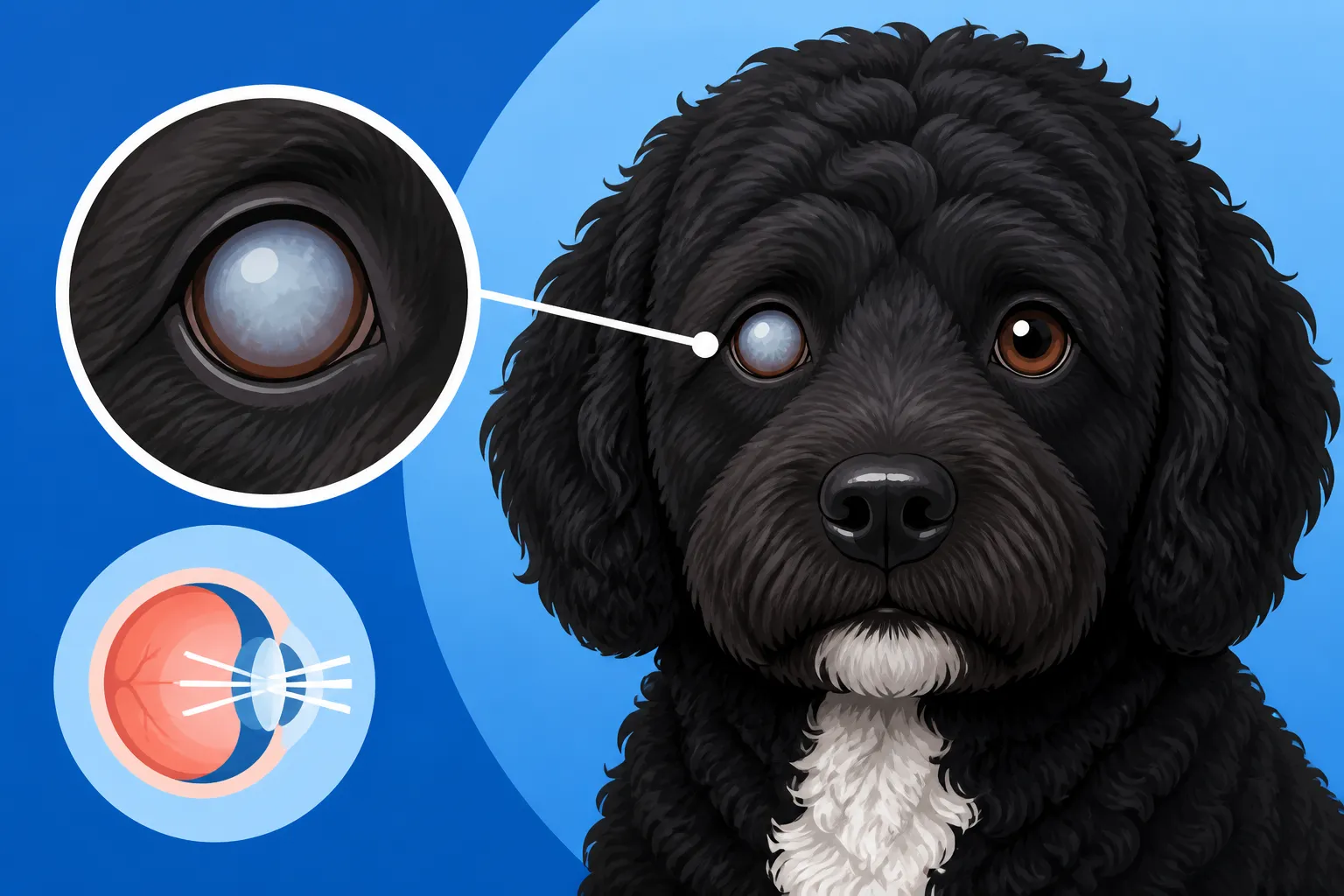
At its core, a cataract is an opacity or cloudiness that develops within the lens of your dog’s eye. Think of the lens as a clear window that focuses light onto the retina, allowing for sharp vision. When a cataract forms, this "window" becomes cloudy, obstructing the passage of light and making it difficult for your dog to see clearly. It's like looking through a foggy or frosted pane of glass, which can range from a slight blur to complete blindness, depending on the severity and density of the cataract.
These opacities can be small and localized, barely impacting vision, or they can progress to cover the entire lens, leading to significant visual impairment. Unlike a temporary fog, cataracts are typically permanent and will often worsen over time if left untreated. For an active, water-loving breed like the Portuguese Water Dog, clear vision is paramount for their enjoyment of life, from tracking a thrown toy to confidently navigating the surf. A developing cataract can seriously hinder their natural instincts and joy.
Causes of Cataracts in Portuguese Water Dogs
While cataracts can affect any dog breed, Portuguese Water Dogs, unfortunately, have a genetic predisposition to certain types of cataracts, making them a breed where vigilance is key. This isn't just bad luck; it's often a part of their genetic makeup that responsible breeders strive to understand and mitigate.
The most common cause of cataracts in PWDs is heredity. These genetic cataracts can appear at different stages of life. Some PWDs can develop what are known as Juvenile Cataracts in a Portuguese Water Dog, appearing when they are quite young, even as puppies. Other forms may not manifest until they are middle-aged or seniors. Diabetes is another significant cause; diabetic cataracts often progress very rapidly and can lead to blindness within weeks or months if the diabetes isn't well-controlled. Trauma to the eye, severe inflammation, or other underlying eye diseases can also precipitate cataract formation. Even nutritional deficiencies, though less common, can play a role. It’s a complex issue, and often, multiple factors contribute to their development.
Differentiating Cataracts from Other Eye Conditions
It’s easy to look at a cloudy eye and immediately jump to "cataract," but several other conditions can present similarly, and it’s critical to get an accurate diagnosis. The most common look-alike is nuclear sclerosis, a natural age-related change in the lens that makes it appear hazy or bluish-gray. However, nuclear sclerosis rarely affects vision significantly, unlike true cataracts. You might notice your older PWD getting around just fine despite the haziness.
Another serious condition that can mimic or accompany cataracts is Progressive Retinal Atrophy (PRA). While cataracts affect the lens, PRA affects the retina, leading to degeneration of the light-sensing cells. In the PWD, there are Two Kinds of Retinal Atrophy in a Portuguese Water Dog, specifically prcd-PRA and Early Onset PRA. What prcd PRA Does to a Portuguese Water Dog is gradually diminish their night vision first, then day vision, often leading to total blindness. While some dogs with PRA might also develop cataracts, the primary vision loss stems from the retinal damage. A veterinary ophthalmologist can distinguish between these conditions using specialized tools, ensuring your PWD receives the correct diagnosis and appropriate care. It’s a specialized field, and relying on a general vet for definitive eye diagnoses might mean missing something critical.
Recognizing the Signs and Getting a Diagnosis
You know your Portuguese Water Dog best. They’re usually exuberant, intelligent, and highly aware of their surroundings. Any change in their typical behavior, especially concerning their vision, should immediately raise a flag. Catching these signs early is paramount for the best possible outcome.
Visual Cues of Cataract Development
The most obvious sign of cataracts is a change in the appearance of your dog's eyes. You might start noticing a grayish-white or bluish cloudiness in the center of their pupil. This cloudiness might be subtle at first, perhaps only visible in certain lighting conditions, but it often becomes more pronounced as the cataract progresses. It's not usually a sudden change, but a gradual haziness that you might initially dismiss as just a reflection.
As the opacity grows, you might also observe your PWD hesitating on stairs, misjudging distances when jumping, or bumping into furniture that has been in the same spot for years. They might also appear more clumsy than usual, especially in dimly lit environments. For a breed known for its agility and keen senses, any indication of visual impairment should be taken seriously. Pay close attention if they start to struggle with activities they once performed with ease, such as catching a ball or navigating a familiar obstacle course in the yard.
Behavioral Changes to Watch For
Beyond the visible cloudiness, your PWD’s behavior can offer significant clues about their vision. A dog with developing cataracts might become more cautious or hesitant in new environments, or even in familiar ones if the lighting changes. They might be less enthusiastic about chasing toys, especially if the toy is a light color against a light background, or if it moves too quickly out of their limited field of vision. You might notice them walking with a lower head position, almost as if they are sniffing their way around more frequently, even indoors.
They may also start to cling more closely to you, relying on your presence to guide them, or they might become more startled by sudden movements or noises from unfamiliar directions, as their vision isn't providing the usual context. If you notice your PWD bumping into doorframes, refusing to go outside at night, or struggling to locate their food and water bowls, it’s definitely time to schedule a veterinary visit. These behavioral shifts are their way of telling you that something is amiss with their sight, and it’s our job as their caretakers to listen. Many of these behaviors can also be signs that Whether a Portuguese Water Dog Goes Fully Blind from other causes, so a diagnosis is key.
The Importance of a Proper Veterinary Eye Exam
When you suspect cataracts, a thorough examination by a veterinary ophthalmologist is absolutely essential. While your regular vet can perform a basic eye check, a specialist has the equipment and expertise to accurately diagnose the type, stage, and cause of the cataract, and to rule out other concurrent eye diseases. They use tools like ophthalmoscopes, slit lamps, and tonometers (to check eye pressure) to get a detailed view of the entire eye structure, not just the front.
During the exam, the ophthalmologist will assess the clarity of the lens, check for any signs of inflammation, and evaluate the retina. They might dilate your dog’s pupils to get a better look, and this process can take a little time. This detailed assessment is crucial because the presence of other conditions, such as retinal detachment or severe glaucoma, might affect the suitability or prognosis of cataract surgery. This is also where they can differentiate cataracts from the more benign nuclear sclerosis or more insidious conditions like PRA. Given the genetic predispositions in PWDs, it’s vital that Whether a Portuguese Water Dog Needs a Yearly Eye Exam becomes a routine, especially as they age, to catch these issues early.
Management and Treatment Options for PWD Cataracts
Receiving a cataract diagnosis for your Portuguese Water Dog can feel overwhelming, but the good news is that there are effective strategies and treatments available. The best course of action depends largely on the severity of the cataract, your dog’s overall health, and your personal circumstances.
Surgical Intervention: The Gold Standard
For most dogs with cataracts that significantly impair their vision, surgical removal is considered the gold standard treatment. This procedure, performed by a veterinary ophthalmologist, involves removing the cloudy lens and often replacing it with an artificial intraocular lens (IOL). The technique used is called phacoemulsification, which uses ultrasonic waves to break up the cataract, and then the fragments are suctioned out. It’s very similar to cataract surgery in humans.
The success rate for cataract surgery in dogs is generally quite high, often exceeding 90% for restoring functional vision, especially if performed before the cataracts become hypermature and cause secondary complications like glaucoma or lens luxation. However, it's a significant surgery requiring general anesthesia, meticulous pre-operative screening, and dedicated post-operative care, which includes a strict regimen of eye drops and activity restriction. The costs can be substantial, often ranging from $3,000 to $5,000 or more per eye, which is why pet insurance like Healthy Paws can be incredibly beneficial, helping to alleviate the financial burden. Recovery involves regular follow-up appointments to monitor healing and manage any potential complications, ensuring your PWD gets back to their happy, active self.
Non-Surgical Approaches and Supportive Care
While surgery offers the best chance for restoring vision, it's not always an option or a choice for every family. Sometimes, a dog’s age, other health conditions, or the financial commitment makes surgery impractical. In these cases, non-surgical approaches focus on managing the symptoms and improving your dog’s quality of life. There are no magical eye drops that can dissolve cataracts, despite what some might claim online.
However, certain anti-inflammatory or antioxidant eye drops might be prescribed to reduce secondary inflammation or delay progression in very early stages, though they won't reverse the condition. Managing any underlying conditions, like diabetes, is paramount to prevent rapid cataract formation. For PWDs with significant vision impairment, supportive care involves making their environment safer and more navigable. This means keeping furniture in consistent locations, using baby gates to block off stairs, and creating clear paths through the house. For a dog that loves water, you’ll need to be extra cautious around pools or bodies of water to prevent accidental falls. Even though How a Blind Portuguese Water Dog Still Swims with training and assistance, safety is key. Consistency and routine become even more important for a dog relying on their other senses.
Living with a Blind or Vision-Impaired PWD
The thought of your active Portuguese Water Dog losing their sight can be heartbreaking, but dogs are incredibly resilient and adapt remarkably well to vision loss. Your PWD can still lead a full and happy life, even if they become fully blind. It requires patience, consistency, and a few adjustments on your part. Establish clear verbal cues for direction and obstacles, like "step up," "watch out," or "stop." Scent markers can also be helpful for identifying specific areas like their food bowl or dog bed.
Maintaining a consistent routine and keeping your home environment stable is crucial. Avoid moving furniture frequently, and block off any dangerous areas. Invest in padded corners for sharp furniture edges. When outside, always keep your PWD on a leash in unfamiliar areas, and consider a "Blind Dog" harness or vest to alert others. Enrichment activities that rely on smell and hearing, like scent work games or puzzle toys with treats, will become their new favorites. Many blind dogs enjoy walks and even swimming (with supervision and a life jacket!), relying on familiar routes and sounds. Their bond with you will deepen as they rely on you more, and their other senses will sharpen significantly. Organizations like Healthy Paws offer support and resources that can help owners adapt to caring for a visually impaired pet.
Prevention and Responsible Breeding Practices
While not all cataracts are preventable, especially those caused by trauma or certain systemic diseases, a significant portion of cataracts in Portuguese Water Dogs can be traced back to genetics. This means that responsible breeding and proactive care play a huge role in safeguarding the future health of the breed.
Genetic Testing and Breeder Responsibility
Given the hereditary nature of many cataracts in Portuguese Water Dogs, genetic testing and careful breeding practices are paramount. Reputable breeders will diligently screen their breeding stock for inherited eye conditions, including the various forms of PRA and known genetic cataract markers. This usually involves annual eye examinations by a board-certified veterinary ophthalmologist, often referred to as an OFA Eye Certification or CERF (Canine Eye Registry Foundation) exam. These certifications help breeders identify dogs that are affected, carriers, or clear of certain genetic eye diseases.
You should always ask any potential breeder about the eye health of both parent dogs, including documentation of their clear eye certifications. A responsible breeder will be transparent and willingly provide these records, ensuring that they are not contributing to the perpetuation of genetic eye problems in their lines. This is a critical part of What a Portuguese Water Dog Breeder Should Have Tested before breeding. By selecting puppies from parents with clear genetic health, you significantly reduce the risk of your PWD developing hereditary cataracts.
Maintaining Overall Eye Health
Beyond genetic considerations, maintaining your Portuguese Water Dog's general eye health throughout their life is an ongoing commitment. Regular veterinary check-ups are key, as your vet can spot early signs of eye issues or underlying systemic diseases like diabetes that could lead to cataracts. Good nutrition, a balanced diet rich in antioxidants, and proper hydration can support overall cellular health, including that of the eyes.
Protecting your dog's eyes from physical trauma is also important. Be mindful of environmental hazards, especially for active PWDs that love to play outdoors. Avoid exposing them to harsh chemicals, dust, or extreme winds without protection. If your dog is prone to swimming in lakes or ponds, ensure you clean their ears and check their eyes afterward, as waterborne irritants can sometimes lead to inflammation that might, in rare cases, contribute to eye problems. Early detection and intervention for any eye irritation or infection can prevent more serious complications.
The Role of Nutrition and Supplements
While a perfect diet won't prevent all cataracts, good nutrition can certainly support overall eye health and potentially slow the progression of some types of cataracts. A high-quality dog food that is complete and balanced provides essential vitamins, minerals, and antioxidants. Antioxidants, like vitamins C and E, lutein, and zeaxanthin, are thought to help combat oxidative stress in the eyes, which can contribute to cataract formation.
You can discuss with your vet or a veterinary nutritionist whether specific supplements might be beneficial for your PWD, especially as they age or if they have a known predisposition. Omega-3 fatty acids, found in fish oil, are also known for their anti-inflammatory properties and overall health benefits. Always consult your vet before adding any supplements to your dog's diet, as excessive amounts of certain vitamins can be harmful. The goal here isn't a cure-all, but rather to provide the best possible nutritional support to keep your PWD's eyes as healthy as they can be, complementing regular veterinary care and eye examinations.
| Symptom Category | Cataracts (Significant) | Nuclear Sclerosis (Aging) | PRA (Advanced) |
|---|---|---|---|
| Eye Appearance | Opaque, dense white/grey cloudiness, often distinct. | Bluish-grey haze, uniform within pupil, less opaque. | Pupil may appear dilated, eyes look "darker" or reflective; lens can be clear or have secondary cataracts. |
| Vision Impact | Moderate to severe vision loss, can lead to blindness. | Minimal to no impact on vision; dog navigates well. | Profound vision loss, especially at night initially, progressing to total blindness. |
| Behavioral Changes | Bumping into objects, hesitant movement, difficulty with depth perception. | Generally no behavioral changes related to vision loss. | Extreme caution, startles easily, reluctance to move in dim light, clumsiness. |
| Age of Onset | Can be juvenile, middle-aged, or senior. | Typically senior dogs (over 6-8 years old). | Can be juvenile (Early Onset) or later in life (prcd-PRA). |
| Progression | Can be rapid (diabetic) or slow over months/years. | Non-progressive, static once developed. | Progressive, leading to total blindness over time. |
| Treatment | Surgical removal is primary treatment; supportive care. | No treatment needed; benign condition. | No cure; supportive care for vision loss. |
Remember, your PWD relies on you to advocate for their health. Staying informed and proactive is the best way to ensure they continue to live a vibrant, happy life, even if their eyesight isn't as sharp as it once was. Don’t hesitate to reach out to a veterinary ophthalmologist if you have concerns; early intervention can make all the difference. Plus, with a reliable pet insurance plan like Healthy Paws, you can worry less about the cost of specialized care and focus more on your PWD's well-being.
Disclaimer
The information provided in this article is for general informational purposes only and is not a substitute for professional veterinary advice. Always consult with a qualified veterinarian or veterinary ophthalmologist regarding any medical condition or health concerns your Portuguese Water Dog may have.