Whether a Portuguese Water Dog Gets Skin Allergies
It's heartbreaking to see your beloved Portuguese Water Dog constantly scratching, licking, and generally just miserable with itchy skin. You want them to be comfortable, happy, and pain-free, but when the incessant itching starts, it feels like an uphill battle to figure out what's going on and how to make it stop. This guide aims to shed light on skin allergies in Portuguese Water Dogs, helping you understand why they happen, how to spot the signs, and most importantly, what you can do to bring your furry friend some much-needed relief.
Understanding Skin Allergies in Portuguese Water Dogs
Many Portuguese Water Dog owners, myself included, have wondered if our curly-coated companions are particularly prone to skin issues. While their glorious, water-resistant coats are a hallmark of the breed, they can also sometimes conceal underlying skin problems, making diagnosis a bit tricky. The simple answer to whether a Portuguese Water Dog gets skin allergies is a resounding yes, just like any other breed. However, certain genetic predispositions and lifestyle factors unique to PWDs can make them more susceptible or exacerbate symptoms.
Living with an allergic PWD can be a frustrating journey, filled with endless paw licking, ear scratching, and sometimes even the dreaded "hot spot" that seems to appear overnight. It's a common misconception that their single coat makes them immune to skin issues or easier to manage, but the reality is quite different. The dense, non-shedding nature of their coat means that when allergens, irritants, or moisture get trapped against the skin, problems can quickly escalate. This is why vigilance and a proactive approach are crucial for any PWD owner.
The Genetic Predisposition to Skin Issues
While Portuguese Water Dogs are generally considered a robust and healthy breed, they aren't entirely immune to inherited conditions that can manifest as skin problems or make them more sensitive. For instance, some lines may have a higher propensity for certain immune-mediated conditions, which can sometimes present with dermatological symptoms. It's not always a direct genetic allergy, but rather a genetic tendency towards a sensitive immune system that reacts more strongly to environmental triggers.
Breeders, through careful selection and testing, strive to reduce the incidence of many health concerns. However, allergies are complex and often polygenic, meaning multiple genes are involved, making them harder to "breed out" entirely. Therefore, even from the most reputable kennels, your Portuguese Water Dog might still develop allergies. This is a common frustration, as you do everything right to get a healthy puppy, and then unexpected issues arise. Understanding this predisposition helps us prepare for and manage potential issues rather than being caught off guard.
Types of Allergic Dermatitis
When we talk about skin allergies in dogs, we're generally referring to a few main types of allergic dermatitis. Each type has its own set of triggers and often presents with slightly different patterns of symptoms, though they all lead back to that miserable itch.
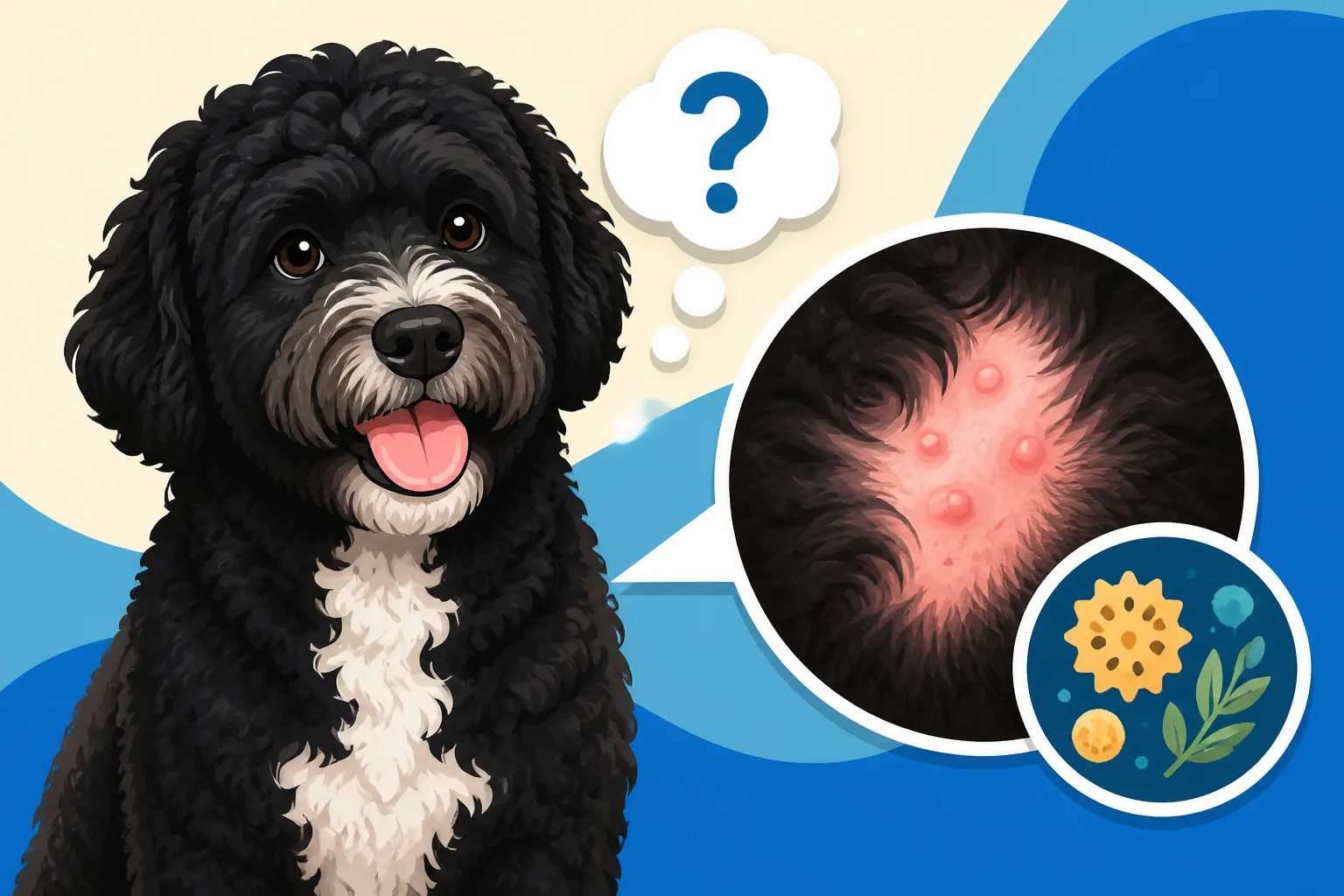
Firstly, there's atopic dermatitis, often referred to simply as atopy. This is an inherited predisposition to develop allergic symptoms following repeated exposure to common, otherwise harmless substances in the environment. Think pollen, dust mites, molds, and even certain grasses. It's much like hay fever in humans, but instead of sneezing, dogs get itchy skin. Symptoms often wax and wane with the seasons, but many dogs suffer year-round if they have multiple triggers.
Secondly, flea allergy dermatitis (FAD) is incredibly common and can be devastating for a sensitive PWD. For dogs with FAD, it's not just the nuisance of fleas; their immune system overreacts dramatically to the saliva from a single flea bite. This can cause intense itching, redness, and inflammation over large areas of the body, even if you only see one or two fleas.
Lastly, food sensitivities or allergies can also cause skin issues. This isn't just about an upset stomach; for many dogs, a food allergy primarily manifests as chronic itching and skin inflammation. Common culprits include proteins like beef, chicken, dairy, wheat, or soy. Pinpointing a food allergy can be a lengthy process involving strict elimination diets.
Common Causes of Allergic Reactions
Identifying the specific trigger for your Portuguese Water Dog's allergies is often the most challenging part of the entire process. It requires patience, careful observation, and close collaboration with your veterinarian. What might seem like a simple itch can be a complex puzzle involving multiple environmental factors, dietary components, and even external parasites.
Understanding these common causes is the first step in becoming a detective for your dog's health. It helps you recognize patterns, gather information for your vet, and implement strategies that might alleviate their discomfort. For a breed like the Portuguese Water Dog, who loves to be active outdoors and often has a unique grooming routine, the interaction of these factors can be particularly nuanced.
Environmental Allergens
Environmental allergens are arguably the most common cause of skin allergies in dogs, including Portuguese Water Dogs. Just like people can be allergic to pollen or dust, our dogs can react to similar airborne particles. These allergens can be seasonal, like tree, grass, and weed pollens, or perennial, meaning they are present year-round, such as dust mites, mold spores, and dander from other animals.
For a Portuguese Water Dog, who often spends significant time outdoors, romping in fields, swimming in lakes, or just enjoying a good sniff around the neighborhood, exposure to these environmental triggers is almost inevitable. You might notice your PWD's itching flares up during spring and fall, coinciding with peak pollen seasons. Or perhaps they seem to get itchier after a romp in a particular patch of grass. Identifying these patterns can be a huge clue. Even indoor allergens like dust mites can cause significant discomfort, leading to year-round itching that might seem inexplicable at first glance.
Food Sensitivities and Allergies
Food allergies are another significant, albeit less common, cause of skin problems in Portuguese Water Dogs. It’s important to distinguish between a food intolerance and a true food allergy. An intolerance might cause digestive upset (like diarrhea or vomiting) but doesn’t involve an immune response. A food allergy, however, triggers an immune system reaction, leading to symptoms that can include persistent itching, skin inflammation, chronic ear infections, or even gastrointestinal issues.
The most common food allergens in dogs are typically proteins from ingredients like beef, chicken, dairy, eggs, and sometimes grains like wheat or corn. It’s not necessarily about the quality of the food, but rather the dog’s individual immune system reacting negatively to a specific protein source it’s been exposed to over time. Diagnosing a food allergy often involves a strict elimination diet, which means feeding a novel protein or hydrolyzed protein diet for several weeks to see if symptoms resolve, followed by reintroducing ingredients one by one. This process requires dedication, but it can be incredibly rewarding when you find the culprit.
Flea Allergy Dermatitis
Despite all our best efforts, fleas can still find their way onto our pets, and for a Portuguese Water Dog with flea allergy dermatitis (FAD), even a single bite can trigger an extreme allergic reaction. It's not the fleas themselves that cause the intense itching, but the saliva they inject when they feed. Dogs with FAD become hypersensitive to components in flea saliva, leading to disproportionate scratching, redness, and irritation.
Because of their dense, often curly or wavy coat, spotting fleas on a Portuguese Water Dog can be like finding a needle in a haystack. You might only see flea dirt (tiny black specks that turn reddish-brown when wet), or you might not see any evidence of fleas at all, leading you to believe fleas aren't the problem. However, if your PWD is itchy, especially around the base of the tail, hindquarters, or inner thighs, fleas should always be the first thing your vet rules out. Consistent and effective flea prevention year-round, even in colder climates, is absolutely critical for PWDs, whether they've been diagnosed with FAD or not.
Contact Dermatitis
While less common than environmental or flea allergies, contact dermatitis can certainly occur in Portuguese Water Dogs. This type of allergy happens when your dog's skin comes into direct contact with an irritating or allergenic substance, triggering a localized inflammatory reaction. The symptoms are usually confined to the areas where the skin made contact.
Common culprits can include certain plants (like poison ivy, though dogs react differently than humans), chemicals in cleaning products, fertilizers, pesticides, or even components in their bedding, shampoo, or topical medications. For a swimming breed like the PWD, repeated exposure to chlorine in pools or specific types of lake algae might also contribute to skin irritation for some sensitive individuals. If your PWD develops redness, bumps, or itching on their belly, paws, or other areas that touch the ground or come into contact with specific items, contact dermatitis could be a possibility. A thorough review of their environment and products they use can help pinpoint the irritant.
Recognizing the Signs and Symptoms
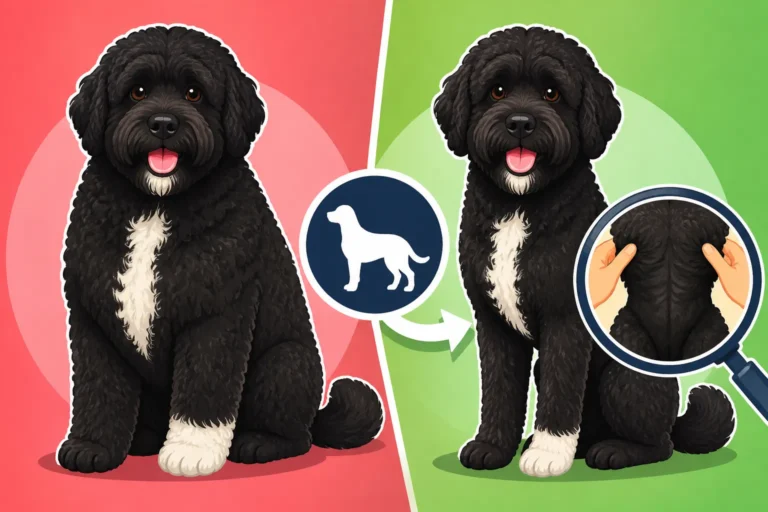
One of the challenges with detecting skin allergies in a Portuguese Water Dog is that their thick, often dark, and sometimes matted coat can effectively hide many of the early signs. What starts as a subtle lick or scratch can quickly escalate into a full-blown skin infection or a miserable hot spot before you even realize there's a problem. This is why regular grooming and tactile examinations of your PWD’s skin are so important, allowing you to get past that wonderful fur and check for any underlying issues.
Being observant of your dog’s habits and knowing what to look for will make a world of difference in catching allergies early and getting them the help they need. Don’t dismiss small changes; often, the earliest indicators are behavioral rather than visible.
The Itch Cycle
The most pervasive and frustrating symptom of allergies in Portuguese Water Dogs is, without a doubt, the persistent itch. This isn't just a casual scratch here and there; it can become an all-consuming cycle that significantly impacts your dog's quality of life and yours. You'll often see them licking their paws excessively, scratching with their hind legs, rubbing their faces on furniture or the carpet, and even scooting across the floor.
This constant itching leads to inflammation, which in turn leads to more itching, creating a vicious cycle. The areas most commonly affected by this intense itching include the paws, ears, armpits, groin, and around the muzzle and eyes. You might notice the fur in these areas becoming stained (especially if they have a lighter coat or white markings) from saliva or appear thinner due to constant chewing and rubbing. For example, if you notice your Portuguese Water Dog constantly licking their paws, particularly after a walk or a swim, it's a strong indicator of discomfort, possibly allergic in nature.
Secondary Skin Issues
Unfortunately, the constant scratching and licking associated with allergies rarely stay just an itch. The trauma to the skin breaks down its natural protective barrier, making it vulnerable to secondary infections. These infections are often caused by bacteria (leading to pyoderma) or yeast (like Malassezia dermatitis), which thrive in warm, moist, damaged skin. These secondary infections then exacerbate the itching, making your dog even more uncomfortable and creating a deeper problem.
You might notice various secondary skin issues, such as redness, bumps, pustules, scabs, crusting, or a greasy, foul-smelling coat. One of the most common and distressing secondary issues is the "hot spot," technically known as acute moist dermatitis. These are rapidly developing, painful, red, oozing skin lesions that appear almost overnight and are intensely itchy. They require immediate veterinary attention because they can spread quickly. When you give your PWD a good rub-down after a swim, take the time to feel for any of these changes beneath their dense coat. Prompt treatment of these secondary infections is key to breaking the itch cycle and bringing relief.
Ear and Eye Involvement
Allergies in Portuguese Water Dogs don't always stop at the skin; they frequently manifest in chronic ear infections and sometimes eye irritation. The skin lining a dog's ear canals is an extension of their external skin, so if their skin is inflamed due to allergies, their ears are often affected too. The floppy ears and dense ear hair of a Portuguese Water Dog can create a warm, moist environment, making them even more prone to trapping allergens and developing infections.
If your PWD is constantly shaking their head, scratching at their ears, or you notice a foul odor, redness, or discharge coming from their ears, it's a strong sign of an ear infection, which can often be rooted in allergies. You can learn more about why your dog's ears need checking every week by reading our detailed guide on the topic. Similarly, allergies can cause irritation around the eyes, leading to redness, tearing, or discharge, as the delicate skin around the eyes reacts to airborne allergens. If you notice these symptoms in conjunction with skin itching, it points even more strongly to an underlying allergic condition.
| Symptom | Common Allergic Cause | Location Often Affected | Visual Cues | Behavioral Cues |
|---|---|---|---|---|
| Intense Itching | Environmental, Food, Fleas | Paws, Ears, Armpits, Groin, Face | Redness, Rash, Hair Thinning | Constant Licking, Scratching, Rubbing |
| Redness/Inflammation | Environmental, Food, Fleas, Contact | Any area, often localized | Bright pink to deep red skin | Restlessness, Irritability |
| Licking Paws | Environmental, Food | Paws, between toes | Saliva staining, Swelling | Obsessive licking, Chewing |
| Chronic Ear Infections | Environmental, Food | Ear canals | Redness, Discharge, Odor | Head shaking, Ear scratching |
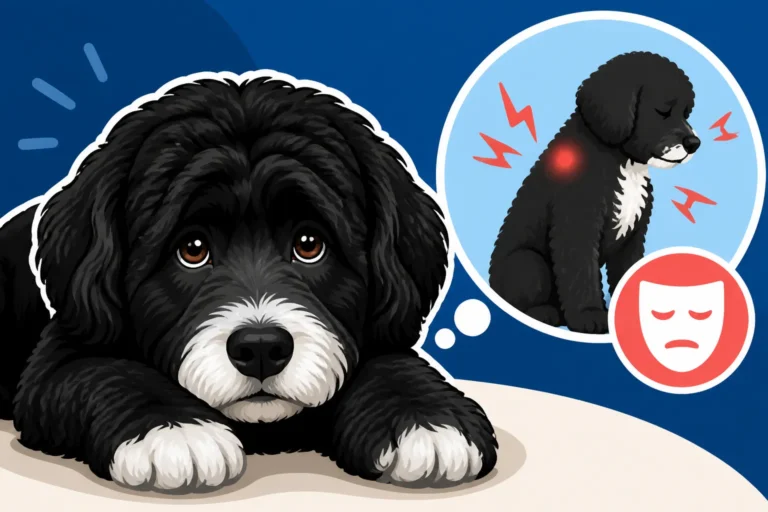
| Hot Spots (Acute Moist Dermatitis) | Fleas, Environmental, Secondary Infection | Neck, Hips, Base of Tail | Oozing sores, Crusts, Hair Loss | Sudden onset, Intense pain, Aggression |
| Hair Loss (Alopecia) | Chronic Itching, Secondary Infection | Any constantly scratched area | Patchy, Thinned coat | Continued self-trauma |
| Skin Thickening/Darkening (Lichenification) | Chronic Inflammation | Armpits, Groin, Folds | "Elephant skin" texture | Long-term persistent itching |
| Foul Odor | Yeast or Bacterial Infection | Skin folds, Ears, Entire body | Greasy coat, Discoloration | Increased scratching, Head tilt |
Diagnosis and Treatment Options
Getting to the bottom of your Portuguese Water Dog's skin allergies can feel like a marathon, not a sprint. There's no single magic test that immediately identifies all allergies, and it often involves a process of elimination and specialized diagnostics. However, armed with patience and a good partnership with your veterinarian, you can navigate this journey and find effective ways to manage your PWD's discomfort.
The good news is that veterinary medicine has made significant strides in understanding and treating canine allergies. What might have been a frustrating, untreatable condition years ago now has a range of options to improve your dog’s quality of life dramatically. It’s about finding the right combination of approaches that works best for your individual dog.
Veterinary Examination and Initial Steps
The very first and most crucial step when you suspect your Portuguese Water Dog has skin allergies is a thorough veterinary examination. Your vet will take a detailed history, asking about diet, environment, grooming routines, and any changes in your dog's behavior. They'll perform a physical exam, meticulously checking their skin, coat, paws, and ears. This initial visit is vital for ruling out other causes of itching that aren't allergies, such as parasitic infestations.
Your vet will likely recommend skin scrapings to check for mites (like demodex or sarcoptic mange) and cytology to look for yeast or bacterial infections. These are relatively quick and inexpensive tests that can rule out common non-allergic causes or identify secondary infections that need to be treated immediately. Many skin issues can mimic allergies, so it's essential to eliminate these possibilities first. Remember, treating secondary infections is often key to providing initial relief, even if the underlying allergy remains to be identified.
Allergy Testing and Dietary Trials
Once parasitic infestations and secondary infections are under control, and if allergies are still suspected, your vet might suggest allergy testing or a dietary trial. For suspected environmental allergies, two main types of tests are available:
- Intradermal Skin Testing (IDST): This is often considered the gold standard. A veterinary dermatologist shaves a small area of your dog's side and injects tiny amounts of common allergens under the skin. They then observe the skin for localized reactions.
- Blood Tests (Serology): These tests measure antibodies to various allergens in your dog's blood. While less precise than IDST, they are less invasive and can be a good starting point.
These tests help identify specific environmental triggers, which can then guide treatment strategies like allergen-specific immunotherapy (allergy shots or oral drops). If food allergies are suspected, the only truly reliable diagnostic method is a food elimination trial. This involves feeding a specialized, hypoallergenic diet (either a novel protein your dog has never eaten before, like kangaroo or venison, or a hydrolyzed protein diet where the proteins are broken down so small the immune system doesn't recognize them) for 8-12 weeks. No other treats, table scraps, or flavored medications are allowed. If symptoms resolve, ingredients are slowly reintroduced one by one to pinpoint the culprit. This rigorous process demands commitment but yields definitive answers.
Medications and Symptom Relief
Managing skin allergies often involves a multi-modal approach, combining various treatments to control symptoms and improve your Portuguese Water Dog's comfort. For immediate relief during flare-ups, your vet might prescribe medications to stop the intense itching and inflammation.
- Antihistamines: Over-the-counter antihistamines like diphenhydramine (Benadryl) or cetirizine (Zyrtec) can sometimes provide mild relief for some dogs, but they are often not strong enough for severe cases. Always consult your vet for appropriate dosing.
- Corticosteroids: These are powerful anti-inflammatory medications (e.g., prednisone) that can quickly reduce itching and inflammation. However, they come with potential side effects with long-term use and are typically reserved for short-term control or severe flare-ups.
- Cyclosporine (Atopica): This is an immunomodulator that works by suppressing the immune response responsible for allergic reactions. It's often used for long-term management of atopic dermatitis.
- Oclacitinib (Apoquel): A targeted therapy that specifically inhibits the itch pathway in dogs, providing rapid relief without the broad immune suppression of steroids. It's very effective for many dogs with environmental allergies.
- Lokivetmab (Cytopoint): An injectable monoclonal antibody that targets and neutralizes a key protein involved in triggering itch in allergic dogs. It provides relief for 4-8 weeks with a single injection and is generally very safe.
The choice of medication depends on the severity of symptoms, the type of allergy, and your individual dog's health profile. Your vet will help you decide which option is best suited for your PWD, always aiming for the most effective treatment with the fewest side effects.
Specialized Diets
For Portuguese Water Dogs diagnosed with food allergies or sensitivities, a specialized diet becomes the cornerstone of their management. The goal is to provide nutrition without triggering an immune response. There are primarily two types of specialized diets for this purpose:
- Novel Protein Diets: These diets use protein sources that your dog has likely never encountered before, making an allergic reaction less probable. Common novel proteins include venison, duck, salmon, kangaroo, or even insect protein. It's crucial that these diets contain only the novel ingredients and no hidden common allergens.
- Hydrolyzed Protein Diets: In these diets, the animal proteins are broken down into such tiny fragments that your dog's immune system doesn't recognize them as allergens. This tricks the body into not reacting. Brands like Royal Canin Hydrolyzed Protein or Purina HA Hydrolyzed are excellent examples.
These diets are prescription-only and are used both for diagnosing food allergies (during an elimination trial) and for long-term management once an allergy is confirmed. It’s absolutely essential to feed only the prescribed diet – no treats, no table scraps, no flavored toys – to ensure its effectiveness. Consistency is key for success. Finding the right diet can dramatically reduce itching and improve skin health, making a huge difference in your PWD's comfort.
Managing and Preventing Future Flare-Ups
Living with a Portuguese Water Dog prone to skin allergies means that ongoing management is not just a recommendation; it's a necessity. It’s a commitment to vigilance, regular care, and often, a bit of lifestyle adjustment for both you and your furry companion. The goal isn't always to "cure" the allergy, as many environmental allergies are lifelong, but rather to control the symptoms, prevent secondary infections, and ensure your PWD enjoys a high quality of life.
This holistic approach combines medical treatments with attentive home care, focusing on minimizing exposure to allergens and supporting overall skin health. It's about creating a comfortable environment where your Portuguese Water Dog can thrive, even with their sensitivities.
Grooming and Bathing Routines
Regular and appropriate grooming is absolutely vital for a Portuguese Water Dog with skin allergies. Their dense, water-resistant coat can easily trap allergens, dirt, and moisture against the skin, exacerbating itching and making them prone to matting, which can further irritate the skin.
- Brushing: Daily or every-other-day brushing, even if your PWD is in a shorter clip, helps remove loose hair, dander, and external allergens from their coat. It also stimulates blood flow to the skin and helps prevent mats, which can pull at the skin and create hot spots.
- Bathing: Regular bathing with a veterinarian-recommended, hypoallergenic, or medicated shampoo can provide immense relief. For PWDs with environmental allergies, bathing 2-3 times a week (or as directed by your vet) can help wash away pollen, dust, and other irritants from their skin before they can cause a reaction. Specific shampoos with ingredients like oatmeal, ceramides, or chlorhexidine can soothe irritated skin, moisturize, or treat secondary bacterial/yeast infections.
- Drying: After every swim or bath, thoroughly drying your Portuguese Water Dog's coat, especially deep down to the skin, is crucial to prevent moisture-related skin issues. A force dryer is an invaluable tool for this. Pay particular attention to their ears, as they are prone to infections, and ensure their ear canals are dry. Read our guide on why a Portuguese Water Dog's ears need checking every week for more detailed care tips.
Remember, the goal is to keep the skin clean, calm, and free from irritants. Consistent grooming acts as both a preventive measure and a relief strategy.
Environmental Control and Allergen Avoidance
While it's impossible to completely eliminate all environmental allergens, there are many steps you can take to minimize your Portuguese Water Dog's exposure and create a more comfortable home environment. This involves a bit of diligence and adapting some daily routines.
- Indoor Allergens: If your PWD is allergic to dust mites, regular vacuuming (with a HEPA filter), washing bedding in hot water, and using dust mite covers for dog beds can make a big difference. Air purifiers with HEPA filters can also help reduce airborne allergens in your home.
- Outdoor Allergens: After outdoor activities, especially during peak pollen seasons, wipe down your PWD's paws and coat with a damp cloth or rinse them off quickly to remove pollen. Avoid walking them in tall grass or heavily pollinated areas. If your dog reacts to certain plants, try to identify and remove them from your yard.
- Cleaning Products: Be mindful of the cleaning products, laundry detergents, and air fresheners you use in your home. Some dogs can be sensitive to harsh chemicals or strong fragrances, leading to contact dermatitis or respiratory irritation. Opt for pet-safe, unscented, or natural alternatives.
- Flea Control: Maintaining strict, year-round flea prevention is paramount, even if you never see a flea. Use a veterinarian-recommended product consistently to ensure your PWD is protected, especially if they have flea allergy dermatitis.
These measures might seem tedious, but collectively, they significantly reduce the allergen load on your Portuguese Water Dog, lessening their allergic reactions and making them much more comfortable.
Immune Support and Long-Term Strategies
Beyond immediate symptom relief and allergen avoidance, supporting your Portuguese Water Dog's overall immune health and skin barrier function is a vital long-term strategy for managing allergies. A healthy immune system is better equipped to handle environmental challenges, and a strong skin barrier acts as the first line of defense against allergens.
- Supplements: Your vet might recommend supplements such as omega-3 fatty acids (fish oil), which have anti-inflammatory properties and support skin and coat health. Probiotics can also help maintain a healthy gut microbiome, which is intrinsically linked to immune function. Always consult your vet before adding any supplements to your dog's regimen.
- Allergen-Specific Immunotherapy (ASIT): If specific environmental allergens have been identified through testing, ASIT (allergy shots or oral drops) is a highly effective long-term treatment. It works by gradually desensitizing your dog's immune system to the allergens, reducing their reactivity over time. This isn't a quick fix and requires patience, but it can significantly decrease the need for other medications.
- Consistent Veterinary Care: Regular check-ups with your vet are essential to monitor your PWD's skin health, adjust medications as needed, and catch any new issues early. They can help you stay on top of ear infections or other problems. When considering the long-term costs of managing allergies, including vet visits, medications, and specialized diets, having pet insurance like Healthy Paws can be a real lifesaver, helping to cover unexpected expenses and ensure your PWD gets the best care.
- Patience and Consistency: Perhaps the most crucial long-term strategy is simply your unwavering patience and consistency. Managing allergies in a Portuguese Water Dog is often a journey with ups and downs. Sticking to the treatment plan, being diligent with environmental control, and maintaining open communication with your vet will provide the best possible outcome for your beloved companion.
Disclaimer
The information provided in this guide is for general educational purposes only and should not be considered a substitute for professional veterinary advice. Always consult with a qualified veterinarian for any health concerns or before making any decisions related to your Portuguese Water Dog's care and treatment.