The Age a Portuguese Water Dog Is Considered Senior
Many Portuguese Water Dog owners, myself included, often find themselves wondering exactly when their endlessly energetic, water-loving companion officially crosses the threshold into their "senior" years. It's not always a clear-cut date on the calendar, and it can be emotionally challenging to see those first subtle shifts. This comprehensive guide aims to demystify what it means for a Portuguese Water Dog to be considered senior, exploring the age markers, physical and behavioral indicators, and the crucial adjustments in care that can ensure their golden years are as comfortable and joyful as possible.
More Than Just a Number: Understanding Seniority in PWDs
When we talk about a dog becoming "senior," it's natural to think of a specific age. But with a breed as robust and active as the Portuguese Water Dog, that number can sometimes feel less significant than the actual changes we observe. It's a conversation that every PWD owner eventually has with themselves and their vet, trying to balance their dog's youthful spirit with their body's reality.
The "Rule of Thumb" for Large Breed Dogs
It’s a common saying that one human year equals seven dog years, but anyone who's ever owned a dog knows it's far more nuanced than that. This simple conversion is especially inaccurate when you consider the vast differences between breeds. For many larger dog breeds, the general consensus is that they start to enter their senior years somewhere between seven and eight years old. Think about a Great Dane or a Bernese Mountain Dog; their lifespans are shorter, so their aging process naturally accelerates. They might be showing signs of slowing down and developing age-related conditions much earlier than a smaller terrier, for instance.
However, even within larger breeds, there's a spectrum. A seven-year-old PWD might still be full of beans, chasing balls and diving into the lake, while a seven-year-old of another breed might already be struggling with mobility. This typical guideline serves as a starting point, giving us a window to begin proactively monitoring our dogs for age-related changes rather than waiting for obvious signs of decline. It’s about being prepared and understanding that while your PWD might not feel old at seven, their body is certainly starting to put in more effort to keep up with their youthful spirit. It's simply the age when we, as responsible owners, should start shifting our perspective and care routine slightly.
Why PWDs Might Mature Differently
Portuguese Water Dogs are a unique blend of athleticism, intelligence, and a seemingly endless zest for life. These aren't your average couch potatoes; they were bred for demanding work alongside fishermen, retrieving gear and herding fish in the chilly waters of the Iberian coast. This robust working dog heritage means their bodies are often built for endurance and activity. As a result, many PWDs maintain a remarkable level of physical and mental vigor well into what might be considered senior years for other breeds. It’s not uncommon to see a nine- or ten-year-old Portuguese Water Dog still eager for a long walk, a swim, or even a session of Dock Diving and Water Trials With a Portuguese Water Dog if their joints allow.
This incredible longevity and active nature can sometimes make it difficult for owners to recognize when their PWD is truly entering its senior phase. They often don't "act" old in the way some other breeds might. Their intelligence keeps them engaged, and their strong bond with their humans means they'll often push through discomfort to participate in family activities. Because of this, we need to look beyond just their outward enthusiasm and pay close attention to more subtle indicators, understanding that their inherent drive can mask underlying age-related changes for longer than we might expect. It truly feels like they're trying to defy gravity and time itself, and as owners, we have to be vigilant enough to notice when they might be struggling.
Subtle Signs of Aging: What to Look For
The shift from prime adult to senior can be so gradual with a Portuguese Water Dog that you might miss the early indicators if you're not specifically looking for them. These aren't always dramatic changes; sometimes they're just tiny whispers that their body is starting to feel the effects of time.
Physical Changes You Might Notice
One of the first places you might start to see the hand of time is in your PWD's physical appearance and capabilities. Their once vibrant, dense coat might begin to thin slightly, or you might notice more gray around their muzzle and eyes, giving them that distinguished "salt and pepper" look. Weight management can become a bigger challenge, even if their diet hasn't changed. As metabolism slows down and activity levels might slightly decrease, they can put on a few extra pounds more easily. This isn't just cosmetic; extra weight can put strain on aging joints. You can learn more about What a Portuguese Water Dog Weighs and How to Keep It There.
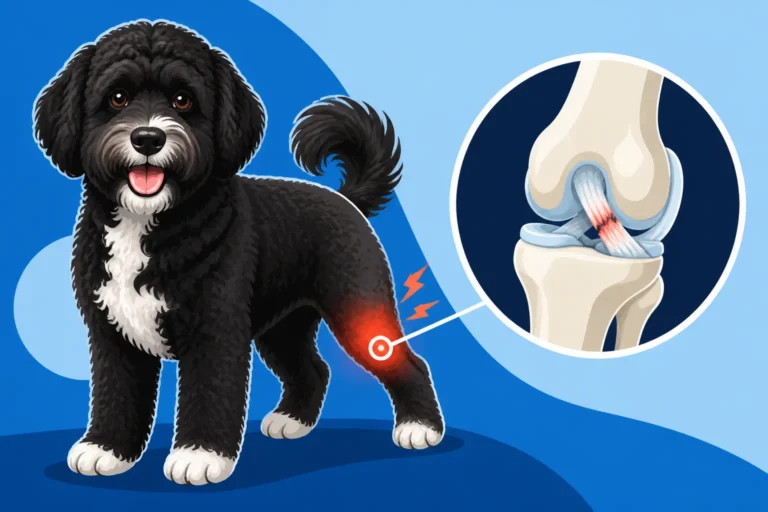
Beyond the visible, keep an eye on their mobility. Are they a little stiffer when they first wake up in the morning or after a long nap? Do they hesitate before jumping into the car or onto the sofa, even if they used to leap with abandon? These could be early signs of arthritis or joint discomfort, which are very common in older dogs. You might also observe subtle changes in their gait—a slight limp, a shorter stride, or a general awkwardness. Their sense of sight and hearing might also start to diminish, causing them to be a little less responsive to cues or startled by things they wouldn't have noticed before. These tiny shifts are often the first true indicators that your PWD is entering their golden years.
Behavioral Shifts in Your Aging PWD
Beyond the physical, seniority in a Portuguese Water Dog often manifests in behavioral changes. Their boundless energy might not disappear entirely, but it might become more intermittent. They might still have bursts of playful activity, but these are often followed by longer, deeper naps. You might notice them sleeping more during the day or wanting to go to bed earlier at night. It’s not that they're lazy; their bodies simply require more rest to recover from daily activities.
Cognitive changes can also occur. Some older PWDs may experience Canine Cognitive Dysfunction (CCD), which is similar to Alzheimer's in humans. Signs can include disorientation (getting "stuck" in corners, staring blankly), changes in interaction patterns (less interested in petting, more clingy), altered sleep-wake cycles (pacing at night), or house-soiling accidents in a previously perfectly house-trained dog. They might also become less tolerant of change, more anxious in new situations, or more vocal without a clear reason. It's important to differentiate these from simple "bad behavior" and understand they're often a genuine sign of aging, requiring patience and adapted routines. They're still your beloved PWD, just experiencing the world a little differently, and they rely on us to understand and support them through these changes.
Health Considerations for the Senior Portuguese Water Dog
As much as we wish our PWDs could stay eternally young, the reality is that aging brings increased susceptibility to various health issues. Being aware of these and taking proactive steps can make a monumental difference in their quality of life. Understanding The Twelve to Fifteen Years a Portuguese Water Dog Gets means being prepared for the health challenges that can arise in their later years.
Common Ailments in Older PWDs
As our PWDs age, they, unfortunately, become more susceptible to a range of health issues. One of the most prevalent concerns is musculoskeletal problems, particularly arthritis. Years of active life, swimming, and running can take their toll on joints. You might notice Signs a Portuguese Water Dog's Hips Hurt or that they're generally less enthusiastic about physical activities they once adored. Beyond joints, older dogs are at a higher risk for various forms of cancer, with lumps and bumps becoming a more frequent worry. Regular checks, both at home and with your vet, are crucial for early detection.
Organ function can also decline. Kidney disease, heart conditions, and liver issues are more common in the senior years. Diabetes can also emerge, requiring careful management. Furthermore, dental health often deteriorates, leading to painful infections if not addressed. It’s not just about the pain; poor dental hygiene can contribute to other systemic health problems. Eye conditions like cataracts or progressive retinal atrophy, while some forms can appear earlier, can also worsen with age, affecting their vision. And, like humans, older dogs can sometimes experience a decline in thyroid function, leading to lethargy, weight gain, and coat changes. These are all things to discuss with your vet at their regular check-ups.
The Importance of Regular Vet Check-ups
This is where proactive care truly shines for our senior Portuguese Water Dogs. Once your PWD approaches that 7-8 year mark, and certainly by nine, it's highly recommended to transition from annual vet visits to twice-yearly check-ups. Why? Because diseases in older dogs can progress rapidly, and catching issues early often leads to better outcomes and more effective management. During these visits, your veterinarian will not just perform a physical exam but will likely recommend a more comprehensive set of diagnostics. You can get more information on How Often a Portuguese Water Dog Needs a Wellness Exam.
This often includes a senior blood panel, which evaluates organ function (kidney, liver), checks for diabetes, and assesses thyroid levels. They might also recommend urinalysis to detect kidney problems or urinary tract infections, and blood pressure checks are becoming standard for aging dogs. For PWDs, given their genetic predispositions, specific screenings like those for Two Kinds of Retinal Atrophy in a Portuguese Water Dog might also be considered if not already done. Discussing any subtle changes you've observed—whether it's a new cough, a change in appetite, or increased thirst—is vital. These regular check-ups are your best defense in keeping your senior PWD comfortable and healthy for as long as possible. If you're concerned about potential costs, this is where pet insurance, like policies from Healthy Paws, can be incredibly beneficial, helping to mitigate the financial impact of increased veterinary care.
Adjusting Care and Lifestyle for Your Senior Companion
Acknowledging that your Portuguese Water Dog is entering their senior years isn't about giving up on their active lifestyle; it's about adapting to their changing needs. It means making intentional choices to support their health and happiness in this new phase of life. You're effectively creating a customized care plan for their golden years, ensuring they feel loved and comfortable every single day.
Nutrition and Exercise for an Aging PWD
Caring for a senior Portuguese Water Dog means making thoughtful adjustments to their daily routine, starting with what's in their bowl and how they move their body. Their metabolism naturally slows down, so maintaining a healthy weight becomes even more critical to prevent undue strain on aging joints and organs. Many senior-specific dog foods are formulated with fewer calories, higher fiber, and often contain joint-supporting supplements like glucosamine and chondroitin. It's a good idea to consult your vet about the best dietary plan for your individual PWD, considering their weight, activity level, and any specific health conditions they might have. They might also benefit from When a Portuguese Water Dog Needs Joint Supplements.
When it comes to exercise, the goal isn't to stop activity, but to modify it. Your senior PWD still needs physical and mental stimulation to thrive, but long, strenuous hikes or intense games of fetch might need to be replaced with shorter, more frequent walks. Swimming remains an excellent, low-impact exercise for PWDs, as it supports muscle mass without stressing joints. You can learn more about Whether an Aging Portuguese Water Dog Still Wants to Swim. Focus on gentle, consistent movement, and consider shorter, more frequent sessions. Puzzle toys and interactive games can provide mental engagement, which is just as important as physical exercise for keeping their minds sharp. Remember, a tired dog is often a happy dog, but for seniors, a gently tired dog is the goal.
Creating a Comfortable Environment
Making your home a haven for your senior Portuguese Water Dog is paramount to their comfort and quality of life. Think about where they sleep. A supportive, orthopedic dog bed can make a world of difference for achy joints, providing cushioning and warmth that a thin mat simply can't. Place these beds in quiet, easily accessible areas where they won't be disturbed, perhaps near their favorite human, but away from high-traffic zones. For PWDs with mobility issues, consider ramps for getting into the car or onto furniture if they're still allowed up there. Non-slip rugs on slick floors can prevent slips and falls, which can be particularly dangerous for older dogs with reduced balance or strength.
Accessibility extends to their daily needs too. Raised food and water bowls can make eating and drinking more comfortable, especially for dogs with neck or back pain. If their eyesight or hearing is diminishing, try to keep furniture in consistent locations to help them navigate familiar spaces. Maintain a predictable daily schedule for feeding, walks, and potty breaks, as this can reduce anxiety and confusion, especially for those experiencing cognitive decline. These small adjustments can dramatically improve their comfort and independence, helping them enjoy their senior years with dignity and less stress.
Planning Ahead: Financial and Emotional Aspects of Senior Care
Caring for an aging Portuguese Water Dog is a journey that encompasses more than just physical health. It also involves preparing for potential financial changes and navigating the emotional landscape that comes with watching our beloved companions grow older. Being prepared for Caring for a Portuguese Water Dog Past Nine means considering all aspects of their well-being.
Understanding the Costs of Senior PWD Care
Let's be realistic: caring for a senior Portuguese Water Dog often comes with increased financial demands. Those biannual vet visits, comprehensive blood panels, potential medications for arthritis, heart conditions, or thyroid issues, and special dietary foods can quickly add up. Diagnostic tests, like X-rays for joint pain or echocardiograms for heart murmurs, also represent significant costs. While we never want to think about the financial aspect when it comes to our beloved companions, it's a practical reality that every owner should consider. You might want to consider What a Portuguese Water Dog Costs Over Its Lifetime to get a full picture.
This is precisely why many experienced dog owners strongly recommend investing in pet insurance, ideally before your dog reaches their senior years. While pre-existing conditions won't be covered, a good policy can help significantly with unexpected illnesses, accidents, and the ongoing costs of senior care. Brands like Healthy Paws offer comprehensive plans that can ease the burden when those inevitable vet bills start to roll in, giving you peace of mind during a stressful time. Having a financial plan, whether it's through insurance or a dedicated savings fund, allows you to make care decisions based on your dog's needs, rather than your wallet.
| Care Aspect | Junior PWD (Approx. 1-6 years) | Senior PWD (Approx. 7+ years) | Potential Cost Impact (Annual) |
|---|---|---|---|
| Vet Visits | Annual wellness check | Biannual check-ups, more tests | Moderate to High |
| Diagnostics | Minimal (vaccines, deworming) | Bloodwork, urinalysis, X-rays | Moderate to High |
| Medications | Flea/tick, heartworm | Arthritis, thyroid, cardiac | Low to High |
| Special Diet | Standard adult formula | Senior, low-cal, prescription | Low to Moderate |
| Supplements | Occasional | Joint, cognitive, skin/coat | Low |
| Grooming | Regular professional/home | Potentially more frequent/gentle | Stable to Low |
| Mobility Aids | Rarely | Orthopedic beds, ramps, slings | Low to Moderate |
| Emergency Fund | Recommended | Crucial | High |
This table is a general guide and actual costs will vary greatly by location, vet, and individual dog's health needs, as well as whether pet insurance is utilized.
The Emotional Journey of Caring for an Older Dog
Beyond the tangible costs and physical changes, there's a profound emotional journey that comes with caring for a senior Portuguese Water Dog. It's tough to watch the vibrant, tireless companion you've known start to slow down, to see the sparkle dim slightly in their eyes or their once-powerful stride become a little more hesitant. There's a natural sadness that accompanies this transition, as you're reminded of the passage of time and the preciousness of your bond. It's okay to feel those emotions; they are a testament to the depth of your love for your dog.
This phase also brings immense opportunities for deeper connection. Your senior PWD still needs your attention, comfort, and unwavering love, perhaps even more than ever. Take the time to savor quiet moments, offer gentle massages to their aching joints, and enjoy modified activities they still love, like a gentle swim or a short walk around the neighborhood. Be patient with accidents, offer extra reassurance during moments of confusion, and celebrate every good day. What Changes in a Portuguese Water Dog After Nine can really highlight how their needs shift, both physically and emotionally. Remember, they have given you years of unconditional love, and now it's your turn to provide them with the best possible golden years, filled with comfort, understanding, and all the love you can give. It's a challenging, but ultimately incredibly rewarding, part of the journey together.
Disclaimer
Please remember that the information provided in this guide is for general educational purposes only and should not be considered a substitute for professional veterinary advice. Always consult with a qualified veterinarian regarding your Portuguese Water Dog's specific health concerns, treatment options, and care needs. Individual dogs will age differently, and personalized veterinary guidance is essential.