Whether a Portuguese Water Dog Gets Hot Spots
It’s a scenario no dog owner wants: you’re petting your beloved Portuguese Water Dog, and your fingers hit a nasty, wet, matted patch of fur, often accompanied by an unsettling smell. This isn't just a simple skin irritation; it's likely a hot spot, a common and incredibly uncomfortable condition that can escalate quickly, especially in a breed known for its dense coat and love of water. This guide will walk you through what hot spots are, why your PWD might be prone to them, how to recognize them, and crucially, how to treat and prevent these persistent skin woes.
Understanding Hot Spots and Why PWDs Are Prone
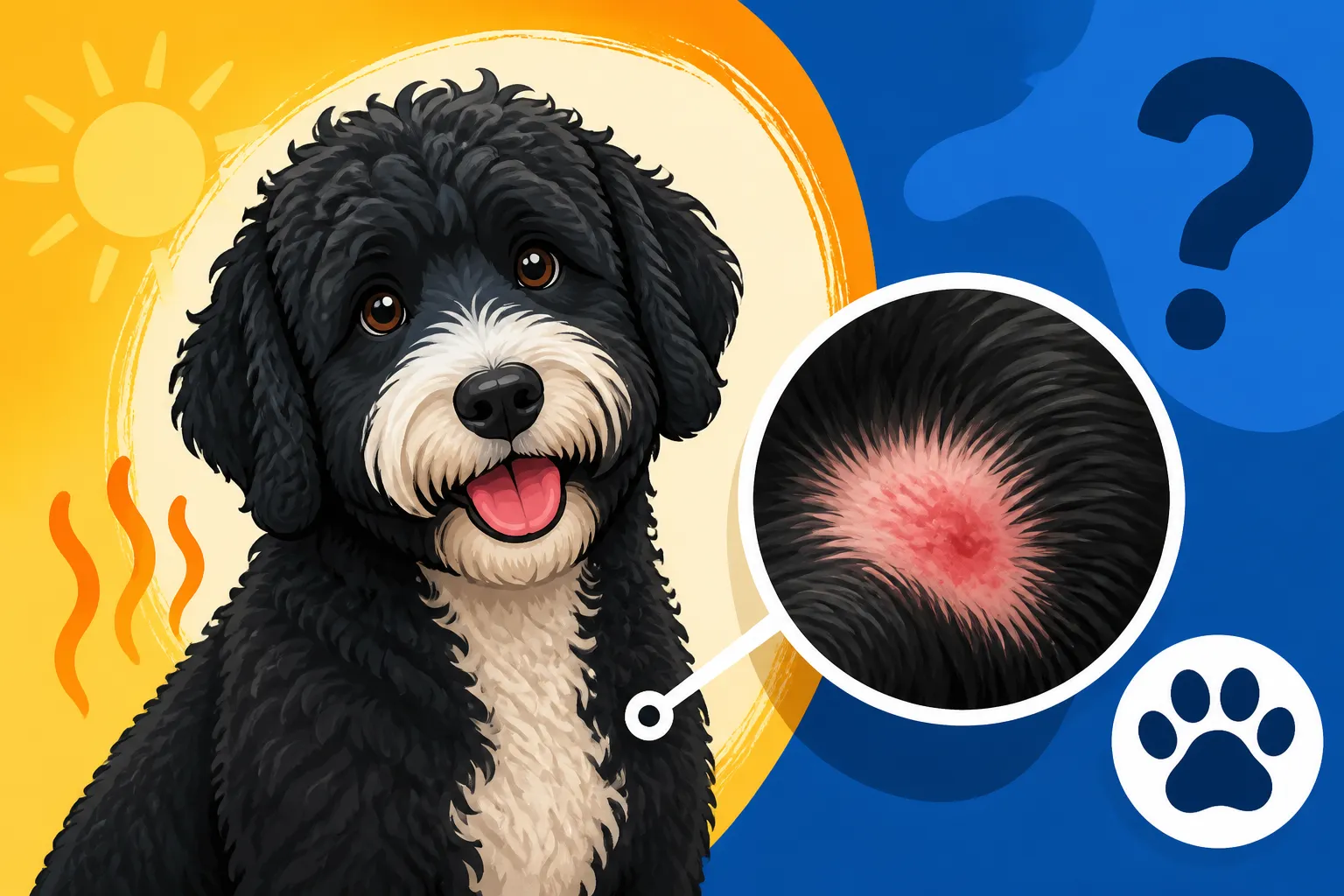
Hot spots, medically known as acute moist dermatitis, are localized areas of skin inflammation and infection. They appear suddenly, can spread rapidly, and are characterized by red, raw, oozing lesions that are incredibly itchy and painful for your dog. Imagine a nasty rash that just won't stop itching, and the more you scratch, the worse it gets – that's what your PWD is experiencing.
Portuguese Water Dogs, with their unique, dense, and often curly or wavy single coat, are particularly susceptible to hot spots. This isn't just bad luck; it's a combination of their genetics, their love for water, and the very nature of their coat. The thick, water-resistant fur, while perfect for their original role as working dogs on fishing boats, can become a perfect breeding ground for bacteria when it stays damp or gets tangled. When the coat is What a Portuguese Water Dog's Coat Is Made Of, it's designed to protect, but it can also trap moisture against the skin, which is the nemesis of healthy skin.
The primary cause of a hot spot is self-trauma – your dog incessantly licking, chewing, or scratching an area. This scratching breaks the skin barrier, introducing bacteria and creating a cycle of itch, scratch, and infection. The moisture from their licking, combined with their dense coat, creates a warm, humid environment that bacteria absolutely thrive in, turning a small irritation into a raging infection in a matter of hours.
The Cycle of Itch and Infection
It almost always starts with something small. Maybe a bug bite, a minor scratch, or even an irritating burr hidden deep in their coat. For a human, we might just feel a temporary itch. But for a dog, especially a sensitive PWD, that small irritation can trigger an intense licking or scratching response. Their saliva, while having some antimicrobial properties, ultimately just adds more moisture to the area, exacerbating the problem.
This continuous licking and chewing damages the skin cells, making them even more susceptible to bacterial overgrowth. Staphylococcus bacteria, which are naturally present on dog skin, seize the opportunity. They multiply rapidly in the warm, moist environment created by the licking and the dense fur, leading to the characteristic red, oozing, and inflamed lesion. The pain and itch intensify, prompting your PWD to lick and scratch even more, thus completing the vicious cycle.
Environmental and Allergic Triggers
While self-trauma is the direct cause, there's almost always an underlying trigger. For Portuguese Water Dogs, their active, water-loving lifestyle plays a huge role. After a joyous swim in the lake, a romp in the ocean, or even just a rainy walk, if their coat isn't thoroughly dried, moisture can linger close to the skin. This trapped dampness, especially if combined with a slightly matted area, can quickly become an incubator for bacteria, leading to Why a Damp Portuguese Water Dog Gets Skin Trouble.
Allergies are another major culprit. Just like people, dogs can suffer from environmental allergies (pollen, dust mites), food allergies, or flea allergies. If your PWD is constantly itchy due to Whether a Portuguese Water Dog Gets Skin Allergies, they're more likely to lick or chew at themselves, unwittingly starting the hot spot cycle. A single flea bite can trigger an intense reaction in an allergic dog, leading to relentless scratching and the development of a hot spot. Parasites like mites can also cause severe itching, though less common than fleas. Even boredom or stress can sometimes manifest as excessive licking, leading to these lesions.
Recognizing the Signs of a Hot Spot
Spotting a hot spot early can save your PWD a lot of discomfort and prevent the condition from escalating into a larger, more painful issue. Because of their thick coat, hot spots can be quite challenging to find, often hidden from plain sight until they're already significant. Regular grooming and petting sessions are not just for bonding; they're vital health checks.
Early Indicators and Behavioral Changes
The very first clues might not be visual at all, but rather behavioral. You might notice your PWD:
- Excessive Licking or Chewing: This is the most common and earliest sign. If your dog is persistently licking a specific area, especially more than usual, it's a red flag. Pay attention during quiet times when they might be grooming themselves.
- Persistent Scratching: While all dogs scratch, an increase in frequency or intensity, or focusing on one spot, warrants investigation.
- Rubbing or scooting: They might try to rub the itchy area against furniture or the floor.
- Sensitivity or Pain: Your dog might flinch, growl, or pull away when you try to touch a particular spot. This indicates the area is already quite sore.
- Foul Odor: As the infection progresses, a distinct, unpleasant, sometimes yeasty or sweet smell can emanate from the affected area due to bacterial growth and oozing discharge.
These early signs are your cue to grab a comb and start parting that beautiful PWD coat to get a closer look.
Visual Symptoms and Common Locations
Once a hot spot has fully developed, the visual signs are unmistakable, though they might be hidden under the fur. You’re looking for:
- Redness and Inflammation: The skin will be bright red and swollen, indicating severe irritation.
- Oozing or Wetness: Hot spots are, by definition, "moist." The skin will weep serum, making the fur wet, sticky, and matted.
- Hair Loss: The constant licking and inflammation will cause the hair in the affected area to fall out or be completely chewed away, revealing the raw skin underneath.
- Crusts or Scabs: As the lesion begins to dry or heal, or if it's been present for a little while, crusts and scabs may form around the edges.
- Pustules or Puss: In more severe infections, you might see small pimple-like lesions (pustules) or even visible pus.
Common areas where hot spots love to crop up on a Portuguese Water Dog include:
- Ears and Cheeks: Especially if they have ear infections or allergies. Signs a Portuguese Water Dog's Ear Is Infected could indicate underlying irritation.
- Neck and Under the Chin: Often linked to collars, allergies, or even just general body itch.
- Base of the Tail: A classic spot for flea allergy dermatitis. Even one bite can cause intense itching here.
- Hips and Flanks: General allergy response or reaction to an insect bite.
- Between the Toes or on Paws: If your PWD is constantly licking their paws, checking for small hot spots or other irritations is essential.
During your regular grooming routine, especially after a swim or bath, make it a point to thoroughly check these areas. Running your hands over their entire body, feeling for any dampness, stickiness, or small bumps, can help you catch a hot spot before it spirals out of control.
First Aid and Initial Treatment at Home
Catching a hot spot early means you can often start treatment right at home, but it requires swift action and a bit of courage to tackle the messy area. The goal is to dry out the lesion, clean it thoroughly, and prevent your dog from making it worse.
Preparing the Area for Treatment
This step is crucial but often the hardest. You need to expose the hot spot to air and clean it properly.
- Clip the Hair: Using pet-safe clippers (never scissors, as you can easily cut the skin), carefully clip away the hair around and within the hot spot. You need to create a margin of at least an inch of healthy, unaffected skin around the visible lesion. This is essential for proper cleaning, air circulation, and allowing topical medications to reach the skin. This can be intimidating, but it's truly the most important first step to stop the hot spot from spreading and to begin the healing process.
- Gentle Cleaning: Once the area is clipped, gently clean it with an antiseptic solution. A dilute solution of chlorhexidine (like Nolvasan or Hibiclens, often found at pharmacies) or povidone-iodine (diluted to a light tea color) are good choices. You can also use a simple saline solution or even just warm water with a mild, dog-safe antiseptic shampoo like those recommended in Which Shampoo Suits a Portuguese Water Dog's Coat. Pat the area dry with a clean cloth or paper towel. Avoid harsh scrubbing, which can further irritate the tender skin.
- Prevent Further Licking: This is where the cone of shame, or an Elizabethan collar (E-collar), comes in. It's not fun for your PWD, but it's absolutely necessary to prevent them from continuing to lick and chew, which will undo all your efforts. Consider softer, inflatable E-collars or recovery suits as alternatives if your dog truly struggles with a traditional cone.
Applying Topical Treatments
After cleaning and drying the area, you can apply topical treatments:
- Astringent/Drying Agent: Products containing aluminum acetate (like Domeboro solution) can help dry out the weeping lesion. Follow the package directions for dilution and application.
- Topical Antibacterial/Anti-inflammatory Sprays or Creams: Many over-the-counter options contain hydrocortisone (for inflammation and itch relief) and/or antibiotics. Look for products specifically formulated for dogs. Avoid anything with alcohol, which will sting. Apply a thin layer. Brands like Vetericyn Plus or Curaseb can be helpful.
Repeat the cleaning and application process 2-3 times a day, ensuring the E-collar stays on consistently. Monitor the hot spot closely for improvement or worsening.
When to Seek Veterinary Care
While initial home treatment can be effective, it’s crucial to know when to call your vet.
- No Improvement or Worsening: If the hot spot isn't improving within 24-48 hours, or if it continues to spread, seems more painful, or develops a darker color.
- Large or Deep Lesions: Very large hot spots, or those that appear particularly deep or aggressively infected, should always be seen by a vet.
- Fever or Lethargy: If your PWD develops other signs of illness like fever, lethargy, loss of appetite, or seems generally unwell, get them to the vet immediately.
- Recurrent Hot Spots: If your dog frequently gets hot spots, a vet visit is essential to identify and address the underlying cause, such as allergies or parasites.
Remember, a hot spot can go from bad to worse very quickly, and veterinary intervention with prescription medications might be necessary to clear the infection and manage the pain. Many pet owners find that having pet insurance, such as through a provider like Healthy Paws, can be a huge relief when unexpected vet visits for conditions like hot spots arise, helping to cover diagnostics and treatments.
Professional Veterinary Treatment and Management
When home remedies aren't enough, your veterinarian is your best ally in treating hot spots and getting your PWD back to comfort. They have the tools and medications to address the infection directly and investigate the root cause.
Prescription Medications and Diagnostics
Upon examining your Portuguese Water Dog, your vet will likely want to clip and clean the area thoroughly, much like you would at home, but with professional precision. They might also take a sample for cytology (looking at cells under a microscope) to identify the type of bacteria or yeast involved, which guides antibiotic choice.
- Oral Antibiotics: For more severe or widespread infections, oral antibiotics are often prescribed to clear the bacterial infection from the inside out. These typically need to be given for a week or two, sometimes longer, even after the hot spot looks better.
- Oral Steroids: To quickly reduce inflammation and intense itching, a short course of oral corticosteroids may be prescribed. These are very effective at breaking the itch-scratch cycle, providing much-needed relief to your dog.
- Prescription Topical Treatments: Stronger topical creams or sprays containing antibiotics and/or steroids may be prescribed. These are more potent than over-the-counter options and are designed to specifically target the infection.
- Pain Relief: If the hot spot is particularly painful, your vet might also prescribe pain medication to keep your PWD comfortable during the healing process.
It’s crucial to follow your veterinarian’s instructions meticulously regarding dosage and duration of any medication. Stopping too soon can lead to a relapse of the infection.
Addressing Underlying Causes
Treating the hot spot itself is only half the battle; preventing future occurrences means identifying and managing the underlying cause. This is where your vet's expertise really shines.
- Allergy Testing and Management: If allergies are suspected, your vet might recommend allergy testing (blood tests or intradermal skin tests) to pinpoint environmental allergens (pollen, dust mites) or suggest an elimination diet trial to identify food allergies. Management could involve antihistamines, allergy shots (immunotherapy), special diets, or medications like Apoquel or Cytopoint to control the allergic itch. Whether a Portuguese Water Dog Gets Skin Allergies can be a lifelong struggle, but it is manageable.
- Flea and Tick Control: Even if you don't see fleas, a single bite can trigger a severe allergic reaction in a flea-allergic dog. Your vet will recommend a high-quality, year-round flea and tick preventative. This is especially important for PWDs who spend a lot of time outdoors and swimming, as Whether Flea Treatment Washes Off a Swimming Portuguese Water Dog is a common concern.
- Parasite Treatment: Less commonly, mites (like Sarcoptes or Demodex) could be the cause of itching. Your vet will test for these and prescribe appropriate antiparasitic treatment if necessary.
- Behavioral Assessment: In rare cases, if no medical cause is found, excessive licking might be a behavioral issue (e.g., anxiety, boredom). Your vet might suggest behavioral modification techniques or refer you to a veterinary behaviorist.
Working closely with your vet to diagnose and treat these underlying issues is key to keeping your Portuguese Water Dog free from recurring hot spots. Don't hesitate to ask questions and be an active participant in your dog's long-term health plan.
Preventing Hot Spots in Your Portuguese Water Dog
Prevention truly is the best medicine when it comes to hot spots in Portuguese Water Dogs. Given their coat type and active, water-loving nature, proactive care is essential. It's about diligent grooming, mindful drying, and addressing any underlying health issues that might trigger incessant itching.
Diligent Grooming Practices
Regular and thorough grooming is your first line of defense against hot spots.
- Consistent Brushing: PWDs need regular brushing, even the "low-shedding" ones. Their dense coats are prone to matting, which traps moisture and creates ideal conditions for hot spots. Aim for at least 2-3 times a week, thoroughly brushing all the way to the skin to prevent mats. A good slicker brush and a metal comb are indispensable tools. Consider how How Often a Portuguese Water Dog Needs Brushing changes with activity levels and coat length.
- Regular Clipping: Keep your PWD clipped to a manageable length. While the traditional lion clip is beautiful, a shorter retriever clip or even an all-over pet clip makes it much easier to keep the coat clean, dry, and mat-free. This also allows for better air circulation to the skin. Talk to your groomer about a practical cut that suits your lifestyle and your dog's activities.
- Bathing with Care: Bathe your PWD only as needed, using a high-quality, moisturizing dog shampoo. Over-bathing can strip natural oils, leading to dry, itchy skin. However, dirty coats can also lead to irritation. After bathing, rinse thoroughly to ensure no shampoo residue is left behind, as this can irritate the skin.
Managing Moisture and Ear Health
This is arguably the most critical aspect of hot spot prevention for a water-loving breed like the PWD.
- Thorough Drying After Every Swim: This cannot be emphasized enough. After every swim, bath, or even a very wet walk, your Portuguese Water Dog needs to be thoroughly dried. Towel drying is a start, but a high-velocity force dryer (like those used by professional groomers) is incredibly effective at blasting moisture out of their dense coat and getting down to the skin. Don't let your PWD air dry, especially if they have a thick coat. For more details on this, check out Drying a Portuguese Water Dog After Every Swim.
- Ear Care: PWDs are prone to ear infections because their floppy ears and hair in the ear canal trap moisture, creating a perfect environment for yeast and bacteria. Ear infections cause itching, which can lead to hot spots around the ears. Clean your PWD's ears weekly with a vet-approved ear cleaner, especially after swimming. If your PWD frequently swims, consider using an ear-drying solution. Pay attention to Why a Portuguese Water Dog's Ear Canal Traps Water and how How Often a Portuguese Water Dog's Ears Need Checking should be part of your routine. If you notice any redness, discharge, or smell, consult your vet promptly.
- Keeping the Environment Dry: If your dog enjoys playing with sprinklers or hoses, ensure they are thoroughly dried afterward. Provide them with a dry, clean place to rest, especially after outdoor activities.
Holistic Health and Environmental Control
Beyond grooming, a comprehensive approach to your PWD's overall health can greatly reduce the risk of hot spots.
- Allergy Management: If your PWD has known allergies, diligently follow your vet's recommendations for managing them. This might include special diets, environmental controls (e.g., using air purifiers, washing bedding frequently), or allergy medications. Reducing their general itchiness means less self-trauma.
- Flea and Tick Prevention: Maintain year-round, effective flea and tick prevention. Even if your dog isn't allergic, a heavy flea infestation can cause enough itching to initiate hot spots. Consult your vet for the best product for your area and your dog's lifestyle.
- Diet and Supplements: A high-quality diet provides the nutrients necessary for healthy skin and coat. Some owners find that supplements like omega-3 fatty acids can improve skin barrier function and reduce inflammation, making the skin less prone to irritation. Always discuss supplements with your vet first.
- Stress and Boredom Reduction: Ensure your PWD is getting enough mental and physical stimulation. A bored or anxious dog might resort to excessive licking as a coping mechanism, leading to hot spots. Regular exercise, training, and interactive toys can help.
By being vigilant with grooming, meticulous about drying, and proactive about managing underlying health conditions, you can significantly reduce the chances of your Portuguese Water Dog suffering from the painful inconvenience of hot spots. Remember that routine vet check-ups are also crucial for catching potential issues early. For instance, many pet insurance plans, like those offered by Healthy Paws, can help cover the costs of these preventative wellness exams and ongoing allergy management, making it easier to maintain your PWD's optimal health and avoid costly emergency treatments for severe hot spots.
Hot Spot Management Overview
Here's a quick reference table for managing hot spots in your Portuguese Water Dog:
| Symptom/Observation | Immediate Action | When to Call the Vet |
|---|---|---|
| Persistent Licking/Chewing | Investigate the area, part the fur. | If you find a hot spot, and it doesn't improve. |
| Red, Moist, Oozing Patch | Clip hair, gently clean, apply topical antiseptic. | If it's large, spreading, or very painful. |
| Foul Odor from Skin | Clip hair, gently clean, apply topical antiseptic. | Immediately, indicates likely infection. |
| Sensitivity to Touch | Gently examine, prevent further irritation (E-collar). | Immediately, if pain is severe or dog is reactive. |
| No Improvement in 24-48 hrs | Re-clean, re-apply, ensure E-collar is on. | If no noticeable improvement, vet intervention needed. |
| Fever, Lethargy, Anorexia | None for hot spot itself. | Immediately, indicates systemic illness. |
| Recurring Hot Spots | Re-evaluate grooming/drying. | To identify and treat underlying causes (allergies, etc.). |
Disclaimer
This article is intended for informational purposes only and does not constitute veterinary advice. Always consult with a qualified veterinarian for any health concerns or before making any decisions about your pet's medical care.