Whether a Portuguese Water Dog Reacts to Vaccines
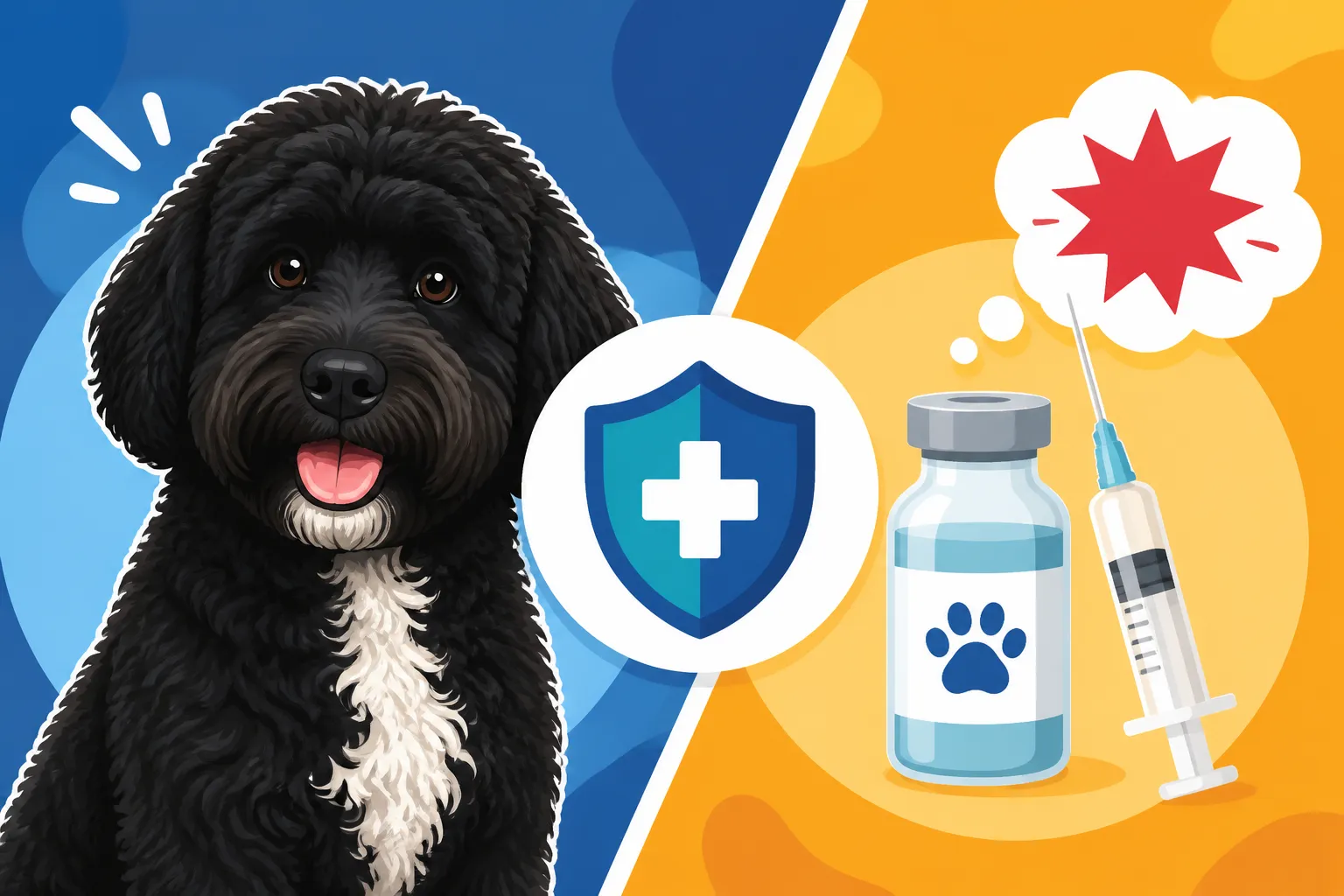
It's completely normal to feel a knot of anxiety in your stomach when it's time for your beloved Portuguese Water Dog's vaccinations. We all want to protect our furry companions, but the thought of them having an adverse reaction can be incredibly daunting. This guide will walk you through what to expect when your Portuguese Water Dog gets vaccinated, the types of reactions that can occur, how to minimize risks, and what crucial steps to take if your PWD does experience an adverse event.
Understanding Vaccine Reactions in Portuguese Water Dogs
Bringing your Portuguese Water Dog in for their vaccines is a fundamental part of responsible pet ownership, safeguarding them against a host of serious, often life-threatening diseases. But even with the best intentions, the reality is that any dog, including our robust and lively PWDs, can have a reaction to a vaccine. It's not about the vaccine being "bad"; it's about how an individual's unique immune system responds.
Why Some Dogs React Differently
Just like people, every dog is an individual with a unique genetic makeup and immune system. This means that while one Portuguese Water Dog might sail through their vaccinations with nothing more than a sleepy afternoon, another might develop a mild fever or even a more significant allergic response. Several factors can influence how a dog reacts. For instance, smaller dogs sometimes have a higher incidence of vaccine reactions per pound of body weight, although a PWD is a medium to large breed, individual sensitivity is still key. The type of vaccine also plays a role; 'killed' vaccines and those combined into a single shot (like the DHPP combo) can sometimes elicit a stronger response than a single, modified live vaccine. It’s not a reflection of your dog's overall health necessarily, but rather a temporary overreaction of their immune system as it learns to build protection.
Portuguese Water Dogs are generally a healthy breed, often living The Twelve to Fifteen Years a Portuguese Water Dog Gets with good care. However, they are not immune to vaccine reactions. While there aren't specific studies indicating PWDs are inherently more prone to severe reactions than other breeds, their lively and sometimes stoic nature might mean owners need to be extra vigilant. A normally boisterous PWD might just seem "off" rather than clearly showing distress, which is why understanding the nuances of their behavior is so important.
The Difference Between Mild and Serious Reactions
When we talk about vaccine reactions, it’s important to distinguish between what’s generally considered normal and what warrants immediate concern. A "normal" reaction to a vaccine typically involves a localized response, because the body is actively mounting an immune defense. This might manifest as a bit of soreness or swelling at the injection site – think of it like how your arm feels after a flu shot. Your PWD might be a little lethargic or have a slightly reduced appetite for a day. These are usually transient and resolve on their own within 24-48 hours.
On the other hand, a serious reaction goes beyond these mild symptoms and indicates a systemic issue. These reactions, while less common, can be life-threatening and require immediate veterinary attention. They can range from widespread hives and facial swelling to, in rare cases, anaphylactic shock, which is a severe, whole-body allergic reaction. The key is to be aware of the signs and to act swiftly if you suspect something serious is happening. Knowing the difference empowers you to provide the best care for your Portuguese Water Dog, ensuring their safety and well-being after their immunizations.
Common Types of Vaccine Reactions and Their Symptoms
Vaccine reactions can span a spectrum, from barely noticeable to gravely serious. As a Portuguese Water Dog owner, understanding these signs is paramount, as early detection can make all the difference in treatment and outcome.
Mild and Transient Reactions
These are the most common type of reactions and are generally not cause for alarm, though they certainly can make us worried! After receiving a vaccine, your Portuguese Water Dog might exhibit symptoms that are similar to how we feel after a vaccine. You might notice a slight swelling or tenderness around the injection site, perhaps a little redness. When your PWD typically greets you with boundless enthusiasm, they might instead just lie there, indicating some general lethargy. Their usual voracious appetite might be a bit subdued, or they might not finish their meal with their usual gusto. A mild, temporary fever can also occur, though it's often hard for owners to detect without a thermometer.
For example, your PWD who usually bounds out the door for their morning walk or enthusiastically dives into the lake might be less eager than usual. They might just want to curl up on their favorite bed instead of engaging in their typical active routine. This behavior usually appears within a few hours of vaccination and should resolve completely within one to two days. During this time, simply provide a quiet, comfortable space, ensure they have access to fresh water, and avoid strenuous exercise or exciting activities. It's their body working hard to build immunity!
Moderate Reactions
These reactions are a step up in severity and indicate a more significant allergic response. While not immediately life-threatening in most cases, they do warrant prompt communication with your veterinarian. Symptoms often include:
- Facial Swelling: You might notice puffiness around your Portuguese Water Dog's eyes, muzzle, or even their ears. Their whole face can look a bit "blown up" or distorted.
- Hives (Urticaria): These are itchy, raised welts on the skin that can appear anywhere on the body. On a PWD with their dense, often curly coat, hives can be tricky to spot. You might need to feel carefully through their fur, or you might notice them scratching more vigorously than usual.
- Vomiting and Diarrhea: If your PWD experiences sudden, repeated bouts of vomiting or diarrhea shortly after vaccination, it could be a moderate reaction. This indicates their digestive system is being affected by the systemic immune response.
- Persistent Itching: Beyond just hives, your dog might be generally itchy and uncomfortable, constantly scratching, rubbing, or licking their body.
If you observe any of these symptoms, it's essential to call your vet right away. They can advise you on whether to come in for an examination, and often, an antihistamine injection can quickly alleviate these symptoms. It's far better to err on the side of caution when it comes to your dog's comfort and safety.
Severe and Life-Threatening Reactions
These reactions are thankfully rare, but they are incredibly serious and require immediate emergency veterinary care. Anaphylaxis is the most severe form of allergic reaction and can be fatal if not treated swiftly. Signs of anaphylactic shock typically occur within minutes to an hour of vaccination and can include:
- Difficulty Breathing: This might manifest as rapid, shallow breathing, gasping, wheezing, or labored breaths. Your PWD might stand with their head and neck extended to try and open their airway.
- Collapse or Severe Weakness: Your dog might suddenly become very weak, unable to stand, or simply collapse. They may appear disoriented or unresponsive.
- Pale Gums: Check their gums – if they are very pale or even blue-tinged, it's a critical sign of poor circulation and oxygenation.
- Rapid Heart Rate: Their heart might be pounding very fast.
- Seizures: In extreme cases, anaphylaxis can lead to seizures.
If you see any of these signs, do not hesitate. Get your Portuguese Water Dog to the nearest emergency veterinary clinic immediately. Call ahead if possible to let them know you're coming and what symptoms your dog is exhibiting, so they can be prepared. While terrifying, prompt medical intervention can often save a dog's life in these situations.
Minimizing the Risk of Vaccine Reactions in Your PWD
While we can't eliminate the risk of vaccine reactions entirely, there are proactive steps you can take with your veterinarian to significantly reduce the chances of your Portuguese Water Dog experiencing an adverse event. This proactive approach ensures your PWD gets the protection they need with the least amount of risk.
Discussing Vaccine Protocols with Your Vet
A critical first step is to have an open and honest conversation with your veterinarian about your PWD's individual vaccination protocol. It's not a one-size-fits-all situation, especially for an active breed like the Portuguese Water Dog. Ask your vet about:
- Titer Testing: For certain core vaccines, especially after the initial puppy series, it might be possible to run a titer test. This blood test measures the level of antibodies in your dog's system. If their titers are high enough, it indicates they still have protective immunity, and a booster vaccine might not be necessary that year. This avoids vaccinating a dog who is already protected, thereby reducing the exposure to potential reactions.
- Spacing Out Vaccines: Instead of giving multiple vaccines in one visit, consider asking your vet if they can be spaced out over several weeks. This can lessen the immune system's workload and potentially reduce the risk of an overwhelming response. For instance, giving the rabies vaccine on one visit and other core vaccines like DHPP on another can be a good strategy.
- Avoiding Over-Vaccination: Ensure your vet is following current veterinary guidelines, which often recommend less frequent boosters for adult dogs than in the past. Not every vaccine needs to be given annually. Your vet should be discussing The Vaccination Schedule a Portuguese Water Dog Puppy Needs and subsequent adult boosters based on your dog's lifestyle and local disease prevalence.
- Full Health Check: Before any vaccination, your PWD should receive a thorough physical examination. This ensures they are healthy enough to receive the vaccine. Your vet will check their temperature, listen to their heart and lungs, and generally assess their well-being. This is crucial because a dog with an underlying illness, even a mild one, may be more susceptible to a reaction. Be sure to mention if you have any concerns, perhaps if your dog has shown signs of Whether a Portuguese Water Dog Gets Hypothyroidism or other subtle changes in health.
By engaging in this dialogue with your vet, you become an active participant in your Portuguese Water Dog's healthcare plan, tailoring it to their specific needs.
Pre-Medication and Post-Vaccine Monitoring
Once the vaccine protocol is decided, there are a couple of practical steps you can take around the vaccination appointment itself to further reduce risk and manage potential reactions.
- Pre-Medication: If your Portuguese Water Dog has had a mild reaction in the past, or if your vet considers them to be at higher risk, your vet might recommend administering an antihistamine, like diphenhydramine (Benadryl), before the vaccination. This can help to dampen the allergic response. Always consult your vet for the correct dosage and timing – never give human medication without their guidance.
- Stay at the Clinic: A common and highly recommended practice is to remain at the veterinary clinic for 20-30 minutes after your PWD receives their vaccine. This is the critical window where severe anaphylactic reactions are most likely to occur. If your dog does have an immediate, serious reaction, they will be in the best place possible to receive emergency treatment swiftly. This small wait can make a monumental difference in a severe case.
- Observe at Home: After you leave the clinic, your job isn't over. Keep a close eye on your Portuguese Water Dog for the next 24-48 hours. Watch for any changes in their behavior, appetite, or physical condition. Is your usually energetic PWD more subdued? Are they scratching themselves more than usual? Sometimes, a Portuguese Water Dog can be quite stoic and How a Portuguese Water Dog Hides Pain, so you need to be particularly observant of subtle cues.
- Monitor their food and water intake: While a slight decrease is normal, a complete refusal to eat or drink is concerning.
- Check their breathing: Look for any signs of labored breathing or wheezing.
- Examine their skin: Feel for any bumps or swelling, especially on their face, ears, and body.
- Limit strenuous activity: Avoid long hikes, intense play, or vigorous swimming sessions immediately after vaccination. Allow them to rest and recover. Your dog might usually love to swim and needs What a Portuguese Water Dog Needs Every Day, but a day or two of gentle walks is much better post-vaccine.
Financial Considerations for Treatment
Let's be realistic: a trip to the emergency vet can be incredibly expensive, especially for severe reactions that require intensive care, IV fluids, or overnight stays. This financial worry adds another layer of stress to an already frightening situation. This is where pet insurance can truly be a lifesaver. Companies like Healthy Paws offer comprehensive plans that can cover unexpected veterinary costs, including those arising from vaccine reactions. Having a policy in place means you can focus on your dog's recovery without the added burden of a massive vet bill. It’s always worth looking into What Insurance Covers on a Portuguese Water Dog well before you need it. Even if you don't have insurance, it's wise to consider setting aside an emergency fund dedicated to your pet's health. Think of it as a What a Portuguese Water Dog's Emergency Fund Should Hold for unforeseen circumstances.
What to Do If Your PWD Has a Vaccine Reaction
Even with all the preventative measures, sometimes a Portuguese Water Dog will still have a reaction. Knowing exactly what to do can reduce stress for both you and your dog and ensure they get the care they need without delay.
Immediate Actions for Different Severities
Your response will depend entirely on the severity of the reaction your Portuguese Water Dog is experiencing.
-
For Mild Reactions (Lethargy, Soreness, Mild Appetite Loss):
- Observe and Comfort: Keep your PWD in a quiet, comfortable spot. Offer them their favorite cozy blanket or bed.
- Monitor Closely: Watch for any escalation of symptoms over the next 24-48 hours. Is the lethargy worsening? Is new swelling appearing?
- Provide Water: Ensure they have constant access to fresh water. You can try tempting them with a little bone broth if they're not drinking much.
- Light Meals: If they're off their food, offer smaller, blander meals. If they usually have a particular type of food, consider cooking up some plain boiled chicken and rice.
- Avoid Activity: Skip their usual energetic romp or swim for a day or two. Gentle leash walks for potty breaks are fine, but let them rest.
- Contact Your Vet (if worried): If you're at all concerned or if symptoms don't start to improve after 24 hours, don't hesitate to call your vet for advice. It’s always better to check.
-
For Moderate Reactions (Facial Swelling, Hives, Vomiting/Diarrhea):
- Contact Your Vet Immediately: This is not a "wait and see" situation. Call your veterinarian or the nearest emergency vet clinic right away. Describe your dog's symptoms clearly and calmly.
- Follow Their Instructions: They will likely ask you to bring your PWD in for an examination and potentially an antihistamine injection. Speed is key here.
- Do Not Self-Medicate: Unless specifically instructed by your vet, do not give your dog any human antihistamines or other medications. The dosage could be wrong, or it could interact negatively with other treatments.
-
For Severe, Life-Threatening Reactions (Difficulty Breathing, Collapse, Pale Gums):
- Seek Emergency Vet Care IMMEDIATELY: This is a true emergency. Do not call your regular vet first unless they are your designated emergency contact. Head directly to the closest animal emergency hospital.
- Call Ahead: If possible, have someone else call the emergency clinic while you are en route. Tell them your Portuguese Water Dog is having a severe vaccine reaction (anaphylaxis) and list the symptoms you are observing. This allows them to prepare for your arrival and begin treatment immediately.
- Stay Calm: While incredibly difficult, try to remain as calm as possible to avoid further stressing your dog. Your PWD will pick up on your anxiety.
Communicating with Your Veterinarian
Clear and comprehensive communication with your vet is vital, not just during an emergency, but for future preventative care.
- Full Disclosure: Once the immediate crisis is over, make sure your vet has all the details of the reaction. Be specific about the symptoms, when they started, and how your dog was acting. This includes even subtle changes, especially since a PWD can sometimes be quite stoic and How a Portuguese Water Dog Hides Pain.
- Update Medical Records: Ensure that your Portuguese Water Dog's medical records are thoroughly updated with the details of the reaction. This information is critical for future vaccine decisions.
- Future Vaccine Plan: Discuss with your vet how future vaccinations will be handled. This might involve:
- Using different vaccine brands or types.
- Pre-medicating with antihistamines more routinely.
- Administering vaccines individually instead of in combination shots.
- Considering titer testing for certain diseases in the future.
- Regular How Often a Portuguese Water Dog Needs a Wellness Exam and annual What a Portuguese Water Dog's Yearly Bloodwork Should Cover can also help ensure your PWD is in optimal health for any future vaccinations.
Understanding Costs and Pet Insurance
Facing a vaccine reaction, especially a severe one, can be terrifying, and the financial implications can add significant stress. Emergency veterinary care for anaphylaxis, for example, can quickly run into hundreds or even thousands of dollars, depending on the treatments required, such as IV fluids, oxygen therapy, medications, and monitoring.
This is precisely where pet insurance becomes invaluable. A good pet insurance plan, like those offered by Healthy Paws, can help cover a significant portion of these unexpected costs. If you have a policy in place, you can file a claim for the eligible expenses incurred during the treatment of a vaccine reaction. This allows you to make medical decisions based on what’s best for your Portuguese Water Dog, rather than on your budget. It’s definitely something to consider if you want to ensure you're prepared for any unexpected health challenge throughout your dog's The Twelve to Fifteen Years a Portuguese Water Dog Gets. Always investigate What Insurance Covers on a Portuguese Water Dog when choosing a provider.
Here's a quick reference table to help categorize and respond to vaccine reactions:
| Reaction Type | Common Symptoms | Recommended Action |
|---|---|---|
| Mild / Transient | – Lethargy, decreased energy – Mild soreness/swelling at injection site – Slight decrease in appetite – Low-grade fever (often undetected by owner) |
– Observe at Home: Provide a quiet, comfortable space. Offer fresh water and bland food if appetite is low. Avoid strenuous activity. – Monitor: Watch for 24-48 hours. Symptoms should improve. – Contact Vet if Concerned: Call your vet if symptoms worsen, persist beyond 48 hours, or if you're worried. |
| Moderate | – Facial swelling (muzzle, eyes, ears) – Hives (itchy welts on skin) – Vomiting, diarrhea – Persistent generalized itching |
– Contact Vet Immediately: Call your veterinarian or nearest emergency clinic right away. Describe symptoms clearly. – Follow Vet's Instructions: Be prepared to bring your PWD in for an examination and often an antihistamine injection. – Do NOT Self-Medicate: Avoid giving human medications unless directed by a vet. |
| Severe / Anaphylaxis | – Difficulty breathing (gasping, wheezing) – Collapse or severe weakness – Pale or blue-tinged gums – Rapid heart rate – Seizures |
– Emergency Vet Care IMMEDIATELY: Head directly to the closest animal emergency hospital. This is a life-threatening situation. – Call Ahead (if possible): Have someone call the emergency clinic while you are en route to inform them of your arrival and symptoms, so they can prepare. – Stay Calm: As difficult as it is, try to remain calm to help your dog. |
Being prepared for vaccine reactions is part of being a responsible Portuguese Water Dog owner. While rare, knowing the signs and having a plan can ensure your beloved companion gets the best possible care when it matters most.
Disclaimer
This article is for general informational purposes only and does not constitute professional advice. Laws, prices and regulations vary by location and change over time. Consult a qualified professional for guidance on your specific situation.