Which Medication a Portuguese Water Dog With Addisons Takes
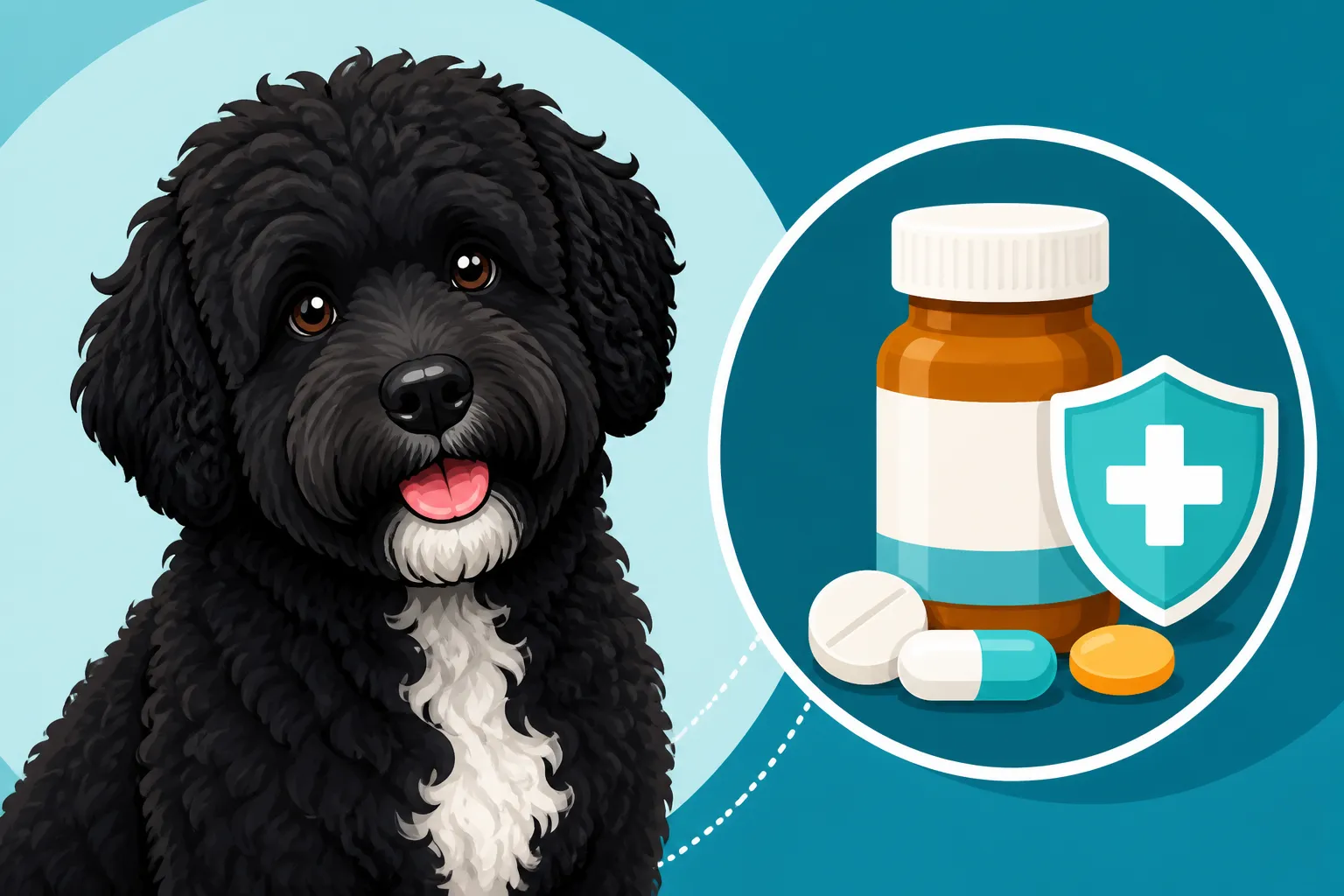
Receiving an Addison's Disease diagnosis for your beloved Portuguese Water Dog can feel absolutely devastating and overwhelming. You’re likely reeling from the news, wondering what this means for your active, water-loving companion, and worried about a future filled with vet visits and medication. While it's true that Addison's is a serious condition, the good news is that it’s highly manageable with the right medication, allowing your PWD to live a full, vibrant life. This comprehensive guide will walk you through the specific medications your Portuguese Water Dog might take, how they work, and what you can expect in terms of lifelong care.
Understanding the Core Deficiency in Addison’s Disease
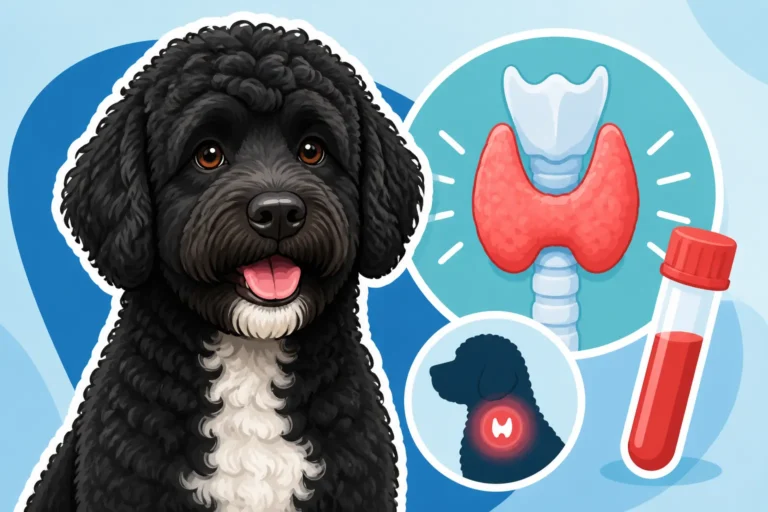
Addison's Disease, also known as hypoadrenocorticism, happens when your dog's adrenal glands don't produce enough crucial hormones, specifically glucocorticoids (like cortisol) and mineralocorticoids (like aldosterone). These hormones are vital for regulating a whole host of bodily functions, from metabolism and stress response to electrolyte balance. When they're in short supply, it can throw the entire system into chaos, leading to the vague yet severe symptoms that often make it challenging to diagnose – it's truly earned its nickname, "Why Addisons Is Called the Great Pretender in a Portuguese Water Dog." The goal of medication is to replace these missing hormones, essentially giving your PWD what its body can no longer produce on its own.
Replacing the Missing Mineralocorticoids
The most critical part of Addison’s treatment for many Portuguese Water Dogs is replacing the mineralocorticoids. These hormones are responsible for maintaining the delicate balance of electrolytes like sodium and potassium in the body. Without adequate mineralocorticoids, potassium levels can dangerously rise while sodium levels fall, leading to severe cardiac and neurological issues.
Percorten-V: The Convenient Injectable Option
For many busy PWD owners, Percorten-V, or its generic equivalent, desoxycorticosterone pivalate (DOCP), is a game-changer. This medication is an injectable mineralocorticoid that acts much like the natural aldosterone your dog is missing. It’s given as an intramuscular injection, typically once every 25 to 30 days.
The biggest advantage of Percorten-V is its convenience. Imagine not having to worry about giving a daily pill to your energetic Portuguese Water Dog, especially one that might be a bit finicky about taking medication. With Percorten-V, you take your PWD to the vet for a quick shot once a month, and you're good to go. This consistent, slow-release delivery ensures stable electrolyte levels, which is paramount for your dog's health and well-being. It helps prevent the sudden electrolyte imbalances that can lead to an Addisonian crisis. While the upfront cost of the injection can sometimes feel substantial, particularly when considering "What a Portuguese Water Dog's Quarterly Addisons Injection Costs," many owners find the peace of mind and ease of administration invaluable. Your veterinarian will work closely with you to determine the right dosage and injection schedule, often starting with a standard dose and adjusting based on subsequent blood tests.
Florinef: The Daily Oral Alternative
Another common medication for replacing mineralocorticoids, and sometimes a portion of glucocorticoids, is fludrocortisone acetate, more commonly known by its brand name, Florinef. This medication is an oral tablet given daily, usually once or twice a day, depending on your dog's needs and the vet's instructions.
Florinef offers a different approach. Unlike Percorten-V, it provides both mineralocorticoid and some glucocorticoid activity, meaning some dogs on Florinef might not need an additional glucocorticoid supplement. However, this isn't always the case, and many dogs still require a low dose of prednisone alongside it. The main challenges with Florinef include the need for strict daily administration – missing doses can quickly lead to problems – and the potential for less stable regulation compared to the consistent release of an injection. Adjusting the dose can also be a more delicate balance, as you're trying to manage both mineralocorticoid and glucocorticoid effects with a single pill. On the flip side, the daily cost of Florinef might seem lower than a monthly injection, as detailed in "What a Portuguese Water Dog's Monthly Addisons Medication Costs," which can make it a more accessible option for some families. The most important thing is finding a routine that works for both you and your Portuguese Water Dog to ensure consistent medication.
Here's a quick comparison of the two primary mineralocorticoid replacement options:
| Feature | Percorten-V (DOCP) | Florinef (Fludrocortisone) |
|---|---|---|
| Type | Injectable | Oral Tablet |
| Frequency | Monthly (approx. every 25-30 days) | Daily (1-2 times per day) |
| Primary Action | Mineralocorticoid replacement (aldosterone) | Mineralocorticoid + some Glucocorticoid replacement |
| Administration | Vet clinic or trained owner | Owner at home |
| Consistency | Very stable, slow release | Requires strict daily adherence |
| Cost | Higher upfront per dose, less frequent | Lower daily cost, but adds up monthly |
| Pros | Convenience, consistent levels | Oral option, some glucocorticoid effect |
| Cons | Vet visits, higher single dose cost | Daily adherence, potentially less stable |
Supplementing Glucocorticoids: Managing Stress
While mineralocorticoid replacement is crucial, many Portuguese Water Dogs also require some level of glucocorticoid supplementation, especially during times of stress. These hormones, like cortisol, are vital for managing stress, inflammation, and maintaining blood sugar. Dogs with Addison’s cannot naturally produce the extra cortisol needed when their bodies face challenges.
Prednisone or Prednisolone: The Stress Hormone Mimic
Prednisone and prednisolone are synthetic glucocorticoids that mimic the action of natural cortisol. For dogs on Percorten-V, a low, daily oral dose of prednisone is often prescribed. This is because Percorten-V only replaces mineralocorticoids, leaving your PWD short on the essential glucocorticoids needed for everyday functions.
The dose of prednisone is typically very low, just enough to cover baseline needs. The goal is to provide sufficient glucocorticoid activity without causing the side effects associated with higher steroid doses, such as increased thirst, urination, appetite, and panting. It's a delicate balance, but one your vet will carefully manage based on your dog's individual response. This medication, combined with the mineralocorticoid replacement, helps to ensure your Portuguese Water Dog has the hormonal support it needs to thrive.
The Importance of Stress Dosing
One of the most vital aspects of managing Addison's Disease is understanding "stress dosing." This refers to temporarily increasing your Portuguese Water Dog's prednisone dose during periods of anticipated stress or illness. Think about situations like:
- A trip to the groomer, even for a simple "The Retriever Clip Is the Coat Most Portuguese Water Dogs Wear."
- Travel or boarding at a kennel.
- Surgery, even routine procedures like a dental cleaning.
- Any illness, injury, or infection.
- Participating in strenuous activities like dock diving or water trials, even though a "Whether a Portuguese Water Dog With Addisons Can Still Swim" is usually perfectly fine with proper management.
In these scenarios, a healthy dog’s adrenal glands would naturally pump out more cortisol to help the body cope. Since your Addisonian PWD can't do this, you step in with a temporary increase in medication. Your veterinarian will provide specific instructions on when and how much to increase the dose, and it’s critical to follow these guidelines diligently. Missing stress dosing can put your dog at risk of an Addisonian crisis, where symptoms like lethargy, vomiting, diarrhea, and collapse can rapidly develop.
Lifelong Management and Vigilant Monitoring
Addison’s Disease is not a curable condition, but it is highly treatable. This means "Whether Addisons Medication Is Lifelong for a Portuguese Water Dog" is a resounding yes. Managing an Addisonian Portuguese Water Dog requires a strong partnership with your veterinarian and a commitment to ongoing monitoring and care.
The Crucial Role of Regular Bloodwork
One of the most important tools in managing Addison's is regular bloodwork. Initially, after diagnosis and starting medication, your vet will want to check blood electrolyte levels (sodium and potassium) frequently to ensure the dosage is correct. This might mean checks every few days or weeks until stable. Once your PWD is stable, these checks will become less frequent, perhaps every few months, but they remain essential.
For dogs on Florinef, electrolyte levels are key to adjusting the daily dose. For dogs on Percorten-V, electrolytes are often checked right before the next scheduled injection to ensure the medication is lasting the full duration. An ACTH stimulation test, which helps "How Addisons Is Diagnosed in a Portuguese Water Dog" initially, might also be repeated periodically, especially if your dog's clinical signs suggest the medication isn't working as effectively or if there are concerns about the glucocorticoid dosage. Remember, "What an ACTH Test Costs on a Portuguese Water Dog" is a small price to pay for ensuring your beloved companion is getting optimal treatment.
Recognizing Signs of Imbalance or Crisis
Even with the best medical care, it's vital for you as the owner to be vigilant. Your Portuguese Water Dog might show subtle signs if their medication levels are either too low or too high. If mineralocorticoid levels are too low, you might see a return of Addisonian symptoms like lethargy, weakness, vomiting, diarrhea, or a decreased appetite. If glucocorticoid (prednisone) levels are too high, you might notice excessive thirst, increased urination, panting, or weight gain.
It's crucial to contact your vet immediately if you notice any changes in your PWD’s behavior or health. They can assess the situation, perform necessary blood tests, and adjust medication dosages as needed. Early intervention can prevent a full-blown Addisonian crisis, which is a life-threatening emergency. Having pet insurance, like a policy from Healthy Paws, can be incredibly helpful for covering the ongoing costs of these tests and potential emergency treatments.
Partnering with Your Veterinary Team
Successfully managing Addison’s Disease truly is a team effort. Your veterinarian is your primary partner, guiding you through medication choices, dosages, and monitoring schedules. Don’t hesitate to ask questions, no matter how small they seem. Keep a detailed record of your dog's appetite, thirst, urination, and energy levels. Note any stressful events and how your dog coped. This information is invaluable to your vet.
It's also wise to prepare for the unexpected. Have an emergency contact number for your vet, and consider having a "What an Addisonian Portuguese Water Dog Costs at Twelve" discussion with them about emergency plans. Knowing the signs of an Addisonian crisis and having a plan in place can save your dog's life. Financial preparation is also important; while monthly medications are manageable, an unexpected crisis can lead to significant vet bills. Many owners find peace of mind with pet insurance providers like Healthy Paws, which can help mitigate these costs. Being proactive and informed is the best way to ensure your Portuguese Water Dog with Addison’s Disease can continue to swim, play, and enjoy life for many years to come.
Disclaimer
The information provided in this article is for general educational purposes only and should not be considered a substitute for professional veterinary advice. Always consult with a qualified veterinarian for any health concerns or before making any decisions related to your pet's medical care.