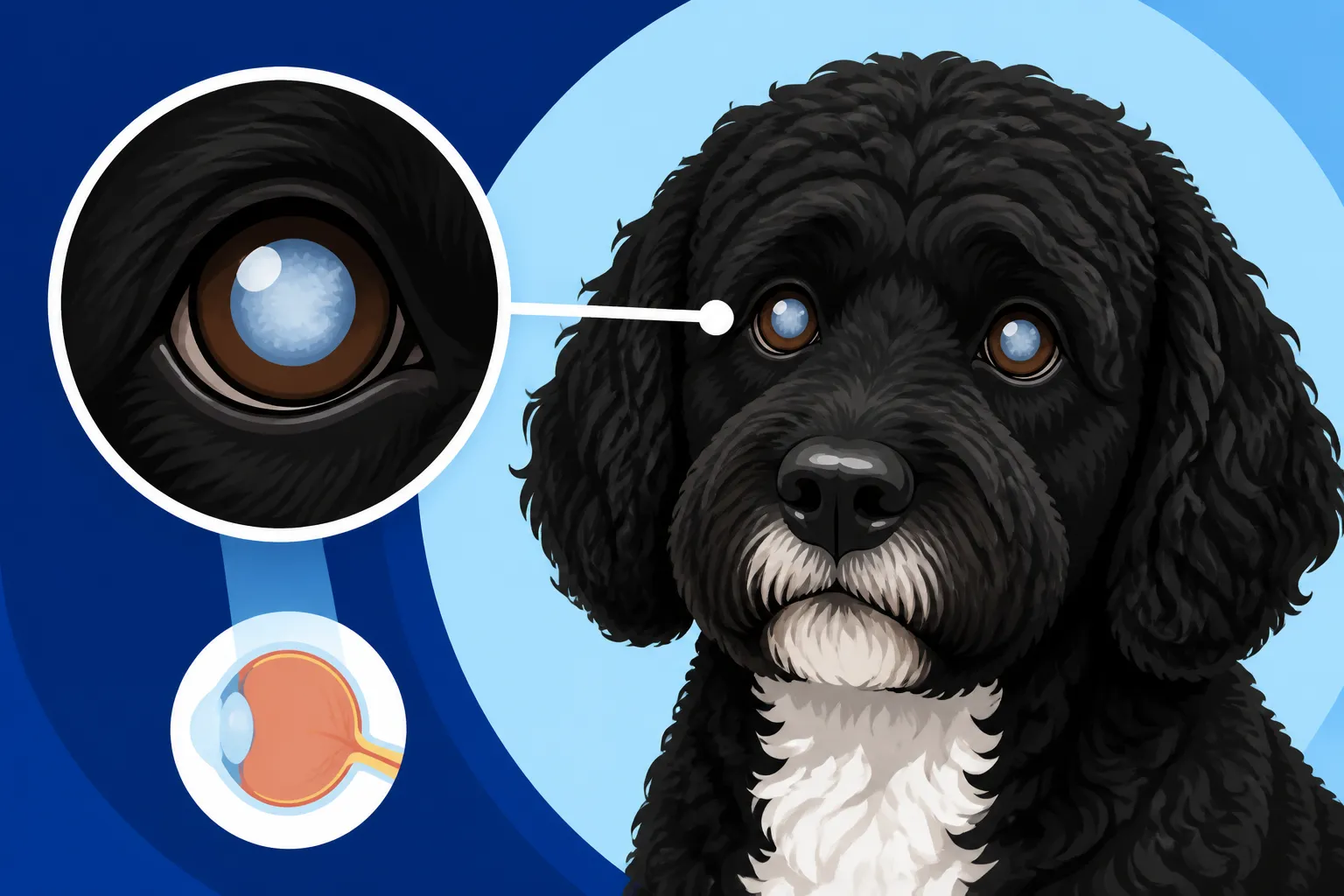
Juvenile Cataracts in a Portuguese Water Dog
It’s truly disheartening to see your vibrant, energetic Portuguese Water Dog puppy start to show signs of visual impairment, especially when it’s something as concerning as juvenile cataracts. The confusion and worry about what this means for their future, their playtime, and their overall quality of life can be overwhelming. This guide is here to shed light on juvenile cataracts in Portuguese Water Dogs, helping you understand the condition, recognize the symptoms, explore diagnostic steps, and navigate the available options to support your beloved companion.
Understanding Juvenile Cataracts in Portuguese Water Dogs
When we talk about cataracts, many people immediately think of older dogs, or even humans, experiencing a gradual clouding of vision. However, juvenile cataracts are a different beast entirely, affecting young dogs during a crucial stage of their development. For a breed as active and intelligent as the Portuguese Water Dog, clear vision is paramount to their enjoyment of life, from splashing in the water to engaging in rigorous play and training.
What Exactly Are Juvenile Cataracts?
At its core, a cataract is an opacity or cloudiness in the lens of the eye, which normally should be perfectly clear to allow light to pass through to the retina. Imagine looking through a frosted window – that’s a bit like what a dog with cataracts experiences, ranging from a slight haze to complete obstruction. Juvenile cataracts are specifically those that develop in dogs under six years of age, often appearing much earlier, sometimes even in puppyhood.
In Portuguese Water Dogs, there can be a genetic predisposition to certain types of cataracts, making it even more vital for owners and breeders to be aware. Unlike the slow, age-related cataracts that might develop over many years, juvenile forms can sometimes progress more rapidly, leading to significant vision loss sooner. This isn't just a cosmetic issue; it's a real impairment that impacts how your PWD navigates their world. We often hear stories of puppies who seem perfectly fine one day, and then parents notice a subtle change in their eyes or behavior, sparking that initial flicker of concern. It’s a stark reminder that even young, seemingly healthy puppies can face significant health challenges.
How Do They Affect a Young Portuguese Water Dog's Vision?
The impact of juvenile cataracts on a Portuguese Water Dog's vision can vary widely depending on the size, location, and density of the opacity. A small, peripheral cataract might cause minimal disruption, perhaps just making objects a little blurry around the edges. However, a larger, denser cataract, especially if it's centrally located in the lens, can severely impair vision, making the world appear foggy or completely dark.
For a breed renowned for its agility, enthusiasm, and desire to work, even partial vision loss can be incredibly challenging. A PWD relies on its keen sight to track toys, navigate complex environments, and even read subtle cues from their human companions. Imagine your Portuguese Water Dog, known for its incredible swimming ability and love of retrieving, struggling to spot a thrown bumper or hesitating before jumping into the water. This can lead to frustration, reduced confidence, and a noticeable change in their typical joyous demeanor. They might become more cautious, bump into furniture, or misjudge distances. It's not just about the loss of sight itself, but the ripple effect it has on their active lifestyle and mental well-being. Owners often describe a feeling of helplessness watching their otherwise vibrant puppy become hesitant or withdrawn due to their failing eyesight.
Identifying the Signs of Juvenile Cataracts in Your PWD Puppy
Catching signs of any health issue early is always beneficial, and with something like juvenile cataracts, it can make a significant difference in management and treatment outcomes. Portuguese Water Dogs are notoriously resilient and can be very good at masking discomfort or sensory deficits, so a keen eye and attentiveness to subtle changes are essential.
Early Visual Clues and Behavioral Changes
The first signs of juvenile cataracts in your PWD puppy might not be obvious changes in their eyes themselves, but rather shifts in their behavior that suggest vision impairment. You might notice them bumping into familiar objects, especially in low light conditions, or hesitating when navigating new environments or even familiar stairs. They might seem more clumsy than usual, misjudging steps, or fumbling for toys. Their confidence might wane, and they could become more clingy or startled by sudden movements or noises, compensating for their diminished sight.
As the cataracts progress, you might start to observe a noticeable cloudiness or a bluish-gray haze in one or both of your dog’s pupils. This isn't always uniform; it can appear as a small dot, a streak, or a more generalized opacity. It's crucial to observe your dog in various lighting conditions. Sometimes the cloudiness is more apparent in direct light, while other times it's clearer in dimmer settings. Pay attention to how they interact with objects in their periphery versus directly in front of them. Any sudden reluctance to play, changes in how they fetch, or increased hesitancy in their usual confident stride should prompt a closer look.
The Importance of Regular Eye Exams
Given the potential for genetic eye conditions in Portuguese Water Dogs, regular veterinary check-ups that include an eye examination are paramount. While your primary veterinarian can often spot initial signs of concern, a definitive diagnosis of juvenile cataracts, and certainly any discussion of treatment, requires the expertise of a board-certified veterinary ophthalmologist. These specialists have advanced diagnostic tools and training to examine the intricate structures of the eye.
During an ophthalmic exam, the specialist will often dilate your dog's pupils to get a clear view of the lens and retina. They use specialized equipment, like an ophthalmoscope, to carefully assess the presence, type, and severity of any cataracts. They can also differentiate cataracts from other conditions that might cause similar visual signs, such as nuclear sclerosis (a normal aging change) or certain corneal diseases. This comprehensive assessment is vital, not only for diagnosis but also for determining if the cataract is progressive and if surgical intervention might be a viable option down the line. It's also a good idea to ensure that all breeders you consider are actively engaging in these health screenings for their breeding stock, as discussed in What a Portuguese Water Dog Breeder Should Have Tested. Many owners don't realize that even if their vet looks at their dog's eyes annually, a specialist exam delves far deeper, looking for specific breed-related issues. For a comprehensive overview, it's worth considering Whether a Portuguese Water Dog Needs a Yearly Eye Exam.
Genetic Factors and Screening for Juvenile Cataracts
Understanding the genetic underpinnings of certain health conditions is particularly important for responsible Portuguese Water Dog ownership and breeding. While not all juvenile cataracts are inherited, a significant number have a genetic component, which means diligent screening can help reduce their prevalence in the breed.
The Genetic Link in Portuguese Water Dogs
Like many purebred dogs, Portuguese Water Dogs can be susceptible to several inherited eye conditions, and certain forms of juvenile cataracts fall into this category. When a condition is genetically linked, it means that a puppy can inherit the predisposition or the condition itself from its parents, even if the parents show no signs. This is why reputable breeders go to great lengths to screen their breeding animals for a host of genetic diseases, including those affecting the eyes. They'll often provide clear documentation of these health clearances for both parents.
This proactive approach is critical because it aims to reduce the likelihood of passing on genes that could lead to juvenile cataracts. While specific DNA tests for all forms of cataracts might not always be available, certifications from veterinary ophthalmologists are a cornerstone of responsible breeding. Asking a breeder about the eye health history of their lines, and whether any ancestors or siblings have developed juvenile cataracts, is a perfectly reasonable and highly recommended question. Understanding the genetic landscape of your puppy's lineage offers a layer of confidence and allows you to be prepared for potential issues. This goes hand-in-hand with breeders running The Four DNA Tests Every Portuguese Water Dog Breeder Runs and other essential screenings.
What Eye Certifications Mean for Breeders and Owners
For Portuguese Water Dog breeders, eye certifications, often through organizations like the Orthopedic Foundation for Animals (OFA) Eye Certification Registry (which relies on examinations by board-certified veterinary ophthalmologists), are a critical part of their health testing regimen. These certifications involve a thorough eye examination performed by a specialist who looks for a wide range of inherited and non-inherited eye diseases, including various forms of cataracts. The results are then registered, providing a public record of the dog's eye health status.
For prospective owners, these certifications offer invaluable insight. When you're looking for a Portuguese Water Dog puppy, a reputable breeder will be transparent and eager to share the eye certification results for both the sire and dam of the litter. These documents should be current, typically performed within the last 12 months, as eye health can change over time. Seeing "normal" or "clear" results from a certified ophthalmologist provides assurance that the parents are free from observable signs of inherited eye diseases at the time of examination. It doesn't guarantee a puppy will never develop an issue, but it significantly reduces the risk. This commitment to testing underscores a breeder's dedication to the long-term health and well-being of the breed. It also informs owners about the general health standards of the parent dogs, a key component in understanding Which Health Tests a Portuguese Water Dog Breeder Should Run. The cost of these certifications, while a factor for breeders, translates to healthier puppies for owners, ultimately saving on potential future veterinary bills. For more information on what these certifications entail, see What an Eye Certification Costs on a Portuguese Water Dog.
Managing and Treating Juvenile Cataracts in Your Portuguese Water Dog
Discovering your young Portuguese Water Dog has juvenile cataracts can be distressing, but it’s important to remember that options are available. The approach to management and treatment depends largely on the severity of the cataracts and their impact on your dog's quality of life.
Treatment Options and Surgical Considerations
When juvenile cataracts significantly impair a Portuguese Water Dog's vision, making their daily life challenging and affecting their innate desire for activity, surgery is often the most effective treatment. The goal of cataract surgery in dogs is similar to that in humans: to remove the clouded lens and, ideally, replace it with an artificial intraocular lens (IOL). This procedure aims to restore functional vision, allowing your PWD to see clearly again.
This is a specialized and delicate procedure, typically performed by a board-certified veterinary ophthalmologist. It involves using phacoemulsification, a technique that employs ultrasound waves to break up the cataract into tiny pieces, which are then suctioned out. The decision to proceed with surgery is a complex one, involving careful consideration of your dog's overall health, the progression of the cataracts, and the potential risks and benefits. Post-operative care is extensive, often involving multiple eye drops administered frequently for several weeks, regular follow-up appointments, and activity restrictions to ensure proper healing. While successful outcomes are common, there are always risks, including inflammation, glaucoma, or retinal detachment. Discussion with your veterinary ophthalmologist is paramount to understand if your PWD is a good candidate and what to expect.
Living with a Portuguese Water Dog with Impaired Vision
Even if surgery isn't an option, or while you’re waiting for treatment, there are many ways to support a Portuguese Water Dog living with impaired vision. These dogs are incredibly adaptable, and with a little help from their human companions, they can continue to lead full and happy lives. The key is to create a safe, predictable, and stimulating environment that minimizes hazards and leverages their other strong senses.
Maintaining a consistent home layout is crucial; avoid moving furniture unnecessarily to help them build a mental map of their surroundings. Block off stairs or dangerous areas, and use tactile cues like different textured rugs to signal changes in floor level or room entrances. When outdoors, keep them on a leash in unfamiliar areas, and ensure your yard is securely fenced and free of obstacles they might trip over. Continuing to engage them mentally with scent games, audible toys, and consistent verbal cues can help keep them stimulated and confident. Remember, their sense of smell and hearing are still incredibly powerful. Pet insurance providers, like Healthy Paws, can be a tremendous asset in managing the significant costs associated with specialized treatments like cataract surgery and ongoing veterinary care. Having a plan for unexpected medical expenses, whether it's an emergency fund or a robust insurance policy, can alleviate financial stress during challenging times. For some wonderful insights into how these resilient dogs thrive, you might find inspiration in How a Blind Portuguese Water Dog Still Swims.
Here's a quick comparison of juvenile versus age-related cataracts:
| Feature | Juvenile Cataracts | Age-Related Cataracts |
|---|---|---|
| Onset Age | Young dogs, typically under 6 years | Older dogs, usually starting around 6-8+ years |
| Primary Cause | Often genetic, sometimes developmental or trauma | Natural aging process |
| Progression | Can be rapid or slow, varies | Generally slow, gradual cloudening over time |
| Prognosis | Vision loss can be significant, surgery often required | Variable, can lead to blindness if untreated |
| Breeding Impact | Significant consideration for breeding stock | Generally not a direct breeding concern |
Remember, while a diagnosis of juvenile cataracts can be alarming, a proactive approach to veterinary care, combined with love and adaptation at home, can ensure your Portuguese Water Dog maintains a high quality of life. Early detection and consultation with specialists are your best tools in this journey, and having the financial cushion of pet insurance like Healthy Paws can truly make a difference in accessing the best care.
Disclaimer
This article is for general informational purposes only and does not constitute professional advice. Laws, prices and regulations vary by location and change over time. Consult a qualified professional for guidance on your specific situation.