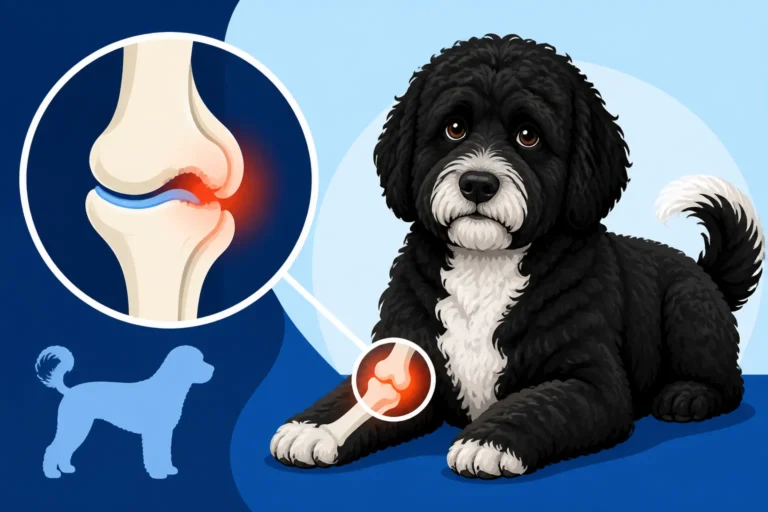
What a Portuguese Water Dog Breeder Should Have Tested
Choosing to bring a Portuguese Water Dog into your life is an exciting journey, but the process of finding a truly responsible breeder can feel like navigating a maze blindfolded. You hear about "health testing" constantly, but what does that even mean? It’s not just about a vet check; it’s a commitment to the future health of the breed, and it’s absolutely vital to know exactly what a reputable breeder should be doing. This guide will walk you through the essential health tests and clearances you need to see, helping you confidently choose a healthy puppy.
Why Comprehensive Health Testing is Non-Negotiable
When you're looking for a Portuguese Water Dog puppy, it's easy to get swept away by adorable faces and wagging tails. But a responsible breeder knows that true beauty and joy come from health and longevity, not just looks. For our beloved PWDs, who were originally bred for hard work on fishing boats, a robust constitution is paramount. Unfortunately, like many purebred dogs, Portuguese Water Dogs can be susceptible to certain genetic conditions that, without careful breeding, can cause heartache and significant financial strain down the line.
Ignoring health testing is a shortcut that often leads to devastating consequences. You might save a little money upfront on a "cheaper" puppy from an untested litter, but you could be signing up for thousands of dollars in veterinary bills, specialized diets, medications, and the emotional toll of watching your beloved companion suffer from a preventable illness. Imagine the gut-wrenching feeling of learning your vibrant puppy has a debilitating genetic disease that could have been screened for. That's why every single ethical Portuguese Water Dog breeder makes health testing a cornerstone of their program. It's not optional; it's a fundamental part of their dedication to the breed and to the families who welcome their puppies. These tests help ensure that the parents contributing to the next generation are free from, or appropriately managed for, known genetic diseases, thereby reducing the likelihood of passing these conditions to their offspring.
The Breeder's Ethical Imperative
A truly responsible Portuguese Water Dog breeder understands that their role goes far beyond simply producing puppies. They are stewards of the breed, committed to improving health and temperament with each generation. This means a relentless dedication to understanding canine genetics, staying current with veterinary science, and diligently performing recommended health screenings on all their breeding dogs. They don't just test; they interpret the results, make informed breeding decisions, and are transparent about those results with prospective puppy buyers.
This ethical imperative means they're constantly learning and adapting. Veterinary medicine evolves, and new tests or understandings of existing conditions emerge. A good breeder doesn't just do the bare minimum; they often go above and beyond, incorporating new screenings as they become available and recommended by the parent club or veterinary specialists. They invest considerable time and money into these tests because they recognize it as an investment in the lives of their puppies and the well-being of their future families. This dedication is a clear indicator of someone you can trust, someone who genuinely cares about the long-term health of their dogs, not just making a quick sale.
Protecting the Breed's Future
The health of the Portuguese Water Dog breed as a whole depends on the collective efforts of responsible breeders. By consistently testing their breeding stock and making informed decisions, these individuals help to decrease the prevalence of genetic diseases within the gene pool. Without this vigilance, certain conditions could become widespread, severely impacting the breed's overall health and vitality. Each puppy born from health-tested parents represents a step forward in this ongoing effort.
Think of it like building a strong foundation for a house. You wouldn't skip essential inspections or use sub-par materials, because the long-term integrity of the structure depends on it. The same goes for dog breeding. Every responsible breeding choice, backed by comprehensive health testing, contributes to a healthier future for all Portuguese Water Dogs. It's a collaborative effort that protects these wonderful dogs from preventable suffering and ensures that future generations can enjoy the full, active lives they were bred for. This commitment not only safeguards individual puppies but also preserves the robust health that defines the breed.
The Core DNA Panel: Non-Negotiables for Portuguese Water Dogs
When we talk about genetic health in Portuguese Water Dogs, there are a few conditions that come up repeatedly. These are the ones that every single breeding dog should be screened for via DNA tests, because they can have severe, often fatal, impacts on puppies or lead to significant health issues later in life. These DNA tests are relatively straightforward, usually involving a simple cheek swab, and provide clear results: "clear," "carrier," or "affected." Understanding these results is key to responsible breeding.
Juvenile Dilated Cardiomyopathy (JDCM)
This is perhaps one of the most devastating conditions that can affect Portuguese Water Dog puppies, and it's absolutely crucial for breeders to screen for it. Juvenile Dilated Cardiomyopathy, or JDCM, is a severe heart condition that typically manifests in puppies between three weeks and seven months of age. What makes it so heartbreaking is that affected puppies often appear completely healthy and vibrant one day, only to collapse and die suddenly, sometimes with no prior warning signs. It's a truly cruel disease because it strikes down what seem like perfectly healthy pups, leaving families devastated.
The genetic test for JDCM is a simple DNA swab. A responsible breeder will have tested both parents, and they should be able to show you the results for each dog. If a dog is "clear," it means they do not carry the gene for JDCM. If they are a "carrier," they have one copy of the gene but will not develop the disease themselves. If they are "affected," they have two copies and will develop the disease. For breeding, it's generally considered safe to breed a clear dog to a carrier, as all puppies will either be clear or carriers, but none will be affected. Breeding two carriers together, however, carries a 25% risk of producing affected puppies, which is completely unacceptable for an ethical breeder. You can read more about how this tragic condition develops in Juvenile Dilated Cardiomyopathy Kills a Portuguese Water Dog Puppy Fast.
GM1 Gangliosidosis
Another critical genetic disease that requires DNA testing in Portuguese Water Dogs is GM1 Gangliosidosis. This is a lysosomal storage disease, meaning there's an enzyme deficiency that leads to the accumulation of certain fatty substances (gangliosides) in the cells, particularly in the brain and nervous system. Like JDCM, GM1 typically affects puppies, though often a bit later, usually between five and seven months of age. The symptoms are progressive and heartbreaking: puppies start losing coordination, developing tremors, and experiencing vision impairment. As the disease advances, they may suffer seizures and eventually lose the ability to move, often necessitating euthanasia due to the severe neurological decline.
Similar to JDCM, GM1 is inherited in an autosomal recessive pattern. This means a puppy must inherit two copies of the defective gene (one from each parent) to be affected. A "clear" dog doesn't have the gene, and a "carrier" has one copy but is healthy. Reputable breeders will ensure that at least one parent in a breeding pair is clear, so no affected puppies can be produced. It's a straightforward DNA test, and results should be readily available for both sire and dam. Seeing these clearances gives immense peace of mind that you won't face the agonizing progression of Signs a Portuguese Water Dog Puppy Has GM1 in your young companion.
Progressive Retinal Atrophy (PRA)
Eye health is incredibly important for active breeds like the Portuguese Water Dog, and Progressive Retinal Atrophy (PRA) is a significant concern. PRA is a group of degenerative diseases that affect the photoreceptor cells in the retina, eventually leading to blindness. In PWDs, there are primarily two forms of PRA that breeders screen for: prcd-PRA (progressive rod-cone degeneration) and EOPRA (Early Onset PRA). Both are progressive, meaning vision deteriorates over time, and both ultimately lead to complete blindness.
The DNA tests for both prcd-PRA and EOPRA are essential. Prcd-PRA typically presents later in life, often in adulthood, with night blindness being an early sign, gradually progressing to full blindness. EOPRA, as the name suggests, appears much earlier, sometimes even in puppyhood, leading to blindness at a younger age. Both are recessive conditions, meaning, once again, a puppy needs two copies of the affected gene to develop the disease. Breeders use these DNA tests to ensure they are not breeding two carriers together, which would risk producing affected offspring. A "clear" result is always ideal, but breeding a "carrier" to a "clear" dog is considered responsible, as all puppies will be healthy (either clear or carriers). Understanding How the Two Portuguese Water Dog Eye Diseases Differ helps appreciate the nuances of these tests.
Improper Coat (IC)
While not a life-threatening health condition, Improper Coat (IC) is a genetic trait that affects the PWD's signature coat, which is essential for their working ability and breed type. Portuguese Water Dogs are known for their single, non-shedding, water-resistant coat, which comes in two textures: curly or wavy. An improper coat is typically much softer, sheds, and lacks the proper texture to protect the dog in water, making it unsuitable for the breed standard and potentially less functional.
The DNA test for Improper Coat is incredibly useful for breeders. It's an autosomal recessive trait, meaning a dog must inherit two copies of the recessive gene to have an improper coat. Dogs with one copy are carriers and will have a correct coat themselves but can pass the gene to their offspring. A responsible breeder will test their dogs to avoid breeding two carriers together, which would result in puppies with improper coats. While an improper coat doesn't impact a dog's health or lifespan, it’s a crucial characteristic for breed enthusiasts and working PWDs, so screening for it ensures puppies conform to the expected coat type. You might wonder What an Improper Coated Portuguese Water Dog Looks Like, and the DNA test helps prevent this outcome.
Orthopedic Health: Hips and Elbows
Beyond genetic conditions identified by DNA, the physical structure of a Portuguese Water Dog is incredibly important, especially given their active, athletic nature. Hips and elbows are particularly vulnerable joints, and ensuring their soundness through radiographic evaluations is a cornerstone of responsible breeding. These tests are not DNA tests; they involve X-rays taken and evaluated by veterinary orthopedic specialists.
Hip Dysplasia
Hip dysplasia is a common orthopedic condition across many dog breeds, including the Portuguese Water Dog, and it can significantly impact a dog's quality of life. It's a complex, multifactorial disease, meaning both genetics and environmental factors play a role, but good genetic screening of parents is a critical preventative measure. Hip dysplasia occurs when the ball and socket of the hip joint don't fit together properly, leading to laxity in the joint, which can cause abnormal wear and tear, pain, arthritis, and lameness. For a breed known for its swimming and energetic activities, compromised hips can be debilitating.
To screen for hip dysplasia, breeding dogs typically undergo X-rays of their hips, usually around two years of age or older, once their joints are fully developed. These radiographs are then evaluated by a panel of veterinary radiologists. In the United States, the Orthopedic Foundation for Animals (OFA) is a primary registry for these clearances. OFA assigns a rating of Excellent, Good, Fair (all considered passing), Borderline, or Dysplastic. Responsible breeders only use dogs with passing hip ratings (Fair or better) in their breeding programs. You should always ask to see the OFA certificates for both parents. Understanding How Common Hip Dysplasia Is in Portuguese Water Dogs underscores the importance of these rigorous evaluations.
Elbow Dysplasia
Similar to hip dysplasia, elbow dysplasia is another significant orthopedic concern that can cause pain and lameness, particularly in active dogs like the Portuguese Water Dog. Elbow dysplasia is actually a collective term for several developmental abnormalities that can affect the elbow joint during a dog's growth. These conditions include ununited anconeal process (UAP), fragmented coronoid process (FCP), osteochondrosis dissecans (OCD) of the humeral condyle, and elbow incongruity. All of these lead to improper joint development, resulting in inflammation, pain, and eventually degenerative joint disease or arthritis.
Screening for elbow dysplasia also involves X-rays, typically taken at two years of age or older, and submitted to organizations like OFA for evaluation. OFA assigns elbow ratings as Normal (Grade 0), Grade I, Grade II, or Grade III dysplasia. Responsible breeders will only use dogs with Normal (Grade 0) elbow clearances for breeding. Any degree of dysplasia, even mild, suggests that the dog should not be bred, as it can be passed on to offspring and significantly compromise their ability to live a full, active life. Asking to see these certificates is just as important as seeing hip clearances.
Eye Health: Seeing Clearly into the Future
Beyond the DNA tests for PRA, there are other important aspects of a Portuguese Water Dog's eye health that warrant regular veterinary examinations. These conditions may not always be genetic in the same single-gene, recessive way as PRA, but they can certainly be inherited or have a familial predisposition. Regular check-ups with a board-certified veterinary ophthalmologist are crucial for identifying issues early and making informed breeding decisions.
Annual Eye Examinations
Even with DNA tests for PRA, comprehensive eye examinations by a board-certified veterinary ophthalmologist are an annual requirement for breeding Portuguese Water Dogs. This isn't a simple glance by your regular vet; it's a thorough examination by a specialist who can detect a wide range of ocular conditions that might not be covered by DNA tests or that could develop over time. These examinations are typically registered with the Orthopedic Foundation for Animals (OFA) through their Companion Animal Eye Registry (CAER) program (formerly CERF).
During these annual exams, the ophthalmologist will check for conditions such as cataracts, persistent pupillary membranes (PPMs), distichiasis (extra eyelashes), glaucoma, and other structural abnormalities or diseases. Many of these conditions have a hereditary component, and identifying them in breeding dogs is crucial to prevent passing them on. A clear eye exam means the dog is free from observable hereditary eye diseases at the time of the examination. Because some conditions can develop later in life, annual re-examination is vital throughout a dog's breeding career. This ongoing vigilance ensures breeders are aware of potential issues that might arise and affect their breeding decisions, contributing to healthier puppies down the line. You can learn more about Whether a Portuguese Water Dog Needs a Yearly Eye Exam and why it’s a necessary part of a responsible breeding program.
Hereditary Cataracts
Cataracts are a common eye condition in dogs, and while some are age-related, others are hereditary and can appear much earlier, even in young dogs. A hereditary cataract causes the lens of the eye to become opaque, leading to blurry vision and, if severe enough, complete blindness. The presence, type, and progression of cataracts can vary significantly. Some might be small and non-progressive, minimally affecting vision, while others can quickly obscure sight.
For Portuguese Water Dogs, hereditary cataracts are a concern. This is why regular eye examinations by an ophthalmologist are so important. These specialists can identify even small, incipient cataracts that a general veterinarian might miss. If hereditary cataracts are detected in a breeding dog, a responsible breeder will remove that dog from their breeding program, or at least carefully consider future pairings to avoid propagating the condition. While there isn't a universal DNA test for all forms of hereditary cataracts, the annual ophthalmology exam acts as the primary screening tool to keep this condition out of the breeding lines.
Cardiac Health: More Than Just a Beat
Beyond JDCM, which is specific and devastating, a general assessment of heart health is also important for breeding Portuguese Water Dogs. Many breeds can be predisposed to various forms of heart disease, and while PWDs aren't particularly notorious for a wide range of adult-onset heart issues, basic cardiac screening is still a good practice for any large, active dog being used for breeding.
Annual Cardiac Auscultation
While JDCM is a separate, DNA-testable condition affecting puppies, a general cardiac health check-up is still a valuable part of a comprehensive breeding program. This typically involves an annual cardiac auscultation performed by a board-certified veterinary cardiologist. An auscultation is simply listening to the heart with a stethoscope to detect any murmurs, arrhythmias, or other abnormal sounds that might indicate an underlying heart condition.
For breeding Portuguese Water Dogs, these annual heart checks ensure that the adult dogs being bred are not showing signs of other acquired or inherited heart conditions that might develop later in life, beyond the scope of JDCM. While a murmur doesn't always indicate a severe problem, especially if it's a low-grade physiological murmur, any suspicious findings would warrant further investigation, such as an echocardiogram. Regular screening through OFA's cardiac database helps breeders track and evaluate the heart health of their lines. This commitment to continuous screening offers peace of mind and contributes to the overall longevity and health of the breed, helping to catch potential issues before they become serious concerns.
Echocardiogram for Breeders
In some cases, or for certain breeding lines, a breeder might choose to go beyond a basic auscultation and conduct an echocardiogram (an ultrasound of the heart). This is particularly recommended if a murmur is detected during auscultation, or if there's any family history of adult-onset heart disease. An echocardiogram provides a much more detailed view of the heart's structure and function, allowing a cardiologist to assess valve health, chamber size, and blood flow, detecting conditions like subaortic stenosis or dilated cardiomyopathy in adults.
While not mandated for all PWD breeding dogs like some other tests, an echocardiogram performed by a board-certified cardiologist and submitted to OFA is considered a gold standard for comprehensive cardiac evaluation. This advanced screening offers an even deeper look into the heart's health, ensuring that a breeding dog is structurally sound and free from observable heart conditions. When selecting a puppy, if a breeder has these detailed cardiac clearances, it speaks volumes about their commitment to producing the healthiest possible puppies. It shows they're leaving no stone unturned in their pursuit of excellent health outcomes.
Thyroid and Adrenal Health Concerns
Portuguese Water Dogs, like many other breeds, can be prone to certain endocrine disorders that affect their glands and hormone production. These conditions, particularly Addison's disease and hypothyroidism, can be managed with medication but require lifelong care. Responsible breeders screen for these conditions to minimize their incidence in future generations.
Addison's Disease
Addison's disease, also known as hypoadrenocorticism, is a significant concern in Portuguese Water Dogs. It's often called "the great pretender" because its symptoms can be vague and mimic many other conditions, making it notoriously difficult to diagnose. Addison's occurs when the adrenal glands, located near the kidneys, fail to produce adequate amounts of critical hormones, primarily glucocorticoids (like cortisol) and mineralocorticoids (like aldosterone). This hormonal deficiency can lead to a wide range of symptoms, including lethargy, vomiting, diarrhea, weight loss, increased thirst and urination, and in severe cases, a life-threatening "Addisonian crisis" involving collapse and shock.
While there isn't a definitive DNA test for Addison's disease that can pinpoint carriers with 100% accuracy, breeders still strive to manage its prevalence. The mode of inheritance is believed to be complex, involving multiple genes and possibly environmental factors. Responsible breeders will typically screen their breeding dogs' blood for baseline cortisol levels and adrenal function (often using an ACTH stimulation test) and avoid breeding dogs that are diagnosed with the condition or come from lines with a high incidence. They will also be transparent about any Addison's cases in their pedigrees. Understanding What Addisons Disease Does to a Portuguese Water Dog can help prospective owners appreciate why breeders are so careful about this condition.
Hypothyroidism
Hypothyroidism is another endocrine disorder that can affect Portuguese Water Dogs, occurring when the thyroid gland doesn't produce enough thyroid hormones. These hormones are essential for regulating metabolism, and a deficiency can lead to a host of problems. Symptoms often include lethargy, weight gain (despite no change in diet), hair loss, a dull or dry coat, skin problems, and intolerance to cold. While rarely life-threatening, it significantly impacts a dog's quality of life if left untreated.
Breeders typically screen for hypothyroidism through regular blood tests that measure thyroid hormone levels (T4, free T4, and TSH). These tests are often performed annually or bi-annually on breeding dogs. The OFA maintains a thyroid registry, certifying dogs as "Normal" if their thyroid levels fall within the healthy range and they test negative for thyroid autoantibodies. Dogs with low thyroid function or autoantibodies (indicating an autoimmune form of the disease) should ideally not be bred. While hypothyroidism is manageable with daily medication, preventing its inheritance is a goal for responsible breeders, as it means a lifelong commitment to medication for any affected dog. Learning Signs a Portuguese Water Dog's Thyroid Is Low can help owners be proactive in their dog's health.
Deciphering Health Clearances and Registries
Understanding the actual documentation and where these health clearances are registered is just as important as knowing which tests need to be done. A reputable breeder won't just tell you their dogs are tested; they'll show you the proof. This proof often comes in the form of official certificates from recognized registries.
OFA and CHIC Numbers
The Orthopedic Foundation for Animals (OFA) is a critical resource for health clearances in purebred dogs in the United States. OFA maintains a public database of health information for various breeds. For Portuguese Water Dogs, OFA is where you'll find official certifications for hips, elbows, patellas, cardiac health, and thyroid function, as well as CAER (eye) exam results. Each dog that receives a passing clearance for a specific test (e.g., "OFA Hips Excellent," "OFA Elbows Normal," "OFA Cardiac Normal") will have its results publicly listed.
Even more comprehensive is the OFA's Canine Health Information Center (CHIC) program. A CHIC number is issued to a dog that has had all the health tests recommended by its parent breed club (in this case, the Portuguese Water Dog Club of America) performed and the results made publicly available in the OFA database. It doesn't mean the dog passed all tests with flying colors, but it does mean they were tested for everything recommended and those results are transparent. A CHIC number indicates a breeder's full commitment to health screening and transparency. Always ask to see the OFA or CHIC numbers for both parents, and then look them up yourself on the OFA website to verify the results. This is how you confirm Which Registry Holds Portuguese Water Dog Health Results.
DNA Test Results from Reputable Labs
For the DNA-based genetic tests (like JDCM, GM1, prcd-PRA, EOPRA, and IC), results typically come from specialized canine genetics laboratories. Companies like OptiGen, Embark Veterinary, and Canine Health Check (through the American Kennel Club) are common providers. These labs provide certificates or reports detailing the genetic status of each dog (Clear, Carrier, or Affected).
A responsible breeder will readily provide copies of these DNA test results for both the sire and dam of the litter. These reports will clearly state the name of the dog, its registration number, the specific test performed, and the result. It's important to look for results from reputable labs and to ensure the dog's identity on the certificate matches the parent dog. Sometimes, breeders will have a comprehensive panel run, such as an Embark panel, which tests for dozens of genetic conditions at once, including all the key ones for PWDs. This is a great way to consolidate testing and demonstrate thoroughness. Always verify these results yourself, and don't hesitate to ask the breeder questions about what the results mean, especially if any dog is a carrier for a condition. For instance, knowing Where the Portuguese Water Dog JDCM Test Is Run can help you confirm the legitimacy of the results.
Here's a summary of the key health tests a Portuguese Water Dog breeder should conduct:
| Test Category | Specific Test | Type of Test | Minimum Age for Testing | OFA/CHIC Registry | What it Screens For | Result Interpretation for Breeding |
|---|---|---|---|---|---|---|
| Genetic (DNA) | Juvenile Dilated Cardiomyopathy (JDCM) | DNA Swab | Any age (can be done on puppies) | Yes (OFA's CHIC program) | Fatal heart disease in puppies | Clear to Carrier/Clear. Avoid Carrier x Carrier. |
| Genetic (DNA) | GM1 Gangliosidosis | DNA Swab | Any age (can be done on puppies) | Yes (OFA's CHIC program) | Fatal neurological disease in puppies | Clear to Carrier/Clear. Avoid Carrier x Carrier. |
| Genetic (DNA) | prcd-Progressive Retinal Atrophy (prcd-PRA) | DNA Swab | Any age (can be done on puppies) | Yes (OFA's CHIC program) | Progressive blindness in adulthood | Clear to Carrier/Clear. Avoid Carrier x Carrier. |
| Genetic (DNA) | Early Onset Progressive Retinal Atrophy (EOPRA) | DNA Swab | Any age (can be done on puppies) | Yes (OFA's CHIC program) | Progressive blindness, often in puppyhood/youth | Clear to Carrier/Clear. Avoid Carrier x Carrier. |
| Genetic (DNA) | Improper Coat (IC) | DNA Swab | Any age (can be done on puppies) | Yes (OFA's CHIC program) | Incorrect coat texture, often sheds | Clear to Carrier/Clear. Avoid Carrier x Carrier. |
| Orthopedic | Hip Dysplasia | Radiographs (X-rays) | 24 months (2 years) | Yes (OFA) | Abnormal development of the hip joint | OFA Excellent, Good, Fair (passing). |
| Orthopedic | Elbow Dysplasia | Radiographs (X-rays) | 24 months (2 years) | Yes (OFA) | Abnormal development of the elbow joint | OFA Normal (Grade 0). |
| Ocular | Eye Examination (CAER/CERF) | Opthalmologist Exam | Annual (after 12 months, ideally) | Yes (OFA's CAER) | Hereditary eye diseases (e.g., cataracts, PPMs, distichiasis) | Clear, without evidence of inherited disease. Annual. |
| Cardiac | Cardiac Auscultation | Vet Cardiologist Exam | 12 months (1 year) | Yes (OFA) | Heart murmurs, arrhythmias, structural abnormalities | Normal. Further testing (echo) if abnormality detected. |
| Endocrine | Thyroid Evaluation | Blood Test | 12 months (1 year), annually | Yes (OFA) | Hypothyroidism (underactive thyroid) | OFA Normal. |
Beyond the Basics: Other Important Screenings
While the core tests cover the most prevalent and severe conditions in Portuguese Water Dogs, a truly dedicated breeder might also consider additional screenings, especially if there's any familial history of certain conditions or if new recommendations arise. These "beyond the basics" tests highlight a breeder's commitment to staying ahead of the curve and offering the most comprehensive health profile possible for their dogs.
Patellar Luxation
Patellar luxation, or "slipping kneecap," is a condition where the patella (kneecap) dislocates or moves out of its normal groove. While more commonly associated with smaller breeds, it can occur in Portuguese Water Dogs and other active medium-to-large breeds. It can range from mild (where the kneecap pops out occasionally and then back in) to severe (where it's permanently dislocated), causing pain, lameness, and increasing the risk of other orthopedic issues like cruciate ligament tears.
Screening for patellar luxation involves a physical examination by a veterinarian, often submitted to the OFA. The vet manually checks the stability of the kneecap and grades any luxation (Grade 0 is normal, Grades 1-4 indicate increasing severity). While a dog can sometimes live with a mild luxation, it can be a problem for an active dog. A responsible breeder will ensure their breeding dogs have normal patellas (Grade 0) to avoid passing on a predisposition for this condition, which can require surgical correction in more severe cases.
General Physical Health and Wellness
Beyond specific genetic and orthopedic screenings, a breeder's overall commitment to their dogs' general physical health and wellness is paramount. This isn't about a specific test, but rather a holistic approach to care that impacts the health of their breeding stock and, by extension, their puppies. It includes regular veterinary check-ups, appropriate nutrition, proper exercise, and a clean, safe environment.
A breeder who is truly invested will ensure their dogs receive routine vaccinations, parasite control, and dental care. They'll feed high-quality food appropriate for active dogs and ensure their dogs are maintained at a healthy weight, as obesity can exacerbate orthopedic issues. They will also be vigilant about preventing ear infections, which can be common in PWDs due to their water-loving nature and ear structure. While these aren't "tests" you'll get a certificate for, they are foundational elements of responsible dog ownership and breeding that directly contribute to the health and vitality of the parents and the sound start in life for their puppies. This general wellness is critical for ensuring healthy litters and speaks volumes about the breeder's dedication. Remember, even with the best genetics, a dog needs good daily care to thrive.
What to Ask and What to Look For in a Breeder
Armed with all this information about health tests, your next step is to engage with breeders. This is where your preparedness truly pays off. Knowing what to ask and what to look for will help you distinguish a truly reputable, health-conscious breeder from someone who might be cutting corners.
Asking for Health Certifications
When you contact a Portuguese Water Dog breeder, one of your very first questions should be about their health testing protocols. Don't be shy! A good breeder will expect these questions and be eager to share their information. Ask for the specific names of the sire and dam of the litter you're interested in, and then request copies of their health certifications. This means:
- OFA Certificates: For hips, elbows, cardiac, and thyroid. Look for "Excellent," "Good," or "Fair" for hips, "Normal" for elbows, and "Normal" for cardiac and thyroid. Pay attention to the age at which these tests were performed (e.g., hips/elbows after 24 months).
- CAER/OFA Eye Exam Forms: Showing a current, clear eye exam by a board-certified ophthalmologist, ideally within the last 12 months.
- DNA Test Results: For JDCM, GM1, prcd-PRA, EOPRA, and IC. Ensure the results clearly state "Clear," "Carrier," or "Affected," and that breeding pairs are chosen responsibly (e.g., Clear x Clear or Clear x Carrier, never Carrier x Carrier for affected-risk conditions).
A reputable breeder will not only provide these documents but will also be happy to explain them to you. They might even have a dedicated section on their website or in their puppy packet where these results are easily accessible. If a breeder makes excuses, says they "don't believe in" certain tests, or claims their vet "checked everything" without providing official certifications, consider it a major red flag. This transparency is key to finding a puppy from a truly responsible source.
Verifying Results and Understanding Pedigrees
Once you have the health certifications, don't just take them at face value. The beauty of public registries like OFA is that you can verify the results yourself. Go to the OFA website (ofa.org), use the dog's registered name or OFA number, and pull up their records. This simple step confirms the authenticity of the documents the breeder provides. For DNA tests, you can often contact the testing lab directly with the report number to confirm validity, although simply seeing the official lab report should suffice.
Beyond individual dog results, a good breeder will also have a deep understanding of their dogs' pedigrees and the health history of the lines they are working with. They should be able to discuss the health of the parents, grandparents, and even great-grandparents, including any known genetic conditions that have cropped up in the line. This historical perspective demonstrates a profound commitment to health. They'll know which lines might be prone to certain issues and will have made careful breeding choices to mitigate those risks. This level of dedication is what truly sets a responsible breeder apart and provides the best possible foundation for your future companion. Even with the best testing, life can throw curveballs, so having robust pet insurance like Healthy Paws can provide a safety net for any unexpected health challenges that may arise throughout your Portuguese Water Dog's life.
Disclaimer
Please remember that this guide provides general information based on current best practices for Portuguese Water Dog health screening. Veterinary science is constantly evolving, and recommendations may change. Always consult with a qualified veterinarian or a board-certified veterinary specialist for personalized advice regarding your dog's health or any specific medical concerns. The information presented here should not replace professional veterinary consultation.