Distichiasis in a Portuguese Water Dog
It's incredibly frustrating when your beloved Portuguese Water Dog suddenly starts blinking excessively, tearing up, or rubbing at their eyes, and you're left wondering what's causing their discomfort. Eye issues can be particularly distressing because our dogs can't tell us what's wrong, and we want to relieve their pain immediately. This guide is here to shed light on a common, yet often misunderstood, eye condition in Portuguese Water Dogs called distichiasis, explaining what it is, how to spot it, and the best ways to manage and treat it to keep your furry friend comfortable and happy.
Understanding Distichiasis in Portuguese Water Dogs
When we look at our Portuguese Water Dogs, we admire their intelligent eyes and expressive faces, but sometimes, hidden issues can cause them real irritation. Distichiasis is one such condition that many PWD owners encounter, and it's essential to understand exactly what's happening to properly address it. It's not just a minor annoyance; for some dogs, it can lead to chronic pain and potential vision problems if left untreated.
What Exactly Is Distichiasis?
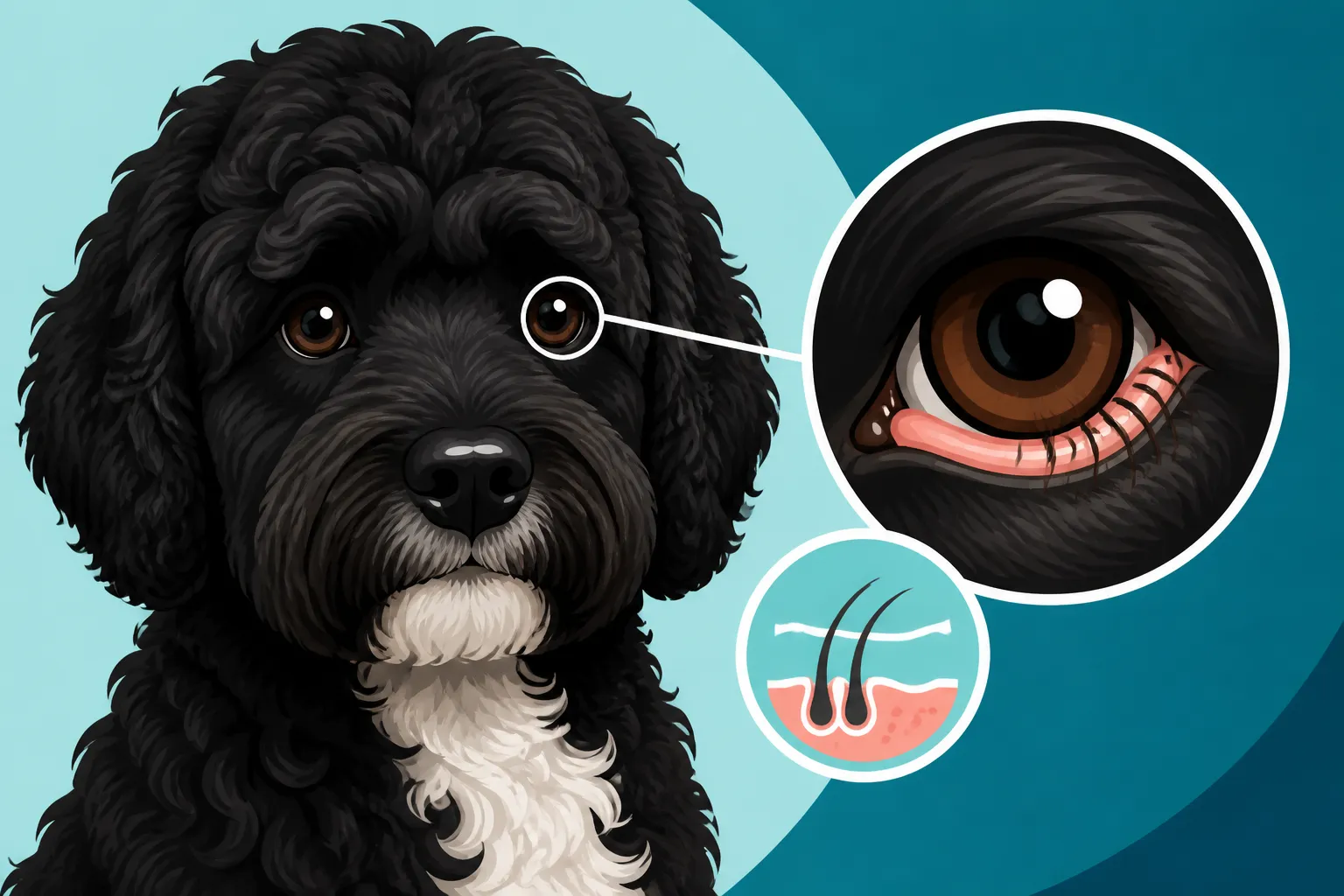
Imagine having an eyelash that grows inwards, constantly rubbing against the delicate surface of your eye. That's essentially what distichiasis is for a dog. More specifically, it's a condition where extra eyelashes, called distichia, grow from an abnormal location on the eyelid. Instead of emerging from the outer skin of the eyelid like normal lashes, these rogue hairs sprout from the meibomian glands, which are tiny oil glands located along the inner edge of the eyelid. These glands are usually responsible for producing the oily layer of tears that helps lubricate the eye and prevent evaporation.
The problem with these distichial eyelashes is their direction of growth. They often emerge from the eyelid margin and point directly towards the eye's surface, the cornea. Depending on their texture and where they're located, these hairs can continually rub, scratch, or irritate the sensitive cornea and conjunctiva (the pink tissue lining the eyelids). Some distichia are soft and fine, causing only mild irritation, while others are stiff and coarse, like tiny bristles, and can cause significant damage, leading to corneal ulcers or chronic inflammation. It's a spectrum, and what might be a nuisance for one PWD could be a serious pain for another.
Why Are Portuguese Water Dogs Prone to Distichiasis?
While distichiasis can affect any dog breed, certain breeds, including our beloved Portuguese Water Dogs, appear to have a genetic predisposition to the condition. This means it's often passed down through generations, indicating a hereditary component at play. It's not a direct, simple Mendelian inheritance pattern, so pinpointing the exact genes involved can be complex, but the increased prevalence in certain lines strongly suggests a genetic link.
This predisposition means that even if a PWD puppy comes from seemingly healthy parents, there's still a chance they could develop distichiasis, though the risk is higher if one or both parents have a history of the condition. It's one of the many reasons why responsible breeders prioritize comprehensive health screenings, including regular eye examinations by a board-certified veterinary ophthalmologist. Such careful screenings can help identify affected dogs and guide breeding decisions to reduce the incidence of such conditions in future generations. You can learn more about how eye health is managed in the breed by reading about Whether a Portuguese Water Dog Needs a Yearly Eye Exam. Understanding the genetic backdrop helps us be proactive in monitoring our dogs and working with veterinarians to manage any issues that arise.
Signs and Symptoms of Distichiasis
Recognizing distichiasis early can make a significant difference in your Portuguese Water Dog's comfort and eye health. While some signs are quite obvious, others can be subtle, mimicking other minor irritations. As a PWD owner, you're usually the first to notice when something is off with your companion, so knowing what to look for is key.
Subtle Clues and Obvious Irritation
The symptoms of distichiasis can vary greatly depending on several factors: the number of aberrant eyelashes, their thickness and stiffness, and their exact location on the eyelid margin.
Subtle Clues:
Initially, you might notice very subtle changes that could easily be dismissed as a minor allergy or just a bit of dust in their eye. These can include:
- Increased blinking: Your dog might blink more frequently than usual, a subtle attempt to dislodge the irritating hair.
- Mild tearing (epiphora): A slight increase in watery discharge, often clear, which can cause dampness around the eye or minor staining on their coat, especially in lighter-colored PWDs.
- Occasional pawing at the face: They might casually rub their face with a paw now and then, indicating a mild, intermittent itch or discomfort.
- Squinting in bright light: Sensitivity to light (photophobia) can be an early sign as the bright light makes the irritation more pronounced.
Obvious Irritation:
If the distichial hairs are numerous, stiff, or constantly rubbing the cornea, the signs become much more pronounced and concerning:
- Redness of the eye (conjunctivitis): The whites of their eyes and the inner lining of the eyelids can become noticeably red and inflamed.
- Thick, mucopurulent discharge: Instead of clear tears, you might see a thicker, sometimes yellowish or greenish discharge, which can indicate secondary bacterial infection due to chronic irritation.
- Persistent squinting or holding the eye shut: This is a clear sign of significant pain and discomfort, as the dog is trying to protect the irritated eye.
- Vigorous rubbing of the face: They might rub their face against furniture, carpets, or use their paws more aggressively, sometimes leading to self-inflicted trauma around the eye.
- Corneal cloudiness or visible ulcers: In severe cases, the constant abrasion can lead to damage to the cornea, causing it to look cloudy or even developing visible sores (ulcers). This is a serious condition that can impair vision and become infected. This differs from issues like Juvenile Cataracts in a Portuguese Water Dog, which are structural changes within the lens itself, but still highlights the importance of regular eye checks.
It’s crucial to remember that symptoms can fluctuate. One day your PWD might seem fine, and the next they’re clearly bothered. This inconsistency can make diagnosis tricky, but consistent observation is key.
When to Seek Veterinary Attention
Given that the symptoms of distichiasis can overlap with many other eye conditions, it’s always best to err on the side of caution and consult your veterinarian as soon as you notice any persistent or worsening eye irritation. Don't try to self-diagnose or wait to see if it "gets better on its own." Even seemingly minor irritation can escalate quickly or be indicative of a more serious underlying problem.
If your Portuguese Water Dog is experiencing any of the more severe symptoms, such as constant squinting, thick discharge, or visible changes to the eye's surface, an immediate vet visit is warranted. Chronic irritation, even if it seems mild, can lead to painful corneal ulcers, infections, or scarring, which can ultimately affect your dog's vision and quality of life. Your general veterinarian can often perform an initial examination, and if they suspect distichiasis or another complex eye issue, they may refer you to a board-certified veterinary ophthalmologist for specialized diagnosis and treatment. Early intervention is always the best path to preventing long-term complications and ensuring your PWD remains comfortable.
Diagnosing Distichiasis and Treatment Options
Once you've noticed your Portuguese Water Dog is showing signs of eye irritation, the next step is getting a proper diagnosis and understanding the treatment options available. It can feel overwhelming, but modern veterinary medicine offers several effective ways to manage distichiasis.
The Diagnostic Process
Diagnosing distichiasis isn't always as simple as glancing at your dog's eye. Those errant eyelashes can be incredibly fine, tiny, and hard to see with the naked eye, especially if your PWD has a dark or curly coat that can obscure the eyelid margin.
Your veterinarian will perform a thorough eye examination. This usually involves:
- Visual Inspection: They'll start by carefully looking at your dog's eyes, eyelids, and surrounding areas.
- Magnification: To really see the distichia, the vet will likely use an ophthalmoscope, a slit lamp, or other specialized magnifying equipment. This allows them to get a close-up view of the eyelid margin and identify even the smallest, almost invisible hairs growing from the meibomian glands. Sometimes, these hairs are so fine they might be mistaken for normal lash growth, but with proper magnification, their abnormal origin becomes clear.
- Fluorescein Stain: Your vet may also apply a fluorescein stain to the eye. This orange dye will stick to any areas where the corneal surface has been damaged, such as an ulcer or abrasion. If the dye picks up an area, it provides strong evidence that the distichial hairs are causing physical harm to the eye.
- Sedation: For very sensitive dogs, or if the hairs are particularly hard to locate, mild sedation might be necessary to allow for a comprehensive and stress-free examination.
If your general practice veterinarian identifies distichiasis or suspects another complex ocular issue, they might recommend a consultation with a board-certified veterinary ophthalmologist. These specialists have advanced training and equipment to diagnose and treat intricate eye conditions, providing the most precise and effective care for your Portuguese Water Dog. It’s important to clarify all findings and understand the severity of the condition, as this will guide the best treatment approach.
Non-Surgical Management
For Portuguese Water Dogs with mild distichiasis, where the hairs are soft and cause only minimal irritation, non-surgical options might be considered as a temporary or initial approach. However, it's crucial to understand their limitations.
- Lubricating Eye Drops: Your vet might prescribe lubricating eye drops or artificial tears. These can help create a protective layer between the irritating lash and the cornea, reducing friction and discomfort. They offer symptomatic relief but don't address the underlying problem of the abnormally growing hair.
- Plucking (Epilation): This involves simply pulling out the offending eyelashes with forceps. It provides immediate relief, but it's rarely a permanent solution. The hair follicle remains intact, and the eyelashes almost always grow back, often within a few weeks, sometimes even thicker or stiffer than before. Plucking can be uncomfortable for the dog, often requiring sedation or a local anesthetic, and repeated plucking sessions are both stressful for the dog and costly for the owner over time. It's usually reserved for situations where surgery isn't immediately possible or for very isolated, soft hairs.
- Eye Washes: Regular flushing of the eye with a sterile saline solution can help remove debris and reduce mild irritation, but like lubricating drops, it's a palliative measure rather than a cure.
While these methods can offer some relief, they are generally not considered long-term solutions for distichiasis, especially for PWDs experiencing significant discomfort or corneal damage.
Permanent Surgical Solutions
When distichiasis is causing chronic irritation, pain, or corneal damage, a more permanent solution is usually recommended. These are surgical procedures designed to destroy the hair follicle, preventing the eyelash from growing back.
- Cryoepilation (Freezing): This is one of the most common and effective surgical treatments. Under general anesthesia, a specialized cryoprobe (a freezing instrument) is applied to the eyelid margin at the base of the distichial follicle. The freezing and thawing cycle destroys the hair follicle, preventing future growth. It's often highly effective, with a good success rate, though sometimes a second session might be needed if some follicles weren't completely destroyed. The surrounding tissue is minimally affected.
- Electrocautery (Electrolysis): Similar to cryoepilation, electrocautery uses a fine needle to deliver an electrical current to the base of each individual hair follicle, effectively burning it out. This method also requires general anesthesia and is precise, but it can be more time-consuming for multiple lashes. The goal is to destroy the follicle without damaging the delicate eyelid margin.
- Surgical Excision: For a small, localized group of distichial hairs, a veterinary ophthalmologist might opt to surgically excise the portion of the eyelid margin containing the abnormal follicles. This is a more invasive procedure but can be very effective in specific cases.
All surgical procedures require general anesthesia and carry associated risks, but when performed by an experienced veterinary ophthalmologist, the success rates for permanently resolving distichiasis are generally high. Recurrence rates vary depending on the technique and the individual dog, but they are significantly lower than with plucking.
It's natural to worry about the costs associated with specialized surgeries. This is where pet insurance, like a policy from Healthy Paws, can be a real lifesaver. Many comprehensive pet insurance plans are designed to help cover unexpected veterinary expenses, including surgical procedures for conditions like distichiasis. It's always a good idea to research what your plan covers or consider one before these issues arise, helping you make the best medical decisions without the added financial strain.
Here's a quick comparison of the common treatment approaches:
| Treatment Method | Effectiveness (Permanent) | Recurrence Rate | Discomfort (Short-term) | Anesthesia Required | Cost Implication |
|---|---|---|---|---|---|
| Plucking (Epilation) | No | High | Mild to Moderate | Sometimes (Local) | Low per session, high long-term |
| Cryoepilation | Yes | Low | Moderate | Yes (General) | Moderate to High |
| Electrocautery | Yes | Low | Moderate | Yes (General) | Moderate to High |
| Surgical Excision | Yes | Low | Moderate to High | Yes (General) | Moderate to High |
Choosing the right treatment involves a detailed discussion with your vet, considering the severity of your dog's condition, the number of lashes involved, and your budget. The primary goal is always to relieve pain and prevent further damage to your Portuguese Water Dog's eyes.
Living with a Portuguese Water Dog with Distichiasis
Discovering your Portuguese Water Dog has distichiasis can be concerning, but with proper care and management, they can live a comfortable, happy life. The journey doesn't end after diagnosis or even after treatment; ongoing vigilance is essential for their long-term well-being.
Post-Treatment Care and Recovery
Just like any surgery, your PWD will need careful post-operative care to ensure a smooth recovery and minimize complications.
- Managing Discomfort: Your veterinary ophthalmologist will likely prescribe pain medication and anti-inflammatory drugs to keep your dog comfortable in the days following the procedure. Follow these instructions precisely.
- E-Collar (Cone of Shame): This is almost always necessary to prevent your dog from rubbing or scratching their eyes, which could dislodge sutures, introduce infection, or irritate the healing tissue. While dogs generally dislike them, it's a vital part of the healing process.
- Topical Medications: You'll likely be sent home with eye drops or ointments, which might include antibiotics to prevent infection and anti-inflammatory medications to reduce swelling. Administer these as directed, ensuring you wash your hands thoroughly before and after.
- Restricted Activity: For a period, usually a couple of weeks, your PWD will need to avoid strenuous activity, swimming, or anything that could put pressure on their eyes or introduce dirt. This can be challenging for such an energetic breed, so be prepared with gentle mental stimulation and short, leashed walks.
- Follow-Up Appointments: Crucial follow-up visits will be scheduled to monitor healing, check for any signs of infection, and assess the success of the procedure. These appointments are not optional; they are a critical part of ensuring full recovery.
Remember that patience and consistency are your best tools during this recovery period. Your Portuguese Water Dog relies on you to help them heal properly.
Long-Term Management and Monitoring
Even after successful surgical treatment, long-term monitoring is important. While cryoepilation or electrocautery aims for permanent removal, a small percentage of follicles can sometimes regrow, or new distichia might emerge from previously unaffected glands.
- Ongoing Vigilance: Continue to observe your PWD's eyes regularly. Look for any recurrence of symptoms like increased blinking, tearing, redness, or rubbing. If you notice anything concerning, contact your vet or ophthalmologist promptly.
- Regular Eye Checks: Schedule routine eye examinations, especially with your veterinary ophthalmologist, as recommended. These checks can catch any new or recurring issues early before they cause significant discomfort or damage. This reinforces the advice found in articles like What an Eye Certification Costs on a Portuguese Water Dog.
- Preventative Care: Keep the area around your Portuguese Water Dog's eyes clean. Regular, gentle cleaning with a damp cloth can help prevent irritation from stray hairs or debris. If your dog enjoys swimming, ensure their ears are dried thoroughly, and consider flushing their eyes with saline after lake or ocean swims, as advised by your vet. While not directly preventing distichiasis, good general eye hygiene can help prevent secondary issues.
Maintaining a proactive approach to your Portuguese Water Dog's eye health is key. If you're concerned about potential future expenses for ongoing monitoring or treatments, exploring pet insurance options again can be beneficial. Providers like Healthy Paws offer various plans that might help cover future specialist visits or unexpected eye conditions that could arise. Thinking ahead can provide immense peace of mind.
Considerations for Breeders
For breeders of Portuguese Water Dogs, distichiasis is an important consideration due to its suspected hereditary nature. Responsible breeding practices play a significant role in reducing the prevalence of this condition within the breed.
- Health Clearances: Breeders should be transparent about their dogs' health clearances, particularly eye examinations conducted by board-certified veterinary ophthalmologists. These exams should ideally be done annually, as recommended for breeds prone to eye conditions.
- Genetic Testing (where available): While a direct genetic test for distichiasis in PWDs might not be widely available or definitive for all forms, understanding the genetic history of breeding lines is crucial. Breeders should select breeding stock that is free from distichiasis and other hereditary eye conditions.
- Transparency: Open communication with potential puppy buyers about the breed's predispositions, including distichiasis, is vital. This allows new owners to be informed and prepared for potential health challenges, emphasizing the importance of getting a puppy from a breeder who runs Which Health Tests a Portuguese Water Dog Breeder Should Run.
By carefully selecting breeding pairs and prioritizing eye health, breeders contribute significantly to the overall well-being of the Portuguese Water Dog breed, working towards a future where conditions like distichiasis are less common. This dedication aligns with broader efforts to improve the lifespan and overall health of the breed, as discussed in The Twelve to Fifteen Years a Portuguese Water Dog Gets.
Disclaimer
This article is for general informational purposes only and does not constitute professional advice. Laws, prices and regulations vary by location and change over time. Consult a qualified professional for guidance on your specific situation.