Whether a GM1 Carrier Portuguese Water Dog Is Affected
Finding out your beloved Portuguese Water Dog is a "GM1 carrier" can feel like a punch to the gut. The word "carrier" instantly conjures images of illness, hidden problems, or future heartbreak, leading many owners to worry incessantly about their dog's health and whether they'll ever truly be "normal." It’s a common and completely valid concern, especially when dealing with complex genetic information. This comprehensive guide is here to unravel the mystery of GM1 carrier status in Portuguese Water Dogs, giving you peace of mind by explaining precisely what it means for your dog's well-being.
Understanding GM1 Gangliosidosis in Portuguese Water Dogs
To truly understand what it means to be a GM1 carrier, we first need to grasp the basics of GM1 Gangliosidosis itself. This is a crucial starting point for any Portuguese Water Dog owner or enthusiast.
What Exactly is GM1 Gangliosidosis?
GM1 Gangliosidosis is a severe, inherited neurological disorder that affects Portuguese Water Dogs, among other breeds. It’s a lysosomal storage disease, which means there's a problem with certain enzymes responsible for breaking down waste products in the cells. Specifically, in GM1, the enzyme beta-galactosidase is deficient or completely absent. This enzyme's job is to break down a fatty substance called GM1 ganglioside. When this enzyme isn't working correctly, GM1 ganglioside builds up to toxic levels, primarily in the brain and nervous system cells, leading to their malfunction and eventual destruction.
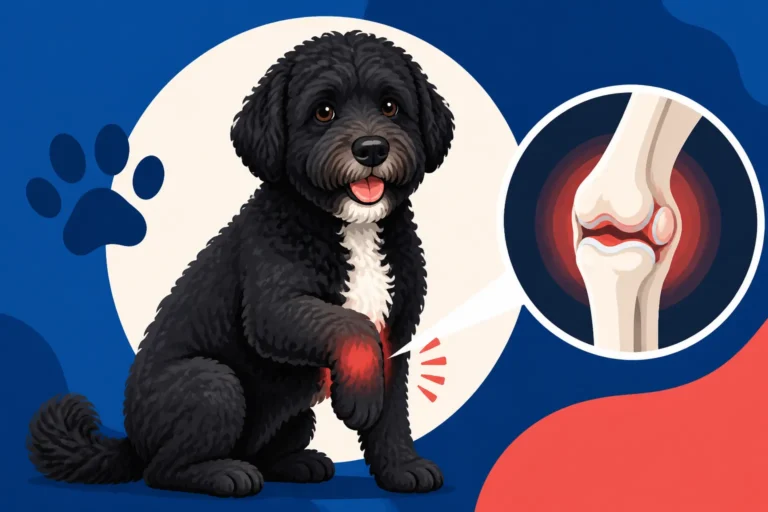
The accumulation of this material in the brain causes progressive neurological deterioration. Puppies affected by GM1 will start showing signs early in life, often between three and six months of age. You might observe issues like a lack of coordination, tremors, or an abnormal gait. It’s a truly heartbreaking condition to witness, and sadly, it's progressive and always fatal. Puppies with GM1 Gangliosidosis and the Portuguese Water Dog Puppy That Never Reaches Six Months are often humanely euthanized before they reach a year old due to the severity of their symptoms and the lack of effective treatment. Understanding what GM1 Gangliosidosis Does to a Portuguese Water Dog helps to highlight the importance of responsible breeding.
How GM1 is Inherited in Portuguese Water Dogs
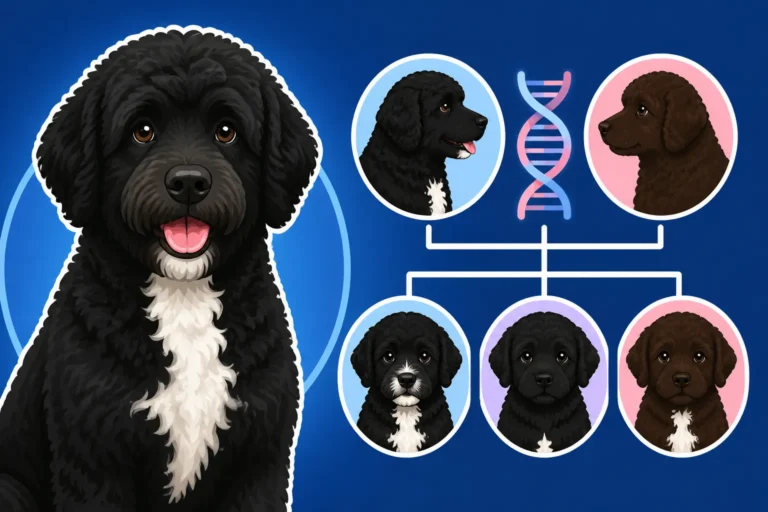
GM1 Gangliosidosis is inherited in an autosomal recessive pattern. This might sound like scientific jargon, but it's simpler than it seems. It means that a puppy must inherit two copies of the mutated gene—one from each parent—to actually develop the disease.
Let's break down the genetic possibilities:
- Clear Dogs (N/N): These dogs have two normal copies of the gene. They are not affected by GM1, nor can they pass the mutated gene on to their offspring.
- Carrier Dogs (N/GM1): These dogs have one normal copy of the gene and one mutated copy. They carry the gene but are not affected by the disease themselves. They can, however, pass the mutated gene to their puppies. This is what we're focusing on today!
- Affected Dogs (GM1/GM1): These dogs have two copies of the mutated gene, meaning they will develop GM1 Gangliosidosis.
The genetic dance looks like this:
- Clear x Clear: All puppies will be clear. No risk.
- Clear x Carrier: Each puppy has a 50% chance of being clear and a 50% chance of being a carrier. None will be affected.
- Carrier x Carrier: This is where the risk lies. Each puppy has a 25% chance of being clear, a 50% chance of being a carrier, and a 25% chance of being affected. This is why reputable breeders carefully screen their breeding stock.
- Clear x Affected: All puppies will be carriers.
- Carrier x Affected: Each puppy has a 50% chance of being a carrier and a 50% chance of being affected.
- Affected x Affected: All puppies will be affected.
This inheritance pattern is critical because it explains why carriers exist and why they are so important in a breeding program, even though they are perfectly healthy themselves.
What Being a GM1 Carrier Truly Means for Your Dog
Now, let's get to the heart of the matter and address the worry head-on. If your Portuguese Water Dog is a GM1 carrier, what does that actually mean for them?
Carriers Show No Clinical Signs of Disease
This is the most important takeaway: a Portuguese Water Dog who is a GM1 carrier will not develop GM1 Gangliosidosis. They do not get sick from it. They do not show any of the debilitating neurological symptoms that affected puppies exhibit, such as loss of coordination or tremors. Their bodies produce enough of the necessary beta-galactosidase enzyme from their one normal gene copy to prevent the toxic buildup of GM1 ganglioside. They are, for all intents and purposes, completely healthy dogs in terms of GM1.
You might be thinking, "But why call them a carrier if they're not affected?" The term "carrier" is purely a genetic classification, indicating their potential to pass on a specific gene, not a diagnosis of illness for the dog carrying it. It's similar to how a person can carry a gene for a recessive human disease without ever showing symptoms themselves. This is a common point of confusion and one that causes much anxiety for new owners.
The Genetic Role of a Carrier
As discussed in the inheritance section, a carrier dog simply possesses one copy of the normal gene and one copy of the mutated gene. This single normal copy is sufficient for their own health and well-being. Think of it like this: they have a spare tire (the normal gene) that's doing all the work, even though they also carry a flat tire (the mutated gene) in their trunk. That flat tire doesn't impact their ride until they decide to breed.
For pet owners who have no intention of breeding their Portuguese Water Dog, knowing their dog is a GM1 carrier is essentially just an interesting genetic fact. It doesn't require any special diet, exercise, medication, or veterinary care related to GM1. Their health profile regarding GM1 is indistinguishable from a clear dog. This is something your vet can confirm, alleviating many of the initial fears that might arise from seeing "GM1 Carrier" on a health certificate.
Why the "Carrier" Label Can Be So Alarming
The word "carrier" itself often implies a latent problem, a ticking time bomb, or something that needs constant monitoring. This connotation is precisely why owners feel so much anxiety. When you see a label on your dog's health records, you naturally assume it's something that directly impacts their health. However, in the context of recessive genetic disorders like GM1, "carrier" specifically refers to the breeding risk, not the individual's health.
For decades, before genetic testing became widespread, breeders would unknowingly breed carriers together, leading to the devastating birth of affected puppies. The development of the GM1 DNA test was a game-changer, profoundly impacting How the GM1 Test Changed Portuguese Water Dog Breeding. It allowed breeders to make informed decisions, ensuring they could eliminate the possibility of producing affected puppies, while still being able to maintain genetic diversity by carefully breeding carriers to clear dogs. This progress means that incidences of GM1 are now much rarer, and Whether GM1 Still Appears in Portuguese Water Dogs is largely dependent on the diligence of breeders.
Life with a Portuguese Water Dog GM1 Carrier
If your Portuguese Water Dog has been identified as a GM1 carrier, rest assured that their day-to-day life should be completely normal and fulfilling.
Normal Lifespan and Quality of Life
A GM1 carrier Portuguese Water Dog will enjoy the same expected lifespan and quality of life as any other healthy Portuguese Water Dog. There is no evidence whatsoever that being a carrier shortens their life, causes them pain, or reduces their vitality. They will still possess all the wonderful traits we love about the breed: their intelligence, their energetic personality, their love for water, and their affectionate nature. You should expect them to live a full and happy life, swimming, retrieving, and being a cherished member of your family. Many carrier dogs have lived long, healthy lives, completely unaware of their genetic status.
Imagine a Portuguese Water Dog named "Skipper" who loves to dive into the ocean waves near San Diego, chasing after his favorite bumper. If Skipper is a GM1 carrier, his genetic status will have absolutely no bearing on his ability to swim for hours, play fetch on the beach, or snuggle up with his family after a long day. He’ll require the same love, training, and veterinary care as any non-carrier Portuguese Water Dog. There's no need to limit their activities or treat them as if they are fragile or ill.
Routine Care and Veterinary Considerations
For a GM1 carrier Portuguese Water Dog, routine care is exactly the same as for any other Portuguese Water Dog. This includes regular grooming to manage their unique coat, a high-quality diet, plenty of exercise, and routine veterinary check-ups. They don't need any special medications, dietary supplements, or additional diagnostics because of their carrier status.
Your veterinarian, aware of the GM1 carrier status, will focus on their overall health, looking for common issues that can affect any dog, such as dental problems, ear infections (especially common in water-loving breeds), or age-related conditions as they get older. While a GM1 carrier dog won't have specific health issues related to GM1, it's always wise to have a good pet insurance plan like those offered by Healthy Paws to cover any unexpected illnesses or accidents that can happen to any dog, regardless of their genetic carrier status. This ensures you're prepared for any curveballs life throws, unrelated to GM1.
Responsible Breeding Decisions
This is the only area where a GM1 carrier status truly matters. If you own a Portuguese Water Dog that is a carrier and you are considering breeding them, you must do so responsibly. This means ensuring that any potential mate has been genetically tested and is certified "clear" of the GM1 gene. By pairing a carrier (N/GM1) with a clear (N/N) dog, you guarantee that no affected puppies (GM1/GM1) will be produced. All offspring will either be clear or carriers themselves, but none will ever suffer from the disease.
This responsible approach is fundamental to ethical breeding practices and prevents future heartache. A breeder who has a carrier dog in their line is not necessarily a bad breeder; in fact, careful management of carrier lines can help preserve valuable genetic diversity in the breed without producing affected puppies. This is why it's so important to ask Which Health Tests a Portuguese Water Dog Breeder Should Run and to see the results of genetic testing for both parents.
The Importance of Genetic Testing and Ethical Breeding
The advent of genetic testing has been revolutionary for breeds like the Portuguese Water Dog, allowing for proactive measures against inherited diseases.
How Genetic Testing Prevents Affected Puppies
Before reliable DNA tests were available, GM1 Gangliosidosis was a much more prevalent and tragic issue in the Portuguese Water Dog population. Breeders had no way of knowing which of their dogs were carriers until affected puppies started appearing, which led to painful decisions about breeding lines. Today, a simple cheek swab or blood test can definitively determine a dog's GM1 status: clear, carrier, or affected.
This easily accessible testing means that there is no excuse for breeding two carriers together and producing affected puppies. Reputable breeders utilize these tests as a cornerstone of their breeding programs. They test all potential breeding stock for GM1, along with other known breed-specific conditions like Juvenile Dilated Cardiomyopathy Kills a Portuguese Water Dog Puppy Fast and the Two Kinds of Retinal Atrophy in a Portuguese Water Dog. By identifying carriers, breeders can make informed choices to ensure that every puppy born has a healthy start to life. This responsible approach has significantly reduced the incidence of GM1. When the GM1 DNA Test Became Available, it empowered breeders to safeguard the future of the breed.
The Role of Breeders in Eradicating GM1
Dedicated and ethical breeders are the frontline defense against genetic diseases like GM1. They commit to testing all their breeding dogs, meticulously reviewing pedigrees, and making sound decisions that prioritize the health of their puppies above all else. A responsible breeder will be completely transparent about their dogs' health testing results, including GM1 status, for both the sire and dam. They should readily provide documentation from laboratories like OptiGen or similar reputable genetic testing facilities.
It's a huge red flag if a breeder cannot or will not provide clear genetic test results for their breeding dogs. They understand that while a carrier dog is healthy, their breeding strategy must account for the gene. Pairing a carrier with a clear dog still allows for the valuable genetics of the carrier to be passed on, but in a way that safeguards the puppies from disease. This careful management helps to avoid inadvertently narrowing the gene pool too much, which could lead to other health problems down the line. It's about smart, informed breeding, not necessarily eliminating all carriers from the breeding population.
Supporting the Long-Term Health of the Breed
As prospective or current Portuguese Water Dog owners, your awareness and demand for health-tested puppies play a crucial role in supporting the breed's long-term health. When you choose a puppy from a breeder who can show you verifiable GM1 (and other) clear results for both parents, you are contributing to the collective effort to minimize genetic diseases.
Even if you choose a carrier puppy, and you're confident you won't breed them, understanding their status means you're an informed owner. You know your dog is healthy and vibrant, and you can educate others who might mistakenly believe "carrier" implies illness. Furthermore, advocating for responsible breeding practices helps maintain the integrity and health of this wonderful breed for generations to come. Having access to a resource like the Canine Health Information Center (CHIC) database, which is often used by the Portuguese Water Dog Club of America, allows potential owners to verify health testing on parents directly, ensuring transparency and accountability.
| GM1 Status | Genetic Makeup | Clinical Symptoms | Impact on Dog's Health | Breeding Recommendation |
|---|---|---|---|---|
| Clear | Two normal copies of the gene (N/N) | None | Healthy, no GM1 issues | Can be bred with any GM1-tested dog. |
| Carrier | One normal, one mutated copy of the gene (N/GM1) | None | Healthy, no GM1 issues | Should only be bred with a "Clear" (N/N) dog to prevent affected puppies. |
| Affected | Two mutated copies of the gene (GM1/GM1) | Severe, progressive neurological degeneration, leading to early euthanasia (3-6 months) | Severe illness, always fatal | Should never be bred due to the devastating nature of the disease. |
Disclaimer
The information provided in this article is for educational and informational purposes only and does not constitute veterinary advice. Always consult with a qualified veterinarian for any health concerns or before making any decisions about your pet's health or treatment.