Whether an Aging Portuguese Water Dog Should Still Swim
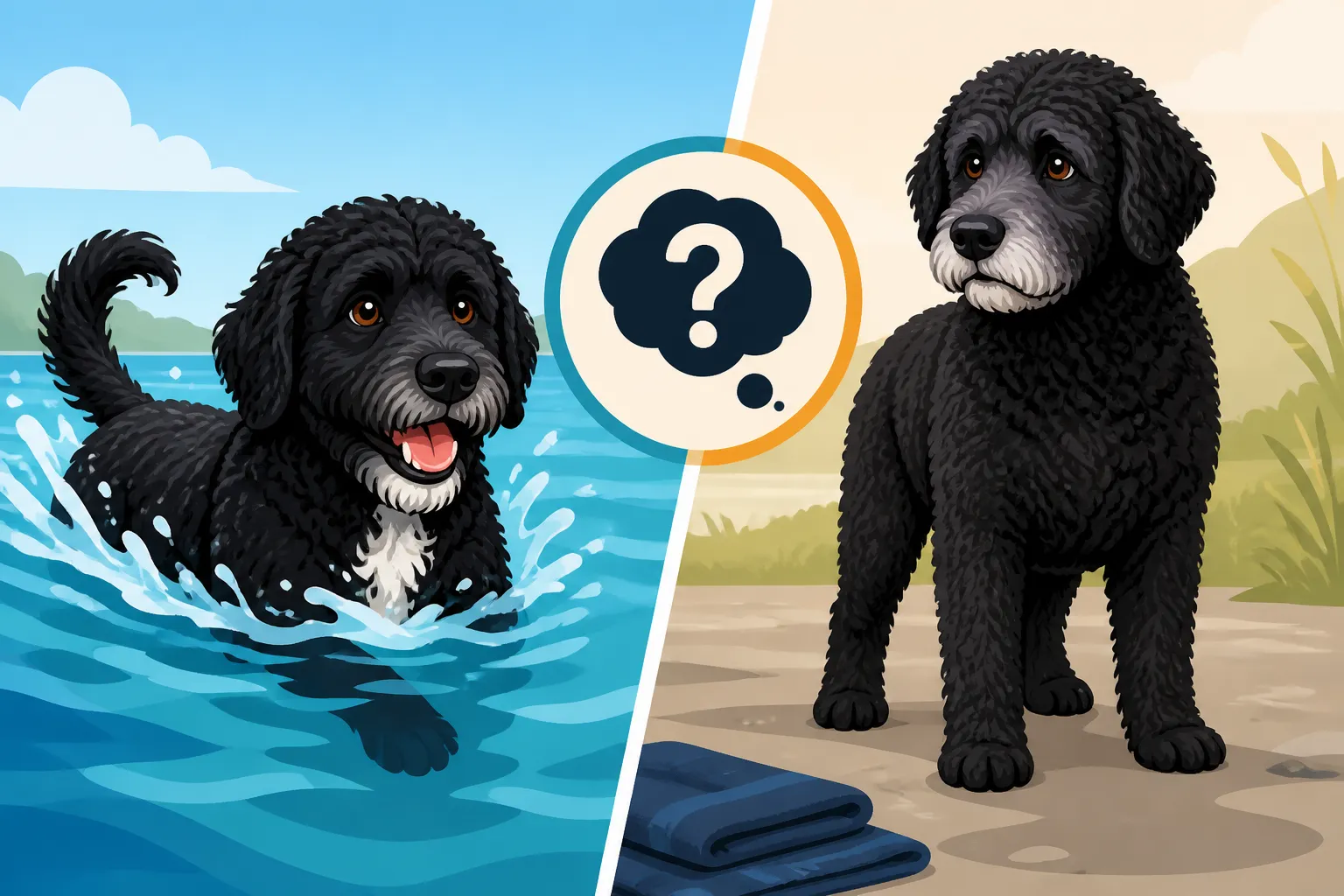
It's heartbreaking to see our beloved Portuguese Water Dogs, once boundless bundles of energy and water-loving champions, start to slow down as they age. Many owners grapple with the question of whether their senior PWD should continue to enjoy their favorite activity – swimming – fearing it might be too much or even harmful. This comprehensive guide will walk you through the nuances of swimming with an aging Portuguese Water Dog, helping you make informed decisions to keep them happy, healthy, and safe in their golden years.
Understanding the Aging Portuguese Water Dog's Body
Just like us, our Portuguese Water Dogs experience a range of physical changes as they transition into their senior years. What was once effortless becomes more challenging, and their bodies require different considerations. Recognizing these changes is the first step in adapting their activities, especially something as strenuous, yet beneficial, as swimming.
Joint Health and Mobility
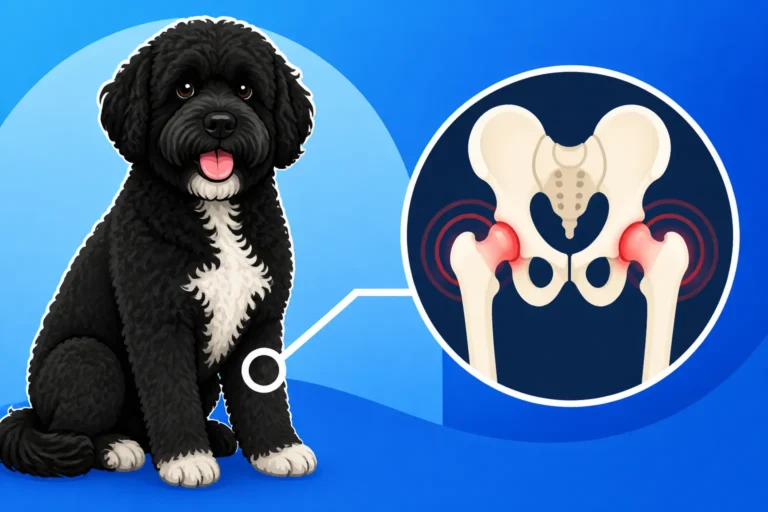
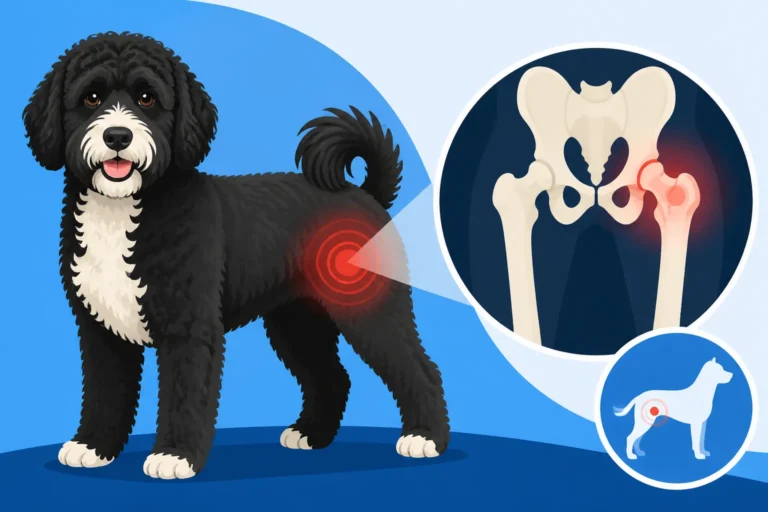
One of the most common and often painful issues for an aging dog is joint degradation. Over years of running, jumping, and yes, swimming, those joints take a toll. You might notice your PWD struggling to get up after a nap, moving a bit stiffer, or showing reluctance to jump into the car. This is often due to conditions like arthritis or hip and elbow dysplasia, which can become more pronounced with age.
In younger Portuguese Water Dogs, their natural athleticism and strong muscle mass often mask early signs of joint issues, but as they age, muscle can start to atrophy, making these underlying problems more apparent. A dog that once bounded into the water might now hesitate at the edge, or move more slowly through the surf. They might be experiencing discomfort that they're trying to hide, as dogs are famously stoic. It's crucial to understand that even minor joint pain can significantly impact their enjoyment and ability to swim safely.
Cardiovascular and Respiratory Changes
The heart and lungs, the silent workhorses of your dog's body, also undergo changes with age. A senior Portuguese Water Dog's cardiovascular system might not be as efficient at pumping blood and oxygen throughout the body, and their lung capacity might be slightly diminished. This means they might tire out more quickly than they used to, or struggle with sustained periods of activity. What was once a quick, invigorating swim across the lake might now be an exhausting marathon.
A healthy heart and efficient breathing are paramount for any strenuous activity, and swimming is no exception. If your senior PWD has an undiagnosed heart murmur or early-stage lung disease, pushing them too hard in the water could be dangerous. You might notice them panting more heavily, taking longer to recover after a short burst of activity, or even showing a blueish tint to their gums if they're struggling for oxygen. These are all serious red flags that warrant immediate veterinary attention.
Cognitive and Sensory Decline
Aging isn't just about the body; it affects the mind and senses too. Many senior Portuguese Water Dogs experience some degree of cognitive decline, sometimes referred to as canine cognitive dysfunction, which can manifest as disorientation, altered interactions, or changes in activity levels. Their senses, particularly vision and hearing, can also diminish. A dog that once spotted a thrown toy from across the beach might now miss it, or fail to respond to your voice over the sound of the waves.
These sensory changes are important to consider when swimming. A dog with poorer vision might misjudge distances or obstacles in the water. One with reduced hearing might not respond to a recall command if they drift too far. Balance can also be affected, making it harder to navigate uneven terrain around the water's edge or to recover if they lose their footing in a strong current. All these factors contribute to increased risk if not properly managed. For more insight into Deafness in an Aging Portuguese Water Dog, you might find dedicated resources helpful.
The Benefits of Swimming for Senior PWDs
Despite the challenges of aging, swimming can remain one of the most beneficial activities for a senior Portuguese Water Dog. Its unique properties make it a fantastic option for maintaining physical health and mental well-being without putting undue stress on their changing bodies. It’s not just about tradition; it's about therapeutic value.
Low-Impact Exercise
The buoyancy of water is a true gift for aging joints. Unlike running on hard ground, which can jar the spine and compress arthritic joints, swimming provides a weightless environment where your dog can move their limbs freely without impact. This gentle, full-body exercise helps maintain range of motion in stiff joints, lubricates them, and can even reduce pain. It's particularly beneficial for dogs suffering from conditions like Hip Dysplasia in a Portuguese Water Dog, where land-based exercise might be too painful.
Think of it like aquatic therapy for humans. The resistance of the water provides a challenging workout for muscles without the pounding stress. This means your senior PWD can get a great workout, burning calories and building strength, without exacerbating existing joint issues. This gentle activity helps keep them active and engaged, which is vital for their overall quality of life.
Muscle Maintenance and Strengthening
As dogs age, they naturally begin to lose muscle mass, a condition called sarcopenia. This loss of muscle can further destabilize joints, reduce mobility, and make them more susceptible to injury. Swimming is an excellent way to combat this. The continuous resistance of the water works all major muscle groups – not just the legs, but also the core and back – helping to preserve and build lean muscle mass.
Strong muscles provide better support for joints, improving stability and reducing the burden on aging ligaments and cartilage. Even a short swim session can be incredibly effective in maintaining conditioning. This is especially important for a breed like the Portuguese Water Dog, which is naturally muscular and athletic. Helping them retain this physical prowess, even in smaller doses, can significantly extend their comfortable and active years. For more details on this topic, check out Whether an Aging Portuguese Water Dog Loses Muscle.
Mental Stimulation and Joy
Beyond the physical benefits, swimming offers immense mental and emotional enrichment for an aging Portuguese Water Dog. For a breed that was literally bred to work in and around water, the act of swimming is often deeply ingrained and incredibly joyful. The cool water, the sensation of floating, the chase of a floating toy – these experiences can light up their eyes and wag their tails in a way few other activities can.
Maintaining mental engagement is crucial for preventing cognitive decline and keeping your senior dog's spirits high. A happy, engaged dog is often a healthier dog. Swimming provides a familiar, satisfying outlet for their instincts and energy, even if that energy is now a bit more conserved. It's a fantastic way to bond, reinforce their identity as a "water dog," and ensure they continue to feel like an important part of the family. Keeping them active and mentally sharp is a key component of Caring for an Aging Portuguese Water Dog.
Potential Risks and How to Mitigate Them
While swimming offers many advantages for senior Portuguese Water Dogs, it's not without its specific risks. Their changing physiology means we need to be extra vigilant and implement additional safety measures. Overlooking these could turn a fun outing into a dangerous situation.
Cold Water and Hypothermia
An older dog's ability to regulate its body temperature often diminishes. They might have a thinner coat, less body fat, or a less efficient circulatory system, making them more susceptible to the cold. Swimming in cold water, even for short periods, can quickly lead to hypothermia, which is a dangerous drop in body temperature.
Always check the water temperature before allowing your senior PWD to swim. Ideally, the water should be comfortably warm, certainly above 60-65°F (15-18°C), and even warmer if your dog is frail. Limit swimming sessions to shorter durations, and make sure to have warm towels ready for immediate drying once they exit the water. Never let them air dry in cool weather, as this significantly increases the risk of chilling. A quick rinse with lukewarm water (if swimming in salt or chlorinated water) followed by a thorough towel and force-drying can make a huge difference.
Drowning Risk and Fatigue
Even the strongest swimmers can become exhausted, and this risk is amplified in senior dogs whose stamina is naturally lower. An older Portuguese Water Dog might overexert themselves, become disoriented, or simply run out of steam, leading to a dangerous situation where they struggle to stay afloat or get out of the water. Their reduced senses can also play a role, making it harder for them to navigate or respond to commands if they're in trouble.
Constant, vigilant supervision is non-negotiable. Never leave a senior PWD unsupervised near water, even for a moment. Limit their swim time, paying close attention to any signs of fatigue, such as lagging behind, excessive panting, or struggling to keep their head above water. Consider investing in a well-fitting dog life jacket from a reputable brand like Ruffwear or Outward Hound. A life jacket provides crucial buoyancy and often has a handle on the back, allowing you to easily assist them if they tire or need help exiting the water. For guidance on whether they need one, see Whether a Portuguese Water Dog Needs a Life Jacket.
Ear Infections and Skin Issues
Portuguese Water Dogs, with their floppy ears and dense, water-repellent coats, are naturally prone to ear infections, especially if they spend a lot of time in the water. As they age, their immune system might not be as robust, making them even more susceptible. Trapped moisture in the ear canal creates a perfect breeding ground for bacteria and yeast, leading to painful and recurring infections.
After every swim, thoroughly clean and dry your senior PWD's ears. Use a vet-approved ear cleaning solution designed to dry out the ear canal. Gently wipe the visible parts of the ear with cotton, and never insert anything deep into the ear canal. Plucking ear hair is a controversial topic, but discuss it with your vet, as sometimes it can improve air circulation. Keep an eye out for signs like head shaking, scratching, redness, or a foul odor, which indicate an infection. For more information, explore Whether a Portuguese Water Dog Gets Ear Infections. Similarly, their dense coats, if left damp, can lead to hot spots or other skin irritations, so thorough drying after swimming is essential.
Adapting the Swimming Routine for an Older PWD
The key to allowing your senior Portuguese Water Dog to continue enjoying the water is adaptation. It's about adjusting the environment, the duration, and the safety measures to suit their current abilities and needs.
Choosing the Right Environment
Not all swimming spots are created equal, especially for an older dog. Steer clear of places with strong currents, deep drop-offs, or jagged rocks that could pose a hazard. Opt for calm, shallow waters with easy, gradual entry and exit points. A quiet pond, a gently sloping lake beach, or even a backyard dog-friendly pool are ideal.
Avoid crowded areas where other dogs or people might accidentally bump or startle your senior PWD. The goal is a stress-free experience. Look for places with warmer water, especially during cooler months, to minimize the risk of chilling. If using a pool, ensure the chemical balance is appropriate and rinse your dog thoroughly with fresh water afterward to protect their skin and coat.
Essential Safety Gear
Just as we might need a little extra support as we age, our senior PWDs often benefit from specialized gear to make their swimming safer and more enjoyable.
| Item | Purpose | Considerations for Senior PWDs |
|---|---|---|
| Life Jacket | Provides buoyancy, aids in easy retrieval, offers a handle for lifting. | Essential for all senior PWDs, especially those with reduced stamina or new anxieties. Look for bright colors and reflective strips. |
| Ramp/Steps | Facilitates easy entry and exit from pools, boats, or docks, reducing strain on joints. | Crucial to prevent painful jumps or struggles to climb out. |
| Non-Slip Matting | Use on slippery surfaces leading to the water, or on ramps, to prevent falls. | Improves stability for dogs with reduced balance or strength. |
| Warm Towels/Robe | Immediate drying to prevent chilling and hypothermia. | Always have ready. Use a highly absorbent microfiber towel or a dedicated dog drying robe. |
| Ear Cleaner/Dryer | Prevents ear infections by drying and cleaning ear canals after exposure to water. | Crucial for PWDs prone to ear issues. |
| Floating Toys | Encourages gentle play and retrieval without demanding intense exertion. | Choose soft, easily graspable toys that float well and are visible. |
Remember, a life jacket isn't just for inexperienced swimmers. It's a critical piece of safety equipment for any senior dog enjoying the water, providing an extra layer of protection and peace of mind for you.
Monitoring and Post-Swim Care
Throughout the swimming session, be attuned to your senior PWD's body language and energy levels. Keep sessions short, perhaps 10-15 minutes, followed by ample rest. Look for signs of fatigue: excessive panting, slowing down, struggling, or losing interest. If you see these, it's time to call it a day.
After the swim, a thorough post-swim routine is critical. First, rinse them with fresh water if they’ve been in salt water or a chlorinated pool to remove irritants. Then, dry them completely. A powerful force dryer, if your dog tolerates it, is highly effective at getting down to the skin, preventing skin issues and thoroughly drying their dense coat. If you don't have a force dryer, use multiple absorbent towels and ensure they are dry to the touch, especially in their armpits, groin, and ear areas. Finally, clean their ears with a veterinarian-approved drying solution. These steps are essential in preventing common issues in Portuguese Water Dogs like ear infections.
When to Consult Your Veterinarian
Making decisions about your senior Portuguese Water Dog's swimming habits shouldn't be a solo effort. Your veterinarian is your best partner in assessing their overall health and determining what activities are safe and appropriate.
Signs It's Time to Adjust or Stop
Sometimes, despite our best efforts, a dog's health can deteriorate to the point where swimming is no longer safe or enjoyable. Be on the lookout for specific signs that your PWD is struggling:
- Increased pain or lameness: Even with medication, if swimming seems to cause more stiffness or discomfort afterward. Remember, How a Portuguese Water Dog Hides Pain means you have to be extra observant.
- Extreme fatigue: If they are unusually exhausted after even a very short, gentle swim.
- Respiratory distress: Excessive coughing, difficulty breathing, or blue gums during or after swimming.
- Disorientation or confusion: If they seem lost or struggle to navigate in the water or get out.
- Lack of interest: If your formerly water-obsessed PWD shows reluctance, fear, or simply no joy in swimming anymore.
- Frequent infections: Recurring ear or skin infections despite meticulous post-swim care.
If you observe any of these signs, it's time to put swimming on hold and schedule an immediate vet visit.
Pre-Swim Health Check-ups
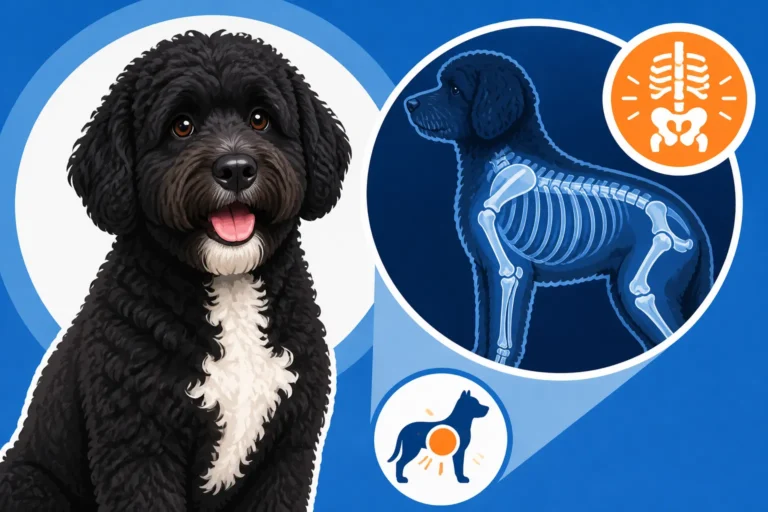
Regular veterinary check-ups are always important, but they become even more crucial for senior dogs, especially if they remain active. For a Portuguese Water Dog The Age a Portuguese Water Dog Is Considered Senior is typically around 7-9 years old. Before introducing or continuing swimming with your senior PWD, schedule a comprehensive check-up. Your vet can assess their joint health, cardiovascular function, and overall stamina.
They might recommend specific tests, such as blood work, radiographs to check for arthritis, or an echocardiogram to assess heart function. Discuss your dog's swimming routine and your concerns openly with your vet. They can provide tailored advice, suggest pain management options if needed, and help you determine safe activity levels. Investing in pet insurance, like a plan from Healthy Paws, can also provide peace of mind for these routine and unexpected health checks, ensuring your beloved companion gets the best care as they age.
Remember, the goal is not just to extend their life, but to ensure The Twelve to Fifteen Years a Portuguese Water Dog Gets are filled with comfort, joy, and quality. By being attentive, adaptive, and working closely with your veterinarian, you can help your senior Portuguese Water Dog continue to enjoy the water safely for as long as possible. A healthy lifestyle, supported by regular How Often a Portuguese Water Dog Needs a Wellness Exam, is truly key.
Disclaimer
This article is for general informational purposes only and does not constitute professional advice. Laws, prices and regulations vary by location and change over time. Consult a qualified professional for guidance on your specific situation.