Why the Portuguese Water Dog Waitlist Is So Long
It's incredibly frustrating when you've fallen in love with a Portuguese Water Dog, you've done your research, and you're ready to bring one home, only to find out that the wait for a puppy can stretch for months, sometimes even years. This isn't just a casual delay; it's a testament to the dedication of responsible breeders and the unique, wonderful qualities of this active breed. This guide dives deep into exactly why those waitlists are so long, giving you an honest look at the meticulous process behind bringing a healthy, well-adjusted Portuguese Water Dog puppy into the world and into your family.
The Pillars of Responsible Breeding: Why Quality Takes Time
When you encounter a long waitlist for a Portuguese Water Dog puppy, it’s not because breeders are trying to be exclusive or difficult. It’s a direct reflection of their commitment to the breed's health, temperament, and future. Responsible breeding is an intricate, time-consuming, and expensive endeavor, and it fundamentally limits the number of puppies available at any given time. These breeders aren't running puppy mills; they are preserving a legacy.
Health Testing Demands and Timeframes
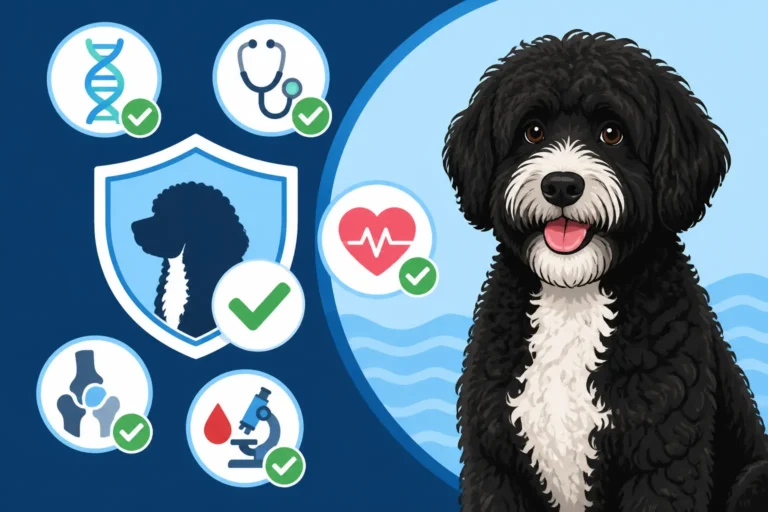
One of the primary reasons for extended waitlists is the extensive health testing required for Portuguese Water Dogs. Good breeders invest significant time and resources to ensure their breeding stock is free from genetic conditions prevalent in the breed. This isn't just a quick vet check-up; it involves a battery of specialized tests. For instance, comprehensive DNA panels screen for conditions like Juvenile Dilated Cardiomyopathy (JDCM), GM1 Gangliosidosis, and Progressive Retinal Atrophy (PRA). These are critical steps to prevent passing on devastating diseases to future generations. You can learn more about The Four DNA Tests Every Portuguese Water Dog Breeder Runs to understand the depth of this commitment.
Beyond DNA, physical evaluations are crucial. This includes certifications for hips and elbows to screen for dysplasia, regular eye exams by a board-certified veterinary ophthalmologist, and cardiac evaluations. Each of these tests has its own timeline and age requirements for the dogs. A breeder can't just decide to breed two dogs tomorrow; they have to wait until both dogs are mature enough for all health clearances to be completed and evaluated, often spanning their first two years of life. This means that a healthy breeding pair might only be ready to produce a litter after years of careful planning and investment, adding significantly to the overall wait for prospective owners.
Limited Breeding Frequency
Another crucial factor contributing to long waitlists is the responsible practice of breeding bitches only a few times in their lifetime, with adequate rest between litters. A responsible breeder prioritizes the health and well-being of their female dogs above all else. Breeding is physically demanding, and bitches need ample time to recover, regain their condition, and simply enjoy being a dog without the constant cycle of pregnancy and puppy-raising. This often means a female might only have a litter every 18-24 months, or even less frequently, depending on her individual recovery and overall health.
This measured approach ensures that each litter is planned with the utmost care, rather than mass-produced. It's not uncommon for a dedicated Portuguese Water Dog breeder to have only one or two litters a year, if that. When you combine this limited frequency with the average litter size, which isn't always large, the number of available puppies becomes inherently restricted. This is a far cry from the continuous cycle seen in less ethical operations, and it’s a standard you should absolutely expect from any breeder you consider. This careful management means there will always be fewer puppies than there are eager homes, leading directly to those lengthy queues.
Breeder Dedication and Resources
Bringing a litter of Portuguese Water Dog puppies into the world is an intensive, 24/7 commitment for a breeder. It involves meticulous care during pregnancy, careful monitoring during birth, and then weeks of dedicated rearing, socialization, and health management for the puppies. Breeders often take time off work or rearrange their lives entirely to ensure the puppies receive the best possible start. From early neurological stimulation to constant cleaning, feeding, and individual attention, the demands are immense.
Moreover, good breeders maintain extensive facilities, even if it's just a dedicated whelping area in their home, and invest in quality nutrition for the mother and puppies (brands like Ollie offer specialized puppy formulas, for instance). They engage with veterinarians for regular check-ups, vaccinations, and microchipping. They also spend countless hours screening potential owners, educating them about the breed, and providing lifelong support. This profound level of dedication means that breeders simply cannot produce multiple litters simultaneously without compromising the quality of care and attention each puppy and its mother receives, naturally extending the time it takes to get a puppy from their program.
High Demand Meets Limited Supply: The Popularity Factor
The Portuguese Water Dog, with its charming personality, intelligence, and distinctive curly or wavy coat, has captured the hearts of many. However, this increased popularity, especially in recent years, has collided with the inherently limited supply from responsible breeders, creating the perfect storm for long waitlists.
The "Obama Effect" and Public Awareness
There's no denying that the breed's profile received a massive boost when Bo, and later Sunny, joined the Obama family in the White House. Suddenly, the Portuguese Water Dog was on the front page of every newspaper and website, showcasing its appealing qualities to a global audience. This exposure ignited a surge of interest from families looking for an active, intelligent, and famously "hypoallergenic" dog. While wonderful for the breed's recognition, it also dramatically increased demand far beyond what ethical breeders could ever hope to supply. You might find it interesting to delve into Whether the Obama Years Raised Portuguese Water Dog Prices for more context on this surge.
This sudden rise in public awareness meant that many people who had never heard of the breed before were now adding their names to breeder lists. While some of these individuals were genuinely committed to understanding the breed's needs, the sheer volume of new inquiries overwhelmed many established programs. The breed went from a relatively niche choice to a highly sought-after companion, and this shift in demand continues to impact availability to this day.
The Breed's Desirable Traits
Beyond celebrity endorsement, the Portuguese Water Dog possesses a unique combination of traits that make it incredibly appealing to a wide range of families. Their energetic, fun-loving nature, coupled with their intelligence and trainability, means they excel in various dog sports and activities. They are often described as having a "sense of humor" and a desire to be involved in all family activities. Their non-shedding, "hypoallergenic" coat (though no dog is truly 100% hypoallergenic, they are often well-tolerated by allergy sufferers) is a huge draw for those with sensitivities.
People are looking for a loyal, active companion who can join them on adventures, from hiking to swimming, and the Portuguese Water Dog fits that bill perfectly. Their adaptability to different climates and their inherent love for water make them versatile partners. This confluence of desirable characteristics ensures a continuous stream of applicants for every available puppy, keeping waitlists robust. Prospective owners are seeking a specific set of qualities, and they know a well-bred PWD will deliver, making them willing to wait for the right match.
The Impact of Ethical Breeder Practices
Ethical breeders are not in the business of churning out puppies for profit. They are passionate about the Portuguese Water Dog breed, its history, and its future. This means they intentionally operate on a small scale, carefully selecting breeding pairs, conducting all necessary health clearances, and dedicating themselves to the welfare of each litter. They understand that rushing the process or over-breeding would be detrimental to the dogs and the breed as a whole.
This small-scale, quality-over-quantity approach inherently means that the number of puppies produced annually is limited. Good breeders are often members of breed clubs and adhere to strict codes of ethics, which guide their practices and prevent them from succumbing to the temptation of mass production to meet demand. You might wonder How Many Few Portuguese Water Dog Litters Are Bred a Year, and the answer is usually very few per individual breeder. This deliberate limitation, while frustrating for those on a waitlist, is ultimately what preserves the health and integrity of the Portuguese Water Dog. It's a commitment to responsible stewardship that safeguards the breed for generations to come.
The Journey from Puppy to Placement: More Than Just a Sale
Even once a litter is on the ground, the process of placing each Portuguese Water Dog puppy into its forever home is far from instant. Responsible breeders view this as a careful matching process, ensuring each puppy's temperament and needs align with its prospective family's lifestyle. This thorough vetting and matching also contributes to the length of the waitlist, as it means not just any puppy goes to just any home.
Early Socialization and Development
From the moment they are born, responsible breeders are actively engaged in the early socialization and development of their Portuguese Water Dog puppies. This critical period, typically the first 8-12 weeks of a puppy's life, lays the foundation for their future temperament and resilience. Puppies are exposed to a variety of sights, sounds, textures, and experiences in a controlled and positive manner. This might include interactions with different people (men, women, children), other vaccinated dogs, household noises like vacuum cleaners or doorbells, and early introduction to grooming practices.
This intensive early work requires constant supervision and intervention from the breeder. Each puppy is observed for its individual personality traits – which one is bold, which is shy, which is highly energetic, and which prefers cuddles. This hands-on, individualized approach means that breeders cannot simply send puppies home at the earliest legal age; they nurture them until they are developmentally ready and their distinct personalities begin to emerge. This period is vital for a well-adjusted adult dog and adds a crucial timeframe to the overall wait.
Temperament Matching
Perhaps one of the most significant reasons for a prolonged wait, even after a litter is born, is the meticulous process of temperament matching. A reputable Portuguese Water Dog breeder doesn't operate on a first-come, first-served basis for puppy selection. Instead, they get to know both their puppies intimately and their prospective families through extensive conversations and applications. They assess each puppy's unique personality – its energy level, confidence, play style, and sensitivity – and match it with the family whose lifestyle and experience best suit that particular pup.
Imagine a highly energetic, boisterous puppy going to a quiet, sedentary family, or a sensitive, timid pup ending up in a chaotic household with young children. Neither scenario would be fair to the dog or the family. A good breeder understands this and prioritizes a successful, lifelong placement. This thoughtful matching process means that even if you've been on a waitlist for a long time, you might not get a puppy from the very next litter if none of the puppies are the right fit for your specific home environment. It's about finding the best match, not just any match, ensuring that the First Year With a Portuguese Water Dog Puppy is a positive experience for everyone.
Vetting Prospective Owners
The process of vetting prospective owners for a Portuguese Water Dog puppy is rigorous and intentionally thorough. Breeders aren't just looking for someone with the money to buy a puppy; they are seeking committed, responsible individuals or families who understand the significant demands of the breed. This usually involves detailed applications, phone interviews, reference checks, and sometimes even home visits. Breeders want to understand your lifestyle, your living situation, your experience with dogs, and your expectations for a Portuguese Water Dog.
They might ask about your work schedule, how much exercise you plan to provide, your grooming intentions, and your training philosophy. This intense screening process serves multiple purposes: it educates potential owners about the realities of living with a PWD (which are active, intelligent dogs that require a lot of engagement), it weeds out impulsive buyers, and it helps the breeder ensure their puppies are going to stable, loving, and appropriate homes. This thorough vetting adds time to the overall process, as breeders dedicate significant hours to review applications and interact with each family, ensuring that their precious puppies are placed with people who truly understand What a Portuguese Water Dog Needs Every Day. This commitment is clearly outlined in What a Portuguese Water Dog Breeder Contract Requires, which often details expectations for lifelong care.
Beyond the Breeder: Alternatives and Considerations
The reality of long waitlists can be daunting, and it's natural to explore other avenues when your heart is set on a Portuguese Water Dog. While ethical breeders are the gold standard, there are other paths to consider, each with its own set of advantages and challenges.
Portuguese Water Dog Rescues
For those who are open to an adult or adolescent dog, or are willing to wait for a dog in need, Portuguese Water Dog rescues offer a wonderful alternative to breeder waitlists. These dedicated organizations work tirelessly to rehome PWDs who have been surrendered, found as strays, or come from less-than-ideal circumstances. The dogs in rescue often come with a known history, and the rescue volunteers are typically very adept at assessing their temperaments and matching them with appropriate families. Adopting from a rescue can be incredibly rewarding, giving a deserving dog a second chance at a loving home.
However, rescue dogs can still come with their own set of challenges, sometimes including behavioral issues that need addressing, or a history that is not fully known. The availability of Portuguese Water Dogs in rescue can also fluctuate wildly, so you might still face a wait, though often not as long as for a breeder puppy. The process usually involves a thorough application, interviews, and home visits, similar to a good breeder's process, to ensure a good match. Exploring Adopting a Portuguese Water Dog From Rescue can give you a better idea of what to expect.
Older Dogs from Breeders
Occasionally, a responsible breeder might have an older Portuguese Water Dog available. This could be a show dog that has retired from the ring, a breeding dog that has been spayed or neutered and is looking for a forever couch, or sometimes, a "returned" dog that, through no fault of its own, simply didn't work out in its initial home. These dogs often come with the benefit of being fully health-tested, house-trained, and having a known temperament. They've usually lived with the breeder for a significant period and are well-socialized.
Acquiring an older dog from a breeder means you bypass the puppy stage, which, while adorable, is also incredibly demanding in terms of training and house-breaking. You get a dog with a solid foundation. While these opportunities are less common than puppy litters, they are certainly worth inquiring about if you're engaging with a reputable breeder and are open to an adult companion. This option often provides a quicker path to PWD ownership without compromising on the quality and ethical standards you'd expect.
The Risks of "Quick Fix" Options
When faced with a long waitlist, it can be incredibly tempting to look for "quick fix" solutions – a puppy available right now, perhaps at a lower price. However, this path is fraught with significant risks. Unscrupulous breeders, often referred to as "backyard breeders" or "puppy mills," capitalize on high demand. They often skip essential health testing, leading to puppies with a higher likelihood of inheriting genetic diseases that can be devastating emotionally and financially. You might save a bit upfront, but veterinary bills for conditions like JDCM or severe hip dysplasia can quickly skyrocket.
These sources also typically neglect proper socialization and early care, resulting in puppies with potential temperament issues, fear, or aggression. They often don't provide health guarantees, offer little to no support after the sale, and prioritize profit over the welfare of their dogs. Choosing a puppy from such a source often contributes to more dogs ending up in rescue later, or facing chronic health problems. It's crucial to remember that a truly responsible breeder will always have a waitlist because of their commitment to quality and ethical practices. When you see a readily available Portuguese Water Dog puppy without any wait, it should be an immediate red flag.
Managing Expectations and the Waitlist Experience
Being on a Portuguese Water Dog waitlist requires a significant amount of patience, but it’s also an opportunity. It allows you to build a relationship with your breeder and prepare thoroughly for the arrival of your new family member.
Understanding Waitlist Dynamics
Each breeder manages their waitlist a bit differently, but there are some common dynamics. Many breeders operate with a "pre-qualified" list of families who have already gone through the application and interview process. Once a litter is planned or confirmed, they will reach out to families on this list based on what they perceive as the best match for the specific puppies' temperaments, rather than strict chronological order. This means that even if you're high on a list, you might not get a puppy from the immediate next litter if the personalities don't align perfectly with your family's needs.
A non-refundable deposit is often required to hold your place on a serious waitlist, signaling your commitment. It's important to clarify the breeder's policies regarding deposits, estimated wait times, and how communication will be handled throughout the process. Be prepared for flexibility; sometimes litters are smaller than expected, or a planned breeding might not take. Understanding these dynamics helps manage expectations and reduces frustration.
Here's a quick overview of common waitlist factors:
| Factor | Implications for Waitlist Length |
|---|---|
| Health Testing | Requires significant time (1-2 years) before breeding. |
| Breeding Frequency | Bitches bred infrequently (every 18-24 months) for welfare. |
| Litter Size | Variable, fewer puppies means longer waits. |
| Temperament Matching | Puppies matched individually to homes, not first-come. |
| Owner Vetting | Thorough application/interview process for optimal placement. |
| Breed Popularity | High demand from "Obama Effect" and desirable traits. |
| Breeder Ethics | Small-scale, quality-focused operations limit supply. |
Staying Engaged with Your Breeder
Being on a waitlist doesn't mean passively waiting for an email. It's an opportunity to build a relationship with your breeder, which is incredibly valuable for the lifetime of your dog. A good breeder becomes a resource for training tips, health advice, and general support. Staying engaged means respectful communication – responding promptly to inquiries, asking thoughtful questions (but not inundating them with daily emails), and expressing continued interest without being pushy.
You might ask about their current dogs, learn more about their breeding philosophy, or simply share updates about your family life so they have a better understanding of your home. This mutual respect and ongoing communication foster a partnership that benefits everyone. It also helps the breeder get an even clearer picture of your family, which can aid in the temperament matching process when a litter becomes available. Remember, they are placing a precious life into your care, and your engagement helps them feel confident in that decision.
Preparing for Your Portuguese Water Dog
The long waitlist, while challenging, offers a fantastic opportunity to thoroughly prepare for your Portuguese Water Dog. This isn't just about buying a leash and food bowl; it's about educating yourself and making your home ready for an active, intelligent, and highly social dog. Use this time to research proper nutrition – a brand like Chewy offers a vast selection of high-quality dog foods, or you could look into specialized options like Ollie if you're considering fresh dog food. Understand their grooming needs, which are substantial (think about brushing, clipping, and ear care).
Crucially, educate yourself on Portuguese Water Dog training and behavior. These dogs are smart and need a "job," so mental stimulation is just as important as physical exercise. Read up on positive reinforcement methods, consider enrolling in puppy classes ahead of time, and prepare your home for a curious, mouthy puppy. You might want to consider What a Portuguese Water Dog Does All Day to understand their need for engagement. This preparation will not only make the transition smoother but also solidify your commitment to the breeder. Think of the wait as your pre-flight checklist for a fantastic journey with your new companion.
Disclaimer
This article is for general informational purposes only and does not constitute professional advice. Laws, prices and regulations vary by location and change over time. Consult a qualified professional for guidance on your specific situation.