What a Portuguese Water Dog’s Ear Recheck Costs
It's incredibly frustrating when your beloved Portuguese Water Dog suddenly develops an ear issue. You manage to get them in to the vet, get a diagnosis and treatment plan, and then hear those words: "We'll need to do a recheck in about a week or two." You're already juggling the initial bill, and now another appointment, another charge, looms. It feels like an endless cycle, and many owners wonder why a simple recheck is necessary and what it will actually cost them. This comprehensive guide will break down the costs associated with a Portuguese Water Dog's ear recheck, explaining why these follow-up visits are crucial for their health and your peace of mind.
Why a Portuguese Water Dog's Ears Need Regular Scrutiny
Portuguese Water Dogs are, as their name suggests, drawn to water like magnets. Whether it's the ocean, a lake, a pool, or even just a puddle after a rain, they're often eager to dive in. While this is fantastic for their exercise and mental stimulation, it does present a unique challenge when it comes to ear health. Their drop ears, combined with the dense coat that can grow inside the ear canal, create a warm, moist environment – a perfect breeding ground for bacteria and yeast. This makes them particularly prone to ear infections, and why consistent, thorough care is paramount.
When your PWD gets an ear infection, it's not just a minor irritation for them; it can be incredibly painful and, if left untreated or improperly treated, can lead to chronic issues, hearing loss, or even more serious infections that spread deeper into the ear or even the bloodstream. That's why the initial vet visit is so important. The vet isn't just looking at the surface; they're often using an otoscope to examine the eardrum, checking for foreign bodies, polyps, or signs of deeper infection. Sometimes, they'll also take a swab for cytology to determine if it's a bacterial, yeast, or mixed infection, which dictates the specific medication needed.
The Anatomy of a PWD's Ear Canal
Understanding the unique structure of your Portuguese Water Dog's ear can help explain why ear issues are so common and why rechecks are vital. Unlike human ear canals that are relatively short and horizontal, a dog's ear canal takes a sharp turn, going down vertically before turning horizontally towards the eardrum. Imagine trying to clean a long, winding tunnel with a single entrance – it's tricky! This "L" shape makes it difficult for fluid, debris, and microorganisms to exit naturally.
Furthermore, PWDs have a thick, sometimes curly or wavy coat that extends into the ear canal itself. This hair can trap moisture and debris even more effectively, further exacerbating the conditions that lead to infection. Some vets recommend removing this hair, either by plucking or trimming, while others caution against it, as it can cause micro-traumas that also lead to inflammation. This is a discussion you should definitely have with your veterinarian, as individual dogs respond differently. Regardless, this combination of structure and coat means that an infection can quickly become entrenched and require careful, consistent treatment and follow-up. The simple fact is that Why a Portuguese Water Dog's Ear Canal Traps Water is a major contributing factor to ongoing issues.
Common Ear Problems in Portuguese Water Dogs
Beyond the general predisposition to infections due to their ear structure and love of water, PWDs can experience a range of ear problems. The most common are outer ear infections (otitis externa), often caused by bacteria or yeast overgrowth. These manifest as redness, swelling, discharge (which can be brown, yellow, or black), a foul odor, and intense itching, leading to head shaking and scratching. If you notice your PWD frequently shaking their head or scratching at their ears, it's always worth a visit to the vet.
Other issues can include ear mites, especially in puppies, though these are less common in well-cared-for adult dogs. Allergies, both environmental and food-related, can also manifest as chronic ear infections. If your PWD is experiencing recurrent ear problems, your vet might explore allergy testing or a diet trial. Less common but more serious issues can include foreign bodies lodged deep in the canal (like grass awns), polyps, tumors, or even middle or inner ear infections (otitis media or interna), which can affect balance and lead to more severe symptoms. Each of these conditions requires specific diagnosis and tailored treatment, underscoring the importance of professional veterinary care.
The Cost Components of an Ear Recheck
When you take your Portuguese Water Dog in for an ear recheck, it’s not just a quick peek. The veterinarian needs to assess whether the initial treatment has been effective, if the infection is clearing, and if any underlying issues still need to be addressed. This involves several steps, each contributing to the overall cost. It's not usually as extensive as the initial diagnostic visit, but it’s far more than just a quick visual inspection.
The Veterinary Examination Fee
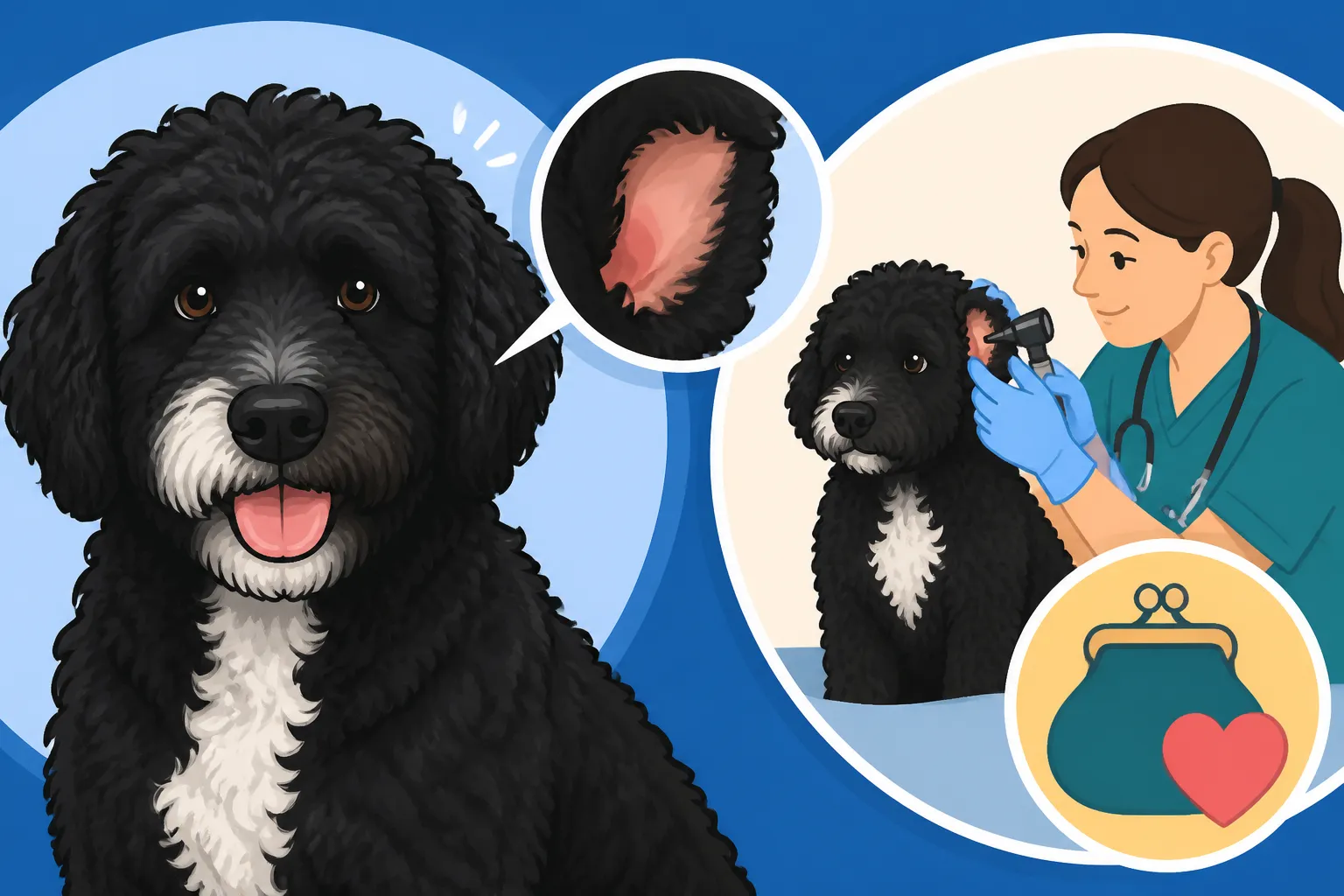
The primary cost for any recheck appointment will be the veterinary examination fee. This fee covers the vet's time and expertise in evaluating your dog's ears. During this recheck, your vet will observe your PWD's general demeanor, check for signs of discomfort, and perform another physical examination of the ears. They will carefully look inside the ear canals with an otoscope to assess the inflammation, discharge, and overall healing progress. They might also palpate the base of the ear to check for pain or swelling.
While this fee is often lower than the initial consultation fee, as it's typically for a follow-up, it’s still a significant part of the bill. Think of it as paying for the vet's professional judgment to confirm that the treatment is working as intended and that your furry friend is on the road to recovery. Skipping this step, even if you think the ears look better, can lead to a partially treated infection flaring up again, often more aggressively than before. It’s like stopping antibiotics early because you feel better – the infection might still be lurking.
Diagnostic Tests During a Recheck
Sometimes, the vet will need to perform additional diagnostic tests during a recheck, especially if the infection isn't resolving as expected. The most common recheck diagnostic is a repeat cytology. This involves taking another swab from the ear canal and examining it under a microscope to see if the bacteria or yeast levels have decreased significantly. This is a critical step, as it provides objective evidence that the medication is effective. If the same type of microorganisms is still prevalent, the vet might decide to change the medication or consider a culture and sensitivity test, which identifies the specific bacteria and determines which antibiotics will be most effective against it.
In cases of chronic or severe infections, or if there's suspicion of a deeper issue, the vet might recommend an ear flush under sedation, or even imaging like X-rays or a CT scan. However, these more intensive diagnostics are usually reserved for complicated cases and wouldn't be part of a routine recheck for a simple ear infection. The cost of these tests adds to the overall recheck bill, but they are crucial for ensuring a complete and effective resolution to the ear problem. Ignoring these could mean your PWD suffers longer and you end up paying more in the long run.
Medication Refills or Adjustments
A recheck isn't just about diagnostics; it's often about ensuring your Portuguese Water Dog continues on the right treatment path. If the infection is clearing up nicely, your vet might provide a refill of the current ear drops or oral medication to complete the course of treatment. It's vital to finish all prescribed medication, even if the ears look and smell normal, to prevent a relapse.
However, if the recheck reveals that the infection isn't responding as hoped, or if the cytology shows a different type of pathogen than initially suspected, the vet will likely adjust the medication. This could mean switching to a different type of antibiotic or antifungal, adding an anti-inflammatory, or even prescribing a combination product. Sometimes, a different type of ear cleaner is also recommended. While the cost of the medication itself might be separate from the recheck fee, the decision to refill or adjust it is a direct outcome of the recheck appointment. Having pet insurance, like a policy from Healthy Paws, could help offset these ongoing medication costs, which can certainly add up, especially if your PWD is prone to recurrent ear issues.
Factors Influencing Recheck Costs
The cost of an ear recheck for your Portuguese Water Dog isn't a fixed price tag; it can fluctuate based on several variables. Understanding these factors can help you anticipate the expense and ensure you're prepared for your PWD's ongoing care. From the clinic you visit to the complexity of the issue, many elements play a role.
Geographic Location and Clinic Type
Just like most services, veterinary costs can vary significantly based on your geographic location. A recheck in a bustling metropolitan area, where overheads like rent and staff salaries are higher, will likely cost more than the same service in a rural town. This is a simple reality of economics that impacts every aspect of pet care.
The type of veterinary clinic also plays a role. A large, state-of-the-art veterinary hospital with specialists and advanced equipment might charge more for a recheck than a smaller, independent general practice. While a specialist might be necessary for very complex or chronic ear conditions, a general practitioner is usually perfectly capable of handling routine ear infections and their follow-ups. Emergency veterinary clinics also have significantly higher fees, so if you're seeking a recheck outside of normal business hours, be prepared for a substantial upcharge. It's always a good idea to call your specific clinic beforehand to get an estimate of their recheck fees.
Complexity of the Ear Issue
The severity and persistence of your Portuguese Water Dog's ear infection will have a direct impact on the recheck cost. If your PWD's ears are responding well to treatment, and the recheck confirms significant improvement with no further diagnostics needed, the cost will be on the lower end, primarily just the exam fee. It's a quick, positive confirmation.
However, if the infection is stubborn, recurrent, or has progressed despite initial treatment, the recheck becomes more involved. The vet might need to spend more time examining the ears, discussing alternative treatments, and performing additional diagnostic tests like repeat cytologies or even cultures. If a foreign body is suspected, or if the eardrum is compromised, sedation might be required for a more thorough examination or flush, which would significantly increase the cost. In some chronic cases, the vet might even recommend a referral to a veterinary dermatologist, which would involve an entirely new, higher initial consultation fee with the specialist. The more complex the problem, the more resources and time are required, and therefore, the higher the cost. This is why addressing ear issues promptly is always a financially smarter move. What a Portuguese Water Dog's Ear Infection Costs to Treat can escalate rapidly if neglected.
Preventative Measures and Long-Term Management
Investing in preventative care can actually reduce the frequency and cost of ear rechecks over your Portuguese Water Dog's lifetime. Regular ear cleaning with a vet-approved solution, especially after swimming, is crucial. Their deep, "L-shaped" canals and abundant ear hair mean moisture can get trapped easily, fostering infections. How Often a Portuguese Water Dog's Ears Need Checking should be part of your routine.
There are also maintenance solutions your vet might recommend for PWDs prone to recurrent infections. These could be medicated ear flushes to use at home on a weekly or bi-weekly basis. While these products have an upfront cost, they can often prevent the need for expensive vet visits down the line. Additionally, managing underlying allergies (if present) through diet or medication can significantly reduce ear flare-ups. Products available from retailers like Chewy or your vet can support ear health. Consider using specific ear-drying solutions after swims, which can also be found at pet supply stores. For dogs with chronic issues, discussing long-term management strategies with your vet, including potential dietary changes or supplements (like those you might find in an all-natural dog food from Ollie), can be invaluable. It’s all about being proactive rather than reactive.
| Cost Component | Initial Vet Visit Estimate | Ear Recheck Estimate | Notes |
|---|---|---|---|
| Examination Fee | Higher | Lower | Recheck is focused on follow-up, not full diagnosis |
| Ear Swab & Cytology | Usually Included | Sometimes Included | May be an add-on if initial treatment isn't working |
| Ear Cleaning (In-clinic) | Possible add-on | Possible add-on | Varies based on debris and dog's cooperation |
| Medication Prescribed | Varies by Rx | Varies by Rx | Cost of medication itself is separate from visit fee |
| Culture & Sensitivity | Additional Cost | Additional Cost | Reserved for non-responsive or recurrent infections |
| Sedation/Flushing | Significant additional Cost | Significant additional Cost | Only for severe cases or uncooperative dogs |
Note: Specific prices are not listed as they vary widely by location and veterinary practice. This table illustrates typical cost relationships.
The Value of an Ear Recheck for Your PWD's Health
It's easy to look at the cost of a veterinary recheck and feel a pang of resentment, especially when finances are tight. However, for a breed like the Portuguese Water Dog, known for its love of water and susceptibility to ear issues, these rechecks are not just an optional extra; they are an integral part of ensuring your dog's long-term health and preventing far more expensive and painful problems down the line. Thinking of it as an investment in their well-being can help shift perspective.
Preventing Recurrence and Chronic Issues
One of the most critical reasons for an ear recheck is to prevent the recurrence of the infection. As mentioned earlier, if you stop treatment prematurely because the ear looks better, you might leave residual bacteria or yeast to flourish once the medication is gone. A recheck allows the vet to confirm, often with a repeat cytology, that the infection has been genuinely cleared. If the vet gives the all-clear, you can stop treatment with confidence. If not, they can adjust the plan to fully eradicate the problem.
Failing to fully resolve an ear infection almost guarantees it will return, and often with greater resistance to standard treatments. This can lead to chronic otitis, a debilitating condition that requires much more aggressive, expensive, and long-term management. Chronic cases often involve specialists, advanced diagnostics, and potentially even surgery, like a total ear canal ablation (TECA), which carries a very high cost and is a last resort. An ounce of prevention, or in this case, a thorough recheck, is truly worth a pound of cure. It’s a small, manageable cost now to avoid a significant health and financial burden later.
Avoiding Pain and Discomfort
Imagine having an earache that just wouldn't go away, or kept coming back every few weeks. That's what your Portuguese Water Dog experiences with an unresolved ear infection. Dogs are remarkably stoic creatures and often hide pain until it becomes severe. While you might notice head shaking or scratching, a persistent dull ache or irritation can significantly impact their quality of life. They might become less playful, more irritable, or withdrawn.
A recheck ensures that your PWD is truly comfortable and pain-free. The vet can identify any lingering inflammation, itchiness, or tenderness that you might not detect at home. If pain medication was part of the initial treatment, the recheck is an opportunity to determine if it’s still needed or can be tapered off. Ensuring your loyal companion is free from chronic discomfort is priceless, and these rechecks are a key step in providing that relief.
Early Detection of Underlying Conditions
Sometimes, an ear infection isn't just an isolated incident; it's a symptom of a larger, underlying health issue. For instance, chronic ear infections can be a tell-tale sign of allergies. A persistent issue discovered during a recheck might prompt your vet to investigate further, perhaps suggesting allergy testing or a food trial. Without that recheck, a pattern of recurrent infections might be missed, delaying the diagnosis and treatment of the true root cause.
In rarer cases, what appears to be a simple infection could be masking something more serious, such as a polyp or a tumor within the ear canal. During a recheck, the vet's experienced eye and otoscope examination can catch subtle changes or growths that might have been less apparent during the initial, inflamed state of the ear. Early detection of such conditions is crucial for successful treatment and better outcomes. Therefore, the recheck is not just about the ear infection itself, but about ensuring the overall health of your Portuguese Water Dog, offering a chance to catch things before they become major problems. It's truly part of What a Portuguese Water Dog Needs Every Day in terms of health vigilance.
Conclusion: Don't Skip the Ear Recheck
While the idea of another vet bill, even for a recheck, can feel daunting, particularly when you’re already investing so much in your Portuguese Water Dog’s care, it’s one of the most important follow-up appointments you can schedule. Their unique anatomy and love for water make them particularly susceptible to ear infections, and these rechecks are essential for confirming that the treatment has been effective, preventing costly recurrences, and ensuring your beloved companion is truly comfortable and healthy.
Think of it not as an extra expense, but as a critical investment in your PWD's well-being. It helps your veterinarian fully resolve the current issue, minimizes the chances of chronic problems, and provides an opportunity to catch any underlying conditions early. Having a pet insurance plan, like those offered by Healthy Paws, can certainly help cushion the financial impact of these inevitable vet visits over your PWD's lifespan. By committing to these follow-up appointments, you're doing your part to ensure your Portuguese Water Dog can continue to enjoy their active, watery life with healthy, happy ears.
Disclaimer
This article is for general informational purposes only and does not constitute professional advice. Laws, prices and regulations vary by location and change over time. Consult a qualified professional for guidance on your specific situation.