How Often a Portuguese Water Dog Gets On With Small Dogs
Bringing a new dog into a household, especially when there's a significant size difference between your existing furry family members and a potential new addition, can be a real source of anxiety. Many Portuguese Water Dog owners, or those considering adding one to their lives, worry about how these energetic, robust dogs will interact with smaller breeds. It's a valid concern – you want everyone to get along, but a PWD's natural enthusiasm can sometimes feel like a lot to a tiny chihuahua or a delicate terrier. This guide will help you understand the dynamics at play and how to foster harmonious relationships between your beloved PWD and smaller canine companions.
Understanding the Portuguese Water Dog's Nature and Play Style
It’s easy to look at a Portuguese Water Dog and see a friendly, goofy companion, which they absolutely are! But beneath that curly or wavy coat is a dog bred for demanding, intelligent work. Understanding their inherent traits is the first step in managing their interactions with smaller dogs.
The Working Breed Mentality and Energy Levels
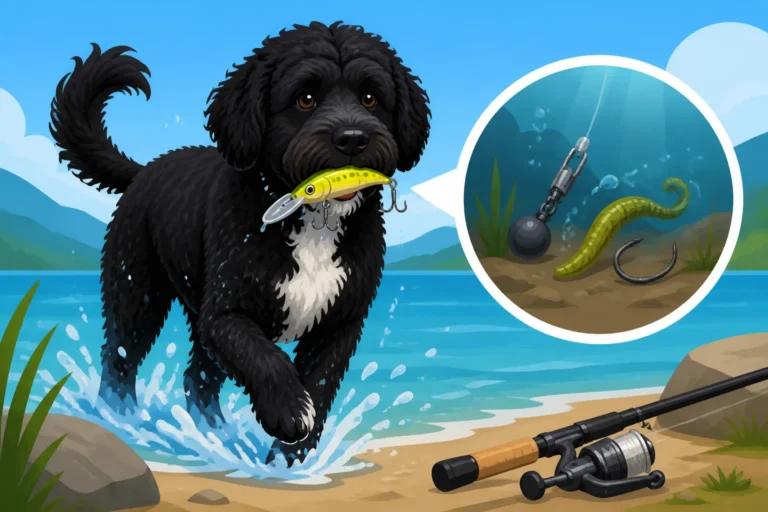
Portuguese Water Dogs come from a long line of working dogs, originally bred to assist fishermen on the rough seas off Portugal's coast. This heritage means they are inherently active, intelligent, and possess a robust physicality. They were designed to swim for hours, retrieve gear, and even herd fish into nets. This isn't a breed content with a short walk around the block and a snooze on the couch. They need a job, a purpose, and plenty of physical and mental stimulation. A Portuguese Water Dog Was Bred to Work a Boat, Not a Yard speaks volumes about their historical role.
When an energetic PWD engages in play, it’s often with the same full-throttle enthusiasm they’d apply to a task. They bound, they body-slam playfully, they chase with gusto. While this is perfectly fine, and even desired, for other large, equally robust dogs, it can be incredibly intimidating, and potentially even dangerous, for a small dog. A well-meaning nudge from a 50-pound PWD could easily send a 10-pound dog tumbling. It’s not aggression; it’s simply a difference in physical presence and play style that needs careful management. Think of it as a friendly giant unaware of its own strength.
Mouthiness and Herding Instincts
Another common trait in Portuguese Water Dogs is their tendency towards "mouthiness." Because they were retrieving dogs, they use their mouths to explore, to communicate, and to interact with the world around them. A PWD might gently (or not-so-gently) "mouth" your hand, or use their mouth to guide another dog during play. For another PWD or a similarly built retriever, this is often a normal part of their play language. Why a Portuguese Water Dog Puts Everything in Its Mouth delves into this behavior.
However, a small dog, or an owner of a small dog, might easily misinterpret this mouthing as aggression or an attempt to dominate. It can be startling and scary for a little dog to have a large, curly muzzle gently (or not so gently) closing around their back or head. This is compounded by their occasional herding instincts. While not a primary herding breed, their drive to collect and move things can sometimes extend to other animals, including smaller dogs. They might try to "herd" a small dog by nudging or circling, which can quickly turn into a stressful situation for the smaller companion.
Factors Influencing Interactions Between Portuguese Water Dogs and Small Dogs
The truth is, there's no single answer to "how often" PWDs get along with small dogs. It's a complex blend of genetics, environment, and individual personalities. However, certain factors weigh heavily on the success of these pairings.
Socialization History and Early Experiences
Just like with humans, a dog's early experiences shape its worldview. A Portuguese Water Dog puppy that has been properly socialized from a young age is far more likely to integrate successfully with small dogs later in life. This means exposure to a wide variety of sights, sounds, people, and, crucially, other dogs of all sizes during their critical development period. A puppy who only plays with littermates or other large dogs might not learn the subtle cues needed to interact gently with a smaller, more delicate canine. The First Year With a Portuguese Water Dog Puppy emphasizes the importance of these early months.
Conversely, a PWD that had negative experiences with small dogs as a puppy, or one that was never exposed to them, might develop fear or over-excitement, both of which can lead to problematic interactions. For instance, a PWD that sees a small dog as a novel, exciting toy to chase might have difficulty restraining itself. A good breeder will often ensure their puppies have some exposure to various environments and social situations, but it's the new owner's responsibility to continue this vital process.
Individual Temperament of Both Dogs
While breeds have general tendencies, every dog is an individual. You can have a PWD with a naturally softer, more cautious temperament, and a small dog that is incredibly bold and confident. This pairing might actually work out quite well, with the small dog not being easily intimidated and the PWD naturally inclining towards gentler interactions.
On the flip side, a high-drive, boisterous PWD paired with a timid, shy small dog can be a recipe for disaster. The small dog might live in constant fear, or the PWD might not pick up on the smaller dog's distress signals. When considering a multi-dog household, carefully assess the individual personalities of all dogs involved. Sometimes, a confident small dog who can clearly communicate boundaries (even a growl or a snap) can actually teach a rambunctious PWD how to temper its play more effectively than a submissive one.
Owner Management and Supervision
Ultimately, the responsibility for harmonious interactions rests squarely on the shoulders of the owner. You are the conductor of this canine orchestra! Without active management and consistent supervision, even well-meaning dogs can run into trouble. This isn't about constant hovering, but about understanding canine body language, anticipating potential issues, and intervening before things escalate.
Leaving a large, energetic PWD unsupervised with a small dog is asking for trouble. Even if they've had positive interactions in the past, a sudden surge of excitement (like someone coming to the door or a dropped treat) can trigger an overly enthusiastic interaction that frightens or harms the smaller dog. Owners need to be present to teach the PWD appropriate manners, redirect inappropriate play, and ensure the small dog feels safe and has an escape route. How a Portuguese Water Dog Treats Other Dogs talks more about these interactions generally.
Strategies for Fostering Positive Relationships
If you're committed to making a multi-dog household work, especially with a size disparity, there are plenty of proactive steps you can take to set everyone up for success.
Structured Introductions and Controlled Environments
You wouldn't throw two strangers into a tiny room and expect them to become best friends instantly, right? The same goes for dogs, especially when one is a powerful PWD and the other is a delicate small dog. Introductions should always be structured, calm, and happen in a controlled environment. Start in a neutral outdoor space on leashes, allowing them to sniff each other briefly before walking them together. Keep these initial sessions short and positive.
Once they're more comfortable, bring them inside your home, but initially, keep them separated by a baby gate or a crate. This allows them to get used to each other's presence, smells, and sounds without direct, physical interaction. Only when they show calm, relaxed body language around each other should you allow supervised, off-leash interactions in a larger space. Always ensure the small dog has easy access to a safe haven, like a dog bed on a table or a crate they can retreat into where the PWD cannot follow. For supplies like durable gates or a comfortable crate, checking online retailers like Amazon can be a good start to setting up your home for success.
Training and Consistent Reinforcement
This is where your investment in training truly pays off. A well-trained Portuguese Water Dog, while still spirited, will be much easier to manage around smaller companions. Focus on impulse control exercises. Commands like "Leave It," "Off," "Stay," and a solid recall are invaluable. Teach your PWD to be "gentle" with toys, and then extend that concept to interactions with smaller dogs. Reward calm behavior and gentle play heavily.
Consider enrolling in obedience classes or utilizing an online training platform like BAXTER & Bella. They offer comprehensive programs that can help instill the foundational skills needed for a PWD to learn appropriate manners. Consistent reinforcement means every time your PWD interacts appropriately with a small dog, you acknowledge and reward that behavior. If they get too rambunctious, immediately redirect them or put them on a short time-out. Training a Portuguese Water Dog That Was Bred to Think for Itself highlights how intelligent and responsive these dogs can be with the right approach.
Providing Separate Exercise and Mental Stimulation
One of the biggest mistakes owners make is assuming that having two dogs means they will entertain each other sufficiently. While they might play together, it’s crucial that both your PWD and your small dog receive adequate exercise and mental stimulation tailored to their individual needs. How Much Exercise a Portuguese Water Dog Needs is substantial, often more than a small dog can provide or keep up with.
If your PWD is under-exercised, it will have pent-up energy that can easily translate into overly boisterous play with a smaller dog. Ensure your PWD gets its vigorous swims, long walks, or training sessions daily, completely separate from the small dog. The small dog also needs its own appropriate exercise and enrichment, even if it's just gentle walks and puzzle toys. This way, neither dog is solely relying on the other for their entire physical and mental outlet, reducing the pressure and potential for conflict during their shared time.
Recognizing and Addressing Potential Challenges
Even with the best intentions and strategies, challenges can arise. Being able to recognize the signs of stress or inappropriate play is vital for keeping everyone safe and happy.
Signs of Stress or Overwhelm in Small Dogs
Small dogs often use subtle cues to signal discomfort before resorting to snapping or growling. It's important to pay attention to these early warnings. Look for:
- Lip licking or yawning: Often signs of stress or appeasement.
- Turning away or avoiding eye contact: Trying to disengage.
- Tail tucked low or between legs: Fear or submission.
- Cowering or hiding: Seeking refuge from the interaction.
- Repeated shaking off: As if wet, but really shaking off stress.
- Freezing in place: Too scared to move.
- Whining or yelping: Clear signs of distress.
If you see any of these signs, it's time to intervene. Immediately separate the dogs, give the small dog a break, and reassess the situation. Never force a small dog to interact if it's clearly uncomfortable.
Managing Overly Enthusiastic PWDs
When your Portuguese Water Dog gets too boisterous, whether it's excessive mouthing, relentless chasing, or body-slamming, you need to step in firmly and consistently.
- Interrupt and Redirect: A sharp "Ah-ah!" or "Too much!" followed by redirecting their attention to an appropriate chew toy (consider durable, interactive toys available on Amazon) or a quick training command can work wonders.
- Leash for Control: Keeping your PWD on a long line or even a regular leash when they're interacting with a small dog in the house allows you to gently guide them away or step on the leash to prevent them from getting too close if they become over-aroused.
- Time-Outs: If redirection isn't enough, a brief time-out in their crate or a separate room can teach your PWD that overly rough play immediately ends the fun.
- Mental Stimulation: Sometimes, an over-enthusiastic PWD is simply bored. Engaging them in a challenging puzzle toy, a training session, or a game of fetch with a different person can help burn off excess energy in a constructive way. What an Under Exercised Portuguese Water Dog Does can give you more ideas for channeling their energy.
Here's a quick comparison of what to expect and how to handle different scenarios:
| Characteristic | Portuguese Water Dog Play Style | Small Dog Play Style (General) | Potential Conflicts | Solutions |
|---|---|---|---|---|
| Energy Level | High, athletic, robust, loves to chase and wrestle | Varies, but often less intense; may prefer short bursts | PWD can overwhelm, exhaust, or accidentally injure small dog | Separate, tailored exercise; structured play with similar-sized dogs; training for impulse control |
| Physicality | Uses body, paws, and mouth (mouthing is common) | More reserved; relies on agility; less physical contact | PWD's body language/mouthing can be misinterpreted as aggressive | Teach "gentle" command; redirect mouthing to appropriate chew toys; close supervision |
| Vocalization | Can be vocal during play (barks, growls) | Can be yappy or fearful; may growl as a warning | PWD's playful growls can scare small dog; small dog's fear barks can escalate PWD | Monitor interactions; teach PWD quiet commands; reward calm behavior |
| Learning Curve | Intelligent, but can be stubborn; needs consistent training | Can be sensitive to corrections; relies on owner for safety | PWD may not pick up on subtle small dog cues | Early, positive socialization; consistent positive reinforcement; professional guidance (e.g., BAXTER & Bella) |
| Space Needs | Needs space to run, swim, retrieve | Can adapt to smaller spaces but still needs outlets | Small dog may feel trapped or cornered by PWD | Ensure small dog has safe, elevated escape routes; use gates to manage shared spaces |
Ultimately, while a Portuguese Water Dog can get along beautifully with small dogs, it’s rarely a relationship that just happens on its own. It requires thoughtful planning, consistent training, and vigilant supervision from you, the dedicated owner. By understanding their breed traits, investing in proper socialization and training, and actively managing their interactions, you can create a harmonious multi-dog household where every wagging tail feels safe and loved.
Disclaimer
This article is for general informational purposes only and does not constitute professional advice. Laws, prices and regulations vary by location and change over time. Consult a qualified professional for guidance on your specific situation.