Whether a Portuguese Water Dog Retrieved Lost Tackle
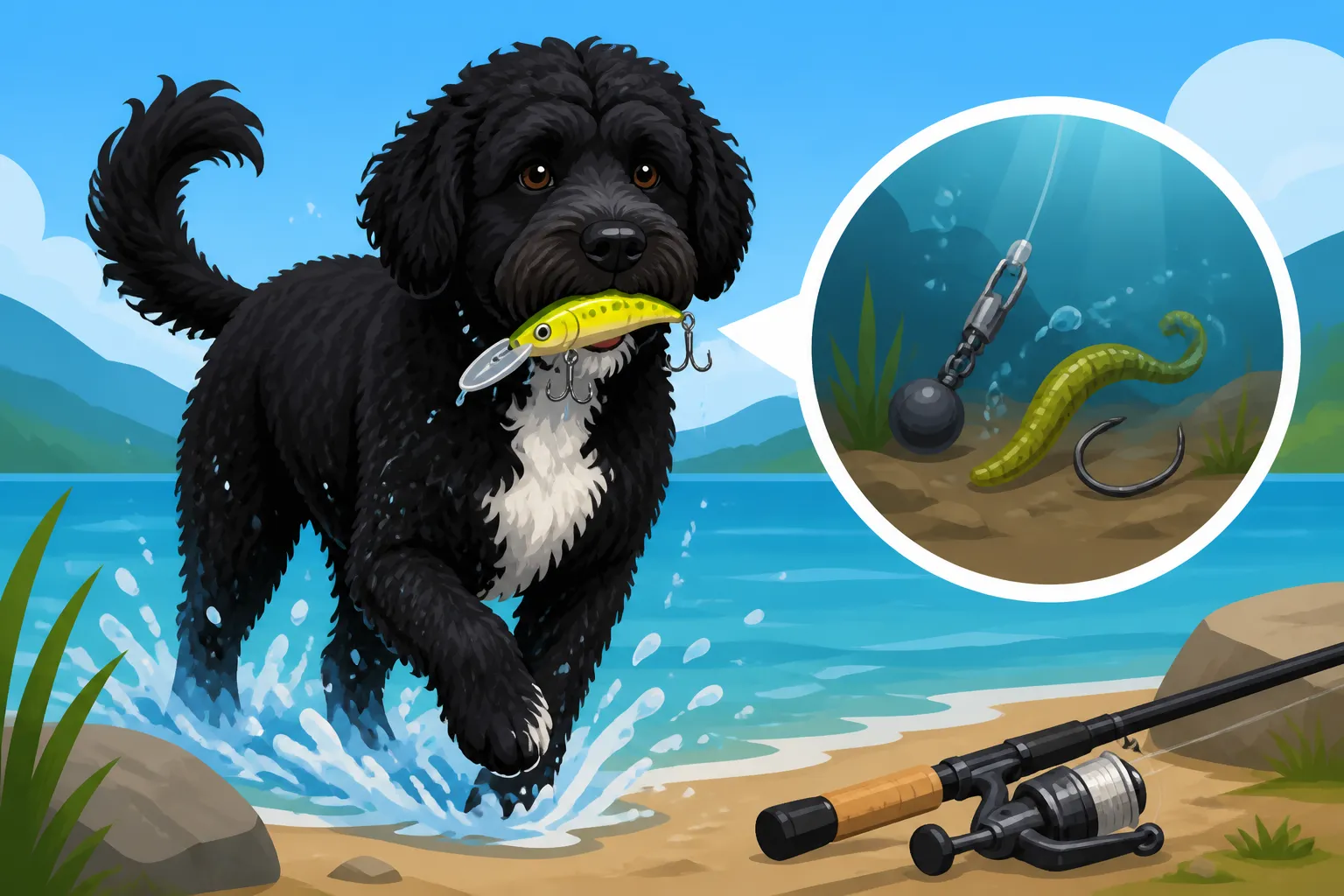
One common romanticized image of the Portuguese Water Dog is of a seafaring companion, a furry first mate diligently working alongside their human partners. But beyond herding fish and delivering messages, many wonder if these capable dogs were also tasked with something as practical as retrieving lost fishing tackle. It’s a compelling question that speaks to their intelligence and utility, and we’re going to dive deep into the historical context and innate abilities that answer whether your Portuguese Water Dog’s ancestors truly snagged dropped gear from the depths.
Delving into the Historical Role of the Portuguese Water Dog on Fishing Boats
To understand if a Portuguese Water Dog retrieved lost tackle, we first need to cast our minds back to the fishing fleets of the Algarve coast in Portugal. These weren't pleasure cruises; these were working boats, often small and rugged, with fishermen who relied on their dogs as integral members of the crew. The Portuguese Water Dog, or Cão de Água Português, was bred for its incredible versatility in and around water.
Their primary duties were diverse and absolutely critical to the success, and sometimes survival, of the fishing enterprise. They were known for herding fish into nets, a truly remarkable feat of aquatic canine coordination. Imagine a dog swimming in vast open water, using its body and movements to guide schooling fish towards the waiting nets – it required immense focus, stamina, and an intuitive understanding of its handler's signals. They also served as reliable couriers, swimming between boats or from boat to shore with messages, often tucked into a special container attached to their collar. The ocean could be a lonely and treacherous place, and these dogs provided a vital link (see Whether a Portuguese Water Dog Carried Messages Between Boats).
In this harsh environment, every piece of equipment was valuable. "Tackle" in the historical context wasn't the lightweight, specialized gear we often think of today. We're talking about heavy nets, thick ropes, wooden buoys, perhaps gaffs, or even fish that had slipped from the grasp of a fisherman. Losing such items could mean significant financial loss, wasted time, or even a danger to the crew if, for example, a critical rope was lost overboard in rough seas. Given their role as all-around aquatic assistants, it stands to reason that if something important went into the water, and the dog could get it, they would. Their inherent drive to retrieve, combined with their strong bond with their human partners, would have made them invaluable in such situations. The fishermen weren't just asking them to fetch a stick; they were asking them to retrieve tools that put food on the table and ensured safety.
What Kind of "Tackle" Was on the Boats?
When we think of fishing tackle today, we might envision lightweight carbon fiber rods, intricate reels, and small, shiny lures. But the historical context for the Portuguese Water Dog's working life paints a very different picture. The fishing boats of old were utilitarian vessels, and their gear was robust and functional.
Nets were paramount, and these were heavy, often hand-knitted affairs made of thick natural fibers. Ropes were equally important, used for mooring, hoisting sails (if applicable), and managing fishing lines. Buoys, usually made of cork or wood, marked nets or lobster pots. Then there were simpler tools: wooden gaffs for landing fish, baskets for holding the catch, and perhaps even individual fish that had been caught but then slipped back into the sea before being properly secured. All of these items were crucial, and losing any of them could be a significant setback. A Portuguese Water Dog's ability to swim out, grasp a floating object – even a heavy one – and bring it back to the boat would have been a prized skill. The sheer physical effort involved would be substantial, highlighting the dog's strength and determination.
Why Retrieval Was a Natural Extension of Their Duties
The Portuguese Water Dog's entire existence revolved around assisting fishermen in the water. This wasn't a breed for simply sitting by the shore; their webbed feet, robust bodies, and dense, water-resistant coats were specifically designed for aquatic work. Their high intelligence meant they could understand complex commands and even anticipate their handler's needs. How a Portuguese Water Dog Was Bred to Work a Boat, Not a Yard
Retrieval was not just a trick; it was a fundamental part of their utility. If a net snagged or broke, a dog might be sent to help pull it free. If a fish was lost, they were there to recover it. This deep-seated instinct to fetch and bring back, combined with their incredible swimming prowess, made them perfect for recovering objects that went overboard. It wasn't about formal "retrieval trials" as we have today, but about practical, real-world application in a demanding environment. Every act of retrieval, whether it was a small piece of equipment or a struggling fish, contributed directly to the livelihood of the fishing crew. They were problem-solvers on four legs, and losing valuable gear was a problem they were uniquely equipped to help solve.
The Physical and Innate Abilities That Make a PWD a Natural Retriever
It's one thing to have a job description that includes "retrieval," but it's another to possess the physical and mental attributes to excel at it. The Portuguese Water Dog is a masterclass in canine aquatic engineering, perfectly built for water work and, by extension, retrieving. Their entire anatomical design, coupled with their innate temperament, screams "water dog."
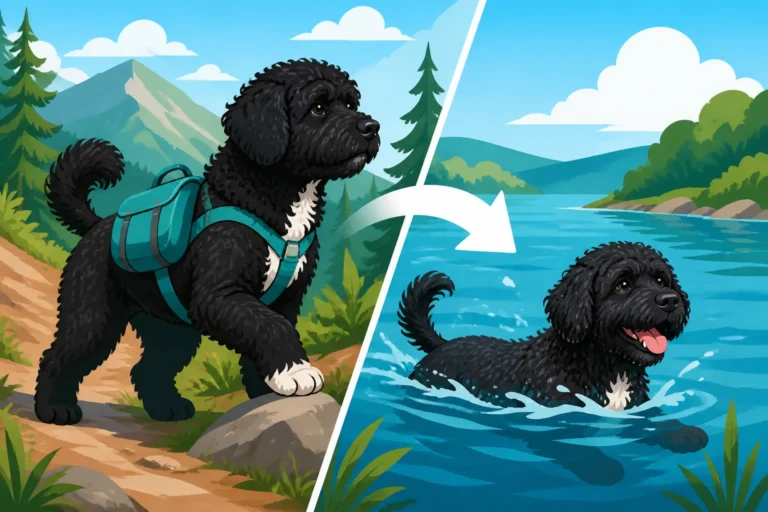
Their unique, single coat, whether curly or wavy, is a marvel. It's dense and virtually waterproof, protecting them from the cold Atlantic waters and helping them retain body heat. This coat doesn't just keep them warm; it acts like a natural wetsuit, allowing them to stay in the water for extended periods without succumbing to hypothermia. Imagine diving into frigid waters for a lost item – their coat was their essential gear. Why a Portuguese Water Dog Has a Single Coat Then there are those distinctive webbed feet. These aren't just for show; they act like powerful flippers, providing incredible propulsion and maneuverability in the water. This extra surface area helps them paddle with remarkable efficiency, making them incredibly strong and agile swimmers. Why a Portuguese Water Dog Has Webbed Feet They can navigate currents, dive, and surface with ease, making them ideal candidates for fetching anything that drifts away. Their powerful tail, often described as a rudder, helps them steer and balance, particularly useful when navigating waves or turning quickly in pursuit of a floating object. Why a Portuguese Water Dog's Tail Works as a Rudder
Beyond the physical, their mental make-up is equally important. They are intelligent, eager to please (most of the time!), and possess a strong work ethic. This breed thrives on having a job, on engaging their minds and bodies. The act of retrieving provides that perfect outlet.
Webbed Feet and Water-Resistant Coat: Nature's Design for Retrieval
Let's talk about those feet! The Portuguese Water Dog's prominent webbing between their toes is not a mere aesthetic quirk; it's a testament to their purpose. These robust, webbed paws are a significant advantage in the water, transforming their feet into powerful paddles. When they kick, they push more water than a non-webbed foot, propelling them forward with exceptional speed and stamina. This is crucial for reaching a distant object or battling against a strong current. Imagine a valuable piece of fishing gear drifting rapidly away from the boat – a PWD's webbed feet would give them the best chance of catching up to it.
Their coat, whether the tight curl or the looser wave, is designed to repel water and provide insulation. It's not a double coat that sheds excessively; rather, it's a single layer of hair that acts as a protective barrier. When they emerge from the water, a quick shake often leaves them remarkably dry, preventing them from becoming waterlogged or chilled, which would be detrimental to their ability to continue working. This efficient design means they can enter and exit the water repeatedly, retrieve an item, and be ready for the next task without significant downtime. This combination of powerful propulsion and practical insulation made them the ultimate water-borne retrieval specialists.
The Instinctive Drive to Fetch and Problem Solve
Beyond their physical adaptations, the Portuguese Water Dog possesses an inherent drive to retrieve and problem-solve. This isn't just about a love for chasing a ball; it's a deep-seated behavioral trait that stems from their working heritage. These dogs were bred to actively participate in the fishing process, which often involved bringing things back to the fishermen.
This strong retrieve drive, coupled with their intelligence, means they are often incredibly motivated by interactive tasks. They don't just wait for commands; they are often thinking ahead, trying to figure out what you want them to do. If an object falls into the water, their natural inclination is often to go after it. They have an excellent memory and can learn complex sequences of commands, which would have been invaluable for understanding precisely what needed to be retrieved and from where. Training a Portuguese Water Dog That Was Bred to Think for Itself This ability to think independently while still remaining biddable is a hallmark of the breed and directly contributed to their effectiveness as tackle retrievers. They weren't just following orders blindly; they were actively engaging their minds to complete the task. This makes them fantastic partners in modern sports like dock diving or water trials, where problem-solving and retrieval are key components. Which Other Sports Suit a Portuguese Water Dog
From Fishing Boats to Modern Homes: Translating Retrieval Instincts Today
While the days of actively retrieving lost fishing tackle from an Iberian fishing boat might be behind them, the strong retrieval instincts and physical prowess of the Portuguese Water Dog are very much alive and well in modern pets. Today, this drive is channelled into various fun activities, from dock diving to competitive obedience, or simply enjoying a good game of fetch at the lake. For many PWD owners, seeing their dog joyfully plunge into water to retrieve a toy is a direct connection to their ancestors' working past.
It's important to remember that while the instinct is there, modern PWDs still benefit immensely from structured training to hone their natural abilities. A well-trained retrieve isn't just about throwing a ball; it involves focus, a reliable "out" command, and often, the ability to work in distracting environments. Many owners are amazed at how quickly their PWD picks up water-based games, often showing an uncanny natural talent from a young age. This innate love for water and retrieving is one of the most endearing and characteristic traits of the breed, a living legacy of their seafaring heritage. Whether a Portuguese Water Dog Still Retrieves
Water Sports and Fetch: Modern Manifestations of the Retrieve Drive
Today's Portuguese Water Dogs might not be recovering expensive fishing nets, but they are certainly excelling in modern water sports that tap into those very same instincts. Dock diving, for example, is a fantastic way to engage a PWD's love for launching into the water and retrieving. These dogs take to it like, well, like a fish to water! The thrill of the chase, the splash, and the triumphant return with a toy is incredibly fulfilling for them. Dock Diving and Water Trials With a Portuguese Water Dog
Similarly, various water trials and retrieving sports cater specifically to breeds like the PWD. These activities often involve retrieving dummies or other objects from open water, sometimes with added complexities like working from a boat or navigating obstacles. These controlled environments allow PWDs to utilize their innate talents, stamina, and intelligence in a way that is both safe and immensely enjoyable for them and their owners. Even a simple game of fetch in a local pond or lake can be a powerful expression of this historical drive. My own PWD, Finn, will play fetch for hours, running down the bank, leaping into the water, and bringing his soggy toy back, practically begging for another throw. This sustained enthusiasm is a clear link to their ancestors' tireless work ethic.
| Historical Retrieval Task | Modern Activity Utilizing Similar Skills | Key Skill Demonstrated |
|---|---|---|
| Retrieving lost nets | Water trials (blind retrieves, working from boat) | Problem-solving, endurance, focus |
| Fetching dropped fish | Dock diving (long distance retrieves) | Speed, powerful swimming, eagerness |
| Carrying ropes between boats | Advanced obedience (distance retrieving) | Biddability, memory, focus on task |
| General "overboard" recovery | Lake/river fetch, swimming for toys | Natural water affinity, strength, drive |
Training Your Portuguese Water Dog for a Reliable Retrieve
While Portuguese Water Dogs have a natural inclination for retrieval, a truly reliable retrieve, especially for specific items or under varied conditions, requires consistent training. It's not enough to just throw a ball; you want your dog to understand the command, fetch the item, and bring it back willingly to hand.
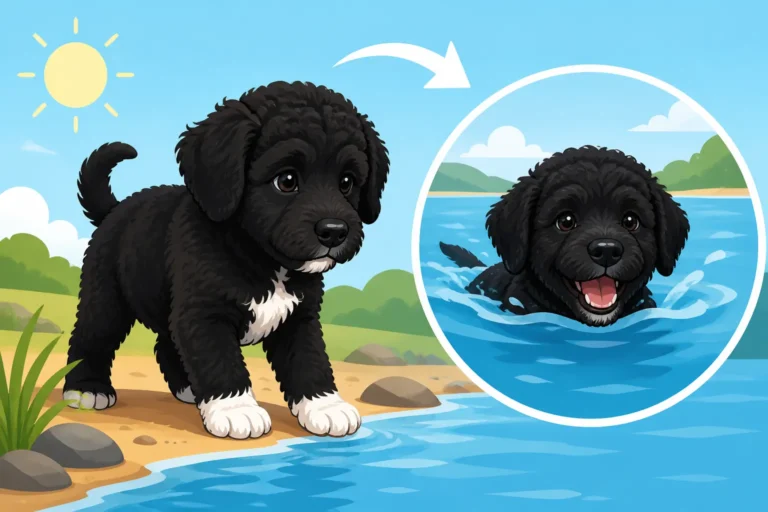
Starting young is always best. Puppy classes or online programs, like those offered by BAXTER & Bella, can lay the foundation for a strong retrieve by teaching basic obedience and building a strong working relationship. Begin in a calm, distraction-free environment, encouraging your puppy to pick up a toy and bring it to you. Use positive reinforcement – lots of praise, maybe a small treat. As they progress, introduce different objects and increase the distance. For water retrieves, start in shallow, calm water where they feel comfortable. Build confidence slowly, never forcing them. Teaching a Portuguese Water Dog Puppy to Enter Water
One key aspect is teaching a solid "drop it" or "give" command so your PWD doesn't play keep-away. This ensures that the retrieved item is promptly delivered. Remember, Portuguese Water Dogs are intelligent and can get bored with repetition, so keep training sessions fun, varied, and relatively short. Use toys they genuinely love, like a durable floating retrieve toy you can find easily on Amazon, to maintain their enthusiasm. Their high intelligence means they can figure out new games quickly, but also that they might improvise if they don't understand what you want. Training a Portuguese Water Dog That Was Bred to Think for Itself Consistency, patience, and making it a positive experience will ensure your PWD develops a magnificent retrieve, worthy of their heritage.
Real-World Expectations for Your Portuguese Water Dog's Retrieval Skills
It's wonderful to connect your modern Portuguese Water Dog to their ancestors' noble past of retrieving tackle. Many PWDs today demonstrate an incredible aptitude and enthusiasm for fetching, whether it's a favorite floating toy, a frisbee, or even the mail from the driveway. However, it's also important to set realistic expectations. While the instinct for retrieval is incredibly strong in the breed, it doesn't automatically mean every PWD will be a master retriever without any effort on your part.
Just like people, individual dogs have different levels of drive and talent. Some PWDs are born fetch addicts, eager to retrieve anything that moves, while others might prefer a good game of tug or a long swim without an object. Environmental factors and early experiences also play a huge role. A puppy that's introduced to water and retrieving games early in a positive way is more likely to develop a strong retrieve than one that hasn't had those opportunities. Moreover, the "tackle" they retrieve today is vastly different from a heavy, sodden fishing net. Understanding these nuances will help you appreciate your dog's unique abilities and work with them to develop their natural talents in a way that's enjoyable for both of you.
Not Every PWD Is a Born Fetch Addict
While the breed as a whole possesses a strong retrieve drive, it's a common misconception that every single Portuguese Water Dog will be an enthusiastic, tireless fetch machine right out of the gate. Just like people, dogs have individual personalities and preferences. You might encounter a PWD who loves to chase the ball but has absolutely no interest in bringing it back to you. They might prefer to drop it a few feet away, or even guard it, waiting for you to come get it.
Other PWDs might have a strong prey drive but channel it into other activities, like scent work or agility, rather than retrieving. Some may love water but prefer to just swim and splash without a toy in their mouth. It's important not to get discouraged if your PWD isn't immediately performing like a seasoned retriever from a movie. Instead, observe what does motivate them. Do they prefer a specific type of toy? Are they more enthusiastic if you run with them? Do they respond better to praise or a small treat for a successful retrieve? Understanding their individual preferences is key to fostering their retrieval skills, or finding other activities that they love equally. Remember, the goal is to have fun and build a bond, not to force them into a mold.
Honing the Instinct for Modern "Retrieval" Challenges
Even with a strong natural inclination, turning that instinct into a reliable, consistent retrieve for modern "challenges" takes work. Think about it: a Portuguese Water Dog on a fishing boat was retrieving items for their survival and livelihood, in a familiar environment with a clear, critical purpose. Your PWD might be asked to retrieve a specific toy from a pile, bring a shoe back from another room, or perform a complex retrieve during a water trial where the object isn't even visible. These require more than just instinct; they require training and understanding.
Modern retrieval challenges often involve elements like distance, distractions, specific commands (like "fetch the blue ball"), and a clean delivery to hand. For instance, in competitive water work, a PWD might need to perform a "blind retrieve" where they're directed by hand signals to an object they haven't seen fall. This is a far cry from simply splashing after a floating fish. Tools like a long training leash, a clicker, and a variety of appealing retrieve objects can be invaluable. Consistency is key, breaking down complex retrieves into smaller, achievable steps. Enrolling in a good online training program or working with a local trainer can provide the structure and guidance needed to develop your PWD's natural talents to their fullest potential, ensuring they can tackle any modern "lost tackle" scenario with confidence and joy. What a Portuguese Water Dog Needs Every Day
Disclaimer
This article is for general informational purposes only and does not constitute professional advice. Laws, prices and regulations vary by location and change over time. Consult a qualified professional for guidance on your specific situation.