What a Portuguese Water Dog’s Ear Infection Costs to Treat
Few things are as frustrating for a Portuguese Water Dog owner as the constant head shaking and pawing at an ear, a clear sign that another ear infection might be brewing. Given our beloved PWDs' inherent love for all things wet and wonderful, ear troubles can feel like an almost inevitable, and frankly, expensive, part of their lives. This guide will walk you through the various costs associated with diagnosing, treating, and managing ear infections in your Portuguese Water Dog, helping you understand where your money goes and how to potentially mitigate future expenses.
Understanding Why Portuguese Water Dogs Get Ear Infections So Often
It’s easy to feel like your Portuguese Water Dog is just prone to ear infections, and while that's partly true for the breed, it's not because they're inherently "unhealthy" in that regard. Their unique characteristics and zest for life often put them right in the path of these annoying, painful issues.
The Anatomy and Lifestyle Factors at Play
Portuguese Water Dogs possess those adorable, floppy drop ears that hang close to their head. While charming, this ear conformation creates a warm, dark, and often humid environment deep within the ear canal. For many breeds, this alone can be a recipe for trouble. But add to that the PWD’s dense, water-repellent coat, which can trap even more moisture around the ear opening, and you’ve got an ideal breeding ground for yeast and bacteria.
Beyond anatomy, their lifestyle is a huge factor. These dogs were bred to work in the water, and their instincts call them to lakes, rivers, ponds, and even kiddie pools. Why a Swimming Dog Gets Ear Infections becomes abundantly clear when you consider how much time they might spend with water in their ears. Even a diligent owner who dries the outer ear might miss residual moisture deep within the canal. This consistent dampness, combined with the lack of airflow, means those tiny microorganisms that live harmlessly on skin can suddenly flourish, leading to an infection that causes pain, itching, and a distinctive odor. It's not a flaw in their character; it's simply a consequence of their design and their joy for life.
Initial Signs and When to Seek Veterinary Care
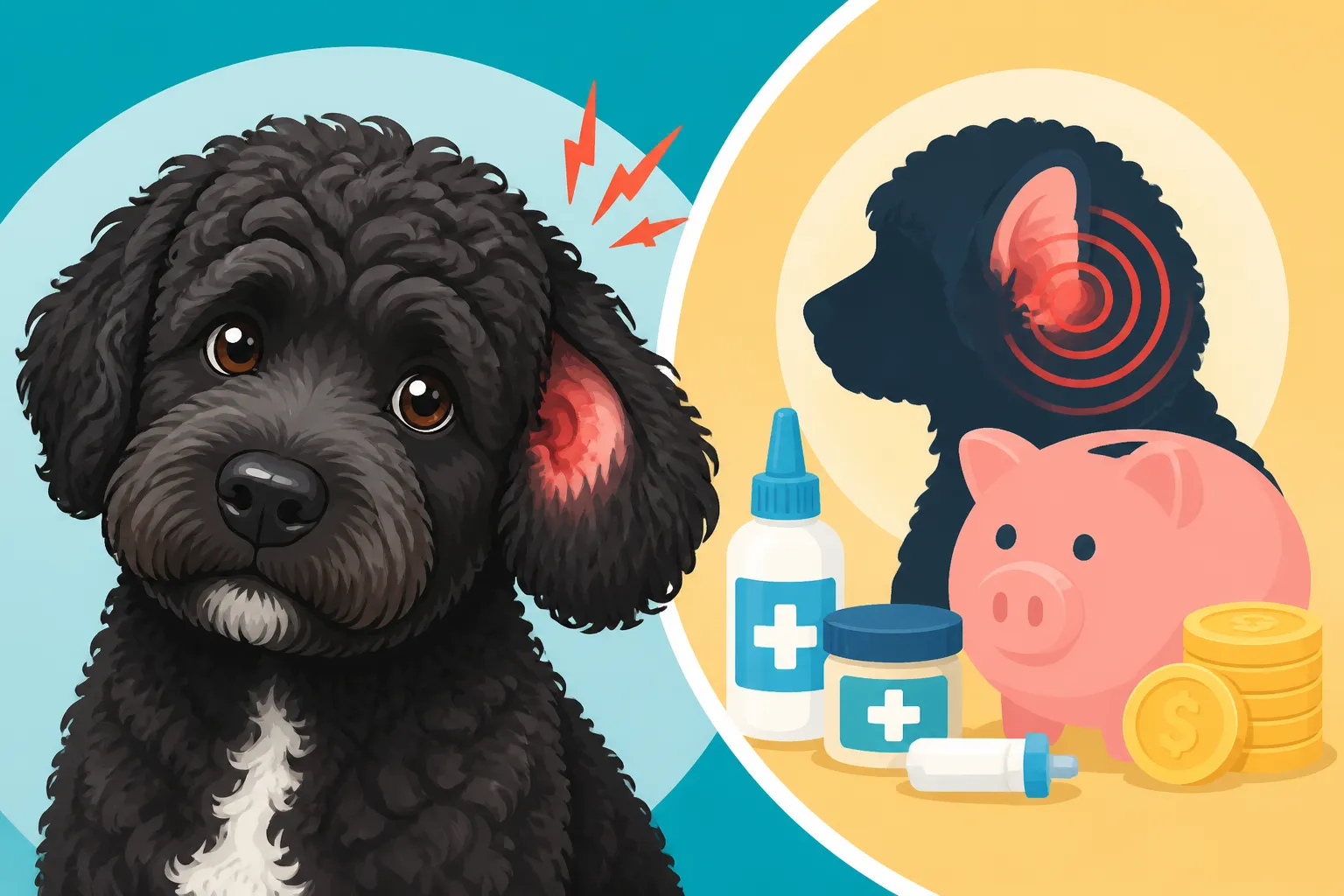
Recognizing the early signs of an ear infection is absolutely crucial, not just for your dog's comfort, but for your wallet too. If you notice your Portuguese Water Dog shaking its head more than usual, scratching at its ears with a paw, rubbing its head on the carpet, or if you detect a foul odor coming from the ear, these are all red flags. You might also see redness, swelling, or discharge, ranging from waxy to pus-like, in the ear canal. Sometimes, they might cry out when the ear is touched, indicating significant pain.
The biggest mistake an owner can make is to wait, hoping it will just "go away." An ear infection left untreated will almost always get worse. What starts as a relatively simple, superficial infection can quickly delve deeper into the ear canal, causing more inflammation, severe pain, and potentially leading to more complex, costly treatments. Delaying care can mean the difference between a few days of ear drops and weeks of medication, multiple vet visits, or even the need for sedation to properly clean and examine a severely painful ear. Getting in to see the vet at the first sign of trouble can truly save you a significant amount of money and prevent prolonged suffering for your PWD.
The Initial Veterinary Visit: Diagnosis and First Steps
When you suspect an ear infection, your first stop is always your veterinarian. They have the tools and expertise to properly diagnose the issue and get your beloved PWD on the path to recovery.
The Examination and Diagnostic Tests
During the initial visit, your vet will perform a thorough examination, which always includes a close look at the affected ear. They’ll use an otoscope, a special instrument with a light and magnifying lens, to peer deep into the ear canal. This helps them assess the severity of the inflammation, look for foreign bodies, polyps, or tumors, and check the integrity of the eardrum. It’s an essential first step, giving them a visual roadmap of what’s going on.
Following the visual exam, one of the most important diagnostic steps is an ear cytology. This involves taking a swab of the discharge from deep within the ear and examining it under a microscope. This simple test is incredibly powerful because it quickly reveals what type of infection your Portuguese Water Dog is battling – whether it’s yeast, bacteria (and often what kind of bacteria), ear mites, or a combination. The cost of this test is generally quite reasonable, especially considering the vital information it provides. Knowing the culprit allows the vet to prescribe the most effective medication right from the start, avoiding guesswork and potentially ineffective treatments. In cases of severe pain or a very swollen ear, your vet might recommend light sedation to ensure a proper, pain-free examination and cleaning.
Common First-Line Treatments
Once the cause is identified, your vet will usually start with a multi-pronged approach. First, the ear often needs a good cleaning. Sometimes, this is done in the clinic, especially if there's a lot of debris or if the ear is painful and needs a deeper flush. They might use a medicated ear cleaner specifically designed to break down wax and soothe irritation. For continued care at home, they'll likely prescribe an ear cleaning solution and show you how to use it gently and effectively. What to Clean a Portuguese Water Dog's Ears With is an important question to ask your vet, as using the wrong product can make things worse.
The cornerstone of treatment, however, will be ear medication. Depending on the cytology results, this will typically be a topical ear drop containing an antibiotic, an antifungal, and often an anti-inflammatory to reduce swelling and pain. For very severe bacterial infections, or if the infection has spread beyond the ear canal, oral antibiotics might be prescribed in addition to drops. The vet will explain the dosing schedule, which usually involves applying drops once or twice a day for a period of one to three weeks. It’s vital to complete the entire course of medication, even if your dog seems better after a few days, to prevent a relapse and the development of resistant organisms. While costs vary, you can expect to pay for the initial exam, cytology, and a bottle or two of ear medication, which represents the primary cost of a straightforward ear infection.
When an Ear Infection Becomes a Chronic Problem: Escalating Costs
Sometimes, despite your best efforts and initial treatment, ear infections in your Portuguese Water Dog just keep coming back. This isn't just frustrating; it can quickly become significantly more expensive and emotionally draining.
The Challenge of Recurrent Infections
For many Portuguese Water Dog owners, the cycle of ear infection, treatment, a brief period of relief, and then another infection becomes all too familiar. Why a Portuguese Water Dog's Ear Bills Repeat can be due to a variety of underlying factors that weren't fully addressed during the initial, acute infection. It's rarely a sign of poor care on your part, but rather an indication that there's a deeper issue at play that needs to be uncovered.
Common culprits for chronic ear problems include environmental allergies (like pollen or dust mites), food allergies, or even anatomical predispositions that make the ear canal exceptionally narrow or moist. Sometimes, the initial infection might have been so severe that it caused permanent changes in the ear canal tissue, making it more susceptible to future flare-ups. The frustration mounts when you've invested time, effort, and money into treatment, only to see the symptoms return. This often means that the "simple" ear infection has transitioned into a chronic condition, requiring a more comprehensive and often more expensive diagnostic and treatment plan.
Advanced Diagnostics and Treatments for Chronic Cases
When ear infections become recurrent or persistent, your vet may suggest a referral to a veterinary dermatologist. These specialists are experts in skin and ear conditions and have access to more advanced diagnostic tools and treatments. They might recommend more in-depth diagnostics, such as biopsies of the ear canal lining to look for underlying inflammatory conditions or even tumors. Allergy testing is a common next step. This could involve an elimination diet trial using novel proteins or hydrolyzed protein diets (which can be sourced from specialty pet retailers like Chewy or Ollie) to rule out food allergies, or blood tests and intradermal skin testing to identify environmental allergens. These tests themselves carry a higher price tag than a simple cytology.
Treatment for chronic cases often involves more specialized and potent medications. This might include long-term oral antifungals, systemic antibiotics chosen based on bacterial culture and sensitivity testing (a more expensive test than cytology), or even long-acting injectable medications to manage inflammation or allergies. The dermatologist might also perform a deep ear flush under general anesthesia to thoroughly clean out the ear canal, especially if there’s a lot of debris or foreign material. While these treatments aim for a more lasting solution, they inevitably increase the overall cost compared to episodic treatments. Ongoing management might include regular follow-up visits, specialized ear cleaners, and potentially daily or weekly medications to keep flare-ups at bay.
Surgical Intervention as a Last Resort
In the most severe and chronic cases, particularly when medical management has failed, the ear canal is irreparably damaged, or if there's significant pain or a mass present, surgical intervention might be recommended. The most common procedure for chronic ear disease in dogs is a Total Ear Canal Ablation (TECA) with a Bulla Osteotomy. This is a significant surgery where the entire diseased ear canal is removed, and the middle ear cavity is opened and cleaned.
The goals of a TECA are to completely remove the source of the chronic infection, eliminate pain, and prevent future recurrences. While effective, this is a major procedure that requires a specialist veterinary surgeon, carries substantial risks (including facial nerve paralysis), and involves a lengthy recovery period. Naturally, the cost of a TECA is considerably higher than any medical treatment. It’s important to understand that this is a last resort, but for dogs suffering from debilitating, painful, and untreatable ear infections, it can dramatically improve their quality of life. This option truly represents the peak of ear infection treatment costs.
Managing and Preventing Future Ear Infection Costs
While some ear infections are unavoidable, especially with a water-loving Portuguese Water Dog, there are many proactive steps you can take to reduce the frequency and severity of these issues, ultimately saving you money and your dog discomfort.
Proactive Care and Regular Maintenance
The best offense is a good defense when it comes to Portuguese Water Dog ears. Make it a habit to check your dog's ears at least once a week, and definitely after every swim or bath. Look for redness, discharge, or any unusual odors. Early detection really is key! Have an appropriate ear cleaner on hand – ask your vet for recommendations on a gentle, drying formula that suits your dog. What to Clean a Portuguese Water Dog's Ears With is crucial, as some products can cause irritation.
After your Portuguese Water Dog enjoys a swim, whether it's in the ocean, a lake, or your backyard pool, make sure to thoroughly dry their ears. Use soft cotton balls or gauze to gently absorb moisture from the outer ear canal. Some owners even use an ear drying solution specifically designed to help evaporate water and maintain a healthy ear pH. What an ear drying solution (Whether an Ear Drying Solution Helps a Portuguese Water Dog) helps with is preventing that damp, warm environment that fungi and bacteria love. Additionally, regular grooming plays a role. Keeping the hair around the opening of the ear canal trimmed can improve air circulation and prevent moisture and debris from getting trapped. You might even discuss with your groomer Whether a Portuguese Water Dog's Ear Hair Should Be Removed from inside the canal, though this is a debated topic and should be discussed with your vet.
The Role of Diet and Allergy Management
It might seem counterintuitive, but what your Portuguese Water Dog eats can directly impact their ear health. Many chronic or recurrent ear infections are actually a symptom of underlying allergies, both food-related and environmental. If your vet suspects allergies, they might recommend a food trial with a limited ingredient or prescription hypoallergenic diet. These specialized foods can be more expensive than conventional kibble, but they are a crucial diagnostic and management tool. Retailers like Chewy and Ollie offer a range of these specialized diets, often with convenient delivery options.
Managing environmental allergies can also be critical. This might involve oral medications, topical treatments, or even allergy shots (immunotherapy) tailored to your dog's specific triggers. While these interventions add to your regular expenses, the cost of continuous ear infection treatments can quickly outstrip the cost of allergy management, especially if you consider the pain and discomfort your dog endures. Addressing the root cause of the ear infections is not just about symptom management; it's about holistic health and long-term financial savings.
Considering Pet Insurance
Let's face it, vet bills can be unpredictable and can escalate quickly, especially with chronic conditions like recurrent ear infections. This is where pet insurance can be a real lifeline. While policies generally don't cover pre-existing conditions, if you enroll your Portuguese Water Dog when they are young and healthy, before any ear issues arise, insurance can significantly offset the costs of future diagnostics, medications, and even potential surgeries for ear infections.
Companies like Healthy Paws offer comprehensive plans that can help cover a large percentage of unexpected vet bills, after your deductible is met. It's worth researching different providers and understanding their reimbursement rates, deductibles, and annual limits. What Insurance Covers on a Portuguese Water Dog can vary, so read the fine print. For example, some plans might not cover routine ear cleaning products, but they would cover the diagnostic tests, medications, and specialist visits for an active infection. Even if your dog develops a chronic condition like Addisons Disease, as many PWDs are prone to, Whether Insurance Covers a Portuguese Water Dog's Addisons can be a major factor in managing costs. Investing in a good pet insurance policy early on can provide immense peace of mind and protect your budget from the significant financial impact of chronic health issues.
Breakdown of Typical Ear Infection Treatment Costs (General Estimates)
To give you a clearer picture of where your money might go, here's a table outlining the common components of ear infection treatment and their typical cost shape. Remember, these are general estimates, and actual costs will vary widely based on your location, your specific veterinarian, and the severity of the infection.
| Cost Component | Initial/Acute Infection Cost Shape | Chronic/Recurrent Infection Cost Shape | Comments |
|---|---|---|---|
| Veterinary Examination | Moderate | Moderate (for each recheck) | Initial exam is crucial. Chronic cases require multiple recheck exams, which add up. |
| Ear Cytology | Low to Moderate | Low to Moderate (for each recheck) | Essential for identifying yeast, bacteria, or mites. Often repeated during rechecks to ensure treatment success. |
| Ear Cleaners (Prescription) | Low to Moderate | Low to Moderate (ongoing supply) | Used to clean and prep the ear for medication. Often prescribed for home maintenance. You might find some over-the-counter options for maintenance on sites like Chewy, but always vet-approved. |
| Ear Medications (Topical) | Moderate | Moderate to High (specialized) | Antibiotic/antifungal/anti-inflammatory drops. Chronic cases may need stronger, custom-compounded, or longer-acting medications. |
| Oral Medications | Moderate (if needed) | High (for extended use) | Antibiotics or anti-inflammatories for severe infections. Long-term oral antifungals or allergy meds for chronic issues are significantly more expensive. |
| Sedation/Anesthesia | Moderate (for painful exam/clean) | High (for deep cleaning/diagnostics) | Necessary if the ear is too painful to examine or for advanced procedures like deep flushing or biopsies. |
| Culture & Sensitivity | Moderate (if initial treatment fails) | Moderate | Identifies specific bacteria and what antibiotics will kill them. Used when initial treatment isn't working or in recurrent cases. |
| Allergy Testing | N/A | High (one-time or ongoing) | Food trials (cost of specialized food), blood tests, or intradermal skin testing. Can be a significant upfront investment but helps address root cause. |
| Specialist Consult (Derm) | N/A | High (per visit) | Referral to a veterinary dermatologist for complex or non-responsive cases. |
| Surgery (e.g., TECA) | N/A | Very High | A last resort for severe, chronic, irreversible ear disease. Involves extensive recovery and potentially follow-up care, making it the most expensive single intervention. |
| Pet Insurance Premiums | Ongoing (monthly) | Ongoing (monthly) | While not a direct treatment cost, it mitigates future expenses. What a Portuguese Water Dog Costs Per Month including insurance should be factored into your budget. |
Understanding these cost components can help you prepare for the financial reality of managing ear infections in your Portuguese Water Dog, whether it's a one-off issue or a recurring challenge. Being proactive, partnering with your vet, and considering pet insurance are your best strategies for keeping both your dog healthy and your budget in check.
Disclaimer
This article is for general informational purposes only and does not constitute professional advice. Laws, prices and regulations vary by location and change over time. Consult a qualified professional for guidance on your specific situation.