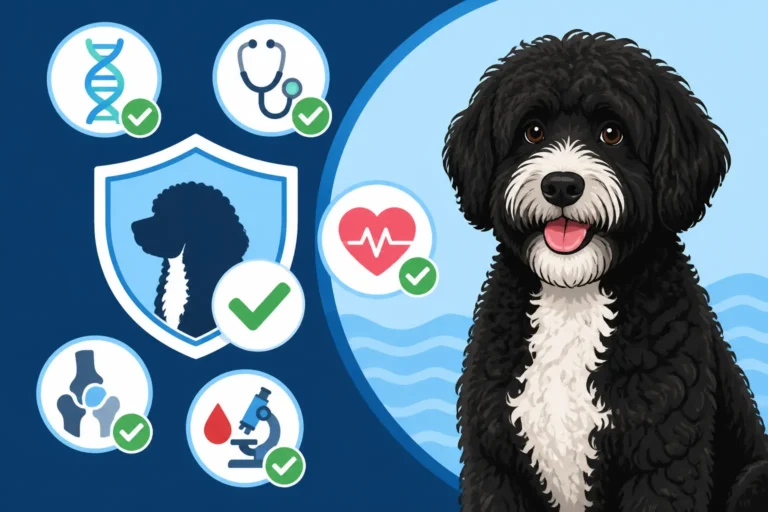
Whether a Portuguese Water Dog’s Breed Raises the Premium
One of the most common worries for anyone opening their home and heart to a Portuguese Water Dog, beyond the initial joy of finding the perfect puppy, is the inevitable question of ongoing costs. It's a pragmatic concern, and rightly so! Many prospective owners wonder if a breed as unique and as relatively rare as the PWD will come with an inflated price tag for essentials like pet insurance. It's a completely understandable thought, often leaving people wondering if they're signing up for a financial burden that's out of their control. This comprehensive guide will explore how your Portuguese Water Dog's breed can impact insurance premiums, delve into the other crucial factors that play a role, and offer insights into how you can effectively navigate these financial commitments to ensure your furry companion receives the best possible care throughout their life.
Why Your Portuguese Water Dog's Breed Can Influence Insurance Premiums
It's a question many ask: "Does my dog's breed really make a difference to what I pay for insurance?" The straightforward answer is yes, it absolutely can. Insurance isn't just a random number; it's a careful calculation based on a multitude of factors, and your dog's breed is a significant one. This isn't about discriminating against specific breeds, but rather about assessing the statistical likelihood of certain events occurring.
Actuarial Science and Canine Health Statistics
Insurance companies, whether for cars, homes, or pets, operate on the principles of actuarial science. This means they gather and analyze vast amounts of data to predict future risks and costs. For pets, this involves looking at comprehensive databases that track common health conditions across various breeds, average lifespans, and the typical expenses associated with diagnosing and treating those ailments. If the data shows that, on average, a particular breed tends to develop certain costly conditions more frequently, or if their average lifespan is shorter due to specific health issues that require extensive veterinary intervention, then that information will undoubtedly factor into the risk assessment. It's a cold, hard look at statistics, not a judgment on the individual dog you love.
So, while your Portuguese Water Dog might be the picture of health and vitality, the insurance provider is also looking at the collective experience of thousands of other PWDs. They're asking questions like: How often do PWDs get diagnosed with conditions requiring specialist care? What's the average cost of those treatments? How many dogs of this breed will likely have a major health event over their lifetime? These aren't easy questions, and the answers are used to create a baseline premium for the breed. It ensures that the collective contributions to the insurance pool are adequate to cover the anticipated claims.
Breed-Specific Predispositions and Their Costly Nature
Every dog breed, from the smallest chihuahua to the largest Great Dane, comes with its own unique genetic blueprint and, unfortunately, a set of predispositions to certain health issues. Our beloved Portuguese Water Dogs are no exception. While they are generally a robust and healthy breed, there are specific genetic conditions that have been identified within the breed over time. The Four DNA Tests Every Portuguese Water Dog Breeder Runs provides a detailed look at some of these conditions.
For example, conditions like Addison's Disease, which is relatively common in PWDs, often necessitate lifelong medication and regular veterinary check-ups to manage. These can accumulate into significant expenses over the dog's life, as detailed in Treating Addisons for the Rest of a Portuguese Water Dog's Life. Similarly, orthopedic issues like Hip Dysplasia or Elbow Dysplasia can afflict the breed, sometimes requiring complex and costly surgeries, rehabilitation, and ongoing pain management. Insurance providers take these known breed predispositions into account because they represent a higher statistical likelihood of expensive claims. It's important to remember that a predisposition doesn't mean your dog will get the condition, but the potential for it is part of the premium calculation. This is precisely why early enrollment in pet insurance can be so beneficial, before any potential health concerns manifest and become pre-existing conditions.
The Law of Averages and Risk Pools
At its core, pet insurance works by pooling resources. Many pet owners pay into a collective fund, and that fund is then used to cover the unexpected, often expensive, veterinary care needs of the few dogs who experience accidents or illnesses. When an insurance company assesses a breed like the Portuguese Water Dog, they're determining how much that breed, on average, is expected to draw from this collective pool.
Breeds that, statistically speaking, are more prone to conditions that require expensive, long-term, or specialized veterinary care might have a slightly higher contribution requirement to that pool. This isn't a penalty; it's a mechanism to ensure the sustainability of the insurance model. It helps guarantee that when a Portuguese Water Dog owner does need to file a claim for a significant health issue, the funds are there to provide the promised coverage. It reflects the overall risk profile of the breed, helping the insurer balance their obligations.
Common Health Concerns in Portuguese Water Dogs and Their Impact on Premiums
It’s an unfortunate reality that even the most carefully bred dogs can face health challenges. For Portuguese Water Dogs, there are a few conditions that are more prevalent in the breed, and understanding them helps shed light on why premiums might be structured the way they are.
Genetic Conditions and the Cost of Care
Portuguese Water Dogs, while generally known for their vigor, have a genetic history that includes a predisposition to several conditions that can be quite expensive to manage. We've touched on Addison's Disease, which is often called "the great pretender" because its symptoms can mimic so many other ailments, making diagnosis tricky and treatment lifelong. Addisons Disease Is Common in Portuguese Water Dogs delves into this further. Imagine the monthly cost of medication, plus regular bloodwork to monitor electrolyte levels – these add up significantly over a decade or more.
Then there are joint issues. Hips and Joints in a Portuguese Water Dog is a must-read for any PWD owner. Hip and Elbow Dysplasia can lead to debilitating pain and often require corrective surgeries, like total hip replacement, which can easily run into the tens of thousands of dollars per joint. Even with conservative management, the costs for pain medication, physical therapy, and joint supplements are substantial. Eye conditions, too, such as the two kinds of Progressive Retinal Atrophy (PRA) discussed in Two Kinds of Retinal Atrophy in a Portuguese Water Dog, while not always painful, can lead to blindness and require adjustments in care, or necessitate expensive specialist eye exams. Similarly, devastating conditions like Juvenile Dilated Cardiomyopathy Kills a Portuguese Water Dog Puppy Fast and GM1 Gangliosidosis and the Portuguese Water Dog Puppy That Never Reaches Six Months are rare today thanks to testing, but their historical presence contributed to the breed's risk profile. The potential for these kinds of major, unexpected costs is a primary driver of how premiums are calculated.
The Breeder's Role in Mitigating Risk
A truly reputable Portuguese Water Dog breeder takes their responsibility incredibly seriously, especially when it comes to health. They aren't just breeding for pretty faces or conformation titles; they are breeding for health, temperament, and longevity. This means they will conduct extensive health screenings on their breeding stock, going far beyond basic vet checks. What a Portuguese Water Dog Breeder Should Have Tested provides a comprehensive list of these crucial tests.
They'll run DNA tests for conditions like JDCM, GM1, and Improper Coat, and obtain certifications for hips, elbows, and eyes from organizations that objectively evaluate these health markers. By choosing a puppy from parents who have been rigorously tested and cleared of these genetic predispositions, you are making a significant investment in your individual dog's health. While insurance companies still factor in the breed's overall statistical risk, a history of health-tested lines can indirectly contribute to a healthier individual dog, potentially reducing the likelihood of future claims for those specific conditions. This diligence by breeders is a testament to their commitment to the breed's future and to the well-being of the puppies they place. It doesn't mean your premium will drop dramatically, but it gives you a much better starting point.
How Illnesses Are Treated and Why That's Reflected in Premiums
The landscape of veterinary medicine has evolved dramatically over the past few decades, offering incredible options for our pets that were once unimaginable. However, this advanced care, much like human medicine, comes with a significant price tag. Diagnosing a complex condition, for instance, might involve not just a routine blood panel but specialized hormone tests, ultrasound, X-rays, or even an MRI. Each of these diagnostic steps adds to the overall cost.
Once a diagnosis is made, treatment can range from long-term oral medications to intricate surgeries, chemotherapy, or even stem cell therapy. Post-operative care, rehabilitation, and specialist consultations further contribute to the accumulating bills. These are precisely the kinds of major, unexpected expenses that pet insurance is designed to cushion, preventing owners from having to make heartbreaking financial decisions during a crisis. Because Portuguese Water Dogs do have known predispositions to some of these high-cost conditions, the potential for these types of claims is naturally factored into the premium structure. Having a solid insurance plan, perhaps from a provider like Healthy Paws, means you can focus on getting your PWD the best possible care without simultaneously worrying about how you'll pay for it all.
Factors Beyond Breed That Affect Your Pet Insurance Premium
While your Portuguese Water Dog's breed plays a part, it’s far from the only element determining your pet insurance premium. In fact, several other crucial factors can have an even more direct and significant impact on what you pay each month. Understanding these can empower you to make informed decisions about your coverage.
Age of Enrollment and Location, Location, Location
One of the most critical factors influencing your pet insurance premium is the age at which you enroll your Portuguese Water Dog. It's almost always financially advantageous to enroll your puppy as young as possible. Why? Because younger dogs are generally healthier and less likely to have developed any pre-existing conditions. As a dog ages, the likelihood of health issues increases, and so do the premiums. If you wait until your PWD is 7 or 8 years old, not only will the premiums be significantly higher, but any conditions they've developed by that age will almost certainly be excluded as pre-existing, leaving you without coverage for those specific ailments. Early enrollment gives you the broadest coverage at the lowest possible rates over the long term.
Your geographical location is another major determinant, much like it is for human health insurance or even car insurance. Veterinary costs can vary dramatically from one region to another, reflecting differences in local overhead, labor costs, and the availability of specialist veterinary care. A veterinary practice in a bustling metropolitan area, for example, will likely have higher operating expenses – rent, salaries, utilities – than a clinic in a more rural setting. These cost variations are directly reflected in insurance premiums. If you live in an area with generally higher vet fees, your premiums will predictably be higher to account for the increased cost of potential claims. So, your zip code can be just as impactful as your dog's DNA when it comes to insurance costs.
Deductibles, Reimbursement Levels, and Annual Limits: Your Choices Matter
Unlike a fixed price for, say, a bag of dog food you might order from Chewy, pet insurance policies offer a good degree of customization that directly impacts your monthly premium. You, the owner, have significant control over these variables. The first is your deductible, which is the amount you pay out-of-pocket for eligible veterinary expenses before your insurance coverage begins to reimburse you. A higher deductible will typically result in a lower monthly premium, while choosing a lower deductible means you'll pay more each month but less at the time of a claim.
Next, there's the reimbursement level. This is the percentage of the eligible veterinary bill that the insurance company will pay after your deductible has been met. Common reimbursement levels are 70%, 80%, or 90%. Opting for a higher reimbursement percentage (e.g., 90%) means the insurer covers more, but your monthly premium will be higher. Conversely, choosing a lower reimbursement percentage will reduce your premium but increase your out-of-pocket costs at the time of a claim. Finally, annual limits dictate the maximum amount the insurance company will pay out in a policy year. Some policies offer unlimited annual payouts, while others have caps (e.g., $5,000, $10,000, $15,000). A policy with a higher or unlimited annual limit will generally have a higher premium but offers greater financial protection for catastrophic illnesses or multiple claims within a year. Balancing these three factors allows you to tailor a policy that fits both your budget and your risk tolerance.
Wellness Add-ons and Customizations
Many pet insurance providers offer optional wellness plans or riders that can be added to your core accident and illness policy. These add-ons are designed to help budget for routine and preventive care, such as annual veterinary exams, vaccinations, flea and tick prevention, and even dental cleanings. While these wellness plans can be incredibly useful for managing predictable veterinary expenses, it’s important to understand that they are separate from your accident and illness coverage and will add to your monthly premium. They are an elective choice, not typically factored into the core breed-specific risk calculation, but they certainly impact your total monthly outlay.
Beyond basic wellness, you might find other specialized riders or customization options depending on the provider. For instance, if you're heavily involved in competitive activities like Dock Diving and Water Trials With a Portuguese Water Dog, you might want to review policy exclusions carefully to ensure your active companion is fully covered for any sport-related injuries. These customizations allow you to fine-tune your policy to your specific needs and lifestyle, but each addition or alteration will naturally adjust the premium. It’s all about finding the right balance between comprehensive coverage and an affordable monthly payment, considering the entirety of What a Portuguese Water Dog Costs Over Its Lifetime.
Navigating Insurance Options for Your Portuguese Water Dog
Choosing the right pet insurance for your Portuguese Water Dog can feel overwhelming with all the options out there. However, with a clear understanding of what to look for, you can confidently select a plan that offers genuine peace of mind and financial security.
Shopping Around for the Best Fit
Just as you wouldn't buy the first car you test drove or the first house you viewed, it's vital to shop around when looking for pet insurance. Don't settle for the very first quote you receive. Most reputable insurance providers have user-friendly websites where you can get immediate, personalized quotes by simply inputting your Portuguese Water Dog's breed, age, and your residential zip code. Take the time to gather multiple quotes from different companies.
When comparing, look beyond just the monthly premium. Dive into the details: what are the deductible options, what reimbursement percentages are offered, and what are the annual or lifetime limits on payouts? Critically, obtain and read sample policies or summaries of coverage. Pay close attention to any listed exclusions, waiting periods (especially for orthopedic conditions), and how the company defines and handles "pre-existing conditions." Some policies might exclude specific hereditary conditions that are known in the PWD breed, so it's essential to be fully aware of these clauses upfront. This due diligence will help you avoid unwelcome surprises down the line and ensure you're getting the best value for your money for Whether a Portuguese Water Dog Is Expensive to Own.
Understanding What's Covered (and What Isn't)
Before signing on the dotted line, it's paramount that you have a crystal-clear understanding of what your chosen policy covers and, perhaps even more importantly, what it doesn't. Most comprehensive accident and illness plans typically cover a wide range of scenarios: accidents (like broken bones or ingestion of foreign objects), illnesses (from ear infections to cancer), emergency veterinary visits, specialist consultations, diagnostic tests (bloodwork, X-rays, ultrasounds), surgeries, hospitalization, and prescribed medications. This robust coverage is what makes pet insurance such a valuable asset.
However, almost all policies come with waiting periods – a specific amount of time after enrollment before certain coverages become active. For example, there might be a 14-day waiting period for illnesses and a 6-month waiting period for orthopedic conditions. Crucially, virtually all pet insurance policies do not cover pre-existing conditions. This means any illness or injury that your Portuguese Water Dog showed symptoms of, or was diagnosed with, before your policy's start date or during a waiting period, will be excluded from coverage. This is a critical reason why enrolling a young, healthy puppy is always recommended. Furthermore, some policies might have specific exclusions for certain hereditary or congenital conditions. As your PWD ages, some policies might also offer coverage for alternative therapies like acupuncture or chiropractic care, which can be beneficial for an aging dog, as discussed in Caring for an Aging Portuguese Water Dog. Always clarify these points with the insurer to ensure you're completely informed.
The Value Proposition of Pet Insurance
Ultimately, purchasing pet insurance for your Portuguese Water Dog isn't just another monthly bill; it's a strategic decision aimed at managing financial risk and ensuring you can always afford the best possible care for your beloved companion. While it's true that a Portuguese Water Dog's breed might lead to a slightly higher premium compared to a breed with fewer known health predispositions, the peace of mind it offers often far outweighs that added cost, especially when facing a serious illness or unexpected accident.
The agonizing prospect of having to choose between your dog's health and your financial stability is a burden no pet owner wants to bear. Insurance acts as a safety net, allowing you to make medical decisions based on what's best for your PWD, rather than what you can afford out of pocket in a crisis. Imagine the relief of knowing that a significant portion of a $10,000 emergency surgery is covered, allowing you to focus on your dog's recovery. While you might routinely budget for high-quality food, perhaps from a brand like Ollie, or purchase daily essentials from Chewy, these are predictable expenses. Pet insurance handles the unpredictable, often astronomical costs that can arise from a sudden illness or injury. For many Portuguese Water Dog owners, the value of that financial security is truly priceless.
| Factor | Impact on Premium | Explanation |
|---|---|---|
| Breed | Moderate to Significant | Breeds with known predispositions to expensive genetic conditions (like Addison's, hip/elbow dysplasia in PWDs) may have slightly higher base premiums due to statistical risk. |
| Age of Enrollment | Significant (Increases with age) | Younger dogs are less likely to have pre-existing conditions and are generally healthier, leading to lower premiums and broader coverage. |
| Geographic Location | Moderate | Veterinary costs vary by region; areas with higher vet fees will typically have higher premiums to cover potential claim costs. |
| Deductible | Significant (Inverse relationship) | Choosing a higher deductible (what you pay out-of-pocket before insurance kicks in) results in a lower monthly premium. |
| Reimbursement Level | Significant (Direct relationship) | A higher reimbursement percentage (e.g., 90% vs. 70%) means the insurer pays more, leading to a higher monthly premium. |
| Annual Limit | Moderate (Direct relationship) | Policies with higher or unlimited annual payout limits will have higher monthly premiums but offer greater financial protection for large claims. |
| Wellness Add-ons | Moderate (Optional, increases premium) | Electing for coverage of routine care (exams, vaccines, dental) adds to the monthly cost, as it's separate from accident/illness coverage. |
| Pre-existing Conditions | No Coverage (Not a premium factor, but a coverage exclusion) | Conditions diagnosed before policy enrollment or during waiting periods are typically not covered, regardless of the premium paid. This highlights the importance of early enrollment. |
Disclaimer
This article is for general informational purposes only and does not constitute professional advice. Laws, prices and regulations vary by location and change over time. Consult a qualified professional for guidance on your specific situation.