Whether an Ear Drying Solution Helps a Portuguese Water Dog
As a Portuguese Water Dog owner, you know the pure joy of watching your dog dive headfirst into the nearest body of water, whether it's a lake, a river, or even just a puddle after a good rain. But that joy often comes with a nagging worry: their ears. Those beautiful, floppy, densely coated ears are a magnet for moisture, leading to frequent ear infections that can be painful for your beloved companion and costly for your wallet. This guide is here to walk you through how ear drying solutions can be a true game-changer in managing your PWD's ear health.
The Unique Challenges of Portuguese Water Dog Ears
Let's be honest, the Portuguese Water Dog's ears are one of their most endearing features. They frame that intelligent face perfectly, and when they flap as your dog runs, it’s just adorable. But structurally, they're also a bit of a design flaw when it comes to keeping them dry. Understanding why their ears are so prone to problems is the first step toward effective prevention.
Why PWD Ears Are Prone to Moisture Trapping
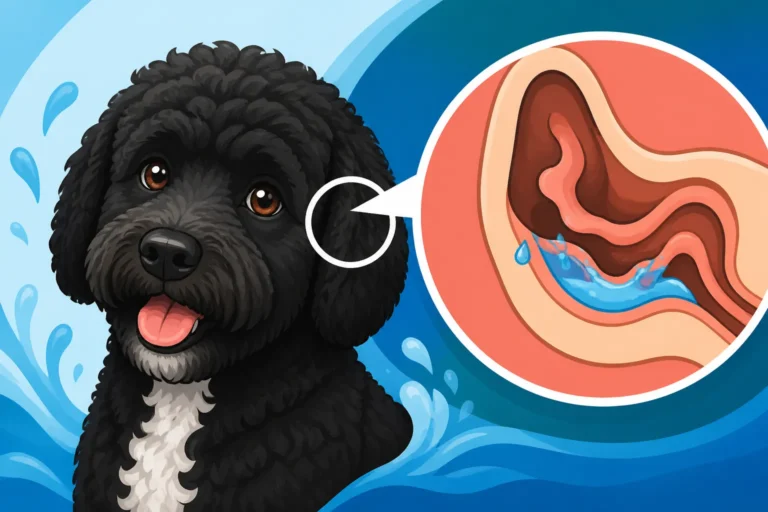
The fundamental issue lies in the anatomy of a Portuguese Water Dog's ear and the nature of their coat. Unlike dogs with prick ears that allow for ample airflow, PWDs have ears that hang down, effectively covering the ear canal. This creates a warm, dark, and enclosed space that is already predisposed to retaining warmth and humidity. Add to this their dense, curly or wavy coat – a hallmark of the breed – and you have a perfect recipe for moisture retention. Water doesn't just sit on the outer ear; it can wick its way down into the canal, clinging to the hairs and skin.
When your PWD takes a dip, which they are, of course, bred to do and absolutely adore, water quickly penetrates deep into the ear canal. This isn't just surface moisture; it gets trapped. Imagine trying to dry a dense wool sweater that's been soaked through – it takes a long time, and even then, pockets of dampness can remain. It's similar for a PWD's ears. That moisture lingers, creating a prime breeding ground for all sorts of unwelcome guests. This is why you'll often hear discussions about Why a Portuguese Water Dog's Ear Canal Traps Water among owners and breeders alike.
The Cycle of Wet Ears and Potential Problems
So, what happens when that moisture gets trapped? The natural balance of the ear canal is disrupted. The warm, damp environment is incredibly inviting for bacteria and yeast, which are naturally present in small numbers but can quickly overgrow when conditions are favorable. This overgrowth leads to inflammation, itching, and often a nasty odor – the tell-tale signs of an ear infection, or otitis externa.
Once an infection sets in, the cycle can be tough to break. The inflammation itself causes further swelling, narrowing the ear canal and making it even harder for moisture to escape and for medications to penetrate. Your dog might start shaking their head constantly, scratching at their ears, or holding their head at an unusual angle, all indications that something is seriously amiss. Ignoring these signs can lead to deeper, more painful infections, sometimes even affecting the middle or inner ear. It’s a frustrating scenario for both you and your dog, highlighting why understanding Signs a Portuguese Water Dog's Ear Is Infected is so crucial.
Understanding Ear Drying Solutions for Portuguese Water Dogs
Given the predisposition of Portuguese Water Dogs to ear issues, it's no wonder many owners turn to preventative measures like ear drying solutions. These aren't just fancy drops; they're specifically formulated to tackle the very problems that make PWD ears so vulnerable.
What Are Ear Drying Solutions and How Do They Work?
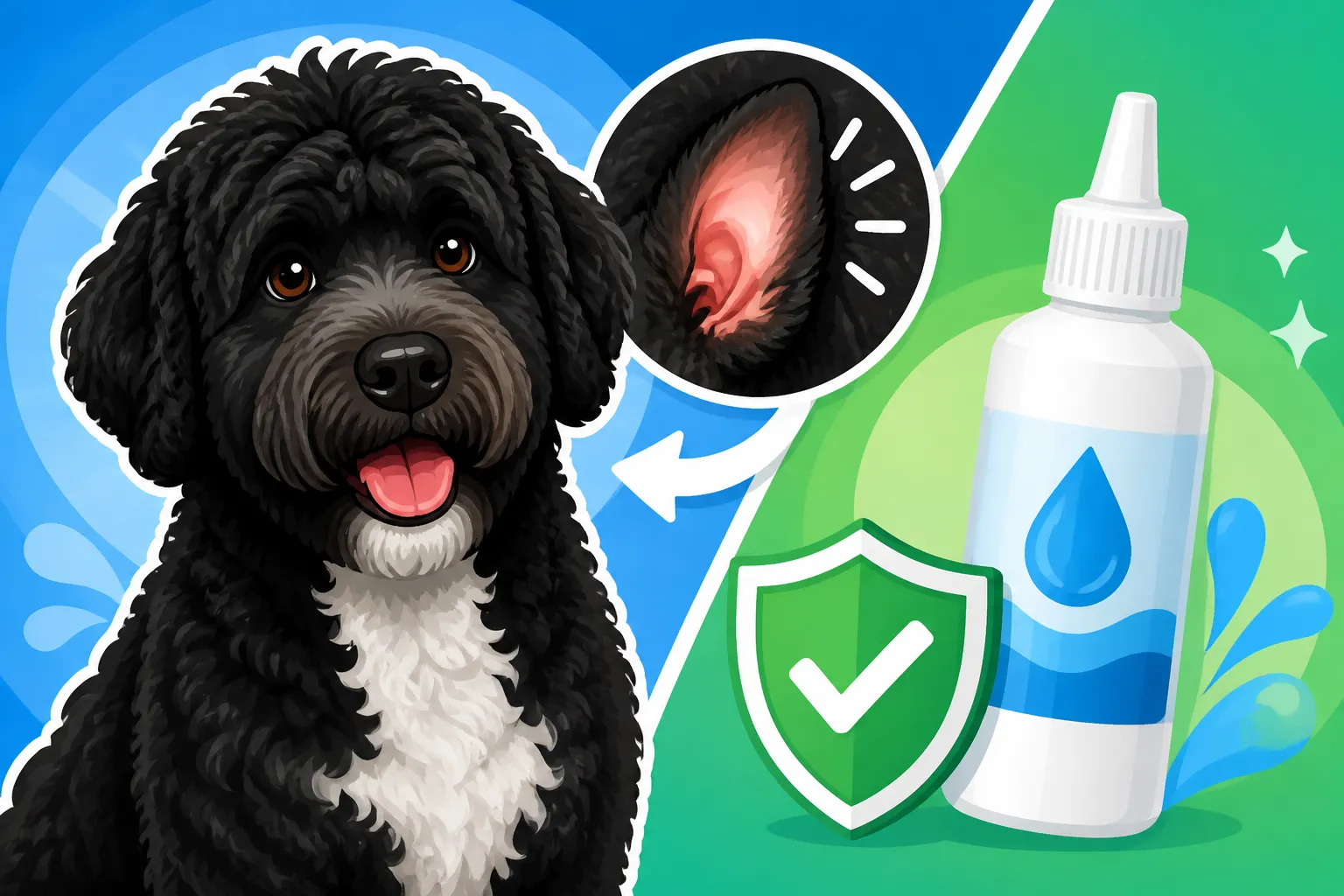
At their core, ear drying solutions are designed to quickly remove excess moisture from the ear canal after your dog has been swimming, bathed, or even just had a very humid day outside. They typically contain ingredients that help evaporate water, often with the added benefit of creating an environment less hospitable to bacterial and yeast growth. Common ingredients you might find include isopropyl alcohol, witch hazel, or gentle acids like boric acid or acetic acid (vinegar-based solutions).
The alcohol or witch hazel acts as an astringent, helping to dry out the tissue and promote evaporation of water. Boric acid and acetic acid work by lowering the pH of the ear canal. Bacteria and yeast prefer a more alkaline environment, so making the ear more acidic can inhibit their growth and prevent them from multiplying to infection-causing levels. Some solutions also contain aloe vera or other soothing agents to counteract any potential irritation from the drying ingredients. The goal is a clean, dry, and balanced ear canal, which is the best defense against those unwelcome infections that are so common in water-loving breeds.
Types of Ear Drying Solutions Available
The market offers a range of ear drying solutions, from those you can pick up at your local pet store or online to those specifically prescribed by your veterinarian. Over-the-counter options are generally designed for routine preventative care and typically feature milder formulations suitable for regular use. You can often find a good selection of these on sites like Chewy or Amazon, making it easy to keep a supply on hand. Many reputable brands offer solutions that are well-regarded by dog owners for their effectiveness and gentle nature.
On the other hand, if your PWD has a history of severe or recurring ear infections, your veterinarian might recommend a prescription-strength drying solution. These often contain additional ingredients, such as mild antiseptics, to provide an extra layer of protection. Some owners also experiment with natural remedies, like a very diluted white vinegar solution, but it's always best to consult your vet before introducing anything into your dog's ears, especially if they have any existing irritation. The key is finding a solution that works for your dog's specific needs and your lifestyle, keeping in mind that How Often a Portuguese Water Dog Gets an Ear Infection can vary widely from dog to dog.
| Solution Type | Primary Action | Common Ingredients | When to Consider |
|---|---|---|---|
| Alcohol-based Drying | Evaporates moisture quickly | Isopropyl Alcohol, Witch Hazel | After every swim/bath, good for active dogs |
| Acidifying Solutions | Lowers pH to inhibit microbial growth | Boric Acid, Acetic Acid (Vinegar) | Regular preventative use, especially for yeast |
| Soothing & Drying | Dries while minimizing irritation | Aloe Vera, Tea Tree Oil (diluted) | Dogs with sensitive ears, routine maintenance |
| Vet-Prescribed (stronger) | Combines drying with antiseptic/antibacterial | Specific medications, stronger acids | For recurring issues or post-infection prevention |
The Pros and Cons of Using Ear Drying Solutions
Deciding whether to incorporate an ear drying solution into your PWD's routine means weighing the benefits against any potential drawbacks. For many Portuguese Water Dog owners, the pros far outweigh the cons, especially when dealing with a dog that loves the water as much as ours do.
The Benefits: Prevention and Peace of Mind
The most significant benefit of using an ear drying solution is its role in preventative care. For a breed like the Portuguese Water Dog, whose very nature calls them to water, regular ear drying can drastically reduce the incidence of painful and persistent ear infections. By evaporating lingering moisture, these solutions effectively remove one of the primary triggers for bacterial and yeast overgrowth. This means fewer trips to the vet for ear infections, which not only saves you money (because let's be honest, What a Portuguese Water Dog's Ear Infection Costs to Treat can add up quickly) but also spares your dog discomfort and the stress of examinations and treatments.
Beyond the immediate health benefits, there's the invaluable peace of mind for you, the owner. You can enjoy watching your PWD frolic in the ocean, a lake, or even the backyard pool without immediately dreading the potential consequences for their ears. It becomes a routine, a quick and simple step after a swim, that significantly contributes to your dog's overall well-being. Knowing you're actively taking steps to protect their sensitive ears allows both of you to fully embrace their water-loving spirit. This proactive approach is a cornerstone of responsible PWD ownership, helping to ensure your dog lives a comfortable and healthy life.
Potential Drawbacks and Considerations
While ear drying solutions are incredibly beneficial, they aren't without their considerations. One potential drawback is the risk of irritation if the solution is used improperly or if your dog already has an existing ear issue. Applying an alcohol-based solution to an ear that is already inflamed or has broken skin can cause stinging and discomfort, making your dog even more resistant to future ear care. It's crucial to always check your dog's ears for redness, discharge, or tenderness before applying any solution.
Another point to consider is the potential for over-drying. While the goal is to remove excess moisture, some solutions, particularly those with a high alcohol content, can strip the natural protective oils from the ear canal if used too frequently or unnecessarily. This can lead to dry, itchy skin, which ironically can also predispose the ear to problems. It's important to follow the product's instructions and perhaps discuss frequency with your vet, especially if your PWD doesn't swim daily. Lastly, remember that drying solutions are preventative; they are not a cure for an active infection. If you suspect an infection, using a drying solution can mask symptoms or even worsen the problem by delaying appropriate veterinary treatment. For comprehensive care, it's vital to stay on top of How Often a Portuguese Water Dog's Ears Need Checking by you and your vet.
How to Effectively Use an Ear Drying Solution for Your PWD
Using an ear drying solution effectively for your Portuguese Water Dog is less about brute force and more about consistency and gentleness. Making it a positive experience for your dog from a young age can make all the difference in their willingness to cooperate.
Best Practices for Application
When it comes to applying an ear drying solution, timing and technique are everything. The ideal time to use a drying solution is immediately after your PWD has finished their swim or bath. Don't wait for hours; the sooner you can address the moisture, the better. Start by gently cleaning the outer ear with a soft cloth if there's any visible dirt. Next, if the solution is cold, warm it slightly in your hands before application – a cold liquid in the ear can be startling and uncomfortable for your dog.
Hold your dog's ear flap up and carefully squirt the recommended amount of solution into the ear canal. Most solutions will provide guidance on how many drops or squirts are appropriate for your dog's size. Once the solution is in, gently massage the base of the ear for about 20-30 seconds. You should hear a squishing sound, which means the solution is working its way down and loosening any debris. After massaging, allow your dog to shake their head vigorously – this helps dislodge the solution and brings moisture and debris to the surface. Finally, take a clean cotton ball or a soft cloth and gently wipe away any excess liquid or grime from the visible parts of the ear. Never use cotton swabs inside the ear canal, as this can push debris further down and potentially damage the eardrum. For an active water dog, this routine should ideally happen How Often a Swimming Portuguese Water Dog Needs Ear Cleaning.
When to Seek Professional Veterinary Advice
It's absolutely critical to understand that ear drying solutions are a preventative tool, not a treatment for an active infection. If you notice any signs that suggest your Portuguese Water Dog might already have an ear infection, put the drying solution aside and contact your veterinarian immediately. These signs can include persistent head shaking, excessive scratching at the ears, a foul odor emanating from the ear, redness or swelling inside the ear flap, any visible discharge (especially if it's yellowish, greenish, or dark and waxy), or if your dog cries out or shows pain when their ear is touched.
A drying solution won't clear up an infection, and in some cases, applying it to an already irritated ear can make things worse. Your vet will be able to properly diagnose the type of infection (bacterial, yeast, or both) and prescribe the appropriate medication, which might include ear drops, oral antibiotics, or anti-inflammatories. They can also check for foreign bodies, polyps, or other underlying issues that might be contributing to recurrent problems. Think of ear drying solutions as part of your regular maintenance, much like grooming or providing quality food from brands like Chewy, but always defer to professional medical advice when there's an actual health concern. Regular check-ups are also crucial, so don't forget to schedule How Often a Portuguese Water Dog Needs a Wellness Exam.
Disclaimer
This article is for general informational purposes only and does not constitute professional advice. Laws, prices and regulations vary by location and change over time. Consult a qualified professional for guidance on your specific situation.