What Changes in a Portuguese Water Dog After Nine
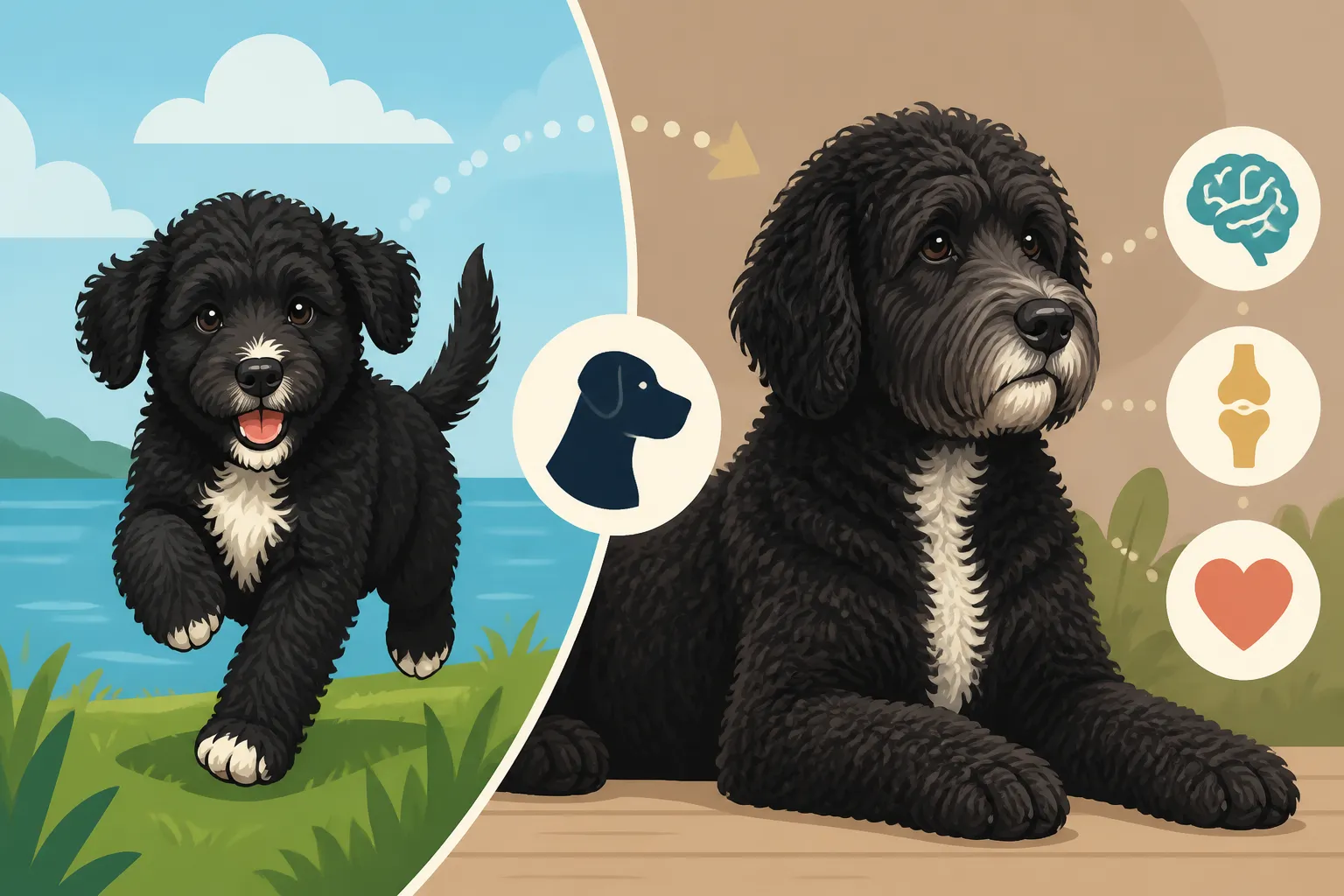
It’s a bittersweet milestone when your vibrant, water-loving Portuguese Water Dog, who once seemed to have endless puppy energy, starts showing the subtle signs of aging. You’ve shared years of swims, hikes, and goofy antics, and now, as they approach or pass that "magic" age of nine, you might notice changes that leave you wondering what's normal and how best to support them. This guide aims to thoroughly explore the physical, behavioral, and health transformations that typically occur in a Portuguese Water Dog after nine years old, offering insights to help you navigate this precious stage of their life.
Physical Transformations in Their Senior Years
Just like us, Portuguese Water Dogs don't wake up one day suddenly "old." The process is gradual, but around nine years, many owners start observing more noticeable physical shifts. These changes can affect everything from their famous coat to their agility.
Coat and Skin Changes
One of the first things you might notice about your senior Portuguese Water Dog is a change in their beautiful, dense coat. While they might still have that signature curly or wavy texture, the vibrancy can sometimes dull a bit. It’s not uncommon for their black, brown, or parti-colored fur to start flecking with gray, particularly around their muzzle, eyes, and paws – those "wisdom sprinkles" we all adore. You might also find their coat becomes a little coarser or thinner in certain areas, potentially losing some of its elasticity. This can sometimes lead to an increased tendency for matting if not diligently groomed, or their skin might become a bit drier, flaky, or even develop benign growths, like fatty tumors (lipomas), which are usually harmless but always warrant a vet check. Regular, gentle grooming sessions become even more crucial to manage these changes and maintain their skin and coat health, also serving as a wonderful bonding experience and an opportunity to check for any new lumps or bumps.
Musculoskeletal System and Mobility
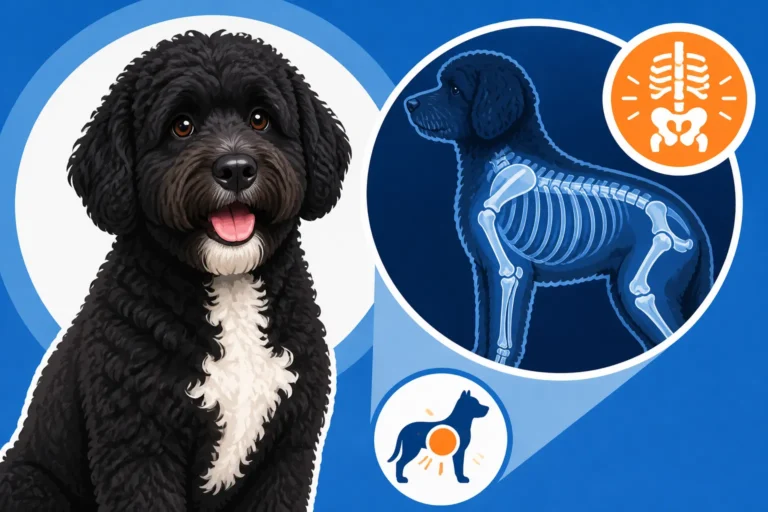
The boundless energy and effortless agility of a young Portuguese Water Dog can slowly give way to a more measured pace. After nine, the joints that once propelled them into a joyous sprint or a powerful swim might start to feel the effects of years of activity. Arthritis, a common ailment in aging dogs, can manifest as stiffness, especially after resting or on cold mornings. You might observe a slight hesitancy to jump into the car, climb stairs, or even get up from a comfy nap. Their gait might become a little less fluid, perhaps a slight sway in their hips, which can be a subtle indicator of conditions like Hip Dysplasia in a Portuguese Water Dog. Muscle mass can also decrease, leading to a general weakening and reduced endurance. While they may still love the water, their stamina for long swimming sessions or rigorous games of fetch might diminish. It’s important to acknowledge these changes not as a sign of giving up, but as a cue to adapt their exercise routine to ensure they remain comfortable and engaged.
Sensory Changes: Sight and Hearing
The world can become a little blurrier or quieter for a Portuguese Water Dog past nine. Vision changes are very common. Their once bright, intelligent eyes might develop a bluish, hazy appearance known as lenticular sclerosis. This is a normal aging change where the lens of the eye hardens and appears cloudy but typically doesn't severely impair vision; it's different from cataracts, which are more opaque and can significantly impact sight. However, conditions like progressive retinal atrophy (PRA) can also affect the breed, leading to more substantial vision loss, so regular eye check-ups are key, especially if you notice them bumping into things or being more hesitant in dimly lit areas. Similarly, hearing can decline. You might find yourself needing to call their name a few times, or they might not respond to the doorbell with their usual enthusiasm. This partial or complete deafness can make them more easily startled or less responsive to verbal commands. Adapting to these sensory changes means being more patient, using hand signals, and ensuring their environment is safe and predictable. It’s a gentle reminder that their connection to you deepens as they rely more on your consistent presence.
Behavioral Shifts and What They Mean
Beyond the physical, your Portuguese Water Dog’s personality and daily habits can also evolve as they age. What might seem like a sudden change in demeanor is often a natural progression of their senior years.
Energy Levels and Activity
Remember those days when your Portuguese Water Dog bounced off the walls, demanding hours of activity? While they’ll still have bursts of joy and a keen interest in what you’re doing, their overall energy levels will likely mellow significantly after nine. Long walks might shorten, intense play sessions might become brief bouts, and they might spend more time napping or simply observing the household from a comfortable spot. This isn't laziness; it's a natural decline in stamina and an increased need for rest. An under-exercised young PWD often acts out, but an aging one might simply become more sedentary. It's crucial not to mistake this for disinterest. They still crave interaction and mental stimulation, even if the physical exertion is reduced. Shorter, more frequent strolls, gentle swims, and puzzle toys can keep them engaged without overtaxing their aging bodies. You might find that Whether an Aging Portuguese Water Dog Still Wants to Swim often depends more on comfort and accessibility than sheer desire.
Sleep Patterns and Cognitive Changes
One of the more subtle, yet impactful, shifts you might observe is in their sleep patterns and cognitive function. Many senior dogs sleep more during the day but might experience disrupted sleep at night, leading to restlessness, pacing, or even confusion in the early hours. This can sometimes be a sign of Canine Cognitive Dysfunction (CCD), similar to Alzheimer's in humans. Other signs of CCD include disorientation (getting "lost" in familiar surroundings), changes in social interaction (becoming more withdrawn or clingy), altered house training habits, or a general decrease in activity and purpose. They might stare blankly, forget commands they’ve known their whole life, or simply seem "less present." It's heartbreaking to witness, but recognizing these signs early allows you to discuss potential treatments and management strategies with your vet, which might include dietary changes, supplements, or specific medications. Consistency in routine and a calming environment can greatly help a dog experiencing these changes.
Social Interactions and Temperament
A Portuguese Water Dog’s innate exuberance and friendliness might temper with age. Some senior PWDs become a little less tolerant of rambunctious puppies or overly enthusiastic children, preferring quiet companionship. Others might become more clingy, seeking comfort and reassurance from their primary caregiver. They might be less inclined to engage with strangers or new dogs at the park. This isn't necessarily a negative change; it's often a dog setting clearer boundaries for their comfort. They might have less patience for loud noises or unexpected movements. Understanding these shifts means respecting their need for space and peace. Continue to offer affection and gentle interaction, but be mindful of their cues if they seem overwhelmed or want to retreat. This can also apply to how they interact with other pets in the home; a previously playful dynamic might shift to a more tolerant, but less interactive, coexistence.
Navigating Health Concerns Common After Nine
As our beloved Portuguese Water Dogs enter their senior years, health concerns become a more prominent part of their care. Being proactive and informed is the best way to ensure they remain as comfortable and healthy as possible.
Increased Risk of Chronic Conditions
After nine, Portuguese Water Dogs become more susceptible to a range of chronic health issues. Beyond the common joint problems mentioned earlier, you might start to see an increased incidence of conditions such as kidney disease, liver issues, and even various types of cancer, including lymphoma, which is unfortunately common in the breed. Conditions like Addisons Disease Is Common in Portuguese Water Dogs can also manifest at any age but require lifelong management, becoming even more critical to monitor in older dogs. Hypothyroidism, where the thyroid gland doesn't produce enough hormones, is another common concern, often presenting with symptoms like lethargy, weight gain, and coat changes. Regular veterinary check-ups are absolutely essential. Your vet will likely recommend routine bloodwork and urinalysis as part of their What a Portuguese Water Dog's Yearly Health Screen Costs to catch these issues early, when they are most manageable. Having a good pet insurance plan, like those offered by Healthy Paws, can be incredibly beneficial during these years, helping to offset the potentially high costs of diagnostics and long-term treatments.
Dental Health Becomes More Critical
Dental health is often overlooked until it becomes a serious problem, but it’s exceptionally critical for senior Portuguese Water Dogs. Years of chewing, eating, and sometimes neglecting professional cleanings can lead to significant plaque and tartar buildup. This can result in gum disease, painful infections, and even tooth loss. The bacteria from severe dental disease can enter the bloodstream and affect vital organs like the heart, kidneys, and liver. After nine, dogs are more prone to these issues. You might notice bad breath, difficulty eating kibble, or pawing at their mouth. Regular dental cleanings under anesthesia are often necessary, and while the idea of anesthesia for an older dog can be worrying, your vet will perform a pre-anesthetic panel to ensure it’s safe. Daily dental hygiene, even if it's just a dental chew or a quick brush, can help maintain oral health between professional cleanings.
Weight Management and Appetite Changes
Maintaining an ideal weight becomes a delicate balancing act for senior Portuguese Water Dogs. Their metabolism slows down, and their activity levels decrease, making them prone to weight gain. Even a few extra pounds can put significant strain on already aching joints and exacerbate conditions like arthritis or heart disease. Conversely, some older dogs might experience a decrease in appetite due to dental pain, underlying illness, or a blunted sense of smell and taste, leading to unintended weight loss. It’s important to monitor their weight regularly and adjust their diet accordingly. You might switch to a senior-specific dog food, which is often lower in calories but still provides essential nutrients and sometimes includes joint support supplements. If your dog is losing weight, investigating the cause with your vet is paramount. Sometimes, simply warming their food or adding a little low-sodium broth can make it more appealing.
Supporting Your Senior Portuguese Water Dog's Well-being
As their caretaker, your role shifts to one of active support and gentle adjustment, ensuring their golden years are as comfortable and joyful as possible.
Adjusting Exercise and Play Routines
The energetic romps of youth need to be adapted for an aging body. While the desire to play might still be there, the physical capacity might not. Instead of long, strenuous hikes, opt for shorter, more frequent, and gentler walks on soft surfaces to reduce impact on their joints. Swimming remains an excellent, low-impact exercise for Portuguese Water Dogs, as it supports their body weight and provides therapeutic movement. Just be mindful of the water temperature and their ability to get in and out safely. How Often a Portuguese Water Dog Should Swim might change from daily to a few times a week, depending on their comfort. Mental stimulation is just as important as physical exercise; puzzle toys, scent games, and short training sessions (reviewing old tricks or learning new, simple ones) can keep their minds sharp and engaged.
Tailoring Their Diet and Supplements
Nutrition plays a pivotal role in supporting your senior Portuguese Water Dog’s health. Transitioning to a high-quality senior dog food formula can provide appropriate calorie levels, easily digestible proteins, and beneficial nutrients. Many senior diets are fortified with glucosamine and chondroitin for joint health, and omega-3 fatty acids for anti-inflammatory benefits and cognitive support. For dogs with specific conditions, your vet might recommend a prescription diet. It’s worth discussing supplements like fish oil for skin and coat, or antioxidants to combat cellular aging. Always introduce new foods or supplements gradually and under veterinary guidance. Ensuring they have constant access to fresh water is also crucial, especially if they are on any medications that might increase thirst. When considering costs, the expenses can add up, but a good pet insurance plan, such as Healthy Paws, can help make these tailored dietary and supplement choices more financially feasible.
Regular Vet Visits and Proactive Care
This is perhaps the most critical aspect of caring for a Portuguese Water Dog after nine. Regular veterinary check-ups, ideally twice a year, become indispensable. These visits allow your vet to monitor chronic conditions, detect new issues early, and make adjustments to medication or care plans. They will assess their mobility, check their teeth, listen to their heart, and palpate for any new lumps or bumps. Early detection of issues like Cancers in a Portuguese Water Dog can make a significant difference in prognosis and quality of life. Be honest with your vet about any changes you've observed, no matter how minor they seem. They are your best resource for understanding your dog's aging process and providing the best possible care. Remember, your Portuguese Water Dog relies on you to advocate for their health and comfort. These proactive measures, while sometimes costly, can often be covered or substantially reduced by comprehensive pet insurance like Healthy Paws.
Creating a Comfortable and Safe Environment
As your Portuguese Water Dog ages, their home environment might need some modifications to enhance their comfort and safety. Consider providing orthopedic beds that support their aging joints. Ramps or pet stairs can help them access favorite couches, beds, or vehicles without painful jumps. Ensure they have easy access to food and water bowls, perhaps raised to a comfortable height to reduce neck strain. Non-slip rugs on slick floors can prevent slips and falls. If their vision or hearing is declining, try to keep furniture in consistent locations and approach them gently to avoid startling them. Providing a quiet, secure space where they can retreat from household commotion is also beneficial. Think about their overall well-being, including emotional comfort. Consistent routines, predictable schedules, and plenty of gentle affection will reinforce their sense of security and belonging.
| Change Area | Common Signs After Nine | Care Adjustments |
|---|---|---|
| Coat & Skin | Graying, dullness, thinning, dryness, benign growths | Regular grooming, gentle brushing, vet checks for lumps, moisturizing shampoos |
| Mobility | Stiffness, difficulty rising/jumping, altered gait | Shorter walks, low-impact exercise (swimming), orthopedic beds, ramps, joint supplements |
| Sensory | Clouded eyes (lenticular sclerosis), hearing loss, reduced smell | Consistent environment, gentle approaches, hand signals, regular eye/ear checks |
| Energy & Activity | Reduced stamina, increased napping, less desire for intense play | Shorter, frequent walks, puzzle toys, gentle swims, mental games |
| Cognition | Disorientation, altered sleep, confusion, house-training lapses | Routine, calming environment, vet consultation for CCD, cognitive supplements |
| Social Behavior | Less tolerance for chaos, clinginess, withdrawal | Respect boundaries, provide quiet space, consistent affection |
| Health Risks | Arthritis, kidney disease, cancer, dental disease, weight changes | Bi-annual vet checks, bloodwork, dental cleanings, tailored diet, pet insurance |
Disclaimer
The information provided in this guide is intended for educational and informational purposes only and does not constitute veterinary medical advice. Always consult with a qualified veterinarian for any health concerns or before making any decisions about your Portuguese Water Dog's medical care or treatment. Individual dogs may experience different changes and have unique health needs.