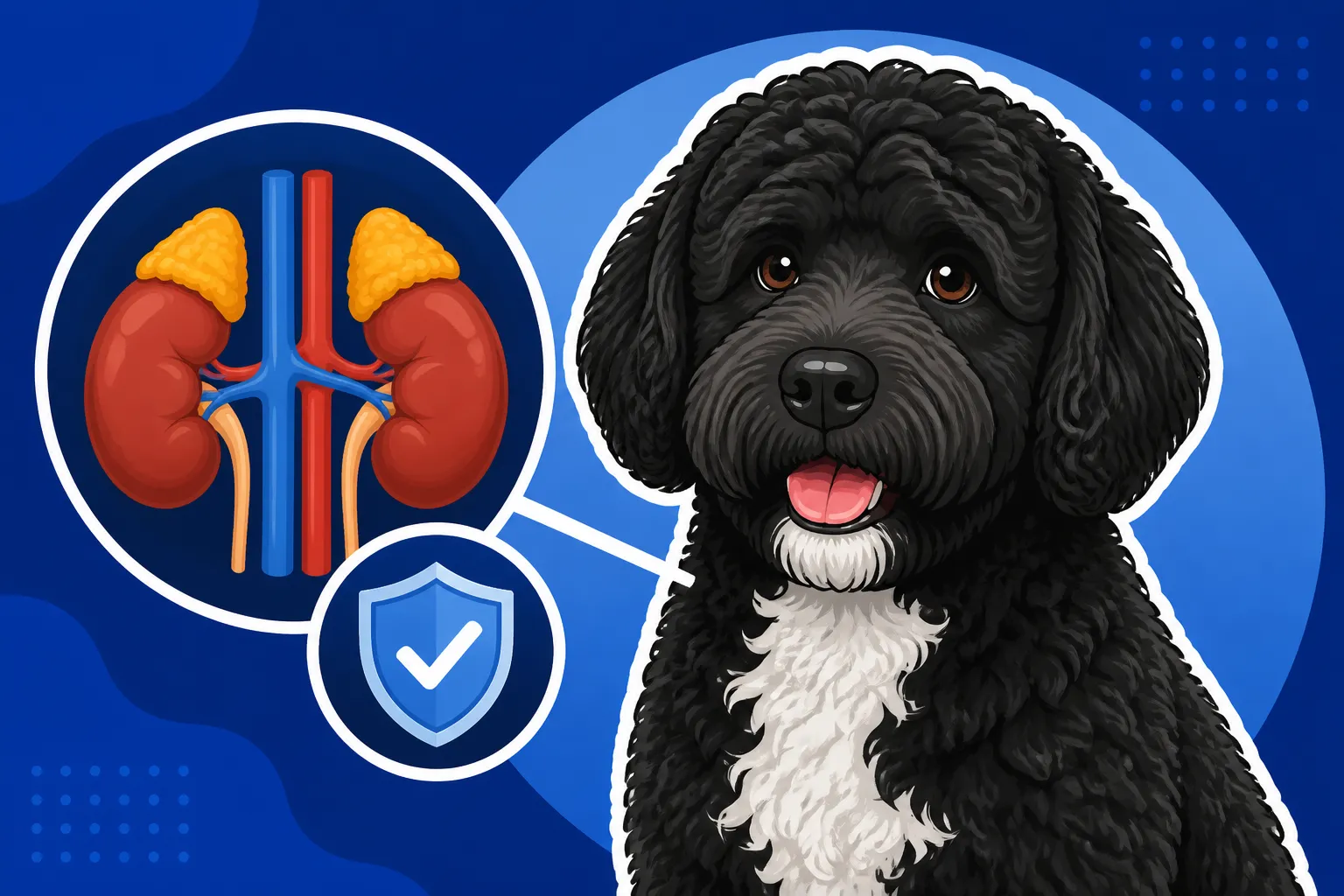
Addisons Disease Is Common in Portuguese Water Dogs
It's absolutely heartbreaking when your vibrant, energetic Portuguese Water Dog suddenly seems… off. One day they're bouncing, ready for a swim or a long hike, and the next they're lethargic, perhaps even vomiting, and you're left wondering what on earth is happening. This guide is here to shed light on Addison's Disease, a sneaky and often misunderstood condition that is unfortunately quite common in our beloved PWDs, helping you understand its complexities and how to best manage it for your furry family member.
Understanding Addison's Disease in Portuguese Water Dogs
Addison's Disease, medically known as hypoadrenocorticism, is a condition that sounds complicated but at its core means your dog's adrenal glands aren't producing enough of certain vital hormones. These tiny glands, nestled near the kidneys, are supposed to churn out corticosteroids like cortisol and mineralocorticoids like aldosterone. These hormones are absolutely critical for regulating stress, metabolism, electrolyte balance, blood pressure, and kidney function. When they're not there in sufficient amounts, the whole system starts to go awry.
What Addison's Disease Is and How It Affects PWDs
Imagine your dog's body like a finely tuned orchestra. Cortisol and aldosterone are like the conductor, making sure all the sections play in harmony. When the conductor goes missing or stops performing, the music becomes chaotic, out of sync, and eventually, the whole performance grinds to a halt. That's a bit like what happens with Addison's. Without adequate cortisol, your PWD can't properly respond to stress, leading to generalized weakness and a failure to thrive. Without enough aldosterone, their body struggles to balance sodium and potassium levels, which can have severe, life-threatening effects on the heart and kidneys.
In Portuguese Water Dogs, there's a recognized genetic predisposition to Addison's Disease. This means it's not just a random occurrence; certain lines and families within the breed are more likely to develop it. This genetic link is a critical piece of information for breeders and prospective owners, underscoring the importance of knowing your dog's lineage and the health history of their parents. While it can occur at any age, it often manifests in younger to middle-aged dogs, typically between two and eight years old, although puppies and older seniors can also be affected.
Primary vs. Secondary Addison's
When we talk about Addison's, we're usually referring to primary hypoadrenocorticism, which accounts for the vast majority of cases. This is where the immune system mistakenly attacks and destroys the adrenal glands themselves. It’s an autoimmune disease, much like some conditions in humans. For our PWDs, this form is the most common and often has that frustrating, vague presentation that makes diagnosis so tricky. It’s like a silent attacker gradually eroding the crucial hormone production.
Secondary Addison's, on the other hand, is much rarer. In this form, the adrenal glands are perfectly capable of producing hormones, but they aren't receiving the proper signals from the pituitary gland in the brain. This usually happens if there's a tumor on the pituitary or if a dog has been on long-term corticosteroid medication and then suddenly stops it, causing the adrenal glands to "forget" how to produce their own cortisol. While important to distinguish, primary Addison's is the focus when discussing the breed predisposition in Portuguese Water Dogs. Understanding the difference helps vets pinpoint the exact cause and tailor the most effective treatment plan.
Why Addison's is So Hard to Diagnose in PWDs: The "Great Pretender"
One of the most frustrating aspects of Addison's Disease for Portuguese Water Dog owners and veterinarians alike is its uncanny ability to mimic other, less serious conditions. It’s earned the nickname "the great pretender" precisely because its symptoms are so varied and non-specific, often waxing and waning, making it incredibly challenging to get a definitive diagnosis without specific testing. You might spend weeks or months chasing symptoms that seem to come and go, only for them to return with more intensity.
Vague Symptoms That Come and Go
Imagine your PWD, usually a whirlwind of activity, suddenly skipping meals, seeming a bit tired after a short walk, or perhaps having an occasional bout of vomiting. You might write it off as an upset stomach, a minor bug, or just a "dog day." The problem is, these subtle signs are exactly how Addison's often begins. There's no dramatic, unmistakable symptom that screams "Addison's!" from the start. Instead, it's a gradual decline, a persistent feeling that something isn't quite right, but you can't put your finger on it.
This intermittent nature of the symptoms is particularly insidious. Your dog might have a terrible day, prompting a vet visit, but by the time you get there, they seem almost normal again. This can lead to frustration and missed opportunities for early diagnosis. Owners might try changing food, adding supplements, or even just waiting it out, hoping it resolves on its own. Unfortunately, this waiting game can allow the disease to progress, sometimes to a dangerous point, without proper intervention. Many Portuguese Water Dog owners will attest to the sheer difficulty of pinpointing exactly what's wrong when symptoms are so fleeting. If you notice any of these signs, especially if they recur, it's always best to delve deeper rather than simply observing.
Mimicking Other Conditions
Beyond just being vague, Addison's symptoms often look exactly like those of other common ailments. A dog presenting with vomiting, diarrhea, and abdominal pain could be experiencing anything from simple gastroenteritis to pancreatitis or even an intestinal blockage. A PWD who is lethargic and weak might be anemic, have an infection, or even just be slightly dehydrated. This wide range of mimicry is why it's so easy for vets to initially suspect something else, running multiple tests for more common conditions before Addison's even enters the differential diagnosis.
For example, a PWD with chronic, intermittent gastrointestinal upset might be put on a special diet for sensitive stomachs or given medications for nausea. While these treatments might offer temporary relief, they won't address the underlying hormonal imbalance of Addison's. This is where Why Addisons Is Called the Great Pretender in a Portuguese Water Dog really comes into play. It demands a high level of suspicion from both owners and veterinarians, especially in breeds like the Portuguese Water Dog where the disease is known to be prevalent. It’s a classic case of looking for zebras when you hear hoofbeats, even if horses are more common.
Crisis vs. Chronic Presentation
The severity of Addison's symptoms can range dramatically, largely depending on whether the dog is experiencing a chronic, ongoing form of the disease or a sudden, life-threatening "Addisonian crisis." Most PWDs with Addison's will start with the chronic, vague symptoms described above. They might be a bit "off" for a few days, then seemingly recover, only to relapse again later. This chronic phase can last for weeks or even months, slowly depleting the body's reserves.
However, without diagnosis and treatment, these chronic symptoms can escalate into an Addisonian crisis. This is an acute, severe medical emergency where the adrenal glands completely fail to cope with even normal bodily demands, let alone any added stress. During a crisis, a Portuguese Water Dog might collapse, go into shock, have severe vomiting and diarrhea, exhibit extreme weakness, and even have irregular heart rhythms due to electrolyte imbalances. This is a terrifying situation for any owner, and it requires immediate veterinary intervention, often including intravenous fluids and emergency steroid administration. It's a stark reminder of why early diagnosis, before a crisis hits, is so crucial for the well-being of your PWD.
Common Signs and Symptoms of Addison's Disease
While Addison's can be tricky to spot, being aware of the common signs and symptoms can help you advocate for your Portuguese Water Dog and seek timely veterinary care. Remember, these symptoms can fluctuate, but a pattern of recurrence or a sudden worsening should always raise a red flag. Pay close attention to subtle changes in your dog's behavior, appetite, and energy levels. It’s often the little things that, when added up, point to a larger issue.
Gastrointestinal Issues
One of the most frequently reported categories of symptoms in PWDs with Addison's involves the digestive system. You might notice:
- Loss of Appetite (Anorexia): Your dog, usually eager for mealtime, starts turning up their nose at food or eating only small amounts. This can be intermittent but often progresses.
- Vomiting: This can range from occasional bouts to frequent, severe episodes. It might be accompanied by bile or undigested food.
- Diarrhea: Loose stools or even watery diarrhea can occur, sometimes with blood, though this is less common than simple lethargy.
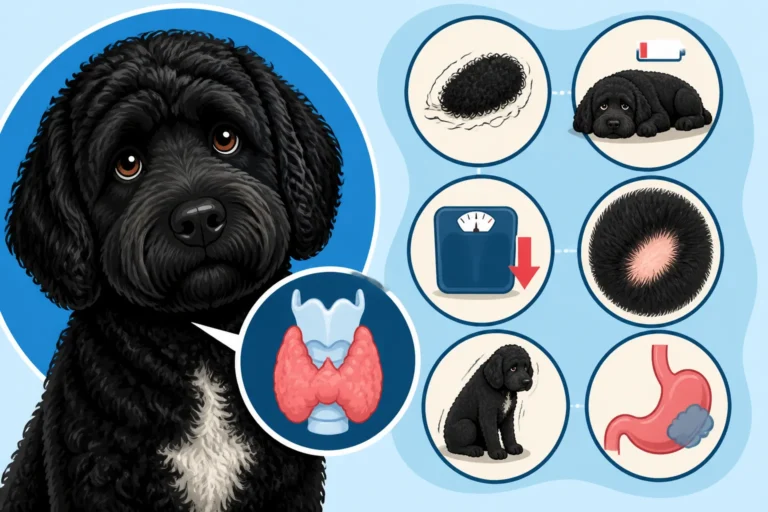
- Weight Loss: Due to a combination of decreased appetite, vomiting, and metabolic disturbances, your PWD might slowly lose weight, which can be hard to notice under their thick, beautiful coat. How a Portuguese Water Dog's Coat Hides Weight Loss is a real concern, making regular weigh-ins even more important.
- Abdominal Pain: Some dogs may exhibit discomfort in their abdomen, appearing hunched or reluctant to be touched in that area.
These gastrointestinal signs can be particularly misleading because they are so common across many canine health issues. However, if they recur or persist despite supportive care, Addison's should definitely be considered, especially in a Portuguese Water Dog.
Lethargy and Weakness
Beyond digestive upset, a significant hallmark of Addison's Disease is a profound change in your Portuguese Water Dog's energy levels and overall strength. This isn't just "being tired"; it's a deep, persistent lack of vitality.
- Lethargy: Your usually playful, outgoing PWD might become unusually subdued, unwilling to engage in favorite activities like swimming or fetch. They might sleep more than usual or seem generally depressed.
- Weakness: This can manifest as difficulty getting up, a wobbly gait, or even collapsing during exercise. They might seem less interested in walks or tire out much faster than normal. Their muscles might feel soft or wasted over time.
- Shaking or Trembling: Some dogs may exhibit shivering or muscle tremors, particularly when they are feeling unwell or stressed.
- Dehydration: Despite having access to water, affected dogs can become dehydrated, presenting with tacky gums and sunken eyes.
- Increased Thirst and Urination (PU/PD): While less common than in some other endocrine diseases, some PWDs with Addison's may show increased thirst and urination. This is often due to the kidney's inability to concentrate urine properly without adequate adrenal hormones.
It's critical to pay attention to these changes. Your Portuguese Water Dog is an active breed, and a significant drop in their usual exuberance is a clear signal that something isn't right. As mentioned in Signs a Portuguese Water Dog Has Addisons, these symptoms can escalate quickly if left unchecked.
Adrenal Crisis Symptoms
An Addisonian crisis is a medical emergency that can be fatal if not treated immediately. It's the point where the body's hormonal reserves are completely exhausted, and vital systems begin to fail. Recognizing these acute symptoms is paramount.
- Sudden Collapse: Your dog may suddenly become extremely weak, unable to stand, and collapse.
- Severe Vomiting and Diarrhea: These symptoms become much more intense and persistent, often leading to rapid dehydration.
- Shock: Signs of shock include pale gums, a rapid and weak pulse, cold extremities, and very rapid, shallow breathing.
- Severe Abdominal Pain: The pain can be excruciating, causing your PWD to cry out or become very withdrawn.
- Irregular Heartbeat: Dangerous electrolyte imbalances (especially high potassium and low sodium) can severely affect heart function, leading to arrhythmias that can be life-threatening.
- Tremors and Seizures: In the most severe cases, extreme electrolyte imbalances or neurological compromise can lead to tremors, muscle twitching, or even seizures.
If your Portuguese Water Dog exhibits any of these signs, do not wait. Seek emergency veterinary care immediately. This is not a situation where you can afford to delay. Prompt, aggressive treatment during a crisis can be life-saving.
Diagnosing Addison's Disease: The ACTH Stimulation Test
Given the "great pretender" nature of Addison's, a definitive diagnosis requires specific testing. Vague bloodwork changes might raise suspicion, but the gold standard for confirming Addison's Disease in your Portuguese Water Dog is the ACTH (Adrenocorticotropic Hormone) stimulation test. This test directly assesses the adrenal glands' ability to produce cortisol.
Initial Bloodwork Clues
Before jumping to an ACTH stim test, your veterinarian will likely run a full blood panel and urinalysis. While these tests can't definitively diagnose Addison's, they can provide important clues and rule out other conditions.
Common findings that might suggest Addison's include:
- Electrolyte Imbalances: This is a big one. Low sodium and high potassium levels are classic, though not always present, especially in atypical Addison's. This imbalance is due to the lack of aldosterone. A veterinarian seeing this in a sick PWD will immediately think of Addison's.
- Elevated Kidney Values (BUN and Creatinine): These might be elevated due to dehydration and poor kidney perfusion, mimicking kidney disease.
- Mild Anemia: A low red blood cell count can sometimes be observed.
- Elevated Calcium: Hypercalcemia can be present in some cases.
- Low Blood Glucose: Hypoglycemia can occur, especially during a crisis.
- Lack of a Stress Leukogram: This is a subtle but important clue. In a healthy, stressed dog (like one at the vet with an illness), the body releases cortisol, causing changes in certain white blood cell counts (neutrophilia, lymphopenia, eosinopenia). If a sick dog doesn't show these changes, it suggests their body isn't producing enough cortisol in response to stress, which is highly indicative of Addison's.
If your PWD's bloodwork shows a combination of these abnormalities, particularly the electrolyte imbalances and lack of a stress leukogram, your vet will strongly recommend the ACTH stimulation test to confirm the diagnosis.
The ACTH Stim Test Explained
The ACTH stimulation test is a straightforward, yet incredibly informative, procedure. It's designed to see if your dog's adrenal glands are capable of producing cortisol when stimulated. Here’s how it generally works:
- Baseline Blood Sample: First, a blood sample is taken from your Portuguese Water Dog. This is the "baseline" cortisol level, showing how much cortisol is naturally circulating in their body before any stimulation.
- ACTH Administration: Your vet will then administer a synthetic form of ACTH, usually by injection. ACTH is the hormone that normally tells the adrenal glands to produce cortisol.
- Second Blood Sample: Approximately one hour after the injection (sometimes two hours, depending on the protocol), a second blood sample is taken. This sample measures the "stimulated" cortisol level.
What the vet is looking for is a significant increase in cortisol from the baseline to the stimulated sample. In a healthy dog, the adrenal glands will respond to the synthetic ACTH by pumping out a much higher level of cortisol. In a PWD with Addison's Disease, however, the adrenal glands are damaged and unable to respond effectively, so there will be little to no increase in cortisol between the two samples. This flatline response is the definitive proof of Addison's.
It's a relatively safe test, and while it does involve two blood draws, the information it provides is invaluable. For more details on the financial aspect, you might want to look at What an ACTH Test Costs on a Portuguese Water Dog.
Interpreting the Results
The interpretation of the ACTH stimulation test results is quite clear-cut.
- Normal Result: Both the baseline and post-ACTH cortisol levels will be within or above the normal reference range, with a significant increase after stimulation. This tells your vet that the adrenal glands are functioning properly.
- Addisonian Result: Both the baseline and post-ACTH cortisol levels will be very low, with little to no increase after stimulation. This confirms the diagnosis of primary hypoadrenocorticism.
- Atypical Addison's: In some cases, known as atypical Addison's, dogs may only have a cortisol deficiency, with normal electrolyte levels. The ACTH stim test will still show a lack of cortisol response, but the initial bloodwork might not have the classic sodium/potassium imbalances. This highlights why the ACTH stim test is essential even when initial bloods aren't perfectly typical.
A positive diagnosis of Addison's Disease can be overwhelming, but it's also a relief to finally have an answer. With a clear diagnosis, your Portuguese Water Dog can begin the lifelong treatment that will dramatically improve their quality of life.
| Symptom Category | Common Addison's Signs | What It Might Be Confused With |
|---|---|---|
| Gastrointestinal | Vomiting, Diarrhea, Loss of Appetite, Weight Loss | Gastroenteritis, Pancreatitis, Food Allergies, Intestinal Blockage, IBS |
| Energy & Strength | Lethargy, Weakness, Shaking, Collapse, Slow Recovery | Anemia, Infection, Hypothyroidism, Heart Disease, Arthritis, General Debility |
| Other | Increased Thirst/Urination, Dehydration, Abdominal Pain | Kidney Disease, Diabetes, Bladder Infection, Liver Disease, Cancer |
This table illustrates the challenge vets and owners face: nearly every symptom of Addison's could easily point to something else. This is why persistence and specific testing are key for a Portuguese Water Dog suspected of having the disease.
Living with Addison's: Treatment and Management for Your PWD
Receiving an Addison's diagnosis for your Portuguese Water Dog can feel daunting. It's a lifelong condition, but the good news is that with proper treatment, Addisonian dogs can live full, happy, and active lives. The key is consistent medication and close monitoring. It’s not a cure, but it’s a highly manageable condition that replaces what your dog’s body can no longer produce.
Lifelong Medication Protocols
The treatment for Addison's Disease focuses on replacing the hormones that the adrenal glands are no longer producing. This typically involves two main types of medication:
- Mineralocorticoid Replacement: This is usually achieved with a medication called desoxycorticosterone pivalate (DOCP), often known by brand names like Percorten-V or Zycortal. This is typically given as an injection, either every 25 days or sometimes every 30 days, depending on the individual dog's needs. DOCP replaces the aldosterone, which is crucial for regulating sodium and potassium balance in the body. Initially, your vet might start with a specific injection schedule, and then adjust it based on your PWD's electrolyte levels and how they're feeling. Many owners learn to give these injections at home, which makes management much easier. For details on the financial side, you can check out What a Portuguese Water Dog's Quarterly Addisons Injection Costs.
- Glucocorticoid Replacement: This involves giving a low dose of a corticosteroid, most commonly prednisone or prednisolone. This replaces the cortisol that the body isn't producing. The dose is usually very low for daily maintenance, just enough to mimic what a healthy adrenal gland would produce at rest. However, during times of stress (e.g., vet visits, travel, grooming, illness, or even intense exercise like swimming or dock diving), the dose of prednisone will need to be temporarily increased to help your PWD cope. This flexibility is vital, as a healthy dog's body naturally produces more cortisol during stress, and your Addisonian PWD needs that extra support.
It's important to understand that Whether Addisons Medication Is Lifelong for a Portuguese Water Dog is a definitive "yes." There's no escaping the need for these medications, but with careful management, your dog won't even know they're on them.
Emergency Protocols and Stress Management
While daily medication manages Addison's, it's crucial for Portuguese Water Dog owners to be prepared for potential emergencies and to understand the importance of stress management. Even on medication, certain stressors can overwhelm an Addisonian dog's system.
- Emergency Medications: Always have an emergency supply of injectable corticosteroids (like dexamethasone) on hand, as prescribed by your vet. If your PWD becomes acutely ill, lethargic, starts vomiting, or shows any signs of an impending crisis, administering this emergency injection and heading straight to the vet can be life-saving. Your vet will instruct you on when and how to use it.
- Stress Dosing: As mentioned, increasing the prednisone dose during stressful events is critical. This could be anything from a trip to the groomer, a new dog entering the household, a bout of diarrhea, or even particularly strenuous exercise. Your vet will provide clear guidelines on when and how much to increase the dose. It's better to slightly over-dose with prednisone for a short period than to under-dose and risk a crisis.
- Preventative Measures: Try to minimize unnecessary stress in your PWD's life. Maintain a consistent routine, provide a calm environment, and be observant of how your dog responds to different situations. Knowing your dog's individual stress triggers can help you proactively adjust their medication. For active breeds like the PWD, balancing their need for exercise with managing stress is key.
Having a robust pet insurance plan, such as those offered by Healthy Paws, can provide significant peace of mind for owners of Addisonian Portuguese Water Dogs. The cost of managing a chronic condition, especially if an emergency crisis occurs, can be substantial, and a good insurance policy can help alleviate that financial burden.
Monitoring and Adjusting Treatment
Managing Addison's isn't a "set it and forget it" situation. Regular veterinary check-ups and blood tests are essential to ensure your Portuguese Water Dog's treatment plan is working effectively.
- Electrolyte Monitoring: For dogs on DOCP, regular monitoring of sodium and potassium levels is crucial. Initially, this might be done every few weeks after starting treatment to fine-tune the injection interval. Once stable, it might shift to every few months, or even less frequently if your dog is consistently well-regulated. These tests confirm that the DOCP dose is appropriate.
- Cortisol Monitoring: While not as frequently monitored as electrolytes for primary Addison's (since the glands are permanently damaged), your vet might occasionally re-evaluate overall cortisol levels or even do a follow-up ACTH stim if there's any doubt or change in symptoms.
- Clinical Signs: Beyond blood tests, your observation of your PWD at home is paramount. Are they energetic? Eating well? Maintaining weight? Any return of lethargy, vomiting, or other symptoms should prompt a call to your vet. This feedback helps your vet decide if medication doses need tweaking.
- Medication Adjustments: Your vet will work with you to find the lowest effective dose of prednisone for daily use and to establish clear guidelines for stress dosing. This might take some trial and error in the initial months, but once your PWD is regulated, it often becomes a predictable routine.
The goal of this ongoing monitoring and adjustment is to keep your Portuguese Water Dog feeling their absolute best, allowing them to enjoy all the swimming, running, and companionship they thrive on, despite their underlying condition. This long-term commitment is vital for their continued health.
Long-Term Outlook and Quality of Life for an Addisonian PWD
One of the most common questions and biggest worries for owners whose Portuguese Water Dog has been diagnosed with Addison's Disease is about their long-term prognosis. Will they still have a good life? How long will they live? The reassuring answer is that with consistent, appropriate treatment, most Addisonian PWDs have an excellent quality of life and a normal life expectancy.
Normal Lifespan Expectations
It's natural to fear the worst when your dog receives a diagnosis of a lifelong condition. However, for Addison's Disease, once properly diagnosed and regulated with medication, the prognosis is generally very good. Many Portuguese Water Dogs with Addison's go on to live a full The Twelve to Fifteen Years a Portuguese Water Dog Gets, or even longer, just like their non-Addisonian counterparts. The key difference is the daily and monthly commitment to their medication.
The early detection and consistent management of Addison's are what allow for this positive outlook. A dog whose Addison's is well-controlled is not "sick" in the conventional sense; they are merely hormone-deficient dogs whose needs are being met by medication. They can participate in all the activities typical for their breed, including swimming, playing, and interacting with their family, without their condition being a limiting factor. The biggest risk is undiagnosed or poorly managed disease, which can lead to life-threatening crises.
Activity and Lifestyle Adjustments
For most Portuguese Water Dogs with well-controlled Addison's, very few lifestyle adjustments are needed. They can continue to be the active, water-loving companions they were meant to be. This means they can still enjoy:
- Swimming: Their natural inclination for water is not hampered by Addison's, as long as they are stable and feeling well. Just remember to manage their stress-dosing around exciting events like a trip to the beach or lake.
- Long Walks and Hikes: Regular exercise is still important for their physical and mental health. Monitor their energy levels and adjust activity if they seem unusually tired, but generally, they should maintain their stamina.
- Training and Sports: If your PWD enjoys agility, obedience, or water trials, they can continue these activities. Again, just be mindful of the stress involved and potentially increase their prednisone dose around competition days or intense training sessions, as advised by your vet.
- Social Interaction: Playing with other dogs and being part of family activities is crucial for their well-being. A well-regulated Addisonian PWD should not be withdrawn or fearful due to their condition.
The most significant adjustment is the owner's vigilance. You'll become highly attuned to your dog's normal behavior and quickly notice any subtle changes that might indicate they're feeling unwell or are under-dosed. This proactive approach ensures their continued health and happiness.
Diet and Hydration
When it comes to diet, most Portuguese Water Dogs with Addison's Disease don't require a special diet. A high-quality, balanced commercial dog food that you would normally feed a healthy PWD is usually perfectly acceptable. Focus on providing nutritious meals that support their active lifestyle.
However, there are a couple of points to consider:
- Consistency: Try to maintain a consistent feeding schedule. For dogs that have experienced gastrointestinal upset due to Addison's, feeding smaller, more frequent meals might sometimes be beneficial, but this is usually a general recommendation for sensitive stomachs rather than a specific Addison's protocol.
- Hydration: Ensuring your PWD always has access to fresh, clean water is paramount. Dehydration can be a concern, especially if they experience vomiting or diarrhea, or if their electrolyte balance is slightly off. Encourage drinking, particularly after exercise or during warm weather.
- Treats and Supplements: Be mindful of treats and any supplements you give. Some supplements, particularly those containing electrolytes, could potentially interfere with their Addison's medication, so always check with your vet before introducing anything new.
Ultimately, a Portuguese Water Dog with Addison's can lead a wonderfully normal life. The initial learning curve for owners can be steep, but with dedicated veterinary care and your commitment, your furry friend will continue to be the loving, adventurous companion you cherish. For more details on the general well-being of the breed, consider reading Whether the Portuguese Water Dog Is a Healthy Breed.
Preventing Addison's and What Breeders Should Know
Since Addison's Disease has a known genetic component in Portuguese Water Dogs, prevention largely falls on the shoulders of responsible breeders. While there isn't a simple "cure" for the genetic predisposition, careful breeding practices can significantly reduce the incidence of this condition in future generations. For prospective puppy buyers, understanding what questions to ask breeders is equally important.
Genetic Testing and Screening
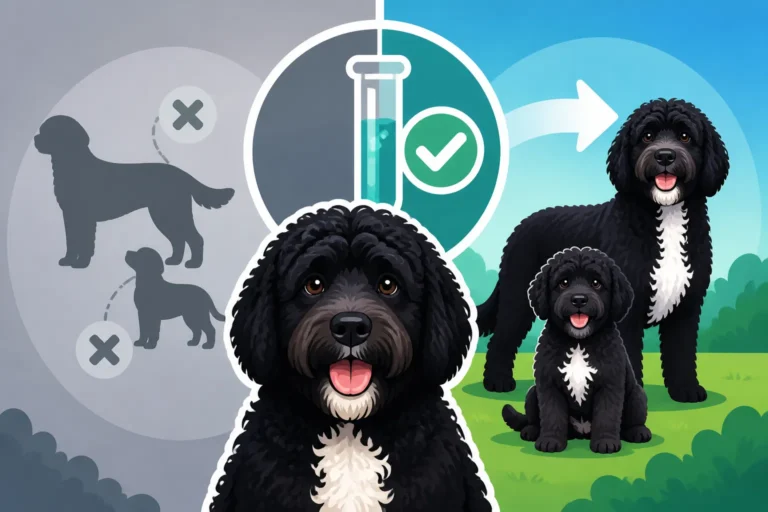
Unfortunately, unlike some other genetic diseases in Portuguese Water Dogs, there isn't a direct DNA test yet for Addison's Disease. The exact genes responsible are complex and not fully understood. This means breeders can't simply test a dog and declare them "clear" of the Addison's gene. This is one of the frustrations in trying to eliminate the disease from the breed. Whether a DNA Test for Portuguese Water Dog Addisons Exists is a common question, and sadly, the answer is currently no.
However, researchers are actively working to identify these genetic markers. Until then, breeders must rely on other methods:
- Pedigree Research: Thoroughly researching the pedigrees of potential breeding dogs is crucial. Breeders should know if Addison's has occurred in their lines or in the lines of any dog they plan to breed to. This involves looking back several generations.
- Open Communication: Responsible breeders are transparent about health issues in their lines. They should be willing to discuss any cases of Addison's in the family of their breeding dogs and ideally share information about siblings and ancestors.
- Health Databases: The Orthopedic Foundation for Animals (OFA) and the Canine Health Information Center (CHIC) often collect information on various health conditions, and while not a specific test, reported cases can help track incidence rates within the breed.
The goal is to avoid breeding two dogs together if there's a strong history of Addison's in both of their immediate families. This helps reduce the chances of producing affected puppies.
Breeding Considerations for Responsible Breeders
For Portuguese Water Dog breeders, addressing Addison's Disease requires a thoughtful and ethical approach. It's not about eradicating carriers, as that would drastically shrink an already somewhat narrow gene pool. Instead, it's about making informed decisions to minimize risk.
Here are key considerations:
- Avoid Breeding Affected Dogs: Dogs diagnosed with Addison's Disease should never be used for breeding. While their condition is manageable, passing on the genetic predisposition would be irresponsible.
- Careful Use of Carriers: If a dog is a known "carrier" (meaning they've produced Addisonian offspring, or have a very strong familial history), they can potentially still be bred, but only to a mate with no known Addison's in their lineage. This is known as "outcrossing" to reduce the risk of combining two sets of predisposing genes. The focus should always be on improving the health of the offspring.
- Transparency with Buyers: Breeders should openly discuss the risk of Addison's with prospective puppy buyers, especially if there's any history in the pedigree. This sets realistic expectations and educates owners on what to watch for.
- Support for Affected Puppies: A responsible breeder will offer support and guidance to owners whose puppies are diagnosed with Addison's, sometimes including financial assistance for diagnosis and initial treatment.
For more insights into responsible breeding practices and health testing, particularly What a Portuguese Water Dog Breeder Should Have Tested, breeders should be well-versed in the various health screens recommended for the breed. The overarching aim is to ensure the long-term health and vitality of the Portuguese Water Dog breed.
Disclaimer
The information provided in this guide is intended for educational purposes only and should not be considered a substitute for professional veterinary advice. Always consult with a qualified veterinarian regarding any health concerns or before making any decisions about your Portuguese Water Dog's medical care.