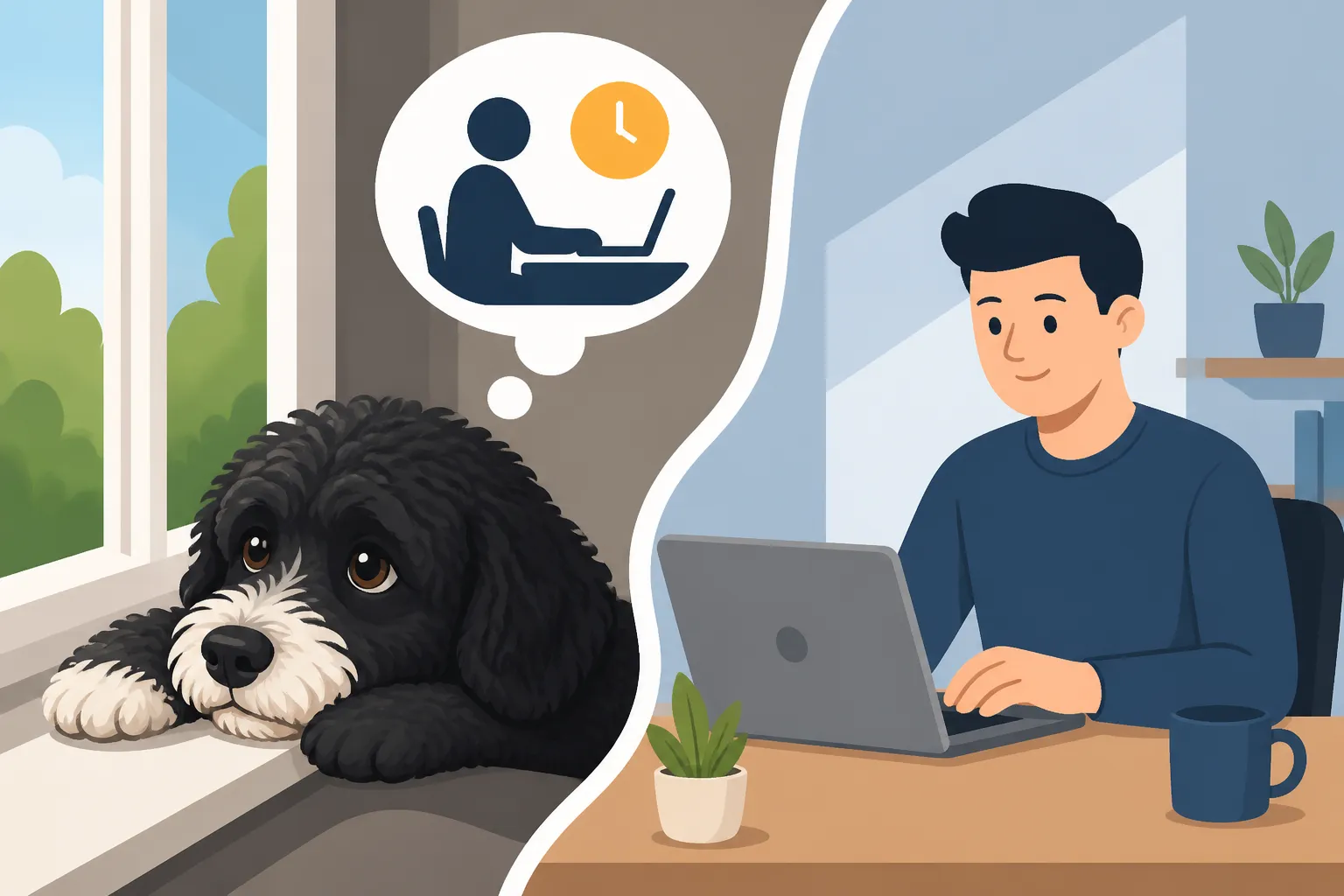
Whether a Portuguese Water Dog Can Be Left While You Work
It's a question many of us face as modern dog owners: how can we balance our careers with giving our beloved Portuguese Water Dogs the best possible life? These aren't your average couch potatoes; PWDs are intelligent, energetic, and deeply social dogs. The thought of leaving them alone for long stretches can fill any owner with guilt and worry about their well-being and whether they'll be happy. This guide will explore whether a Portuguese Water Dog can truly thrive when left alone during working hours and offer practical, empathetic solutions to make it work.
Understanding Your Portuguese Water Dog's Core Nature
Before we even talk about strategies, we need to genuinely understand what makes a Portuguese Water Dog tick. These aren't just pets; they're working dogs with a rich history, and that heritage profoundly influences their needs and how they cope with solitude.
Their History as Working Companions
Imagine the bustling fishing boats off the coast of Portugal, decades ago. The Portuguese Water Dog wasn't lounging on deck; they were active, integral members of the crew. They herded fish into nets, retrieved lost tackle, carried messages between boats, and even guarded the catch. This wasn't a solitary job; it was a partnership, day in and day out, alongside their human counterparts. This ingrained need for purpose and companionship means they thrive on interaction and being part of the "pack." When left alone, they're not just missing you; they're missing their job, their purpose, and their pack interaction. It's a deeply rooted instinct. They were bred to be active thinkers, problem-solvers, and loyal companions, not decorative lawn ornaments or solo adventurers.
High Energy and Mental Stimulation Requirements
Don't let their charming curly or wavy coats fool you; these dogs are athletes and intellectuals in furry packages. A Portuguese Water Dog needs a significant amount of physical exercise to be content, but physical activity alone isn't enough. Their keen minds also require constant engagement. Without sufficient outlets for their energy and intelligence, boredom quickly sets in. And as any PWD owner knows, a bored PWD is often a destructive PWD. They don't just want to run and play; they need to. Their historical role on the boats required both stamina and smarts, and those traits are still very much alive in the breed today. Skipping a walk or skimping on training sessions will likely result in a dog who finds his own "job," and you might not like what that job entails! For a deeper dive, read The Portuguese Water Dog That Has Not Had Enough Exercise.
The Deep Bonds They Form with Their People
Portuguese Water Dogs are renowned for their loyalty and the strong bonds they forge with their families. They often choose one primary person, but they are generally devoted to everyone in their household. This devotion is a double-edged sword when it comes to being left alone. While it makes them wonderful, affectionate companions, it also means they can struggle deeply with separation. They crave closeness and interaction, often following you from room to room. This isn't clinginess in a negative sense; it's a testament to their desire to be an active participant in your life. This strong attachment is why many PWDs are prone to developing separation anxiety if not properly prepared for alone time. It's not about being naughty; it's about being genuinely distressed.
Common Challenges When Leaving a Portuguese Water Dog Alone
Knowing your PWD's natural tendencies, it becomes easier to anticipate the struggles they might face if left alone without proper preparation. These aren't necessarily signs of a "bad" dog, but rather signals that their needs aren't being met.
Destructive Chewing and Mouthing
One of the most common complaints from owners whose PWDs struggle with alone time is destructive chewing. These dogs naturally use their mouths to explore the world, a trait that stems from their retrieving work on boats. If bored, anxious, or under-exercised, a PWD will find something to do with that powerful mouth. This might mean gnawing on furniture legs, shredding pillows, or even tearing up carpets. It's not malicious; it's an outlet for pent-up energy and stress. They're literally trying to work something out, and your favorite armchair might be the unfortunate target. This is why understanding Why a Portuguese Water Dog Puts Everything in Its Mouth is so crucial. They're seeking mental and physical engagement, and if you don't provide it, they'll create it themselves, often at your home's expense.
Excessive Barking and Howling
Another significant challenge is nuisance barking or howling. A lonely or anxious Portuguese Water Dog might bark continuously at perceived threats outside, at the sound of a passing car, or simply out of sheer boredom and distress. This isn't just annoying for you; it can lead to serious issues with neighbors, especially if you live in an apartment or close-knit community. While PWDs aren't typically known as excessive barkers in general, a PWD experiencing distress when left alone will certainly make their feelings known. They are vocal communicators, and when they're upset or under-stimulated, that voice will come out.
Potty Accidents and Regression
Even a perfectly house-trained Portuguese Water Dog can start having accidents indoors if they're left alone for too long or are experiencing significant stress. This isn't a defiance of their training; it's often a physical manifestation of anxiety. Stress can lead to an inability to hold their bladder or bowels, or they might simply be so distraught that they forget their training or can't control themselves. This can be incredibly frustrating for owners who thought they had a reliable system, but it's a clear indicator that the dog's emotional needs during alone time are not being met. Understanding Signs a Portuguese Water Dog Has Separation Anxiety can help you differentiate between a simple need for a potty break and a deeper emotional issue.
Strategies for a Successful "Alone Time" Routine
The good news is that with careful planning, consistency, and a deep understanding of your PWD, it is possible for them to cope and even thrive while you're at work. It requires commitment, but the reward is a happy, well-adjusted companion.
Pre-Work Exercise and Mental Engagement
This is probably the single most important factor. You absolutely cannot expect a Portuguese Water Dog to be calm and settled if they haven't had a significant outlet for their energy before you leave. Think beyond a quick walk around the block. We're talking about a solid 45-60 minutes of vigorous physical exercise. This could be a long jog, a brisk hike, a game of fetch in a secure area, or even a swim if you have access to safe water. Follow that up with 10-15 minutes of mental stimulation. This could be a training session working on obedience commands, a scent work game, or a puzzle feeder that requires them to think. The goal is to send them off to their alone time physically tired and mentally satisfied.
For example, I know a fellow PWD owner who starts her day with a 5 AM run with her dog, then a quick breakfast that's served in a puzzle toy, followed by a short training review before she leaves for work. Her dog is usually asleep within minutes of her departure. Contrast this with a dog whose only morning activity is a rushed trip to the backyard, and you'll see a stark difference in behavior. For more on their energy requirements, see How Much Exercise a Portuguese Water Dog Needs.
Creating a Safe and Stimulating Environment
Once their physical and mental tanks are drained, the next step is to create an environment that's both safe and stimulating for the hours they'll be alone.
- Crate Training: A properly crate-trained Portuguese Water Dog often views their crate as a safe den. It prevents destructive behavior and can help reduce anxiety by providing a secure, confined space. Ensure the crate is large enough for them to stand, turn around, and lie down comfortably. Never use the crate as punishment.
- Dog-Proofing a Room: If a crate isn't your preference, designate a dog-proofed room. Remove anything valuable or potentially dangerous: electrical cords, toxic plants, small objects they might swallow, and anything you don't want chewed.
- Interactive Toys and Chews: Provide a rotation of engaging toys that require them to problem-solve. Kongs stuffed with frozen peanut butter or wet food, puzzle balls that dispense kibble, or durable chew toys can keep them occupied for a surprising amount of time. Stores like Chewy offer an incredible range of these items, from treat-dispensing gadgets to nearly indestructible chews that can stand up to a PWD's powerful jaws. Just remember, no toy is truly indestructible, so always supervise new toys before leaving your dog alone with them.
- Calming Aids: Some dogs benefit from calming pheromone diffusers or gentle background noise like classical music or a white noise machine. These can help create a more serene atmosphere.
Midday Breaks and Dog Walkers
For most adult Portuguese Water Dogs, a full 8-9 hour workday is too long to be left alone without a break. Their bladders, their need for interaction, and their mental well-being all benefit from a midday interlude.
- Coming Home for Lunch: If your commute allows, popping home during your lunch break can make a huge difference. A quick potty break, some playtime, and a bit of affection can recharge your dog for the afternoon.
- Hiring a Dog Walker: This is an excellent solution for many working owners. A professional dog walker can come to your home, let your dog out for a potty break, take them for a walk, and provide some much-needed companionship and exercise. Look for certified, insured walkers with good references. This significantly reduces the total time your PWD spends alone and helps break up their day.
- Neighbor or Friend Help: If you have a trusted neighbor or friend who loves dogs and is home during the day, they might be willing to help out with a quick visit.
Remember, even an hour's break can drastically improve your dog's quality of life and prevent many common issues associated with prolonged solitude.
Utilizing Technology and Professional Help
Sometimes, a little extra help or monitoring can make all the difference, especially if you have concerns about your PWD's anxiety or activity levels while you're away.
- Doggy Daycare: For highly social and energetic PWDs, doggy daycare can be a fantastic option. They get supervised playtime, exercise, and mental stimulation with other dogs and people, rather than being cooped up at home. Just ensure the facility is reputable, clean, and has well-trained staff who understand breed-specific needs.
- Pet Sitters: If your dog prefers one-on-one attention or doesn't do well in a group setting, a professional pet sitter who comes to your home can provide company, walks, and playtime. This can be especially beneficial for dogs with medical needs or those who are more comfortable in their own environment.
- Pet Cameras: Wi-Fi enabled pet cameras allow you to check in on your PWD throughout the day. Some even offer two-way audio, so you can speak to your dog, or treat dispensers to provide a little distraction. This can offer peace of mind and help you identify specific behaviors that might indicate boredom or anxiety.
- Trainer Consultation: If your Portuguese Water Dog exhibits significant signs of distress, excessive barking, or destructive behavior, consulting with a professional dog trainer or veterinary behaviorist is a wise step. They can help diagnose separation anxiety and develop a tailored modification plan.
- Health and Nutrition: A healthy dog is better equipped to handle stress. Ensure your PWD is on a balanced, high-quality diet. Many owners find success with fresh food options, for instance, from services like Ollie, which can contribute to overall well-being and a calmer demeanor. And for any unexpected bumps in the road, whether it's an injury from an over-enthusiastic play session or a stress-related digestive issue, having pet insurance from a reliable provider like Healthy Paws can save you from worrying about vet bills on top of your dog's distress.
Realistic Expectations and Long-Term Considerations
Managing alone time for a Portuguese Water Dog is an ongoing process, not a one-time fix. It requires patience, flexibility, and a deep understanding of your individual dog.
The Puppy Stage vs. Adult Dog
It’s important to understand that a young Portuguese Water Dog puppy simply cannot be left alone for long periods. Their bladders are small, their attention spans are short, and they need frequent socialization and training. During The First Year With a Portuguese Water Dog Puppy, you'll need significantly more support, whether that's working from home, staggered schedules with a partner, or extensive use of dog walkers and puppy daycare. As they mature, an adult PWD (typically after 12-18 months) can generally tolerate longer periods of alone time, but their core needs for exercise, mental stimulation, and companionship remain high. Never expect a young puppy to handle the same schedule as a mature adult.
Building Tolerance Gradually
You can't just leave a Portuguese Water Dog alone for eight hours overnight and expect success. It's a gradual process of building their tolerance. Start with very short absences – literally just a few minutes – and slowly increase the duration. Practice leaving them with their pre-stuffed Kong or puzzle toy. Leave and return calmly, making departures and arrivals low-key affairs to avoid reinforcing their anxiety. The goal is for them to understand that you always come back, and that alone time can be a calm, even enjoyable, experience. Consistency is key here.
Assessing Your Dog's Individual Temperament
While Portuguese Water Dogs share many breed traits, each dog is an individual. Some PWDs, despite all your best efforts, might simply be more prone to separation distress than others. Pay close attention to your dog's cues: are they restless, destructive, or barking constantly? Do they greet you with frantic excitement or seem withdrawn? What a Portuguese Water Dog Does All Day when you're gone can tell you a lot about their state of mind. If, after implementing these strategies, your PWD is still struggling significantly, it might be a sign that your current lifestyle, or the amount of time they are alone, truly isn't suiting their specific needs. It's a tough realization, but prioritizing their well-being is always paramount. In some cases, adjusting your work schedule, exploring more intensive daycare options, or even considering a second compatible dog for companionship might be necessary.
Ultimately, leaving a Portuguese Water Dog while you work is achievable, but it requires diligent effort, understanding, and often, financial investment in services that support their active, social nature. They are not a "set it and forget it" breed.
Disclaimer
This article is for general informational purposes only and does not constitute professional advice. Laws, prices and regulations vary by location and change over time. Consult a qualified professional for guidance on your specific situation.