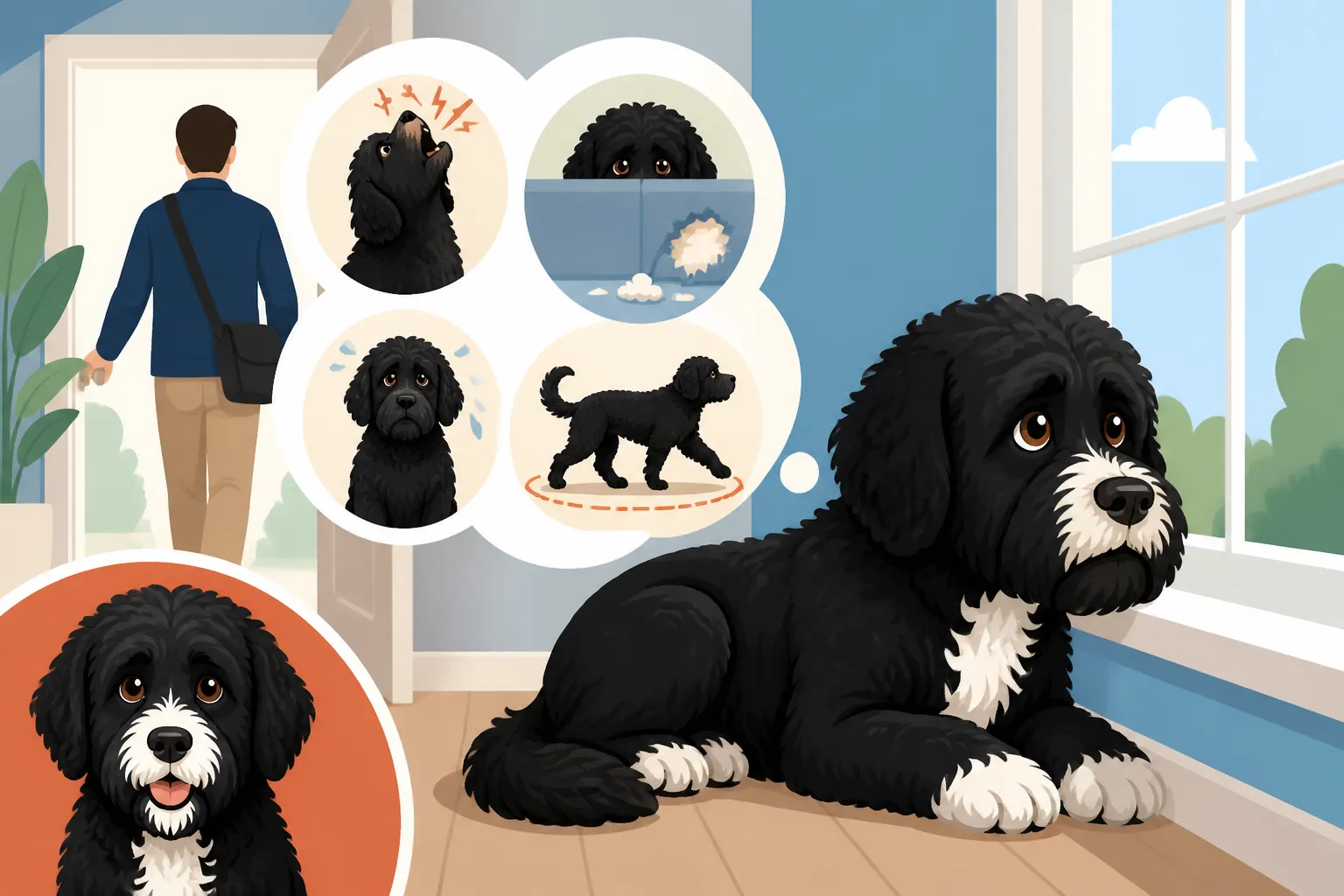
Signs a Portuguese Water Dog Has Separation Anxiety
It’s absolutely heartbreaking to leave your beloved Portuguese Water Dog, only to return to a scene of chaos or a mournful silence that speaks volumes about their distress. Many of us have felt that gut-wrenching guilt when we suspect our dog isn't just bored, but genuinely struggling when we're not around. This guide will walk you through the subtle and not-so-subtle signs that your PWD might be experiencing separation anxiety, offering insights into their behavior and how to interpret what they're trying to tell you.
Understanding the Difference Between Mild Discomfort and True Anxiety
Let's be real, no dog loves it when you leave. There's a natural inclination for our canine companions to prefer our company, and a little sigh or a sad glance when you grab your keys is totally normal. But for some Portuguese Water Dogs, that mild discomfort escalates into a full-blown panic attack the moment the door clicks shut. Understanding where your dog falls on this spectrum is crucial because it informs how you address the issue. It's not just about "bad behavior"; it's about a deep-seated fear of abandonment or isolation.
Normal Alone-Time Behaviors vs. Anxiety
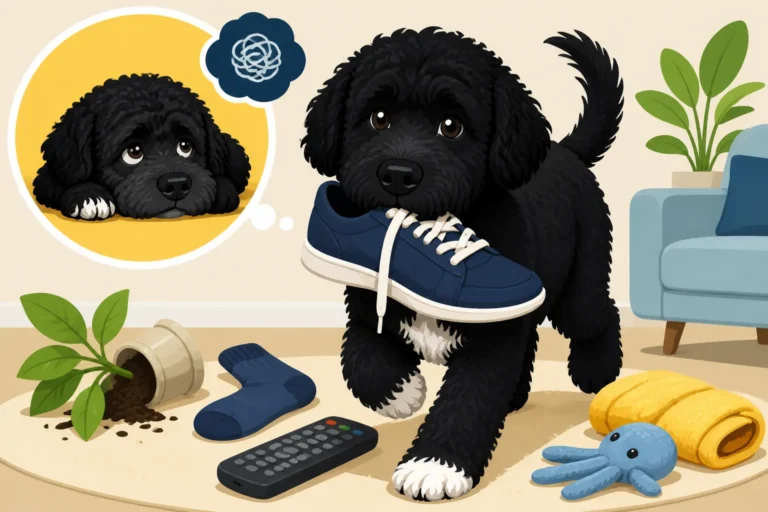
It's important to distinguish between a bored dog and an anxious dog. A bored PWD might chew on a shoe, wander around the house, or even bark at the mail carrier. This is often a sign they need more How Much Exercise a Portuguese Water Dog Needs or mental stimulation. An anxious PWD, however, isn't just bored; they're in distress. Their actions stem from a fear response, not just a lack of things to do. They might seem frantic, desperate, or completely shut down.
Imagine a scenario: You come home, and your PWD, normally a robust and energetic companion, is lying listlessly by the door, barely acknowledging your return, or conversely, they're bouncing off the walls with an almost frantic energy, unable to settle. These extreme reactions, especially if accompanied by other signs we'll discuss, point towards anxiety. A dog simply seeking entertainment might knock over a trash can out of curiosity, but a dog with separation anxiety might chew through a door frame in a desperate attempt to follow you. The intent behind the action is key.
The Impact of a PWD's Intelligence and Sensitivity
Portuguese Water Dogs are incredibly intelligent and highly bonded to their families. This very intelligence, which makes them such fantastic companions and quick learners, can also make them more susceptible to the nuances of separation anxiety. They are keenly aware of routines and the departure cues we unconsciously give. Their sensitivity means they often pick up on our own stress or anxiety when leaving them, which can exacerbate their feelings of unease.
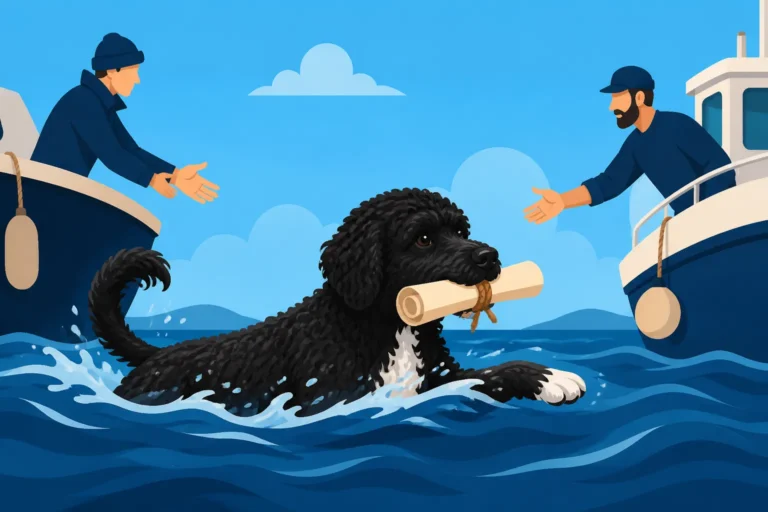
Consider how a PWD's historical role as a working dog alongside fishermen has shaped their need for companionship. They were bred to be constantly engaged with their human partners, driving fish, retrieving gear, and even carrying messages between boats. This deep-seated drive to be a "part of the crew" means that prolonged solitude goes against their very nature. When left alone, they're not just missing you; they're missing their "job" and purpose, which can trigger significant stress.
Classic Destructive Behaviors
One of the most common and often heartbreaking signs of separation anxiety in a Portuguese Water Dog is destructive behavior, especially when it's directed at exit points or items heavily scented with your presence. This isn't naughtiness; it's panic.
Chewing and Gnawing on Doorways or Windowsills
When a Portuguese Water Dog is truly gripped by separation anxiety, their chewing isn't just casual nibbling on a forgotten slipper. It's often focused intensely on doorways, windowsills, or even crates – places that represent your departure or their confinement. This destruction isn't about enjoying a chew toy; it's an attempt to escape, or a desperate coping mechanism for overwhelming stress. You might find splintered wood, scratched paint, or even teeth marks etched deeply into frames.
This type of chewing can be alarming and costly. It's a clear signal that your dog is not merely bored but experiencing profound distress. The intensity of the damage often corresponds to the level of anxiety they feel. They aren't trying to be "bad"; they are trying to alleviate an intolerable level of fear and frustration. It's their panicked attempt to rejoin you or break free from the situation causing them such overwhelming fear.
Digging and Scratching at Carpets or Walls
Beyond chewing, an anxious PWD might resort to frantic digging or scratching. You might come home to torn up carpets near a door, scratched walls, or even gouges in the floorboards. This behavior, much like the chewing, is often an attempt to "dig out" or "scratch through" barriers separating them from you. It's a primal instinct kicking in when they feel trapped and anxious.
This isn't your Portuguese Water Dog deciding to redecorate. It's a symptom of their inner turmoil. They might dig at the base of a door, attempting to create an escape route, or scratch relentlessly at a wall, driven by a powerful urge to get out of the situation. This can be incredibly frustrating for owners, especially when it damages property, but it's crucial to remember that these actions are cries for help, not acts of defiance. If you've been working on Training a Portuguese Water Dog That Was Bred to Think for Itself, you'll know how determined they can be, and this determination can unfortunately turn destructive when channeled by anxiety.
Vocalizations Beyond Normal Barking
All dogs bark, and a Portuguese Water Dog, being an alert and intelligent breed, will certainly let you know if someone is at the door or a squirrel is in the yard. However, the vocalizations associated with separation anxiety are distinct and often indicative of severe distress, rather than simple communication or territorial alerts.
Incessant Barking and Howling
One of the most common complaints from neighbors of anxious dogs is incessant barking or prolonged howling. This isn't the occasional alert bark; it's a continuous, frantic, or mournful vocalization that begins shortly after you leave and can continue for extended periods. It's their way of crying out for you, expressing their panic and loneliness. These aren't just "talking" barks; they are often high-pitched, repetitive, and sound genuinely distressed.
Many owners only become aware of this issue through neighbor complaints or by setting up a camera. Using a simple pet camera, readily available on platforms like Amazon, can be a game-changer. It allows you to actually see and hear what your PWD is doing when you're gone. You might witness them pacing, then settling into a long, drawn-out howl, or barking non-stop at the door, even if there's no one there. This continuous vocalization is a hallmark of genuine separation anxiety, reflecting their inability to settle or find comfort in your absence.
Whining and Crying That Doesn't Stop
Beyond barking and howling, anxious Portuguese Water Dogs often emit prolonged whining or crying sounds. This isn't the happy whine they might give when you grab their leash for a walk; it's a desperate, often sad-sounding vocalization that indicates profound emotional discomfort. It might be accompanied by pacing, trembling, or panting, even if the environment is cool.
These sounds are often heartbreaking to hear, even on a recording. They convey a sense of loneliness and vulnerability. A PWD might lay down, but continue to whimper and sigh, almost as if they are actively mourning your absence. If you notice your dog engaging in this type of persistent, distressed vocalization when left alone, it's a significant indicator that they are struggling with more than just boredom. The quiet crying, often overlooked, can be just as potent a sign of their internal struggle as the louder, more obvious barking.
Elimination Issues Indoors
Even the most impeccably house-trained Portuguese Water Dog can begin to have accidents indoors when suffering from separation anxiety. This isn't a sign they've "forgotten" their training or are being spiteful; it's a physiological response to extreme stress and a loss of control.
Urination or Defecation in the House
Finding urine or feces indoors, especially shortly after you've left and despite having been given ample opportunity to relieve themselves outside, is a classic sign of separation anxiety. It's not usually about marking territory or lack of training. Instead, the extreme stress and panic they feel when alone can lead to a loss of bladder or bowel control.
Think of it this way: when humans are under extreme stress, their bodies react involuntarily. The same happens with dogs. Their anxious state can cause their digestive system to speed up, or their bladder to relax. If you come home and find a mess, and your PWD usually has perfect potty habits, consider the possibility of anxiety before assuming a lapse in training or a physical illness. It's particularly telling if the accidents occur in areas associated with your departure, like near the door, or if they happen even after a thorough outdoor potty break. This is the body reacting to the unbearable mental pressure.
Submissive Urination or Defecation Upon Your Return
While less common, some Portuguese Water Dogs might exhibit submissive urination or defecation upon your return, especially if they anticipate punishment for the mess they've made. This isn't anxiety during your absence, but a manifestation of their stress and fear of your reaction. Their anticipation of your displeasure can be overwhelming, leading to an involuntary response.
This particular sign underscores the sensitive nature of PWDs and how they interpret our actions and moods. If your return is met with a dog that immediately cowers and wets itself, it's not a sign of spite, but a deeply ingrained fear response. It's a complex dynamic where their anxiety about being alone is compounded by their fear of your reaction to the resulting accidents. Addressing the root cause of the separation anxiety will be far more effective than trying to "train" away this submissive behavior.
Physiological and Subtle Behavioral Cues
Beyond the obvious destructive acts or loud vocalizations, there are many subtle yet profound physiological and behavioral cues that indicate a Portuguese Water Dog is suffering from separation anxiety. These signs often go unnoticed but are critical indicators of their internal struggle.
Pacing, Trembling, and Drooling
When a PWD is alone and anxious, they often exhibit physical manifestations of their stress. Pacing frantically around the house, trembling even when not cold, and excessive drooling are all tell-tale signs. Pacing is a restless energy, an inability to settle, as if they are searching for you or for a way out of their predicament. Trembling can be an involuntary response to adrenaline surging through their body due to fear. Excessive drooling, sometimes to the point of leaving puddles, is a classic stress response, akin to a human having a dry mouth or sweating palms when nervous.
These physical signs are direct indicators of their heightened state of arousal and fear. It's not just a momentary tremor; it might be persistent shivering or a frantic, repetitive pacing pattern that shows they are unable to relax. If you return to a home where your PWD is soaking wet from drool, even if they haven't been near water, it's a strong sign of acute stress during your absence. These subtle cues are often the first things owners notice when reviewing camera footage, revealing the depth of their dog's distress.
Self-Harm or Excessive Licking/Chewing of Paws
In severe cases, a Portuguese Water Dog may resort to self-harm as a way to cope with overwhelming anxiety. This can manifest as excessive licking or chewing of their paws, legs, or tail, sometimes to the point of creating hot spots, skin infections, or even open wounds. It's a displacement behavior, where they redirect their internal stress onto their own bodies.
This self-mutilation is a desperate coping mechanism. They're not trying to hurt themselves intentionally, but the repetitive action provides a momentary distraction or release from the intense emotional discomfort. It's heartbreaking to see, and it requires immediate intervention, not just for the physical wounds, but for the underlying mental distress. Ignoring these signs can lead to chronic skin issues and a worsening of their anxiety. This is a clear red flag that your PWD is truly suffering.
Loss of Appetite or Refusal of Treats
While less common than other signs, some Portuguese Water Dogs experiencing separation anxiety might show a complete loss of appetite or a refusal to eat treats they normally adore, specifically when left alone. This isn't a hunger strike; it's a physiological shutdown of their digestive system due to severe stress. When a dog is in a state of fight-or-flight, eating is the last thing on their mind.
If you leave a puzzle toy stuffed with delicious treats, only to find it untouched hours later, and your PWD typically devours such things, it can be a subtle but significant indicator of anxiety. A dog that is merely bored or slightly uncomfortable might eventually get around to the treats, but a genuinely anxious dog is often too distressed to engage with food, even high-value rewards. This is also a good reminder that if you're working on mitigating anxiety, treats need to be offered before you leave, or as part of a safe departure routine, not just left for them to "discover" in a panic. Tools like the BAXTER & Bella online training program often emphasize building positive associations around alone time, which would definitely include high-value, easy-to-access rewards.
When to Seek Professional Help
Recognizing the signs of separation anxiety is the first step, but knowing when to enlist professional help is just as critical. This isn't a problem that typically resolves itself, and often, it requires a multi-faceted approach involving veterinary care, professional training, and behavioral modification.
Consulting Your Veterinarian First
Before you jump to any conclusions about behavior, your first stop should always be your veterinarian. Many medical conditions can mimic the symptoms of separation anxiety, such as incontinence, pain, or even certain metabolic diseases. A thorough vet check can rule out any underlying physical issues, ensuring you're treating the right problem. Your vet can perform blood work, urinalysis, and a complete physical exam to get a baseline on your Portuguese Water Dog's health.
For example, a sudden increase in indoor urination could be a sign of a urinary tract infection, kidney issues, or even diabetes, not necessarily anxiety. Similarly, lethargy or reluctance to move could indicate joint pain rather than a depressed state from being alone. Once medical causes are ruled out, your vet can also discuss potential pharmaceutical interventions or calming supplements, if appropriate, to help manage severe anxiety symptoms while behavioral modification is underway. They can provide a crucial foundation for any future training plans. You might also ask them about Whether a Portuguese Water Dog Needs Its Teeth Cleaned if the chewing has been particularly destructive, as their teeth could be damaged.
Working with a Certified Professional Dog Trainer or Behaviorist
Once medical issues are off the table, the next step is often to work with a certified professional dog trainer or a veterinary behaviorist. These experts specialize in canine behavior and can create a tailored plan to address your PWD's specific anxiety triggers and responses. They employ positive reinforcement techniques and systematic desensitization to help your dog gradually become more comfortable with being alone.
A good behaviorist won't just tell you what to do; they'll help you understand why your PWD is behaving this way and teach you how to read their subtle cues. They might recommend specific exercises, like mock departures, or teach you how to desensitize your PWD to your departure cues (keys, coat, shoes). They can also guide you on environmental enrichment, ensuring your dog has appropriate mental stimulation when you're gone. Programs like those offered by BAXTER & Bella can be a fantastic resource for this, as they often provide structured, step-by-step guidance that you can implement from home. This kind of professional guidance is invaluable because separation anxiety is complex and requires a nuanced approach.
The Role of Management and Environmental Enrichment
While you're working with professionals, managing your PWD's environment and enriching their alone time is crucial. This means preventing opportunities for them to practice anxious behaviors as much as possible, which often involves crating (if they are comfortable with it) or confining them to a safe, dog-proofed area. Providing high-value, long-lasting chew toys or puzzle feeders can also help distract them and create positive associations with your absence.
For instance, you might fill a durable rubber toy with peanut butter and freeze it, offering a long-lasting distraction. Products like these are easily found on Amazon. Ensuring your PWD gets plenty of physical and mental exercise before you leave can also help. A tired PWD is often a calmer PWD. Consider taking them for a long swim or a vigorous game of fetch before you need to depart. Remember, this isn't about "punishing" them by crating; it's about creating a safe space where they are less likely to injure themselves or engage in destructive behaviors driven by panic. Consistency in your routine and patience are key for a Portuguese Water Dog to truly settle in their alone time.
Creating a Safe and Predictable Routine
Portuguese Water Dogs thrive on routine and predictability. A haphazard schedule where their alone time is inconsistent or unpredictable can worsen anxiety. Establishing a clear, consistent routine can provide the stability and comfort your PWD needs to feel more secure when you're not around.
Establishing Consistent Departure and Arrival Routines
Your departure and arrival routines, even the smallest details, can significantly impact your PWD's anxiety. Aim for calm, understated goodbyes and hellos. Making a big fuss when you leave or return can inadvertently heighten their anxiety, as it reinforces the idea that your departure is a dramatic event. Instead, try to make your exits and entrances as low-key as possible.
Before leaving, ensure your PWD has had ample opportunity for exercise and a potty break. A short, calm interaction, perhaps giving them a special, long-lasting chew, then simply walking out the door without a drawn-out goodbye, can be incredibly beneficial. When you return, ignore them for the first few minutes until they are calm, then greet them quietly. This teaches them that your comings and goings are not a big deal. Over time, this consistency helps desensitize them to the emotional rollercoaster of your absence and presence. How Long a Portuguese Water Dog Copes Alone often depends on how effectively these routines are implemented.
Providing Ample Exercise and Mental Stimulation
A tired Portuguese Water Dog is a happy Portuguese Water Dog, and this is especially true for dogs prone to anxiety. These intelligent, energetic dogs need a significant amount of physical exercise and mental stimulation to be content. An under-exercised or bored PWD is far more likely to develop or exacerbate separation anxiety. Think about their history; they weren't couch potatoes! They were actively engaged working.
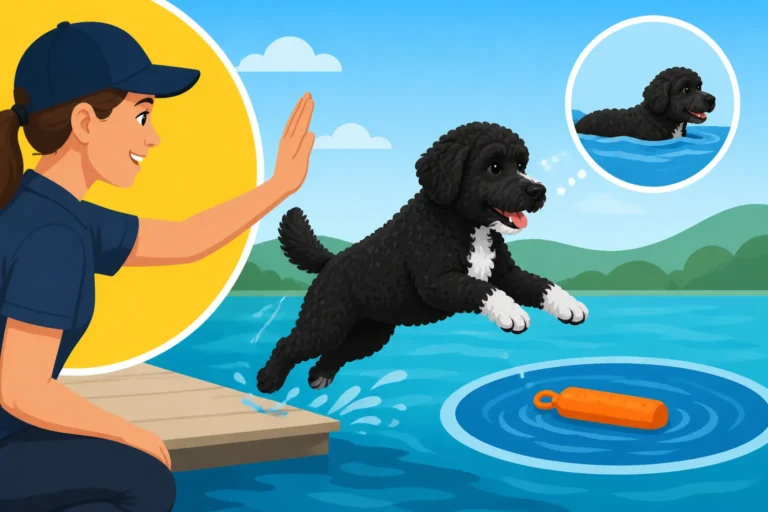
Ensure your PWD gets a vigorous walk, run, or swim before you leave them alone. Swimming is particularly excellent for them, as it’s a full-body workout that's easy on their joints. Why Swimming Protects a Portuguese Water Dog's Joints is a topic many owners explore. Beyond physical exertion, mental stimulation is vital. Puzzle toys, interactive feeders, or even short training sessions before you leave can help drain their mental energy, making them more likely to rest calmly while you're gone. A mentally satisfied dog has less internal "space" for anxiety to fester. Always consider What a Portuguese Water Dog Needs Every Day to prevent boredom and anxiety from taking root.
Medications and Alternative Therapies
For severe cases of separation anxiety, behavioral modification and routine adjustments alone may not be enough. In these situations, your veterinarian might discuss the possibility of medications or recommend alternative therapies to help manage your Portuguese Water Dog's anxiety.
When Medication Might Be Necessary
In consultation with your veterinarian or a veterinary behaviorist, medication might be considered for PWDs with severe, debilitating separation anxiety. These medications, often antidepressants or anxiolytics, are not a magic bullet but can help to lower your dog's overall anxiety levels, making them more receptive to behavioral training. They work by altering brain chemistry to reduce the intensity of the panic response.
It's crucial to understand that medication is typically used as an adjunct to behavioral modification, not a replacement. It helps to take the edge off the extreme panic, allowing your dog's brain to actually learn new coping mechanisms. It might be prescribed for a limited time or on an ongoing basis, depending on your dog's specific needs and response. Your vet will monitor your PWD closely to find the right dosage and combination, and they will discuss potential side effects. This decision is always made carefully, weighing the benefits against the risks, with your dog's well-being as the top priority.
Calming Aids and Supplements
Beyond prescription medications, there are various calming aids and supplements that some owners find helpful for milder cases of anxiety or to complement a broader treatment plan. These can include pheromone diffusers, calming collars, thundershirts, or supplements containing ingredients like L-theanine, tryptophan, or CBD.
Pheromone diffusers, for example, release synthetic dog appeasing pheromones that mimic those secreted by a nursing mother dog, aiming to provide a sense of comfort and security. Calming shirts provide gentle, constant pressure, similar to swaddling a baby, which can have a soothing effect. Many of these products are available through retailers like Amazon. While these aids can be beneficial for some dogs, their effectiveness varies widely, and they are generally most effective when used as part of a comprehensive strategy that includes behavioral modification and a consistent routine. Always discuss any supplements with your vet before introducing them to ensure they are safe and appropriate for your Portuguese Water Dog.
| Behavior Type | Normal Alone-Time Behavior | Separation Anxiety Symptom |
|---|---|---|
| Vocalization | Occasional bark at a sound outside, short greeting barks. | Incessant barking, prolonged howling, distressed whining and crying. |
| Destructive Chewing | Chewing on an appropriate toy, occasional misplaced shoe chew. | Chewing on doorways, window sills, crate bars, or owner-scented items. |
| Elimination | No accidents, holds bladder/bowel until outdoor opportunity. | Urinating/defecating indoors shortly after owner leaves, despite being pottied. |
| Physical Cues | Resting, sleeping, calmly observing surroundings. | Pacing, trembling, excessive drooling, panting, self-licking/chewing. |
| Response to Owner | Happy, calm greeting upon return. | Frantic greetings, excessive seeking of attention, or withdrawal/fear. |
Disclaimer
This article is for general informational purposes only and does not constitute professional advice. Laws, prices and regulations vary by location and change over time. Consult a qualified professional for guidance on your specific situation.