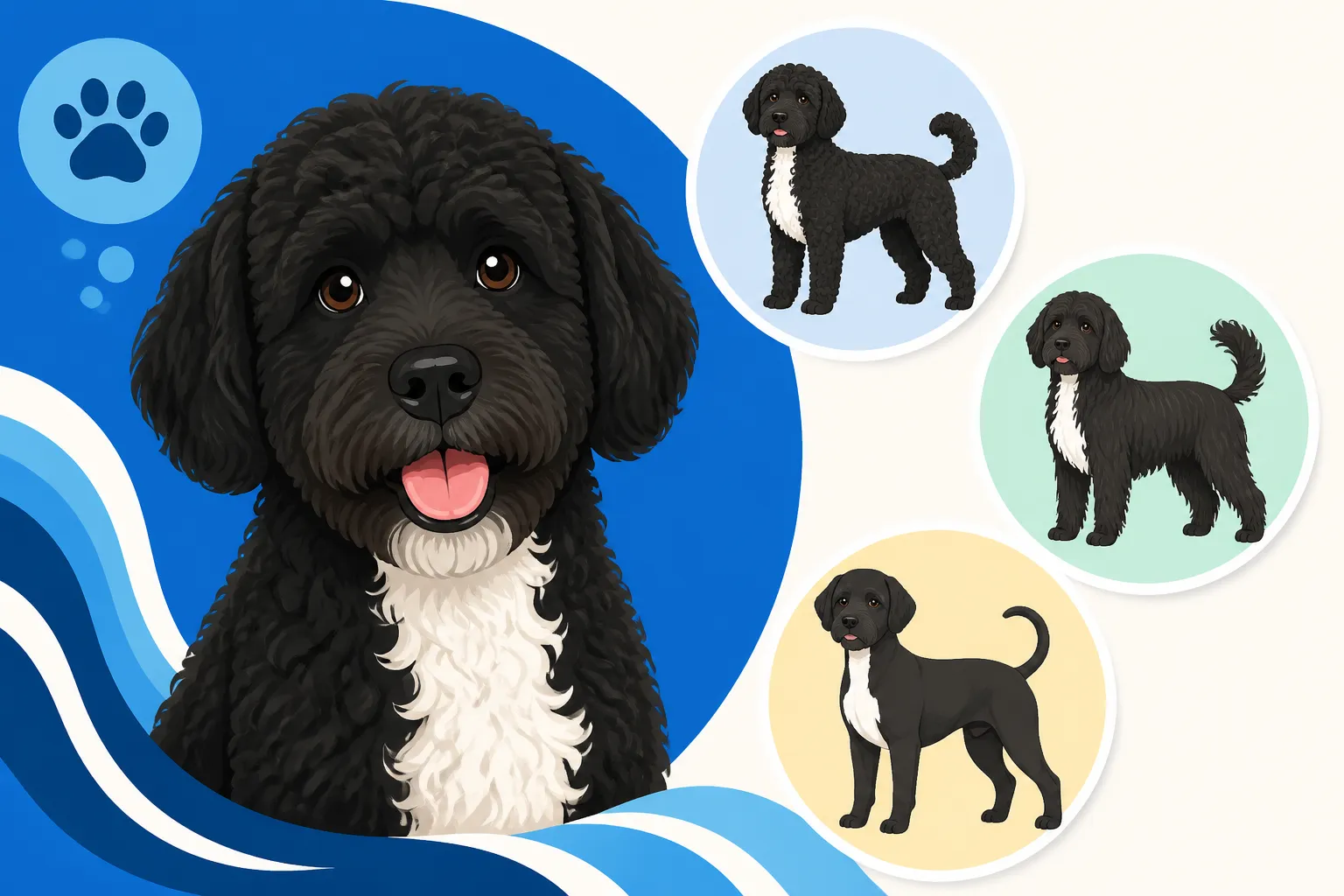
Which Coat Types a Portuguese Water Dog Comes In
One of the first things prospective Portuguese Water Dog owners often grapple with is understanding their unique coat. It’s not just a cute, curly look; it’s a living, growing part of the dog that requires specific care and impacts everything from their swimming ability to how much hair you find on your furniture. If you’re trying to figure out if your future pup will be wavy or curly, or what that even means for daily life, this guide is here to break down the distinct coat types of the Portuguese Water Dog, what they truly entail, and how to prepare for them.
The Basics of the Portuguese Water Dog Coat
Before we dive into the specific types, it's crucial to understand the fundamental characteristics that define the Portuguese Water Dog's coat. This isn't just about aesthetics; these features have profound implications for grooming, allergies, and the dog's comfort in various environments.
A Single Coat, Not a Double
Unlike many breeds, Portuguese Water Dogs possess a single coat, meaning they lack an insulating undercoat. This is a critical distinction, as it directly influences their shedding patterns and their often-touted "hypoallergenic" qualities. A double coat typically consists of a soft, dense undercoat for insulation and a coarser, protective outer coat. When a dog has a single coat, it means they only have that outer layer of hair. This characteristic is precisely why PWDs are known for shedding far less than breeds with double coats, which seasonally "blow" their undercoats.
For an owner, this means less hair around the house, on clothing, and in your car. However, it doesn't mean no shedding. All dogs, even PWDs, lose some hair. But instead of shedding in large clumps or continuously, their shed hair tends to get caught within the existing coat. This internal trapping of shed hair is what necessitates regular brushing to prevent matting and to remove the dead hair before it becomes a problem. The lack of an undercoat also impacts their thermoregulation; while excellent for swimming in cold water, their single coat doesn't offer the same universal protection against extreme cold as a dense double coat might on land.
The "Hair" vs. "Fur" Debate
It might sound like splitting hairs (pun intended!), but referring to a Portuguese Water Dog's covering as "hair" rather than "fur" is actually quite accurate and highlights another key aspect of their unique coat. While scientifically, "hair" and "fur" are often used interchangeably, in the dog world, "hair" usually implies a continuously growing coat with a longer growth cycle, similar to human hair, whereas "fur" often refers to a coat with a predetermined growth length that sheds out more frequently. The Portuguese Water Dog's coat grows continuously, which is why they need regular clipping, just like humans need haircuts.
This continuous growth is what truly contributes to their low-shedding nature. The hair strands stay attached longer, reducing the amount released into the environment. It also means that without regular grooming, the coat will simply keep growing longer and longer, quickly becoming a matted mess. This continuous growth is also why their coat texture is so distinctive—it's soft and resilient, yet prone to tangling if not cared for properly. Understanding this characteristic helps explain why a Portuguese Water Dog is not a "wash and wear" breed and why proper grooming is an ongoing commitment throughout their life.
The Two Official Coat Types: Curly and Wavy
When you talk about Portuguese Water Dog coats, you're primarily talking about two distinct types: curly and wavy. Both are considered correct according to breed standards, but they look and feel quite different, and each comes with its own set of grooming considerations.
The Curly Coat Explained
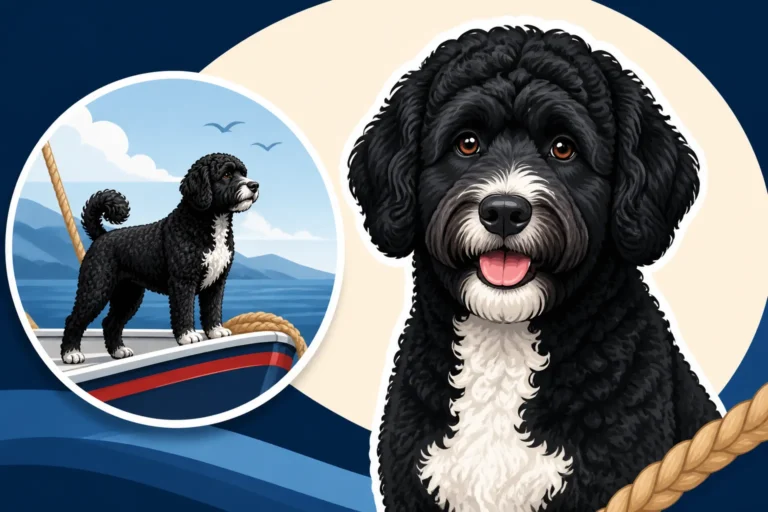
The curly coat is what many people immediately picture when they think of a Portuguese Water Dog, thanks to its striking appearance. Imagine a dense, often slightly duller-looking coat that covers the entire body with tight, compact curls. These curls are not loose ringlets; they're typically cylindrical, meaning each strand forms a distinct, tight coil, much like a sheep's fleece but softer to the touch. When you run your hand through a curly coat, you'll feel this springy, resilient texture, almost like a tightly wound spring. The density is quite impressive, making it feel thick and substantial.
Because the curls are so tight and dense, they have a natural tendency to trap shed hair and debris close to the skin. This characteristic makes the curly coat incredibly efficient for shedding water, as the water beads up and rolls off rather than soaking into the individual strands deeply. However, this same trait also means that if neglected, mats can form incredibly quickly and close to the skin, becoming tight, painful knots that are difficult to remove. When a curly-coated PWD gets wet, the curls become even more defined and often shrink a bit, emphasizing their coiled nature. This coat can feel surprisingly hard when dry if the curls are very tight, but it should still be soft and pliable, not coarse or brittle.
The Wavy Coat Explained
The wavy coat, while equally correct, presents a softer, more flowing appearance compared to its curly counterpart. Instead of tight, cylindrical coils, the wavy coat features loose, undulating waves. These waves can vary in intensity, from a gentle ripple to more pronounced "S" shapes. When you touch a wavy coat, it generally feels softer and has a noticeable sheen, often appearing more lustrous than a curly coat. The hair strands themselves tend to be longer than those of a curly coat, contributing to its shaggier, less dense look. It has a definite flow and movement that the curly coat lacks.
Despite its softer appearance, the wavy coat is just as hardy and water-resistant. The waves still help shed water effectively, though perhaps not quite as efficiently as the tight curls. Grooming a wavy coat still requires diligence, but the mats might be a little easier to spot and work out if they haven't set too deeply, simply because the hair isn't quite as compacted. However, its slightly longer and softer nature means it can still tangle and felt up quickly if not brushed regularly. When a wavy-coated PWD gets wet, the waves become even more pronounced, creating a beautiful, almost sculpted look as the water clings to the peaks and troughs.
Understanding the Differences in Grooming Needs
Regardless of whether your Portuguese Water Dog has a curly or wavy coat, regular grooming is non-negotiable. However, the nuances of that grooming routine can differ significantly between the two coat types, largely due to their differing textures and density.
Brushing Requirements for Each Coat
Let's be frank: both coat types need a lot of brushing. This isn't a breed you can wash and forget about. The very characteristic that makes them low-shedding—their continuously growing hair that traps loose strands—also makes them highly prone to matting. However, the approach to brushing changes.
For the curly coat, the goal is to get right down to the skin and separate those tight coils. You'll typically need a sturdy slicker brush and a good metal comb. Line brushing is a must: you essentially part the hair in sections, brush upwards against the growth to the skin, then brush downwards, ensuring you've brushed every layer. This method helps to detangle and remove dead hair from the deepest parts of the coat. Because the curls are so dense, mats can hide deep within, close to the skin, becoming incredibly painful if not addressed. You might find yourself needing to brush a curly-coated PWD every day, or at least every other day, especially if they are actively swimming or playing outdoors. Tools from retailers like Chewy often include robust slicker brushes and wide-toothed combs that are essential for tackling these dense curls effectively.
The wavy coat, while appearing softer, still demands attention. Its longer, more flowing strands can also knot up, particularly in friction areas like behind the ears, under the legs, and around the collar. A slicker brush is still your best friend, but you might find it easier to work through the waves than the tight curls. A good metal comb is just as important for checking your work and ensuring no hidden mats. While a wavy coat might not mat quite as quickly or as densely as a very tight curly coat, weekly thorough line brushing is still the absolute minimum. If your wavy-coated pup is a true water enthusiast, splashing in lakes or oceans, you'll need to increase that frequency significantly. Mats on a wavy coat tend to be a bit more visible on the surface, which can be a small advantage in catching them early. How Long Brushing a Portuguese Water Dog Takes is a great article to get a real sense of the time commitment.
Drying Challenges and Solutions
Drying a Portuguese Water Dog thoroughly after a swim or a bath isn't just about avoiding a wet dog smell; it's absolutely crucial for preventing skin issues and, you guessed it, matting. Both coat types present their own drying challenges.
The curly coat acts like a sponge, or more accurately, like a hundred tiny sponges. The tight, dense curls trap water within their structure, making them incredibly slow to air dry. If you allow a curly-coated PWD to air dry, especially if the weather isn't warm and dry, you're inviting skin irritation, hot spots, and a breeding ground for yeast or bacteria. Worse, as the hair dries, those tight curls can shrink and felt together, creating dense mats that become nearly impossible to brush out without cutting. A force dryer (a powerful, motor-driven blower without heat) is an indispensable tool for anyone with a curly-coated PWD. It blasts the water out from the skin up, helping to separate the curls and dry them completely and quickly. This process helps minimize matting and keeps the skin healthy.
The wavy coat, while it might appear to dry faster because the individual strands are longer and less tightly packed, still holds a surprising amount of water. Its softer texture means it can also felt together if left damp, creating wide, flat mats rather than the dense knots of a curly coat. Just like the curly coat, a wavy PWD should never be left to air dry completely, especially if they have any length to their coat. A force dryer is equally recommended for wavy coats to ensure the underlayers are completely dry. The blast of air not only removes moisture but also helps to straighten the waves, making brushing much easier once the coat is dry. The article Drying a Portuguese Water Dog After Every Swim offers excellent advice on this critical aspect of PWD care. Failing to dry either coat type properly after a swim means you're setting yourself up for hours of painful dematting, or even a trip to the groomer for a complete shave-down if the mats become too severe.
The Impact of Coat Type on Lifestyle and Care
The specific coat type of your Portuguese Water Dog, whether curly or wavy, isn't just about how they look; it subtly influences aspects of their daily life, especially when it comes to their natural affinity for water and how you manage potential allergies.
Water Work and Coat Practicalities
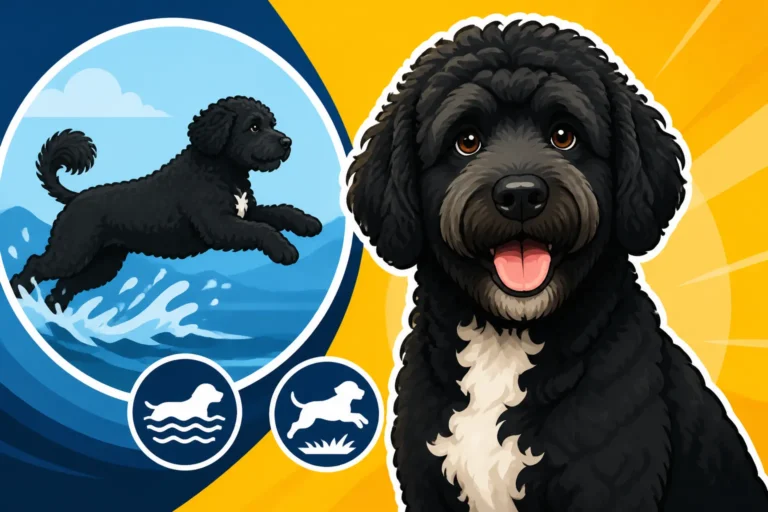
Portuguese Water Dogs were, after all, bred to work in and around water, and their coat is perfectly designed for it. Both the curly and wavy coats excel at shedding water, providing insulation, and protecting the dog's skin. However, there are minor practical differences.
The curly coat, with its dense, cylindrical curls, offers exceptional water repellency. Water tends to bead up and roll off the surface, making these dogs incredibly efficient in the water. The tight curls can create a protective barrier, almost like a natural wetsuit, retaining body heat in colder waters. This density means they can spend extended periods in the water comfortably, a trait invaluable for their historical role with fishermen. However, the downside is that this same density means they take longer to get thoroughly wet during a bath, and crucially, longer to dry completely afterward, even with a force dryer. If not dried meticulously, the dense, damp curls can become a breeding ground for moisture-related skin issues like hot spots or fungal infections. Ensuring their ears are dry is particularly important too; Why a Swimming Dog Gets Ear Infections is a must-read for PWD owners.
The wavy coat, with its softer, more open structure, also performs admirably in water. The waves allow for efficient water shedding, and the coat still provides good insulation. Some owners feel that wavy coats might dry slightly faster than extremely dense curly coats, though this can be marginal and depends heavily on the individual dog's coat density. The wavy coat, being a bit more flowing, might pick up a bit more debris like leaves or sticks during land activities near water, simply because the strands are longer and less tightly packed. Again, leaving a wavy coat damp can lead to mats that felt closer to the skin, and just like their curly counterparts, vigilance about drying is key to preventing skin problems. Regardless of coat type, rinsing your PWD after swimming in chlorinated pools or salty ocean water is a good practice to protect their skin and coat quality.
Shedding, Allergies, and the "Hypoallergenic" Myth
The term "hypoallergenic" is often associated with Portuguese Water Dogs, and while it's true they are generally better tolerated by allergy sufferers than many other breeds, it's a critical misconception to think they are truly non-allergenic. There's no such thing as a 100% hypoallergenic dog. The term simply means "less allergenic."
The main allergen for most people sensitive to dogs isn't the hair itself, but rather the dander (microscopic flakes of skin), saliva, and urine proteins that adhere to the hair. Because Portuguese Water Dogs have a single coat that grows continuously and sheds minimally, their dander tends to get trapped within the coat rather than being released into the environment. This means less dander floating in the air and settling on surfaces, which is a huge relief for many allergy sufferers. Both curly and wavy coats share this low-shedding characteristic equally, so neither is inherently "more hypoallergenic" than the other in terms of allergen production. Whether a Portuguese Water Dog Suits an Allergy Household delves deeper into managing expectations around allergies.
However, it's important for prospective owners with allergies to spend time with a Portuguese Water Dog before committing. Individual reactions can vary greatly. Some people might react to the dander that does get released during brushing, or to the saliva if the dog licks them. While the PWD is an excellent choice for many with mild to moderate dog allergies, it's never a guarantee. Regular grooming, including bathing and brushing, helps to further minimize allergens in the home by removing trapped dander and loose hair before it can become airborne. Regardless of coat type, the PWD's unique coat properties are what make them a viable option for many families who thought they could never own a dog.
Coat Changes and Common Misconceptions
Understanding that a Portuguese Water Dog's coat isn't static is important. It goes through phases, particularly in its younger years, and there are some common misunderstandings about what a "correct" PWD coat should look like.
The Puppy Coat Transition
Bringing home a Portuguese Water Dog puppy is a joy, and their soft, often fluffy puppy coat is absolutely adorable. However, this coat is temporary. Sometime between 6 to 18 months of age, your puppy's soft, often finer puppy coat will begin to transition into their adult coat. This period, often referred to as "blowing coat," is a challenge for many new PWD owners. When a Portuguese Water Dog's Puppy Coat Changes is a great resource if you're experiencing this.
During this transition, the new adult hair starts to push out the puppy fluff. The textures clash, and the different lengths and densities of hair create a perfect storm for matting. You might find that areas that were once easy to brush suddenly become incredibly challenging, with mats forming seemingly overnight. This is the period when many owners discover the true dedication required for PWD grooming. Increased brushing, often daily, sometimes even twice a day, is essential to prevent painful mats from setting in. This transition can last for several months, and it requires patience, consistent effort, and often, a really good groomer or mentor to guide you through it. Some owners even opt for a shorter clip during this phase to manage the matting more easily. It's a rite of passage for PWD owners, and once through it, managing the adult coat often feels like a breeze by comparison.
The "Improper Coat" (IC)
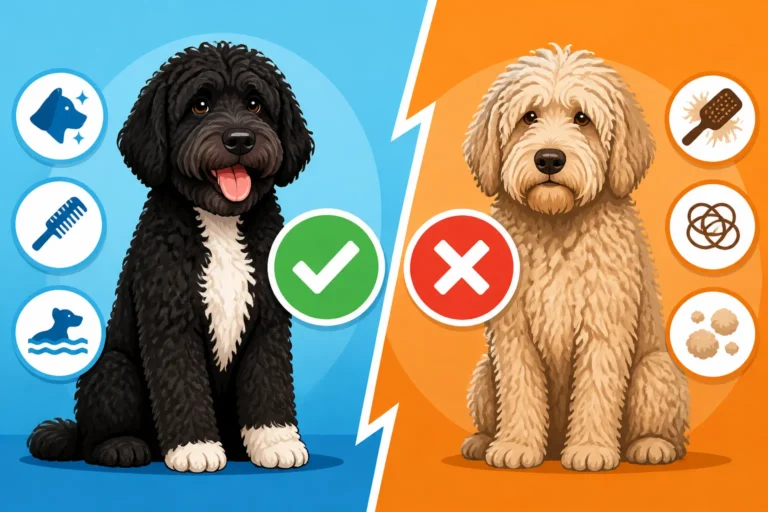
Beyond the curly and wavy coats, there's another genetic possibility that breeders must consider: the "improper coat" (IC). This isn't a third official coat type; rather, it's a genetic fault that results in a coat that is smooth and flat, lacking the characteristic curl or wave of a true Portuguese Water Dog. What Improper Coat Means in a Portuguese Water Dog provides a detailed look at this specific genetic trait.
An improper coat is caused by a recessive gene. If a puppy inherits two copies of this gene (one from each parent), they will display an improper coat. Dogs with an improper coat typically have much shorter, straighter hair on their muzzle, face, and legs, and a coat that lays flat or has a very slight wave on the body, similar to a Labrador Retriever's coat. They shed more than a standard PWD and generally lack the characteristic texture and water-shedding properties of the breed. While improper coated dogs are perfectly healthy and make wonderful pets, they are disqualified from the conformation show ring because their coat deviates significantly from the breed standard.
Reputable breeders will genetic test their breeding stock for the IC gene to ensure they are not producing improper-coated puppies. If a breeder has a carrier (a dog with one copy of the gene), they will only breed that dog to a non-carrier to ensure that none of the offspring will be improper coated. This commitment to genetic health and breed standards is a hallmark of responsible breeding practices and something you should always discuss with any potential breeder.
What to Expect and Ask Your Breeder
Navigating the world of Portuguese Water Dog coats can feel a bit overwhelming, especially if you're new to the breed. Knowing what to expect and, more importantly, what questions to ask a responsible breeder, can make all the difference in finding the right pup for your family.
Predicting Coat Type in Puppies
It's natural to have a preference for a curly or wavy coat, but predicting a Portuguese Water Dog puppy's adult coat type can be surprisingly challenging when they are very young. While experienced breeders can often make an educated guess based on the parents' coats and the puppy's appearance at 8 weeks, it's rarely a 100% certainty. Puppies typically have a softer, fluffier coat that doesn't fully indicate how it will mature.
Breeders might look at the texture and tightness of any curl present, especially on the ears or tail, to get a clue. Some might have a strong sense based on observing previous litters from the same parents. However, a puppy that appears wavy at 8 weeks could develop tighter curls, and vice-versa, as their coat matures over the first year or two. It's important to be open to either coat type if you're set on a PWD, as a breeder prioritizes health and temperament above specific aesthetic preferences. If you have a strong preference, communicate it to your breeder, but understand that they might not be able to guarantee it, as they often match puppies based on overall temperament fit for the family.
Genetic Testing for Coat and Quality Breeders
This is where a responsible, transparent breeder truly shines. Genetic testing has revolutionized breed health, and the Portuguese Water Dog is no exception. Beyond essential health clearances, reputable breeders will also perform genetic testing for specific coat traits, most notably for the improper coat (IC) gene.
A good breeder will be able to show you the genetic results for both parents of your potential puppy, confirming their status (clear, carrier, or affected) for the improper coat gene. This transparency ensures that they are making informed breeding decisions to maintain the health and integrity of the breed. For instance, if one parent is a carrier for IC, they should only be bred to a dog that is clear, ensuring no puppies will be affected by the improper coat. You can learn more about important genetic screenings in Which DNA Results to Ask a Portuguese Water Dog Breeder For.
When seeking out a breeder, don't hesitate to ask detailed questions about their genetic testing protocols. They should be proud to share this information and explain what it means. Look for breeders who participate in national breed club health programs and openly register their test results with databases like the Orthopedic Foundation for Animals (OFA) or the Canine Health Information Center (CHIC). A breeder's commitment to these practices is a strong indicator of their dedication to producing healthy, well-bred Portuguese Water Dogs with correct coats. While Chewy is a fantastic resource for everything from food to toys and grooming supplies, it's these ethical breeding practices that lay the foundation for a healthy dog, regardless of its coat type.
| Coat Type | Appearance | Texture | Grooming Frequency (Active Dog) | Matting Tendency | Drying Time |
|---|---|---|---|---|---|
| Curly | Dense, tight, cylindrical curls | Often slightly dull, springy, resilient | Daily or every other day | High, mats close to skin, dense | Longer, requires force dryer |
| Wavy | Loose, flowing "S" shaped waves | Often shiny, soft, pliable | Every 2-3 days (thorough) | High, mats can be flatter/wider | Moderate, benefits from force dryer |
Disclaimer
This article is for general informational purposes only and does not constitute professional advice. Laws, prices and regulations vary by location and change over time. Consult a qualified professional for guidance on your specific situation.