Drying a Portuguese Water Dog After Every Swim
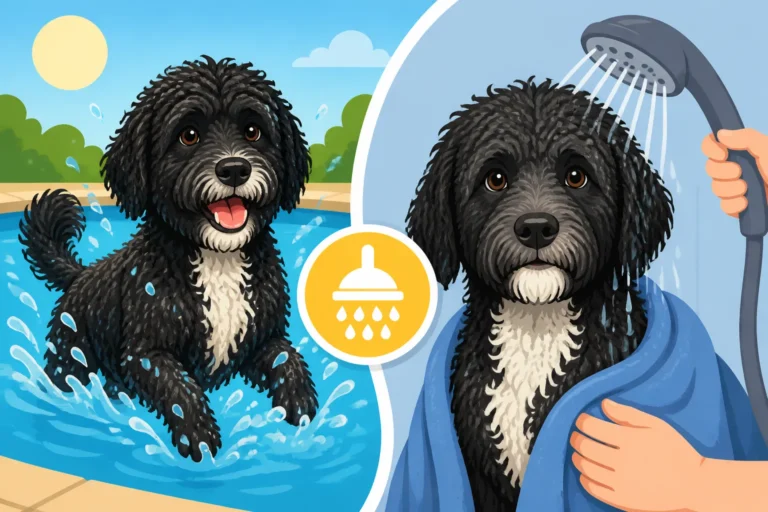
Oh, the sheer joy of watching your Portuguese Water Dog plunge into the water, a natural born swimmer living their best life! There’s nothing quite like it. But then they emerge, a magnificent, dripping, shaggy beast, ready to shake themselves dry – usually all over your clean floor, your furniture, or even you. And beyond the immediate splash, many PWD owners quickly discover that a wet Portuguese Water Dog isn't just a momentary inconvenience; it's an invitation for mats, skin issues, and that distinct damp dog smell to take over their home. This guide is here to walk you through the absolute necessity and the most effective ways to thoroughly dry your beloved PWD after every single swim, ensuring their health, comfort, and keeping your house from becoming a perpetually soggy swamp.
Why Thorough Drying is Crucial for Your PWD's Well-being
It might seem like a lot of effort, but I promise you, consistently and properly drying your Portuguese Water Dog after they've enjoyed a swim isn't just about aesthetics or keeping your couch dry. It’s fundamentally about their health and happiness. Their unique coat, while a marvel of nature for water work, becomes a liability if not managed correctly post-dip. Ignoring this critical step can lead to a cascade of problems that are uncomfortable for your dog and costly for you to fix.
Preventing Skin Issues and Hot Spots
One of the most common and uncomfortable issues that arises from leaving a Portuguese Water Dog damp is the dreaded hot spot. These are angry, red, inflamed lesions on the skin that can appear seemingly overnight, often oozing and extremely itchy. Hot spots thrive in warm, moist environments, and a PWD's dense coat, when left to air dry, creates exactly that kind of breeding ground close to their skin. The water gets trapped against the skin, and bacteria seize the opportunity to multiply, causing intense irritation.
Imagine wearing a wet swimsuit for hours on end, never getting fully dry – you can feel the chafing and the clamminess, right? It's similar for your dog, but with a thick, insulated fur layer making it even worse. These spots can become incredibly painful and can lead to secondary infections if not caught early and treated promptly by a vet. Prevention, in this case, is far easier and kinder than cure, and that prevention starts with getting them genuinely dry.
Avoiding Mats and Tangles
Anyone who owns a Portuguese Water Dog knows the constant battle against mats. Their wonderful, non-shedding, single coat is prone to tangling, and water only exacerbates this tendency. When the coat gets wet, individual hairs clump together, and as they dry, they form tight, dense knots, especially in friction areas like behind the ears, under the legs, on the chest, and around the collar. These mats aren't just unsightly; they pull on the skin, causing discomfort and even pain.
A small mat can quickly grow into a large, impenetrable pelt if left unchecked, often requiring professional grooming or even sedation to shave off. This is not only stressful for your dog but can also be quite expensive. Thorough drying, combined with careful brushing during and after the process, helps to separate the hairs and prevent them from clumping together in the first place. You're essentially "setting" their coat correctly as it dries, ensuring it remains free-flowing and healthy, rather than a tangled mess. How Often a Portuguese Water Dog Needs Brushing is a battle plan for everyday life, but it becomes even more critical after a swim.
Keeping Your Home Clean and Odor-Free
Let's be honest, that "wet dog" smell is a real thing, and it's not exactly a pleasant aroma to have lingering in your living space. A damp Portuguese Water Dog, especially one that takes hours to air dry, can permeate your entire home with this distinctive scent. The smell is largely caused by yeast and bacteria multiplying on their skin and coat in that humid environment, and it gets transferred to every surface they rub against or lie on.
Beyond the smell, a wet dog tracks in dirt, mud, and whatever else they picked up from their swimming adventure. Wet paws leave muddy prints, and a damp coat can easily transfer grit and debris to your furniture, carpets, and even your clothes. Properly drying your PWD means less odor, fewer mud tracks, and a generally cleaner house – a win-win for everyone in the family. It also helps preserve your investment in dog beds and blankets, as persistently damp bedding can also develop its own unpleasant odors and mold issues.
The Anatomy of a Wet Portuguese Water Dog's Coat
To truly understand why drying is such a rigorous process for a Portuguese Water Dog, you need to appreciate the unique characteristics of their coat. It's not just hair; it's a marvel of canine engineering, designed for centuries to protect them in the cold, often salty, waters of the Portuguese coast. But what made it perfect for a fisherman's companion at sea, also makes it a bit of a project at home after a lake dip or a pool session.
Understanding the Single Layer and Density
Unlike many other breeds with a double coat (a soft undercoat and coarser guard hairs), the Portuguese Water Dog boasts a single layer of hair. This might sound counter-intuitive for a water dog, as undercoats are often associated with insulation. However, their single coat is incredibly dense and plentiful, providing ample warmth and protection. It's also distinctively non-shedding (though they do shed individual hairs like humans, it's not a seasonal "blow-out" like many breeds), which is a blessing for allergy sufferers but a challenge for groomers.
This density means there's just so much hair to get wet and so much surface area to hold moisture. Think of a very thick, tightly woven wool blanket. It's fantastic for keeping you warm, but if it gets soaked, it takes ages to dry, and it holds a tremendous amount of water. Their coat acts much the same way, creating a veritable sponge that soaks up every drop of water and then holds onto it stubbornly. It’s what allowed them to work for hours in chilly ocean waters, but it’s also what makes them prone to dampness if not proactively dried. What a Portuguese Water Dog's Coat Is Made Of delves deeper into these unique characteristics.
How the Coat Traps Water
The texture of the Portuguese Water Dog's coat, whether curly or wavy, is a master at trapping water. The curls or waves create small pockets and channels that hold water close to the skin, preventing air circulation from reaching the lower layers of the coat and the skin itself. This isn't just surface moisture; the water penetrates deep into the hair shafts and gets caught within the intricate network of curls and waves.
When a PWD emerges from the water, gravity certainly helps shed some of the larger droplets, and a good shake removes more, but a significant amount remains stubbornly clinging to the coat. This trapped water is precisely what contributes to the long drying times, the risk of skin issues, and the development of mats. It’s why simply letting them "drip dry" or giving them a quick rub with a towel is simply not enough for these incredible working dogs. The structure of their coat is both their greatest asset and their biggest grooming challenge.
The Impact of Different Coat Types (Curly vs. Wavy)
Portuguese Water Dogs come in two distinct coat types: curly and wavy. While both are single coats and share the dense, water-resistant qualities, they can present slightly different drying challenges. The curly coat is typically tighter, forming compact cylinders of hair. This can sometimes make it even harder for air to penetrate to the skin, as the curls are so close-knit. Water gets truly locked in.
The wavy coat, on the other hand, is generally softer and has a more flowing, shaggy appearance with distinct waves rather than tight curls. While it might look like it would dry faster due to its looser texture, it can still hold a remarkable amount of water, and the longer strands can be particularly prone to tangling as they dry. Some owners report that the wavy coat can feel heavier when wet and might absorb slightly more water due to increased surface area if the waves are very pronounced. Regardless of the type, both require diligent attention to drying. How a Curly Coat Differs From a Wavy Coat provides more insight into these variations.
Essential Tools for Efficient PWD Drying
You wouldn't try to build a house with just a hammer, and you certainly shouldn't try to dry a Portuguese Water Dog effectively without the right arsenal of tools. This isn't just about making the job easier; it's about making it possible to get them truly dry and prevent the problems we've discussed. Investing in quality equipment upfront will save you time, frustration, and potentially vet bills in the long run.
The Power of the Force Dryer
If there's one tool that's an absolute game-changer for Portuguese Water Dog owners, it's the force dryer, also known as a high-velocity dryer or blaster. This isn't your human hairdryer; it uses a powerful stream of unheated or minimally heated air to literally "blast" water off the dog's coat and separate the hairs. The sheer force of the air, not the heat, is what does the work, pushing water out and away from the skin.
Using a force dryer significantly reduces drying time from hours to often under an hour, depending on your dog's size and coat density. More importantly, it helps prevent mats by separating the individual hairs as they dry, and it ensures that air reaches all the way down to the skin, which is crucial for preventing hot spots and damp odors. While the initial cost might seem significant, it's one of the best investments you'll make for your PWD's health and your own sanity. Many professional groomers, and brands like Chewy and Amazon, offer a range of force dryers suitable for home use, so take your time to research models with variable speeds and good reviews. What a Force Dryer Does for a Portuguese Water Dog is a must-read if you're considering this essential piece of equipment.
Absorbent Towels and Microfiber Wonders
Before the force dryer even comes out, a good initial towel dry is paramount. You'll want to have several highly absorbent towels on hand, specifically designed for pets. Regular bath towels from your linen closet just won't cut it; they quickly become saturated and lose their effectiveness. Look for thick microfiber towels or chamois-style pet towels. These are engineered to soak up significantly more water than traditional cotton.
The goal with towel drying isn't to rub vigorously, which can actually cause mats, but to gently squeeze and blot the water out of the coat. Wrap your PWD in a large, absorbent towel, gently pressing and patting. You'll likely go through a couple of towels for a thoroughly wet dog, removing as much surface moisture as possible. This first step dramatically cuts down on the work the force dryer has to do and makes the entire process smoother and quicker. Having a dedicated set of towels for your PWD, perhaps kept near the door or designated drying area, is a small but impactful change to your routine. What a Portuguese Water Dog's Towels and Drying Kit Cost can give you an idea of what to expect for this initial investment.
Brushes and Combs for Detangling
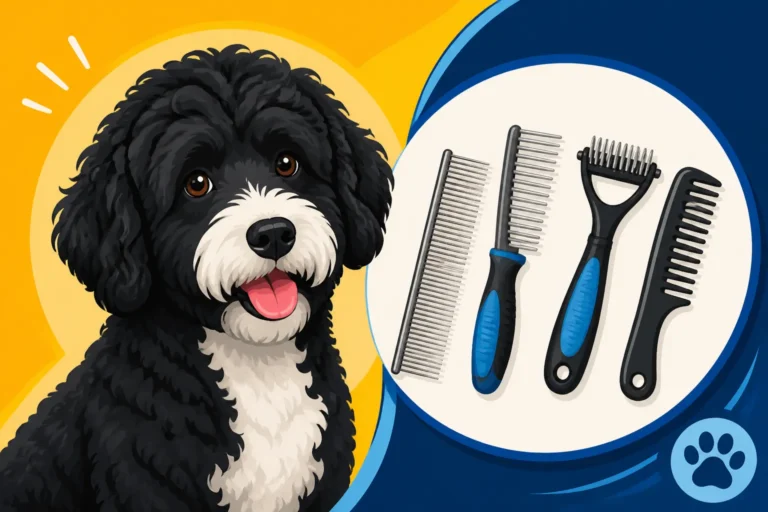
As you dry, whether with towels or a force dryer, you'll need the right tools to work through the coat and prevent tangles. A sturdy slicker brush and a good metal greyhound comb are indispensable. The slicker brush will help separate the wet hair and remove any loose strands that could contribute to mats. Make sure the pins are long enough to reach through their dense coat.
The metal comb is crucial for checking your work and ensuring you've truly gotten rid of any nascent mats. A comb with both wide and narrow teeth is ideal. You should be able to run the comb smoothly through the coat, all the way down to the skin, without snagging. If the comb catches, you know you have a tangle that needs to be gently worked out. You might even want a detangling spray, especially for the wavy coats, to help ease out any knots that start to form as the hair dries. Remember, always brush before combing to avoid pulling.
Step-by-Step Guide to Drying Your PWD
Alright, you've got your tools, you know why you're doing this – now let's get down to the actual process. Drying a Portuguese Water Dog is a commitment, but with a good routine and the right technique, it becomes second nature. Think of it as a bonding experience, a ritual that ensures your furry family member stays healthy and happy.
Initial Towel Dry: Squeeze, Don't Rub
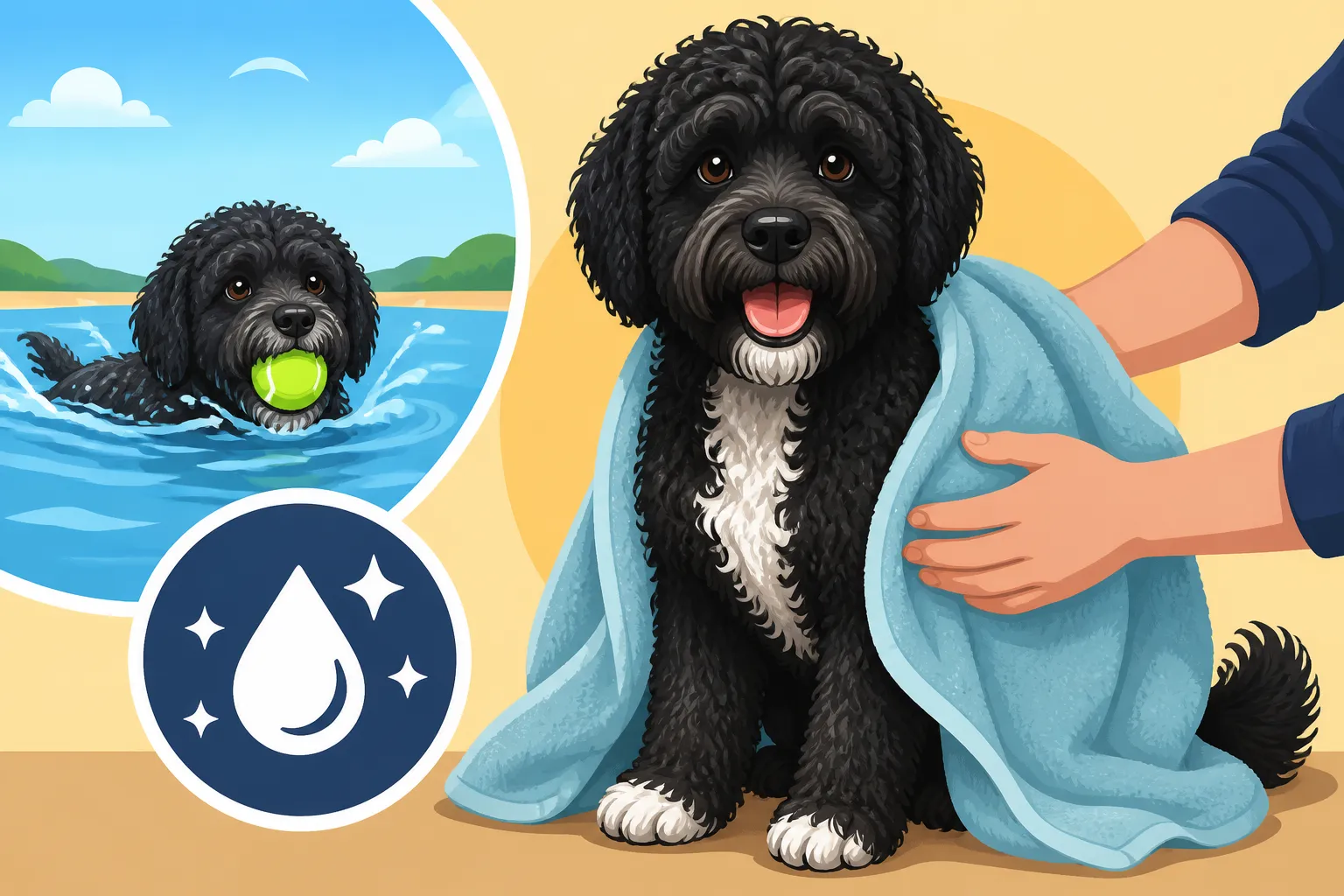
The moment your Portuguese Water Dog comes out of the water, resist the urge to vigorously rub them with a towel. While it might feel like you're drying them faster, rubbing can actually create friction that promotes matting, especially on a wet coat. Instead, grab those super-absorbent towels and start by gently squeezing and blotting the water from their coat.
Wrap them up like a burrito, if they tolerate it, and press the towel against their fur. Pay special attention to areas that hold a lot of water: their belly, under their legs, their tail, and their thick neck ruff. You want to remove as much standing water as possible before moving on to the force dryer. This initial phase is about saturation reduction, getting the bulk of the moisture out. You'll be amazed at how much water these dogs can hold, so don't be surprised if you go through a couple of towels. The drier you can get them at this stage, the faster and easier the next steps will be.
Introducing the Force Dryer Correctly
Once the initial towel dry is complete, it's time for the force dryer. If your dog isn't accustomed to it, introduce it slowly. Start with the dryer on a low setting, far away from them, letting them get used to the sound and sensation. Offer treats and praise. The key is to make it a positive experience, not a scary one. You might even want to let them explore the turned-off dryer first, sniff it, and associate it with good things.
When they're comfortable, start drying from the hindquarters, working your way forward. Point the nozzle directly at the skin, pulling the hair up and away with your free hand to ensure the air reaches the roots. You'll see the water literally flying off their coat. Work in small sections, making sure each section is completely dry before moving on. Keep the nozzle moving to avoid concentrating the airflow in one spot for too long, even though these dryers typically don't use high heat. Whether a Portuguese Water Dog Must Be Force Dried is a strong 'yes' for this breed, and this step is why.
Line Drying for Optimal Results
"Line drying" is a technique used with force dryers to ensure every strand of hair and every inch of skin gets dry. It involves directing the airflow in a specific way while brushing. As you hold the force dryer nozzle with one hand, use a slicker brush or a comb with the other to systematically brush up a section of hair, directing the dryer's airflow at the roots of that section, essentially "lifting" the hair and allowing the air to blast away the moisture.
Once that section is dry, move to the next, working your way through their entire body. This method helps to straighten the curls or waves temporarily, allowing for more thorough drying right down to the skin. It also aids in detangling as you go, preventing new mats from forming. Pay extra attention to those dense areas like the chest, the "armpits" (front legs), the groin, and the tail, as these are notorious for holding moisture and matting. This isn't a quick once-over; it's a methodical process that ensures no damp spot is left behind.
Finishing Touches: Ears, Paws, and Tail
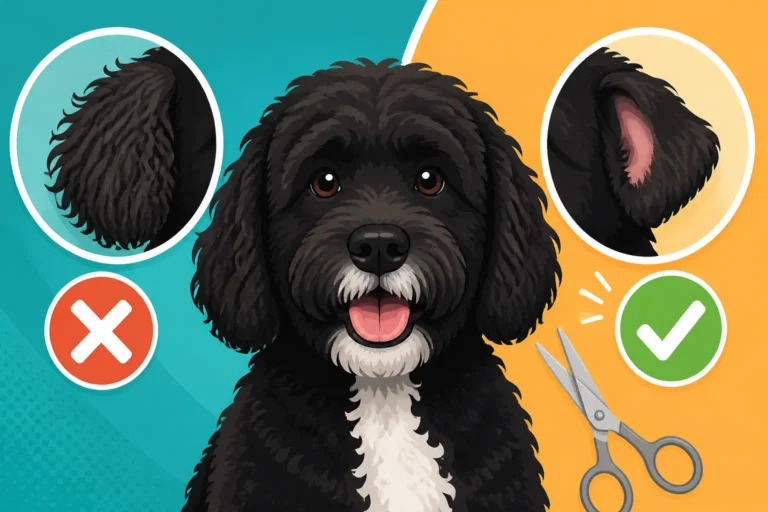
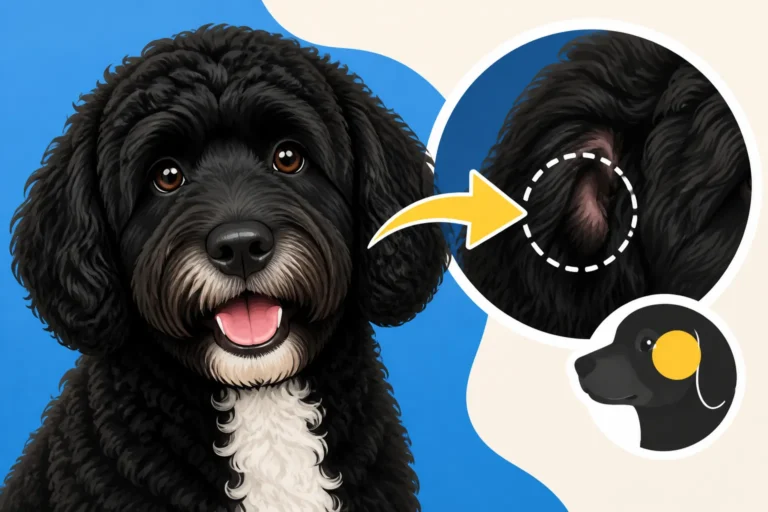
Even after the main body is dry, don't forget the critical finishing touches. The ears are a prime area for moisture to get trapped, leading to infections. Gently lift their floppy ears and use the force dryer on a lower setting, or a hand towel, to carefully dry the hair around and inside the ear flap. You don't want to blast air directly into the ear canal, but ensure the surrounding hair is bone dry. This is a critical step in preventing common ear issues, so it often warrants a separate cleaning and inspection. Why a Portuguese Water Dog's Ears Need Checking Every Week is good further reading on ear care.
Next, focus on their paws and the hair between their webbed toes. These areas can retain moisture, leading to yeast infections or irritation. Use your dryer to thoroughly dry between the pads and around the webbing. Finally, don't forget the tail! A PWD's tail is often thick and fluffy, easily holding onto water. Ensure it's brushed out and fully dry. A final run-through with a metal comb over their entire body will confirm there are no damp spots or overlooked tangles.
Dealing with Specific Challenges: Mats, Ears, and Skin
Even with the best intentions and the most diligent drying routine, Portuguese Water Dogs can still present unique challenges. Their incredible coat, while beautiful, requires constant vigilance. Knowing how to tackle these specific issues head-on can make a big difference in keeping your PWD comfortable and healthy.
Taming the Mat Monster During Drying
Despite your best efforts with towel drying and force drying, you might still encounter tangles or small mats during the drying process, especially if your PWD's coat is longer or if they've been particularly active in the water. The trick is to deal with them immediately, rather than letting them set in as the coat dries. Trying to brush out a dry, tightly matted coat is much harder and more painful for your dog.
If you find a knot, do not yank the brush through it. Instead, apply a detangling spray (you can find excellent options at pet supply stores like Chewy or Amazon) to the mat. Then, using a slicker brush or a wide-toothed comb, gently work on the edges of the mat, teasing it apart small section by small section. You can use your fingers to help break up the larger mass. Hold the hair at the base of the mat close to the skin to minimize pulling and discomfort for your dog. Patience is key here. If a mat is too tight or large, and your dog is showing signs of pain, it's always better to carefully cut it out with blunt-nosed scissors (always pointing away from the skin) or, better yet, consult a professional groomer.
Protecting and Drying Those Floppy Ears
A Portuguese Water Dog's adorable floppy ears are a common hotspot (pun intended!) for moisture retention and subsequent ear infections. The ear canal is dark, warm, and can easily trap water, especially after a swim. Simply drying the visible outer ear isn't enough; you need to ensure the inner ear area, just inside the canal entrance, is also dry.
After towel drying and force drying the fur around the ears, gently fold back the ear flap. Use a soft, dry cotton ball or a clean, dry corner of a towel to gently wipe out any visible moisture from the accessible parts of the ear canal. You can also use a veterinarian-approved ear drying solution, specifically designed to help evaporate trapped moisture. Drip a few drops into the ear canal, as directed by the product instructions, and then gently massage the base of the ear to help distribute it. Whether an Ear Drying Solution Helps a Portuguese Water Dog is a definite yes for many active, water-loving PWDs. Monitor their ears regularly for any signs of redness, foul odor, or excessive head shaking, which could indicate an infection.
Spotting and Preventing Skin Irritations
Beyond hot spots, a persistently damp coat can lead to general skin irritation, yeast infections, or exacerbate existing allergies. As you dry and brush your PWD, take the opportunity to visually inspect their skin. Gently part their fur and look for any redness, flakiness, bumps, or rashes. Pay close attention to areas that stay damp longer or have more friction, such as under the collar or harness, in their "armpits," and on their belly.
If you notice any unusual skin conditions, address them promptly. For mild redness, ensuring thorough drying and applying a pet-safe soothing spray might help. However, if the irritation is widespread, persistent, or accompanied by broken skin or a strong odor, it’s time for a vet visit. Early intervention can prevent minor issues from escalating into major problems. Good nutrition also plays a role in skin health; feeding a high-quality diet, perhaps like those offered by Ollie, can support a healthy skin barrier and coat from the inside out. Whether a Portuguese Water Dog Gets Hot Spots details this specific skin concern and why drying is the best defense.
Maintaining Coat Health Between Swims
Drying after a swim is crucial, but it's part of a larger ongoing commitment to your Portuguese Water Dog's coat health. The condition of their coat between swims directly impacts how easily and effectively you can dry them when they do get wet. A neglected coat becomes a matted nightmare, making post-swim care an arduous and painful task for both of you.
Regular Brushing as a Preventative Measure
Consistent, thorough brushing is your first line of defense against mats and is absolutely non-negotiable for a Portuguese Water Dog. It's not just about aesthetics; it's about preventing discomfort and serious skin issues. Aim for brushing at least 2-3 times a week, and ideally daily, especially if their coat is longer or if they're shedding their puppy coat. How Often a Portuguese Water Dog Needs Brushing is an important routine to establish early.
When brushing, always use a slicker brush and a metal comb. Work in small sections, always brushing down to the skin to ensure you're getting out any tangles at the root. Pay extra attention to high-friction areas: behind the ears, under the armpits, the groin, and around the tail base. If you can't get a fine-toothed metal comb through the coat all the way to the skin, then you have mats that need to be addressed. Regular brushing not only prevents mats but also distributes natural oils, removes any loose debris, and helps you check for skin abnormalities.
Proper Bathing Techniques
While regular swims are great fun, your PWD will also need occasional full baths with shampoo and conditioner. How often depends on their activity level and how dirty they get, but typically every 4-8 weeks is a good baseline for a pet PWD. When bathing, use a shampoo and conditioner specifically formulated for dogs, ideally one that is hydrating and helps detangle.
Before you even get them wet for a bath, ensure their coat is completely free of mats. Water will only tighten existing tangles, making them impossible to brush out later. Lather the shampoo thoroughly, working it down to the skin, then rinse completely. Any shampoo residue left behind can irritate the skin and attract dirt. Follow up with a good conditioner, allowing it to sit for a few minutes before rinsing thoroughly. After the bath, the drying process should be exactly the same as after a swim: towel dry, then force dry completely, line brushing as you go.
Nutrition and Hydration for a Healthy Coat
A healthy coat starts from the inside out. What your Portuguese Water Dog eats directly impacts the quality of their skin and fur. A high-quality diet rich in essential fatty acids (like Omega-3 and Omega-6) can promote a shiny, healthy coat and resilient skin. Look for dog foods that list real meat as the first ingredient and contain beneficial oils. Brands like Ollie focus on fresh, human-grade ingredients that can contribute to overall health, including coat quality.
Ensure your PWD always has access to fresh, clean water. Good hydration is crucial for skin elasticity and coat health. A well-hydrated dog with healthy skin is less prone to dryness, flakiness, and the kind of skin irritations that can make a damp coat even more problematic. Supplements like fish oil can also be beneficial, but always consult with your veterinarian before adding any supplements to your dog's diet. A strong, well-nourished coat is more resistant to matting and will dry more efficiently.
When to Seek Professional Help (or What to Look For in a Groomer)
While home grooming is a rewarding experience and essential for daily care, there are times when bringing in a professional groomer is not just a luxury, but a necessity. For a breed like the Portuguese Water Dog, a skilled groomer can be an invaluable partner in maintaining their unique coat and ensuring their overall well-being.
Benefits of Professional Force Drying
Even if you own a force dryer at home, a professional groomer often has industrial-strength equipment and years of experience that can make a significant difference. They can achieve a level of dryness and fluffiness that might be difficult for an amateur. If you find yourself consistently struggling to get your PWD completely dry, or if your dog is particularly wiggly and makes the process challenging, a trip to the groomer for a "bath and blow-dry" might be well worth it.
Professional groomers are adept at using force dryers to their full potential, efficiently blasting out water and meticulously line-drying the coat to prevent mats. They also have specialized drying pens or kennels with forced air, which can further ensure thorough drying in a controlled environment. If you're short on time, or simply overwhelmed by the commitment of a full home drying session, a professional can step in and ensure your PWD's coat is in top condition, reducing the risk of skin issues and severe matting.
Finding a PWD-Experienced Groomer
Not all groomers are created equal, especially when it comes to breeds with specialized coats like the Portuguese Water Dog. When searching for a professional, look for someone who has specific experience with PWDs or other curly/wavy-coated water breeds (like Standard Poodles or Lagotto Romagnolos). Ask them about their approach to drying these breeds and how they prevent mats.
A good groomer will understand the importance of line drying, be proficient with a force dryer, and know how to check for and gently remove tangles. They should also be able to offer advice on appropriate coat clips, whether you prefer the Retriever Clip Is the Coat Most Portuguese Water Dogs Wear or the more traditional The Lion Clip Costs a Portuguese Water Dog Owner Daily Brushing. Don't hesitate to ask for references or to view their facility. A clean, well-organized grooming salon where dogs appear calm and well-cared for is a good sign. Establishing a regular grooming schedule with a trusted professional can make a huge difference in managing your PWD's coat over their lifetime.
When to Consult Your Vet for Persistent Issues
While groomers are experts in coat care, sometimes issues arise that go beyond their scope. If your Portuguese Water Dog is experiencing persistent skin redness, recurring hot spots, chronic ear infections despite diligent cleaning and drying, or excessive itching and discomfort, it's crucial to consult your veterinarian. These could be signs of underlying health issues that require medical attention.
Skin problems can stem from allergies (environmental or food-related), hormonal imbalances (like What Addisons Disease Does to a Portuguese Water Dog or Signs a Portuguese Water Dog's Thyroid Is Low), parasitic infestations, or more serious conditions. Your vet can diagnose the root cause, prescribe appropriate medications, or recommend specialized treatments. They might perform skin scrapings, blood tests, or allergy tests. Don't delay a vet visit if you suspect your PWD is in pain or discomfort, as early diagnosis and treatment are always best.
Common Drying Mistakes to Avoid
In our eagerness to get our furry friends dry and clean, it's easy to fall into common traps that can actually do more harm than good. Being aware of these pitfalls can save you time, frustration, and keep your Portuguese Water Dog much healthier in the long run.
Air Drying Alone: A Recipe for Disaster
This is, hands down, the biggest mistake a Portuguese Water Dog owner can make. Believing that simply letting your PWD "air dry" after a swim or bath will be sufficient is an absolute recipe for disaster. As we've discussed, their dense, water-trapping coat, whether curly or wavy, holds moisture for hours, sometimes even days, deep down against their skin.
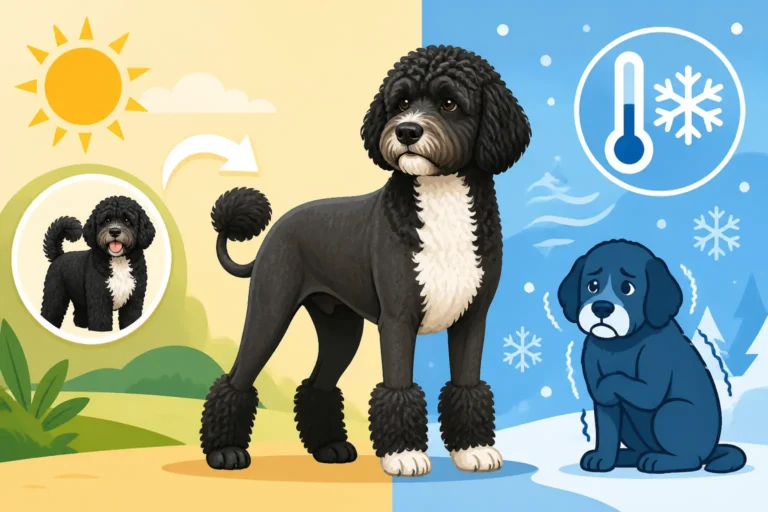
Leaving them to air dry creates a warm, moist, stagnant environment that is the perfect breeding ground for bacteria and yeast. This inevitably leads to painful hot spots, rampant matting (as the wet hairs dry into tight clumps), and that unmistakable, persistent wet dog smell that permeates your entire home. It can also chill them, especially in cooler weather, if they stay damp for too long. If you take away one thing from this guide, it's this: do not let your Portuguese Water Dog air dry. It's simply not suited to their coat type. How Long a Portuguese Water Dog Takes to Air Dry is often far longer than you'd imagine, making it an impractical and unhealthy option.
Using Human Hair Dryers (and Why Not To)
It might be tempting to grab your personal hairdryer when your dog is wet, especially if you don't have a force dryer. However, resist this urge at all costs. Human hairdryers are designed to work with human hair, which is fundamentally different from a dog's coat, and they operate at much higher temperatures. While some human dryers have a "cool" setting, the motor in most isn't strong enough to effectively blast water out of a PWD's dense coat, meaning you'd need to use heat to get them dry.
The high heat from a human hairdryer can easily burn your dog's skin, especially if directed in one spot for too long. Dogs are also much more sensitive to heat than humans are. Additionally, the airflow isn't powerful enough to separate the individual hairs and blast the water away from the skin, meaning you're essentially baking the moisture into the coat rather than removing it. This can cause dryness, damage the hair, and still not adequately dry the undercoat and skin. Always use a purpose-built force dryer designed for pets, or air dry them as much as possible with towels before seeing a professional.
Neglecting Ears and Underneath the Coat
In the rush to get your PWD dry, it's easy to focus on the large, visible areas of their body and overlook the critical spots where moisture loves to hide. Neglecting the ears is a prime example. Those adorable, floppy ears create a warm, dark, and often moist environment that is a breeding ground for yeast and bacterial infections if not properly dried and cleaned. Always remember to gently dry around and inside the ear flap, and consider an ear drying solution after every swim.
Similarly, the areas underneath their legs (the "armpits"), their belly, the groin, and the base of the tail are dense spots where moisture gets trapped. These areas also experience a lot of friction, making them particularly prone to matting and skin irritation if left damp. Always flip your dog onto their back or side during the drying process to ensure you can adequately reach and dry these often-forgotten areas. A damp harness or collar area can also cause irritation, so ensure those parts of the coat are extra dry after removing any wet gear. Whether a Portuguese Water Dog's Harness Rubs When Wet is a relevant concern for these areas.
| Drying Tool | Primary Function | Benefits | Considerations |
|---|---|---|---|
| Force Dryer | Blasts water off coat, separates hairs | Fastest drying, prevents mats/hot spots, deep dry | Initial cost, noise level (acclimation needed) |
| Microfiber Towels | Absorbs surface moisture | Quick initial dry, reduces drying time, gentle | Get saturated quickly, need multiple for wet dog |
| Slicker Brush | Detangles, separates hair | Prevents mats during drying, fluffs coat | Choose one with long pins, use gently |
| Metal Greyhound Comb | Checks for mats, finishes coat | Ensures deep detangling, smooth finish | Essential for checking completeness of drying |
| Ear Drying Solution | Evaporates trapped moisture in ears | Prevents ear infections, maintains ear hygiene | Must be pet-safe, veterinarian-approved |
Disclaimer
This article is for general informational purposes only and does not constitute professional advice. Laws, prices and regulations vary by location and change over time. Consult a qualified professional for guidance on your specific situation.