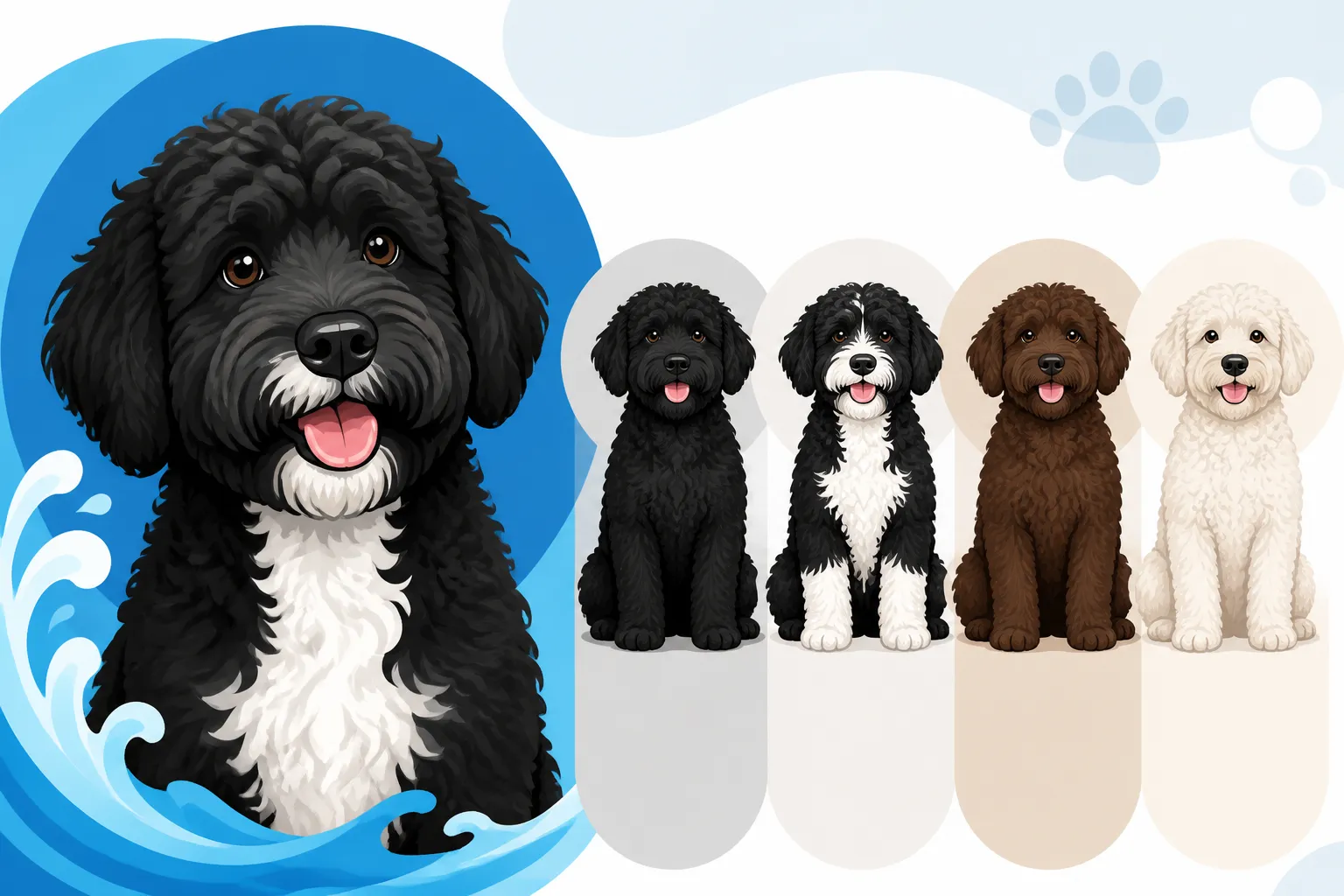
Which Colors a Portuguese Water Dog Comes In
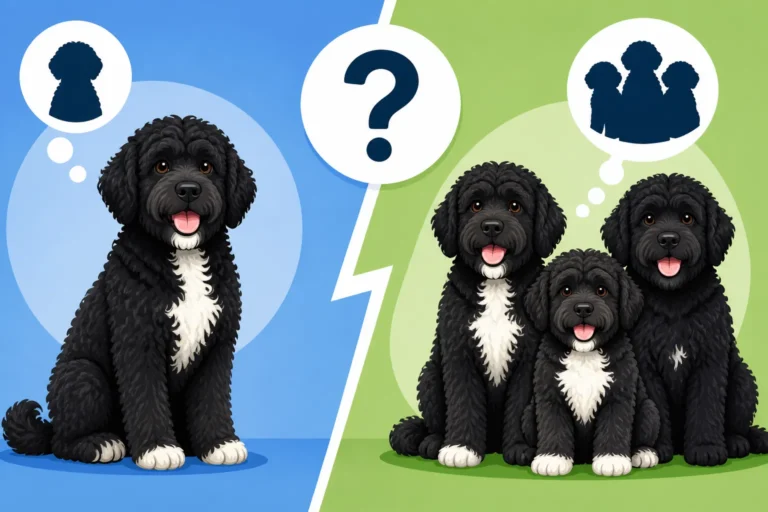
When you're welcoming a Portuguese Water Dog into your home, it's natural to be curious about all their unique traits, and their coat color is often a big one! Many prospective owners wonder just how varied these dogs can be in appearance, and it's a valid question, as their coat is a defining feature. This guide will explore the fascinating range of colors and patterns you might encounter in a Portuguese Water Dog, helping you understand what makes each one so special and whether they align with the breed standard.
Exploring the Vibrant Spectrum of Portuguese Water Dog Colors
The Portuguese Water Dog, with its distinctive coat and spirited personality, comes in a beautiful, albeit somewhat limited, range of colors. Unlike some breeds with a rainbow of possibilities, the PWD's palette is quite classic, focusing primarily on solid hues and some elegant markings. It’s important to remember that while aesthetics are often the first thing we notice, coat color doesn't impact their wonderful temperament or their working drive. The traditional colors reflect their historical roots and remain cherished today, each bringing its own charm and appeal to these magnificent dogs.
The Core Colors: Black, Brown, and White
At the heart of the Portuguese Water Dog's color spectrum are three primary colors: black, brown, and white. These are the foundational shades, and you'll find most PWDs will fall into one of these categories, either as a solid color or as the dominant hue in a marked dog.
Solid black is perhaps one of the most striking and frequently seen colors. A truly solid black PWD has a deep, rich, jet-black coat, without any hint of brown, gray, or white markings, though a tiny white patch on the chest is often permissible. These dogs often have dark eyes and nose pigmentation that matches their intense coat color. Brown, on the other hand, offers a wider range of shades, from a dark, almost black-brown, to a lighter, more chocolate or even café-au-lait tone. The brown can be quite warm and inviting, and like black, a solid brown dog will have self-colored pigmentation (brown nose, brown eye rims). White is the third primary color, and while less common as a solid, it creates a truly stunning and unique appearance. A solid white PWD is quite a sight to behold, though often, what appears to be solid white might have subtle cream undertones or a minimal amount of other color.
Beyond Solids: Variations and Markings
While solid colors are beautiful, the Portuguese Water Dog's coat can also feature intriguing variations and markings that add character and individuality. These aren't just random splashes; they follow specific patterns and contribute to the overall appeal of the breed.
One common variation is a black or brown coat with white markings. These markings typically appear on the chest, feet, and sometimes the muzzle or tail tip. They can range from small, symmetrical "socks" and a chest blaze to more extensive white areas. These white markings are not uncommon and are perfectly acceptable within the breed standard. You might also encounter dogs that are truly parti-colored, meaning they have a base coat of white with distinct patches of black or brown. These patterns can be incredibly beautiful and eye-catching. Understanding these variations helps you appreciate the full range of looks a PWD can exhibit, and often, these unique patterns are highly sought after by owners looking for a visually distinctive companion. You can delve into more detail about how these colors are inherited by reading How Portuguese Water Dog Is Recognized Worldwide.
The Genetic Basis of Coat Color
The beautiful array of Portuguese Water Dog colors isn't just a matter of chance; it's all governed by genetics. Understanding the basic principles of dog coat color genetics can shed light on why certain colors appear more frequently and why some combinations are rare.
At its core, PWD coat color is influenced by a few key gene loci, primarily the B (brown) locus, which determines whether the dog produces black or brown pigment, and the E (extension) locus, which affects the distribution of red pigment (though less prominent in PWDs known for their solid dark coats). The S (spotting) locus is responsible for white markings and parti-coloration. For example, a dog with two copies of the "b" allele at the B locus will be brown, regardless of what other genes are present for color, while two copies of "B" or one "B" and one "b" will result in a black dog (assuming the E locus allows for black expression). White markings are dictated by the S locus, with different alleles producing anything from solid color to Irish spotting to piebald patterns. Responsible breeders leverage their knowledge of these genetic factors to predict litter colors and ensure healthy, well-tempered puppies, often using genetic testing services, some of which might even be available through reputable pet supply retailers like Chewy.
Delving into the Depths of Black and Brown Coats
Black and brown are the workhorses of the Portuguese Water Dog color chart. They're robust, classic, and embody much of the breed's traditional look. But even within these two categories, there's a world of subtle differences and characteristics to appreciate. It’s not just "black or brown"; it’s about the depth, the tone, and how these colors mature and interact with the dog's environment over time.
The Richness of a Solid Black Coat
A solid black Portuguese Water Dog is a truly magnificent sight. The depth of color can be astounding, appearing almost blue-black in certain lights. These dogs typically have equally dark pigmentation: black noses, black paw pads, and dark brown eyes that almost blend into the surrounding fur. This uniformity creates a striking, powerful presence.
When you bring home a black PWD puppy, their coat is often incredibly rich and dark. As they grow, some black coats may retain this intense shade, while others might develop a slight sun-kissed reddish tint if they spend a lot of time outdoors in bright sunlight, particularly around the ears or muzzle. This isn't a true "fade" in the sense of a genetic dilution, but rather a sun bleaching effect. The texture of the coat, whether curly or wavy, also plays a role in how light reflects off it, influencing the perceived depth of color. This consistent dark coloring is highly prized, and breeders often aim for a true, deep black. For a look at how this color contributes to the breed's standard, you might be interested in Which Colors the Portuguese Water Dog Standard Accepts.
The Spectrum of Brown Hues
Brown Portuguese Water Dogs showcase a remarkable range, far more diverse than often realized. This isn't just one shade of brown; it's a whole gradient, from the darkest chocolate to lighter, almost silvery-brown tones.
You might see PWDs described as "chocolate brown," "dark brown," "medium brown," or even "light brown" or "café." The darkest browns can appear almost black indoors, only revealing their true brown hue in bright sunlight. Lighter browns, sometimes referred to as 'silver' or 'cream' brown, can be quite stunning and less common. These variations are all genetically determined. A solid brown PWD, regardless of shade, should have matching brown pigmentation – a brown nose, brown paw pads, and amber or dark brown eyes. The richness of the brown can vary greatly depending on the individual dog and its specific genetic makeup. Whether a deep chocolate or a lighter, warm tone, each shade of brown adds to the PWD's diverse visual appeal.
Do Black or Brown Coats Fade Over Time?
It's a common question among PWD owners: will my dog's beautiful black or brown coat maintain its intensity over its lifetime? The answer is nuanced, as several factors can contribute to changes in coat color.
Genetics certainly play a role. Some lines may be predisposed to "clearing," where the puppy's dark coat gradually lightens over the first year or two. For black dogs, this might manifest as a softening to a charcoal gray, while brown dogs might lighten to a more café or silver-brown. This is different from premature graying due to age. Environmental factors are also significant. A black PWD spending extensive time in the sun can experience sun bleaching, which gives the coat a reddish or brownish tint, particularly on areas exposed to direct sunlight. This isn't a permanent color change but a superficial one that can be managed by protecting the coat from harsh sun or through regular grooming that removes sun-damaged hair. Conversely, a brown PWD might find its coat deepening with age. Proper nutrition, including a diet rich in omega fatty acids, can also support a healthy, vibrant coat, which you can often find a great selection of on platforms like Chewy. If you're curious about this phenomenon, you might find Whether a Black Portuguese Water Dog Fades or Whether a Brown Portuguese Water Dog Fades in Sun insightful.
The Intrigue of White and Parti-Colored Portuguese Water Dogs
While black and brown might be the most common colors you encounter, the presence of white in a Portuguese Water Dog's coat, whether as a solid or in markings, adds a distinct and often captivating dimension. These dogs stand out in a crowd and have a unique charm all their own.
The Pure White Coat: Is It Truly All White?
A truly solid white Portuguese Water Dog is a rare and breathtaking sight. When we talk about "white" PWDs, it's important to distinguish between a genetically white dog and a heavily marked parti-color. A genuinely white PWD will have a white coat from nose to tail, with no patches of other color. Their skin pigmentation beneath the coat is typically pink, and their nose, eye rims, and paw pads will be black or brown, depending on their underlying genetic predisposition for black or brown pigment.
Sometimes, what appears to be a pure white coat may have very subtle cream or ivory undertones, especially in certain lighting. These aren't considered faults, but part of the natural variation. The challenge with a solid white coat, much like solid black, is maintaining its pristine look. While beautiful, white coats can show dirt more easily and may require a bit more attention to keep them bright. The purity of the white is something breeders work to achieve, as it’s a stunning representation of the breed. For more on this specific color, check out How a Portuguese Water Dog Can Be All White.
White Markings and Irish Markings
Beyond solid white, many Portuguese Water Dogs carry white markings, which are a lovely and common feature of the breed. These markings can range from a small splash on the chest to more extensive patterns.
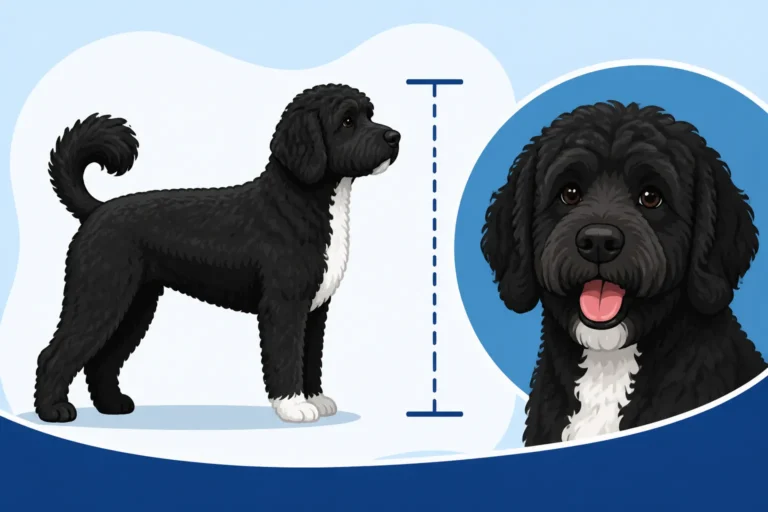
"Irish markings" are a specific type of white pattern that is highly recognized and often seen. An Irish marked PWD typically has a solid body color (black or brown) with white on the chest (often extending up the neck like a collar), a white blaze on the face, white on all four feet (often called "socks" or "stockings"), and a white tip on the tail. This symmetrical pattern is quite elegant and gives the dog a distinguished appearance. Other dogs might have more minimal white, perhaps just a patch on the chest or a few white toes. These white areas should ideally be crisp and clear against the main body color. It's a testament to the breed's genetic diversity that these various patterns exist and are cherished by enthusiasts. You can also explore What a Portuguese Water Dog Looks Like for a broader view of their appearance.
Understanding the Genetics Behind White Coats
The presence and extent of white in a Portuguese Water Dog's coat are primarily controlled by the S (spotting) locus, as mentioned earlier. Different alleles at this locus determine the amount of white a dog will display, from none at all to nearly all white.
The gene responsible for Irish markings (often represented as "s_i") allows for the characteristic symmetrical white pattern on the chest, feet, and face while leaving the majority of the body solid. If a dog inherits two copies of the allele for extreme white spotting ("s_p" for piebald), it can result in a predominantly white coat with patches of color, known as parti-color. The challenge for breeders is that these genes can interact in complex ways, sometimes leading to unexpected patterns or variations in the amount of white. For instance, a dog might carry genes for extensive white but only express a small amount, or vice-versa. Genetic testing can help breeders understand the potential for white markings in a litter, aiding them in making informed breeding decisions to produce the desired coat patterns.
Parti-Colors and Mixed Markings in Portuguese Water Dogs
While solid colors are beautiful, the inclusion of white, especially in more significant patterns, gives us the delightful parti-colored Portuguese Water Dog. These dogs truly stand out and showcase another facet of the breed's diverse appearance, even if they might sometimes be less common in the show ring depending on breed standards and judging preferences.
What is a Parti-Colored Portuguese Water Dog?
A parti-colored Portuguese Water Dog is, quite simply, a dog with a base coat of white and distinct, irregular patches of another color, typically black or brown. The term "parti" refers to having multiple colors, with white being a significant component. These patches can vary greatly in size, shape, and distribution across the dog's body.
Imagine a white canvas with bold brushstrokes of black or brown. That's essentially what a parti-colored PWD looks like. The patches might be large and sprawling, covering significant areas, or they might be smaller and more scattered. Some parti-colored dogs might have a white head with a colored patch over one eye, while others might have a largely colored body with a white chest and legs. The key is that the white forms the background, with the other color appearing in distinct, non-diluted patches. These patterns are visually striking and ensure that no two parti-colored PWDs look exactly alike, making each one truly unique.
Common Markings and Patterns
Within the parti-color category, there are a few common types of markings and patterns that you might observe, though the variations are endless.
One popular type of parti-color is the "black and white" PWD, featuring prominent black patches on a white background. Similarly, "brown and white" PWDs exhibit brown patches on white. These patches should be well-defined and not faded or washed out. Sometimes, a dog might be predominantly white with just a few small, well-placed patches of color, giving them a very elegant and clean look. Other times, the patches can be so extensive that the dog almost looks solid with large white areas, rather than a solid dog with small white markings. The nose and eye rim pigmentation of a parti-colored dog will typically match the darker colored patches – so a black and white dog will have black pigmentation, and a brown and white dog will have brown pigmentation. These distinct patterns truly add to the visual charm and individuality of the breed.
Acceptance in the Breed Standard
When it comes to the breed standard, the acceptance of parti-colors and other markings can be a topic of discussion among breeders and enthusiasts, though for the pet owner, it typically just means a uniquely beautiful dog.
The breed standard for Portuguese Water Dogs generally accepts black, white, and various shades of brown. It also allows for combinations of these colors, such as black or brown with white markings, and white with black or brown markings. This means that parti-colored dogs are indeed within the acceptable range. The key is often the quality of the color and markings – meaning the colors should be clear, rich, and well-defined, rather than muddy or faded. For show dogs, the placement and symmetry of markings can sometimes be a factor in how they are judged, but for a family pet, the primary concern is health and temperament. A parti-colored PWD is just as much a Portuguese Water Dog as a solid black one, and their unique appearance is often celebrated. To understand more about what judges look for, you might be interested in Whether a Parti Colored Portuguese Water Dog Is Standard.
| Primary Color | Common Markings/Variations | Nose/Eye Pigmentation | Notes |
|---|---|---|---|
| Black | Solid black | Black | Deep, rich, jet-black. Can sun-bleach to reddish. |
| Brown | Solid brown | Brown | Ranges from dark chocolate to lighter café au lait. |
| White | Solid white (rare) | Black or Brown | Pristine white, though subtle cream is possible. |
| Black & White | White markings (chest, feet, muzzle), Irish markings, Parti-color | Black | Defined black patches on white or white on black. |
| Brown & White | White markings (chest, feet, muzzle), Irish markings, Parti-color | Brown | Defined brown patches on white or white on brown. |
The Dynamic Nature of a Portuguese Water Dog's Coat Color Over Time
A Portuguese Water Dog's coat color isn't necessarily static from puppyhood to old age. Just like humans, their appearance can change over time due to genetics, environment, and the natural aging process. Understanding these changes can help you appreciate the journey of your dog's unique coat.
Puppy Coat Changes and "Clearing"
One of the most fascinating aspects of PWD coat color is the transformation that can occur from puppyhood into adulthood. What you see in a tiny eight-week-old puppy isn't always what you'll get in a two-year-old adult.
Many Portuguese Water Dog puppies are born with intensely dark coats, whether black or brown. However, a significant number of these puppies will go through a process called "clearing." This means their coat will gradually lighten over the first year or two of their lives. A black puppy might lighten to a deep charcoal gray, sometimes called a "faded black." A dark brown puppy might soften to a lighter, more golden brown, or even a silvery-brown hue. This clearing is a genetic trait, and it's quite normal within the breed. It's not a sign of poor health but simply part of their genetic expression. Breeders who know their lines can often predict whether a puppy is likely to clear, offering a glimpse into the adult coat color. It's like watching a painting slowly reveal its true colors. Knowing Whether a Portuguese Water Dog Puppy's Color Changes can manage expectations for new owners.
Graying and Fading in Senior Dogs
As a Portuguese Water Dog enters its golden years, you'll undoubtedly notice more changes in its coat color, much like humans start to show silver threads. This is a natural part of the aging process and something to embrace.
The most common sign of aging in a PWD's coat is the appearance of graying around the muzzle, eyes, and sometimes across the face. This can start as early as six or seven years old for some dogs, while others might retain their youthful color longer. Black dogs might also develop a softer, more grizzled appearance to their body coat, often turning a lighter charcoal or silvery-gray. Brown dogs can also lighten, sometimes appearing more washed out or developing patches of lighter brown or gray. This fading is a natural physiological process, and it's simply a testament to the years of love and companionship your dog has given you. It adds character and wisdom to their appearance. For insights into caring for an older PWD, consider reading What Changes in an Aging Portuguese Water Dog's Coat.
External Factors Affecting Coat Color
Beyond genetics and age, several external factors can also play a role in how a Portuguese Water Dog's coat color appears throughout its life. These aren't permanent genetic shifts, but rather superficial changes.
Sun exposure is a big one. As mentioned earlier, dark-coated PWDs, particularly black ones, can experience sun bleaching. Prolonged exposure to intense sunlight can break down the pigments in the outer layer of the hair shaft, leading to a reddish or brownish tint, especially on the top of the head, back, and ears. This is more noticeable in dogs that spend a lot of time outdoors. Regular grooming, including bathing with a color-enhancing shampoo (many good options are available at retailers like Chewy), can help maintain coat vibrancy and remove sun-damaged hair. Additionally, diet can indirectly influence coat health and appearance. A diet lacking essential fatty acids or certain nutrients might result in a duller, less vibrant coat, making the color appear less rich. Environmental pollutants or even certain medications can sometimes have a subtle effect on coat quality and color, so it's always good to ensure your PWD is well-fed and cared for.
Disclaimer
This article is for general informational purposes only and does not constitute professional advice. Laws, prices and regulations vary by location and change over time. Consult a qualified professional for guidance on your specific situation.