Whether a Portuguese Water Dog Gets Storage Disease
It's incredibly distressing to think about rare, devastating genetic conditions that can affect our beloved Portuguese Water Dogs. As PWD owners, we're often deeply invested in their well-being, and the thought of an obscure illness taking hold is a common and valid fear. This guide will explore whether Portuguese Water Dogs are susceptible to specific storage diseases, specifically delving into GM1 Gangliosidosis, to equip you with the knowledge needed to understand, identify, and prevent these heartbreaking conditions.
What Exactly Are Storage Diseases in Dogs?
When we talk about "storage diseases" in dogs, it might sound a bit vague, but it refers to a very specific and often severe group of genetic disorders. These aren't common colds or minor infections; they are deeply rooted at the cellular level, impacting how a dog's body functions from the inside out. Understanding them requires a peek into the microscopic world of cellular biology, but I promise we’ll keep it digestible.
The Cellular Breakdown: How Things Go Wrong
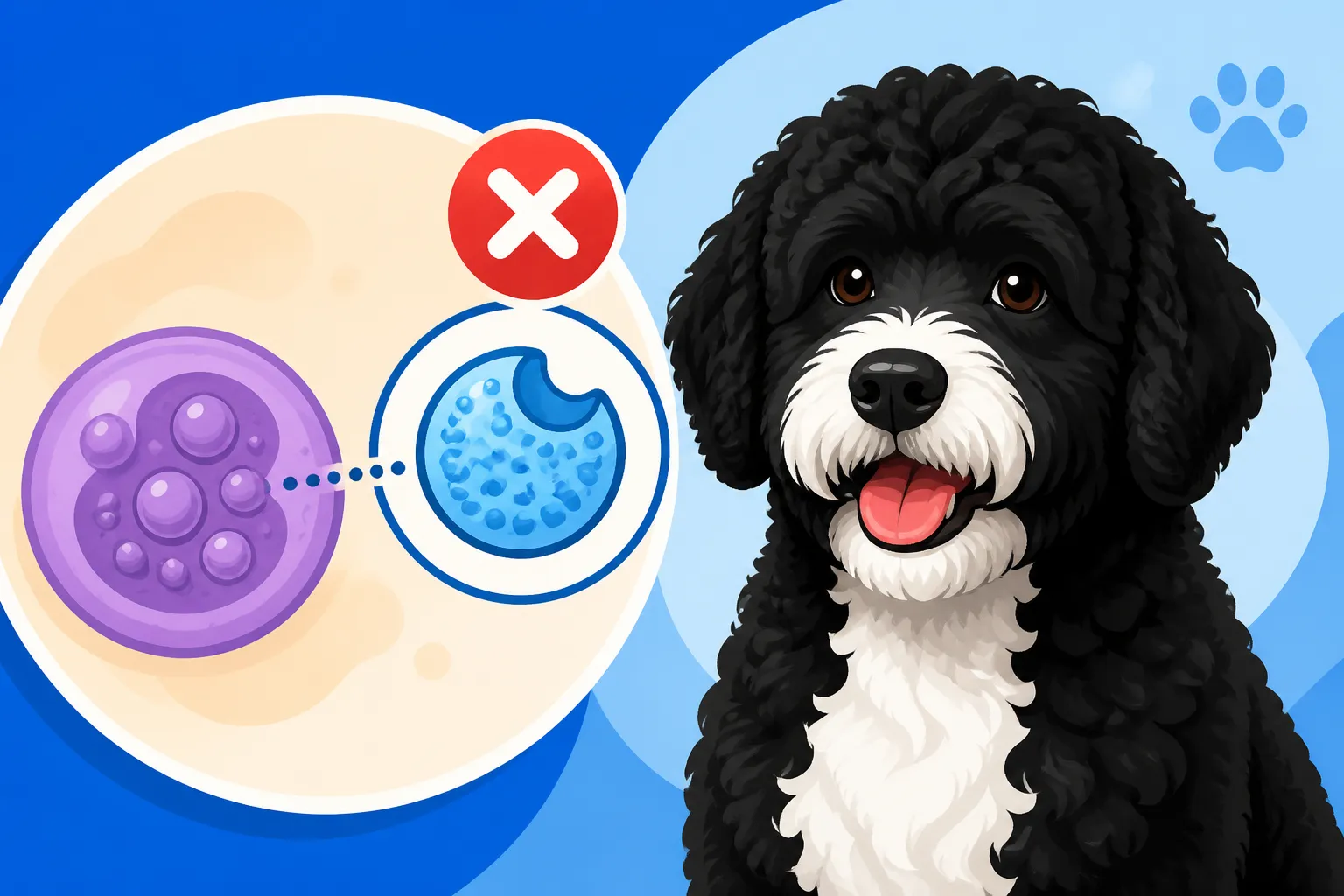
At its core, a storage disease, more precisely called a lysosomal storage disease, happens when the body's internal "recycling centers" — tiny organelles called lysosomes — don't work correctly. Imagine your house has a fantastic system for breaking down and disposing of all your trash and recycling. Now, imagine a crucial component of that system, say the garbage disposal, suddenly stops working for a specific type of waste. What happens? That particular waste starts to pile up. In a dog's cells, this "waste" isn't household garbage but complex molecules like fats, sugars, or proteins that need to be broken down by specific enzymes.
When a dog has a lysosomal storage disease, they lack a functional enzyme, or the enzyme isn't working properly. This leads to an accumulation of these undigested substances within the lysosomes of cells throughout the body. Think of it like a clogged drain in every single cell – eventually, the cell becomes engorged with waste material, can't function properly, and ultimately dies. This cellular malfunction can then impact tissues, organs, and entire systems, leading to a cascade of health problems.
The Impact on Your Dog's Body
Because these undigested materials can build up in virtually any cell in the body, lysosomal storage diseases can manifest in a wide array of devastating symptoms. The specific symptoms depend on which substance is building up and where it accumulates most heavily. Often, the central nervous system (brain and spinal cord) is heavily affected, leading to profound neurological issues.
You might see progressive signs that worsen over time, as more and more cells become overwhelmed. This can include loss of coordination, seizures, changes in behavior or temperament, vision problems, and even issues with organ function like the heart or liver. It's a cruel progression because the puppies often appear perfectly normal and healthy for the first few weeks or months of their lives, only for these insidious symptoms to begin emerging, leaving owners heartbroken and bewildered. It’s a stark reminder of the incredible complexity of genetics and how a tiny glitch can have such enormous consequences on the lives of our furry family members.
GM1 Gangliosidosis: The Portuguese Water Dog's Primary Storage Disease
When people ask about storage diseases in Portuguese Water Dogs, the conversation almost immediately turns to GM1 Gangliosidosis. This isn't just a theoretical concern; it's a very real genetic condition that has historically affected the breed. Thankfully, modern breeding practices have drastically reduced its incidence, but it's crucial for every PWD owner and prospective owner to be aware of it.
Understanding GM1 and Its Genetic Roots
GM1 Gangliosidosis is a severe, inherited neurological disorder specific to several breeds, including the Portuguese Water Dog. It's an autosomal recessive condition, meaning a puppy must inherit two copies of the defective gene—one from each parent—to be affected. If a dog inherits only one copy, they are considered a "carrier" and won't show symptoms but can pass the gene on to their offspring. This is precisely why breeders must ask whether two GM1 carriers should be bred.
The specific problem in GM1 is a deficiency of the enzyme beta-galactosidase. This enzyme is responsible for breaking down a fatty substance called GM1 ganglioside within the lysosomes of cells. Without enough functional beta-galactosidase, GM1 ganglioside accumulates to toxic levels, particularly in the brain and nervous system. This buildup progressively damages neurons, leading to severe and irreversible neurological dysfunction. It's a genetic time bomb, unfortunately, and one that conscientious breeders have worked tirelessly to defuse.
Recognizing the Heartbreaking Signs of GM1
The insidious nature of GM1 Gangliosidosis is that affected puppies appear completely healthy and normal at birth. The first signs usually emerge between three and six months of age. As an owner, this makes it particularly heartbreaking because you've bonded with a seemingly healthy, vibrant puppy, only to witness a slow, relentless decline.
Common signs of GM1 in a Portuguese Water Dog puppy often begin subtly and then progress rapidly:
- Ataxia (Loss of Coordination): This is often one of the first noticeable signs. The puppy might seem clumsy, stumbling, or have an unsteady gait, especially in their hindquarters. They might struggle with stairs or balance.
- Tremors: You might observe fine tremors, especially when the puppy is resting or attempting to focus.
- Vision Impairment: The accumulation of gangliosides can affect the eyes and optic nerves, leading to progressive vision loss. The puppy might bump into objects or seem disoriented in familiar surroundings.
- Changes in Behavior/Temperament: Some affected puppies might become dull, lethargic, or show subtle behavioral changes as neurological function deteriorates.
- Difficulty Eating and Swallowing: As the disease progresses, coordination issues can extend to the muscles used for eating, making it difficult for the puppy to chew and swallow, leading to weight loss despite appetite.
- Seizures: In later stages, seizures can occur as the brain damage becomes more extensive.
- Progressive Weakness: Eventually, the puppy loses the ability to stand or walk, becoming completely debilitated.
The trajectory of GM1 Gangliosidosis and the Portuguese Water Dog puppy that never reaches six months is grim. The disease is relentlessly progressive, and affected puppies typically do not survive past six to eight months of age due to the severe neurological damage. It's a devastating experience for any family, underscoring the vital importance of understanding and preventing this condition.
To help visualize the progression, here’s a simplified look at the typical onset of symptoms:
| Age Range | Common Signs Observed in GM1 PWD Puppies |
|---|---|
| Birth to 3 Months | Appears completely normal, healthy, and playful. No noticeable symptoms. |
| 3 to 6 Months | Subtle onset of neurological signs: mild ataxia (clumsiness, unsteady gait), slight tremors, especially in hind limbs or head. May struggle with balance or fine motor skills. Reduced vision might become apparent, with the puppy bumping into things. |
| 6 to 8 Months | Worsening neurological symptoms: severe ataxia, pronounced tremors, significant vision loss, difficulty eating and swallowing. Puppy may have trouble standing or walking without assistance. Seizures can begin. Puppy becomes largely debilitated and quality of life declines rapidly. |
Diagnosis, Treatment, and Living with a Storage Disease Diagnosis
Discovering that your beloved Portuguese Water Dog might be facing a storage disease like GM1 Gangliosidosis is a heart-wrenching moment. The journey from suspicion to diagnosis and then understanding the limitations of treatment can be incredibly challenging, both emotionally and financially. Knowing what to expect can help you navigate this difficult path.
Getting a Definitive Diagnosis
The good news is that for GM1 Gangliosidosis in Portuguese Water Dogs, a definitive diagnosis is quite accessible thanks to advancements in genetic testing. If you suspect your puppy is showing the signs of What GM1 Gangliosidosis does to a Portuguese Water Dog, your veterinarian will likely recommend a combination of approaches:
- Clinical Examination: The vet will assess the neurological signs, looking for ataxia, tremors, vision issues, and developmental delays consistent with a progressive neurological disorder.
- Genetic Testing: This is the gold standard for confirming GM1. A simple DNA test, usually a cheek swab, can identify whether the puppy carries two copies of the mutation responsible for GM1. When the GM1 DNA test became available revolutionized breeding by providing a clear way to identify carriers and affected dogs. Many labs offer this test, and results are generally quite reliable.
- Enzyme Assays: In some cases, a specific blood test can measure the level of beta-galactosidase enzyme activity. A significantly low or absent level would support a GM1 diagnosis.
- Specialized Imaging (MRI): While not diagnostic for GM1 itself, an MRI might be performed to rule out other neurological conditions that present with similar symptoms, such as hydrocephalus or brain tumors.
Early diagnosis is crucial, not just for confirming the condition but also for understanding the prognosis and making informed decisions about your puppy's care. For breeders, testing their dogs is paramount to prevent producing affected puppies in the first place, ensuring that Whether GM1 still appears in Portuguese Water Dogs becomes a question with an increasingly hopeful answer.
The Reality of Treatment and Support
This is often the hardest part of a storage disease diagnosis: there is currently no cure for GM1 Gangliosidosis in Portuguese Water Dogs. The progressive damage caused by the accumulating GM1 ganglioside cannot be reversed or halted. This reality is devastating for owners who hold onto hope for their furry friends.
Treatment, therefore, focuses entirely on supportive and palliative care aimed at maximizing the puppy's comfort and quality of life for as long as possible. This might include:
- Nutritional Support: Ensuring the puppy can still eat, perhaps through softer foods or assistance, to maintain weight and energy.
- Mobility Aids: As coordination worsens, ramps or harnesses might help with limited mobility.
- Pain Management: While GM1 itself isn't typically painful, secondary issues or discomfort from muscle atrophy might arise, requiring veterinary intervention.
- Environmental Adjustments: Making the home environment safe and easy to navigate for a dog with vision loss or ataxia.
The emotional and financial toll on families dealing with a GM1 diagnosis is immense. While the average lifespan of a Portuguese Water Dog is typically The twelve to fifteen years a Portuguese Water Dog gets, a GM1 puppy's life is tragically cut short. Pet insurance can be an absolute lifesaver in such situations. Companies like Healthy Paws offer comprehensive coverage that can help mitigate the substantial veterinary costs associated with diagnostics, specialized care, and ongoing supportive treatments, allowing you to focus on your dog's comfort without the added burden of overwhelming bills. Even for conditions without a cure, managing symptoms and providing comfort can still incur significant expenses, and having that financial safety net is invaluable.
Preventing Storage Diseases Through Responsible Breeding
The most effective way to combat genetic diseases like GM1 Gangliosidosis in Portuguese Water Dogs isn't through treatment, but through prevention. This falls squarely on the shoulders of responsible breeders who are committed to the health and future of the breed. For prospective puppy owners, understanding these efforts is key to making an informed choice.
The Power of Genetic Testing for Breeders
Genetic testing has been a game-changer for breeds susceptible to inherited conditions. For Portuguese Water Dogs and GM1 Gangliosidosis, the development of a reliable DNA test meant breeders could identify carriers and affected dogs before breeding. This ability radically transformed How the GM1 test changed Portuguese Water Dog breeding.
Reputable breeders meticulously test all their breeding stock for GM1. Dogs are classified as "clear" (no copies of the gene), "carrier" (one copy of the gene), or "affected" (two copies of the gene). Here's how this information guides breeding decisions:
- Clear to Clear: Breeding two clear dogs will always produce clear puppies. This is the ideal scenario for preventing GM1.
- Clear to Carrier: Breeding a clear dog with a carrier will produce a litter where approximately 50% of puppies are clear and 50% are carriers. No puppies will be affected by GM1. Breeders who use carriers in their program for other desirable traits (like temperament, conformation, or genetic diversity) will always breed them to a clear dog and then test all the puppies to identify carriers before they go to new homes.
- Carrier to Carrier: This breeding combination is strictly avoided by responsible breeders. If two carriers are bred, there is a 25% chance of producing affected puppies, a 50% chance of producing carriers, and a 25% chance of producing clear puppies. This is why the question of Whether two JDCM carriers should be bred (referring to another genetic issue) and GM1 carriers is paramount. The risk of producing affected puppies is simply too high.
This rigorous testing protocol means that today, finding a Portuguese Water Dog puppy affected by GM1 is exceedingly rare. Breeders are actively working to eliminate the disease from the gene pool while maintaining genetic diversity, which is a delicate balance to strike. You can expect transparent breeders to share genetic test results readily.
Ensuring a Healthy Future for the Breed
As a prospective Portuguese Water Dog owner, you have a vital role in supporting responsible breeding practices and ensuring you bring home the healthiest possible puppy. Don't be afraid to ask tough questions! A reputable breeder will welcome them.
When searching for a puppy, always inquire about What a Portuguese Water Dog breeder should have tested. Specifically, ask for proof of GM1 Gangliosidosis DNA testing for both parents. The results should clearly state "clear" or "carrier" (with a "clear" partner, as explained above). Breeders should also be testing for other significant genetic conditions. You can check out a comprehensive list of recommended tests, such as The four DNA tests every Portuguese Water Dog breeder runs, to ensure you're making an informed decision. The Orthopedic Foundation for Animals (OFA) and the Canine Health Information Center (CHIC) are excellent resources where many breeders register their health clearances, providing public verification of testing results.
By choosing a puppy from a breeder who prioritizes genetic health testing, you are not only protecting your future companion from the heartbreak of storage diseases like GM1 but also contributing to the overall health and longevity of the Portuguese Water Dog breed. This collective effort by breeders and discerning owners helps solidify the Portuguese Water Dog's reputation as Whether the Portuguese Water Dog is a healthy breed capable of living a full and vibrant life. Remember, a healthy start, supported by responsible breeding and potentially a good pet insurance plan from providers like Healthy Paws, sets the stage for many happy years with your aquatic companion.
Disclaimer
Please remember that the information provided in this guide is for educational purposes only and should not be considered a substitute for professional veterinary advice. Always consult with a qualified veterinarian for any health concerns or before making any decisions about your Portuguese Water Dog's care and treatment.