Whether the Retriever Clip Is Easier at Home
One of the biggest questions I hear from fellow Portuguese Water Dog owners, especially those new to the breed, is about grooming. We all adore that iconic, energetic look, but the thought of keeping that beautiful coat tidy can be daunting. If you're wondering if tackling the popular Retriever Clip yourself at home is a feasible option, you're in the right place. This guide will delve into what it takes to achieve and maintain this clip, helping you decide if DIY grooming is right for you and your water dog.
Understanding the Retriever Clip and Your Portuguese Water Dog's Coat
Let's be honest, the Portuguese Water Dog's coat is a marvel – dense, waterproof, and oh-so-cuddly. But it's also a commitment. The Retriever Clip is a fantastic choice for many owners, balancing practicality with the breed's natural aesthetic, but it still requires dedicated effort.
What Exactly is the Retriever Clip?
The Retriever Clip, sometimes called the "working clip," is the less stylized of the two recognized show clips for the Portuguese Water Dog, the other being the ornate Lion Clip. With the Retriever Clip, the dog's coat is trimmed evenly over the entire body, typically leaving about an inch or so of length. The idea is to keep the coat short enough to be functional and prevent matting, but long enough to still provide insulation and protection. It gives your PWD a sporty, uniform appearance, much like a retriever, hence the name. It’s the clip you’ll most often see on a dog that’s regularly out playing, swimming, and just generally being a PWD. It’s about practicality, allowing your dog to move freely and dry more quickly after a dip in the lake or ocean. Many owners find this to be the most sensible and attractive clip for their active companions. You can learn more about The Retriever Clip Is the Coat Most Portuguese Water Dogs Wear.
This clip is designed for ease of maintenance while still showcasing the breed's beautiful coat texture, whether it's curly or wavy. Unlike the highly sculpted Lion Clip, which involves shaving down the hindquarters and leaving a full mane and tail plume, the Retriever Clip offers a much simpler, all-over trim. This uniformity is a major reason why many owners consider it for home grooming; there are fewer intricate lines and stylistic elements to master, making it less intimidating for a beginner. However, "simpler" doesn't necessarily mean "easy" when you're dealing with a PWD's unique coat.
The Unique Challenges of the PWD Coat
The Portuguese Water Dog's single coat, whether curly or wavy, is a marvel of nature, perfectly adapted for its historical role in the water. However, that dense, non-shedding (or very low-shedding) quality that makes them so attractive to allergy sufferers also makes them prone to matting. This isn't your average dog coat; it's designed to protect against cold water and rough elements, and it clings to loose hair rather than dropping it. Without proper and consistent care, those loose hairs will tangle with the healthy coat, forming dense mats that can be incredibly uncomfortable, even painful, for your dog. Mats can pull at the skin, hide skin issues, and even restrict movement.
The texture of their coat means it can grab onto debris easily – burrs from a hike, sand from the beach, or even just general household dust. All of this contributes to the matting challenge. Furthermore, the coat retains water, which means if not dried thoroughly after swimming or bathing, moisture can get trapped against the skin, leading to hot spots or other dermatological issues. Even with the Retriever Clip, which keeps the coat shorter, you're not entirely immune to matting. Areas like behind the ears, in the armpits, and under collars or harnesses are notorious hotspots for tangles. Understanding these inherent qualities of the PWD coat is the first step in deciding if you're prepared for the commitment of home grooming.
Equipping Yourself for At-Home Retriever Clipping
Deciding to groom your Portuguese Water Dog at home is a significant undertaking, but it can be a rewarding one. The key to success often lies in having the right equipment and knowing how to use it. Think of it like cooking – you can't make a gourmet meal without the right pots, pans, and ingredients.
Essential Grooming Tools You'll Need
Before you even think about turning on a clipper, you need to gather your arsenal. Skimping on tools will only lead to frustration for both you and your dog, and potentially a less-than-ideal haircut. First and foremost, you need a good set of clippers. This isn't the time to buy the cheapest set you can find at a big box store. PWD coats are dense and tough, and you need a heavy-duty, professional-grade clipper that won't overheat or snag. Brands like Andis and Oster are popular choices among groomers. Along with the clippers, you'll need various blades. For the Retriever Clip, a #7F or #5F blade is often used for the body, providing a nice, even, functional length. You might also want a #10 blade for sensitive areas like pads and sanitary areas. It's wise to have multiple blades so you can switch them out as they heat up, preventing discomfort for your dog. Many of these reliable tools can be found on Amazon or specialized pet supply sites like Chewy.
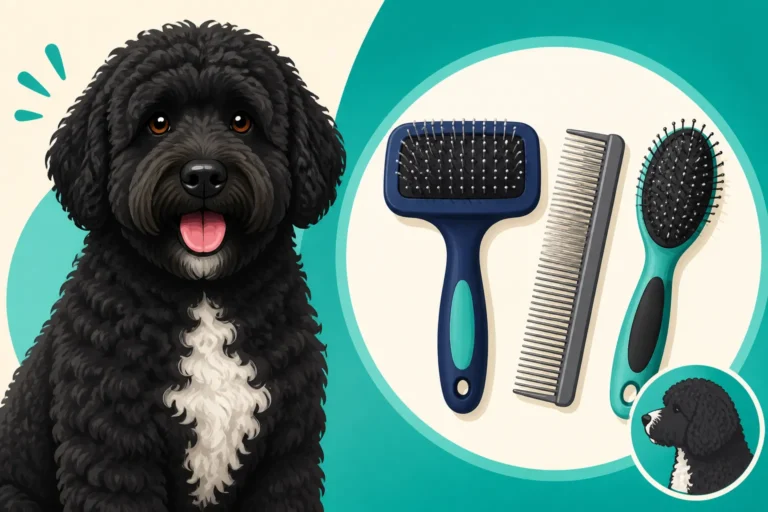
Next up are brushes and combs. A good slicker brush is indispensable for working out tangles, especially during the coat change phase. A metal comb with both wide and narrow teeth is crucial for checking for mats all the way down to the skin. You'll use this comb constantly before, during, and after clipping. Don't forget a sturdy pair of straight grooming shears for tidying up edges, feet, and potentially the face, and a pair of blunt-nosed shears for delicate areas around the eyes. A quality grooming table with a noose or grooming arm is also highly recommended. It raises your dog to a comfortable working height, saving your back, and helps keep your dog still and safe during the process. And, of course, you'll need dog-specific shampoo and conditioner, as well as a high-velocity force dryer. This isn't just for speed; it helps straighten the coat for a more even cut and blasts out loose undercoat. Which Clippers Handle a Portuguese Water Dog's Coat delves deeper into clipper choices.
| Tool Type | Specific Use | Why It's Essential |
|---|---|---|
| Professional Clippers | All-over body trimming | Handles dense PWD coat without snagging/overheating |
| Clipper Blades (#7F, #5F, #10) | Different lengths for body, sanitary, pads | Achieves desired Retriever Clip length and detail |
| Slicker Brush | Detangling and removing loose undercoat | Prevents mats and preps coat for clipping |
| Metal Comb | Checking for mats down to the skin, coat separation | Ensures thorough mat removal and even cutting |
| Straight Shears | Trimming face, feet, tidying edges | Adds precision and finishes the clip |
| Blunt-nosed Shears | Safe trimming around eyes | Protects sensitive areas |
| Grooming Table with Arm | Elevated, secure workspace | Improves posture, keeps dog still and safe |
| High-Velocity Force Dryer | Thorough drying, blowing out loose hair | Prevents skin issues, straightens coat for even cut |
| Dog Shampoo & Conditioner | Cleaning and conditioning the coat | Maintains coat health, easier to brush and clip |
Preparing Your PWD for the Clip
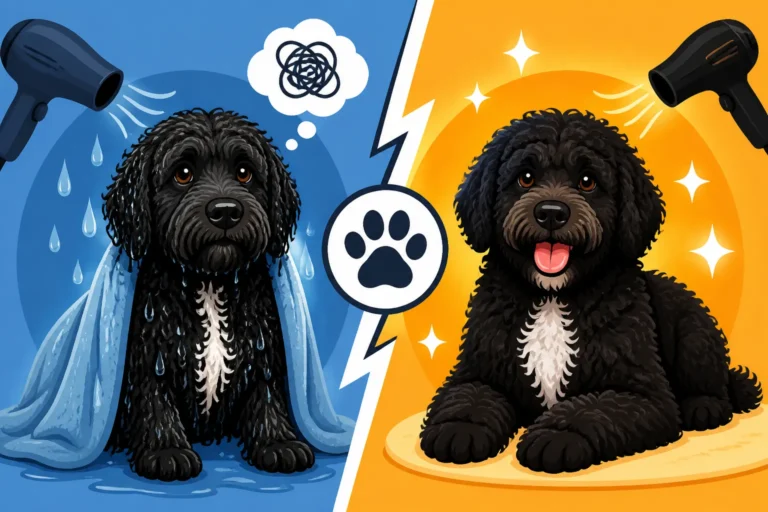
You can't just grab your clippers and go to town on a dirty, matted dog. Preparation is perhaps even more important than the clipping itself. The first step is a thorough bath. Use a good quality dog shampoo and conditioner designed for curly coats. Make sure to rinse thoroughly – any shampoo residue can irritate the skin or make the coat feel sticky. After the bath, the drying process begins, and this is where that high-velocity force dryer really earns its keep. You need to get your dog completely dry, all the way down to the skin, and ideally, as straight as possible. This process can take a significant amount of time, often an hour or more depending on your dog's coat and size.
As you dry, use your slicker brush and metal comb to brush the coat out completely, ensuring there are absolutely no mats or tangles left. Any mat left in the coat will snag the clipper blade, causing discomfort for your dog, pulling their hair, and potentially dulling or breaking your expensive blades. Think of it as preparing a canvas for painting; you want it smooth and clean before you start your work. This also helps you achieve a much more even and professional-looking trim. If your dog isn't used to bathing and drying, this stage can be a challenge in itself, requiring patience and positive reinforcement. Many owners underestimate the time and effort involved in this pre-clipping phase, but it's crucial for a successful home groom.
Step-by-Step Approach to the Retriever Clip
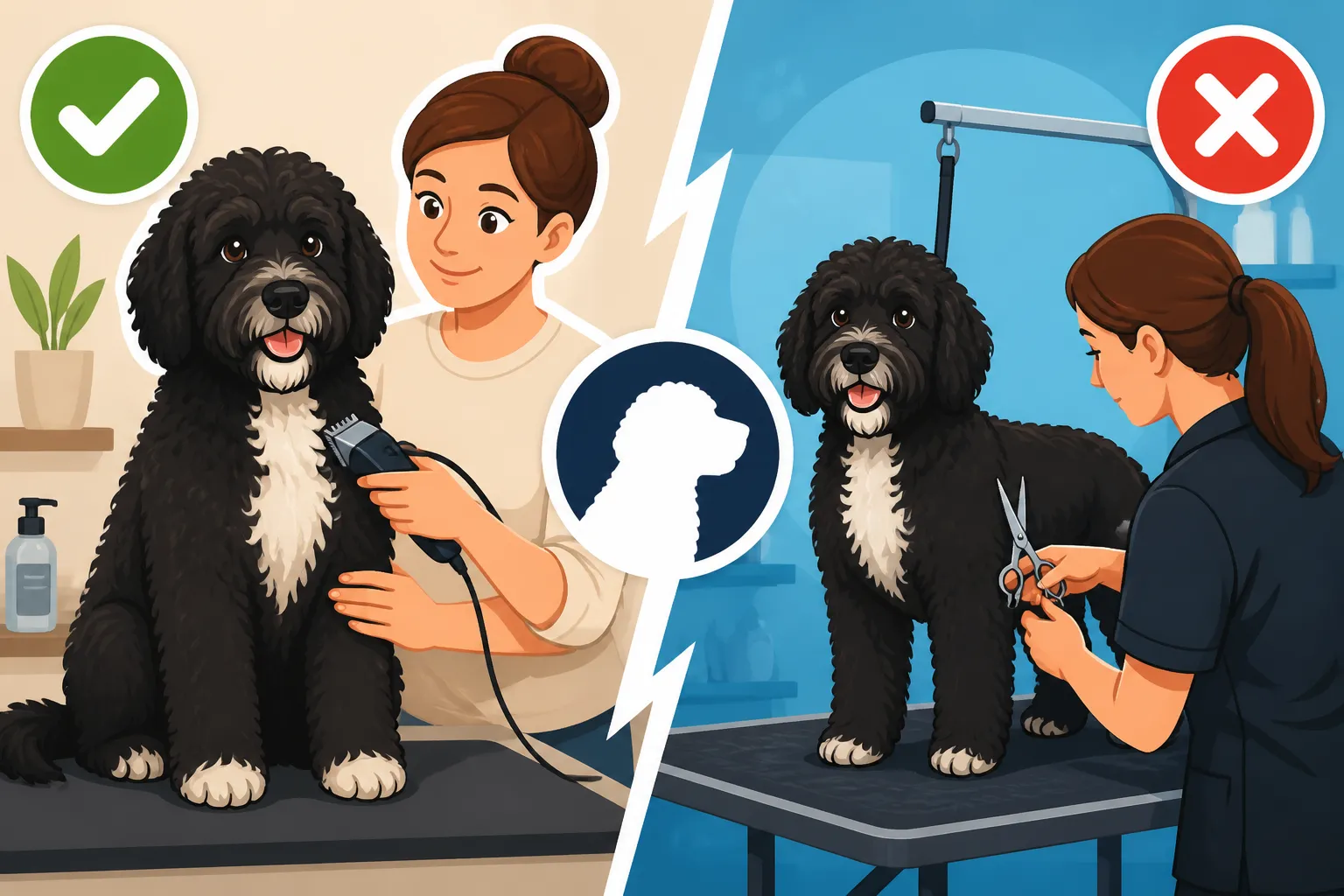
Once your Portuguese Water Dog is squeaky clean, thoroughly dry, and completely tangle-free, you're ready to start clipping. This is where patience and a steady hand come into play. Start with a fresh, sharp blade on your clippers – dull blades pull hair and can cause irritation. Many choose to start with the body, working from the neck down towards the tail, ensuring you always clip in the direction of hair growth for a smooth finish with the chosen blade length, often a #7F or #5F. Maintain even pressure and overlap your strokes slightly to avoid track marks.
When you move to the legs, remember they should be in proportion with the body. You might use the same blade, carefully sculpting to maintain a cylindrical, tidy appearance without shaving too close. The head and face require particular care. Many owners opt to hand-scissor the topknot and around the muzzle for a softer, more natural look, using blunt-nosed shears around the eyes to ensure safety. The tail plume can also be trimmed to a neat, manageable length, again maintaining a natural appearance. Throughout the process, take frequent breaks, both for your dog and yourself. Check your work often with a comb, looking for uneven spots or areas you might have missed. If you're new to this, don't aim for perfection on your first try. Aim for comfort, safety, and a relatively even trim. Over time, your skill will improve, and your dog will become more accustomed to the routine. For those with a young puppy, starting early with positive exposure to grooming tools can make a huge difference down the line, as discussed in The First Year With a Portuguese Water Dog Puppy.
The Realities of DIY Grooming: Pros and Cons
Considering whether to take on the Retriever Clip at home means weighing the good against the challenging. It’s not just about getting the hair off; it's about the entire experience for both you and your beloved PWD.
The Upsides: Savings, Bonding, and Convenience
Let's talk about the biggest draw for many owners: cost savings. Professional grooming for a Portuguese Water Dog, especially with their unique coat, can really add up, easily becoming one of the most significant recurring expenses of ownership. By grooming at home, you eliminate those regular bills, which, over the lifespan of your dog, can be substantial. While the initial investment in quality tools can be high, it quickly pays for itself compared to consistent professional appointments. Whether Grooming a Portuguese Water Dog at Home Saves Money goes into more detail on the financial aspects.
Beyond the money, home grooming offers a fantastic opportunity for bonding. Spending dedicated, calm time with your dog, gently brushing, clipping, and praising them, can strengthen your relationship. Many PWDs thrive on this one-on-one attention and learn to trust your touch during these sessions. It’s a chance to really connect and build confidence. And let's not forget convenience. No more scheduling appointments months in advance, rushing to pick up your dog, or dealing with car rides if your dog isn't a fan of them. You can groom your dog on your own schedule, in your own home, making it much easier to keep up with regular maintenance and prevent mats from ever forming. This flexibility is invaluable, especially for busy households or those living far from professional groomers.
The Downsides: Time, Skill, and the Learning Curve
Now for the dose of reality. While home grooming offers undeniable benefits, it's far from a quick or easy task. The sheer time commitment is often the biggest surprise for new DIY groomers. A full bath, thorough drying, and complete Retriever Clip can easily take 3-5 hours, sometimes more for a matted or uncooperative dog. And that's just one session! PWDs need regular attention, so you'll be dedicating this time every few weeks. This isn't a chore you can rush through; patience is paramount.
Then there's the skill factor. Professional groomers spend years honing their craft, learning how to handle different coat types, temperaments, and tools. As a beginner, you're starting from scratch. You'll likely encounter uneven spots, clipper tracks, and perhaps even accidental nicks (though with proper technique, these can be minimized). Getting a truly smooth, professional-looking Retriever Clip takes practice, and your dog might go through a few "interesting" haircuts while you learn. The learning curve is steep, and it requires dedication to watch tutorials, read guides, and practice safely. Furthermore, your dog's cooperation is not guaranteed. Some dogs are naturally more tolerant, while others might resist, making the process stressful for both of you. It's crucial to prioritize your dog's comfort and safety over achieving a perfect cut. If your dog is constantly stressed or fearful, professional grooming might be the kinder option.
Keeping Your PWD Neat Between Full Clips
Even if you commit to doing the full Retriever Clip at home, the work doesn't end when the clippers are put away. A Portuguese Water Dog's coat demands ongoing attention to stay healthy, comfortable, and mat-free.
Daily Brushing and Mat Prevention
This is perhaps the most critical aspect of Portuguese Water Dog coat care, regardless of the clip your dog wears. Daily brushing is non-negotiable for preventing mats. Their single coat, which holds onto shed hair rather than releasing it, is a magnet for tangles. You need to brush your dog thoroughly every single day, or at the very least, every other day. Focus on areas where mats commonly form: behind the ears, in the armpits, under the collar or harness, and around the tail and hocks. These are friction points where hair can easily clump together. When brushing, use a slicker brush to get through the coat, followed by a metal comb to ensure you're getting all the way down to the skin. If the comb can’t glide through the coat without resistance, there are tangles present that need to be carefully worked out.
Skipping a few days of brushing can quickly lead to tightly felted mats that are incredibly difficult, and sometimes painful, to remove. A mat can pull on your dog's skin, restrict blood flow, and hide skin infections. Regular brushing not only prevents these issues but also helps distribute natural oils, keeping the coat healthy and shiny. It also gives you an opportunity to check your dog for any lumps, bumps, or skin irritations that might otherwise go unnoticed. Incorporating this into your daily routine is an investment in your dog's health and comfort, making future full grooming sessions much smoother. You can find out more about How Long Brushing a Portuguese Water Dog Takes and Where a Portuguese Water Dog Mats First.
Addressing Other Grooming Needs at Home
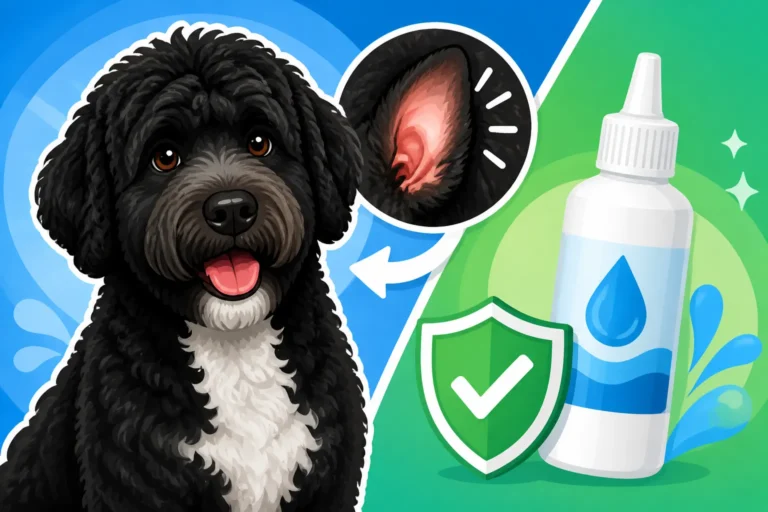
Grooming a Portuguese Water Dog extends beyond just clipping and brushing their body coat. There are several other areas that require regular attention to keep your dog in peak condition. Their ears, for instance, are particularly prone to issues. PWDs have dense hair growing in their ear canals, which, combined with their love for water, creates a warm, moist environment ripe for yeast and bacterial infections. You should check and clean your Portuguese Water Dog's ears weekly. Use a veterinarian-approved ear cleaning solution and cotton balls to gently wipe out any visible dirt or wax. Pay attention to any redness, odor, or excessive head shaking, which could indicate an infection. While some owners pluck ear hair, it's best to consult with your vet or a professional groomer to determine if this is necessary for your dog, as it can sometimes cause irritation. Why a Portuguese Water Dog's Ears Need Checking Every Week offers more advice on ear care.
Nail care is another crucial aspect. Overgrown nails can cause discomfort, affect your dog's gait, and even lead to paw problems. Aim to trim your PWD's nails every 2-4 weeks. If you can hear their nails clicking on the floor, they're too long. You can use dog-specific nail clippers or a Dremel tool. If you're unsure how to trim them safely, ask your vet or groomer for a demonstration. And don't forget their teeth! Dental hygiene is often overlooked but is vital for overall health. Brushing your dog's teeth a few times a week with dog-specific toothpaste can prevent plaque buildup and gum disease, saving you from costly dental procedures down the line. Many of these essential hygiene products can be stocked up on easily through Chewy or Amazon, ensuring you always have what you need on hand.
Disclaimer
This article is for general informational purposes only and does not constitute professional advice. Laws, prices and regulations vary by location and change over time. Consult a qualified professional for guidance on your specific situation.