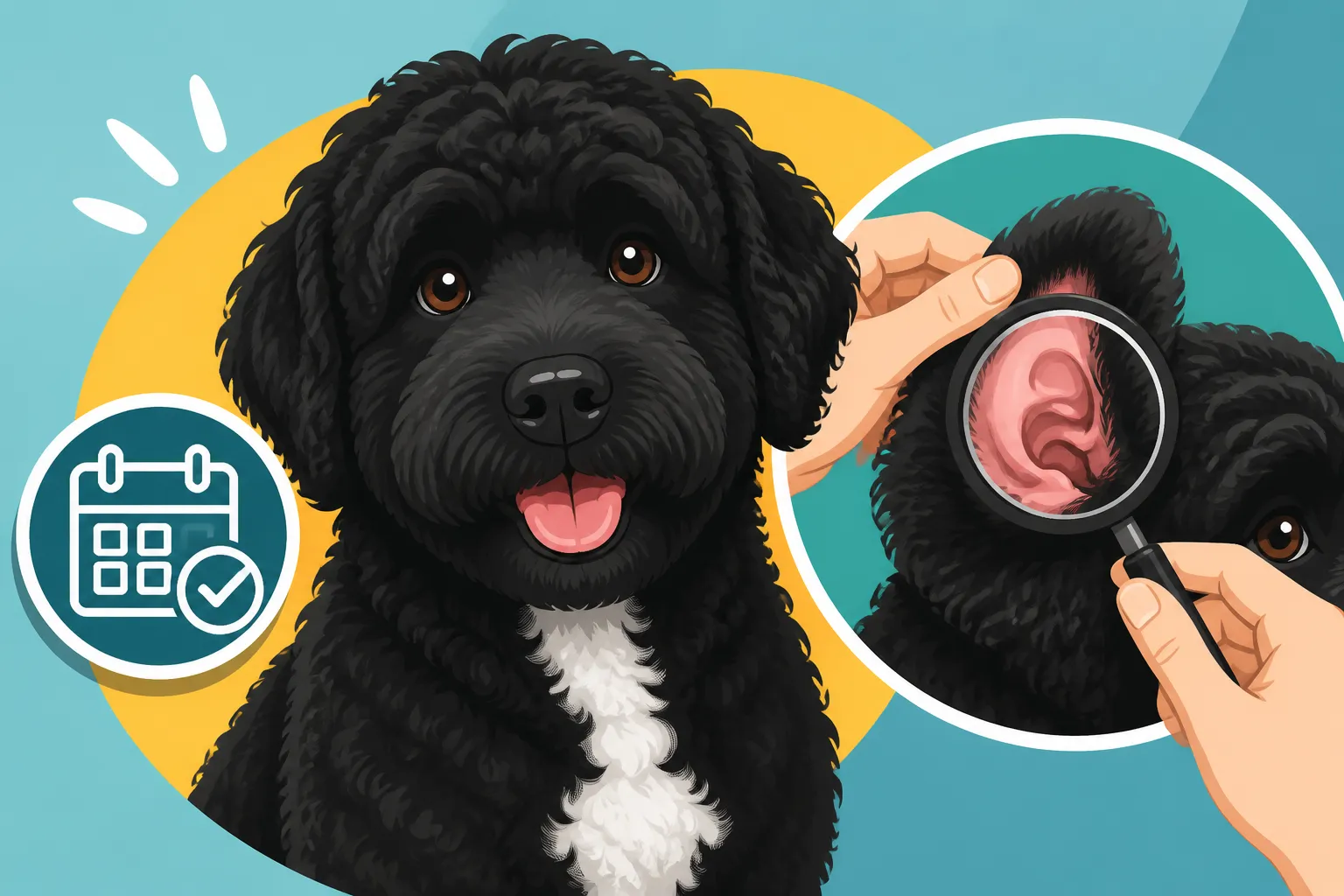
Why a Portuguese Water Dog’s Ears Need Checking Every Week
One of the most common frustrations Portuguese Water Dog owners face is the relentless battle against ear infections. It seems like you’ve just gotten one infection cleared up, only for another to start brewing, leaving you wondering if it's just bad luck or something inherent to the breed. This guide is here to shed light on exactly why a Portuguese Water Dog's ears are so prone to issues and why a diligent, weekly ear-checking routine isn't just a suggestion, but an absolute necessity for their comfort and long-term health.
The Unique Anatomy of a Portuguese Water Dog's Ears
Understanding the "why" behind your Portuguese Water Dog's ear woes starts with a quick peek at their unique ear structure. Unlike some breeds with upright, airy ears, the PWD's ears are designed in a way that, while charming, can inadvertently become a perfect breeding ground for trouble. It's not a design flaw, per se, but rather a characteristic that requires a little extra vigilance from us, their devoted companions.
The Pendulous Ear Flap: A Natural Trap
Your Portuguese Water Dog's ears are what we call "pendulous," meaning they hang down, covering the ear canal opening. Think about it: this floppy design is adorable, it gives them that expressive look we all love, but it also acts like a little curtain. This curtain traps warmth and humidity inside the ear canal, creating a microclimate that's unfortunately quite inviting for all sorts of opportunistic microorganisms. When your dog splashes in the lake or even just gets a bath, that moisture can easily get caught under the flap, struggling to evaporate. It’s like wearing a wet hat all day – not pleasant, and certainly not hygienic. This constant dampness under the ear flap softens the skin, making it more vulnerable to irritation and invasion. It's a real double-whammy: the warmth helps things grow, and the moisture keeps them thriving.
Hair Growth Within the Ear Canal: A Barrier to Airflow
Beyond the pendulous flap, a significant factor in a Portuguese Water Dog's ear health is the prolific hair growth inside their ear canals. This isn't just a little fuzz; it can be a dense jungle of curls that effectively blocks airflow. Imagine a deep, narrow cave, then picture it lined with thick, curly fur. That's essentially what's happening inside your PWD's ears. This hair, combined with the floppy ear flap, creates an environment with minimal ventilation. Air can't circulate freely, which means any moisture that gets in has a much harder time drying out. Furthermore, this hair acts like a magnet for wax, dirt, and debris, which then get stuck and build up. This accumulation not only provides a rich food source for bacteria and yeast but also further obstructs the ear canal, exacerbating the problem. It’s a vicious cycle where trapped moisture, lack of air, and accumulated debris combine to set the stage for recurrent infections. This is precisely why some owners choose to have this hair removed, a topic we'll dive into later when we discuss ear cleaning and maintenance.
Why Water Is Both a Blessing and a Curse for PWD Ears
The Portuguese Water Dog was, quite literally, bred for the water. Their webbed feet, rudder-like tail, and dense, water-repellent coat are all testaments to their aquatic heritage. They live for a good swim, whether it's retrieving from the ocean, splashing in a lake, or even just diving into the backyard pool. This love for water, while a defining trait of the breed, is also the primary reason their ears need such vigilant attention.
The Swimming Lifestyle and Trapped Moisture
It’s no secret that Portuguese Water Dogs adore swimming. They don't just tolerate water; they seek it out, revel in it, and often spend hours submerged. This is fantastic for their exercise needs and mental stimulation, but it poses a significant challenge for their ears. Every time your PWD takes a dip, water inevitably finds its way into those already hair-filled, pendulous ear canals. And because of the structural issues we just discussed – the floppy ear and the internal hair – that water doesn't easily drain or evaporate. It gets trapped. This constant cycle of getting wet and staying wet creates the perfect incubator for pathogens. Think about putting on damp socks and leaving them on all day; you can imagine the kind of skin irritation and bacterial growth that would result. The same principle applies to your PWD's ears. The delicate skin lining the ear canal becomes macerated and irritated, making it an easy target for bacteria and yeast to take hold and multiply. This is often the starting gun for an ear infection, and it’s why understanding Why a Swimming Dog Gets Ear Infections is so crucial for PWD owners.
Chlorine, Saltwater, and Lake Water Irritants
Beyond just plain water, the type of water your Portuguese Water Dog swims in can introduce additional irritants that compound the problem.
-
Chlorine in Pools: If your PWD is a fan of the family pool, they're regularly exposed to chlorine. While great for keeping pool water clean for humans, chlorine can be very drying and irritating to a dog's sensitive ear canal lining. It strips away natural protective oils, leaving the skin dry, flaky, and more susceptible to inflammation. Imagine swimming in a chlorinated pool and not rinsing your hair or skin afterwards – it feels tight and dry, right? Now imagine that sensation deep inside an ear canal already prone to moisture issues. The irritation can set off a chain reaction, leading to itching, scratching, and ultimately, infection.
-
Saltwater from the Ocean: A day at the beach is pure heaven for many Portuguese Water Dogs. The ocean waves, the sand, the endless retrieves – it’s what they were bred for. However, saltwater can also be a culprit. While some might think salt is drying, for many dogs, it can still be an irritant. The minerals in saltwater can deposit in the ear canal, and the salt itself can cause inflammation, especially in sensitive ears. Rinsing thoroughly after an ocean swim is just as important as after a pool dip.
-
Lake and Pond Water: Perhaps the most concerning for ear health is swimming in natural bodies of water like lakes, ponds, and rivers. These waters are teeming with bacteria, algae, and fungi that are naturally present in the environment. Unlike treated pool water, lake water isn't disinfected. If this water gets trapped in your dog's ear, you're not just dealing with moisture; you're introducing a cocktail of potential pathogens directly into an ideal breeding ground. E. coli, Pseudomonas, and various fungi are common residents of natural waters, and they are frequently implicated in severe ear infections in dogs. Whether a Portuguese Water Dog's Ear Canal Stays Wet after these swims is a major determinant of their ear health.
Recognizing the Early Signs of Ear Trouble
As PWD owners, we know our dogs are stoic. They often hide discomfort until it becomes a significant problem. This is especially true for ear infections, which can progress quite a bit before your dog explicitly tells you something is wrong. That’s why recognizing the subtle, early signs of ear trouble is paramount. Missing these cues can mean the difference between a minor cleaning issue and a full-blown, painful infection requiring veterinary intervention.
Subtle Behavioral Cues You Might Miss
Your Portuguese Water Dog can’t tell you their ear hurts in words, but they'll communicate it through changes in their behavior. These can be very subtle at first, easily dismissed as just "being a dog" or a passing itch.
- Increased Head Shaking: This is probably the most common early sign. While a dog shakes its head to dry off or dislodge something occasionally, persistent or exaggerated head shaking is a red flag. Pay attention if your PWD starts shaking their head more frequently than usual, especially after eating, playing, or waking up. They might seem to be trying to "clear" something from their ear.
- Ear Rubbing or Scratching: You might notice them rubbing their ear against furniture, the carpet, or your leg. They might also use a paw to scratch vigorously at the affected ear. This scratching can sometimes be so intense that they break the skin, creating secondary infections or "hot spots" around the ear flap.
- Tilting or Holding Head to One Side: If one ear is bothering them, your PWD might tilt their head constantly to one side, trying to alleviate pressure or discomfort. This can be subtle, almost like they're listening intently, but it's a consistent tilt.
- Reluctance to Be Touched: A normally affectionate Portuguese Water Dog might shy away or even snap if you try to touch their head or ears. This pain response is a strong indicator of discomfort.
- Changes in Demeanor: They might seem a bit more lethargic, withdrawn, or generally "off." Chronic ear discomfort can be draining, affecting their overall mood and energy levels. If their playful spark seems diminished, it's worth checking their ears.
- Difficulty Chewing: If the infection is deep or causing significant pain, the act of chewing can be uncomfortable. You might notice them eating more slowly, dropping food, or showing a preference for softer foods.
Visual and Olfactory Warning Signals
Beyond behavior, there are clear physical and sensory signs that scream "ear infection!" These are the indicators you're looking for during your weekly ear checks.
- Redness or Swelling: Gently lift your dog's ear flap and look inside the canal. Is the skin redder than usual? Is there any swelling around the opening or within the visible part of the canal? Compare it to the healthy ear if only one is affected.
- Discharge: Healthy ear canals are relatively clean. Any discharge – be it dark brown, yellowish, greenish, waxy, or pus-like – is a strong indicator of an issue. The color and consistency can sometimes give clues to the type of infection (e.g., dark, waxy discharge often points to yeast, while yellowish-green pus usually suggests a bacterial infection).
- Crusts or Scabs: If your dog has been scratching, you might see small crusts or scabs on the inside of the ear flap or around the ear opening. This indicates skin irritation and potential self-trauma.
- Odor: This is often one of the most undeniable signs. A healthy dog's ear should have little to no smell. An ear infection, especially a yeast or bacterial one, will produce a distinct, often strong, unpleasant odor. Owners commonly describe it as smelling "yeasty," "sweet and sickly," or even like "dirty socks." Don't ignore a bad smell coming from your dog's ears; it's a surefire sign that something is amiss.
- Heat to the Touch: Gently feel the base of your dog's ear. Is it warmer than usual compared to other parts of their head or to their other ear? Inflammation can cause localized heat.
- Hair Loss or Matted Hair: Excessive scratching or rubbing can lead to hair loss around the ear. The discharge itself can also cause the hair inside and around the ear canal to become matted and sticky.
Being observant of Signs a Portuguese Water Dog's Ear Is Infected can help you catch problems early, potentially preventing more severe pain and costly vet visits. Remember, prevention and early detection are key.
The Cycle of Infection: From Moisture to Inflammation
Once moisture and irritants get trapped in the Portuguese Water Dog's ear, a predictable, and unfortunately common, cycle of infection often begins. It's a cascade of events that can quickly turn a minor irritation into a painful, chronic problem if not addressed promptly and effectively. Understanding this cycle helps underscore the importance of those weekly checks.
Bacterial and Yeast Overgrowth: The Usual Suspects
Our dogs' ears, like all parts of their bodies, naturally host a diverse population of microorganisms, including small amounts of bacteria and yeast. In a healthy, dry, well-ventilated ear, these organisms live in a balanced ecosystem, causing no trouble. The problems begin when the environment inside the ear canal shifts, becoming warm, moist, and lacking in airflow – precisely the conditions created by the PWD's unique anatomy and love for swimming.
- Yeast (Malassezia Pachydermatis): This is one of the most common culprits. Yeast thrives in warm, moist, and dark environments. When the ear canal becomes damp and ventilation is poor, the naturally occurring yeast population can explode, leading to an overgrowth. This overgrowth causes intense itching, redness, and that characteristic sweet, yeasty odor. The discharge is often dark brown and waxy, almost like coffee grounds. The itching can lead to excessive scratching, which further irritates the skin and can break its protective barrier, making it easier for other pathogens to invade.
- Bacteria (e.g., Staphylococcus, Pseudomonas): Bacterial infections often go hand-in-hand with yeast or can occur independently, particularly after swimming in natural, untreated water. Bacteria also love moist, warm environments. Once they get a foothold, they multiply rapidly, leading to inflammation, pain, and sometimes a foul-smelling, yellowish-green discharge. Pseudomonas infections, in particular, can be very aggressive and painful, sometimes leading to deeper ear infections and even affecting the middle or inner ear if left untreated. Chronic inflammation in the ear canal can even change the ear's physiology over time, leading to thickening of the canal walls and narrowing of the opening, making future infections even harder to treat and more prone to recurrence. It’s a truly frustrating situation when How Often a Portuguese Water Dog Gets an Ear Infection starts to feel like a constant battle.
The Escalation of Chronic Ear Issues
Left unchecked, a simple ear irritation or mild overgrowth can quickly escalate into a full-blown, chronic ear infection, known medically as otitis externa. This isn't just a temporary nuisance; chronic ear issues can lead to significant pain, hearing loss, and permanent damage to the ear structure.
- Deepening Infections: Initially, the infection might be limited to the outer ear canal. However, without proper treatment, bacteria and yeast can migrate deeper, into the middle ear (otitis media) and even the inner ear (otitis interna). These deeper infections are much harder to treat, require stronger medications, and can cause more severe symptoms like balance problems, head tilting, and even neurological signs.
- Structural Changes: Persistent inflammation leads to changes in the ear canal itself. The lining of the ear canal can thicken and calcify, narrowing the passage and creating even more traps for moisture and debris. In severe cases, this narrowing can become so pronounced that it's nearly impossible to clean or medicate the ear effectively, often necessitating invasive surgical procedures like Total Ear Canal Ablation (TECA), which involves removing the entire ear canal. This is a drastic, painful, and costly surgery that no owner wants their PWD to endure.
- Hearing Impairment: Chronic inflammation, fluid buildup, and structural changes can all interfere with the normal conduction of sound, leading to temporary or even permanent hearing loss in the affected ear. For an active, intelligent dog like a Portuguese Water Dog, compromised hearing can significantly impact their quality of life, their ability to respond to commands, and their safety.
- Increased Pain and Discomfort: While dogs are stoic, chronic ear pain is a constant source of misery. It can lead to changes in temperament, making a normally friendly dog withdrawn or even aggressive due to discomfort. The constant itching and pain can also disrupt their sleep and overall well-being. This is why addressing Why a Portuguese Water Dog's Ear Bills Repeat is so crucial, as it often points to an underlying, unresolved issue or environmental factor.
A Step-by-Step Guide to Weekly Ear Checks
Given how prone Portuguese Water Dogs are to ear issues, a consistent, weekly ear-checking and cleaning routine isn't just a good idea – it's absolutely essential. Think of it as preventative maintenance, much like brushing their coat to prevent mats. It takes a little time, but it can save your dog a lot of discomfort and save you from potentially hefty vet bills down the line.
Gathering Your Tools for Success
Before you even start, having the right tools on hand will make the process much smoother for both you and your Portuguese Water Dog. Being prepared helps create a positive, efficient experience.
- Ear Cleaning Solution: This is your primary weapon. Look for solutions specifically formulated for dogs, preferably one that is gentle, drying, and has antiseptic properties. Ingredients like salicylic acid or boric acid can help dry the ear canal and inhibit microbial growth. Avoid using harsh chemicals, alcohol, or hydrogen peroxide, as these can irritate the delicate ear canal. Many veterinary brands offer excellent ear cleansers, and you can often find them on platforms like Chewy or Amazon. Ask your vet for a recommendation, especially if your dog has sensitive ears or a history of infections.
- Cotton Balls or Gauze Pads: These are essential for wiping away debris and applying the cleaning solution. Use soft, non-abrasive materials. You'll want a good supply, as you should use fresh cotton for each ear and discard it once it's soiled.
- Soft Towel: Keep a small, soft towel nearby. This is useful for wiping away excess solution that might drip from the ear and for gently drying the outer ear flap.
- Treats!: This is perhaps the most important "tool" of all. Positive reinforcement is key to making ear checks a pleasant, or at least tolerable, experience for your PWD. High-value treats will distract them and help them associate ear handling with good things.
- Headlamp or Flashlight (Optional but Recommended): A small headlamp or flashlight can be incredibly helpful for illuminating the ear canal, allowing you to get a better visual inspection of the inner surfaces and spot any redness, discharge, or debris you might otherwise miss.
- Hemostats (For Plucking, if Recommended by Vet/Groomer): If you and your vet or groomer decide that plucking the hair from your PWD's ear canal is beneficial (we'll discuss this further), a pair of blunt-tipped hemostats can be used for this task. However, never attempt this without proper instruction, as improper plucking can cause pain and damage.
The Gentle Examination and Cleaning Process
Once you have your tools, you can begin the weekly ear check and cleaning. Remember, gentleness and patience are paramount, especially if your dog is new to this routine or has sensitive ears.
- Find a Calm Environment: Choose a quiet, well-lit area where your dog feels comfortable. This might be on their bed, a grooming table, or even just on the floor with you. Start with short sessions and gradually increase the duration as your dog gets used to it.
- Visual Inspection: Start by gently lifting your Portuguese Water Dog's ear flap. Take a good look. What do you see?
- Outer Ear Flap: Check for any redness, swelling, cuts, or irritation on the inside of the flap.
- Ear Canal Opening: Look into the opening of the ear canal. Is it red or swollen? Do you see any discharge? What color is it? Is there any wax buildup? Use your flashlight if needed for a clearer view. This is where you'll be looking for Signs a Portuguese Water Dog's Ear Is Infected.
- Smell: Give the ear a sniff. Does it have any unusual or foul odor? A healthy ear should smell neutral.
- Perform a Gentle Touch Test: Very gently, using a finger, palpate the base of the ear. Does your dog flinch, pull away, or show any signs of pain? Is it warm to the touch? This can indicate inflammation.
- Administering the Cleanser:
- Hold the ear flap up and outward to straighten the ear canal as much as possible.
- Gently squeeze the ear cleaner bottle, filling the ear canal with the solution until it almost overflows. Don't be shy; you need enough solution to dislodge debris.
- Do not insert the tip of the bottle too deeply into the ear. Just place it at the opening.
- Massage the Base of the Ear: This is a crucial step. With the solution in the ear, gently massage the base of your dog's ear for about 30 seconds. You should hear a squishing sound as the solution works its way through the ear canal, breaking up wax and debris. This massage also helps spread the cleaner and dislodge any trapped particles.
- Allow Your Dog to Shake Their Head: After massaging, step back and let your PWD shake their head. This natural action helps to expel the loosened debris and excess cleaning solution from the ear canal. Be prepared for some spray, and have your towel ready!
- Wipe the Outer Ear: Using a fresh cotton ball or gauze pad for each ear, gently wipe away any visible solution, discharge, or debris from the outer part of the ear canal and the inside of the ear flap. Never insert cotton swabs (Q-tips) into your dog's ear canal, as this can push debris deeper, damage the eardrum, or compact wax. Stick to wiping only what you can see.
- Repeat if Necessary: If the ear was particularly dirty, you might need to repeat the cleaning process (steps 4-7) until the cotton balls come out relatively clean.
- Reward Generously: Lavish your Portuguese Water Dog with praise and high-value treats throughout and especially after the process. This reinforces a positive association with ear care.
Consistency is key for both preventing problems and making the experience less stressful for your dog. For more detailed advice on products, checking What to Clean a Portuguese Water Dog's Ears With can be helpful.
Preventing Ear Problems: Beyond the Weekly Check
While diligent weekly ear checks and cleanings are the cornerstone of ear health for your Portuguese Water Dog, a truly comprehensive approach involves several other proactive steps. These additional measures aim to minimize the risk factors that contribute to ear infections, creating a healthier environment for those sensitive canals.
Post-Swim Routine: Drying is Key
Given their undeniable love for water, establishing a strict post-swim drying routine for your Portuguese Water Dog's ears is perhaps the single most important preventative measure you can take. Simply letting them air dry often isn't enough, especially with their floppy ears and hairy canals.
- Immediate Post-Swim Action: As soon as your PWD exits the water, gently but thoroughly pat the visible parts of their ears dry with a soft towel. Pay special attention to the underside of the ear flap and the entrance to the ear canal. The goal is to remove as much surface moisture as possible.
- Utilize an Ear Drying Solution: This is where a good quality ear drying solution really shines. These products are specifically designed to quickly evaporate moisture from the ear canal. After toweling, apply a few drops (or as directed by the product) of an ear drying solution into each ear. Gently massage the base of the ear for a few seconds, then allow your dog to shake their head. This helps distribute the solution and facilitate drying. Many owners swear by specific brands you can find at stores like Chewy or on Amazon, often with ingredients like witch hazel or isopropyl alcohol (in appropriate dog-safe formulations) for their drying properties.
- Consider a Force Dryer: If your PWD is tolerant of it, a high-velocity force dryer (like those used by professional groomers) can be incredibly effective for quickly drying the outer ear and even some of the deeper parts of the ear canal, as long as you're careful not to direct air directly into the canal. This not only helps with drying their curly coat but also ensures the ears are properly aerated. However, Whether a Portuguese Water Dog Tolerates a Dryer can vary, so introduce it slowly and positively.
- Don't Forget Rinsing (especially after salt/chlorine): If your PWD has been swimming in chlorinated pool water or saltwater, a quick rinse with clean, fresh water before applying the drying solution can be beneficial. This helps remove any chemical residues or salt crystals that could irritate the ear lining. Make sure to dry thoroughly afterward! For more on this, look into How Often a Swimming Portuguese Water Dog Needs Ear Cleaning.
Diet and Allergies: An Unexpected Connection
It might seem counterintuitive, but your Portuguese Water Dog's diet and any underlying allergies can play a significant, often overlooked, role in their susceptibility to ear infections. Ear infections aren't always just about moisture; they can be a symptom of a systemic issue.
- Food Allergies: Many dogs develop chronic ear infections as a primary symptom of a food allergy. Common culprits include proteins like beef, chicken, dairy, and grains. If your PWD is experiencing recurrent ear infections despite diligent cleaning and drying, and especially if they also have skin itching, paw licking, or gastrointestinal upset, a food trial might be necessary. This involves feeding a novel protein or hydrolyzed protein diet for several weeks to see if symptoms improve. Consult your veterinarian for guidance on how to conduct a proper food elimination trial. Brands like Ollie, which offer fresh, limited-ingredient diets, can sometimes be explored in consultation with a vet if food sensitivities are suspected.
- Environmental Allergies (Atopy): Just like humans, dogs can suffer from environmental allergies (atopy) to things like pollen, dust mites, and molds. These allergies often manifest as itchy skin, and the ears are a common target. When the ears are inflamed and itchy due to allergies, the protective barrier of the skin is compromised, making them more vulnerable to secondary bacterial and yeast infections. Managing environmental allergies, often with medications prescribed by a vet (antihistamines, steroids, Apoquel, Cytopoint, etc.), can significantly reduce the incidence of ear infections.
- Overall Nutrition: A balanced, high-quality diet supports a strong immune system and healthy skin barrier, which are both crucial for resisting infections. Ensuring your PWD gets adequate essential fatty acids (like Omega-3s) can help promote skin health and reduce inflammation throughout the body, including the ears. While not a direct cure, good nutrition is foundational.
Addressing these underlying allergic conditions, in conjunction with your regular ear care routine, can be a game-changer for Portuguese Water Dogs with chronic ear problems. It's often a multi-faceted approach that yields the best results.
When to Call the Vet: Knowing When It's More Than Routine
While weekly checks and preventative care are incredibly important, there will be times when your Portuguese Water Dog's ear issues demand professional veterinary attention. Knowing when to stop trying home remedies and reach out to your vet is crucial for your dog's comfort and to prevent the escalation of serious problems. Trust your instincts; you know your dog best.
Persistent Symptoms and Worsening Conditions
You've been diligent with your weekly checks, perhaps even ramped up the drying after swims, but something just isn't right. Here are definite signs that it's time to pick up the phone and schedule a vet appointment:
- Symptoms Worsen or Don't Improve: If, after a couple of days of consistent home cleaning and drying, your dog's ear symptoms (redness, discharge, itching, smell) are not improving, or worse, they're getting more severe, it's time for a vet visit. This suggests the infection is beyond what over-the-counter solutions can handle.
- Severe Pain: If your PWD is exhibiting intense pain, crying out when touching their ear, constantly holding their head tilted, or snapping when you approach their head, don't delay. Severe pain indicates a significant infection or inflammation that requires immediate professional assessment and pain relief.
- New or Unusual Discharge: Any new type of discharge, especially if it's thick, pus-like (yellow or green), or particularly foul-smelling, warrants veterinary attention. This often points to a bacterial infection that will likely need prescription antibiotics.
- Swelling of the Ear Flap or Canal: Significant swelling of the ear flap or visibly narrowed ear canal opening is a red flag. This can be caused by severe inflammation, a reaction to an irritant, or even an aural hematoma (a blood blister on the ear flap caused by excessive head shaking), which requires veterinary drainage.
- Loss of Balance or Head Tilt (Persistent): If your dog starts to lose balance, walk in circles, or develops a persistent, severe head tilt, the infection may have spread to the middle or inner ear. These are serious symptoms that require urgent veterinary care, as they can indicate neurological involvement.
- Systemic Signs: If your PWD is also showing general signs of illness, such as lethargy, loss of appetite, fever, or vomiting, alongside ear issues, it's a clear indication that the problem is more than just a localized ear irritation and requires a full veterinary workup.
- Chronic Recurrences: If your Portuguese Water Dog seems to get an ear infection every few weeks or months, even with consistent preventative care, it's crucial to work with your vet to identify the underlying cause. This might involve allergy testing, diet changes, or deeper diagnostics. Persistent recurrence is a sign that the root problem hasn't been addressed. When What a Portuguese Water Dog's Ear Infection Costs to Treat becomes a recurring expense, it’s a strong indicator that a deeper investigation is needed.
Specialized Care: From Diagnostics to Treatment
When you take your Portuguese Water Dog to the vet for an ear problem, they won't just guess what's going on. They have specific diagnostic tools and treatment protocols to get to the bottom of the issue.
- Otoscopic Exam: The vet will use an otoscope to look deep into your dog's ear canal. This instrument allows them to visualize the eardrum, assess the extent of inflammation, check for foreign bodies (like grass awns, which PWDs can easily pick up), and see if the canal is narrowed.
- Ear Swab and Cytology: This is a critical diagnostic step. The vet will take a swab from deep within the ear canal and examine it under a microscope. This "cytology" allows them to identify whether the infection is bacterial, yeast, or a mix of both, and to determine the predominant type of cells present (e.g., inflammatory cells). This guides the choice of medication.
- Culture and Sensitivity (if needed): For severe, chronic, or recurrent bacterial infections, your vet might send a swab to a lab for culture and sensitivity testing. This test identifies the specific type of bacteria present and determines which antibiotics will be most effective against it. This prevents the "shotgun" approach to antibiotics and ensures targeted treatment.
- Prescription Medications: Based on the diagnosis, your vet will prescribe appropriate medications. These can include:
- Topical Ear Drops: Often a combination of antibiotics, antifungals, and anti-inflammatories, these are applied directly into the ear canal.
- Oral Medications: For more severe or deep-seated infections, oral antibiotics, antifungals, or anti-inflammatory drugs might be prescribed.
- Pain Relief: If your dog is in significant pain, your vet will also prescribe pain relief medication to keep them comfortable during treatment.
- Thorough Cleaning at the Clinic: Sometimes, if the ear is severely impacted with wax and discharge, the vet may perform a deep ear flush under sedation or anesthesia to thoroughly clean the canal before starting medication. This ensures the medication can reach the infected tissues.
- Addressing Underlying Causes: Beyond treating the immediate infection, your vet will work with you to identify and manage any underlying causes, such as allergies. This might involve discussing diet, environmental controls, or specific allergy medications. They might recommend Whether a Portuguese Water Dog's Ear Hair Should Be Removed by a professional groomer or vet if it's contributing to chronic issues.
- Follow-Up Appointments: It's essential to adhere to all follow-up appointments. The vet needs to recheck the ear, often with another cytology, to ensure the infection has completely cleared. Stopping medication too early, just because symptoms improve, is a common reason for recurrence. Why a Portuguese Water Dog's Ear Bills Repeat can often be mitigated by following the vet's full treatment plan and follow-up advice.
By understanding when to seek help and what to expect at the vet, you can ensure your Portuguese Water Dog receives the prompt and effective care they need to overcome ear problems and maintain their happy, water-loving lifestyle.
Long-Term Ear Health: A Commitment to Your PWD
Maintaining your Portuguese Water Dog's ear health isn't a one-time fix; it's an ongoing commitment. Their genetics, love of water, and unique ear structure mean that ear care will likely be a part of your routine for their entire life. But with consistency and a proactive approach, you can keep those ears healthy and minimize the chances of painful infections.
Consistency is Your Best Friend
Think of ear care like grooming their beautiful coat, but perhaps even more critical for their comfort. Consistency truly is the magic word when it comes to preventing Portuguese Water Dog ear infections.
- Regular Routine: Stick to that weekly ear check and cleaning schedule religiously. Mark it on your calendar, set a reminder on your phone, or integrate it into another routine, like after their weekly brush. The more consistent you are, the less likely problems are to develop silently. This routine also builds a positive association for your dog. If they know what to expect and are rewarded, they'll be much more cooperative.
- Post-Swim Protocol Every Time: Whether it's a quick dip in a puddle or a long swim at the beach, make your post-swim ear-drying protocol non-negotiable. Don't skip it, even if you're tired or in a hurry. Those few minutes can prevent days or weeks of discomfort and potential vet visits. The occasional missed drying might not cause an issue, but consistent moisture is a guaranteed recipe for problems.
- Observe and Adapt: Your Portuguese Water Dog's needs might change over time. Pay attention to how their ears look and smell. During allergy season, or if they've had a particularly long swimming week, you might need to increase the frequency of checks or use the drying solution more often. If you notice a particular type of water (e.g., a specific lake) seems to trigger issues, adjust your activities accordingly. For aging PWDs, ear health might become even more crucial, similar to how What Changes in an Aging Portuguese Water Dog's Coat or other physical needs evolve.
- Professional Grooming Assistance: Don't hesitate to lean on your professional groomer for help. They are experts in Portuguese Water Dog coats and often have great insight into ear health. They can perform ear plucking (if recommended by your vet) safely and efficiently, and can help keep the hair around the ear canal trimmed to improve airflow. Discussing your PWD's ear history with them can lead to tailored recommendations.
The Cost of Neglect vs. Proactive Care
Let's be realistic about the financial aspect. Owning a Portuguese Water Dog is a commitment, and that includes their health. Proactive ear care, while requiring a small investment of time and a few dollars for cleaning supplies, is significantly more cost-effective and humane than treating recurrent, severe infections.
- Financial Strain of Treatment: A single vet visit for an ear infection can quickly add up. Initial exam fees, cytology, prescription ear drops, and potentially oral medications can easily run into a significant amount. If the infection is severe and requires sedation for a deep clean, or if a culture and sensitivity test is needed, the costs climb even higher. And for chronic, recurring issues, these bills can become a regular, frustrating occurrence. Think about What a Portuguese Water Dog's Ear Bills Repeat – it's a testament to the fact that prevention really is cheaper than cure.
- Emotional Toll: Beyond the money, watching your beloved PWD suffer from painful, itchy ears takes an emotional toll. The head shaking, the scratching, the discomfort – it’s heartbreaking. Proactive care ensures they are comfortable and happy, allowing them to fully enjoy their active, water-loving lives without constant irritation.
- Preventing Drastic Measures: The ultimate, and most expensive, consequence of chronic, untreated ear infections is the need for a Total Ear Canal Ablation (TECA) surgery. This major surgery to remove the entire ear canal is reserved for cases where the ear is so damaged that medical treatment is no longer effective. It's incredibly invasive, involves a long recovery, and comes with a very high price tag, not to mention the stress on both you and your dog. Consistent, preventative care makes it highly unlikely that your PWD would ever face such a dire scenario.
Ultimately, dedicating a few minutes each week to your Portuguese Water Dog's ears is a small price to pay for their health, happiness, and your peace of mind. It’s an investment in their well-being that truly pays dividends over their lifetime.
Disclaimer
This article is for general informational purposes only and does not constitute professional advice. Laws, prices and regulations vary by location and change over time. Consult a qualified professional for guidance on your specific situation.