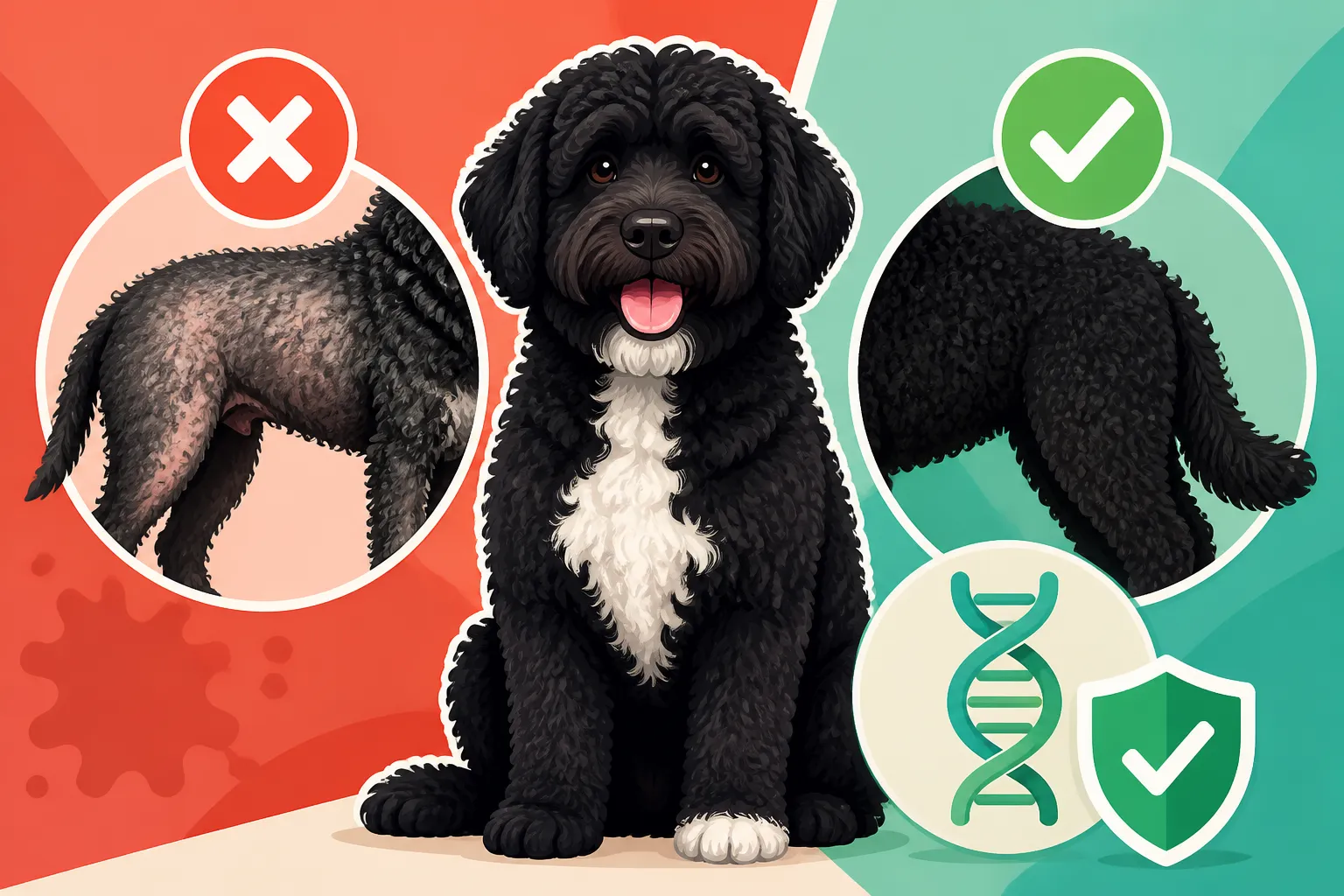
Improper Coat in a Portuguese Water Dog Is Genetic, Not Illness
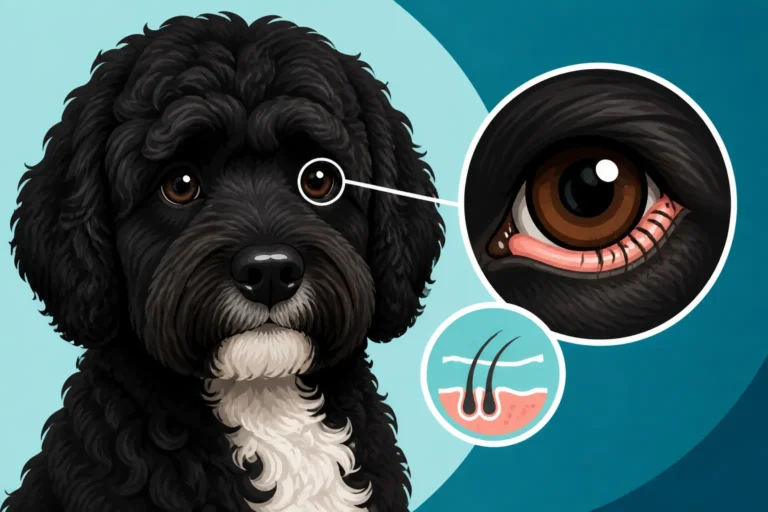
It can be incredibly disheartening, even confusing, to bring home a Portuguese Water Dog puppy, expecting that iconic curly or wavy coat, only to watch it develop into something entirely different. You might worry if your beloved companion is sick, or if something is wrong with their health. But let me reassure you right from the start: an improper coat in a Portuguese Water Dog isn't an illness or a sign of poor health; it’s purely a genetic trait, a variation in their hair texture. This comprehensive guide will walk you through everything you need to know, from the science behind it to what it means for you and your PWD.
Understanding the Portuguese Water Dog Coat Standard
When we talk about the Portuguese Water Dog, the coat is often one of the first things that comes to mind, right after their boundless energy and love for water. It’s not just about aesthetics; their unique coat was essential for their historical role working alongside fishermen on the coasts of Portugal. To truly understand what an "improper" coat is, we first need to appreciate what a "proper" coat looks like according to the breed standard.
The Ideal Curly and Wavy Coats
Portuguese Water Dogs are recognized for two distinct, yet equally functional, coat types: curly and wavy. Both are single coats, meaning they lack an undercoat, which is a significant factor in why many people with allergies find them more tolerable. But it's more than just a lack of shedding; the texture and density are key.
The curly coat is characterized by compact, cylindrical curls that can often feel a bit coarse to the touch, almost like wool. These curls tend to clump together, forming cords if left untrimmed, which is where the traditional "lion clip" originated—shaving the hindquarters and muzzle while leaving the front and tail plume long. This allowed the dog to move freely in the water with less drag, while still having some protection for vital organs. Imagine diving into the chilly Atlantic; that dense, curly coat provided insulation, much like a wetsuit, keeping the dog warm even during extended periods in cold water. When you run your fingers through a correctly curled coat, it feels resilient, not soft or fluffy.
Then there's the wavy coat. This type is usually softer, with a slight sheen, and falls in more open, flowing waves rather than tight curls. It can sometimes look a bit shaggier than the curly coat if not trimmed, but it still maintains a consistent texture throughout, without being silky or having any fine, wispy hairs. For the wavy-coated PWDs, their hair might hang loosely and can be a bit more prone to matting if not brushed regularly, precisely because of its length and wave pattern. However, it still possesses that essential "waterproof" quality, repelling water rather than absorbing it, allowing the dog to dry relatively quickly after a dip. Both coat types share a remarkable characteristic: they are incredibly dense, providing excellent insulation and protection against the elements, a critical trait for a dog meant to spend hours in and around the ocean. You can dive deeper into these variations by reading about the two Portuguese Water Dog Coats.
What the Breed Standard Says About Coat
The breed standard, set by organizations like the American Kennel Club (AKC), isn't just a list of arbitrary preferences; it's a blueprint designed to preserve the functional characteristics that defined the breed's purpose. For the Portuguese Water Dog, the coat is absolutely paramount because it directly impacts their ability to perform their traditional water work.
The standard explicitly calls for a single coat, either curly or wavy, covering the entire body except for specific areas that might be clipped (like the muzzle and hindquarters in a lion clip). It should be abundant, providing natural waterproofing. Any deviation from this—such as a fine, soft, or fuzzy texture, or a sparse coat—is considered a fault. More severely, the presence of an actual undercoat, or a coat that is thin and lacks density, would be a disqualifying fault in the show ring. This is because such coat types simply wouldn't offer the necessary protection and quick-drying properties required for a dog spending its life retrieving fishing tackle, herding fish into nets, or carrying messages between boats. A coat that absorbs water, like a sponge, would quickly lead to hypothermia and weigh the dog down, making their work impossible. The strictness of the standard around coat type is a testament to the breed's working heritage and the importance of form following function. It’s not just about looks; it’s about a dog built for a very specific, demanding job.
What Exactly Is an Improper Coat in a Portuguese Water Dog?
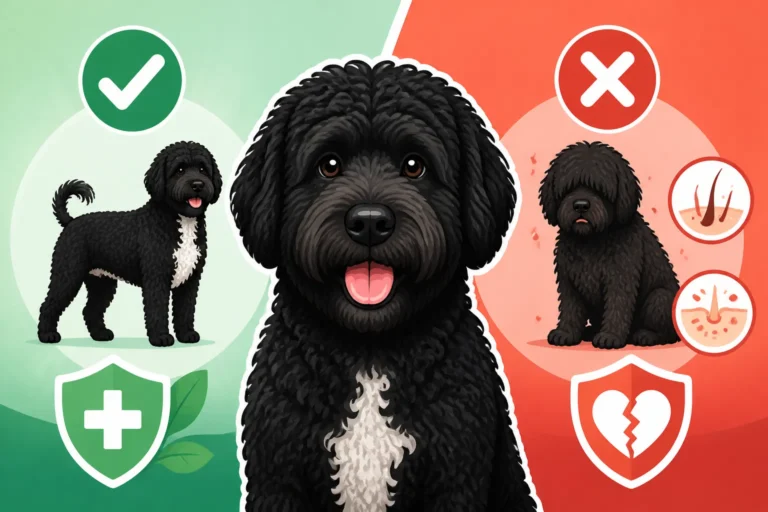
Now that we've set the stage with what a proper PWD coat should be, let's turn our attention to the "improper coat." This term often causes concern for new owners, but it's vital to understand that it refers to a genetic variation, not a defect or a sign of poor health. It's simply a coat that doesn't conform to the breed standard.
Visual Characteristics of an Improper Coat
An improper coat, often called a "fluffy" coat, can manifest in several ways, but the common thread is that it lacks the defining characteristics of the standard curly or wavy coat. Instead, you might see a coat that is:
- Softer and Finer: Unlike the robust, sometimes coarse texture of a proper PWD coat, an improper coat is typically much softer and finer to the touch. It might feel silky or plush, more akin to a Golden Retriever or a fluffy doodle coat.
- Longer and Straighter: While a wavy coat has discernible waves, an improper coat can appear quite straight, especially on the body, lacking the characteristic curl or deep wave. It often grows significantly longer than a standard PWD coat would, almost creating a shaggy appearance that obscures the dog's outline.
- Less Dense, Often With an Undercoat: This is a key differentiator. While standard PWDs have a single coat, improper coats can sometimes have a softer, downy undercoat, which contributes to the fluffy texture. This makes the coat less effective at repelling water and more prone to matting.
- Feathering: You might notice longer, softer "feathering" on the legs, belly, and tail, similar to what you'd see on some other breeds. This contrasts sharply with the even texture of a proper PWD coat.
- Increased Shedding: While PWDs are known for being low-shedding, an improper coat often sheds noticeably more. This can be a surprise for owners who specifically chose the breed for its hypoallergenic qualities.
Imagine a PWD whose coat looks like it's perpetually having a bad hair day, but instead of just being messy, it's fundamentally different in texture and growth. It’s not just a matter of trimming; the quality of the hair itself is different. It doesn't have the rugged, waterproof feel of a true working PWD coat. To get a better mental picture, you can check out resources on what an Improper Coated Portuguese Water Dog Looks Like.
How It Differs from Standard Coats
The differences between an improper coat and a standard curly or wavy coat are fundamental, going beyond just appearance to impact functionality and care.
Firstly, texture is the most immediate giveaway. A standard PWD coat, whether curly or wavy, possesses a unique resilience and density. It feels robust, designed to withstand the harsh conditions of the sea. An improper coat, by contrast, feels soft, often fluffy or cotton-like. This soft texture can be deceivingly appealing to the touch, but it's a significant departure from the breed standard.
Secondly, water resistance and drying time are vastly different. The single, dense coat of a properly coated PWD acts like a natural barrier, repelling water. After a swim, they might be damp, but they don't soak through, and they dry relatively quickly, especially with a good toweling. An improper coat, due to its finer texture and potential for an undercoat, tends to absorb water more readily. This means the dog gets much wetter, takes significantly longer to dry, and can feel heavy and waterlogged after swimming. This is where the "not an illness" part really shines; it's not harmful, but it does mean more effort for you after a lake day.
Thirdly, grooming requirements shift. While all PWDs require diligent grooming to prevent matting, the improper coat can present different challenges. Its softer, sometimes longer hair, combined with the potential for an undercoat, can make it more prone to tangles and matting right down to the skin. It might also shed more, requiring more frequent brushing to manage loose hair around the house. The tools you use might even need to be different, leaning towards brushes that can penetrate a softer, thicker coat without pulling.
Finally, the lack of genetic purpose is key. The standard PWD coat was specifically bred over centuries for its utility. It’s a working coat. The improper coat, while not harmful, simply doesn't serve that historical function as effectively. It’s a genetic quirk that, while adorable, deviates from the characteristics that make a Portuguese Water Dog, well, a Portuguese Water Dog in the traditional sense.
The Genetics Behind Improper Coat
This is where we get into the "why" of the improper coat, and it’s fascinating because it’s a clear example of Mendelian genetics at play. Understanding the genetic basis is crucial for breeders and provides reassurance to owners that this isn't some acquired condition or illness.
The FGF5 Gene and Its Role
The improper coat trait in Portuguese Water Dogs is directly linked to a specific gene called FGF5 (Fibroblast Growth Factor 5). This gene plays a crucial role in hair growth cycles across many mammals, influencing hair length and texture. In PWDs, a specific mutation in the FGF5 gene is responsible for the improper coat.
This is a classic example of autosomal recessive inheritance. What does that mean?
- Autosomal: The gene is located on a non-sex chromosome, meaning it affects males and females equally.
- Recessive: For a dog to display the improper coat (to be "affected"), it must inherit two copies of the mutated gene—one from each parent. If a dog only inherits one copy of the mutated gene and one normal gene, it will not have an improper coat itself; instead, it will be a "carrier."
Think of it like this:
- N/N (Clear): The dog has two normal copies of the gene. It will have a proper coat and cannot pass on the improper coat gene.
- N/IC (Carrier): The dog has one normal copy and one mutated copy (IC stands for Improper Coat). This dog will have a proper coat because the normal gene is dominant. However, it can pass on the mutated gene to its offspring.
- IC/IC (Affected): The dog has two mutated copies of the gene. This dog will have an improper coat because there is no dominant normal gene to mask the recessive trait.
This genetic understanding fundamentally changed PWD breeding. Once the specific gene and mutation were identified, a DNA test could be developed, allowing breeders to definitively know the genetic status of their dogs. This completely removes the guesswork and helps prevent the accidental breeding of affected puppies. If you're curious about the specifics of this genetic trait, you can delve deeper into Which Gene Causes Improper Coat in a Portuguese Water Dog.
Understanding Carrier Status and Affected Dogs
The concept of a "carrier" is really important in understanding how the improper coat gene persists in the breed, even when breeders are trying their best to eliminate it. A carrier dog (N/IC) looks and feels exactly like any other properly coated Portuguese Water Dog. You would never know just by looking at them that they carry the gene for an improper coat. They are perfectly healthy and just as capable as any other PWD.
The challenge arises when two carriers are bred together. If both parents are N/IC (carriers), then, statistically, their litter will break down like this:
- 25% N/N (Clear): Puppies with two normal genes, who will have proper coats and will not carry the improper coat gene.
- 50% N/IC (Carriers): Puppies with one normal and one mutated gene. They will have proper coats but will be carriers, just like their parents.
- 25% IC/IC (Affected): Puppies with two mutated genes, who will have improper coats.
This 25% chance of producing affected puppies from two carrier parents is why responsible breeders rely heavily on DNA testing. Before the DNA test became widely available, breeders had to rely on observation, and an improper coat puppy might pop up unexpectedly, even in otherwise well-bred lines. Now, with genetic testing, breeders can make informed decisions to prevent producing puppies with improper coats.
For owners, understanding carrier status is generally less critical unless you plan to breed your dog. If you have an improper-coated dog (IC/IC), it means both its parents were at least carriers (N/IC) or one was a carrier and one was affected (though breeding an affected dog is rare for responsible breeders). If your dog has a proper coat but you know one of its parents was a carrier, your dog might be a carrier itself. Again, this has absolutely no impact on their health, temperament, or lifespan. It's purely about their genetic makeup regarding coat type.
Here’s a simple table summarizing the possible outcomes when breeding:
| Parent 1 Status | Parent 2 Status | Offspring Possibilities (Proportion) |
|---|---|---|
| Clear (N/N) | Clear (N/N) | 100% Clear (N/N) |
| Clear (N/N) | Carrier (N/IC) | 50% Clear (N/N), 50% Carrier (N/IC) |
| Clear (N/N) | Affected (IC/IC) | 100% Carrier (N/IC) |
| Carrier (N/IC) | Carrier (N/IC) | 25% Clear (N/N), 50% Carrier (N/IC), 25% Affected (IC/IC) |
| Carrier (N/IC) | Affected (IC/IC) | 50% Carrier (N/IC), 50% Affected (IC/IC) |
| Affected (IC/IC) | Affected (IC/IC) | 100% Affected (IC/IC) |
As you can see, breeding two carriers is the most common way for affected puppies to appear in litters from otherwise properly coated parents. This table illustrates why breeders aim to breed "clear to clear" or "clear to carrier" to ensure no affected puppies are born.
Implications for Breeders and Owners
The discovery of the FGF5 gene and the subsequent DNA test revolutionized breeding practices for Portuguese Water Dogs. What was once a mystery or an occasional "surprise" in a litter became a manageable genetic trait. This has significant implications for both those dedicated to preserving the breed and those simply looking for a wonderful companion.
The Importance of DNA Testing
For any responsible Portuguese Water Dog breeder, DNA testing for the improper coat gene is non-negotiable. It's as fundamental as testing for other common genetic conditions in the breed. This test, often included in a comprehensive genetic panel, provides clear, actionable results that guide breeding decisions.
Before a dog is ever considered for breeding, it should be tested to determine if it is clear (N/N), a carrier (N/IC), or affected (IC/IC). Knowing this information allows breeders to meticulously plan pairings, ensuring that they never breed two carriers together. This practice completely eliminates the risk of producing puppies with improper coats. If a breeder has a valuable dog that is a carrier (perhaps due to its exceptional temperament, structure, or other health clearances), they can still responsibly use that dog in their breeding program by pairing it only with a dog that has tested clear (N/N). In such a pairing, while 50% of the puppies might be carriers, none will be affected by the improper coat.
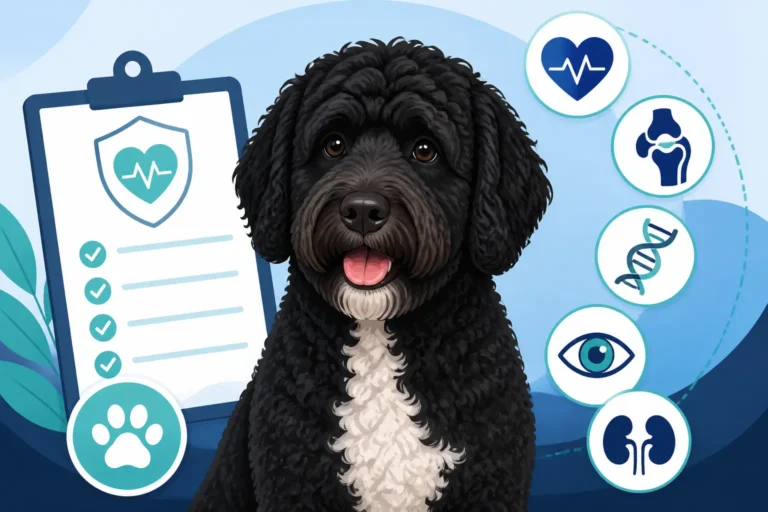
The availability and widespread use of these DNA tests mean that puppies born with improper coats today are usually a result of breeders either being unaware of the genetic tests, choosing not to use them, or (less commonly) making a calculated risk with a clear-to-carrier breeding and accepting that some puppies will be carriers. For prospective puppy buyers, asking to see the DNA test results for both parents for improper coat (along with other crucial tests like for Progressive Retinal Atrophy (PRA), GM1 Gangliosidosis, and Juvenile Dilated Cardiomyopathy (JDCM)) is absolutely essential. This transparency is a hallmark of a reputable breeder. In fact, many dedicated breeders run a full panel of tests. It's highly recommended to understand The Four DNA Tests Every Portuguese Water Dog Breeder Runs or at least check What a Portuguese Water Dog Breeder Should Have Tested.
Breeding Strategies to Avoid Improper Coats
Responsible breeders employ specific strategies to manage and, ideally, eliminate the improper coat gene from their lines while maintaining genetic diversity and sound overall health. These strategies are built entirely around the results of the DNA test.
- Avoid Breeding Carrier x Carrier: This is the golden rule. As shown in the table above, breeding two dogs that are both carriers (N/IC x N/IC) guarantees that 25% of the litter, on average, will be affected (IC/IC) with an improper coat. Reputable breeders simply do not do this.
- Clear x Clear Pairings: The safest breeding strategy is to pair two dogs that are both genetically clear (N/N). All puppies from such a pairing will also be clear (N/N) and will have proper coats. This is the ideal scenario for producing consistently proper-coated offspring.
- Clear x Carrier Pairings: If a breeder has a carrier dog (N/IC) that is otherwise an excellent specimen of the breed (e.g., has superior health clearances, temperament, or conformation), they can responsibly breed it to a clear (N/N) dog. In this scenario, while approximately 50% of the puppies will be carriers, none will be affected with an improper coat. The puppies from such a litter would then also need to be tested for their improper coat status if they are to be considered for future breeding, to continue making informed decisions.
The goal isn't just to avoid improper coats in the immediate litter but to make long-term, sustainable breeding decisions that contribute to the overall health and integrity of the breed. This commitment extends beyond just coat type to encompass all known genetic health concerns.
Living with an Improper Coated Portuguese Water Dog
If you find yourself with an improper coated Portuguese Water Dog, whether you adopted one from a rescue or it was an unexpected surprise from a breeder, the most important thing to remember is that this is not an illness. Your dog is just as healthy, happy, and full of life as any other PWD. This is a purely cosmetic trait.
However, there are a few practical considerations that owners of improper-coated PWDs often encounter:
- Grooming Adjustments: As discussed, the softer, longer, and sometimes denser nature of an improper coat can mean different grooming needs. It might be more prone to matting, especially during seasonal changes or if it has any tendency toward an undercoat. More frequent brushing might be necessary, and you may need to adjust your choice of brushes and combs. Regular professional grooming can become even more crucial to manage the coat effectively.
- Aesthetic Differences: Your PWD won't look exactly like the dogs you see in breed books or at dog shows. Their coat will be fluffier, potentially longer and straighter. This might mean you can't achieve the traditional "lion clip" or "retriever clip" in the same way, or the look might be different. Embrace their unique appearance!
- Swimming and Water Work: While they still have a love for water, the improper coat may take longer to dry. This means you’ll need to be extra diligent about drying your dog thoroughly after swims, particularly paying attention to the ears, to prevent skin issues or ear infections that can thrive in damp environments.
- Temperament and Health: Crucially, an improper coat has zero bearing on your dog's intelligence, trainability, energy levels, or overall health. They will still have the same zest for life, eager-to-please nature, and the desire to be an active part of your family. You can find comfort in knowing that whether a Portuguese Water Dog is healthy depends on many more significant factors than just their coat type. It's definitely worth understanding whether an Improper Coated Portuguese Water Dog Is Healthy for peace of mind.
Ultimately, an improper coat is a minor characteristic in the grand scheme of things. It's a healthy dog with a slightly different look. Their heart, their mind, and their unwavering companionship remain exactly what makes the Portuguese Water Dog such a special breed.
Grooming and Care for an Improper Coat
Grooming is a cornerstone of Portuguese Water Dog ownership, regardless of coat type. However, for those with an improper coat, the routine might require some specific adaptations to keep your dog comfortable and looking their best. It’s not necessarily harder, just different.
Specific Grooming Challenges
The primary challenge with an improper coat often stems from its texture and potential for increased density or a softer undercoat. These characteristics can lead to:
- Increased Matting: The softer, finer hair of an improper coat can tangle more easily and quickly form mats, especially in high-friction areas like behind the ears, under the legs, on the belly, and where harnesses or collars sit. If it has any undercoat, this problem is compounded, as the dead undercoat can get trapped and create dense, felt-like mats. These aren't just cosmetic issues; mats can pull on the skin, causing pain, irritation, and even skin infections if left untended.
- Longer Drying Times: As mentioned earlier, an improper coat tends to absorb more water than repel it, leading to significantly longer air-drying times. This means that after a swim or bath, you'll need to spend more time drying your dog thoroughly to prevent skin issues like hot spots or yeast infections that thrive in damp conditions. A good force dryer becomes an invaluable tool.
- Shedding: While PWDs are generally considered low-shedding, an improper coat may shed more noticeable amounts of hair. This can be a surprise for owners who sought out the breed specifically for its hypoallergenic qualities. You might find more stray hairs on furniture or clothing, necessitating more frequent brushing to capture shedding hair before it lands around the house. You might want to consider how whether an Improper Coat Sheds More will affect your cleaning routine.
- Different Tool Needs: Some grooming tools that work perfectly on a standard curly or wavy coat might be less effective on an improper coat. For instance, a pin brush might glide over a curly coat but struggle to penetrate the denser, softer texture of an improper coat. You might need to rely more on slicker brushes to get down to the skin and a sturdy metal comb to check for tangles.
These challenges aren't insurmountable, but they do require diligence and consistency.
Adapting Your Grooming Routine
To keep an improper coat healthy and manageable, you'll likely need to adjust your grooming routine to be more frequent and thorough:
- Brush More Often: Instead of brushing every few days, you might need to brush your improper-coated PWD daily or every other day, particularly if they are active or their coat is long. Focus on getting the brush all the way down to the skin to prevent mats from forming at the base of the hair.
- Use the Right Tools: Invest in a high-quality slicker brush that can penetrate the coat without scratching the skin, and a sturdy metal comb with both wide and fine teeth. A dematting tool or mat splitter can be a lifesaver for small tangles before they become major problems.
- Bathe and Condition Regularly: While frequent bathing isn't always recommended for standard coats, an improper coat might benefit from more regular baths using a moisturizing shampoo and conditioner. Conditioner helps to soften the hair, making it less prone to tangling and easier to brush. Always follow up with a thorough drying session.
- Thorough Drying is Key: After every swim or bath, use absorbent towels, followed by a high-velocity force dryer if possible. Ensure your dog is completely dry to the skin. This prevents skin issues and keeps the coat from matting as it dries. If air drying, brush frequently as the coat dries to prevent new mats from setting in.
- Keep it Shorter: Many owners of improper-coated PWDs opt for a shorter overall clip. This dramatically reduces matting potential and makes home grooming much easier. Talk to your groomer about a comfortable, practical length that works for both you and your dog.
Remember, the goal is to keep your dog comfortable and prevent painful mats. Consistency is far more important than any single grooming session.
Professional Grooming Considerations
While you can do a lot of the maintenance at home, professional grooming is often invaluable for improper-coated Portuguese Water Dogs. A skilled groomer understands different coat types and can offer advice and services tailored to your dog's specific needs.
- Expert Mat Removal: Professional groomers have the tools and expertise to safely and comfortably remove mats that might be too challenging for a home groomer. They can often save a severely matted dog from needing to be completely shaved down, though sometimes a fresh start is the kindest option.
- Specialized Clipping: A professional can execute a clean, even clip that is appropriate for your dog's coat type and your lifestyle. They can advise on the best length to reduce matting while still providing some protection for your dog. They might also be more experienced with clipping faces and feet for a neat appearance.
- Thorough Drying Facilities: Professional groomers have powerful force dryers and efficient drying techniques that ensure every layer of your dog's coat is thoroughly dry, significantly reducing the risk of skin issues after a bath.
- Cost Implications: Be prepared that professional grooming for a PWD, especially one with an improper coat that might require more time and effort, can be a significant recurring expense. Prices vary by region and groomer experience, but expect to budget for professional grooming every 4-8 weeks. Sometimes, a groomer may charge more for a matted dog due to the extra time and care required. However, the investment can save you time and prevent discomfort for your dog.
Building a good relationship with a professional groomer who understands the breed and your dog's unique coat will be a huge asset in keeping your improper-coated Portuguese Water Dog happy and healthy.
Debunking Myths and Misconceptions
When something deviates from the norm, it's natural for misconceptions to arise. The improper coat in Portuguese Water Dogs is no exception. It's vital to clear up these misunderstandings to ensure that these wonderful dogs are appreciated for who they are, regardless of their coat.
Improper Coat is NOT a Health Issue
Let's say it again, loudly and clearly for those in the back: an improper coat is NOT a health issue. This is perhaps the most crucial myth to debunk. Despite its designation as "improper" in the breed standard, dogs with this coat type are perfectly healthy animals.
The gene responsible for the improper coat (FGF5) specifically affects hair growth and texture. It does not carry any links to organ function, neurological disorders, immune system deficiencies, or any other systemic health problems that could compromise a dog's well-being. An improper-coated Portuguese Water Dog will have the same life expectancy, the same risk of other common breed-specific health issues (like hip dysplasia or Addison's disease), and the same vibrant energy as a properly coated one.
The only potential "health-related" issues stem indirectly from the coat's physical properties:
- Skin Issues: If an improper coat is left undried or unbrushed and develops severe mats, it can lead to skin irritation, hot spots, or fungal infections due to trapped moisture and lack of air circulation. However, this is a management issue, not an inherent health defect of the coat itself. A properly coated PWD can also develop these issues if neglected.
- Hypothermia Risk (Theoretical): While a proper PWD coat offers superior insulation in cold water, an improper coat, being less dense and potentially absorbing more water, might offer slightly less protection in extreme cold. However, most pet PWDs are not working in icy Atlantic waters for hours on end. For typical swimming and play, with proper drying afterward, this is generally not a practical concern.
So, if you have an improper-coated PWD, please don't fret about their overall health. Focus on proper grooming and care, and enjoy your happy, healthy companion. Your dog is just as much a Portuguese Water Dog as any other, just with a unique "hairdo." Many people wonder about the overall health of the breed, so diving into whether a Portuguese Water Dog is a Healthy Breed can provide a broader context.
Impact on Temperament and Working Ability
Another common misconception is that an improper coat might somehow affect a Portuguese Water Dog's temperament, intelligence, or their innate working drive and love for water. This is simply not true.
The genes responsible for coat type are entirely separate from those that govern behavioral traits or physical capabilities. An improper-coated PWD will have:
- The Same Brilliant Mind: They are just as intelligent, eager to please (most of the time!), and capable of learning complex commands and tricks. They'll still excel in obedience, agility, and scent work, showing the same independent thinking that is characteristic of the breed.
- The Same Energetic Spirit: Their energy levels, desire for activity, and need for mental and physical stimulation are identical to their proper-coated counterparts. They still require substantial daily exercise and engagement to prevent boredom and destructive behaviors.
- The Same Unwavering Love for Water: That deep-seated instinct to swim, retrieve, and engage in water activities is hardwired into their DNA, irrespective of their coat's texture. An improper-coated PWD will still launch themselves into any available body of water with gusto, whether it's the ocean, a lake, or even a backyard kiddie pool. They are born water dogs. You can learn more about their natural instincts in What a Portuguese Water Dog Was Bred to Work a Boat, Not a Yard.
The only "impact" on working ability is that an improper coat might not be as efficient for prolonged, demanding water work in extreme conditions due to slower drying and potentially less insulation. But for the average pet owner participating in recreational swimming, dock diving, or water retrieving games, this difference is negligible. Their enthusiasm and capability will be just as high.
Show Ring and Registration Status
For those interested in the world of dog shows, the improper coat does have a clear impact, but it doesn't affect a dog's fundamental registration status.
- Conformation Shows: A Portuguese Water Dog with an improper coat cannot be shown in AKC (or other international registry) conformation events. The breed standard is very strict about coat type, and an improper coat is considered a disqualifying fault. This means they are ineligible to compete for titles that judge a dog's adherence to the breed standard. This doesn't mean the dog is "less" of a PWD, just that they don't meet the specific aesthetic criteria for conformation showing. If you're wondering about entering your dog in shows, it's good to know whether an Improper Coated Portuguese Water Dog Can Be Shown.
- Performance Events: This is where an improper-coated PWD can truly shine! They are fully eligible to compete in all performance events, including obedience, rally, agility, dock diving, water trials, scent work, and more. Their incredible intelligence, athleticism, and drive are completely unaffected by their coat type. Many improper-coated PWDs earn prestigious titles in these sports, proving their inherent abilities and spirit.
- Registration: An improper-coated Portuguese Water Dog can still be fully registered with the AKC or other kennel clubs, provided they come from registered parents and meet all other registration requirements. Their registration simply indicates their purebred status; it doesn't denote their eligibility for conformation shows. This means they can participate in all registered activities and their pedigree can be tracked.
So, while they might not win "Best in Show" for their looks, an improper-coated PWD can be a true champion in every other sense of the word, excelling in sports and, most importantly, as a beloved family member.
The Ethical Landscape of Breeding and Ownership
The topic of improper coats brings us directly to the heart of ethical breeding and responsible ownership. Understanding the genetics has given breeders powerful tools, and with those tools comes a significant responsibility to the breed and to prospective owners.
Responsible Breeding Practices
Responsible breeding isn't just about producing healthy puppies; it's about making thoughtful, informed decisions that benefit the long-term health and integrity of the entire Portuguese Water Dog breed. When it comes to improper coats, this means:
- Mandatory DNA Testing: As highlighted, the cornerstone of responsible breeding is testing all breeding stock for the FGF5 gene. No reputable breeder will breed a dog without knowing its genetic status for improper coat. This commitment should extend to all known genetic diseases common in the breed, such as JDCM, GM1, and PRA.
- Transparency with Buyers: A responsible breeder will openly share the DNA test results for both parents with prospective puppy buyers. They will explain what "carrier" status means and how it impacts the litter. There should be no hesitation or obfuscation when asked for this critical information. In fact, they should proactively offer it.
- Avoiding "Carrier to Carrier" Pairings: Ethical breeders will never knowingly breed two carriers together, precisely because it guarantees the production of improper-coated puppies. While a carrier can be a valuable part of a breeding program if paired with a clear dog, the goal is always to minimize the risk of passing on traits that deviate from the standard.
- Prioritizing Health and Temperament: Beyond coat, responsible breeders make all decisions based on comprehensive health clearances (hips, elbows, eyes, heart, thyroid), excellent temperament, and adherence to the breed standard in terms of structure and type. The improper coat gene is just one piece of a much larger puzzle.
- Educating New Owners: Good breeders don't just sell puppies; they educate. They will explain what an improper coat is, what it isn't, and how to care for one if it occurs. They are a lifelong resource for their puppy buyers. Knowing which health tests a Portuguese Water Dog breeder should run is key to identifying these ethical individuals.
The existence of a DNA test for improper coat has allowed breeders to be proactive rather than reactive. This is a tremendous leap forward for the breed.
Choosing a Healthy, Well-Bred Puppy
For prospective Portuguese Water Dog owners, navigating the process of finding a puppy can feel overwhelming, but prioritizing ethical breeding practices is paramount. Here's how to ensure you're getting a healthy, well-bred puppy, minimizing the chances of unexpected coat issues and other health concerns:
- Research Breeders Thoroughly: Look for breeders who are members of the Portuguese Water Dog Club of America (PWDCA) or similar national clubs, as these organizations often uphold strict codes of ethics regarding health testing. Ask for references from other puppy owners.
- Ask for Health Clearances: This is non-negotiable. Request to see official documentation (e.g., from OFA, PennHIP, CERF, or specific DNA labs) for both parents for all recommended genetic tests, including improper coat, JDCM, GM1, and PRA. Don't just take their word for it. A responsible breeder will be proud to share these results.
- Inquire About Coat Genetics: Ask directly about the improper coat status of both parents. If one parent is a carrier, ask what the other parent's status is to ensure no affected puppies were produced. If a breeder avoids the question or says it's not important, that's a red flag.
- Visit the Breeder (If Possible): Observing the puppies, their parents (if on-site), and the environment can tell you a lot about the breeder's practices and the dogs' well-being.
- Understand the Contract: A comprehensive puppy contract will outline health guarantees, return policies, and often require spaying/neutering for pet-quality puppies. Ensure it addresses any potential genetic issues.
- Consider Pet Insurance Early: Even with the most responsible breeding, accidents and unexpected illnesses can occur. Getting pet insurance like Healthy Paws early, before any pre-existing conditions develop, can provide immense peace of mind. They offer comprehensive coverage for accidents and illnesses, which can be invaluable over your PWD's lifetime, especially for an active breed that might encounter various bumps and scrapes. Starting a policy when your pup is young can secure better rates and broader coverage for their future.
Choosing a puppy isn't just about finding the cutest face; it's about making a long-term commitment to a dog whose health and temperament have been carefully considered by its breeder.
The Value of Every Portuguese Water Dog
Ultimately, a Portuguese Water Dog with an improper coat is still a magnificent, loving, and intelligent companion. While the coat may not conform to the breed standard, it doesn't diminish the dog's intrinsic value or its capacity to bring immense joy to a family.
These dogs still possess all the hallmark traits that make the breed so beloved: their boundless energy, their quick wit, their deep loyalty, and their unwavering enthusiasm for life, especially when water is involved. They are just as capable of being exceptional family pets, therapy dogs, or champions in various performance sports.
The "improper" designation is a human construct based on specific aesthetic and historical working criteria for the show ring, not a judgment on the dog's worth as an individual. Every Portuguese Water Dog, regardless of its coat type, deserves a loving home and the opportunity to thrive. As owners, our role is to provide proper care, training, and affection, celebrating the unique qualities of our canine companions. If you're wondering whether an Improper Coated Puppy Is Sold Cheaper, sometimes they are, but their value as a companion remains priceless. The beauty of a dog lies not in the texture of its fur, but in the heart beating beneath it.
Disclaimer
Please remember that the information provided in this guide is for general educational purposes only and should not be considered a substitute for professional veterinary advice. Always consult with a qualified veterinarian or a certified professional for any health concerns, diagnoses, or treatment options for your Portuguese Water Dog.