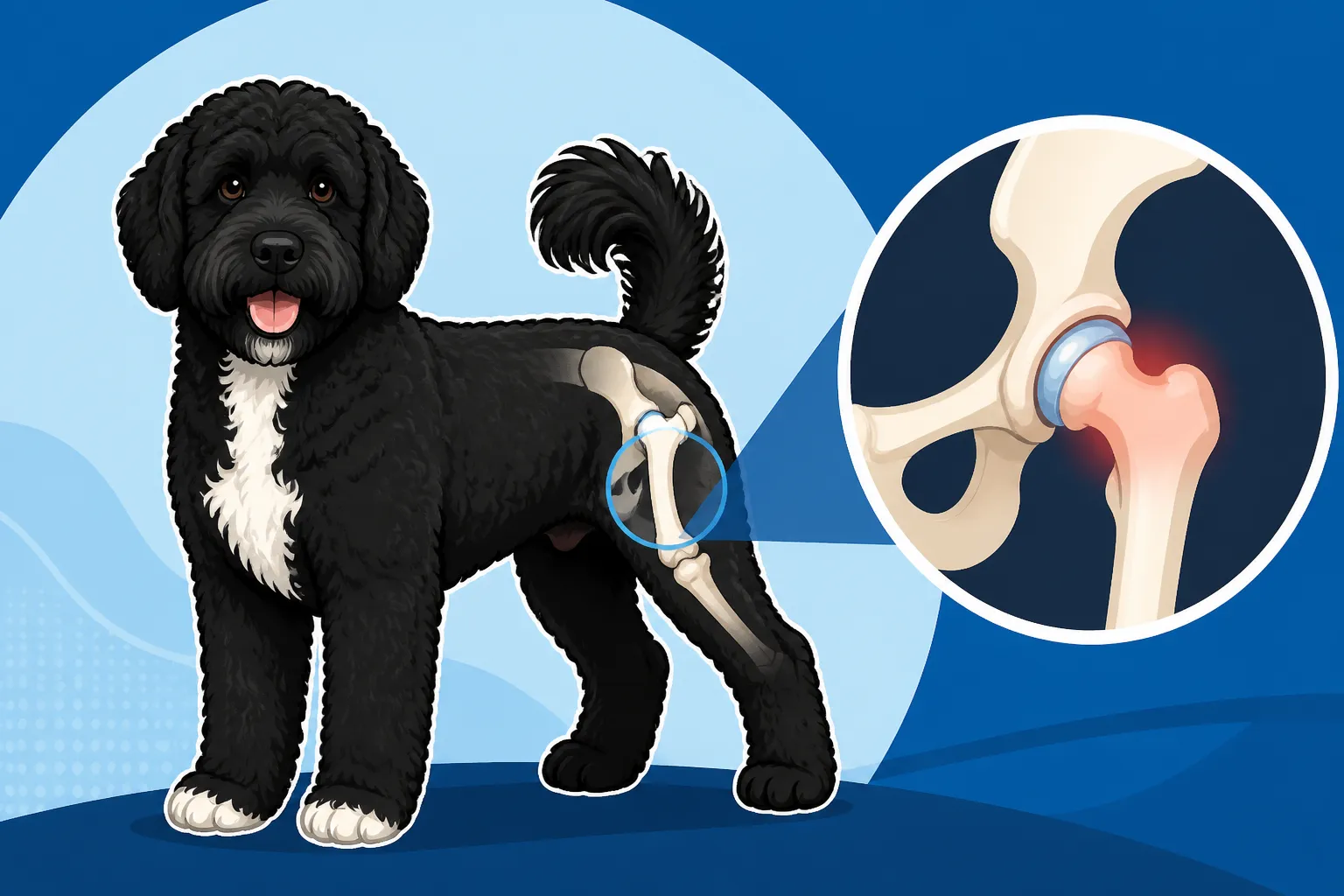
Hips and Joints in a Portuguese Water Dog
It's incredibly frustrating when you see your vibrant, active Portuguese Water Dog start to show signs of stiffness, a subtle limp, or reluctance to jump, knowing that joint problems like hip and elbow dysplasia can cast a shadow over their otherwise joyful and energetic lives. These aren't just minor aches; they can significantly impact your PWD's ability to swim, run, and play – activities they live for. This comprehensive guide will walk you through everything you need to know about hip and joint health in Portuguese Water Dogs, from understanding common conditions to diagnosis, treatment, and crucial preventative measures to help your beloved companion lead a comfortable and fulfilling life.
Understanding Hip Dysplasia in Portuguese Water Dogs
Hip dysplasia is a term that strikes fear into the hearts of many large breed dog owners, and Portuguese Water Dogs are, unfortunately, not immune. It's a complex condition that involves an abnormal development of the hip joint, leading to a loose fit between the ball (femoral head) and socket (acetabulum). This misalignment causes friction and grinding over time, which eventually leads to pain, inflammation, and degenerative joint disease, or osteoarthritis.
What Exactly is Hip Dysplasia?
At its core, hip dysplasia is a hereditary condition, meaning it's passed down from parents to offspring, but environmental factors also play a significant role in its development and severity. Picture a ball and socket joint: the femoral head is the "ball" at the top of the thigh bone, and the acetabulum is the "socket" in the pelvis. In a healthy hip, this ball fits snugly and moves smoothly within the socket, lubricated by synovial fluid. With hip dysplasia, the socket might be too shallow, the ball might be flattened or deformed, or the ligaments that hold them together might be too loose.
This poor fit causes the joint to be unstable. Every time your dog walks, runs, or jumps, that unstable joint experiences excessive wear and tear. The body tries to compensate by laying down new bone, leading to osteophytes – bony spurs – and thickening of the joint capsule, which further reduces mobility and increases pain. It’s a progressive disease, meaning it tends to get worse over time if not managed, transforming a once athletic dog into one that finds simple movements challenging.
Signs a Portuguese Water Dog's Hips Hurt
Detecting hip pain in a Portuguese Water Dog can be tricky because these dogs are incredibly stoic and often try to hide their discomfort. They are hard-wired to keep going, especially when there's an opportunity to swim or retrieve. However, there are several subtle signs that their hips might be hurting. You might notice a reluctance to go up stairs, difficulty getting into the car, or a decrease in their usual enthusiasm for walks or playtime.
As the condition progresses, the signs become more apparent. You might observe a "bunny hop" gait, where they use both hind legs simultaneously when running, or a swaying gait. They may shift their weight more to their front legs, leading to increased muscle development there and atrophy in the hindquarters. Other signs include stiffness after rest, lameness in one or both hind legs, sensitivity to touch around the hips, or even audible clicking sounds from the joint. If you notice your PWD struggling to stand up after a nap, or if their energy levels for their favorite activities, like retrieving a thrown ball from the lake, start to wane, it’s definitely time to consult your vet. Early detection can make a world of difference in managing this condition and maintaining their quality of life. For more on this, you might find our article How a Portuguese Water Dog Hides Pain insightful.
How Common Hip Dysplasia Is in Portuguese Water Dogs
While Portuguese Water Dogs are generally considered a robust breed, hip dysplasia is a recognized concern within the breed. According to data from the Orthopedic Foundation for Animals (OFA), a significant percentage of PWDs have some degree of hip dysplasia. This isn't to say every PWD will develop it, but the genetic predisposition is certainly there. It's a topic that responsible breeders take very seriously, as they strive to reduce its incidence through careful breeding practices.
The prevalence can vary depending on the specific lines and the rigor of health screening performed by breeders. For instance, some statistics show that around 10-15% of tested PWDs might show some degree of hip dysplasia, though these numbers can fluctuate. It's important to remember that these are just averages, and individual dogs' risks are influenced by their parentage and early environmental factors. Understanding Whether the Portuguese Water Dog Is a Healthy Breed often involves looking closely at statistics for conditions like hip dysplasia. This is why thorough testing is so vital, and why discerning buyers demand transparency about health clearances.
Elbow Dysplasia: A Lesser-Known but Significant Concern
While hip dysplasia often gets the spotlight, elbow dysplasia is another significant orthopedic issue that can affect Portuguese Water Dogs, often causing similar levels of discomfort and lameness. It's actually a more common cause of forelimb lameness in medium to large breed dogs than hip dysplasia is for hindlimb lameness. Elbow dysplasia isn't a single condition but rather a collection of developmental abnormalities that occur during the growth phase, leading to instability, pain, and eventually, degenerative joint disease in the elbow.
Elbow Dysplasia in a Portuguese Water Dog
Elbow dysplasia encompasses several specific conditions that can occur individually or in combination. These typically include:
- Fragmented Coronoid Process (FCP): This is the most common form. A small piece of bone breaks off the ulna (one of the forearm bones) and irritates the joint, causing pain and inflammation.
- Osteochondritis Dissecans (OCD) of the Elbow: This occurs when the cartilage that covers the joint surface doesn't properly develop or hardens and detaches, forming a flap that can cause pain and further joint damage.
- Ununited Anconeal Process (UAP): The anconeal process is a small bony projection that normally fuses with the ulna during puppyhood. If it fails to fuse, it can cause instability and pain.
- Elbow Incongruity: This refers to an uneven fit between the bones that make up the elbow joint, leading to abnormal pressure distribution and cartilage damage.
Each of these conditions can lead to chronic pain, lameness, and the development of osteoarthritis. The underlying cause is primarily genetic, but rapid growth, nutrition, and excessive exercise during puppyhood can exacerbate the problem. It's a condition that can start causing discomfort in young dogs, often between 4 to 12 months of age, though symptoms might not become obvious until later in life when secondary arthritis sets in. Understanding Elbow Dysplasia in a Portuguese Water Dog is key for any owner.
Recognizing Elbow Pain
Just like with hip issues, a Portuguese Water Dog's inherent toughness means they might not outwardly complain about elbow pain until it's quite advanced. However, there are tell-tale signs to watch for. You might notice a subtle lameness in one or both front legs, often more pronounced after exercise or rest. They might have a stiff, choppy gait in their front limbs.
Other indicators include a reluctance to put full weight on the affected limb, leading to a compensatory shift in weight to the opposite front leg or hindquarters. They might stand with their elbows "out" or turned away from their body, or exhibit a decreased range of motion in the elbow joint, making it hard to fully extend or flex the limb. You may also observe swelling around the elbow, or they might cry out when the elbow is manipulated. If your PWD seems hesitant to jump, climb, or engage in activities that put strain on their front legs, it’s a strong signal that their elbows might be bothering them. Don't ignore these subtle cues, as early intervention can significantly improve outcomes.
Distinguishing from Other Forelimb Issues
Because many conditions can cause forelimb lameness, distinguishing elbow dysplasia from other problems is crucial for proper diagnosis and treatment. For example, a simple sprain or soft tissue injury can present with similar lameness. However, these typically resolve with rest and anti-inflammatory medication within a few days or weeks, whereas elbow dysplasia pain tends to be persistent or recurrent.
Other conditions that might mimic elbow dysplasia include shoulder issues, such as osteochondritis dissecans (OCD) of the shoulder, or even neck pain that radiates down the leg. Sometimes, even nerve impingement can cause forelimb lameness. A thorough veterinary examination, including palpation of the entire limb, observation of gait, and specific orthopedic tests, is essential. Ultimately, definitive diagnosis usually requires radiographs (X-rays) of the elbow joints, often requiring sedation to get clear, properly positioned images. Your vet might also recommend more advanced imaging like CT scans or MRI, especially if the X-rays are inconclusive or surgery is being considered.
Other Joint Issues Affecting Portuguese Water Dogs
While hip and elbow dysplasia are primary concerns, Portuguese Water Dogs can be susceptible to several other joint-related problems throughout their lives. Being aware of these additional conditions can help owners recognize symptoms early and seek appropriate veterinary care, ensuring their active companions remain as comfortable and mobile as possible.
Cruciate Tears in a Portuguese Water Dog
The cranial cruciate ligament (CCL), often referred to as the anterior cruciate ligament (ACL) in humans, is a critical ligament in the knee (stifle) joint. It connects the femur (thigh bone) to the tibia (shin bone) and provides stability. A tear or rupture of this ligament is one of the most common orthopedic injuries in dogs, including Portuguese Water Dogs. This can happen suddenly due to an acute injury – a misstep during vigorous play, a sudden twist, or an awkward landing after a jump. More often, however, it's a degenerative process where the ligament weakens over time, eventually tearing even with minimal activity.
When the CCL tears, the knee joint becomes unstable, leading to pain and lameness. You might notice your PWD suddenly holding up a hind leg, or exhibiting a progressive lameness that worsens over weeks or months. This instability can also lead to the development of meniscal tears, which are tears in the cartilage pads within the knee, further exacerbating pain and lameness. Without surgical intervention, the instability leads to rapid development of severe osteoarthritis. Given the Portuguese Water Dog's active nature and love for water sports and retrieving, they are certainly at risk for these types of injuries, especially if they are highly athletic or have underlying joint laxity.
Patellar Luxation in a Portuguese Water Dog
Patellar luxation refers to a condition where the patella (kneecap) dislocates or "pops out" of its normal groove in the femur. This can occur either medially (towards the inside of the leg) or laterally (towards the outside). While more commonly seen in smaller breeds, it can affect larger dogs like Portuguese Water Dogs, especially if there's a genetic predisposition or a structural abnormality in the limb.
The signs of patellar luxation can vary greatly depending on the severity, often graded from 1 (mild) to 4 (severe). A dog with a mild luxation might only occasionally skip a step or hold a leg up for a few strides before the kneecap pops back into place on its own. In more severe cases, the kneecap might be permanently dislocated, causing persistent lameness, a bowed appearance of the leg, and significant discomfort. Over time, the repeated luxation can lead to cartilage damage and the development of osteoarthritis. If you notice your PWD suddenly limping, then seemingly "fixing" it with a shake of the leg before continuing on, patellar luxation could be the culprit.
Osteochondritis in a Portuguese Water Dog
Osteochondritis dissecans (OCD) is another developmental orthopedic disease that can affect Portuguese Water Dogs, primarily during their rapid growth phase. It results from a disturbance in the normal process by which cartilage turns into bone. Instead of smooth, strong bone forming under the cartilage, a flap of diseased cartilage forms, which can partially or fully detach from the underlying bone. This flap then irritates the joint, causing pain and inflammation.
While OCD can occur in various joints, it's most commonly seen in the shoulder, elbow (as mentioned under elbow dysplasia), stifle (knee), and hock (ankle) joints. Symptoms typically appear in young, fast-growing dogs, often between 6 to 12 months of age. You might notice lameness that worsens after exercise, stiffness, or a reluctance to bear weight on the affected limb. In some cases, joint swelling may be palpable. If left untreated, the detached cartilage flap can cause significant damage to the joint surfaces and lead to severe, debilitating osteoarthritis later in The Age a Portuguese Water Dog Gets Arthritis. Early diagnosis and treatment are crucial to prevent long-term complications and improve the dog's prognosis.
Diagnosing Hip and Joint Problems
When you notice your Portuguese Water Dog showing any signs of discomfort or lameness, getting a professional diagnosis is the absolute first step. Waiting too long can allow conditions to worsen and potentially limit treatment options. Your veterinarian will employ a systematic approach to pinpoint the exact cause of your PWD's joint issues.
The Importance of Veterinary Examination
A thorough veterinary examination is the cornerstone of diagnosing any orthopedic problem. It starts with a detailed history from you, the owner. Your vet will ask about when you first noticed symptoms, how they've progressed, what activities seem to aggravate or alleviate the pain, and your dog's typical exercise routine. Don't forget to mention any subtle changes in behavior, like reluctance to play or less enthusiasm for favorite toys, even if they don't seem directly related to lameness.
Next comes the physical examination. Your vet will observe your Portuguese Water Dog's gait as they walk and trot, looking for lameness, stiffness, or unusual movements like the "bunny hop." They will then meticulously palpate each limb, joint, and muscle group, feeling for swelling, warmth, pain responses, or instability. Specific orthopedic tests, such as Ortolani or Bardens maneuvers for hips, or manipulation of the elbow joint, help identify laxity or pain points. They'll assess range of motion and muscle atrophy. This comprehensive hands-on assessment provides critical clues that guide further diagnostic steps.
When a Portuguese Water Dog Should Be X-Rayed
Radiographs, commonly known as X-rays, are indispensable for definitively diagnosing hip and elbow dysplasia, as well as many other bone and joint conditions. Typically, these X-rays are performed under sedation, especially for hip and elbow evaluations, to ensure the dog is perfectly relaxed and positioned correctly. Proper positioning is absolutely critical to obtain diagnostic quality images that accurately reflect the joint's conformation.
For hip and elbow dysplasia screening, official evaluations are usually done when a dog reaches maturity, often around 24 months of age for certifications like those from the Orthopedic Foundation for Animals (OFA). However, if your Portuguese Water Dog is showing clinical signs of lameness earlier, X-rays might be recommended at a younger age to diagnose conditions and guide early intervention. For example, if a PWD puppy is showing significant signs of pain, X-rays at 6-12 months can sometimes reveal early evidence of dysplasia or other developmental issues. The article When a Portuguese Water Dog Should Be X Rayed provides more specific guidance on this timing. The cost of these diagnostic procedures can be a concern, but it's an investment in your dog's future, and reputable pet insurance providers like Healthy Paws can help manage these expenses.
Advanced Diagnostics
In some cases, standard X-rays may not provide all the necessary information, especially for complex or subtle joint issues. This is where advanced diagnostic imaging comes into play.
- CT (Computed Tomography) Scans: CT scans provide much more detailed cross-sectional images of bone than X-rays. They are particularly useful for diagnosing subtle bone fragments in elbow dysplasia (like FCP or UAP) or for precisely mapping the extent of bone changes in osteoarthritis. The 3D reconstruction capabilities of CT scans offer an invaluable tool for surgical planning.
- MRI (Magnetic Resonance Imaging): MRI is superior for visualizing soft tissues like ligaments, tendons, cartilage, and muscle. If a cruciate ligament tear, meniscal injury, or a complex cartilage defect is suspected, MRI can provide a clear picture. It's also excellent for evaluating spinal issues that might be causing referred limb pain.
- Arthroscopy: This is a minimally invasive surgical procedure where a tiny camera (arthroscope) is inserted into the joint. It allows the veterinarian to directly visualize the joint surfaces, assess cartilage damage, remove loose fragments, and even perform some surgical repairs. It's considered the gold standard for diagnosing and treating certain conditions, particularly in the elbow and shoulder, offering superior diagnostic accuracy and faster recovery than traditional open surgery.
These advanced diagnostics are often performed by veterinary specialists, such as board-certified orthopedic surgeons or radiologists, and come with a higher cost. However, they can provide the definitive answers needed to formulate the most effective treatment plan for your Portuguese Water Dog.
Treatment Options for Joint Dysplasia and Related Conditions
Once a diagnosis of hip dysplasia, elbow dysplasia, or another joint condition has been confirmed in your Portuguese Water Dog, your veterinarian will discuss a range of treatment options. These can broadly be categorized into conservative (non-surgical) and surgical approaches, often used in combination.
Conservative Management Strategies
For many dogs, especially those with mild to moderate joint disease, conservative management can significantly improve comfort and quality of life. The goal is to reduce pain, inflammation, and slow the progression of arthritis.
- Weight Management: This is perhaps the most critical component. Every extra pound your Portuguese Water Dog carries puts immense strain on already compromised joints. Working with your vet to achieve and maintain an ideal body weight can dramatically reduce pain and improve mobility.
- Anti-inflammatory Medications: Non-steroidal anti-inflammatory drugs (NSAIDs) are commonly prescribed to control pain and inflammation. Medications like carprofen, meloxicam, or deracoxib are effective, but long-term use requires careful monitoring for side effects, especially on the liver and kidneys.
- Joint Supplements: Glucosamine, chondroitin sulfate, and omega-3 fatty acids are popular supplements that can support joint health. While their efficacy can vary, many owners report improvement in their dogs. These supplements help maintain cartilage integrity and reduce inflammation. Look for reputable brands that have undergone third-party testing for purity and potency.
- Physical Rehabilitation: This is becoming an increasingly vital part of conservative management. A certified canine rehabilitation therapist can develop a tailored exercise program, including activities like hydrotherapy (swimming in a controlled environment), therapeutic exercises to build muscle and improve range of motion, and modalities like laser therapy or acupuncture. Why Swimming Protects a Portuguese Water Dog's Joints is particularly relevant here, as it offers low-impact exercise crucial for muscle building without joint strain.
- Environmental Modifications: Making small changes at home can greatly help. Providing orthopedic beds, using ramps to get into cars or onto furniture, and ensuring non-slip surfaces on floors can reduce stress on their joints.
These strategies often work best when implemented early and consistently.
What Hip Surgery Costs on a Portuguese Water Dog
When conservative management isn't enough, or if the dysplasia is severe, surgical intervention for hip dysplasia might be recommended. Several surgical options exist, each with different costs, recovery times, and success rates.
- Triple Pelvic Osteotomy (TPO) / Double Pelvic Osteotomy (DPO): These procedures are typically performed on younger dogs (under 10-12 months) before significant arthritis develops. The pelvis is cut and rotated to improve the coverage of the femoral head by the acetabulum, creating a tighter, more stable joint. The cost for TPO/DPO can range from $4,000 to $7,000 per hip, depending on your geographic location and the veterinary specialist.
- Femoral Head Ostectomy (FHO): This surgery involves removing the head and neck of the femur, creating a "false joint" that relies on muscle strength to support the leg. It's often chosen for smaller dogs or when other surgeries are not feasible. While not restoring normal joint mechanics, it can significantly alleviate pain. FHO typically costs between $1,500 to $4,000 per hip.
- Total Hip Replacement (THR): This is considered the most effective surgical treatment for severe hip dysplasia, offering the best chance of restoring normal pain-free function. It involves replacing both the ball and socket components with prosthetic implants. THR is a complex and expensive procedure, with costs ranging from $6,000 to $10,000 per hip, making it one of the priciest veterinary surgeries.
These costs do not always include pre-operative diagnostics, post-operative medications, or extensive rehabilitation, which can add hundreds to thousands of dollars. Having pet insurance, such as a policy from Healthy Paws, can be an absolute lifesaver when facing these kinds of substantial expenses.
Surgical Interventions for Elbow Dysplasia and Other Issues
Similar to hip dysplasia, surgical options are available for elbow dysplasia and other joint conditions when conservative approaches fail or are deemed insufficient for long-term comfort.
- For Elbow Dysplasia (FCP, OCD, UAP):
- Arthroscopic Removal of Fragments: This minimally invasive surgery is often the preferred method for FCP and OCD. A small camera and instruments are used to remove loose cartilage or bone fragments and smooth any rough surfaces. This typically costs $2,500 to $5,000 per elbow.
- UAP Repair: For ununited anconeal process, fixation of the fragment or its removal might be performed, with costs similar to arthroscopy.
- Proximal Ulna Osteotomy: In cases of elbow incongruity, a bone cut in the ulna can help improve the alignment of the joint.
- For Cruciate Ligament Tears (CCL):
- Tibial Plateau Leveling Osteotomy (TPLO): This is one of the most common and effective surgeries for CCL tears, especially in larger breeds. It involves changing the angle of the top of the tibia so that the joint no longer requires the CCL for stability. TPLO can cost $4,000 to $6,000 per knee.
- Tibial Tuberosity Advancement (TTA): Similar to TPLO, TTA also alters biomechanics to stabilize the knee. Costs are comparable.
- Extracapsular Repair: A less invasive technique that uses a strong suture placed outside the joint to mimic the function of the torn ligament. Often chosen for smaller or less active dogs, with costs ranging from $1,500 to $3,500 per knee.
- For Patellar Luxation: Surgical correction involves deepening the trochlear groove where the kneecap sits, tightening or releasing joint capsule tissues, and sometimes moving the tibial tuberosity (the attachment point for the patella tendon). This surgery can cost $2,000 to $4,500 per knee.
Again, these figures are estimates and can fluctuate based on location, specialist fees, and the complexity of the case. Post-operative care and physical rehabilitation are essential for optimal recovery and are an additional expense that needs to be factored in.
Preventative Measures and Lifestyle Management
Preventing or minimizing the severity of hip and joint problems in your Portuguese Water Dog starts long before any symptoms appear. Responsible ownership involves a multi-faceted approach, focusing on genetics, nutrition, exercise, and careful management throughout their lives.
Why Swimming Protects a Portuguese Water Dog's Joints
For a breed like the Portuguese Water Dog, swimming isn't just a natural inclination; it's a phenomenal tool for joint health. Swimming is a non-weight-bearing exercise, meaning it allows your dog to build and maintain strong muscles around their joints without the impact and stress that land-based activities can cause. The buoyancy of the water supports their body weight, reducing gravitational forces on the hips, elbows, and knees.
Regular swimming helps to:
- Strengthen Supporting Muscles: Powerful muscles around the joints act like natural shock absorbers and stabilizers, reducing the strain on ligaments and cartilage.
- Improve Range of Motion: The gentle, repetitive motion of swimming encourages fluid movement in the joints, helping to maintain flexibility and prevent stiffness.
- Increase Cardiovascular Fitness: It's an excellent full-body workout that improves heart and lung health without compromising joint integrity.
- Maintain Healthy Weight: Swimming burns calories efficiently, which is crucial for preventing obesity, a major exacerbating factor for joint disease.
Incorporating controlled, regular swimming sessions into your PWD's routine, especially as a puppy and throughout their adult life, can be one of the best preventative measures you can take. Remember to always supervise your dog in water and ensure safe entry and exit points. Our article Why Swimming Protects a Portuguese Water Dog's Joints delves deeper into this topic.
Optimal Exercise Regimens for Joint Health
Beyond swimming, a well-thought-out exercise regimen is vital. It's a delicate balance: too little exercise can lead to weak muscles and obesity, while too much high-impact exercise, especially during critical growth phases, can worsen developmental orthopedic diseases.
- Puppyhood: During When a Portuguese Water Dog's Growth Plates Close, their bones are still developing, and growth plates are open and vulnerable. Avoid forced, repetitive, high-impact activities like long-distance running, intense agility drills, or jumping off high surfaces. Instead, focus on controlled, moderate exercise, short walks on soft surfaces, and plenty of supervised free play. Stair climbing should be limited. Let your puppy dictate the pace and duration of play, and ensure they get adequate rest.
- Adulthood: Once fully grown, a Portuguese Water Dog thrives on varied exercise. Daily walks, hiking on varied terrain, fetching games (on soft ground), and continued swimming are all excellent. The key is moderation and listening to your dog. Warm-up exercises before intense activity and cool-downs afterward are beneficial. If your dog seems stiff or tired, it's okay to have a rest day or opt for a gentler activity.
- Avoiding Repetitive Stress: Try to avoid highly repetitive, high-impact activities on hard surfaces like concrete. Activities like chasing a ball for hours on pavement can contribute to wear and tear. Instead, mix it up with softer surfaces and different types of movement.
Nutrition and Supplementation
Proper nutrition plays a critical role in joint health, from puppyhood through their senior years.
- Puppy Food: For growing Portuguese Water Dogs, especially those at risk for joint issues, it's important to feed a high-quality large breed puppy food. These formulas are specifically designed to promote slower, more controlled growth, preventing the rapid growth spurts that can exacerbate developmental orthopedic diseases like hip and elbow dysplasia.
- Adult Diet: Maintaining an ideal body weight is paramount. Feed a balanced, high-quality adult dog food appropriate for their activity level. Avoid overfeeding and excessive treats.
- Joint Supplements: Many owners choose to supplement their PWDs with joint-supporting nutrients. Common ingredients include:
- Glucosamine and Chondroitin Sulfate: These are components of cartilage and are thought to help maintain its integrity and stimulate repair.
- Omega-3 Fatty Acids (EPA and DHA): Found in fish oil, these have powerful anti-inflammatory properties that can help reduce joint pain and stiffness.
- MSM (Methylsulfonylmethane): Another compound thought to have anti-inflammatory effects and support cartilage health.
- Green-Lipped Mussel: A natural source of glucosamine, chondroitin, and omega-3s, known for its anti-inflammatory benefits.
Discuss any supplements with your veterinarian to ensure they are appropriate for your dog and given at the correct dosages.
When a Portuguese Water Dog Should Be Neutered Late
The timing of spaying or neutering has become a significant discussion point in recent years, particularly concerning its potential impact on orthopedic health. Research suggests that gonadectomy (spaying or neutering) before a dog is fully mature and their growth plates have closed can increase the risk of certain orthopedic conditions, including hip dysplasia, elbow dysplasia, and cruciate ligament tears.
Sex hormones play a crucial role in the closure of growth plates (the areas of cartilage at the ends of long bones where growth occurs). Removing these hormones early can delay the closure of these plates, leading to longer limb bones and altered joint conformation, which may put additional stress on joints and ligaments. For large breeds like the Portuguese Water Dog, many veterinary orthopedic specialists now recommend waiting until the dog is at least 12-18 months old, or even 24 months, before spaying or neutering. This allows their musculoskeletal system to fully develop under the influence of natural hormones. This decision should always be made in consultation with your veterinarian, weighing the orthopedic risks against other considerations like behavior, mammary tumor risk in females, and prostate issues in males.
Living with a PWD with Joint Issues
Discovering your beloved Portuguese Water Dog has hip or joint issues can be disheartening, but it's far from a death sentence. With careful management, modifications to their lifestyle, and consistent care, many PWDs continue to live full, happy, and relatively comfortable lives.
Adapting Your Home and Routine
Making simple, yet effective, changes around your home can dramatically improve your PWD's comfort and mobility. Think about their daily movements and how you can reduce strain on their aching joints.
- Ramps and Steps: If your dog loves to jump onto the couch, bed, or into the car, consider investing in ramps or pet steps. This eliminates the jarring impact of jumping, which can exacerbate joint pain. There are many portable ramps available for cars, and sturdy pet steps for indoor furniture.
- Non-Slip Surfaces: Hardwood, tile, or laminate floors can be like an ice rink for a dog with joint pain. Their paws slip, causing them to splay out, which puts immense stress on hips and elbows. Lay down runners, area rugs, or anti-slip mats in high-traffic areas where your dog walks. You can also get anti-slip socks or paw grips for their feet.
- Orthopedic Beds: A supportive, memory foam orthopedic bed is a must. These beds cushion joints, provide proper spinal alignment, and prevent pressure sores, especially important for Caring for an Aging Portuguese Water Dog who spends more time resting. Avoid thin, unsupportive beds.
- Modified Play and Exercise: While your PWD still needs exercise, you might need to adjust the intensity and duration. Shorter, more frequent walks on soft surfaces are often better than one long, strenuous outing. Continue to leverage swimming as a fantastic low-impact activity. Replace high-impact games with gentler alternatives like scent work or puzzle toys that engage their minds without stressing their bodies.
These adaptations help create an environment where your Portuguese Water Dog can move more comfortably and safely, reducing the risk of further injury and managing their pain effectively.
Managing Pain and Maintaining Quality of Life
The cornerstone of living with a PWD with joint issues is effective pain management, ensuring they maintain the highest possible quality of life. This requires a proactive and ongoing partnership with your veterinarian.
- Long-Term Medication Strategies: Your vet will likely prescribe NSAIDs to control inflammation and pain. However, long-term use requires careful monitoring through regular blood tests (every 3-6 months) to check liver and kidney function. Other medications, like gabapentin for neuropathic pain or amantadine for chronic pain, might be added. Newer options, such as canine-specific monoclonal antibody injections (e.g., Librela), offer targeted pain relief without the systemic side effects of traditional drugs, and many pet parents find them a game-changer.
- Regular Veterinary Check-ups: Your PWD should have more frequent veterinary visits, perhaps every 3-6 months, to assess their pain levels, monitor medication efficacy, and adjust treatment plans as needed. These check-ups are also crucial for early detection of any new issues and for bloodwork to ensure the safety of long-term medication use. What a Portuguese Water Dog's Yearly Health Screen Costs can be a significant budget item, but it's essential.
- Physical Therapy Continues: Ongoing physical rehabilitation, whether at home with guidance from a therapist or at a dedicated facility, is incredibly beneficial. Maintaining muscle mass, flexibility, and range of motion is key to long-term comfort. Hydrotherapy remains a fantastic option.
- Alternative Therapies: Many owners explore complementary therapies like acupuncture, chiropractic adjustments, or therapeutic massage. While not standalone treatments, they can often provide additional pain relief and improve overall well-being when used in conjunction with conventional veterinary care.
- Monitor for Subtle Changes: Because Portuguese Water Dogs are so good at hiding discomfort, you need to be extra vigilant. Look for subtle changes in their behavior, appetite, sleep patterns, or interactions. Any reluctance to engage in once-loved activities could be a sign of increased pain. Knowing How a Portuguese Water Dog Hides Pain can empower you to notice these cues and act quickly.
With a dedicated approach to pain management and a willingness to adapt, your Portuguese Water Dog can continue to be a happy, cherished member of your family for many years.
Understanding How a Portuguese Water Dog Hides Pain
It's a common and heartbreaking reality for many dog owners: our beloved companions are masters at hiding pain. This trait is deeply rooted in their evolutionary history, where showing weakness could make them vulnerable to predators. For Portuguese Water Dogs, who are naturally resilient and eager to please, this instinct can be particularly strong, making it incredibly challenging for owners to detect discomfort, especially in the early stages of a condition.
A PWD might continue to play fetch, or even jump into the water, despite internal pain. Instead of a blatant limp, you might notice very subtle cues. Perhaps they are a little slower to get up in the morning, or they take a longer time to settle into a comfortable position. Their enthusiasm for a walk might be slightly diminished, or they might not swim quite as vigorously. They might avoid certain movements, like not wanting to jump on the bed, but still eagerly greet you at the door. Some dogs might lick a painful joint excessively, or develop subtle behavioral changes like increased irritability, withdrawal, or restlessness. Their tail carriage might change, or they might flatten their ears more frequently. It requires keen observation and an intimate knowledge of your dog's normal behaviors to pick up on these signals. Never dismiss a vague sense that "something isn't quite right." Trust your gut, and consult your vet if you have any suspicions.
The Role of Responsible Breeding and Genetic Testing
For prospective Portuguese Water Dog owners, and for the health of the breed as a whole, responsible breeding and comprehensive genetic testing are absolutely paramount. Many of the joint issues we've discussed, particularly hip and elbow dysplasia, have a strong hereditary component. By carefully selecting breeding stock, breeders can significantly reduce the incidence of these debilitating conditions.
Which Health Tests a Portuguese Water Dog Breeder Should Run
A responsible Portuguese Water Dog breeder will be transparent about the health of their breeding stock and willingly provide proof of health clearances. For hip and elbow joints, specifically, there are well-established screening protocols.
- OFA (Orthopedic Foundation for Animals) Hip Dysplasia Evaluation: The OFA evaluates hip radiographs (X-rays) and assigns a rating of Excellent, Good, Fair (all considered passing), Borderline, or Dysplastic (Mild, Moderate, or Severe). Breeding dogs should ideally have "Good" or "Excellent" hip scores. Reputable breeders will always show you the official OFA certificates for both parents.
- OFA Elbow Dysplasia Evaluation: Similarly, OFA evaluates elbow radiographs and provides a rating of Normal or Dysplastic (Grade I, II, or III). Breeding dogs should have "Normal" elbow scores.
- PennHIP Evaluation: This is another method for evaluating hip quality, which can be done as early as 16 weeks of age. It assesses hip laxity (looseness) and provides a distraction index, which is a quantitative measure of hip laxity. PennHIP is often considered a more accurate predictor of future hip dysplasia risk than OFA, especially when performed on younger dogs.
Beyond hips and elbows, responsible breeders will also screen for other inherited conditions relevant to the PWD breed, such as The Four DNA Tests Every Portuguese Water Dog Breeder Runs which typically include Juvenile Dilated Cardiomyopathy (JDCM), GM1 Gangliosidosis, and progressive retinal atrophy (prcd-PRA and EOPRA). They will also conduct yearly eye exams by a board-certified veterinary ophthalmologist and cardiac evaluations by a board-certified veterinary cardiologist. Which Health Tests a Portuguese Water Dog Breeder Should Run is an essential resource for understanding these comprehensive screenings.
Understanding Genetic Predisposition
The genetic component of conditions like hip and elbow dysplasia means that while environmental factors can influence the expression and severity of the disease, the propensity to develop it is inherited. It's a polygenic trait, meaning multiple genes contribute to its development, rather than a single gene. This makes breeding for hip and elbow health complex.
When a breeder screens their dogs, they are not just checking the individual dog; they are using that information to make informed decisions about pairings. Even dogs with "Good" or "Excellent" hips can still carry genes for dysplasia. Therefore, a responsible breeder considers not only the OFA/PennHIP scores of the parents but also the scores of their ancestors (grandparents, great-grandparents) and any previous offspring. They look for a history of sound hips and elbows throughout the pedigree, not just in the immediate parents. This approach helps to slowly but steadily reduce the genetic load for these conditions within their breeding lines and the broader breed population.
Finding a Breeder Committed to Joint Health
Choosing a puppy from a breeder who prioritizes joint health is perhaps the single most impactful step you can take to minimize your future PWD's risk of developing these conditions. Here’s what to look for and the questions to ask:
- Transparency and Documentation: A good breeder will readily show you the original OFA or PennHIP certificates for both the sire and dam (the parents of the litter). Don't accept excuses or just verbal assurances. Verify the results on the OFA website (ofa.org) by searching the dog's registered name or OFA number.
- Pedigree Research: Ask about the hip and elbow health of the parents' siblings, parents, and even grandparents. A strong history of good joint health throughout the pedigree is a positive sign.
- Health Guarantees: Reputable breeders often provide health guarantees against severe, crippling hip or elbow dysplasia, usually for the first two to three years of the dog's life. Understand the terms of this guarantee fully.
- Veterinary Relationships: Inquire about the breeder's relationship with their veterinarian and specialists. A breeder who works closely with veterinary professionals is usually more informed and dedicated to health screening.
- Limited Registration: Expect pet-quality puppies to be sold on a limited registration with the American Kennel Club (AKC), meaning they cannot be bred. This is a common practice among responsible breeders to protect the integrity of their breeding program and the breed as a whole.
- Waitlists and Pricing: Expect to be placed on a waitlist for a well-bred Portuguese Water Dog puppy. These breeders typically invest significant time and money into health testing, showing, and raising their dogs, so their puppies will reflect this commitment in their price.
By diligently seeking out a breeder committed to health, you're not just buying a puppy; you're investing in a healthy future for your Portuguese Water Dog, setting the stage for a lifetime of activity and joy.
Disclaimer
The information provided in this guide is intended for educational and informational purposes only and does not constitute veterinary medical advice. Always consult with a qualified veterinarian for any health concerns or before making any decisions related to your pet's health or treatment.