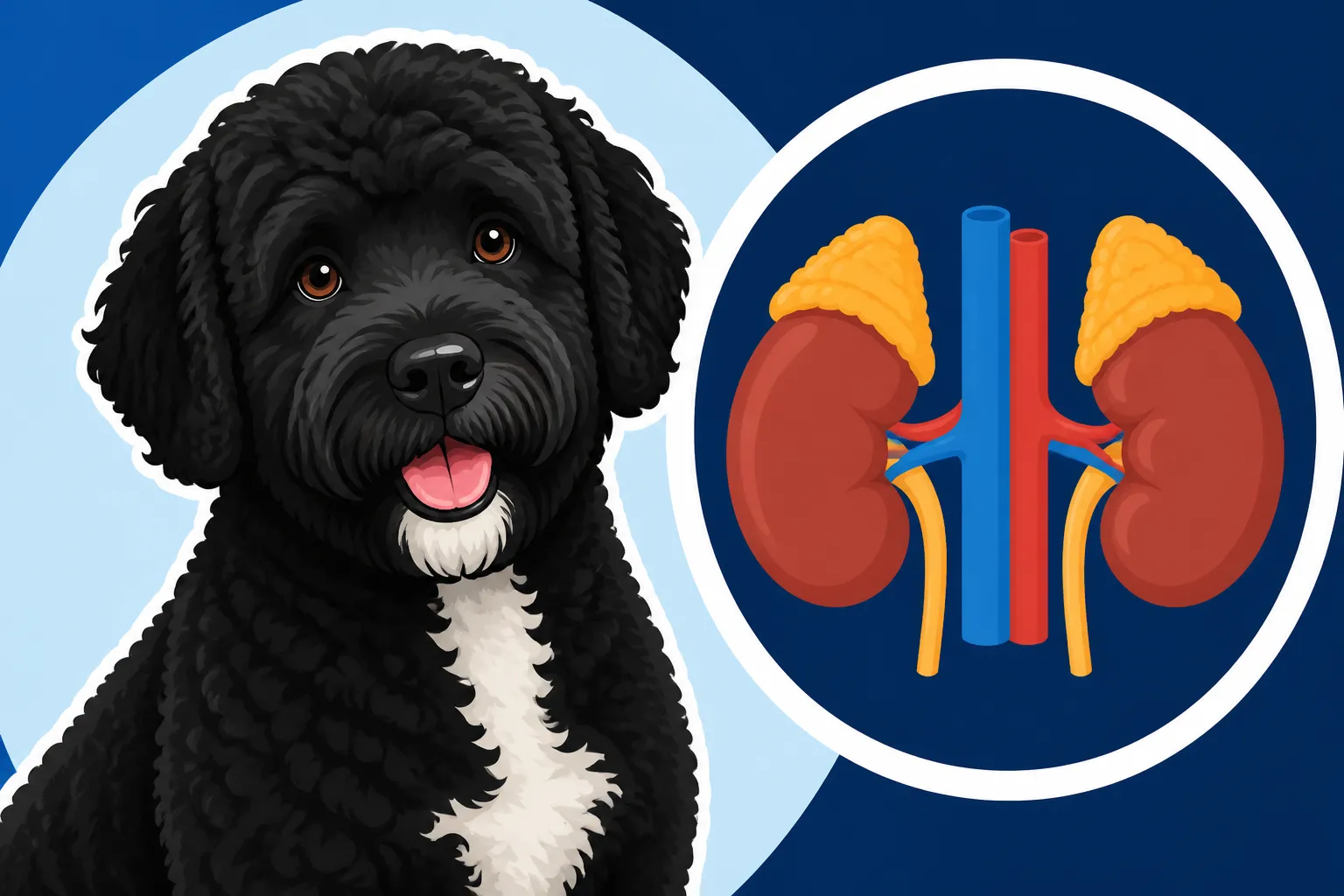
The Age Addisons Appears in a Portuguese Water Dog
It’s truly disheartening to see your vibrant Portuguese Water Dog suddenly become lethargic, lose their appetite, or just seem… off. The worry gnaws at you, especially when symptoms are vague and could point to so many different issues. One of the most insidious diseases that can strike our beloved PWDs is Addison's disease, often making its unwelcome appearance when you least expect it. This guide will delve deep into understanding when Addison's typically surfaces in Portuguese Water Dogs, what to watch for, and how to navigate this challenging diagnosis.
Understanding Addison's Disease in Portuguese Water Dogs
Addison's disease, scientifically known as hypoadrenocorticism, is a condition where your dog's adrenal glands don't produce enough crucial hormones, specifically glucocorticoids (like cortisol) and mineralocorticoids (like aldosterone). Think of these hormones as the body's internal regulators for stress response, metabolism, blood pressure, and electrolyte balance. When they're in short supply, everything starts to go haywire, often in ways that are incredibly hard to pinpoint initially. It's a scary diagnosis, but understanding it is the first step toward managing it effectively.
What Exactly Is Addison's and Why Is It So Tricky?
Imagine your dog's adrenal glands, two tiny powerhouses nestled near their kidneys. These glands are supposed to be constantly churning out hormones that help your PWD cope with stress, maintain energy levels, and keep their electrolytes (like sodium and potassium) perfectly balanced. With Addison's disease, these glands essentially go on strike. They stop producing enough of these vital hormones, leading to a cascade of problems.
The reason it's so tricky to diagnose, and thus why understanding the age of onset is so crucial, is that the symptoms are incredibly non-specific. We're talking about things like lethargy, loss of appetite, vomiting, diarrhea, weight loss, or even just a general "poor doer" appearance. These signs could be anything from a stomach bug to a serious kidney issue, which is why Addison's has earned the nickname, as we'll discuss later, "the great pretender." Owners often describe a waxing and waning pattern, where their dog seems sick for a few days, then rallies, only to decline again. This can go on for weeks or even months, making it agonizingly difficult to get a definitive answer. The underlying problem is often overlooked until the dog experiences a severe, life-threatening crisis.
The Genetic Predisposition in Portuguese Water Dogs
It's a tough truth that some breeds are simply more prone to certain conditions, and unfortunately, the Portuguese Water Dog is one of those breeds with a known predisposition to Addison's disease. While not all PWDs will develop it, the breed does have a higher incidence compared to the general canine population. This genetic component means that if you're looking at puppies, it's absolutely vital to discuss health testing with the breeder.
Research has identified specific genetic markers that may contribute to the increased risk of Addison's in Portuguese Water Dogs, though it's not a simple single-gene inheritance like some other conditions. This complex inheritance pattern makes breeding decisions challenging, but responsible breeders are diligently working to understand and mitigate the risk. It’s part of a wider effort to improve the overall health of the breed, ensuring that these wonderful dogs can live long, healthy lives. The prevalence of this disease in the breed is one of the reasons that some owners choose to invest in robust pet insurance plans, such as those offered by Healthy Paws, to help manage the potential costs of long-term care for conditions like Addison's. Knowing that this condition runs in Portuguese Water Dog lines is a critical piece of information for any prospective or current owner.
The Typical Age Range for Addison's Onset
One of the most common questions new Portuguese Water Dog owners, or those facing vague symptoms, ask is, "When does Addison's usually show up?" It's a fair question, and unfortunately, the answer isn't a neat, tidy age. Addison's disease in Portuguese Water Dogs typically manifests in young to middle-aged dogs, but there's a spectrum, and cases have been reported in both younger and older individuals.
Generally, you'll start seeing symptoms between the ages of two to eight years old. This age range can be particularly frustrating because it’s when your PWD is in their prime, full of energy and enthusiasm. To suddenly see them decline during what should be their most robust years is heartbreaking. While most cases fall within this window, there have been instances of Addison's being diagnosed as early as six months of age or as late as ten years or more. This variability is another reason why it’s so hard to diagnose and why persistent, vague symptoms should never be ignored.
Early Warning Signs vs. Acute Crisis
The onset of Addison's disease can be incredibly subtle, often starting with intermittent, mild symptoms that come and go. These early warning signs are easy to dismiss as "just a sensitive stomach" or "a bit tired today." Your PWD might show occasional lethargy, a slight decrease in appetite, or mild vomiting and diarrhea that seems to resolve on its own. They might just seem less enthusiastic about their usual swim or game of fetch. It's this intermittent nature that often lulls owners into a false sense of security, or simply makes them think their dog is prone to minor ailments.
However, if left undiagnosed and untreated, Addison's can escalate into an "Addisonian crisis," which is a severe, life-threatening emergency. In a crisis, the dog's body essentially collapses due to extreme electrolyte imbalance and low blood sugar. Signs of an Addisonian crisis include sudden, profound weakness, severe vomiting and diarrhea, collapse, shock, and even coma. This is when a Portuguese Water Dog with Addisons collapses, and it requires immediate veterinary intervention, often involving IV fluids, corticosteroids, and careful monitoring of electrolytes. It’s a terrifying experience for both dog and owner, and sadly, for some, the crisis is the first clear indication that something is seriously wrong. Understanding these signs a Portuguese Water Dog has Addison's is crucial for timely intervention.
Why the Onset Age Varies
The variation in the age of Addison's onset is primarily due to several factors, including the type of Addison's, the individual dog's genetic makeup, and how quickly the adrenal glands degrade. Most cases of Addison's are "primary," meaning the adrenal glands themselves are damaged, usually by an autoimmune process where the body mistakenly attacks its own tissues. This autoimmune destruction can be a slow, progressive process, with symptoms only appearing once a significant portion of the adrenal tissue is non-functional.
Consider two Portuguese Water Dogs from the same genetic line, both predisposed to Addison's. One might have a more aggressive autoimmune response, leading to earlier adrenal gland destruction and symptoms appearing at two years old. The other might have a slower progression, not showing signs until they are six or seven. Environmental triggers or stressors, while not causing the disease, can sometimes exacerbate symptoms or push a dog already on the brink into an Addisonian crisis, making it appear as if the disease "started" suddenly at that moment. The complex interplay of genetics and individual physiological response means there's no single predictable age, reinforcing the need for constant vigilance throughout your PWD's life, especially within that two to eight-year window.
Diagnosing Addison's: A Real-World Challenge
The path to an Addison's diagnosis can be incredibly frustrating for owners and veterinarians alike, precisely because of its vague and fluctuating symptoms. Many PWDs go through multiple vet visits, diagnostic tests for other conditions, and trial treatments before Addison's is even considered. This delay adds to the stress and can potentially put the dog at greater risk.
It's not uncommon for an owner to bring their dog in for intermittent vomiting, only for the symptoms to resolve by the time they get to the vet, making it seem like a minor issue. Then, a few weeks later, new symptoms appear, or the old ones return. This cycle can be incredibly disheartening, making you feel like you're missing something, or worse, that your vet isn't taking your concerns seriously enough. The reality is, Addison's is a master of disguise, and a high index of suspicion is required to catch it.
The "Great Pretender" Nickname Explained
The moniker "the Great Pretender" for Addison's disease is truly apt. It perfectly describes how this condition mimics so many other common ailments. You might think your Portuguese Water Dog has a gastrointestinal upset, kidney disease, liver problems, pancreatitis, or even just general malaise from stress or old age. The lack of specific, unique symptoms means that a vet could be chasing several different diagnoses, performing numerous tests that come back inconclusive, while Addison's quietly progresses. For instance, a dog might present with signs that look like an upset stomach, but respond poorly to standard treatments, or only temporarily improve.
This makes why Addisons is called the Great Pretender in a Portuguese Water Dog a critical topic for owners to understand. The blood work might show some abnormalities, like elevated potassium and low sodium (a classic Addisonian hallmark), but these can also be present in other conditions, adding to the diagnostic dilemma. It takes a skilled and experienced veterinarian, often with the input of an owner who knows their dog best and can articulate subtle changes, to put all the pieces together and consider Addison's as a possibility. Don't be afraid to be your PWD's advocate if you suspect something deeper is going on.
The Diagnostic Process and What to Expect
Once Addison's is suspected, the diagnostic journey becomes more targeted. The initial steps often involve routine blood work and urinalysis. While these tests won't definitively diagnose Addison's, they can reveal clues, such as:
- Electrolyte imbalances: High potassium (hyperkalemia) and low sodium (hyponatremia) are strong indicators, though not always present.
- Kidney values: Sometimes elevated, mimicking kidney disease.
- Anemia: Non-regenerative anemia can occur.
- Blood glucose: Can be low (hypoglycemia).
If these initial tests raise suspicion, the definitive diagnostic test for Addison's disease is the ACTH (Adrenocorticotropic Hormone) stimulation test. This test measures the adrenal glands' ability to respond to ACTH, a hormone that normally stimulates cortisol production.
Here’s a simplified breakdown of the ACTH stim test:
- Baseline Blood Sample: A blood sample is taken to measure the dog's cortisol level before stimulation.
- ACTH Administration: A synthetic form of ACTH is injected.
- Second Blood Sample: After a specific waiting period (usually one to two hours), another blood sample is taken.
- Comparison: The two cortisol levels are compared. In a dog with Addison's, the cortisol level will show little to no increase after the ACTH injection, indicating that the adrenal glands are not functioning properly.
This test is highly accurate in diagnosing primary Addison's disease. Your vet will explain how Addisons is diagnosed in a Portuguese Water Dog and guide you through the process. It's a precise test, but it does take time and generally involves a visit to the veterinary clinic for the day. The cost of an ACTH test can vary, but it's a critical investment in your dog's health.
| Symptom Category | Early/Subtle Signs (Intermittent) | Acute Crisis Signs (Severe) |
|---|---|---|
| Gastrointestinal | Mild vomiting, diarrhea, decreased appetite | Severe, persistent vomiting and diarrhea, abdominal pain |
| Energy/Behavior | Lethargy, general weakness, reduced playfulness | Extreme weakness, collapse, inability to stand |
| Thirst/Urination | Increased thirst, increased urination (sometimes) | Dehydration, shock |
| Weight | Gradual weight loss | Sudden, dramatic weight loss |
| Other | Shivering, muscle weakness, slow heart rate | Hypothermia, coma |
Managing Addison's: A Lifelong Commitment
Receiving an Addison's diagnosis can feel overwhelming, but it's important to remember that it's a manageable condition. With proper treatment and vigilant care, Portuguese Water Dogs with Addison's can lead full, happy lives. It truly is a testament to modern veterinary medicine and dedicated owners. The key word here is "lifelong" – this isn't a condition that goes away, but one that you learn to live with and manage every single day.
Many owners, once they get past the initial shock and start treatment, are amazed at the transformation in their dog. The PWD that was once lethargic and sickly can bounce back to their energetic, water-loving self. This turnaround is incredibly rewarding and reaffirms the importance of persistent diagnostic efforts.
Treatment Protocols and Medications
The primary treatment for Addison's disease involves replacing the hormones that the adrenal glands are no longer producing. This typically includes:
- Mineralocorticoid Replacement: This is usually achieved with an injectable medication called Percorten-V (desoxycorticosterone pivalate or DOCP) or an oral medication like Florinef (fludrocortisone acetate). DOCP injections are typically given every 25-30 days by your veterinarian, or you can be trained to administer them at home. Florinef is given daily as a pill. These medications are crucial for regulating electrolyte balance (sodium and potassium). What a Portuguese Water Dog's quarterly Addisons injection costs is a significant financial consideration, but it's vital for their health.
- Glucocorticoid Replacement: This involves daily oral corticosteroids, such as prednisone. The dose is usually very low and adjusted over time to the lowest effective amount. Glucocorticoids help with stress response, metabolism, and inflammation. The dose might need to be temporarily increased during times of stress, such as surgery, travel, or illness.
Regular follow-up appointments and blood work are essential to monitor your PWD's response to treatment, particularly electrolyte levels. Initially, blood tests might be done frequently after starting treatment, then reduce to every few months or twice a year once stable. This monitoring ensures the medication doses are appropriate and adjusted as needed. You can learn more about which medication a Portuguese Water Dog with Addisons takes for a more detailed understanding. Pet insurance plans, like those from Healthy Paws, can be incredibly helpful in offsetting the substantial costs of these lifelong medications and frequent vet visits, providing peace of mind during a challenging time.
Living a Full Life with an Addisonian Portuguese Water Dog
With consistent treatment, an Addisonian Portuguese Water Dog can truly thrive. Many owners report that their dogs regain their full energy, appetite, and zest for life. This means they can go back to enjoying their favorite activities, whether that's chasing balls on the beach, splashing in a lake, or simply cuddling on the couch.
It's important to understand that Addisons medication is lifelong for a Portuguese Water Dog. There is no cure, only management. However, this management is highly effective. You will become accustomed to their medication schedule and the need for regular vet checks. Stress management is also important; while not a cause, extreme stress can exacerbate symptoms in an Addisonian dog, so maintaining a calm, predictable routine is beneficial. Keep a close eye on your PWD for any subtle changes, even after they're stable, and communicate openly with your veterinarian. Being proactive and observant is your best tool for ensuring your Addisonian PWD enjoys a long, high-quality life.
The Importance of Early Detection and Breeder Awareness
Given the breed's predisposition and the "Great Pretender" nature of Addison's, early detection is paramount. The sooner a diagnosis is made, the sooner appropriate treatment can begin, preventing a life-threatening crisis and improving the dog's overall prognosis and quality of life. This requires a strong partnership between owners, veterinarians, and responsible breeders.
As an owner, you are your dog's first line of defense. Knowing the subtle signs a Portuguese Water Dog has Addison's and when to seek veterinary attention can make all the difference. Don't hesitate to voice your concerns or seek a second opinion if you feel something isn't right with your dog, especially if symptoms are vague or persistent.
What Responsible Breeders Do
Responsible Portuguese Water Dog breeders play a critical role in minimizing the incidence of Addison's disease within the breed. While there isn't a single DNA test for Addison's like there is for some other genetic conditions such as GM1 Gangliosidosis and the Portuguese Water Dog Puppy That Never Reaches Six Months or Juvenile Dilated Cardiomyopathy Kills a Portuguese Water Dog Puppy Fast, ethical breeders are still incredibly proactive.
Their strategies include:
- Pedigree Research: Carefully studying the health histories of all dogs in a breeding program, looking for any incidence of Addison's in ancestors or close relatives. They avoid breeding dogs from lines with a high prevalence of the disease.
- Selective Breeding: Choosing to breed dogs that are less likely to produce offspring with Addison's, based on observed health outcomes in their lines. This is a complex process given the likely polygenic (multiple gene) nature of the disease, but it's a vital component of ethical breeding.
- Open Communication: Being transparent with puppy buyers about any known health issues in their lines, including Addison's. They often provide health guarantees and support for their puppy owners should a health issue arise. They also encourage owners to report any health concerns, which helps them track the disease and make more informed breeding decisions in the future.
When looking for a Portuguese Water Dog puppy, it's perfectly appropriate, and indeed encouraged, to ask breeders about the prevalence of Addison's in their lines and what steps they take to reduce the risk. A good breeder will be open and honest, demonstrating their commitment to the long-term health and well-being of the breed.
When to Be Vigilant as an Owner
As an owner of a Portuguese Water Dog, maintaining vigilance for Addison's symptoms is a lifelong commitment, but particularly important during the common onset age range of two to eight years. It's not about being paranoid, but about being informed and observant.
Here's a quick checklist to help you stay proactive:
- Know Your Dog's "Normal": Pay close attention to your PWD's usual energy levels, appetite, thirst, and bathroom habits. Any deviation, even if subtle, could be a clue.
- Track Intermittent Symptoms: If your dog has periods of mild lethargy, decreased appetite, or digestive upset that seems to resolve, make a note of it. Keep a journal of dates, symptoms, and how long they last. This information is invaluable to your vet.
- Communicate with Your Vet: If you notice persistent or recurring vague symptoms, don't hesitate to contact your vet. Be explicit about your concerns, especially if your PWD is in the typical age range for Addison's onset. Mention the breed's predisposition.
- Consider Regular Wellness Checks: Beyond standard vaccinations, regular veterinary wellness exams, including routine blood work, can sometimes catch subtle electrolyte imbalances before they escalate. While not a definitive screen for Addison's, it can provide early clues. This is part of what a Portuguese Water Dog's yearly health screen costs, and it's a worthwhile investment.
- Stress Awareness: Be mindful of major stressors in your dog's life (e.g., boarding, travel, new pets/family members, surgery) as these can sometimes trigger or worsen Addisonian symptoms if the disease is underlying.
Ultimately, your intuition as an owner is powerful. If you feel deep down that something isn't quite right with your Portuguese Water Dog, trust that feeling and advocate for further investigation. Early detection and management are the keys to a good outcome for Addison's disease, ensuring your PWD can continue to live their best, happiest life.
Disclaimer
Please remember that the information provided in this guide is for educational purposes only and should not be considered a substitute for professional veterinary advice. Always consult with a qualified veterinarian for any health concerns or before making any decisions about your Portuguese Water Dog's care.