How Long After Eating a Portuguese Water Dog Can Swim
One common worry for Portuguese Water Dog owners, especially those with enthusiastic swimmers, is whether it's safe to let their dog dive into the water right after they've had a meal. This guide will walk you through the essential waiting periods, explain the serious health risks involved, and help you establish a safe routine for your water-loving companion.
The Essential Waiting Period After Your Portuguese Water Dog Eats
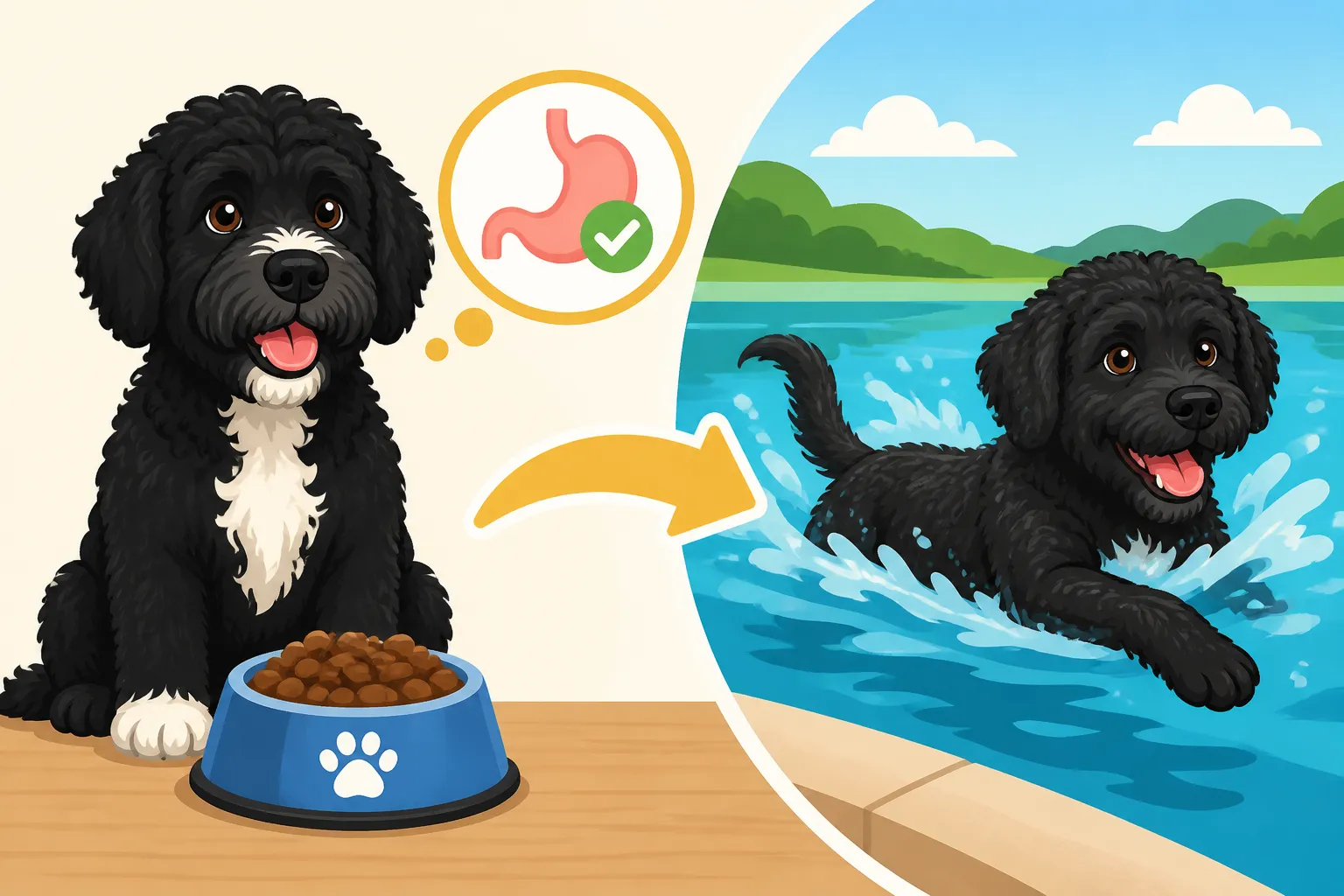
It’s completely understandable to want to get your high-energy Portuguese Water Dog out for a swim as soon as possible, especially if they've just finished a hearty meal and are raring to go. However, for the safety and long-term health of your beloved companion, patience is definitely a virtue here. The general recommendation, which I strongly stand by, is to wait at least two hours after your Portuguese Water Dog has eaten a full meal before allowing them to engage in vigorous exercise, and that absolutely includes swimming.
For some dogs, particularly larger or deeper-chested breeds like the Portuguese Water Dog, waiting even longer – up to three or four hours – might be a safer bet. This isn't just an arbitrary number; it's rooted in canine physiology. When your dog eats, their body redirects blood flow to the digestive system to process the food. If they're suddenly engaged in intense activity like swimming, that blood flow is pulled away from the stomach and redirected to the muscles, interrupting the digestion process. This can lead to discomfort, indigestion, and in severe cases, far more serious conditions. You want your Portuguese Water Dog to be comfortable and safe, not risking their health for a quick splash. Remember, their enthusiasm for the water often outweighs their good sense when it comes to digestion!
This waiting period applies whether you're heading to the local lake, a community pool, or even just letting them jump into their kiddie pool in the backyard. The key is the vigorous activity of swimming itself. Even a seemingly gentle paddle engages their core and limbs, putting strain on a full stomach. Consider the meal they've had; if it was a small snack, the wait time might be shorter, but for a full breakfast or dinner, those hours are crucial. I always advise erring on the side of caution. It’s a small sacrifice in time for a huge gain in peace of mind and your dog's well-being.
Understanding the Risks: Why Swimming After Eating is Dangerous
The advice to wait after meals isn't just about preventing a little tummy ache; there are some genuinely serious health risks associated with letting your Portuguese Water Dog swim or exercise too soon after eating. The most critical concern, especially for active breeds like ours, is Gastric Dilatation-Volvulus (GDV), more commonly known as bloat. This condition is a terrifying emergency that can become fatal very quickly, and sadly, Portuguese Water Dogs are among the breeds that can be predisposed to it due to their deeper chests.
Bloat occurs when the stomach fills with gas, food, or fluid, then twists on itself. This twisting, or volvulus, traps the contents, cuts off blood supply, and can lead to shock and organ damage. The exact cause isn't always clear, but vigorous exercise on a full stomach is widely considered a significant risk factor. Imagine trying to run a marathon right after Thanksgiving dinner – your stomach would be churning! Now amplify that to the intensity of a Portuguese Water Dog's swim, and you can see why it’s a recipe for disaster. The symptoms of bloat can appear suddenly: your dog might retch unproductively, pace anxiously, have a distended abdomen that feels hard to the touch, or show signs of extreme pain and discomfort. If you ever suspect bloat, drop everything and get to an emergency vet immediately. Every second counts. You can learn more about this serious concern in Whether a Portuguese Water Dog Bloats.
Beyond bloat, other less severe but still uncomfortable issues can arise. Indigestion, cramping, and even vomiting are common when dogs exert themselves with a full stomach. Think about how much energy your Portuguese Water Dog expends during a good swim – paddling with all four webbed feet, using their tail as a rudder, and retrieving toys with gusto. All that internal movement and muscle engagement puts pressure on their digestive system. It's simply not worth the risk of a veterinary emergency or a miserable experience for your dog. Prioritizing their digestion by giving them ample time after a meal ensures that their beloved swimming activities remain a source of joy and health, not a potential threat. To help prevent issues, it’s worth investigating feeding options like slow-feeder bowls, which can be found on sites like Chewy, to ensure they don't gulp their food too quickly.
Factors That Influence Your Portuguese Water Dog's Post-Meal Wait Time
While the "two-to-four-hour rule" is a great starting point, the exact waiting period for your Portuguese Water Dog can actually be influenced by several factors. It’s not a one-size-fits-all situation, and being observant of your individual dog's habits and the specifics of their meal can help you fine-tune your routine. Understanding these nuances ensures you're providing the safest environment for their aquatic adventures.
Meal Size and Composition
First off, the size of the meal matters a lot. A small handful of treats or a very light snack is going to be processed much faster than a full, generous dinner. If your Portuguese Water Dog only had a few kibbles or a small piece of fruit, you might not need to wait as long, perhaps an hour, before a gentle dip. However, if it was a big meal, especially one high in fat or protein, it will take longer to digest. These denser foods require more time and effort from the digestive system. Many owners feed their athletic Portuguese Water Dogs high-performance diets, which while excellent for energy, also tend to be more substantial.
Similarly, the type of food plays a role. Wet food or fresh-cooked meals, like those offered by services such as Ollie, might have a slightly different digestion time compared to dry kibble. Some dogs might process certain ingredients more slowly than others. If you're using a brand like Purina or Royal Canin, consistency in their formula helps you predict digestion, but if you switch foods, pay attention to how your dog responds. Think of it like us: a light salad is very different from a heavy steak dinner. You wouldn't expect to feel the same after both! This is especially important for Feeding an Athletic Portuguese Water Dog to ensure they have the proper fuel and recovery time.
Individual Dog's Metabolism and Activity Level
Just like people, every Portuguese Water Dog has a unique metabolism. Some dogs are naturally faster digesters, while others take their sweet time. Your dog's age and overall health also contribute. A young, super-active Portuguese Water Dog puppy might seem to burn through food quickly, but their digestive system is still developing, making them equally, if not more, susceptible to issues if pushed too soon. Conversely, an older, more sedentary Portuguese Water Dog, say one Caring for a Portuguese Water Dog Past Nine, might have a slower metabolism and require an even longer waiting period.
Their typical daily activity level also plays a part. A Portuguese Water Dog who is constantly on the go and has a history of high energy might be more prone to stomach upset if they jump into strenuous activity without proper digestion. It’s about balance: ensuring they get enough exercise to satisfy their breed instincts but also respecting their body’s need for proper processing time. This is why a consistent schedule for feeding and exercise is so beneficial. A routine helps their body regulate, and you’ll start to notice your dog’s specific digestive rhythm. Observing their energy levels and how quickly they settle after a meal can give you valuable clues about their individual digestion pace.
Best Practices for Safe Swimming and Digestion
Establishing a consistent and safe routine for your Portuguese Water Dog around meal times and swimming is paramount. These dogs live for the water, and we want to ensure their passion for splashing never leads to a health crisis. Implementing a few simple best practices can make all the difference, creating a predictable and healthy rhythm for both you and your canine companion.
Establishing a Consistent Feeding and Exercise Schedule
One of the most effective ways to prevent issues is to create a predictable daily schedule. Try to feed your Portuguese Water Dog at consistent times each day. For example, if they have their breakfast at 7 AM, aim for their main swimming session to begin around 10 or 11 AM. Similarly, if they eat dinner at 5 PM, their evening activities should be winding down, perhaps with a short, leisurely walk, but certainly no vigorous swimming. This consistency helps regulate their digestive system and allows you to better manage the crucial waiting period.
It also minimizes the chances of your dog being excessively hungry right before a swim, which could lead to them gulping water or frantically retrieving a toy on an empty stomach and inadvertently swallowing a lot of air. A predictable schedule means you're proactively planning around their needs, rather than reacting to their eagerness. You'll find that your Portuguese Water Dog thrives on routine, knowing when to expect meals, when to have downtime, and when it's time for their cherished water work. For more on structuring their day, consider What a Portuguese Water Dog Needs Every Day.
Prioritizing Calmness Post-Meal
After your Portuguese Water Dog finishes eating, the focus should be on promoting a calm, relaxed environment. This means no immediate play sessions, no boisterous greetings, and definitely no dashing out the door straight to the beach. Encourage them to settle down, perhaps for a nap or some quiet chew time. A quiet space where they can digest undisturbed is ideal. Some owners even use a crate for an hour or so after a meal to ensure their dog doesn't get overly excited and start running around.
This period of calm helps their body direct blood flow effectively to the digestive organs, allowing food to break down properly without the added stress of physical exertion. Gentle activities like a short potty break on a leash are fine, but anything that gets their heart rate up or involves twisting and turning their body should be avoided. Think about offering a calming chew toy bought from a reliable source like Amazon, or a puzzle feeder that requires minimal physical effort, keeping their mind engaged without overstimulating their body.
Hydration and Water Intake Around Meals and Swims
Proper hydration is always important for active dogs like Portuguese Water Dogs, but it needs to be managed carefully around meals and swimming. While you don't want to restrict water access, allowing your dog to gulp down a large amount of water right before or after a meal, and then immediately swim, can increase the risk of stomach upset or bloat. Ensure fresh water is always available, but if you notice your dog drinking excessively right before a planned swim, try to encourage smaller, more frequent drinks rather than one huge gulp.
Similarly, during intense swimming sessions, your Portuguese Water Dog might inadvertently swallow a fair amount of water from the pool, lake, or ocean. This ingested water, combined with a full stomach, could exacerbate issues. Make sure they have opportunities to drink fresh water before the swimming activity begins, and then offer it again in moderation during breaks, allowing time for it to settle. This thoughtful approach to hydration, combined with smart meal timing, completes a robust plan for ensuring your Portuguese Water Dog remains healthy and happy, whether on land or in the water. Remember, How Much Water a Portuguese Water Dog Drinks a Day can vary depending on their activity, but always err on the side of caution.
Here’s a helpful table summarizing recommended wait times based on meal type and activity:
| Meal Type | Activity Level After Meal | Recommended Wait Time Before Swimming | Notes |
|---|---|---|---|
| Full Meal (Kibble/Wet) | Vigorous Exercise (Swimming, Running) | 2-4 Hours | This is the critical period to prevent bloat. Err on the side of longer if your dog is deep-chested or prone to gastrointestinal upset. |
| Full Meal (Kibble/Wet) | Light Activity (Leisurely Walk) | 1-2 Hours | A gentle stroll is usually fine after an hour or two, but avoid anything that gets them panting heavily or jumping. |
| Small Snack (Treats) | Vigorous Exercise (Swimming, Running) | 1 Hour | A few treats or a small, easily digestible snack requires less waiting. Still, monitor your dog for any signs of discomfort. |
| Small Snack (Treats) | Light Activity (Potty Break) | 30 Minutes | A very short, calm outing should be acceptable. |
| Water Only | Any Activity | No Wait Needed | Always provide fresh water freely, but avoid allowing them to guzzle large amounts right before or after strenuous activity to prevent water intoxication or exacerbating a full stomach from a recent meal. |
By following these guidelines, you're not just preventing discomfort; you're actively safeguarding your Portuguese Water Dog against serious health risks. Their joyous leaps into the water are a hallmark of the breed, and with careful planning, they can continue to enjoy them safely for years to come.
Disclaimer
This article is for general informational purposes only and does not constitute professional advice. Laws, prices and regulations vary by location and change over time. Consult a qualified professional for guidance on your specific situation.