When a Portuguese Water Dog Needs a Coat in Winter
Even with their famously dense, water-repellent coats, many Portuguese Water Dog owners find themselves wondering if their beloved companion needs an extra layer when winter really sets in. It's a valid concern, especially when you see them shiver or hesitate at the door. You want to make sure your PWD is comfortable and safe, not just toughing it out. This guide is all about helping you understand your Portuguese Water Dog's natural cold tolerance and when a winter coat truly becomes a necessity, offering practical advice to keep them cozy during chilly weather.
Understanding the Portuguese Water Dog's Natural Insulation
The Portuguese Water Dog's coat is a marvel, truly built for the rigorous life of a working water dog. It’s designed to protect them from the elements, but primarily the wet elements. There’s a common misconception that because they're so robust in water, they’re automatically impervious to all forms of cold. That's not always the case, and understanding the nuances of their coat and physiology is key to making good decisions.
The Double-Edged Sword of Their Coat: Water Repellency vs. Dry Cold
Unlike many breeds bred for cold climates, such as Siberian Huskies or Newfoundlands, the Portuguese Water Dog typically has a single coat. This isn't a "double coat" with a soft, dense underlayer specifically designed to trap air and insulate against extreme dry cold. Instead, the PWD's coat, whether curly or wavy, is thick, dense, and water-repellent. It's fantastic at keeping water from reaching their skin, helping them maintain body temperature even when plunging into icy seas for retrieving tasks. You can dive deeper into this topic by reading Why a Portuguese Water Dog Has a Single Coat.
However, this specialized coat works best when it's wet and needs to shed water, or when the dog is actively working and generating a lot of body heat. When it comes to prolonged exposure to biting dry winds or sub-freezing temperatures on land, especially if they're not moving much, a single coat can start to lose its effectiveness. The air trapped within the curls offers some insulation, but it might not be enough to combat severe wind chill or extended periods of inactivity in harsh winter conditions. Think of it like wearing a wet suit – great for water, but not always your first choice for a blizzard on land.
Factors Beyond Just the Coat: Body Fat, Activity, and Age
Beyond the type of coat, several other factors play a significant role in your Portuguese Water Dog's ability to tolerate cold. It's never just about the fur itself; it's a whole-dog equation.
- Body Condition: A PWD with a healthy layer of body fat will generally have better natural insulation than one who is very lean. This isn't to say you want an overweight dog – far from it! But a dog in ideal working condition often has a slight cushioning layer that helps. Keeping an eye on What a Portuguese Water Dog Weighs and How to Keep It There is always important for their overall health, including their ability to regulate temperature.
- Activity Level: This is huge. A Portuguese Water Dog that's actively running, retrieving, or engaging in vigorous play will generate a significant amount of internal body heat. This natural furnace can keep them surprisingly warm even in very cold temperatures. Their historical job of working alongside fishermen, often in and out of cold water, required constant movement and energy expenditure. A dog trotting briskly on a hike will fare much better than one standing still waiting for you.
- Age: Just like people, puppies and senior dogs are often more susceptible to cold. Puppies haven't fully developed their thermoregulation systems and have less body mass. Older PWDs, on the other hand, may have slower metabolisms, thinner coats (you might notice this as part of What Changes in an Aging Portuguese Water Dog's Coat), or underlying health conditions that make them less able to cope with cold. A senior PWD might also be less active, reducing their natural heat production.
- Health Status: Any underlying health issues can compromise a dog's ability to stay warm. For instance, a dog with hypothyroidism might struggle more with cold. Dogs recovering from surgery or managing chronic illnesses might also have a lower tolerance.
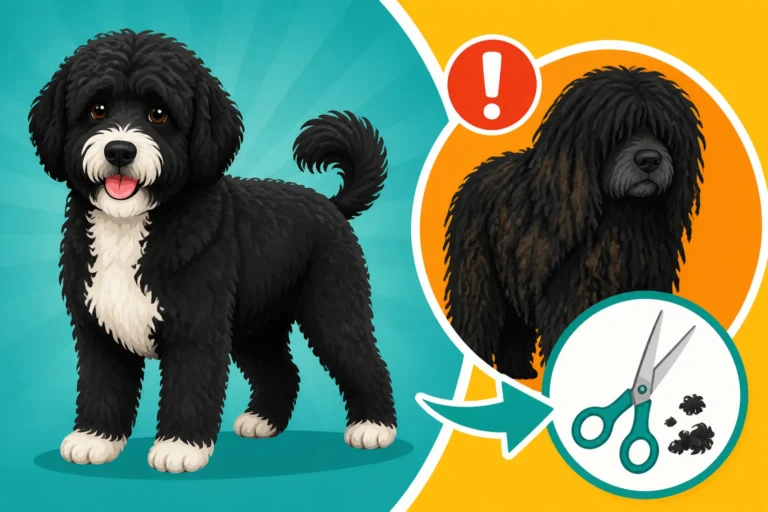
- Coat Length/Style: Even within the PWD world, grooming makes a difference. A PWD in a full The Retriever Clip Is the Coat Most Portuguese Water Dogs Wear or a longer pet clip will have more natural protection than one recently shorn very short. While the famous The Lion Clip Costs a Portuguese Water Dog Owner Daily Brushing leaves some areas bare, the "mane" itself provides substantial warmth.
Signs Your Portuguese Water Dog Needs a Winter Coat
Your Portuguese Water Dog can’t tell you directly that they're cold, but they certainly communicate it through their behavior and physical cues. Learning to read these signs is crucial for their comfort and health. Don’t wait until they’re visibly miserable; subtle indicators can often give you an early warning.
Behavioral Cues
Dogs, especially intelligent breeds like the Portuguese Water Dog, are masters of non-verbal communication. Pay close attention to these signals when you're out in the cold:
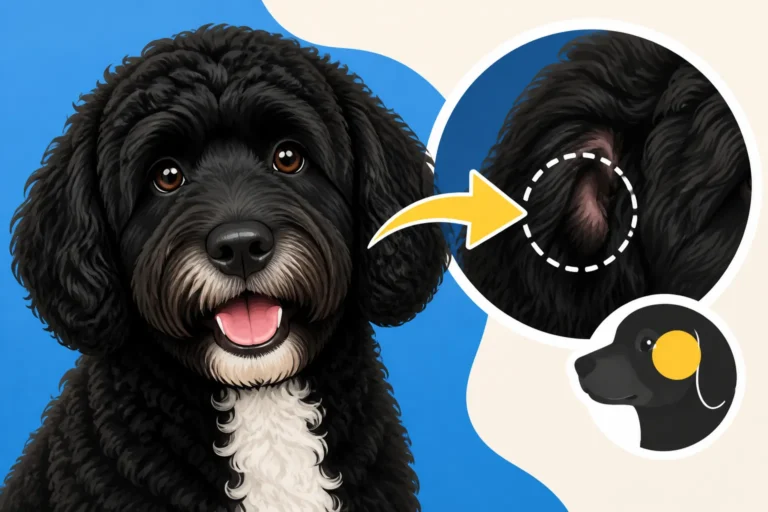
- Shivering or Trembling: This is often the most obvious sign. Just like humans, dogs shiver to generate heat when their body temperature drops. If your PWD is shivering, even slightly, it's a strong indicator they're cold.
- Hunching or Curling Up: A dog that's trying to conserve heat will often adopt a hunched posture, tucking their tail between their legs, and trying to make themselves as small as possible. If they curl up tightly with their nose tucked under their tail, they're trying to minimize heat loss.
- Seeking Shelter or Warmth: Is your PWD trying to hide behind your legs, press against your side, or find a sunny spot (if one exists)? Are they making a beeline for the door much sooner than usual during a walk? These are all signs they're seeking relief from the cold.
- Reluctance to Go Outside or Move: If your usually enthusiastic PWD hesitates at the door, walks slowly, or seems generally unwilling to engage in their usual outdoor activities, it could be because they're uncomfortable with the cold. This might be mistaken for stubbornness, but it’s often a sign of discomfort.
- Lifting Paws or Licking Paws: Extreme cold can be painful on their paws, especially on icy surfaces or snow treated with harsh chemicals. If your PWD frequently lifts a paw, tries to walk on only three legs, or starts licking their paws excessively, their paws might be getting too cold. This is when paw balm or dog boots (which can also help with warmth) might be considered, alongside a body coat.
Environmental Triggers: Temperature, Wind Chill, and Duration
While your PWD’s behavior is paramount, the environmental conditions themselves provide a good baseline for when a coat might be considered. It's not just the temperature, but the whole picture.
- Actual Air Temperature: As a general rule of thumb, most Portuguese Water Dogs are pretty comfortable down to about 40-45°F (4-7°C) without much fuss, especially if they are active. Below 40°F, you should start paying closer attention. Below 32°F (0°C), many PWDs will benefit from a coat, particularly if they are less active or smaller. When temperatures drop below 20°F (-6°C), a coat becomes a strong recommendation for almost all PWDs, especially for longer outings.
- Wind Chill: This is a silent killer of warmth. A 30°F day with no wind can feel much milder than a 40°F day with a biting 20 mph wind. Wind strips away the insulating layer of warm air trapped in their coat, making them feel much colder than the thermometer suggests. Always factor in wind chill when deciding if your PWD needs a coat.
- Precipitation: Rain, sleet, or snow can rapidly lower your dog's body temperature. Even though their coat is water-repellent, continuous wetness combined with cold air can be dangerous. A waterproof or water-resistant coat is essential in these conditions, even if the temperature isn't extremely low.
- Duration of Exposure: A quick 5-minute potty break in freezing temperatures is very different from an hour-long walk or play session. The longer your PWD is exposed to cold, the greater the risk of them becoming uncomfortably or dangerously cold. For extended outdoor time in winter, a coat is a smart choice.
Special Considerations for Aging or Ill Dogs
Some Portuguese Water Dogs are more vulnerable to cold than others, and it’s critical to adjust your approach for them.
- Senior PWDs: As dogs age, their metabolism can slow, their muscle mass might decrease, and their circulation may not be as efficient. This makes them less able to generate and retain body heat. An older PWD might also have arthritis or other joint pain that is exacerbated by cold and damp conditions, making them even more reluctant to move. For a senior dog, a coat is often a good idea even in moderately cold weather. You can find more specific advice in Caring for an Aging Portuguese Water Dog.
- Puppies: Young puppies haven't yet developed their full insulating coat or the robust thermoregulation of an adult dog. Their smaller size also means they lose heat more quickly. Short bursts of outdoor activity are best for puppies in cold weather, and a warm coat can provide valuable protection.
- Dogs with Health Issues: Certain medical conditions can impair a dog's ability to tolerate cold. For example, dogs with Addison's disease, heart conditions, or compromised immune systems might struggle more. If your PWD has an ongoing health concern, discuss winter care with your vet, as a coat could be a crucial part of their management.
| Environmental Factor | Temperature Range (approx.) | PWD Activity Level | Coat Recommendation |
|---|---|---|---|
| Mild Cold | 40-45°F (4-7°C) | Active/High | Optional, observe dog |
| Moderate/Low | Consider light coat | ||
| Chilly/Cold | 32-40°F (0-4°C) | Active/High | Recommended for longer outings |
| Moderate/Low | Strongly recommended | ||
| Freezing/Very Cold | 20-32°F (-6-0°C) | Any | Essential for most PWDs |
| Extreme Cold | Below 20°F (-6°C) | Any | Avoid prolonged exposure, heavy coat essential |
| Windy/Wet Conditions | Any | Any | Waterproof coat highly recommended, regardless of temperature |
Choosing the Right Winter Wear for Your PWD
Once you’ve determined that your Portuguese Water Dog could use some extra warmth, the next step is finding the right coat. This isn't just about fashion; it's about functionality, comfort, and protection.
Types of Coats and Materials
The market is flooded with dog coats, so knowing what to look for can be a bit overwhelming. For a PWD, you'll want something durable, warm, and often waterproof.
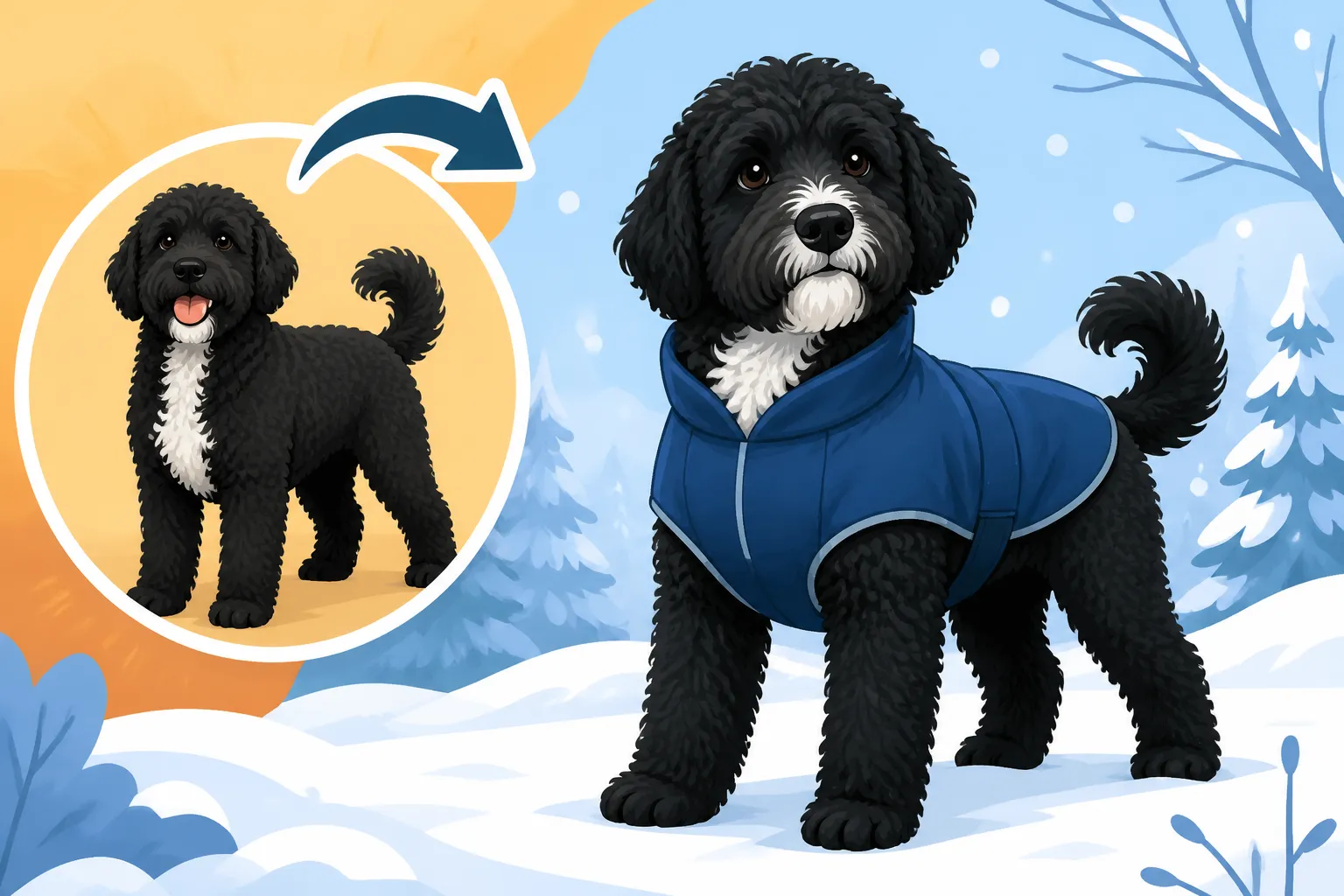
- Waterproof/Water-Resistant Outer Shell: Since PWDs love water, and winter often brings wet snow or freezing rain, a coat with a good outer layer is paramount. Look for materials like ripstop nylon or polyester with a DWR (durable water repellent) finish. This will keep their core dry, which is essential for staying warm. Brands like Ruffwear or Hurtta are popular for their robust, weather-proof designs. You can find a wide selection of these materials and brands on Amazon or Chewy.
- Insulation: Inside the waterproof shell, you want insulation. Fleece lining is a common and effective choice, providing soft warmth against their body. Some coats use synthetic insulation materials similar to those found in human winter jackets, offering excellent warmth-to-weight ratios. The amount of insulation needed will depend on how cold your winters get.
- Freedom of Movement: This is critical for an active breed like the PWD. The coat should not restrict their shoulders, chest, or hips. They need to be able to run, jump, and even swim (if the conditions allow and the coat is suitable) without feeling hampered. Avoid coats that are too stiff or bulky.
- Reflective Strips: For winter walks, which often happen in dimmer light, reflective elements are a great safety feature.
Sizing and Fit: Ensuring Comfort and Effectiveness
A coat that doesn't fit properly is not only uncomfortable but also ineffective. Too loose, and cold air can easily penetrate; too tight, and it can chafe and restrict movement.
- Measure Carefully: Most brands provide sizing charts. You'll typically need to measure your PWD's length (from the base of the neck to the base of the tail), chest girth (the widest part of the rib cage), and sometimes neck circumference. Don't guess! Grab a soft measuring tape and get precise.
- Check for Coverage: The coat should cover the dog's back from neck to tail and ideally extend down their sides to cover a good portion of their chest and belly. This protects their vital organs and large muscle groups.
- Adjustability: Look for coats with adjustable straps around the chest and belly. Velcro closures, buckles, or drawstrings allow for a snug, custom fit, accommodating different body shapes and ensuring the coat stays put during active play.
- Leg Holes/Sleeves: Some coats have leg holes or short sleeves. While these can offer extra warmth, make sure they don't chafe or restrict your PWD's powerful swimming and running legs. For most purposes, a vest-style coat that offers good core coverage is sufficient and allows for maximum freedom.
Practical Tips for Use
Getting your PWD used to a coat, and maintaining it, are important practical steps.
- Positive Introduction: If your PWD isn't used to wearing clothes, introduce the coat gradually and positively. Let them sniff it, reward them with treats, and put it on for short periods indoors before venturing outside. Make it a fun experience!
- Check for Rubbing: After the first few wears, especially after active outings, check under the coat for any signs of chafing or irritation, particularly around the armpits, chest, and neck. Adjust the fit or consider a different style if issues arise.
- Cleaning and Storage: Follow the manufacturer's cleaning instructions. Keeping the coat clean will maintain its waterproof properties and extend its lifespan. Store it somewhere dry and clean when not in use.
- Consider a Multi-Layer Approach: For extremely cold conditions, or if your PWD is particularly sensitive, you might even consider a thin fleece vest under a waterproof, insulated outer coat. This layering approach is very effective for humans, and it works for dogs too!
When a Coat Might Not Be Necessary (and When It's Definitely Not)
While we want to keep our PWDs warm, it's also important to recognize that they are resilient dogs, and sometimes a coat isn't needed, or can even be detrimental. Over-bundling can be just as problematic as under-protecting.
The Active, Healthy Adult PWD
For many healthy, adult Portuguese Water Dogs, especially those with good body condition and a full coat, a winter coat isn't always a requirement.
- During Vigorous Exercise: If your PWD is actively engaged in high-energy activities like running, retrieving games, or even serious hiking, their body is generating a significant amount of heat. In these scenarios, even if the air is quite chilly (say, in the 30s Fahrenheit or around 0°C), they might be perfectly comfortable without a coat. In fact, a coat could cause them to overheat. Think about how much a human runner sweats in cold weather; dogs also generate a lot of heat. You can learn more about their energy needs in How Many Hours a Week a Portuguese Water Dog Really Takes.
- Short, Brisk Outings: For very short bursts of outdoor activity, such as a quick potty break in moderately cold weather, a healthy adult PWD often won't need a coat. They'll likely be in and out before their core temperature drops significantly.
- Individual Tolerance: Just like people, individual dogs have different tolerances for cold. Some PWDs are just naturally hardier than others. Observe your dog's cues. If they are bounding through the snow with enthusiasm and showing no signs of discomfort, a coat might be unnecessary for that particular outing.
Short Outings in Mild Cold
Sometimes, the weather might be "cool" but not truly "cold" in a way that warrants a full winter coat.
- Above Freezing, Low Wind: On a crisp autumn or early winter day where temperatures are consistently above freezing (say, 45-55°F or 7-13°C) and there's minimal wind, most PWDs will be perfectly fine without a coat, even for longer walks. Their natural coat is perfectly adequate for these conditions.
- Quick "Out and Back" Moments: For those times when you just need to let your PWD out into the yard for a minute or two, don't feel obligated to wrestle them into a coat every single time. As long as they're not spending extended time out there, the risk of chilling is low for a healthy adult.
The Danger of Overheating
It might seem counterintuitive when talking about winter, but overheating is a real risk if you over-bundle your Portuguese Water Dog, especially an active one.
- Vigorous Activity + Heavy Coat: If your PWD is running hard while wearing a thick, insulated, waterproof coat, they can quickly become too hot. Dogs cool themselves primarily through panting and through the pads of their feet. If their core body temperature rises too high, it can lead to heatstroke, even in cold weather. Always monitor for excessive panting, lethargy, or seeking shade/snow to lie in.
- Sudden Temperature Spikes: Winter weather can be unpredictable. If a cold morning turns into a surprisingly sunny, mild afternoon, remember to remove or lighten your PWD's coat before their next outing if they'll be active.
- Indoor Use: A winter coat is almost never needed indoors. As soon as you come inside, take the coat off. Wearing it indoors can lead to overheating, discomfort, and potentially skin issues due to trapped moisture or heat.
Ultimately, deciding whether your Portuguese Water Dog needs a coat in winter comes down to a combination of environmental factors, their individual health and activity level, and your careful observation. Err on the side of caution, especially for puppies, seniors, or those with health conditions, but remember that your PWD is a hardy, well-equipped breed designed for challenging conditions. Trust your instincts and your dog's signals.
Disclaimer
This article is for general informational purposes only and does not constitute professional advice. Laws, prices and regulations vary by location and change over time. Consult a qualified professional for guidance on your specific situation.