When a Portuguese Water Dog Should Be Rinsed After the Sea
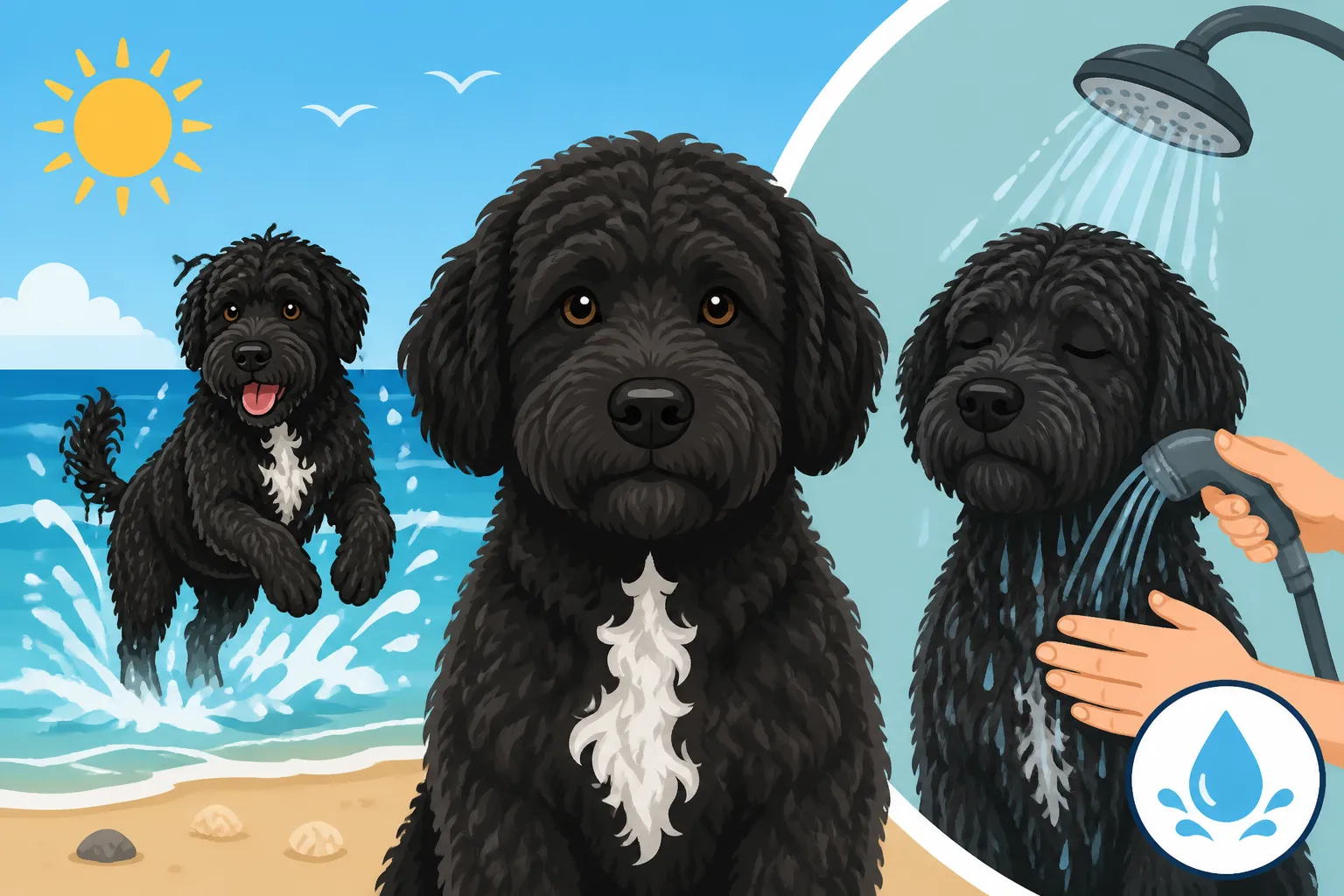
Oh, the sheer joy of watching your Portuguese Water Dog bound into the waves, retrieving a floating buoy with gusto, or simply paddling blissfully alongside you! It's one of the greatest pleasures of owning this incredible breed. But that salty air, the crashing waves, and the invigorating dip in the ocean come with a specific concern for us PWD parents: when, and how thoroughly, do you need to rinse your beloved companion after a sea swim? It's a question that often causes a little worry, especially for new owners who want to keep their dog's unique coat healthy and their skin happy. This guide is here to walk you through everything you need to know about post-sea rinsing for your Portuguese Water Dog, ensuring those salty adventures remain nothing but pure fun.
The Salty Reality of Sea Swims for Your Portuguese Water Dog
That refreshing ocean dip, while exhilarating for your Portuguese Water Dog, leaves behind more than just happy memories. Saltwater, while natural, isn't always kind to canine coats and skin, especially for a breed like the PWD with its distinctive single coat. Many owners don't realize the potential cumulative effects of repeated exposure if not properly managed, leading to a cascade of issues from minor irritation to serious skin problems and stubborn matting.
How Saltwater Affects Your PWD's Skin and Coat
Think about how your own skin feels after a day at the beach – a bit tight, perhaps a little dry, and sometimes even itchy. Your Portuguese Water Dog experiences something similar, but amplified by their dense, water-repellent coat. The salt crystals left behind after the water evaporates can actively draw moisture out of their skin and hair, leading to several uncomfortable and unhealthy conditions.
First off, dryness and flakiness become a real concern. The salt literally dehydrates the skin, making it prone to becoming dry, tight, and even flaky. This can be especially noticeable on the belly, armpits, and groin areas where the skin is thinner and more sensitive. Left unaddressed, this dryness can escalate into persistent itching and irritation. Your dog might start scratching excessively, rubbing against furniture, or even chewing at their paws, trying to relieve the discomfort. This scratching can break the skin, opening the door for secondary bacterial or yeast infections, which are no fun for anyone to deal with.
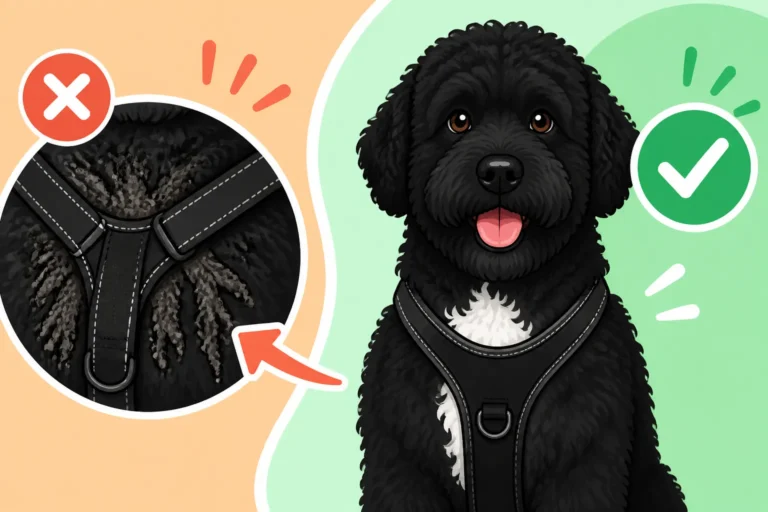
Beyond the skin, the coat itself takes a hit. While the Portuguese Water Dog's coat is designed to keep water out, it's also excellent at trapping things in, including salt. As the saltwater dries, the microscopic salt crystals cling to the individual hairs. These crystals act like tiny abrasive particles, rubbing against each other and the hair shafts whenever your dog moves. This friction makes the hairs more prone to tangling and knotting, dramatically increasing the potential for matting. A small tangle quickly becomes a dense, painful mat when salt is involved, pulling at the skin and causing significant discomfort. You might notice your PWD's usually vibrant coat starting to look dull and brittle, lacking its characteristic sheen. Pay close attention to areas like behind the ears, under the collar or harness, and in the "feathering" areas, as these are often the first spots to show signs of salt-induced irritation and matting. Ignoring these signs can lead to more severe problems down the line, including significant grooming challenges and potential skin infections. It's a subtle but important distinction to remember: even though their coat repels water, it doesn't repel the salt that water carries.
When to Rinse: Timing is Everything for a Healthy Coat
When it comes to rinsing your Portuguese Water Dog after a salty adventure, timing is genuinely crucial. It's not just about getting the salt off eventually; it's about preventing the negative effects from taking hold in the first place. You might be tempted to let your dog air dry, especially if it's a warm day, but that's precisely when the salt begins its dehydrating work.
There's a significant difference between an immediate, thorough rinse and waiting several hours. The longer the saltwater sits on your dog's coat and skin, the more opportunity it has to cause dryness, irritation, and to start forming those notorious salt-laden mats. Factors like how long your PWD swam, how sensitive their skin is (some dogs are more prone to dryness than others), and even the specific texture of their coat (curly versus wavy) can influence how quickly issues arise. The general rule of thumb is: the sooner, the better. Having a fresh water source readily available at or near your beach outing is a game-changer.
Immediate Rinsing: Best Practices and Why It's Crucial
Think of immediate rinsing as your first line of defense against the drying and matting effects of saltwater. The moment your Portuguese Water Dog is done with their ocean frolic, reaching for that fresh water should be a priority. The primary goal here is to wash away those salt crystals before they even have a chance to fully form and start drawing moisture from the coat and skin. When the salt crystals don't have time to set, you significantly reduce the risk of irritation and the stubborn mats that can quickly develop.
Keeping the skin hydrated is a huge benefit of a prompt rinse. By removing the salt, you prevent it from pulling essential moisture from the skin's surface. This helps maintain the natural barrier function of the skin, keeping it healthy and less prone to dryness, flakiness, and the dreaded itch. Furthermore, a quick rinse drastically reduces the risk of matting. Those salt crystals, when dry, act like tiny pieces of glue, binding individual hairs together. Washing them away while the coat is still damp and pliable makes it much harder for tangles to escalate into full-blown mats. This is especially important for PWDs, as their dense, often curly or wavy coats are prone to matting. Whether Salt Dries a Portuguese Water Dog's Coat Into Mats
For practical tips when you're out and about, a portable shower or even a few large gallon jugs of fresh water are invaluable. Keep them in your car, ready for use the moment you step off the sand. You don't need a full bath, just a good flush with plain water to dilute and remove the bulk of the salt. A garden hose with a spray nozzle works perfectly if you're lucky enough to have an outdoor shower or spigot at your beach house. Just be sure the water isn't too cold or too hot – lukewarm is always best to avoid shocking your dog or damaging their skin. The simple act of a thorough flush can make all the difference in maintaining your PWD's comfort and coat health.
What Happens if You Don't Rinse Promptly
It's easy to think, "Oh, I'll just rinse them when we get home," especially if home is just a short drive away. But for a Portuguese Water Dog, that seemingly short delay can lead to a heap of trouble. When you forgo a prompt rinse, you're essentially allowing the salt to go to work, unimpeded, on your dog's skin and coat.
The immediate consequence is often an escalation of issues. The salt crystals, given time to dry and adhere to the hair shafts, become incredibly efficient at creating mats. What might have been a few minor tangles after the swim can quickly solidify into dense, painful mats that pull at the skin. These aren't just cosmetic problems; mats can restrict movement, cause discomfort, and, most seriously, create a breeding ground for bacteria and yeast. The skin trapped beneath a mat can't breathe, leading to irritation, hotspots, and even severe skin infections. Imagine a tiny ecosystem of moisture and bacteria festering under a tight, salty mat – it’s a recipe for disaster.
Beyond the physical discomfort for your dog, who might spend hours scratching and trying to relieve the itch, you're also setting yourself up for increased grooming effort later. A coat full of dry, salty mats will be far more difficult and time-consuming to brush out. You might even find yourself needing to resort to cutting out mats, which can leave unsightly patches in your PWD's beautiful coat. In severe cases, a professional groomer might have to shave down the dog to alleviate the pain and skin issues, essentially undoing all the hard work of growing out their coat. It's a classic case where a few minutes of prevention at the source saves hours of frustration and potential veterinary bills down the line. Don't underestimate the power of that prompt freshwater rinse; it's a small investment that pays huge dividends in your Portuguese Water Dog's comfort and coat health.
The Proper Rinsing Technique and Aftercare
So, you've enjoyed your beach day, and your Portuguese Water Dog is full of salty exuberance. Now it's time for the crucial rinse. This isn't just a quick splash; it's a deliberate process to ensure all that ocean residue is thoroughly removed. The goal is to get the freshwater right down to the skin, through that dense, water-repellent coat, and then to follow up with proper drying and coat care to keep everything pristine.
Step-by-Step Guide to Post-Sea Rinse
A proper post-sea rinse is more than just a quick hose-down. It's a systematic approach to ensure every bit of salt, sand, and ocean debris is removed from your Portuguese Water Dog's coat and skin.
- Preparation is Key: Before you even get your PWD wet, gather everything you need: a good quality dog-specific shampoo (mild and hydrating is ideal), a conditioner (especially if their coat is prone to dryness), a large, absorbent towel, and ideally, a force dryer. If you don't have a force dryer, have plenty of towels ready.
- Initial Flush: Start by thoroughly wetting your dog with lukewarm fresh water. The water temperature is important; too cold can be a shock, and too hot can irritate the skin. Use a showerhead or hose with good pressure (but not painfully strong) to penetrate their thick coat. Focus on getting the water down to the skin, not just wetting the outer layer. Their coat is designed to shed water, so you'll need to work the water in by hand, massaging it against the lay of the hair.
- Shampoo Application: Apply a generous amount of dog shampoo, starting from the neck and working your way down to the tail, including legs and belly. Lather thoroughly, again, making sure to work the shampoo down to the skin with your fingertips. Pay extra attention to areas where salt and sand tend to accumulate or where matting often starts: behind the ears, armpits, groin, and between the toes. Many owners use a specialized shampoo for saltwater exposure, which often contains extra moisturizers. Which Shampoo Suits a Portuguese Water Dog's Coat
- The Rinse, Part Two: This is arguably the most critical step. Rinse, rinse, and rinse again! Any shampoo residue left in the coat can be just as irritating as salt. Continue rinsing until the water runs completely clear and you can feel no slipperiness from the shampoo. Squeeze the coat by hand to help push the water and suds out.
- Conditioner (Highly Recommended): For a Portuguese Water Dog, a good conditioner is almost non-negotiable, especially after saltwater exposure. Apply a hydrating, dog-specific conditioner, working it through the entire coat, paying special attention to the ends and any areas prone to dryness or tangles. Leave it on for the recommended time (usually a few minutes) to allow it to penetrate and moisturize. This helps to restore the coat's natural oils and elasticity, which the salt can strip away. Whether Conditioner Is Needed on a Portuguese Water Dog
- Final Rinse: Rinse the conditioner out completely until the coat feels clean and free of residue.
- Squeeze and Towel Dry: Once rinsed, gently squeeze as much excess water from the coat as you can with your hands. Then, wrap your PWD in a large, absorbent towel. Blot and press the towel against the coat rather than rubbing vigorously, which can encourage tangles.
By following these steps, you're not just getting your PWD clean; you're actively protecting their skin and maintaining the health and beauty of their unique coat. This thoroughness is key for a breed like the Portuguese Water Dog.
Essential Aftercare: Drying and Inspection
Once your Portuguese Water Dog is thoroughly rinsed, the job isn't quite done. Proper drying and a quick inspection are equally critical to prevent common issues like skin irritation, matting, and ear infections. Many PWD owners will attest that drying is almost as much work as the bath itself, but it's vital. How Long a Portuguese Water Dog Takes to Dry
The importance of drying, especially around the ears and deep within the coat, cannot be overstated. A damp coat, especially one that takes hours to air dry (which a PWD's dense coat absolutely will), creates a perfect environment for bacterial and fungal growth. This is particularly true for their ears. Portuguese Water Dogs have drop ears that cover the ear canal, trapping moisture inside. If left damp, this can quickly lead to painful and recurring ear infections. Always make sure their ears are completely dry after a swim and a bath. Consider an ear-drying solution specifically for dogs if your PWD is a frequent swimmer. Whether a Portuguese Water Dog's Ear Canal Stays Wet
For drying the coat, a force dryer is a game-changer for Portuguese Water Dog owners. These powerful dryers blow water out of the coat rather than just hot air, significantly reducing drying time and helping to prevent mats by separating the hair strands. If you don't have a force dryer, you'll need an abundance of absorbent towels and patience. Keep blotting and fluffing the coat until it's as dry as possible. Never allow your PWD to air dry completely after a sea swim and rinse, especially indoors or in cooler weather, as this is when matting becomes almost inevitable. You might also find a damp PWD can develop skin issues if left to dry slowly. What to Do With a Portuguese Water Dog After a Swim
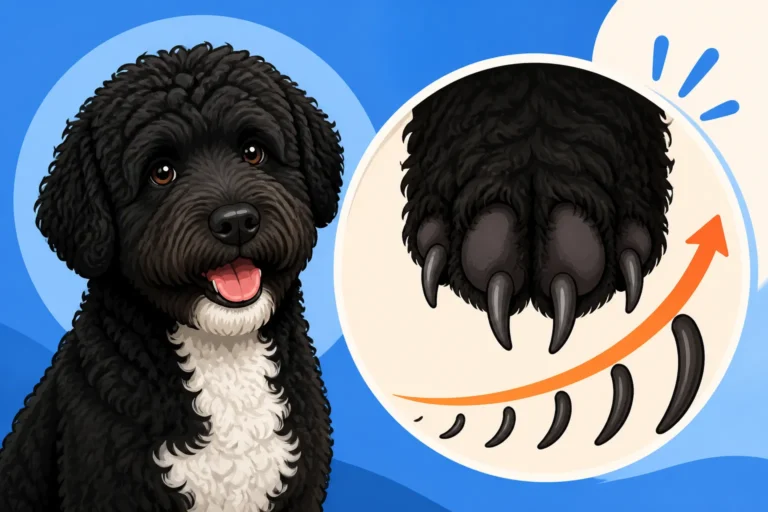
After drying, take a few moments for a thorough inspection. Gently run your fingers through their coat, checking for any lingering sand, debris, or new tangles. Pay special attention to their paw pads and the webbing between their toes – sand and tiny shells can get lodged here and cause irritation. Check their eyes for any redness or irritation from salt spray. This is also a good time to check for any signs of skin redness, flakiness, or hot spots that might indicate a developing issue. If you spot any minor tangles, a detangling spray or a light spritz of leave-in conditioner can help, followed by careful brushing. Regular inspection becomes second nature for PWD owners who frequently take their dogs to the beach, ensuring any small problems are caught before they become big ones. Nails, Feet and Webbing on a Portuguese Water Dog
Long-Term Coat Health and Regular Grooming Considerations
Integrating frequent sea swims into your Portuguese Water Dog's life means you also need to adjust your long-term grooming strategy. While a good rinse after each swim is essential, it's just one piece of the puzzle. The unique texture and density of a PWD's coat require consistent care to remain healthy and comfortable, especially when regularly exposed to the elements. Without a comprehensive approach, those fun beach days can lead to a constant battle against mats, skin issues, and a dull, unhealthy coat.
Adapting Your Grooming Schedule for a Sea-Loving PWD
If your Portuguese Water Dog is a regular beach-goer, you'll definitely need to step up your grooming game. That enthusiastic dive into the waves, while wonderful for their spirit, can be tough on their coat.
- More Frequent Brushing: Even with diligent rinsing, saltwater can make a PWD's coat more prone to tangling. You'll likely need to brush your dog more frequently, perhaps daily or every other day, especially if they have a longer coat. This helps prevent small tangles from escalating into painful mats, which are far harder to remove once they set in. A thorough brushing session, using a slicker brush and a steel comb, gets down to the skin and separates individual hairs, making it much more difficult for salt-dried strands to cling together. How Long Brushing a Portuguese Water Dog Takes
- Regular Baths Beyond Just Rinsing: While a rinse removes salt, it doesn't always deeply clean the coat or replenish moisture lost. Plan for more frequent full baths with a moisturizing shampoo and conditioner, perhaps every 2-4 weeks, depending on how often they swim and the condition of their coat. This helps to strip away any accumulated environmental grime and restore hydration. How Often a Portuguese Water Dog Should Be Bathed
- Moisture-Rich Products: Invest in high-quality, hydrating dog shampoos and conditioners. You might even consider leave-in conditioners or detangling sprays specifically formulated to combat dryness and matting. These products can add an extra layer of protection and nourishment to the coat.
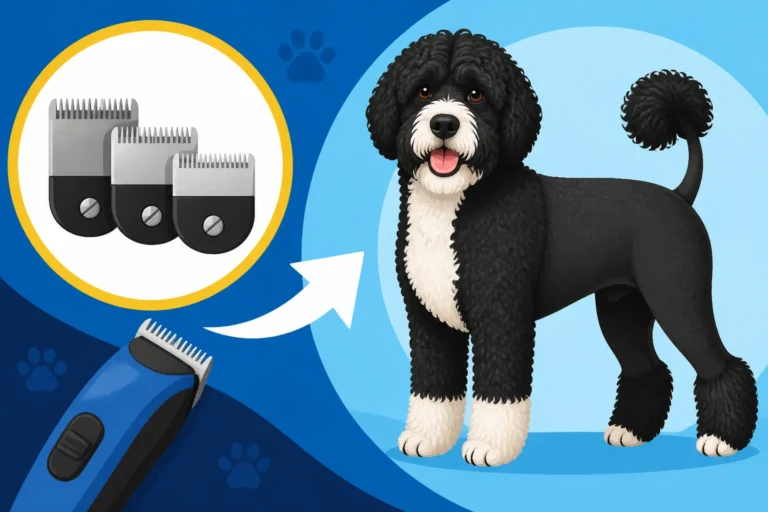
- Consideration of Coat Length/Clip: For very active, sea-loving PWDs, some owners opt for a shorter clip, like the popular retriever clip. This shorter length can significantly reduce drying time and make brushing and mat prevention much easier, while still providing protection. While the traditional lion clip is striking, it requires substantial daily maintenance, particularly if regularly exposed to salt water. The Retriever Clip Is the Coat Most Portuguese Water Dogs Wear A conversation with your groomer can help you decide on the best practical clip for your dog's lifestyle.
By adjusting your grooming routine to account for the rigors of sea swimming, you can ensure your Portuguese Water Dog remains comfortable, healthy, and looking their best, no matter how many times they plunge into the ocean.
Products and Tools for Optimal Portuguese Water Dog Coat Care
To truly keep your sea-loving Portuguese Water Dog's coat in tip-top condition, you'll need an arsenal of the right tools and products. Skimping here often leads to more work and discomfort down the line.
- Shampoos Designed for Hydration and Salt Removal: Look for shampoos specifically formulated for moisturizing or for dogs with sensitive skin. Products that advertise "conditioning" or "hydrating" are your friends. Brands like Earthbath, TropiClean, and even some specialty groomer brands offer excellent options. You can often find a good selection on platforms like Chewy or Amazon, making it easy to replenish your supply.
- Conditioners: These are non-negotiable for a PWD, especially one that swims in saltwater. A good conditioner helps detangle, restore moisture, and leave the coat soft and pliable. Use a generous amount after every shampoo.
- Brushes and Combs:
- Slicker Brush: Essential for getting down to the skin and working through tangles. Choose one with coated tips to be gentler on the skin.
- Steel Comb: A sturdy, wide-toothed steel comb is crucial for checking your work after brushing and for gently working out any small knots.
- Pin Brush: Great for general coat maintenance and fluffing.
- Look for sets or individual tools on Amazon or at your local pet store.
- Force Dryers: If you're serious about keeping your PWD's coat mat-free and healthy, particularly if they swim often, a force dryer is a worthwhile investment. These dryers blow air at high velocity, pushing water out of the coat without using heat that can damage the hair or skin. They dramatically cut down drying time and help prevent mats by separating the hairs as they dry. You can find various models on Amazon, from more affordable options to professional-grade tools.
- Ear Cleaning Solutions: As mentioned, wet ears are a breeding ground for infection. A dog-specific ear cleaning and drying solution can help prevent moisture-related ear problems. Use it after every swim or bath to help dry out the ear canal.
- Detangling Sprays/Leave-in Conditioners: These can be very helpful between baths or for spot-treating small tangles. A quick spritz can make brushing easier and add extra moisture to the coat. Brands like Chris Christensen or The Stuff are popular among PWD owners for their detangling properties.
Investing in these quality products and tools will not only make your grooming routine more efficient but will also ensure your Portuguese Water Dog's coat remains a source of pride and comfort, rather than a grooming challenge.
| Item | Purpose | Frequency of Use (Sea Swimmer) | Brands to Look For (Examples) |
|---|---|---|---|
| Dog-Specific Shampoo | Deep cleaning, salt removal, moisturization | Every 2-4 weeks | Earthbath, TropiClean |
| Dog-Specific Conditioner | Hydration, detangling, coat health | Every 2-4 weeks (after shampoo) | Earthbath, TropiClean |
| Force Dryer | Rapid drying, mat prevention | After every full bath/rinse | K9-II, Flying Pig, B-Air |
| Slicker Brush | Detangling, getting to the skin | Daily/Every other day | Chris Christensen, Andis |
| Steel Comb | Checking for tangles, fine-tuning | Daily/Every other day | Safari, Andis |
| Ear Cleaning Solution | Drying ear canal, preventing infections | After every swim/bath | Zymox, Virbac Epi-Otic |
| Detangling Spray/Leave-in | Between baths, spot treatment, extra moisture | As needed | Chris Christensen, The Stuff |
Disclaimer
This article is for general informational purposes only and does not constitute professional advice. Laws, prices and regulations vary by location and change over time. Consult a qualified professional for guidance on your specific situation.