Whether a Portuguese Water Dog Feels the Cold on Land
It’s a common misconception that because Portuguese Water Dogs were bred to work in the water, they must be impervious to the cold, even when they’re simply walking around on dry land. Many owners wonder if their thick-coated companion really feels the chill, or if we’re just projecting our own shivers onto them. This guide will explore how your Portuguese Water Dog’s unique physiology interacts with cold weather on land, and how you can ensure they stay comfortable and healthy no matter the temperature.
Understanding Your Portuguese Water Dog's Natural Insulation
Portuguese Water Dogs are renowned for their incredible coats, which were historically essential for their work in the icy waters off the coast of Portugal. This coat isn't just for looks; it’s a highly functional piece of natural engineering designed to protect them from the elements. However, the protection it offers in water can sometimes be different from its performance on land, and understanding these nuances is key to knowing if your PWD is truly comfortable.
The Unique Structure of the PWD Coat
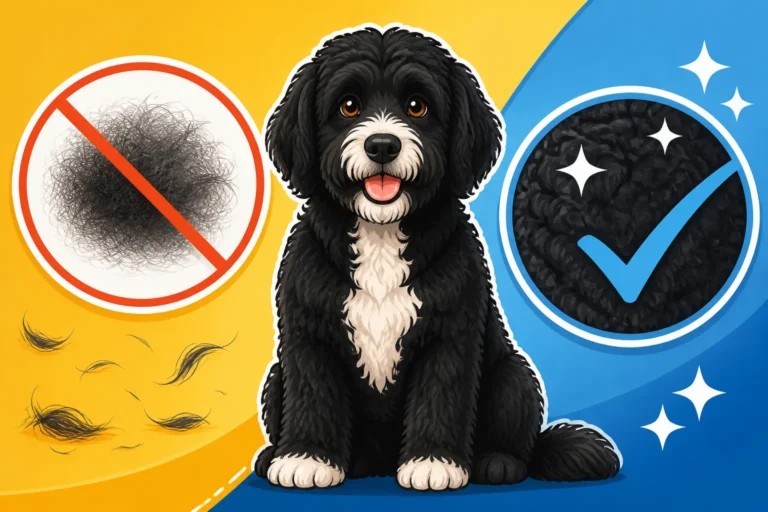
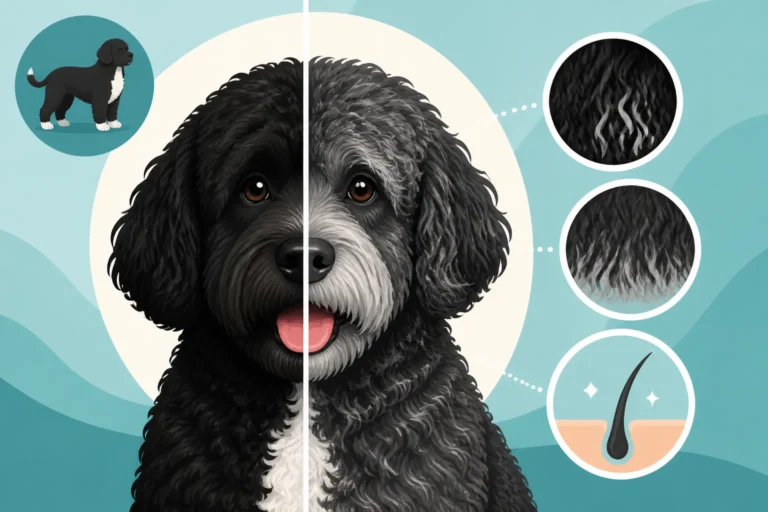
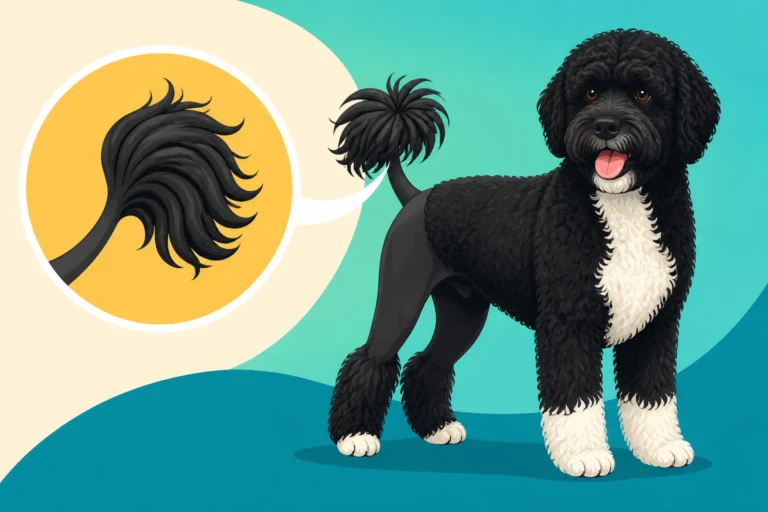
Unlike many breeds with double coats, the Portuguese Water Dog has a single coat of hair, not fur, which comes in two types: curly or wavy. This single coat is dense, resilient, and virtually non-shedding, making it a favorite for those with allergies. While it’s fantastic for preventing water from penetrating to the skin, acting almost like a wetsuit, it's not quite the same as the thick, insulative undercoat that many northern breeds possess to keep them warm in freezing air. This is a crucial distinction when we talk about cold on land. For more on its properties, you might be interested in Why a Portuguese Water Dog Has a Single Coat.
When your PWD is in the water, their coat swells and provides a fantastic barrier against the cold. The water gets trapped within the individual hairs, which then warms to body temperature, creating an insulating layer. On land, however, this same coat, if it gets wet, can actually work against them, drawing heat away from their body as the moisture evaporates, especially if there's a cold wind. This is why thorough drying after a swim, even a quick splash, is absolutely vital. You might even find some excellent quality absorbent towels or a powerful force dryer on Amazon to help with this process.
Body Fat and Metabolism as Warmth Generators
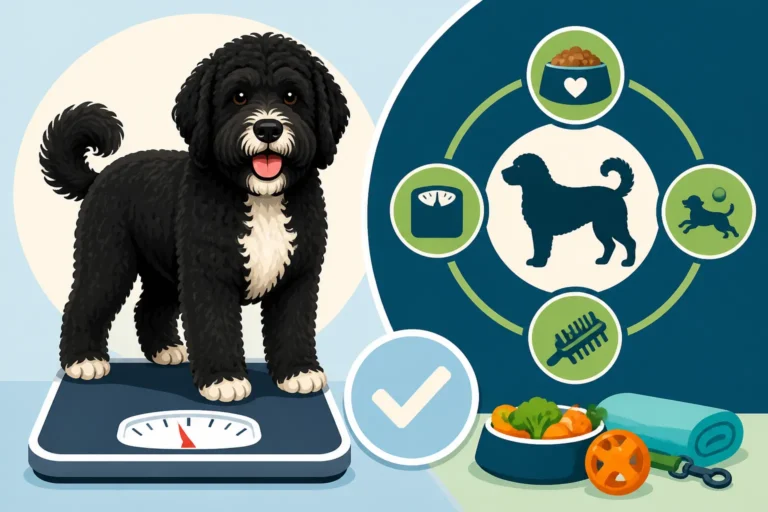
Beyond their coat, a Portuguese Water Dog’s ability to stay warm on land is also heavily influenced by their body composition and metabolic rate. These dogs are built for sustained activity; they are naturally muscular and should carry a lean layer of body fat, not excessive weight. This muscle and healthy fat layer act as internal heaters, generating and retaining warmth. A PWD with a healthy weight and an active lifestyle will naturally have a better internal thermostat than one who is sedentary or overweight.
A PWD’s high metabolism, fueled by a good diet, also contributes significantly to their internal warmth. They are energetic dogs who burn calories efficiently, and that energy output directly translates to heat production. Consider Feeding an Athletic Portuguese Water Dog to ensure they have the fuel they need. This is why you often see them happy to play outside even on cooler days – their bodies are constantly working, and that work generates heat. However, if they become inactive, especially for extended periods in the cold, their internal furnace can cool down quickly.
Factors Influencing a PWD's Cold Tolerance on Land
While their heritage suggests cold hardiness, several factors can significantly impact how well a specific Portuguese Water Dog tolerates cold weather on dry land. It's never a one-size-fits-all situation, and what one PWD shrugs off, another might genuinely struggle with.
Coat Length and Clipping Style
The length and style of your Portuguese Water Dog's coat play a huge role in their insulation on land. A PWD with a longer, well-maintained coat will naturally have more protection from the cold air than one who has recently been clipped short. Think of it like a dense woolen sweater versus a thin cotton t-shirt – both are fabric, but one offers far more warmth. This is especially true for dogs sporting the popular "retriever clip" or any shorter, practical cut.
If your PWD is regularly kept in a shorter clip, like a functional utility cut or even a Retriever Clip Is the Coat Most Portuguese Water Dogs Wear, they have less natural defense against a cold breeze or chilly temperatures. In these cases, you might notice them shivering sooner or seeking shelter more often when outside. This doesn't mean you shouldn't clip them; it simply means you need to be more mindful of their comfort and potentially provide external warmth, such as a dog coat. This is often the case when people ask Whether a Lion Clipped Portuguese Water Dog Gets Cold.
Activity Level and Duration of Exposure
A Portuguese Water Dog's energy level is legendary, and their activity directly influences their body temperature. A PWD actively running, playing, or working outdoors will generate a significant amount of internal heat, helping them stay warm even in quite chilly weather. Their cardiovascular system is designed for endurance, and that steady blood flow keeps their core temperature up. If your PWD is actively engaged in games or training sessions, they might seem oblivious to temperatures that would make a more sedentary dog shiver.
However, once that activity stops, or if they are simply standing around, their heat generation decreases dramatically. This is where duration of exposure becomes critical. A short, vigorous romp in the snow might be exhilarating, but standing tied outside a coffee shop for twenty minutes on a cold day, even with their coat, could lead to discomfort. It's the prolonged, inactive exposure to cold, rather than just the initial chill, that often poses the biggest risk for them on land. Always consider the intensity and length of their outdoor time.
Age and Health Considerations
Just like humans, a Portuguese Water Dog's ability to regulate body temperature can change with age and overall health. Puppies, with their less developed circulatory systems and often thinner coats, can get cold more easily than robust adult dogs. They have less body mass to retain heat and can lose warmth quickly. Conversely, senior PWDs, especially those with underlying health conditions, arthritis, or a slower metabolism, might also struggle to stay warm. Their joints might ache more in the cold, and their bodies just don't have the same internal furnace they once did. Caring for an Aging Portuguese Water Dog means paying extra attention to their comfort in all weather.
Certain health issues can also impact cold tolerance. Conditions that affect circulation, metabolism, or lead to a compromised immune system can make a PWD more susceptible to feeling cold. If your dog is thin for their breed standard (see What a Portuguese Water Dog Weighs and How to Keep It There), or has a chronic illness, their ability to keep warm might be reduced. Always consult your vet if you're concerned about your PWD's cold tolerance, as it could be a subtle sign of an underlying issue.
Signs Your Portuguese Water Dog is Cold and How to Help Them
It's easy to assume our dogs are fine, but paying close attention to their behavior and physical cues can tell us a lot about their comfort level. Portuguese Water Dogs are generally tough, but they're not immune to the cold. Learning to read their signals is crucial for their well-being.
Behavioral and Physical Cues
The most obvious sign your Portuguese Water Dog is feeling cold is shivering. This is an involuntary muscle contraction designed to generate heat. If you see your PWD shivering, even subtly, it's a clear signal they need to warm up. They might also hunch their back, tuck their tail tightly between their legs, or try to stand with all four paws off the cold ground, perhaps by lifting them alternately. Some might lift their paws up entirely, seeking relief from cold surfaces.
Another common behavior is seeking shelter or warmth. They might try to burrow into you, hide behind your legs, or refuse to move further into an exposed area. If they're outside, they might try to find a sunny spot or a sheltered corner out of the wind. Their ears might feel cold to the touch, and in extreme cases, their gums or tongue could appear paler than usual. They might even become noticeably less active, conserving energy rather than expending it.
Providing On-Land Warmth and Protection
When you notice these signs, it's time to take action. The simplest solution is to bring them indoors to a warm environment. Once inside, dry them thoroughly, especially if they’ve been wet. A cozy, soft bed or a blanket is often all they need to warm up. Consider investing in a good quality dog bed, perhaps one with a self-warming feature, readily available on Chewy or Amazon.
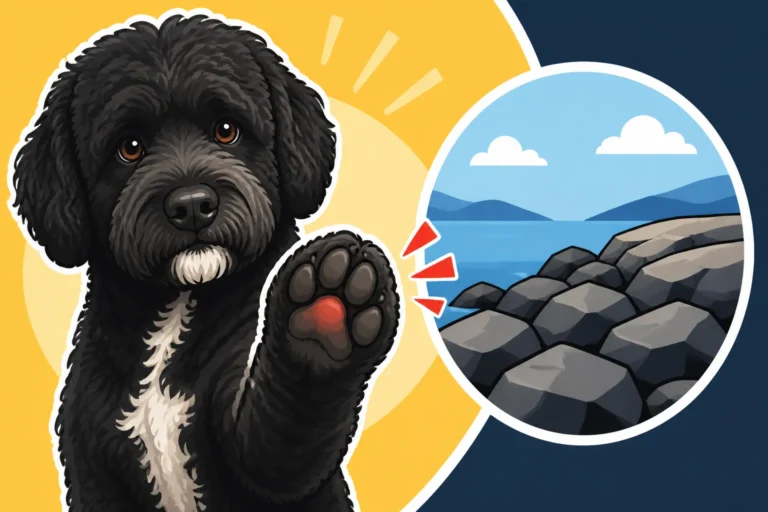
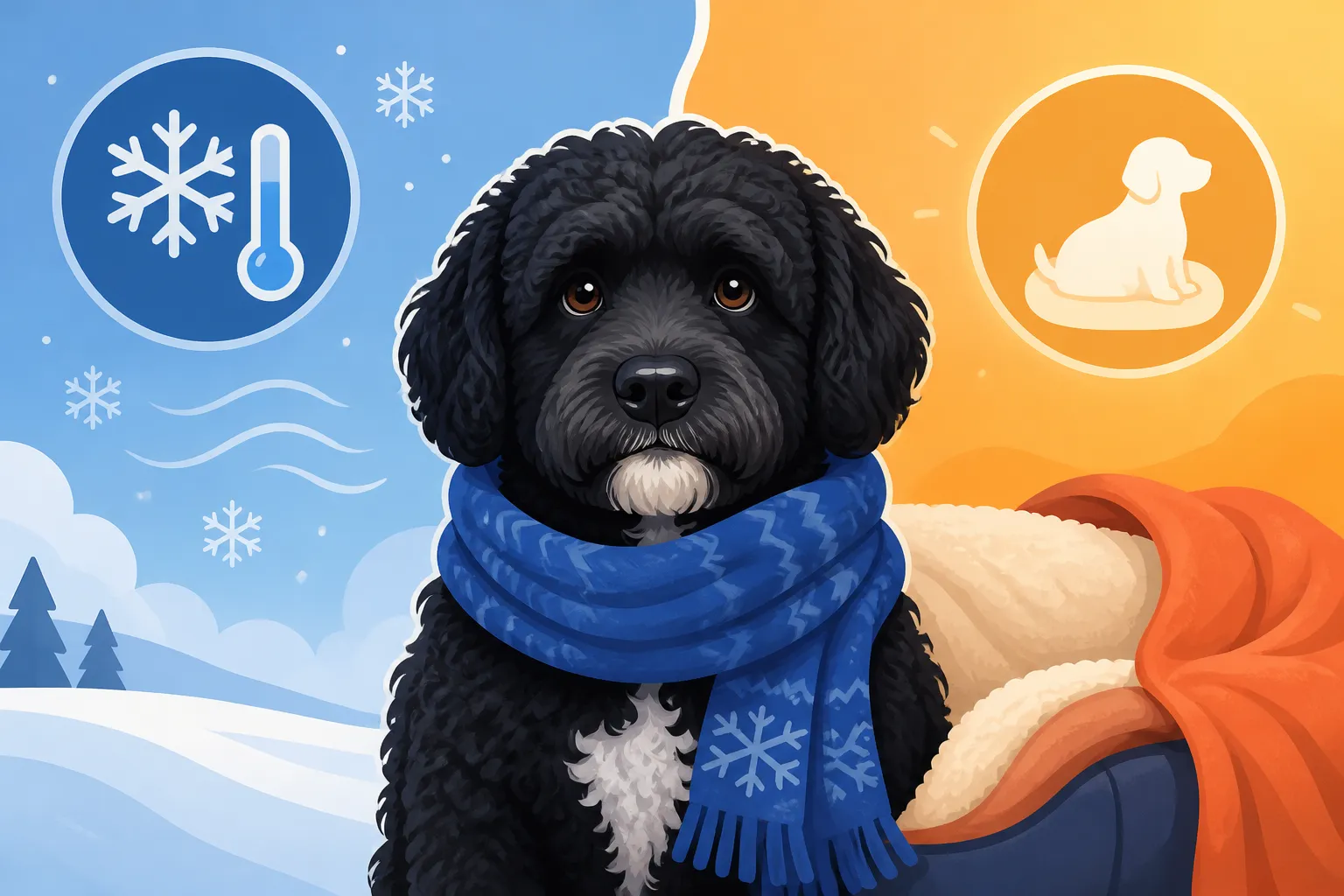
For outdoor excursions in cold weather, especially if your PWD has a short clip or is older, a dog coat or sweater can make a world of difference. Don't feel silly putting a coat on a "water dog" – practical warmth trumps image every time. Look for coats that cover their core and allow for full range of motion. If you’re engaging in winter sports or walking on icy, salted pavements, dog booties can also protect their paws from extreme cold and chemical irritants. You can find a range of options on Chewy or Amazon for winter coats (When a Portuguese Water Dog Needs a Coat in Winter).
The Importance of Prompt Drying After Water Exposure
This point cannot be stressed enough. While a PWD’s coat is designed for water, a wet coat on land in cold temperatures is a recipe for hypothermia. The evaporation of water from their coat dramatically increases heat loss. After any swim, whether in a lake, ocean, or even a backyard splash, your Portuguese Water Dog needs to be dried promptly and thoroughly. This doesn't mean just towel-drying until they stop dripping; it means getting their coat as dry as possible, down to the skin.
A high-velocity force dryer, as mentioned earlier, is an invaluable tool for PWD owners. It removes water quickly and efficiently, preventing chilling and reducing the risk of skin issues. If a force dryer isn't an option, rigorous towel drying followed by warmth indoors (perhaps near a gentle heater, but never too close or unattended) is essential. Neglecting to dry them properly after a swim can not only make them incredibly cold but also lead to painful matting in their dense coat. For tips on managing their coat, check out How Often a Portuguese Water Dog Needs Brushing.
Seasonal Considerations for Your Portuguese Water Dog on Land
Living with a Portuguese Water Dog means being aware of how the seasons impact their comfort, particularly their ability to handle cold temperatures on land. Each season presents unique challenges and opportunities for keeping your furry friend happy and healthy.
Winter Activities and Gear
Winter can be a magical time for Portuguese Water Dogs, especially those who love playing in the snow. Their active nature means they often enjoy winter walks and romps. However, it’s crucial to understand that even though they might seem thrilled to be out, the cold can still catch up to them, particularly on land. Think about whether you need to bundle up yourself for extended outdoor periods – if you do, your PWD likely needs some consideration too.
For vigorous play, their natural coat might be enough for a while, but for longer, less active outings, or for older dogs, a warm, waterproof coat is a smart investment. Pay attention to their paws too; snow and ice can accumulate between their pads, forming painful ice balls, and road salt or de-icers can be irritating or toxic. Dog boots can provide excellent protection. Remember, their enthusiasm doesn't always equal boundless cold tolerance. When they start to slow down or shiver, it’s time to head inside. You can find plenty of options for winter gear for your PWD on Amazon.
Fall and Spring Transition Period
The transitional months of fall and spring can be tricky because temperatures fluctuate wildly. A sunny afternoon might feel mild, but a sudden drop in temperature or a brisk wind can quickly make an outdoor adventure uncomfortable for your PWD. During these seasons, it's about being prepared for anything. Having a lightweight, water-resistant coat on hand for cooler, damp days can be very helpful.
These seasons also often involve more rain, and a wet Portuguese Water Dog on a chilly, breezy day is a prime candidate for getting cold. Always be ready with towels after any outdoor activity that involves puddles, wet grass, or unexpected showers. Remember, a damp coat can quickly lead to a cold dog. Ensuring your PWD’s coat is clean and free of mats also helps with its natural insulating properties, as mats can trap cold water and prevent proper air circulation.
Monitoring for Health Issues Related to Cold
Regardless of the season, consistently monitoring your Portuguese Water Dog for any health changes is vital. Extreme cold on land, especially for prolonged periods, can exacerbate existing conditions like arthritis in older dogs. You might notice increased stiffness or reluctance to move after being in the cold. It’s important to remember that A Portuguese Water Dog Hides Pain incredibly well, so you need to be observant.
Additionally, pay attention to their eating habits and energy levels, which can be indicators of overall health. A healthy dog with good nutritional intake from a quality food source, like Ollie’s fresh food options, will generally have a more robust immune system and better temperature regulation. If you notice any persistent lethargy, a decreased appetite, or any other concerning symptoms that seem linked to cold exposure, don't hesitate to contact your veterinarian. Early intervention is always best for their long-term well-being.
| Factor Affecting Cold Tolerance | Impact on Portuguese Water Dog | Management Strategy |
|---|---|---|
| Coat Length/Style | Shorter clips reduce insulation | Use dog coats; limit duration outdoors |
| Activity Level | High activity generates heat | Ensure active play; reduce idle time in cold |
| Wet Coat on Land | Rapid heat loss due to evaporation | Thorough drying after every water exposure |
| Age (Puppy/Senior) | Less efficient temperature regulation | Shorter outings; provide extra layers/warmth |
| Body Condition | Leaner dogs may get colder faster | Maintain healthy weight and muscle tone |
| Wind Chill | Penetrates coat, increases heat loss | Seek sheltered areas; use windproof coats |
Disclaimer
This article is for general informational purposes only and does not constitute professional advice. Laws, prices and regulations vary by location and change over time. Consult a qualified professional for guidance on your specific situation.