What Changes in an Aging Portuguese Water Dog’s Coat
As our beloved Portuguese Water Dogs journey through life, it’s completely normal to notice shifts in their energy, their gait, and even their joyful barks. But often, one of the most visible and sometimes perplexing changes happens right before our eyes: the transformation of their magnificent, water-resistant coat. If you’re starting to see your PWD’s once vibrant, youthful curls or waves looking a little different, this guide is here to walk you through the natural evolution of an aging Portuguese Water Dog's coat and how to best care for it.
The Inevitable Graying of the Portuguese Water Dog Coat
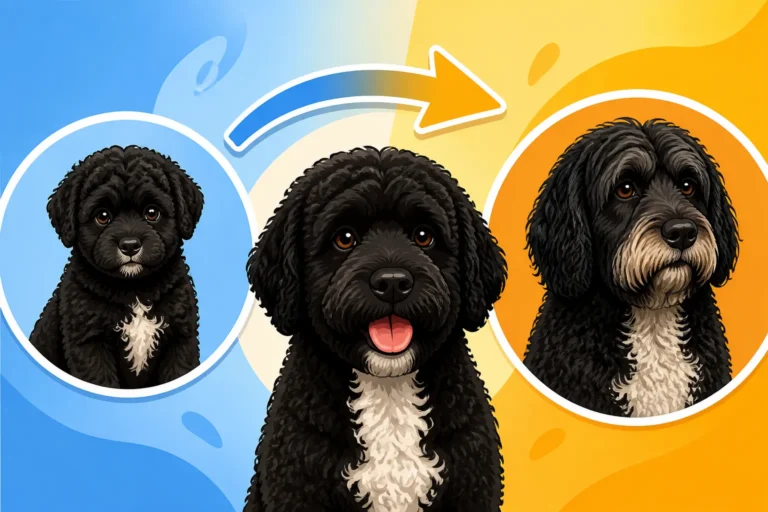
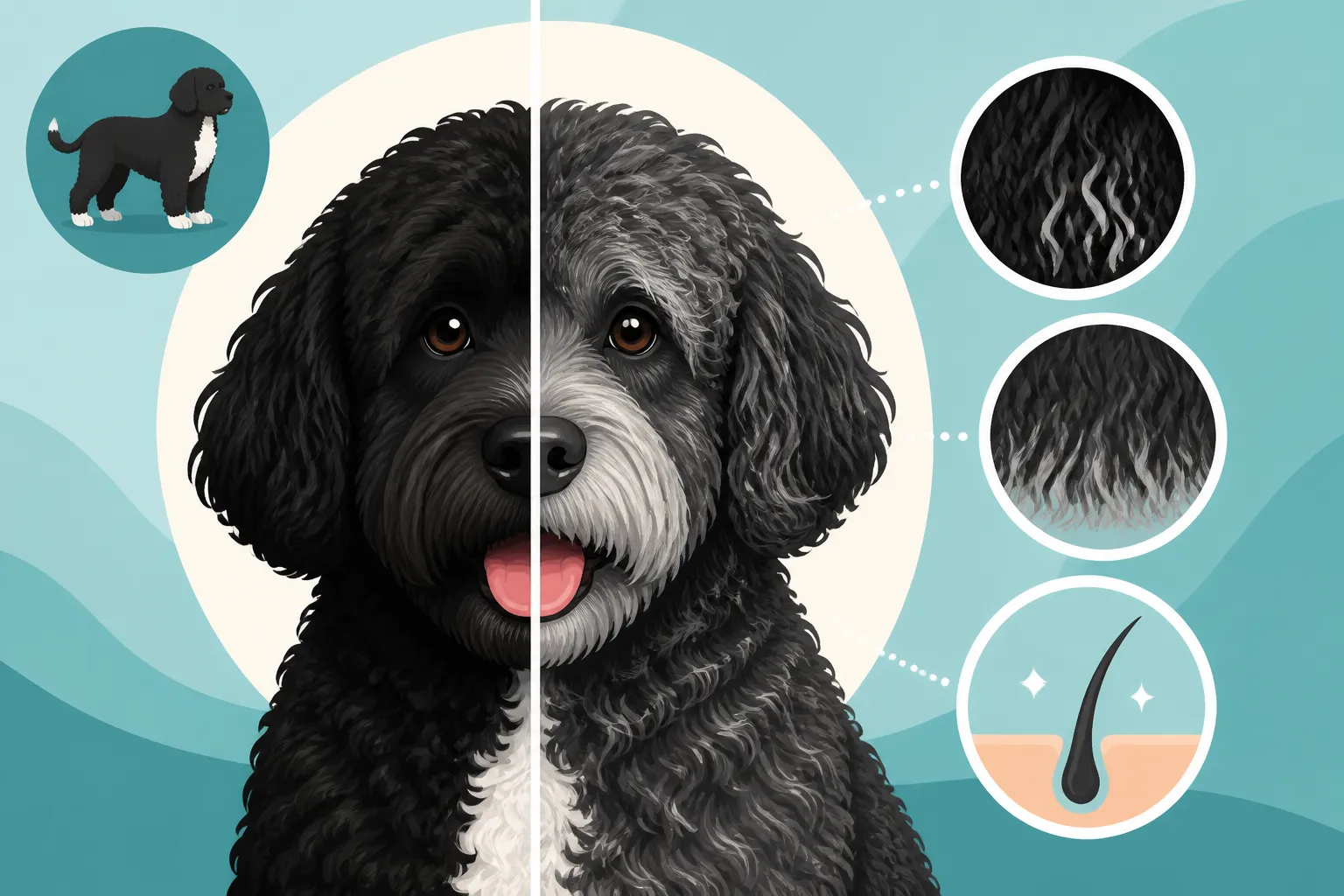
Just like us, our Portuguese Water Dogs experience the march of time, and one of the most charming, yet sometimes surprising, indicators is the arrival of gray hairs. It's a hallmark of wisdom and maturity, a little sprinkling of stardust that tells tales of years filled with swims, adventures, and endless love. For many PWD owners, this is often the first, undeniable sign that their energetic companion is gracefully entering their senior years.
When Graying Typically Starts
It’s a common misconception that gray hair only appears in very old dogs. While it certainly becomes more pronounced with advanced age, you might actually start noticing those first subtle silver strands much earlier than you’d expect. For many Portuguese Water Dogs, the earliest signs of graying can pop up around the age of seven or eight, though some might start a bit earlier, and others hold onto their youthful color a touch longer. This timeline isn't a hard and fast rule; it varies immensely from dog to dog, often depending on genetics and individual aging processes, much like how some humans go gray in their twenties and others keep their color well into their fifties.
It’s important to remember that this natural process of depigmentation in the hair follicles isn’t usually a cause for concern regarding health. It's simply a normal, physiological change that accompanies aging. While you might worry that it signifies an underlying illness, more often than not, it's just Mother Nature's way of marking the passage of time. So, if you spot a few silver wisps on your seven-year-old PWD, don't fret; it's likely just a sign of them heading into their golden years. This is all part of The Twelve to Fifteen Years a Portuguese Water Dog Gets, and a beautiful part of their journey.
Where Gray Hairs First Appear
The journey of graying in a Portuguese Water Dog often follows a predictable pattern, much like a subtle, artistic painting slowly coming to life. The first areas to typically show this beautiful transformation are usually around the muzzle and the eyes. Think of it as a distinguished mask that gradually softens your dog’s expression, giving them an air of seasoned wisdom. It might start with just a few stray white hairs on their chin, or a slight salt-and-pepper look around their nose, slowly expanding to encompass their entire muzzle.
Following the face, you’ll often notice the gray spreading around their brows and cheeks, sometimes making their eyes seem even more expressive and soulful. From there, the subtle silvering will generally begin to make its way to the top of their head and then slowly down their body. Dogs with darker coats, such as a black or brown Portuguese Water Dog, tend to show this graying more dramatically, as the contrast is much more striking against their rich, deep color. For those with lighter coats, the change might be more gradual and less immediately obvious. This change, while purely cosmetic, is a gentle reminder of the wonderful life your dog has lived and the memories you've made together. It truly adds to their unique character and charm.
What an Aging Portuguese Water Dog's Coat Looks Like: Texture and Density
Beyond the delightful dusting of gray, an aging Portuguese Water Dog's coat will likely undergo noticeable changes in its overall texture and density. What was once a dense, springy, water-repellent protective layer might begin to feel different to the touch, and even look a bit less voluminous. These changes are a natural part of the aging process, stemming from various physiological shifts within your dog's body. Understanding these transformations can help you better anticipate their grooming and care needs as they mature.
Softening and Thinning of the Coat
One of the most common observations in a senior Portuguese Water Dog’s coat is a change in its texture – it often becomes noticeably softer. That characteristic, somewhat coarse, resilient feel of a younger PWD's coat, designed to protect them from cold water and harsh elements, can gradually give way to a silkier, finer texture. While a soft coat might sound appealing, this shift can actually mean the coat is also becoming less robust and more delicate. It may feel less springy, losing some of its elasticity and bounce, which means it might not hold its shape or curl as well as it once did.
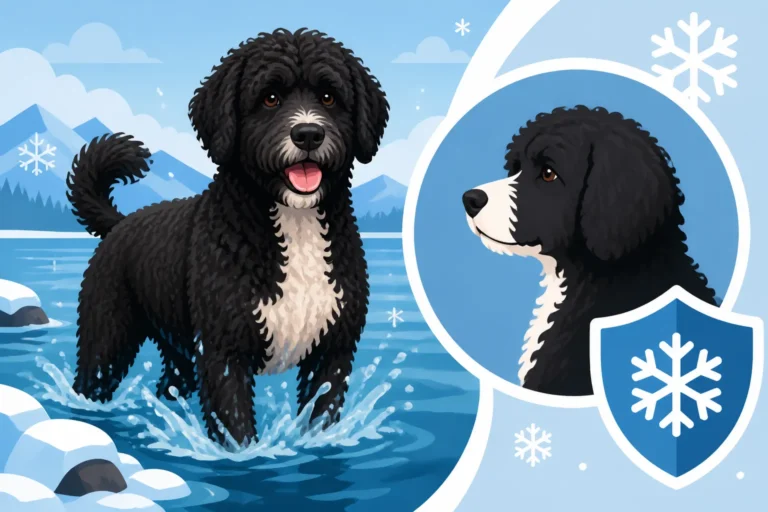
Along with this softening, many older PWDs experience a degree of coat thinning. This isn’t usually dramatic balding, but rather a reduction in the overall density and volume of the hair. You might notice that their coat doesn't look quite as full, or that you can see their skin more easily when you part the hair. This thinning can be a result of hair follicles becoming less active over time, producing fewer hairs or thinner, weaker strands. The implications of this are important: a thinner coat offers less insulation against cold temperatures and less protection against the sun. It also changes how the coat behaves, often making it more prone to certain grooming challenges we'll discuss later. These changes underscore the importance of Caring for an Aging Portuguese Water Dog with extra attention to their unique needs.
Increased Dryness and Brittleness
Another significant change you might observe in your senior PWD’s coat is an increase in dryness and brittleness. As dogs age, their skin often produces less natural oil (sebum), which is crucial for keeping both the skin and hair moisturized and supple. This reduction in oil production can lead to a coat that feels rougher, lacks its former luster, and appears dull. You might notice that the individual hair strands feel more brittle, almost straw-like, making them more susceptible to breakage.
A dry, brittle coat is not just a cosmetic concern; it can also be less healthy and more prone to issues. When hair is dry, it loses its natural elasticity, meaning it doesn't bend and flex as easily. This can make it more prone to tangling and breaking, especially during brushing or when your dog is active. Furthermore, dry skin under a brittle coat can become itchy and flaky, potentially leading to discomfort for your dog. It's a good time to reassess your grooming products and consider those that offer extra hydration and nourishment. Think about looking for specialized shampoos and conditioners from trusted retailers like Chewy or Amazon that are formulated for sensitive or aging skin and coats.
Dealing with Increased Matting and Dryness in Senior PWD Coats
As your Portuguese Water Dog gracefully ages, the changes in their coat – the softening, thinning, and increased dryness – unfortunately often conspire to create a new challenge for owners: increased matting. That once manageable, buoyant coat can suddenly seem to tangle and knot with surprising speed and tenacity. This isn't just an aesthetic problem; mats can be painful, pull on the skin, and even hide underlying skin issues. Understanding why this happens and what you can do about it is key to keeping your senior PWD comfortable and their coat healthy.
Why Older PWDs Mat More Easily
The reasons behind increased matting in an older Portuguese Water Dog are multi-faceted, stemming directly from the changes in their coat texture and density. Firstly, that lovely soft, fine hair, while pleasant to touch, lacks the inherent resilience and "slip" of a younger, coarser coat. This means individual hairs are more likely to intertwine and snag on each other, forming tangles that quickly escalate into dense mats. The thinning of the coat also contributes, as there's less structural integrity to prevent hairs from clumping together.
Secondly, senior dogs often become less active. While they still enjoy a good walk or a swim, their overall movement might decrease. A young, active PWD's constant motion, rolling, and even running can help naturally loosen shedding hairs and prevent some matting. A less active senior dog, however, might have these shedding hairs stay trapped in the coat for longer, providing a perfect foundation for mats to form. Furthermore, grooming habits might inadvertently contribute. Perhaps owners are less diligent with daily brushing, or their dog might become less tolerant of long grooming sessions due to arthritis or general discomfort. This combination of a changed coat structure and altered lifestyle means vigilance in grooming is more crucial than ever. It's important to be aware of How a Portuguese Water Dog's Coat Hides Weight Loss, and also how it can hide mats and skin issues if not properly maintained.
Strategies for Managing Dryness and Brittleness
Combating dryness and brittleness in an aging PWD's coat requires a holistic approach, addressing both external conditioning and internal nourishment. On the external front, reconsider your bathing routine and products. Opt for shampoos specifically designed for dry or sensitive skin, often enriched with moisturizing ingredients like oatmeal, aloe vera, or natural oils. Follow up with a high-quality conditioner to lock in moisture, leaving it on for a few minutes longer than usual to allow for deeper penetration. When purchasing these, consider reputable sources like Chewy or Amazon for a wide selection.
Internally, diet plays a huge role. Ensure your senior PWD is on a high-quality senior dog food, which often contains a balanced profile of nutrients tailored for older dogs. Crucially, consider incorporating supplements, especially Omega-3 and Omega-6 fatty acids. Fish oil is an excellent source of Omega-3s and can do wonders for skin and coat health, helping to restore some of that lost luster and suppleness. When a Portuguese Water Dog Needs Fish Oil isn't just about a shiny coat; it's about reducing inflammation and supporting overall skin health. Brands like Ollie, which focus on fresh, high-quality ingredients, might be a good option to explore for a diet that supports skin and coat from within, or at least provides the foundation for healthy skin and hair. Ensuring your dog drinks plenty of fresh water is also paramount, as good hydration starts from the inside out and impacts skin elasticity and coat health.
Grooming Adjustments for an Aging Portuguese Water Dog
Grooming your Portuguese Water Dog has always been a significant commitment, but as they age, this routine often needs a thoughtful re-evaluation and adjustment. What worked perfectly for your energetic young adult might now be uncomfortable or even painful for your senior companion. The goal shifts slightly, moving from just maintaining their breed-specific look to prioritizing their comfort, health, and dignity in their golden years. These adjustments can make a world of difference in their overall well-being.
Gentle Brushing and Clipping Techniques
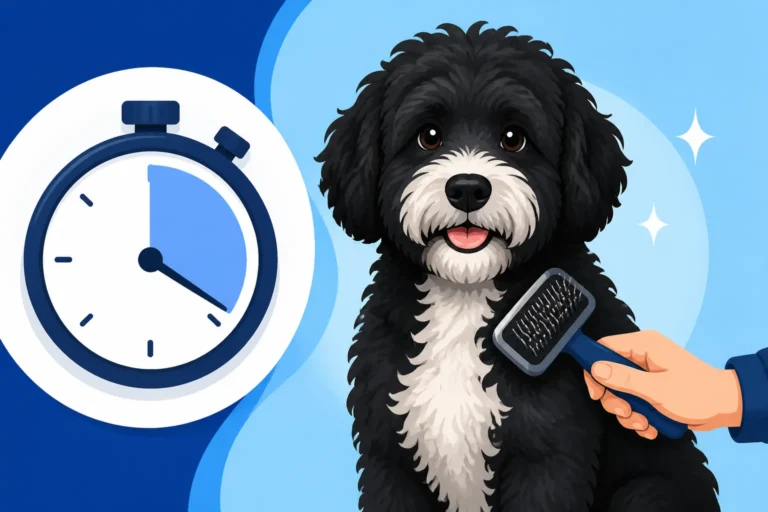
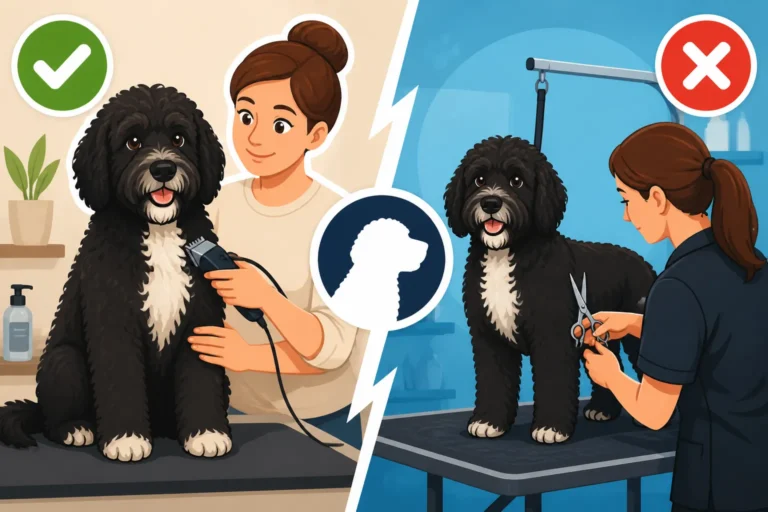
The softening and increased matting tendency of an older PWD's coat means that brushing becomes even more critical, but also requires a gentler touch. Those brisk, thorough brushing sessions of their youth might now be too harsh for sensitive skin or arthritic joints. Instead, opt for shorter, more frequent grooming sessions, perhaps 10-15 minutes daily, focusing on areas prone to matting like behind the ears, under the legs, and around the tail. Use a softer slicker brush or a wide-toothed comb, always working slowly and gently, section by section. If you encounter a mat, resist the urge to pull; instead, use a mat splitter or carefully work it out with your fingers, applying a conditioning spray to ease the process.
For clipping, consider a more practical approach that prioritizes comfort and ease of maintenance over strict aesthetic standards. Whether an Aging Portuguese Water Dog Should Be Clipped Shorter is a question many owners face. Often, a shorter, all-over retriever clip or even a very short utility clip can be a blessing for both the dog and the owner. This reduces the surface area for mats to form, makes bathing and drying quicker, and can significantly improve your dog's comfort, especially in warmer weather or if they still love to swim. If using clippers, ensure the blades are sharp and cool to prevent "clipper burn" on delicate senior skin. Take frequent breaks and make the experience as positive as possible with treats and praise, associating grooming with comfort and affection.
Regular Skin Checks and Bathing Considerations
Beyond just managing the coat, grooming sessions with an aging Portuguese Water Dog become invaluable opportunities for thorough skin checks. As dogs get older, they are more prone to developing skin tags, benign fatty tumors (lipomas), and unfortunately, sometimes more serious lumps or bumps. Their thinning coat can also make them more susceptible to skin irritations, infections, or even sunburn in areas with less hair. During every brushing session, run your hands over their entire body, paying close attention to any new growths, scabs, redness, or tenderness. Learning How to Check a Portuguese Water Dog for Lumps is a vital skill for any owner, especially with a senior dog. Early detection can make a significant difference in treatment outcomes for many conditions.
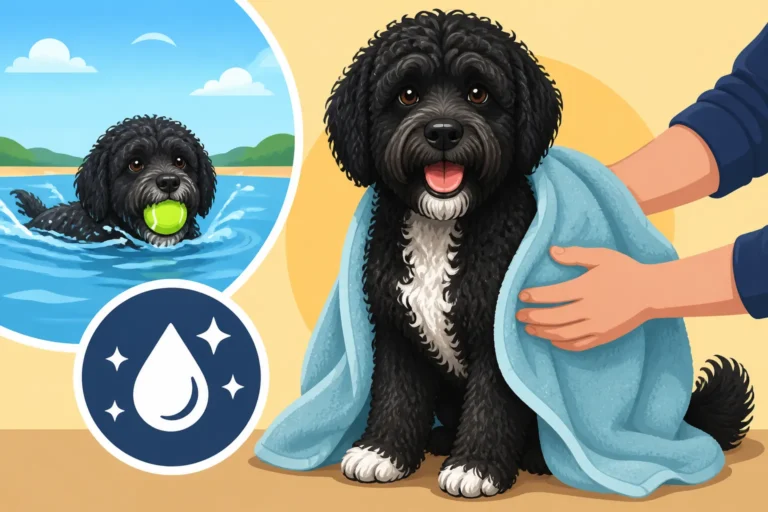
When it comes to bathing, your senior PWD might not tolerate standing for long periods or the cold spray of a hose. Use lukewarm water, and if possible, a non-slip mat in the tub or shower to prevent falls. Choose a gentle, moisturizing shampoo designed for sensitive skin, and ensure thorough rinsing to prevent any residue that could cause irritation. While force drying is often recommended for PWDs to prevent mats, your older dog might find the noise and sensation distressing. If so, towel dry as much as possible, use a low-heat setting on a quiet dryer, and ensure they are completely dry to prevent skin issues. Post-swim rinses become even more important, especially if your PWD still enjoys dipping into salty oceans or chlorinated pools, to prevent drying and irritation.
Nutritional and Health Factors Affecting an Older PWD's Coat
While external grooming is essential, the health and appearance of an aging Portuguese Water Dog's coat are profoundly influenced by what's happening internally. A dull, dry, or thinning coat can often be a canary in the coal mine, signaling nutritional deficiencies or even underlying health conditions that require attention. Just as a plant needs good soil and proper nutrients to thrive, your senior PWD's coat reflects their overall vitality and well-being.
The Role of Diet and Supplements
As your Portuguese Water Dog ages, their nutritional needs shift, and a diet appropriate for a youthful, highly active dog might no longer be ideal. Senior-specific dog foods are often formulated with lower calorie counts to prevent weight gain (as activity levels typically decrease), but also with increased levels of certain nutrients to support joint health, cognitive function, and indeed, skin and coat quality. These diets usually contain a thoughtful balance of proteins, fats, and carbohydrates, often enriched with antioxidants and prebiotics. High-quality protein sources are crucial for maintaining muscle mass and for healthy hair growth, as hair is primarily protein.
Beyond the base diet, specific supplements can make a significant difference in maintaining a healthy coat. We've already touched on Omega fatty acids, particularly Omega-3s from sources like fish oil, which are powerful anti-inflammatories and essential for skin cell health and sebum production. You can find excellent quality fish oil supplements on platforms like Chewy or Amazon. Other beneficial supplements might include Vitamin E, biotin, and zinc, all of which play roles in skin integrity and hair follicle function. Discussing these options with your veterinarian is always a wise first step to ensure you're providing the right balance for your individual dog's needs. For those seeking truly personalized nutrition, companies like Ollie provide fresh food options that can be tailored to an aging dog's specific requirements, potentially offering a boost to coat health from the inside out.
Underlying Health Conditions and Coat Changes
Sometimes, changes in an aging Portuguese Water Dog's coat are more than just cosmetic signs of aging; they can be indicators of underlying health issues. A dull, dry, brittle, or excessively thinning coat, or even changes in skin pigmentation, should always prompt a visit to your veterinarian. One common culprit for significant coat changes in older dogs is hypothyroidism. When a dog’s thyroid gland doesn’t produce enough hormones, it can manifest in a variety of ways, including a dry, brittle, thinning coat, often accompanied by flaky skin and sometimes even hair loss, particularly on the flanks. Signs a Portuguese Water Dog's Thyroid Is Low are important to recognize, and a simple blood test can often confirm this diagnosis.
Other conditions, such as Cushing's disease, kidney disease, liver disease, or even chronic stress, can impact coat quality. Certain medications, especially those taken long-term, might also have side effects that show up in the coat. Furthermore, as dogs age, their immune systems can become less efficient, making them more susceptible to skin infections, allergies, or parasitic infestations that can affect hair growth and texture. Regular veterinary check-ups are paramount for senior dogs. How Often a Portuguese Water Dog Needs a Wellness Exam should be at least annually, but often twice a year is recommended for older pets, allowing your vet to catch potential issues early and address any coat changes that might point to a deeper problem.
Hydration and Environmental Factors
It's easy to overlook the simple, yet profound, impact of hydration on an aging Portuguese Water Dog's coat and skin. Just like humans, dogs need consistent access to fresh, clean water to maintain overall bodily functions, including skin elasticity and the healthy production of oils that keep the coat supple. A dehydrated dog, even mildly so, can quickly show it in a dry, lackluster coat and less resilient skin. Always ensure multiple water bowls are available, cleaned daily, and filled with fresh water. If your senior PWD isn't drinking as much, try adding a little water or broth to their food, or offer a pet drinking fountain to encourage intake.
Beyond internal hydration, the external environment plays a role too. Excessive exposure to dry air, whether from arid climates or indoor heating and air conditioning, can strip moisture from the skin and coat. Consider using a humidifier in your home, especially during dry winter months, to add some much-needed moisture back into the air. Sun exposure is another factor; while a PWD's coat is generally protective, thinning areas or a very short clip can leave the skin vulnerable. Just like us, dogs can get sunburned, especially on their nose, ear tips, and any areas where the coat is sparse. If your senior PWD spends time outdoors in strong sun, or if you've opted for a very short clip, be mindful of direct sun exposure, particularly during peak UV hours. Whether a Clipped Portuguese Water Dog Sunburns is a valid concern, and precautions such as limiting sun time or using pet-safe sunscreen on vulnerable areas should be considered.
Regular checks for lumps and bumps are also critical, particularly for older dogs. While grooming, you have an excellent opportunity to feel your dog's skin. Learn How to Check a Portuguese Water Dog for Lumps properly, feeling for any new growths or changes in existing ones. Early detection can make all the difference.
Summary of Senior PWD Coat Changes and Care
| Aspect | Young Portuguese Water Dog Coat | Aging Portuguese Water Dog Coat | Care Adjustments |
|---|---|---|---|
| Color | Vibrant, deep solid colors (black, brown, white, parti). | Develops graying, especially on muzzle, around eyes, and spreading. | N/A (aesthetic change, embraces wisdom). |
| Texture | Coarse, resilient, springy, water-resistant. | Softer, finer, less robust; can feel brittle or straw-like. | Use moisturizing shampoos/conditioners; consider skin/coat supplements. |
| Density/Volume | Dense, full, provides excellent insulation. | Thinner, less voluminous; can expose skin more easily. | Protect from extreme temperatures; check for sunburn on sparse areas. |
| Matting Tendency | Mats can occur, but often more manageable with regular grooming. | Increased matting, tangles more easily due to finer hair. | More frequent, shorter, gentler brushing sessions; consider shorter clips. |
| Dryness | Skin produces ample natural oils; coat is supple. | Reduced oil production; coat and skin can become dry, flaky, itchy. | Add Omega fatty acids to diet; use hydrating grooming products; ensure good hydration. |
| Grooming Tolerance | Generally tolerant of longer, more vigorous sessions. | May become less tolerant due to joint pain, sensitivity; needs patience. | Prioritize comfort; shorter, positive grooming sessions; use soft brushes. |
| Health Indicators | Less likely to show systemic issues through coat changes. | Coat changes can signal underlying health issues (e.g., thyroid). | Regular vet check-ups; monitor for other signs of illness. |
Embracing these changes in your Portuguese Water Dog's coat is part of cherishing their journey through life. With a bit of extra care, patience, and attention to their evolving needs, you can ensure their beautiful coat remains as healthy and comfortable as possible, allowing them to continue enjoying every swim and adventure, even in their golden years.
Disclaimer
This article is for general informational purposes only and does not constitute professional advice. Laws, prices and regulations vary by location and change over time. Consult a qualified professional for guidance on your specific situation.