How Often a Portuguese Water Dog Gets Cut Pads on Rocks
It's a familiar ache in the heart for any Portuguese Water Dog owner: that moment you see your active, water-loving companion flinch, or start to limp, after an enthusiastic run over rough terrain. Our PWDs are built for adventure, with their webbed feet and boundless energy, but those very paws, while robust, aren't invincible. Navigating rocky riverbeds, jagged coastal paths, or even just the sharp debris on a city sidewalk can lead to painful cuts and abrasions. This guide will walk you through understanding why your PWD's paws are susceptible, what environments pose the biggest risks, and most importantly, how often you might encounter these issues and the proactive steps you can take to keep those amazing paws healthy and happy.
Understanding Your Portuguese Water Dog's Paws
Our Portuguese Water Dogs are truly marvels of canine engineering, designed over centuries to work alongside fishermen on the rugged coasts of Portugal. Their paws are a testament to this heritage, uniquely adapted for both land and water. However, these very adaptations, combined with their active lifestyles, can sometimes make them vulnerable to injuries from sharp or rough surfaces.
The Anatomy of a PWD Paw Pad
A Portuguese Water Dog's paw pads are thicker and more resilient than many breeds, composed of fatty tissue covered by tough, keratinized skin. This natural cushioning helps absorb impact and provides traction on slippery surfaces, whether it's the deck of a boat or a rocky trail. And let's not forget those magnificent webbed feet! The webbing between their toes is a defining trait, perfect for propulsion in water, but it also creates more surface area that can be exposed to sharp objects when on land. The hair that grows between their pads, while providing some insulation and protection, can also trap debris like small pebbles, thorns, or shards of glass, which can then rub and cause irritation or cuts. A healthy paw pad is supple yet firm, free from cracks and foreign objects, but maintaining this ideal state takes ongoing vigilance.
Why Their Active Lifestyle Increases Risk
Portuguese Water Dogs are not content to be couch potatoes. They thrive on activity, whether it's a long hike, a game of fetch at the dog park, or, ideally, a vigorous swim. This constant engagement with the world means their paws are constantly exposed to varied and sometimes challenging environments. A dog that only walks on manicured lawns will likely have softer pads than one regularly traversing gravel paths or rocky beaches. The harder the surface, the tougher the pads can become, but there's a limit to how much natural toughening can withstand genuinely sharp or abrasive materials.
Think about a day out with your PWD: perhaps you start with a brisk walk on concrete sidewalks, move to a grassy park, then hit a nature trail that might have loose rocks or gravel. If you're lucky enough to live near water, a swim in a lake or ocean could involve wading over shells or stones. All this varied activity is fantastic for their physical and mental health, but it also means their paws are constantly being tested. The enthusiasm of a PWD in full play means they often don't notice a sharp edge until the damage is done. Their innate drive to retrieve, explore, and run means they'll often power through terrains that a more cautious dog might navigate slowly.
Common Scenarios Leading to Cut Pads
It's not just a matter of "if" but "when" you might deal with a cut paw pad with a PWD, especially given their adventurous spirit. Certain environments are simply more prone to causing these types of injuries. Understanding these hot zones can help you be more prepared and proactive in protecting your furry friend.
Rocky Shores and Riverbeds
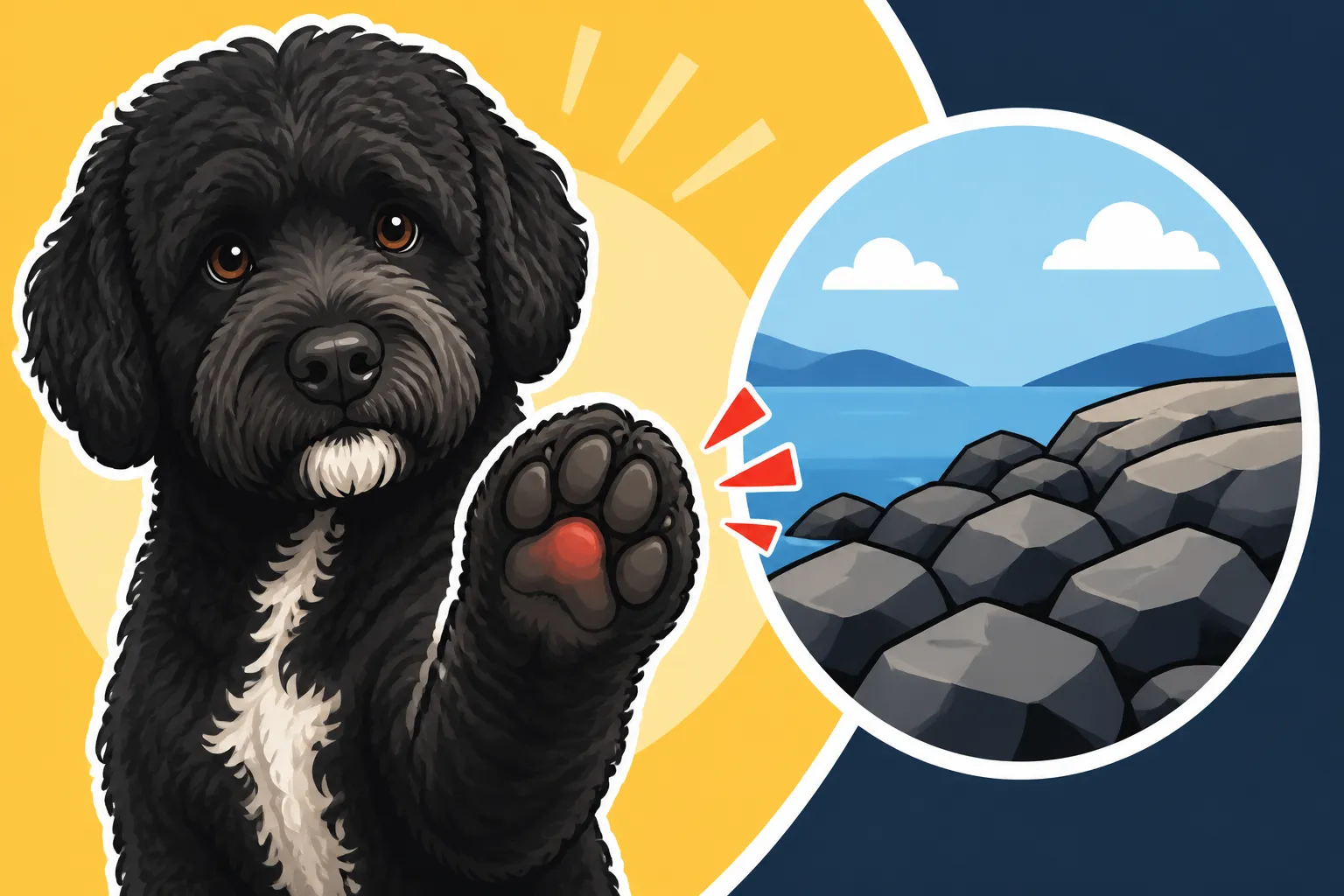
This is perhaps the most classic scenario for a Portuguese Water Dog to sustain paw injuries. Their love for water often draws them to coastlines, lakeshores, and riverbanks, which are, by nature, often littered with natural hazards. Think about those beautiful, rugged New England beaches, or the stony banks of a fast-flowing mountain river. Smooth, rounded river stones are generally fine, but sharp slate, broken shells, barnacle-encrusted rocks, or even exposed tree roots can slice through even the toughest paw pads. The problem is compounded by the fact that your PWD is likely thrilled to be in or near the water, making them less attentive to where they are placing their feet. They're often focused on a stick, a ball, or simply the joy of the swim, rather than the sharp oyster shells underfoot.
You might find your PWD excitedly plunging into the water, only to yelp a moment later. Or perhaps after a long session of retrieving a floating toy, they come out favoring a paw. The water can also soften the pads slightly, making them marginally more susceptible to cuts upon re-entry to land. This is why vigilance is so crucial in these environments. It's not uncommon for a frequently swimming PWD navigating these types of natural environments to have a minor pad cut a couple of times a year, or even more if they are particularly active in very rocky areas.
Urban Environments and Hidden Hazards
While the great outdoors seems like the obvious culprit, city streets and suburban parks hold their own insidious dangers. Concrete and asphalt can be incredibly abrasive, especially when hot, but they are generally not sharp. The real threat in urban areas comes from hidden debris. Broken glass from bottles, discarded metal, sharp plastic fragments, or even construction staples and nails can be almost invisible on a busy sidewalk or in patchy grass. A PWD with its nose to the ground, sniffing out interesting scents, might step right onto one of these hazards without warning.
Consider the aftermath of a weekend event in a park: forgotten picnic items, broken toys, or even fireworks debris can lie hidden, ready to injure. During walks in town, construction sites, poorly maintained alleys, or even just busy street corners can be dangerous. A fast-moving PWD, perhaps distracted by a squirrel, is less likely to pick its way carefully. These types of injuries can sometimes be deeper and more serious due to the nature of the sharp objects, potentially leading to more frequent veterinary visits compared to superficial scrapes from natural rocks. Checking their paws thoroughly after any walk through an urban landscape is a smart habit to cultivate.
The Hidden Dangers of Winter Ice and Salt
Many PWDs love the snow and cold, but winter brings its own set of paw-pad challenges. Icy sidewalks and roads are often treated with rock salt or de-icing chemicals, which are incredibly irritating and corrosive to paw pads. Even if these don't cause an immediate cut, they can dry out, crack, and inflame the pads, making them much more susceptible to tearing or cutting from subsequent exposure to ice shards or rough, frozen ground. Imagine stepping on a jagged piece of ice after your pads have been chemically burned – it's a recipe for disaster.
Furthermore, ice itself can be a direct cutting hazard. Sharp edges of ice sheets, frozen puddles, or even hard-packed snow can cause lacerations. A playful PWD romping through deep snow might inadvertently step on a hidden sharp object or cut itself on a chunk of ice. The cold can also reduce circulation to the paws, making them more vulnerable to injury and slower to heal. If your PWD is active outdoors in winter, paw protection becomes absolutely non-negotiable to prevent frequent irritation and cuts.
Prevention is Key: Protecting Those Precious Paws
When you have a dog as active and water-loving as a Portuguese Water Dog, you quickly learn that prevention is always better than a cure, especially when it comes to their paws. Their desire to explore and play means it's up to us to put safeguards in place. It's about finding a balance between allowing them their joyful adventures and ensuring their safety.
Booties and Paw Protection
This might sound a bit like dressing up your dog for a fashion show, but high-quality dog booties are genuinely a game-changer for paw protection, especially if your PWD spends a lot of time on rough terrain. For instance, if you're taking your dog hiking on a trail known for sharp rocks or broken shale, or if you're walking them in a city after a fresh snowfall where salt is prevalent, booties can provide an impenetrable barrier. Look for booties that are durable, waterproof, and have a good, grippy sole. Brands like Ruffwear or Pawz (disposable, waterproof rubber boots) are popular choices and can be easily found on platforms like Chewy or Amazon. It might take some getting used to for your dog – some PWDs will do the hilarious "high-step" dance initially – but with patience and positive reinforcement, most will adapt, especially if they associate the booties with exciting outings.
Beyond full booties, paw balms and waxes offer another layer of protection. Products like Musher's Secret or various natural paw waxes create a protective barrier that helps moisturize pads and shield them from abrasive surfaces, hot pavement, or irritating chemicals like sidewalk salt. While they won't stop a sharp piece of glass, they can prevent dryness, cracking, and chafing, which makes pads stronger and less prone to minor tears. Apply these regularly, especially before and after walks in challenging conditions, or just as part of your routine paw care.
Regular Paw Maintenance
Beyond external protection, keeping your PWD's paws in top condition internally is vital. This involves a consistent routine of checking, trimming, and cleaning.
- Hair Trimming: The hair between your PWD's paw pads can grow quite long, especially with their unique coat. This hair can collect debris, mat, and reduce traction, making it easier for the paw to slip and potentially twist or cut. Regularly trimming this hair flush with the pads is crucial. You can use blunt-nosed scissors or a small clipper designed for delicate areas. This simple step can significantly reduce the risk of foreign objects embedding themselves and causing irritation or cuts. If you're unsure how to do this safely, ask your groomer to show you, or even do it for you during regular appointments. Check out Whether a Portuguese Water Dog's Foot Hair Needs Trimming for more detailed advice.
- Nail Trimming: Overgrown nails can force the paw to splay, putting unnatural pressure on the pads and making them more susceptible to injury. Long nails can also snag on things, potentially tearing the nail bed or even causing a dog to fall awkwardly and injure a pad. Regular nail trims are essential for proper paw posture and overall comfort. Aim to trim them every 2-4 weeks, or as needed, so they don't click on hard floors. If your PWD is hesitant about nail trims, positive reinforcement and gradual desensitization can help. Find out more about this in How Often a Portuguese Water Dog's Nails Need Trimming.
- Inspecting and Cleaning: Make it a habit to inspect your PWD's paws after every significant outdoor excursion, especially after swims or walks on rough terrain. Look for cuts, scrapes, redness, swelling, or embedded foreign objects. Gently spread the toes and check between the pads. If you find any debris, carefully remove it with tweezers. A quick rinse with clean water after swimming or walking in salty/chemical environments is also a good idea to prevent irritation. This routine check is your first line of defense against minor issues escalating into major problems.
Smart Activity Choices
While we want our PWDs to enjoy their lives to the fullest, sometimes making smart choices about where and when they exercise can dramatically reduce the risk of paw injuries.
- Avoid Known Hazards: If you know a particular trail has newly fallen sharp debris, or a section of the beach is covered in broken glass, choose an alternative route or avoid that area entirely. It's not about being overprotective, but about being pragmatic. This is especially true for young puppies whose pads are still developing, or for Caring for an Aging Portuguese Water Dog whose pads might be more sensitive.
- Vary Surfaces: While some toughening of the pads is good, constantly exercising on extremely abrasive surfaces like hot asphalt or sharp gravel can take a toll. Try to vary your PWD's exercise routine to include softer surfaces like grass or dirt paths, alongside their water activities. This allows their pads to recover and stay supple.
- Consider the Weather: Hot pavement can burn paw pads, leading to blisters and increased susceptibility to cuts. Always test the pavement with your hand – if it's too hot for your palm, it's too hot for their paws. In winter, as mentioned, ice and salt are huge concerns. Adjust your walk times or use paw protection to mitigate these risks.
- Hydration and Nutrition: Believe it or not, a well-hydrated dog with a balanced diet can have healthier skin and paw pads. Essential fatty acids, for instance, play a role in skin integrity. While a specific brand like Ollie specializes in fresh food, generally ensuring your dog gets high-quality nutrition supports overall health, including the resilience of their paw pads. If your PWD is very active, discuss their dietary needs with your vet to ensure they're getting all the nutrients to support their adventurous lifestyle.
By combining these preventative measures, you significantly reduce the frequency of your Portuguese Water Dog getting cut pads on rocks or other hazards, allowing them to enjoy their energetic lives more fully.
What to Do If a Cut Occurs
Despite all your best efforts at prevention, the reality is that an active Portuguese Water Dog is eventually going to get a cut paw pad. It's almost an inevitable part of their adventurous spirit. When it happens, staying calm and knowing the right steps to take can make a big difference in how quickly and effectively the injury heals.
Immediate First Aid Steps
Finding a cut on your PWD's paw can be alarming, especially if it's bleeding. The first step is always to remain calm. Panicking will only distress your dog further.
- Assess the Injury: Gently, but firmly, hold your dog's paw and get a good look at the cut. Clean your hands first. Is it a small scrape, a deeper laceration, or something with a foreign object embedded? Note the size, depth, and whether there's continuous bleeding.
- Clean the Wound: If there's any dirt, mud, or debris, gently rinse the paw with clean, lukewarm water. A saline solution (available at most pharmacies or pet supply stores like Chewy) can also be used. Avoid harsh soaps or alcohol, as these can sting and cause further irritation. For small scrapes, a mild antiseptic wash (like diluted povidone-iodine or chlorhexidine, if you have it) can be helpful.
- Control Bleeding: For minor cuts, direct pressure with a clean cloth or gauze pad for 5-10 minutes can often stop the bleeding. If the cut is bleeding heavily, you might need to apply a pressure bandage while you seek veterinary attention. A clean cloth wrapped firmly (but not too tightly to cut off circulation) around the paw, secured with medical tape, can help. Keep in mind that paws tend to bleed a lot because of their rich blood supply, so even a small cut can look worse than it is.
- Protect the Wound: Once the bleeding has stopped and the wound is clean, you can apply a thin layer of antibiotic ointment (like Neosporin, but ensure it's safe for dogs and doesn't contain pain relievers like lidocaine which can be toxic if licked). Then, cover the paw with a sterile gauze pad and wrap it loosely with a self-adhering bandage (like VetWrap, often sold on Amazon). This prevents your dog from licking the wound and introducing bacteria, and keeps it clean. Remember to change the bandage daily and check the wound.
| Type of Injury | Immediate Action | When to See Vet | Prevention |
|---|---|---|---|
| Minor Scrape/Abrasion | Clean with water/saline, apply antiseptic, cover. | If it doesn't heal in a few days or shows infection. | Paw balm, regular inspections, careful surface selection. |
| Deep Laceration | Clean gently, apply direct pressure to stop bleeding, bandage. | Immediately, especially if deep, wide, or won't stop bleeding. | Booties on rough terrain, avoiding sharp debris, vigilance. |
| Embedded Object | Do NOT remove if deeply embedded. Cover and stabilize. | Immediately. | Regular paw hair trimming, thorough pre-walk surface checks. |
| Burn (Hot Pavement) | Cool with cool (not cold) water, gentle cleaning. | If blistering, discolored, or very painful. | Walk during cooler parts of the day, use paw balm/booties on hot surfaces. |
| Chemical Irritation | Rinse thoroughly with copious amounts of water. | If redness, swelling, or pain persists after rinsing. | Booties in treated areas, immediate rinsing after exposure. |
When to Call the Vet
While many minor paw cuts can be managed at home, there are definitely times when professional veterinary attention is essential. Don't hesitate to call your vet if you observe any of the following:
- Deep or Wide Lacerations: If the cut is deep enough to expose underlying tissue, is very wide, or won't stop bleeding after 10-15 minutes of direct pressure, it likely requires stitches or specialized closure.
- Embedded Objects: If there's glass, a thorn, or any other foreign object deeply embedded in the paw, do not attempt to remove it yourself. You could push it deeper, cause more damage, or create excessive bleeding. A vet can safely remove it and ensure no fragments remain.
- Lameness or Severe Pain: If your PWD is completely unwilling to put weight on the paw, or if they are showing signs of extreme pain (whining, guarding the paw aggressively), it could indicate a more serious injury beyond a simple cut, such as a fractured toe or a deep puncture wound.
- Signs of Infection: Even a small cut can become infected. Watch for signs like redness, swelling, heat around the wound, pus or discharge, a foul odor, or if your dog develops a fever or becomes lethargic. An infected wound needs antibiotics and proper cleaning.
- Prolonged Healing: If a minor cut doesn't seem to be healing within a few days, or appears to be getting worse, it's time for a vet check. They can assess why it's not healing and provide appropriate treatment.
- Chemical Burns or Severe Irritation: As mentioned with winter salt, chemical exposure can cause significant damage. If rinsing doesn't alleviate symptoms or if you suspect a serious chemical burn, get to the vet.
It’s important to remember that dogs are masters at hiding pain, especially our resilient Portuguese Water Dogs. If you have any doubt at all, a quick call or visit to the vet is always the safest course of action. They can clean, bandage, prescribe medication, and even recommend specialty items from a pet pharmacy or a general store like Amazon to aid healing.
The Healing Process and Follow-Up Care
Once the initial treatment is done, whether at home or the vet, the healing process begins. This requires continued diligence on your part.
- Keep It Clean and Dry: The most critical aspect of paw pad healing is keeping the wound clean and dry. This means regular bandage changes (daily, or more often if it gets wet or dirty) and preventing your PWD from licking the area. An Elizabethan collar (cone of shame) might be necessary, as dogs instinctively lick wounds, which can impede healing and introduce bacteria.
- Restrict Activity: It's tough for a high-energy PWD, but restricted activity is vital for healing paw pads. Excessive running, jumping, or swimming can reopen the wound, delay healing, or even cause deeper issues. Short, leashed walks on soft surfaces are generally okay, but intense exercise, especially water work, should be avoided until the vet gives the all-clear. This can feel like forever when your PWD is itching to go, but patience is a virtue here.
- Monitor for Complications: Continue to monitor the wound daily for any signs of infection (redness, swelling, pus, odor) or delayed healing. Check the bandage for proper fit – it should be snug enough to stay on but not so tight that it restricts circulation (check for swelling above the bandage).
- Follow Vet Instructions: If your vet prescribed antibiotics, pain medication, or specific cleaning solutions, follow their instructions precisely. Complete the full course of antibiotics, even if the wound looks better, to prevent recurrence of infection.
- Gradual Return to Activity: Once the pad is fully healed, gradually reintroduce your PWD to their normal activity level. Start with short walks on varied terrain, increasing intensity as you confirm the paw is robust. Consider using paw balm or booties during this transition phase to offer extra protection to the newly healed, potentially more sensitive, pad.
A cut paw pad, while an inconvenience, is a manageable injury with proper care. By being prepared, knowing when to act, and providing diligent follow-up, you can ensure your Portuguese Water Dog bounces back quickly and continues their happy, adventurous life. And don't forget, keeping their paws trimmed and healthy, as discussed in Whether a Portuguese Water Dog's Foot Hair Needs Trimming, goes a long way in prevention!
Disclaimer
This article is for general informational purposes only and does not constitute professional advice. Laws, prices and regulations vary by location and change over time. Consult a qualified professional for guidance on your specific situation.