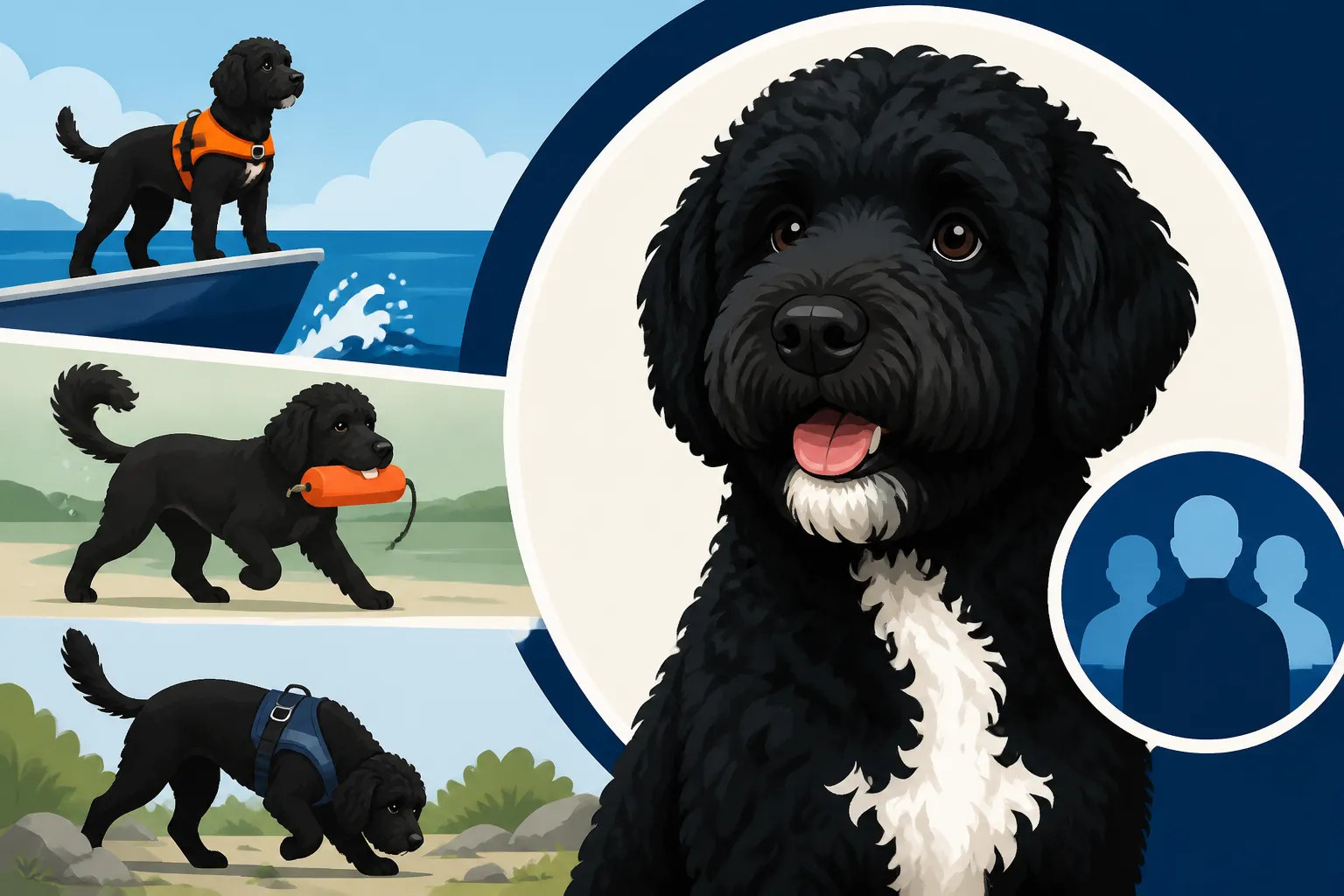
Why the Portuguese Water Dog Is in the Working Group
It's easy to look at a Portuguese Water Dog, with their soulful eyes, curly coat, and playful demeanor, and see nothing but a wonderful family pet. Many people do! But to truly understand this magnificent breed, we need to dig a little deeper into their history and, more specifically, why they hold a special place in the American Kennel Club's Working Group. This isn't just a label; it's a testament to centuries of purpose and dedication, and it’s critical for any owner to understand the inherent drive that makes a PWD so much more than just a companion.
What It Means to Be a Working Dog in the AKC
When you hear "Working Group" in the dog world, it immediately conjures images of powerful, capable breeds that were developed not just for companionship, but to perform specific, often demanding, tasks for humans. These aren't dogs bred purely for looks or speed, but for utility, strength, intelligence, and an unwavering drive to get a job done. The Portuguese Water Dog stands proudly among these breeds, a testament to their heritage.
Defining the Working Group's Purpose
The breeds categorized within the Working Group share a common thread: they were originally developed to assist humans in a variety of vital, labor-intensive roles. Think about it: before modern machinery, dogs were indispensable partners in everything from pulling carts and guarding property to performing rescues in harsh conditions. These are the dogs that were essential for survival and commerce, requiring a unique combination of physical prowess and mental fortitude. They needed to be strong, intelligent, and often, independent thinkers capable of making decisions in the absence of direct human instruction. This is why you see breeds like Alaskan Malamutes pulling sleds, Doberman Pinschers guarding homes, or Great Danes protecting livestock – each with a specific, demanding job ingrained in their very being. The Working Group isn't just for "big" dogs; it's for dogs with an innate drive to be useful, a profound sense of purpose that goes far beyond simple pet companionship. Their roles often involved significant physical exertion and mental engagement, shaping their temperaments and physical traits over generations.
What defines a working dog, then, isn't just their size, but their very raison d'être. They exhibit traits like courage, vigilance, endurance, and a robust constitution that enables them to withstand challenging environments and perform strenuous tasks. These are dogs that thrive on having a routine, a goal, and the satisfaction of contributing to their human "pack." Their intelligence is often geared towards problem-solving within their specific work context, whether it's navigating complex terrain with a sled or assessing a threat to their charge. They also possess a strong sense of loyalty and a deep bond with their human handlers, understanding that their work is a cooperative effort.
The Historical Context of Working Breeds
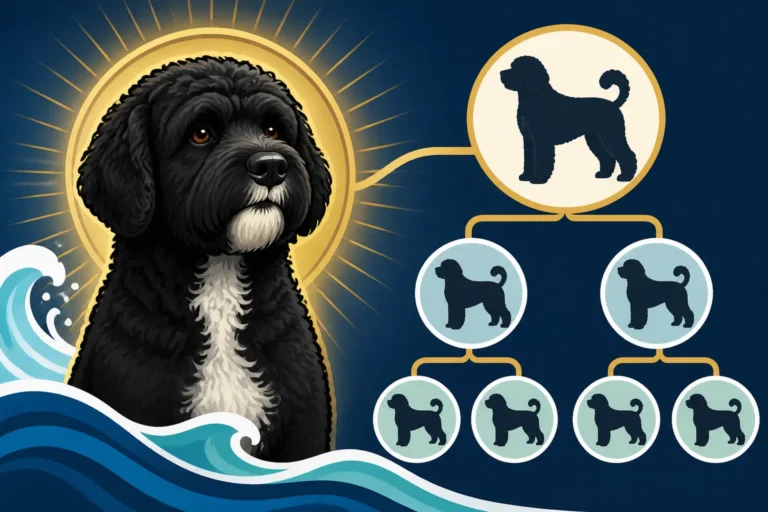
The concept of working dogs isn't a modern invention; it stretches back thousands of years. From the earliest days of human civilization, certain canines proved invaluable partners, selectively bred for tasks that required strength, cunning, or a keen sense of loyalty. These were not random pairings; early breeders – often people whose livelihoods depended on their dogs' abilities – carefully selected individuals who excelled at specific jobs. If a dog was good at guarding the flock, its offspring were likely to inherit that instinct. If another was exceptional at retrieving, its pups were favored. This intentional breeding over centuries solidified specific traits, behaviors, and physical characteristics within distinct populations, eventually leading to the formation of what we now recognize as breeds.
The development of working breeds is a fascinating journey through human history, reflecting different societal needs and geographical locations. In cold climates, powerful dogs were bred to haul heavy loads; in mountainous regions, agile guardians protected livestock from predators. Coastal communities, like those in Portugal, needed dogs that could navigate the treacherous waters and assist fishermen. Each breed's unique set of skills and physical attributes tells a story of survival, utility, and the enduring partnership between humans and dogs. Understanding this historical context is vital when we talk about the Portuguese Water Dog, because it reveals that their modern-day characteristics are not arbitrary, but rather a direct inheritance from their industrious ancestors who earned their keep on the high seas.
The Portuguese Water Dog's Original "Job" at Sea
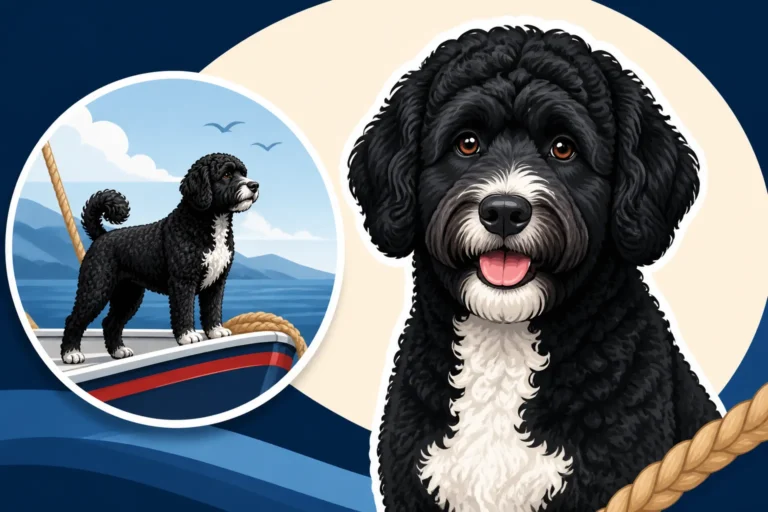
To truly grasp why the Portuguese Water Dog is a working breed, you have to picture them not as fluffy companions lounging on a sofa, but as vital, salty members of a fishing crew on the rough Atlantic coast. Their lives were not about leisure, but about unwavering dedication to a demanding, often dangerous, job.
Life Aboard the Fishing Boats of Portugal
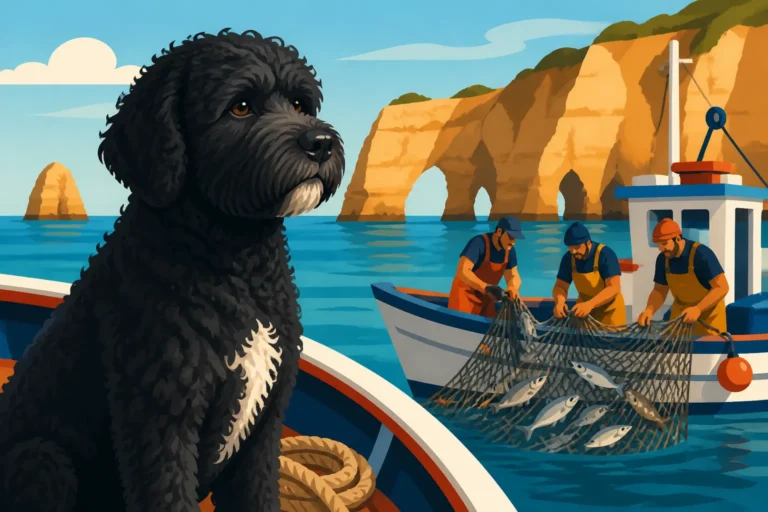
Imagine the rugged, wind-swept coastline of Portugal, particularly the Algarve region, centuries ago. Fishing was not just an industry; it was a way of life, and a perilous one at that. Fishermen relied on their wits, their boats, and their loyal canine companions to make a living from the unforgiving sea. These were not pleasure cruises; these were working vessels, exposed to harsh elements, cold waters, and the constant challenges of the ocean. There was no radar, no GPS, no high-tech communication. Every member of the crew, human or canine, had to pull their weight, and the dogs were indispensable. They were truly considered shipmates, earning their keep through their incredible strength, intelligence, and boundless enthusiasm for the water. The bond between a Portuguese fisherman and his Cão de Água, as they were known, was one of mutual reliance and deep respect, forged in the crucible of shared labor.
The environment aboard these fishing boats was far from comfortable. It was often wet, cold, and crowded, with gear and nets everywhere. A dog working in such conditions needed to be hardy, resilient, and possess an unflappable temperament. They couldn't be easily startled by the rocking of the boat, the shouting of commands, or the splash of cold water. Their keen senses were invaluable in the dense fog that could roll in off the Atlantic, helping fishermen navigate or locate lost items. These dogs were literally born and bred for this life, their instincts finely tuned over generations to thrive in an aquatic, maritime setting. Their presence on the boat was a practical necessity, not a luxury, and their contributions directly impacted the success and safety of the fishing trips. They were as much a part of the crew as any human sailor, an integral part of The Portuguese Water Dog Worked the Algarve Fishing Fleet.
Diverse Tasks and Responsibilities
The Portuguese Water Dog wasn't a one-trick pony; their value to the fishing fleet lay in their incredible versatility. One of their primary and most visually striking jobs was retrieving lost tackle and broken nets from the frigid Atlantic. Imagine a heavy wooden oar or a crucial piece of netting falling overboard in choppy seas. Without the PWD, that gear would be lost, costing the fishermen valuable time and money. The dogs would fearlessly plunge into the water, often diving deep, to locate and bring these items back to the boat. This wasn't just simple fetching; it required keen eyesight, a strong swimming ability, and the intelligence to distinguish between various items in the water.
Beyond retrieval, they were also skilled "fish herders." Yes, you read that right! When a school of fish was located, these clever dogs would dive into the water and, on command, help drive the fish into the waiting nets. This involved swimming strategically, creating commotion, and effectively "corralling" the fish where the fishermen wanted them. This unique ability speaks volumes about their intelligence and their biddable, yet independent, nature. They weren't just following orders; they were actively problem-solving and adapting their movements to the behavior of the fish. This incredible role highlights How a Portuguese Water Dog Worked a Net and their indispensable contribution to the catch.
Their duties didn't stop there. PWDs were also known to Whether a Portuguese Water Dog Carried Messages Between Boats when fishing vessels were working in close proximity. Imagine dense fog rolling in, making visual communication impossible. A dog could be dispatched with a message or a small package, swimming from one boat to another, ensuring vital communication continued. This again required immense courage, excellent navigation skills, and a strong sense of purpose. They even acted as vigilant watchdogs on deck, guarding the catch and the boat itself when moored, showing their protective instincts alongside their aquatic prowess. It’s clear they were far more than just pets; they were active, contributing members of a hardworking team.
Physical Adaptations for a Life of Labor
The Portuguese Water Dog's physical form is a masterpiece of natural selection and intentional breeding, perfectly tailored for their demanding aquatic work. Every aspect, from their unique coat to their powerful build, speaks to their heritage as a working dog of the sea.
The Distinctive Coat: Insulation and Protection
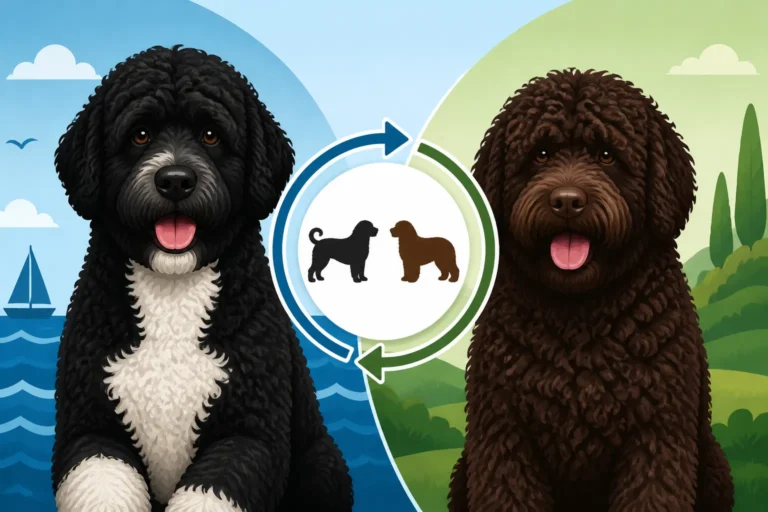
One of the most defining characteristics of the Portuguese Water Dog is their coat, which comes in two distinct types: curly and wavy. Both types share crucial qualities that made them invaluable on the fishing boats: they are single-coated, dense, and essentially waterproof. This dense, non-shedding (or very low-shedding) coat acts like a natural wetsuit, providing exceptional insulation against the frigid Atlantic waters. When a dog repeatedly plunges into icy waves, a typical double coat designed for land-based insulation would quickly become waterlogged and heavy, chilling the dog to the bone. The PWD's coat, however, repels water efficiently, allowing them to remain warm and agile even after prolonged exposure to the cold.
The texture of the coat, whether tight curl or soft wave, meant it would not mat easily when wet, a critical factor for a dog that spent hours in and out of the water. This also reduced friction while swimming, allowing for more streamlined movement. Beyond insulation, the coat also offered protection from the harsh elements – the abrasive salt spray, the biting winds, and even the strong sun that could otherwise irritate their skin. It was a utilitarian garment, designed for function above all else. Understanding Curly or Wavy: the Two Portuguese Water Dog Coats helps us appreciate the intentional design of this breed.
This incredible coat meant fewer health issues related to dampness and cold, a huge advantage for their human companions who couldn't afford a sick, non-working dog. While modern PWD owners appreciate its hypoallergenic qualities, its original purpose was purely practical: to equip the dog for a life submerged in saltwater. The constant exposure to saltwater and then drying in the air could still pose challenges, but the PWD's coat was designed to minimize these, allowing the dog to remain comfortable and healthy enough to continue its demanding work day after day.
Webbed Feet and Powerful Build: Swimming Prowess
Perhaps the most iconic physical trait of the Portuguese Water Dog, one that immediately declares their aquatic destiny, is their distinctively webbed feet. These aren't just slightly connected toes; their webbing extends almost to the ends of their pads, creating broad, powerful paddles. When pushing through water, these webbed feet act like flippers, significantly increasing their propulsion and efficiency. This is a crucial adaptation for a dog expected to swim for long periods, often against strong currents or in choppy conditions, and it’s a key reason Why a Portuguese Water Dog Has Webbed Feet. Without this natural advantage, they simply wouldn't have been able to perform their duties on the high seas.
Beyond their feet, the entire conformation of the Portuguese Water Dog is a testament to their working purpose. They possess a strong, well-muscled body, with a deep, broad chest that accommodates powerful lungs, allowing for sustained breath-holding and endurance in the water. Their loins are muscular and provide powerful drive for swimming, while their tail is thick at the base, tapering to a point, and often carried in a high, lively curl when excited or working. This "rudder tail" is not just for show; it serves as a critical steering mechanism in the water, allowing them to make quick turns and maneuver with incredible agility, whether herding fish or retrieving a heavy object. This combination of webbed feet, a powerful physique, and an agile tail makes them master swimmers, capable of tremendous feats of aquatic athleticism.
In fact, the efficiency granted by their webbed feet and overall build means that How Much a Portuguese Water Dog's Webbing Adds to Its Speed and endurance in the water is remarkable. They can outswim many other breeds, cutting through the water with an effortless grace that belies the effort involved. Their bones are also dense, providing ballast that helps them stay submerged when diving for lost items. This heavy bone structure, combined with their robust musculature, not only aids in swimming but also contributes to their overall strength and durability, enabling them to handle the physical demands of working on a boat, scrambling over nets, and enduring the occasional rough handling that comes with a life at sea.
Endurance and Agility for Demanding Work
A life working on a fishing boat demanded not only strength and swimming prowess but also incredible endurance. These dogs weren't just taking a quick dip; they were often expected to work for hours, sometimes an entire day, retrieving, herding, and moving about the boat. Their physical build and inherent stamina mean they can sustain intense physical activity for extended periods without faltering. This endurance is a hallmark of a true working dog, distinguishing them from breeds bred for short bursts of speed or less strenuous companionship roles. Their ability to recover quickly from exertion was also key, allowing them to be ready for the next task without significant downtime.
Alongside endurance, agility was paramount. Imagine a dog needing to navigate a slippery deck, leap over fishing lines, or climb in and out of a small boat in rough seas. The Portuguese Water Dog's compact, muscular build and balanced proportions gave them the necessary agility to perform these movements with precision and confidence. They possess a natural athleticism that allows them to move swiftly and gracefully, whether on land or in water. This combination of stamina and agility meant they were not only effective at their specific tasks but also resilient enough to handle the unpredictable and often challenging conditions inherent in their working environment. They had to be quick-thinking and quick-moving, a necessity that honed their physical attributes over generations.
Their resilience extended to handling various conditions. From the driving rain and cold winds to the bright sun, a working PWD needed to perform regardless. This adaptability is another testament to their working-dog status. They weren't delicate creatures; they were tough, capable, and built to withstand the rigors of their job. This inherent hardiness is something that still resonates in the breed today, manifesting as a dog that loves to be active outdoors, regardless of the weather, and thrives when given opportunities to use its physical capabilities.
The Mind of a Working Portuguese Water Dog
Beyond their impressive physical adaptations, it's the Portuguese Water Dog's mental attributes that truly solidify their place in the Working Group. These are incredibly intelligent, driven, and often independent thinkers, a combination that made them indispensable partners for their human counterparts.
Intelligence and Problem-Solving Skills
Portuguese Water Dogs are renowned for their exceptional intelligence. They are quick learners, capable of understanding complex commands and routines with remarkable speed. However, their intelligence isn't merely about rote memorization; it's deeply rooted in problem-solving. On a fishing boat, a dog couldn't always wait for a direct command for every single action. They needed to assess situations, anticipate needs, and sometimes even improvise solutions on the fly. This fostered an independent thought process, a characteristic that often surprises new owners expecting a purely biddable "yes-dog."
This independent streak, far from being a flaw, was a vital working trait. If a net snagged or a fish escaped, the dog needed to figure out how to help, sometimes without explicit direction. This translates today into a dog that often "offers its own solutions" to problems, which can be both charming and challenging for owners. They might figure out how to open gates, retrieve objects you didn't ask for, or find creative ways to get your attention. This high level of cognitive function means they require significant mental stimulation to remain happy and well-adjusted. Simply being walked is rarely enough; their clever minds need to be engaged, challenged, and given purpose. In short, Training a Portuguese Water Dog That Was Bred to Think for Itself isn't just a suggestion, it's a necessity.
This desire to think and act is what makes them such compelling partners. They’re not just following you; they’re often a step ahead, trying to understand what you need and how they can contribute. This can be fantastic in dog sports, where a PWD might spontaneously offer a more efficient way to navigate an obstacle course, but it can also lead to hilarious, or sometimes exasperating, moments in daily life. Their minds are constantly whirring, seeking engagement and opportunities to apply their considerable intellect, which means a truly fulfilled PWD is one whose brain is as active as its body.
Drive, Stamina, and Desire to Please
The Portuguese Water Dog possesses an almost boundless drive and stamina. This isn't just physical energy; it's an inherent psychological motivation to do something, to have a purpose. On the fishing boats, this manifested as an unwavering commitment to their tasks, often working tirelessly for long hours alongside their human partners. This strong work ethic is still deeply ingrained in the breed today. They are not content to simply exist; they thrive when given a job, a task, or an activity that taps into this intrinsic desire for engagement and productivity. Without an outlet for this drive, they can easily become bored, leading to frustration and potentially destructive behaviors.
While they are independent thinkers, PWDs also possess a strong desire to please their human companions. This combination can sometimes seem contradictory, but it's essential for a working dog. They needed to be able to make decisions on their own, but ultimately, their goal was to serve their fishermen. This means that while they might offer an alternative approach, they are generally eager to cooperate and value the positive feedback from their "crew leader." This desire to please, coupled with their intelligence, makes them highly trainable, but only if the training is engaging, consistent, and respects their independent nature. They respond best to positive reinforcement and methods that make them feel like active participants rather than passive recipients of commands.
Their stamina, both mental and physical, means they are always "on." They have an incredible capacity for sustained focus and energy. This is a dog that can spend hours in the water, then come ashore and be ready for another activity. This drive isn't something that can be trained out of them; it's part of who they are. Therefore, prospective owners must be prepared to channel this energy into appropriate activities, whether it's dog sports, long hikes, or engaging training sessions. Providing this outlet isn't just about good dog ownership; it's about honoring the very essence of the Portuguese Water Dog as a working breed.
Adaptability and Resilience
The life of a working dog at sea was anything but predictable. Weather could change in an instant, tasks could shift, and dangers could arise unexpectedly. For the Portuguese Water Dog, adaptability was a critical survival trait. They needed to be able to perform in calm waters and stormy seas, in bright sunshine and dense fog, retrieving different objects or herding various types of fish. This historical necessity has endowed the breed with a remarkable resilience and an ability to adjust to new situations and environments with relative ease. They are not typically dogs that are easily rattled by changes in routine or novel experiences, especially if they have been well-socialized as puppies.
This mental toughness meant they could bounce back from setbacks or challenging situations. If they failed to retrieve an item on the first try, they would try again with renewed determination. This unwavering perseverance is a valuable trait in any working dog and is still evident in the breed today. They face challenges head-on and often show a tenacious spirit when learning new tasks or excelling in dog sports. This resilience, combined with their intelligence, makes them highly capable of learning new skills and adapting to various human lifestyles, provided their core needs for mental and physical engagement are met.
Their ability to thrive in a diverse range of conditions and take on different tasks made them truly versatile assets to the fishermen. This adaptability is part of what makes them such fascinating and engaging companions today. They are often keen to try new things and generally embrace new adventures, whether it's exploring a new trail, learning a new trick, or tackling a different dog sport. This mental fortitude is another strong indicator of their working heritage, showing that they are truly built for more than just a quiet life.
Modern-Day Outlets for Their Working Instincts
While the days of herding fish into nets might be largely behind them, the inherent drive and capabilities of the Portuguese Water Dog are very much alive. Modern PWDs still crave purpose and thrive when given opportunities to engage their bodies and minds in activities that echo their ancestral roles.
Water Sports: A Natural Fit
It should come as no surprise that water sports are a natural and highly fulfilling outlet for a Portuguese Water Dog. Their entire being is engineered for the water, and allowing them to swim, retrieve, and dive taps directly into their deepest instincts. Competitive activities like dock diving, where dogs leap for toys into a pool, are incredibly popular with PWDs. Not only does it provide immense physical exercise, but the focus required to track the toy and execute the jump offers excellent mental stimulation. Seeing a PWD launch themselves off a dock with pure joy is a vivid reminder of their heritage.
Beyond dock diving, organized water retrieving trials offer a structured way for PWDs to demonstrate their historical skills. These trials often involve retrieving objects from the water, sometimes navigating obstacles, and delivering them to the handler, mimicking the real-world tasks of their ancestors. For many PWDs, simply having access to a lake, river, or ocean for regular swimming and retrieving sessions is enough to satisfy their aquatic drive. It's not just about getting wet; it's about the purpose and the connection to their roots. This makes events like Dock Diving and Water Trials With a Portuguese Water Dog incredibly important for the breed's well-being.
However, participating in these activities often comes with considerations. For owners interested in serious competition, there are entry fees, travel costs, and potentially specialized equipment. Even for casual water enthusiasts, factors like access to safe swimming areas, a good life jacket, and appropriate drying equipment for their dense coat are important. It's an investment, but for many PWD owners, the joy and fulfillment their dog gets from these activities are priceless, making What Water Sports Cost a Portuguese Water Dog Owner a secondary concern to the dog's happiness and health.
Beyond Water: Agility, Obedience, and Scent Work
While water is undoubtedly their element, the Portuguese Water Dog's intelligence and athleticism extend far beyond aquatic pursuits. Their innate drive to work, problem-solve, and please their handlers makes them exceptional candidates for a wide array of other dog sports and activities. Agility is a fantastic outlet, demanding speed, coordination, and keen communication between dog and handler. The intricate courses challenge both their physical prowess and their mental quickness, engaging their problem-solving skills as they navigate tunnels, weave poles, and jumps. Their natural athleticism and desire to move make them stars in the agility ring.
Formal obedience and rally trials are another excellent way to channel their intelligence and desire to please. While PWDs can be independent thinkers, they are also highly trainable and thrive on structured learning. The precision and focus required in obedience, coupled with the teamwork involved in rally, allow them to demonstrate their capacity for complex commands and their strong bond with their handler. These sports not only provide mental stimulation but also reinforce good behavior and communication, which is invaluable for a high-drive breed.
Furthermore, scent work or nose work activities are incredibly rewarding for Portuguese Water Dogs. Their keen sense of smell, combined with their natural curiosity and perseverance, makes them excel at searching for hidden odors. This type of activity is mentally exhausting in the best way, allowing them to use their natural instincts in a structured and fulfilling manner. From search and rescue to barn hunt, these activities offer an alternative for PWDs that may not have constant access to water or for those who simply enjoy a different kind of challenge. These varied sports demonstrate the true versatility and working nature of the breed, showing that their intelligence and drive can be applied to many different "jobs."
Service and Therapy Work
The Portuguese Water Dog's unique blend of intelligence, trainability, empathy, and a strong desire to be useful makes them exceptionally well-suited for service and therapy work. Unlike some breeds whose working roles might be more aggressive or purely physical, the PWD's historical role as a companion and assistant to fishermen required a certain sensitivity and attentiveness to human needs. This translates beautifully into roles where they provide invaluable assistance and comfort to people. Their steady temperament and ability to focus on tasks, even in distracting environments, are crucial for service dogs assisting individuals with disabilities.
As service dogs, PWDs can be trained for a wide range of tasks, from retrieving dropped items and opening doors to providing stability and alerting to medical conditions. Their robust health and medium size make them adaptable to many home and public environments, while their non-shedding coat is often a plus for individuals with allergies. Their intelligence allows them to learn complex chains of commands and problem-solve in novel situations, ensuring they can effectively support their human partners. The bond they form with their handler is deep, built on trust and a shared sense of purpose, which is paramount in service work.
Beyond the specific tasks of service dogs, their affectionate nature and gentle disposition make them outstanding therapy dogs. Visiting hospitals, nursing homes, or schools, a PWD can bring immense joy and comfort to those in need. Their calm demeanor, combined with their playful spirit, makes them approachable and endearing, often helping to reduce stress and promote emotional well-being. For a breed that thrives on having a job, How a Portuguese Water Dog Can Be a Service Dog offers a profoundly rewarding path, allowing them to continue their legacy of dedicated service to humans in a modern context.
The Importance of a "Job" for a PWD
Ignoring the Portuguese Water Dog's deep-seated working heritage is a recipe for disaster. These aren't dogs that are content to be decorative lawn ornaments or occasional companions. They need purpose, stimulation, and an outlet for their innate drives. Giving a PWD a "job" isn't just a suggestion; it's fundamental to their well-being and to fostering a harmonious life together.
Preventing Boredom and Destructive Behaviors
When a Portuguese Water Dog's highly intelligent mind and abundant energy are not adequately engaged, boredom quickly sets in. And a bored PWD is often a destructive PWD. Owners who underestimate their needs often find themselves facing a myriad of behavioral challenges that can be incredibly frustrating. This might manifest as excessive chewing, with furniture legs, shoes, or even walls becoming targets of their frustrated energy. Their strong jaws, historically used for retrieving heavy gear, can do significant damage when bored.
Another common symptom of an under-stimulated PWD is incessant barking. This isn't just casual noise; it's often a desperate plea for attention and engagement, a way for them to "talk" about their unmet needs. Digging, whether in the yard or even trying to "dig" at carpets indoors, is another natural outlet for their energy that can become problematic when their working instincts are ignored. It's a way for them to expend physical energy and mentally occupy themselves, even if the activity is unwelcome indoors. The Portuguese Water Dog That Has Not Had Enough Exercise is truly a challenge for any household.
Furthermore, their inclination to carry objects in their mouths, a leftover from their retrieving days, can turn into problematic mouthing or even stealing items from counters if they don't have appropriate outlets. Why a Portuguese Water Dog Puts Everything in Its Mouth can be endearing in a puppy, but without proper redirection and a suitable "job" for their mouth, it can quickly escalate. Providing a variety of challenging toys, puzzle feeders, and regular, engaging activities is essential. You might even want to check out Chewy for some robust chew toys and interactive feeders that can help keep their minds busy when you're not actively training or playing.
Fulfilling Their Innate Purpose
Beyond simply preventing unwanted behaviors, providing a job for your Portuguese Water Dog is about fulfilling their very essence. These dogs were bred for centuries to be active participants in human endeavors, and they truly thrive when they feel they have a role, a task, and are an integral part of their human family's "crew." It's not just about physical exercise; it's about the deep satisfaction they derive from mental engagement and purposeful activity. When a PWD learns a new trick, successfully completes an agility course, or retrieves a toy on command, you can see the profound joy and sense of accomplishment in their eyes.
This "job" doesn't necessarily have to be competitive dog sports, although those are excellent options. It can be as simple as training them to retrieve specific items around the house, helping you carry groceries in a dog backpack (making sure not to overload them!), or even just consistent, challenging training sessions that push their cognitive abilities. The key is consistent, engaging interaction that validates their intelligence and drive. Even something as seemingly mundane as preparing their meals can be turned into a mental exercise by using puzzle feeders. Many fantastic options, including durable rubber puzzles and slow-feeder bowls, are available on Chewy that can turn mealtime into a mini "job."
When a PWD feels useful and understands their place in the family unit as an active contributor, their temperament blossoms. They become more confident, calmer indoors (because their needs have been met), and incredibly well-adjusted. This isn't just about managing a dog; it's about honoring the breed's heritage and allowing your PWD to live a truly fulfilling life, tapping into the deep-seated instincts that make them such unique and special companions.
Building a Stronger Bond Through Shared Activity
There's an undeniable magic that happens when you and your Portuguese Water Dog engage in shared activities that cater to their working instincts. It's more than just fun; it's a powerful way to strengthen the bond between you. When you work together as a team – whether it's learning complex obedience commands, navigating an agility course, or simply playing an engaging game of fetch in the water – you're building trust, communication, and mutual respect. This shared purpose echoes the relationship their ancestors had with the fishermen, a partnership where each relied on the other.
Every successful retrieve, every perfectly executed weave pole, every moment of focused attention during a training session deepens your connection. Your PWD learns to trust your guidance, and you learn to read their signals and understand their motivations. This kind of active engagement transcends basic care; it taps into the deep psychological needs of a working breed to collaborate and contribute. It fosters a sense of being understood and valued, which is profoundly important for these intelligent and sensitive dogs.
The joy and satisfaction you both experience during these activities are immense. For the PWD, it's the thrill of using their brain and body, the praise from their beloved human, and the fulfillment of their innate drives. For the owner, it's the pride of seeing their dog excel, the deepening of an already special relationship, and the sheer fun of working with such a clever and athletic companion. Whether you’re teaching a new water retrieve skill or simply playing with a favorite durable toy from Chewy, these shared moments of activity are the bedrock of a truly thriving partnership with your Portuguese Water Dog.
Portuguese Water Dogs vs. Other Working Breeds
The Working Group is vast and diverse, encompassing breeds with widely different original purposes. While the Portuguese Water Dog shares the core traits of intelligence, drive, and capability with its working peers, its specific specialization sets it apart.
Unique Aquatic Specialization
When you look at the broad spectrum of breeds in the AKC Working Group, you'll find dogs bred for everything from guarding property (Great Danes, Doberman Pinschers) and pulling sleds (Siberian Huskies, Alaskan Malamutes) to rescue work (St. Bernards). While many of these breeds might tolerate or even enjoy a casual swim, very few are specifically engineered for extensive, demanding aquatic labor in the way the Portuguese Water Dog is. This aquatic specialization is what truly sets the PWD apart. Their webbed feet, waterproof coat, powerful rudder-like tail, and immense lung capacity are all specific adaptations for a life primarily spent in and around water, often cold and rough ocean water.
Other working breeds excel at their respective tasks on land, leveraging their strength, size, or protective instincts in terrestrial environments. The PWD, however, was fundamentally a creature of the sea, their work involving navigating currents, diving for objects, and enduring prolonged exposure to saltwater. This makes them a distinct sub-category within the Working Group, a marine specialist among land-based generalists. While a Newfoundland might also be a water dog known for rescue, the PWD's role was more multifaceted on a fishing boat, requiring greater agility and a broader range of tasks beyond just lifesaving.
This unique focus means that while PWDs can certainly excel at land-based activities, their deepest fulfillment often comes from engaging with water. It's where their ancestors earned their living and where their most profound instincts lie. Understanding this aquatic bent is key to understanding their place in the working dog hierarchy – they are not just another strong dog; they are the ultimate water-working companion.
Similarities in Drive and Trainability
Despite their unique aquatic niche, Portuguese Water Dogs share many fundamental characteristics with other esteemed members of the Working Group. Foremost among these is their undeniable drive. Like a Husky bred to run miles or a Doberman bred to protect, the PWD possesses an inherent desire for purpose and activity. This isn't a lazily reclining dog; it's one that seeks engagement, thrives on challenges, and finds immense satisfaction in completing a task. This drive is a common thread that binds all working breeds, differentiating them from those bred purely for companionship.
Their intelligence and trainability are also comparable to other top working breeds. While a PWD might possess an independent streak – a necessary trait for a dog making decisions on a boat – they are also highly intelligent and eager to learn. They respond well to consistent, positive training methods and excel in advanced obedience and competitive sports, much like German Shepherds or Rottweilers, albeit with a different set of physical capabilities. This innate capacity for learning complex commands and executing them reliably is a hallmark of a dog designed for demanding jobs.
Furthermore, the strong bond they form with their human partners is another shared trait. Working breeds, by definition, needed to collaborate closely with humans. This fostered a deep sense of loyalty and a desire to work in partnership. While the specific tasks might differ, the underlying psychological makeup – intelligent, driven, biddable (despite independence), and forming deep bonds – is consistent across the Working Group. This is why PWD owners often describe their dogs as being "in tune" with their emotions and desires, a reflection of generations of working side-by-side with their human crew.
Why They're Not a Sporting or Herding Dog
A common point of confusion for those unfamiliar with breed classifications is why the Portuguese Water Dog isn't in the Sporting or Herding Group, especially given their retrieving abilities and intelligence. The distinction lies in their specific historical utility. Sporting dogs, such as Labradors or Golden Retrievers, were bred primarily to assist hunters in finding and retrieving game birds, often working with humans to execute a hunt. Their focus is specifically on hunting-related tasks. While PWDs can retrieve, their ancestral role was much broader and not tied exclusively to hunting.
Herding dogs, like Border Collies or Australian Shepherds, were developed to control and move livestock. Their instincts are geared towards gathering, driving, and managing flocks or herds. The PWD's "herding" of fish was a unique application of a similar instinct, but it was done in an aquatic environment and as part of a general utility role on a fishing boat, rather than managing terrestrial livestock. Their versatile duties, from retrieving tackle to carrying messages and guarding the catch, transcended the singular focus of hunting or herding.
The PWD's designation in the Working Group correctly reflects their role as a general-purpose utility dog on a fishing vessel – a "shipmate" rather than a specialized hunter or shepherd. Their work was about being an all-around aquatic assistant, fulfilling whatever task was needed to aid the fishermen in their daily work, making them indispensable members of the crew. They were not merely pointing at birds or circling sheep; they were integral to the operations of the boat itself.
Dispelling Common Misconceptions About the PWD's Working Status
The Portuguese Water Dog's charming appearance and affectionate nature can sometimes overshadow their true identity as a robust working breed. It's crucial for prospective and current owners to understand that their "Working Group" status is not just a classification; it's a blueprint for their needs and temperament.
"They're Just Fluffy Family Pets!"
One of the most persistent misconceptions about the Portuguese Water Dog is that they are simply "fluffy family pets" – essentially adorable, non-shedding companion animals. While they certainly can be wonderful, loving, and charismatic members of a family, reducing them to just a pet ignores the centuries of selective breeding that instilled an intense working drive, intelligence, and physical stamina. Their appealing curly or wavy coats, which make them popular among allergy sufferers, often distract from the powerful, athletic dog underneath. People see the "hypoallergenic" quality and the friendly face, and they imagine a low-key, easygoing companion, which couldn't be further from the truth for an unfulfilled PWD.
This perception can lead to significant problems when owners aren't prepared for the reality of living with a working dog. A PWD is not content with a couple of short walks around the block each day. They need extensive physical exercise that challenges their bodies, ideally involving water, and equally demanding mental stimulation that engages their intelligent minds. Owners who treat them purely as decorative pets often find themselves with a bored, destructive, or hyperactive dog. It’s essential to understand that their friendly nature and suitability for families don't negate their need for a job. They are loyal and affectionate because they were partners, not in spite of it.
Therefore, anyone considering a Portuguese Water Dog must actively dispel this "fluffy pet" myth for themselves. Recognize that you are bringing home a highly capable, driven working animal. Be prepared to provide the necessary outlets for their energy and intelligence. Think of them as a partner in crime, ready for adventure and activity, rather than a passive observer of your life. Even simple tools like a durable leash and comfortable harness for adventurous walks, or a high-quality food puzzle to engage their brains, can be easily found on sites like Chewy and are essential for their daily well-being.
Misunderstanding Their Independent Nature
Another common misunderstanding stems from the PWD's independent streak. Owners sometimes interpret their dog's tendency to "think for themselves" or to offer their own solutions as stubbornness, defiance, or a lack of desire to please. This can lead to frustration and ineffective training methods if not properly understood. However, this independence is a direct inheritance from their working past. On a fishing boat, a dog couldn't always wait for a command. If a net was breaking or a rope was slipping, the dog needed to react quickly and intelligently, sometimes making split-second decisions without human input. This trait was not just tolerated; it was essential for their survival and the success of the fishing trip.
Therefore, what might appear as "stubbornness" in a modern home is actually a manifestation of their historical need for autonomy and problem-solving. They are not trying to be disobedient; they are often simply trying to be efficient or offering what they perceive as a better way to accomplish a task. This means training a PWD requires a different approach than with some other breeds. It necessitates patience, consistency, and making the dog feel like an active participant in the learning process, rather than just a follower. Harsh corrections are typically counterproductive, as they can damage the bond and stifle their natural desire to innovate.
Embracing their independent nature means understanding that you have a thinking partner, not a robot. It means framing training as a collaborative effort and finding ways to channel their cleverness. For instance, if your PWD is consistently finding new ways to get to a favorite toy, instead of seeing it as naughtiness, consider it a demonstration of their problem-solving skills and redirect that energy into a structured game or puzzle. Their independence is a feature, not a bug, of their working-dog heritage.
The Importance of Education for Prospective Owners
Given the unique characteristics and significant needs of the Portuguese Water Dog, thorough education for prospective owners is absolutely critical. Too often, people fall in love with the look or the "hypoallergenic" label without fully understanding the commitment involved in owning a working breed. The "Working Group" designation isn't an arbitrary classification; it's a vital indicator of the breed's fundamental nature and requirements. Ignoring this information can lead to a mismatch between owner expectations and the dog's reality, which sadly often results in frustrated owners and unhappy dogs.
Prospective owners must understand that they are bringing home a dog with a high level of energy, a keen intellect, and a profound need for regular, vigorous exercise and mental challenges. This means committing to daily active engagement, whether it's long swims, hikes, participation in dog sports, or dedicated training sessions. It also means understanding their grooming needs, as their coat, while non-shedding, requires regular care to prevent matting. Learning about The Twelve to Fifteen Years a Portuguese Water Dog Gets means understanding a long-term commitment.
Choosing a Portuguese Water Dog should be an informed decision, driven by an appreciation for their working heritage and a willingness to meet their specific needs. It's about recognizing that this is a dog that thrives on partnership and purpose. By educating themselves thoroughly, future owners can ensure they are truly ready for the joys and challenges of living with a PWD, creating a fulfilling life for both themselves and their extraordinary working dog. You might even want to consult with experienced PWD owners or breeders who can offer insights into the breed's specific needs and provide guidance on everything from training to sourcing supplies from places like Chewy.
| Aspect | Portuguese Water Dog (Working Group) | Generic Companion Breed (Example: Lap Dog) |
|---|---|---|
| Original Purpose | Utility dog on fishing boats: retrieving, herding fish, guarding | Companionship, emotional support |
| Energy Level | High: requires significant daily exercise & mental stimulation | Variable: often lower, content with moderate activity |
| Physical Needs | Robust body, webbed feet, waterproof coat for aquatic work | Designed for indoor living, less emphasis on extreme physical traits |
| Mental Needs | Highly intelligent, problem-solvers, thrives on "jobs" | Intelligence varies, often content with less complex engagement |
| Trainability | Intelligent, eager but can be independent, responds to positive reinforcement | Often biddable, but may lack drive for complex tasks |
| Common Behaviors if Bored | Destructive chewing, excessive barking, digging, mouthing | Anxious behaviors, excessive barking, clinginess |
| Ideal Lifestyle | Active family, access to water, participation in dog sports | Relaxed household, gentle walks, cuddles on the couch |
| Bonding Style | Strong partnership through shared activities and purpose | Close emotional attachment, enjoys being near owner |
Disclaimer
This article is for general informational purposes only and does not constitute professional advice. Laws, prices and regulations vary by location and change over time. Consult a qualified professional for guidance on your specific situation.