How Addisons Is Diagnosed in a Portuguese Water Dog
It’s a truly frightening experience when your lively Portuguese Water Dog suddenly seems… off. One day they’re chasing balls and splashing in the lake, the next they’re lethargic, perhaps vomiting, and refusing food. The real frustration hits when the symptoms are so vague, making it incredibly hard for even the most attentive owners and skilled vets to pinpoint the problem. This guide will walk you through exactly how Addison's disease, often called 'the great pretender,' is systematically diagnosed in our beloved Portuguese Water Dogs, demystifying a process that can feel overwhelming.
The Elusive Nature of Addison's Disease Symptoms
Addison's disease is notorious among veterinarians for its incredibly tricky presentation. It’s often referred to as "the great pretender" because its symptoms mimic so many other common ailments, from simple upset stomachs to kidney issues, making a quick diagnosis nearly impossible without specific testing. This vague presentation is a major source of anxiety for Portuguese Water Dog owners, who just want to know what’s wrong with their usually robust and energetic companion. It’s an illness that creeps up on you, making you second-guess every little change in your dog.
Vague Symptoms Masking a Serious Condition
Your Portuguese Water Dog might show a range of non-specific signs that come and go, or gradually worsen. You might notice a decrease in appetite, occasional vomiting, or bouts of diarrhea that resolve on their own, only to reappear later. Sometimes it's just a general lethargy, a lack of their usual zest for life, or an unwillingness to participate in activities they normally adore, like a vigorous swim or a long hike. These subtle shifts can be incredibly frustrating because they don't scream "emergency" right away, but they chip away at your dog's well-being and your peace of mind.
Imagine your Portuguese Water Dog, usually a boundless source of energy, starts lagging behind on walks, or skips their favorite meal of the day. You might initially attribute it to an off day, a minor stomach bug, or perhaps they ate something they shouldn't have. This normalcy bias is common, and entirely understandable, given how active and resilient these dogs typically are. But as these 'off days' become more frequent, or more severe, with episodes of trembling, weakness, or even collapse, that's when the alarm bells truly start ringing. For a deeper understanding of these manifestations, check out Signs a Portuguese Water Dog Has Addisons.
The clinical signs of Addison's disease stem from the adrenal glands’ inability to produce sufficient corticosteroids, specifically glucocorticoids (like cortisol) and mineralocorticoids (like aldosterone). Cortisol plays a role in stress response, metabolism, and inflammation, while aldosterone regulates electrolyte balance (sodium and potassium). When these hormones are deficient, the body struggles to maintain normal function, leading to a cascade of problems that can affect nearly every organ system. It's a systemic failure that presents outwardly as general unwellness, making it so challenging to pinpoint without advanced diagnostics. It’s not just one thing going wrong; it’s a fundamental imbalance that affects their entire system.
Why Initial Vet Visits Can Be Perplexing
When you bring your Portuguese Water Dog to the vet with these ambiguous symptoms, the veterinarian often starts with a general physical exam and routine bloodwork. And honestly, sometimes these initial results can be misleading. A vet might find mild dehydration, perhaps some electrolyte imbalances, or even some kidney values that are slightly off. These findings, while indicative of a problem, don’t immediately point to Addison’s. They could be consistent with a host of other conditions, from pancreatitis to acute kidney injury, or even just severe gastroenteritis.
This is where the frustration really sets in for owners. You're looking for answers, and the initial tests, while necessary, often don't provide a definitive "aha!" moment. Your vet might suggest symptomatic treatment, like anti-nausea medication or fluid therapy, and recommend monitoring your dog closely. While these treatments might offer temporary relief, they don't address the underlying cause if it is Addison's. It can feel like you’re chasing symptoms, constantly worried about the next downturn. This feeling of helplessness is something many Portuguese Water Dog owners experience when dealing with this elusive condition, leading to multiple trips to the clinic.
Sometimes, a Portuguese Water Dog might even present in an "Addisonian crisis," which is a life-threatening emergency. This often happens after a period of vague, waxing and waning symptoms that went undiagnosed. In a crisis, the dog can go into shock, experiencing severe weakness, collapse, profuse vomiting, diarrhea, and critically low blood pressure. Their electrolyte balance can be severely disrupted, particularly dangerously high potassium levels that can affect heart function. In these severe cases, rapid diagnosis and aggressive treatment are vital to stabilize the dog, as elaborated in What a Portuguese Water Dog's Addisonian Crisis Costs. This acute presentation often finally brings the hidden disease to light.
The Diagnostic Gauntlet: Unmasking Addison's
Because Addison's disease is such a master of disguise, veterinarians rely on specific diagnostic tools to differentiate it from other conditions. It's not usually a "one and done" test; rather, it's a careful process of elimination and confirmation. The good news is that once Addison's is suspected, there are highly accurate tests that can confirm its presence. This structured approach, though it can feel slow, is essential for getting the right answers for your Portuguese Water Dog.
Initial Bloodwork and Electrolyte Imbalances
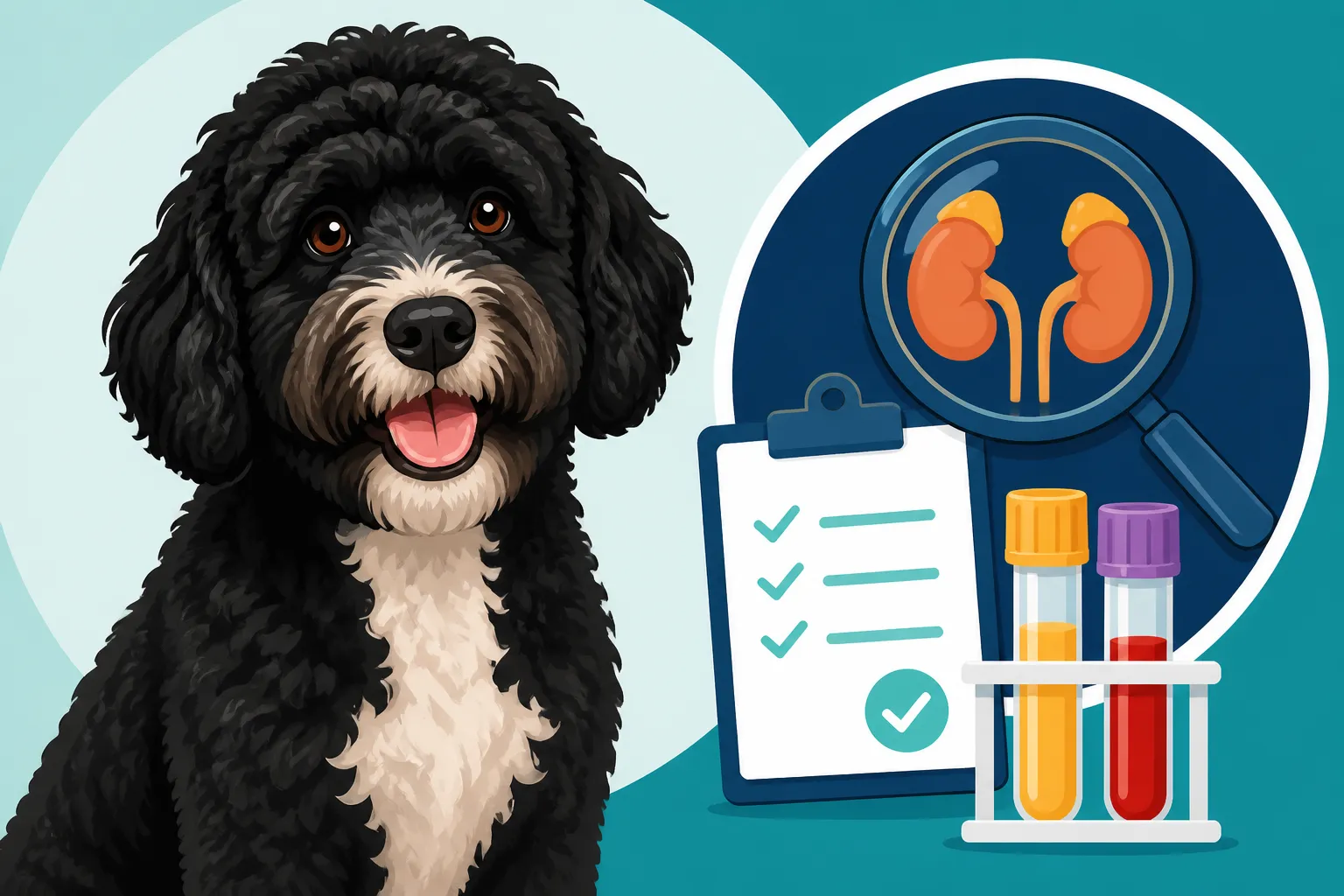
When your Portuguese Water Dog is showing those vague signs, the first step is typically a comprehensive blood panel and urinalysis. This routine screening can provide crucial clues, even if it doesn't offer a definitive diagnosis on its own. What vets often look for are specific electrolyte imbalances that are highly suggestive of Addison's. Specifically, they're on the hunt for a low sodium-to-potassium ratio. This is a hallmark sign because the adrenal glands, when failing, aren't producing enough aldosterone, which is responsible for regulating these electrolytes. Without enough aldosterone, sodium levels drop, and potassium levels rise. This imbalance throws the body's delicate internal environment into disarray.
Beyond electrolytes, other findings might include elevated kidney values (BUN and creatinine), even if the kidneys themselves are healthy. This is due to dehydration and hypovolemia (decreased blood volume) caused by the disease. Anemia might also be present, or sometimes a lack of a "stress leukogram" (the expected increase in white blood cells often seen with illness), which is typically due to the cortisol deficiency. While these aren't exclusive to Addison's, when seen together, especially with a low sodium-to-potassium ratio, they become major red flags that prompt the next, more definitive steps. For general preventative measures, consider What a Portuguese Water Dog's Yearly Health Screen Costs.
A ratio of sodium to potassium less than 27:1 (and sometimes even higher, depending on the lab and specific dog) is often considered highly suspicious for Addison's disease. However, it's important to remember that this ratio isn't foolproof; other conditions can also cause similar electrolyte shifts, albeit less commonly or severely. For instance, severe gastrointestinal disease or kidney failure could also impact these electrolytes. This is why the electrolyte picture alone isn't enough for a definitive diagnosis, but it certainly puts Addison's at the top of the suspect list. It's a puzzle piece, but not the whole picture.
The Crucial ACTH Stimulation Test
If initial bloodwork points to Addison's, the absolute gold standard for diagnosis is the ACTH (Adrenocorticotropic Hormone) stimulation test. This test directly assesses the adrenal glands' ability to produce cortisol. It's a two-part blood test that involves taking an initial blood sample to measure baseline cortisol levels, then administering a synthetic form of ACTH, and finally taking a second blood sample about an hour later to see how the adrenal glands responded. In a healthy dog, the adrenal glands will "stimulate" and produce a surge of cortisol after the synthetic ACTH is given. This is the body's natural response to stimulation.
For a Portuguese Water Dog with Addison's disease, however, the response will be flat. Both the baseline and post-ACTH cortisol levels will remain extremely low, indicating that the adrenal glands are not functioning properly and cannot produce cortisol, even when prompted. This lack of response is the definitive proof that confirms a diagnosis of primary hypoadrenocorticism (Addison's disease). It's a reliable and accurate test that veterinarians depend on to move from suspicion to confirmed diagnosis, allowing for appropriate treatment to begin. This test cuts through the ambiguity and provides the concrete answer you've been searching for.
It's natural to feel anxious during the waiting period for these results, as it's often a few hours or even a day, depending on the veterinary laboratory. Knowing that you're finally getting concrete answers, though, can be a huge relief. This test is critical not only for confirming Addison's but also for distinguishing it from secondary Addison's (which is much rarer and involves the pituitary gland) or other steroid-related issues. The ACTH stimulation test provides a clear, measurable answer to a complex and often hidden problem, truly unmasking the great pretender. Its specificity is what makes it so invaluable.
Other Supporting Tests and Imaging
While the ACTH stimulation test is the primary diagnostic tool, other tests might be used to support the diagnosis, rule out other conditions, or assess the dog's overall health. For example, an abdominal ultrasound might be performed to visualize the adrenal glands. In cases of Addison's, the adrenal glands are often smaller than normal, though this isn't always a definitive finding and normal-sized adrenals don't rule out the disease. However, it can help rule out other adrenal issues, like tumors, that might be causing different symptoms. This extra layer of investigation ensures no stone is left unturned.
Electrocardiography (ECG) might also be used, especially if the Portuguese Water Dog is presenting with severe electrolyte imbalances, particularly high potassium (hyperkalemia). Elevated potassium levels can have serious effects on heart function, leading to abnormal heart rhythms that can be detected on an ECG. These cardiac changes are often a life-threatening component of an Addisonian crisis, making immediate assessment and correction of electrolytes paramount. This is where Whether a Portuguese Water Dog's Heart Needs a Cardiologist and Not a Vet might be relevant for some owners, especially in complex cases where cardiac health is a major concern.
Furthermore, additional blood tests might be run to check for other concurrent health issues or to get a complete picture of the dog's organ function. For instance, checking thyroid levels can be important, as hypothyroidism can sometimes present with similar lethargy. A urine specific gravity can also indicate kidney concentration ability, which can be affected by dehydration. All these pieces of the puzzle help the vet confirm the Addison's diagnosis and develop the most comprehensive treatment plan for your beloved Portuguese Water Dog, ensuring a holistic approach to their care.
Interpreting Results and The Road Ahead
Getting a diagnosis, especially for a chronic condition like Addison's, can be a mix of relief and trepidation. Relief, because you finally know what’s been ailing your Portuguese Water Dog; trepidation, because it means a lifetime of management. Understanding the results and what comes next is crucial for giving your dog the best possible quality of life. It’s a moment of clarity after a period of uncertainty, even if it brings its own set of challenges.
The Significance of Low Cortisol
When your Portuguese Water Dog's ACTH stimulation test results come back with consistently low cortisol levels, both before and after stimulation, it confirms the diagnosis of primary Addison's disease. This means their adrenal glands are not producing enough of the vital hormones cortisol and aldosterone. This is not a temporary condition; it's a permanent endocrine disorder that requires lifelong medication. The relief, for many owners, comes from knowing that the confusing, intermittent symptoms now have a name and a clear path for treatment, finally validating their concerns.
It’s important to understand that Addison’s isn’t curable, but it is highly manageable with the right medication. Once diagnosed, your veterinarian will discuss treatment options, which typically involve daily oral medication (prednisone for glucocorticoid replacement) and often monthly injections for mineralocorticoid replacement (like Percorten-V or Zycortal). This is where having pet insurance, like a comprehensive plan from Healthy Paws, can be incredibly beneficial, as the long-term cost of these medications can add up significantly over your dog's lifetime.
The journey to diagnosis often involves multiple vet visits and tests, which can be emotionally and financially draining. But once you have that definitive answer, the focus shifts entirely to successful management. Learning about How a Portuguese Water Dog With Addisons Is Treated will be your next big step in understanding their ongoing care. Knowing that your Portuguese Water Dog can live a full, happy life despite the diagnosis is the silver lining after the stress of the diagnostic process.
Differentiating Addison's from Other Conditions
A key benefit of the ACTH stimulation test is its ability to differentiate Addison's from other conditions that might present similarly. For example, some dogs might have stress-induced gastrointestinal upset or even some forms of kidney disease that could cause lethargy, vomiting, and electrolyte imbalances. However, a dog with these conditions, but without Addison's, would show a normal cortisol response to the ACTH stimulation test. This negative result effectively rules out Addison's, directing the vet towards other potential diagnoses and preventing misdiagnosis.
In some rare instances, a Portuguese Water Dog might present with "atypical Addison's," where only the glucocorticoid (cortisol) production is affected, but mineralocorticoid (aldosterone) production and thus electrolyte balance remain normal. This makes diagnosis even trickier, as the characteristic low sodium/high potassium ratio might not be present. The ACTH stimulation test remains the cornerstone of diagnosis here as well, revealing the lack of cortisol response. These cases highlight why a thorough diagnostic workup, led by a skilled veterinarian, is so vital. This is where experience and careful analysis truly matter.
Moreover, if a dog is already on corticosteroids (like prednisone) for another condition, this can suppress the adrenal glands, leading to an artificially low cortisol response during the ACTH test, mimicking Addison's. This is why a detailed medical history is crucial. Your vet will always consider all factors, including any medications your Portuguese Water Dog has been on, to ensure the most accurate diagnosis. This careful consideration ensures that when the diagnosis of Addison's is made, it's correct and leads to the proper lifelong treatment, offering peace of mind to worried owners.
Long-Term Monitoring and Management
A diagnosis of Addison's disease for your Portuguese Water Dog is not the end of the world; it’s the beginning of a new chapter in their care. With proper management and regular monitoring, most Portuguese Water Dogs with Addison's can lead perfectly normal, active lives. The key is vigilance and a strong partnership with your veterinarian. It requires commitment, but the reward is a happy, healthy companion.
Regular Bloodwork and Medication Adjustments
Once your Portuguese Water Dog begins treatment for Addison's, regular follow-up bloodwork is absolutely essential. Initially, these checks might be frequent, every few weeks or months, to ensure the medication dosages (both oral prednisone and injectable Percorten-V or Zycortal) are correct. The goal is to normalize electrolyte levels and ensure your dog is receiving adequate cortisol replacement without over-medicating. This precise balancing act prevents both undertreatment, which can lead to symptoms returning, and overtreatment, which can cause side effects.
Your vet will be particularly focused on the sodium and potassium levels. The aim is to get these electrolytes back into their normal range and keep them there. Too much potassium or too little sodium indicates insufficient mineralocorticoid replacement, while the opposite could mean too much. Glucocorticoid (cortisol) levels are also monitored, although often clinical signs (energy levels, appetite) are as important as blood levels in fine-tuning prednisone dosage. Reliable pet insurance providers, such as Healthy Paws, understand the necessity of these frequent blood tests for chronic conditions and often cover them, easing the financial burden for owners.
Over time, if your Portuguese Water Dog remains stable, the frequency of blood tests might decrease to every 3-6 months. However, it’s a lifelong commitment. Any changes in your dog's demeanor, appetite, or activity level should prompt a call to your vet, as it might indicate a need for a medication adjustment. The successful management of Addison's disease is a testament to the dedication of owners and the expertise of veterinary professionals. This ongoing vigilance ensures your dog remains stable and comfortable.
Recognizing and Responding to Stressors
Even with optimal medication, Portuguese Water Dogs with Addison's disease require a little extra consideration, especially during times of stress. Stress, whether from a vet visit, travel, a change in routine, or even just intense exercise, increases the body's need for cortisol. Since their adrenal glands can't produce more, dogs with Addison's need a temporary increase in their prednisone dosage during these periods to prevent an Addisonian crisis. Your vet will provide clear guidelines on when and how to administer these "stress doses." This proactive approach is a game-changer in managing the condition effectively.
It’s crucial to be proactive. If you know a stressful event is coming up – perhaps your Portuguese Water Dog is going to a boarding kennel while you're away, or is scheduled for a dental cleaning under anesthesia – inform your vet in advance. They can advise on the appropriate stress dose and duration. Many owners carry a small emergency kit with extra prednisone, just in case of an unexpected stressor or if they forget their daily dose. This preparedness is vital for avoiding potential crises, as a sudden dip in cortisol during stress can be dangerous and lead to a collapse.
This is a condition that requires constant communication with your vet and a deep understanding of your dog’s individual needs. While the diagnosis can be daunting, remember that countless Portuguese Water Dogs thrive with Addison's. They continue to swim, play, and bring joy to their families, thanks to dedicated owners and modern veterinary medicine. Organizations like the Portuguese Water Dog Club of America also provide resources and support for owners navigating such health challenges, offering a community of shared experience and advice, making the journey less isolating.
| Symptom Category | Common Addison's Symptoms | Other Potential Causes | Key Diagnostic Indicator for Addison's |
|---|---|---|---|
| Gastrointestinal | Vomiting, Diarrhea, Decreased Appetite | Pancreatitis, Dietary Indiscretion, Kidney Disease, GI Infection | Low Sodium:Potassium Ratio, Flat ACTH Response |
| Energy/Behavior | Lethargy, Weakness, Shaking, Depression | Hypothyroidism, Arthritis, Heart Disease, Systemic Illness | Flat ACTH Response, Electrolyte Imbalance |
| Urinary/Thirst | Increased Thirst & Urination (less common than other symptoms) | Kidney Disease, Diabetes, Cushing's Disease (opposite of Addison's) | Low Sodium:Potassium Ratio |
| Electrolytes (Blood) | High Potassium, Low Sodium, High Calcium (sometimes) | Kidney Failure, Severe GI Disease, Acidosis | Low Sodium:Potassium Ratio (<27:1) |
| Adrenal Function | Inability to Produce Cortisol/Aldosterone | (No other condition exactly mimics this) | Flat ACTH Stimulation Test Response |
Disclaimer
The information provided in this article is for educational purposes only and is not intended to be a substitute for professional veterinary advice, diagnosis, or treatment. Always seek the advice of your veterinarian or other qualified health provider with any questions you may have regarding a medical condition. Never disregard professional veterinary advice or delay in seeking it because of something you have read here.