Signs a Portuguese Water Dog Has Addisons
It can be incredibly frustrating when your beloved Portuguese Water Dog isn't quite themselves, but their symptoms are so vague they could be anything from a minor upset stomach to something much more serious. This unsettling uncertainty is a common experience for owners grappling with the subtle onset of Addison's Disease, a condition known for its tricky presentation. This comprehensive guide will help you understand the signs of Addison's Disease in Portuguese Water Dogs, from the initial, elusive indicators to the dramatic, emergency symptoms of an Addisonian crisis, equipping you with the knowledge to advocate for your dog's health.
Understanding Addison's Disease in Portuguese Water Dogs
Addison's Disease, medically known as hypoadrenocorticism, is a fascinating and often frightening condition that stems from the adrenal glands not producing enough crucial hormones. For Portuguese Water Dog owners, it's a condition that carries a bit more weight, as the breed has a known predisposition. Knowing the ins and outs of what's happening internally can help make sense of the confusing outward signs your dog might exhibit.
Why Addison's is Often Called "The Great Pretender"
One of the most challenging aspects of Addison's Disease is its uncanny ability to mimic a host of other common ailments. You might take your Portuguese Water Dog to the vet convinced they have a severe stomach bug, kidney disease, or even pancreatitis, only to find out it's Addison's. This mimicry is precisely why it's earned the nickname "the great pretender." The symptoms are rarely unique to Addison's, making a definitive diagnosis incredibly difficult without specific testing.
Imagine your normally energetic PWD suddenly becoming lethargic, perhaps throwing up their breakfast or having a bout of diarrhea. Your first thought might be a dietary indiscretion or a common virus. And often, these milder symptoms might even wax and wane, leading you to believe your dog is recovering, only for the signs to reappear with renewed vigor. This on-again, off-again nature further complicates the diagnostic process, as it can give a false sense of security or lead to treating the wrong condition entirely. This challenge highlights why it's so important to consider a range of possibilities when your dog presents with non-specific illness. If you're curious about the deeper reasons behind this confusing presentation, you might want to read more about Why Addisons Is Called the Great Pretender in a Portuguese Water Dog.
The Underlying Mechanism of Adrenal Failure
At its core, Addison's Disease occurs when the adrenal glands, two small glands located near the kidneys, fail to produce adequate amounts of critical steroid hormones. Primarily, these are glucocorticoids (like cortisol) and mineralocorticoids (like aldosterone). Cortisol plays a role in metabolism, immune response, and stress management, while aldosterone regulates electrolyte balance (sodium and potassium) and blood pressure. When these hormones are deficient, a cascade of systemic problems arises, affecting nearly every organ system.
For our Portuguese Water Dogs, this adrenal insufficiency is most commonly primary Addison's, meaning the adrenal glands themselves are damaged, usually by the dog's own immune system mistakenly attacking them. This autoimmune destruction is progressive, which explains why symptoms often start subtly and worsen over time. Understanding Why a Portuguese Water Dog's Adrenal Glands Fail can provide even more insight into the physiological basis of this disease. Without sufficient mineralocorticoids, the body struggles to maintain the delicate balance of electrolytes, leading to dangerously high potassium and low sodium levels, which profoundly impact heart function and overall cellular health. This imbalance is often what tips a dog into an Addisonian crisis, which we'll discuss in more detail later.
Common and Vague Early Signs of Addison's Disease
Because Addison's often begins subtly, the early signs can be incredibly easy to dismiss or attribute to other, less serious issues. As a Portuguese Water Dog owner, you know your dog's normal energy levels and habits better than anyone, so paying close attention to even minor deviations is key. These initial symptoms are typically vague and can fluctuate, making them frustratingly elusive.
General Malaise and Lethargy
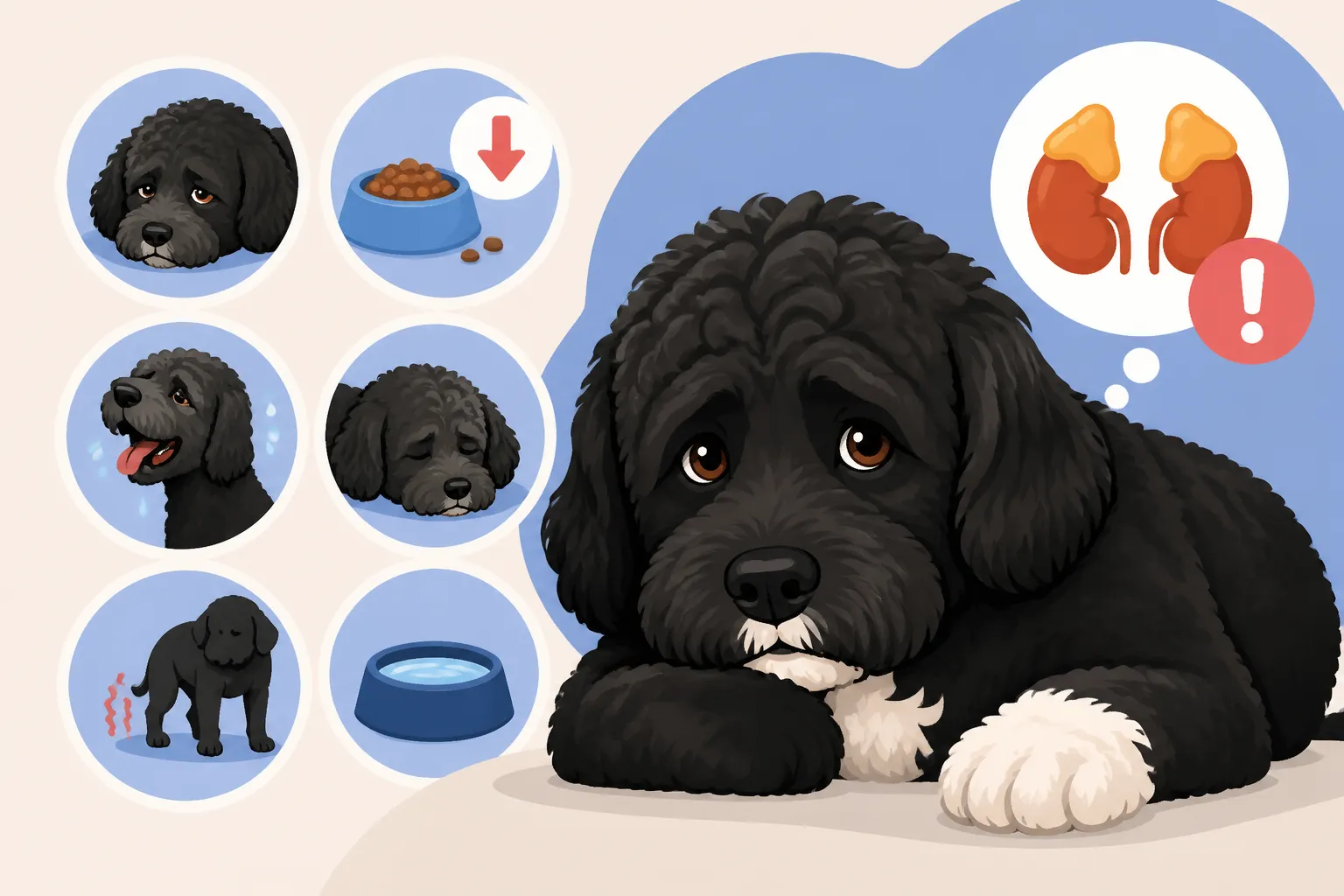
One of the first things many owners notice is a general lack of enthusiasm in their typically boisterous Portuguese Water Dog. This might manifest as decreased energy, reluctance to play, or just seeming "off." They might sleep more than usual, be less interested in walks, or not greet you at the door with their customary exuberance. It's not usually a sudden collapse, but rather a gradual decline in their usual vigor.
This generalized malaise can be particularly tricky because it can come and go. One day your Portuguese Water Dog might seem almost back to their old self, only to be noticeably subdued a few days later. This waxing and waning pattern is a hallmark of early Addison's and is often what causes delays in diagnosis. You might think they're just having an "off day" or recovering from a mild bug. However, if these periods of low energy and general discomfort become more frequent or pronounced, it's definitely time to consult your veterinarian. These are some of the first Signs a Portuguese Water Dog Has Addisons that attentive owners might pick up on.
Gastrointestinal Upset: Vomiting and Diarrhea
Gastrointestinal issues are another very common early sign of Addison's Disease, and again, they often mimic many other conditions. Your Portuguese Water Dog might experience intermittent vomiting, which could be anything from bringing up their food to bile. Diarrhea, sometimes severe, can also occur. Both can lead to dehydration and further worsen your dog's overall condition.
It’s not uncommon for these GI symptoms to respond temporarily to supportive care, like anti-nausea medication or bland diets, only to return once the medication wears off or normal food is reintroduced. This can be incredibly misleading. You might spend weeks or months trying different diets or medications, thinking you're dealing with a sensitive stomach or inflammatory bowel disease. However, if your Portuguese Water Dog frequently experiences these digestive upsets without a clear cause, especially when combined with lethargy, Addison's should be on your vet's radar.
Appetite Changes and Weight Loss
A noticeable change in appetite is often linked to the gastrointestinal upset, but it can also present independently. Your Portuguese Water Dog might become finicky, skip meals, or show a diminished interest in treats they once loved. Over time, this reduced caloric intake, combined with the underlying physiological issues, can lead to gradual weight loss.
Weight loss in a Portuguese Water Dog can sometimes be challenging to spot initially, especially with their dense, often curly or wavy coat. Their coat can effectively mask subtle changes in body condition. You might not notice the loss until your dog has shed a significant amount, or when you feel their ribs more prominently during grooming. This slow, almost imperceptible decline makes regular weigh-ins and hands-on checks crucial. If you're concerned about your dog's weight, learning How a Portuguese Water Dog's Coat Hides Weight Loss might be helpful.
Progressive and More Specific Symptoms to Watch For
As Addison's Disease progresses and the adrenal hormone deficiencies become more severe, some symptoms might become a bit more specific, though still not always uniquely indicative of Addison's. These signs reflect a more profound impact on the body's systems and signal a need for more urgent veterinary attention.
Increased Thirst and Urination (PU/PD)
While less common than GI signs, some Portuguese Water Dogs with Addison's will start to drink and urinate more frequently than usual. This symptom, known as polydipsia (increased thirst) and polyuria (increased urination), is often associated with kidney disease or diabetes. In Addison's, it's typically related to the electrolyte imbalances, particularly sodium and potassium.
The kidneys struggle to concentrate urine effectively when the delicate balance of these electrolytes is disrupted, leading the dog to drink more to compensate for fluid loss. If you notice your Portuguese Water Dog suddenly emptying their water bowl more often or asking to go outside for potty breaks more frequently, it's a symptom that warrants investigation. While not a primary symptom for all Addisonian dogs, it's a significant one when present and should not be overlooked.
Muscle Weakness and Shaking
As the disease impacts electrolyte balance and energy metabolism, muscle weakness can become apparent. Your Portuguese Water Dog might seem stiff, have difficulty jumping onto furniture or into the car, or even exhibit trembling or shaking. This isn't just general lethargy; it's a discernible physical weakness that can affect their gait and overall coordination.
The imbalance of potassium, in particular, can have a direct effect on muscle and nerve function. High potassium levels can disrupt the normal electrical activity in muscle cells, including those of the heart. So, if your once agile Portuguese Water Dog is showing signs of muscle tremors or struggling with movements they used to handle with ease, it’s a red flag. These physical manifestations indicate the disease is progressing and likely affecting critical bodily functions.
Unexplained Hair Loss or Poor Coat Quality
While Portuguese Water Dogs are known for their non-shedding coats, changes in coat quality or even unexplained hair loss can sometimes be a sign of underlying systemic illness, including Addison's. The lack of adequate cortisol can affect skin health and hair follicle cycles. You might notice their coat becoming dull, dry, or brittle, or perhaps thinning in certain areas.
It's important to remember that a Portuguese Water Dog's coat is a huge part of its identity and health. While seasonal changes or grooming practices can impact appearance, a persistent decline in coat quality or localized hair loss without a clear external cause (like fleas or skin infection) could be a subtle indicator of internal strife. While Whether a Portuguese Water Dog's Coat Thins With Illness covers various conditions, Addison's can certainly be one of them, making a typically robust coat appear lackluster.
Recognizing an Addisonian Crisis in Your Portuguese Water Dog
An Addisonian crisis is a severe, life-threatening manifestation of the disease where hormone levels drop to dangerously low levels, leading to acute organ dysfunction. This is an emergency situation requiring immediate veterinary attention. For a Portuguese Water Dog owner, recognizing these critical signs is paramount.
Collapse and Severe Weakness
The most alarming sign of an Addisonian crisis is sudden collapse or profound, debilitating weakness. Your dog may be unable to stand, extremely disoriented, or even unresponsive. This isn't just being tired; it's a complete loss of physical strength and coordination. They might stumble, fall, or simply lie down and be unable to get back up.
This sudden severe weakness is a direct result of critical electrolyte imbalances, particularly dangerously high potassium levels, which severely impair heart function, and plummeting blood pressure. Every minute counts in this situation. If your Portuguese Water Dog collapses, do not hesitate; get them to an emergency veterinary clinic immediately. Understanding Whether a Portuguese Water Dog With Addisons Collapses underscores the gravity of this specific symptom.
Rapid Heart Rate and Pale Gums
During an Addisonian crisis, the lack of aldosterone leads to critically low blood pressure and dehydration. In an attempt to compensate and get blood to vital organs, the heart will often beat very rapidly (tachycardia). You might also notice that your dog's gums are unusually pale, indicating poor circulation and potentially anemia (though anemia isn't a direct result of Addison's, it can be present).
Checking your dog's gum color is a quick way to assess their circulation. Healthy gums are pink and moist; pale or white gums are a serious red flag. Capillary refill time (pressing on the gum and seeing how long it takes for the color to return) will also likely be prolonged. These cardiovascular signs point to a systemic shock-like state, a dire consequence of untreated adrenal insufficiency.
The Urgency of Veterinary Intervention
An Addisonian crisis is a true medical emergency. Without immediate treatment, which includes intravenous fluids, corticosteroids, and sometimes mineralocorticoid replacement, the outcome can be fatal. The goal of emergency treatment is to stabilize the patient, correct the electrolyte imbalances, and restore proper blood pressure.
If you suspect your Portuguese Water Dog is experiencing an Addisonian crisis, bypass your regular vet if they are closed and head straight to the nearest emergency veterinary hospital. Call ahead if possible to let them know you're coming and describe your dog's symptoms. Time is of the essence. While the cost of emergency care can be daunting, many pet insurance plans, like those from Healthy Paws, can offer significant relief in such critical situations. They can help cover a large portion of the expenses associated with diagnostic tests and life-saving treatments, easing the financial burden during an incredibly stressful time. The cost implications are also quite serious; you can learn more about What an Addisonian Crisis Costs on a Portuguese Water Dog.
Here’s a helpful table summarizing the progression of Addison’s symptoms:
| Symptom Category | Early/Vague Signs | Progressive Signs | Addisonian Crisis Signs |
|---|---|---|---|
| Energy/Behavior | Lethargy, decreased enthusiasm, reluctance to play | Muscle weakness, trembling, stiffness, reluctance to move | Collapse, extreme weakness, disorientation, unresponsiveness |
| Gastrointestinal | Intermittent vomiting, diarrhea, appetite changes | Persistent vomiting/diarrhea, significant weight loss | Severe vomiting, bloody diarrhea, extreme abdominal pain |
| Hydration/Urination | Occasional increased thirst/urination (less common) | Noticeable increased thirst and urination (PU/PD) | Severe dehydration, oliguria (decreased urine output) |
| Physical Appearance | Dull coat, mild weight loss (often masked) | Unexplained hair loss, poor coat quality, visible weight loss | Pale/white gums, cold extremities, rapid heart rate |
| Urgency | Consult vet soon, monitor changes | Urgent vet visit, diagnostic workup needed | IMMEDIATE EMERGENCY VET VISIT – Life-threatening! |
Differentiating Addison's from Other Conditions
Given that Addison's Disease is "the great pretender," one of the biggest challenges for both owners and veterinarians is distinguishing it from the myriad of other conditions that present with similar symptoms. This requires a systematic approach and specific diagnostic tools.
The Challenge of Mimicry
Imagine your Portuguese Water Dog, usually a furry dynamo, starts looking a bit glum. They skip a meal, throw up some bile, and then seem fine for a day or two before the cycle repeats. Naturally, you might think of dietary indiscretion, a minor bug, or even food allergies. These are all common and far more likely than Addison's in most cases. However, when these symptoms persist, recur frequently, or worsen, and conventional treatments don't provide lasting relief, that's when Addison's needs to climb higher on the differential diagnosis list.
The frustration for owners is real. You might go through several rounds of vet visits, different medications, and special diets, all while your dog continues to suffer intermittently. This is precisely why having a vet who is familiar with breed predispositions and considers Addison's early on is so vital for Portuguese Water Dogs. Many diseases, from kidney failure to pancreatitis and severe gastroenteritis, can look eerily similar, making the diagnostic journey a labyrinth for everyone involved.
Importance of Diagnostic Testing
Because the clinical signs are so non-specific, definitive diagnosis of Addison's Disease hinges entirely on specific blood tests. The gold standard is the ACTH (adrenocorticotropic hormone) stimulation test. This test measures the adrenal glands' ability to respond to ACTH, a hormone that normally stimulates cortisol production. A dog with Addison's will show a blunted or absent response, meaning their cortisol levels will remain low even after stimulation.
Beyond the ACTH stim test, routine bloodwork will often reveal tell-tale signs, particularly electrolyte imbalances. High potassium (hyperkalemia) and low sodium (hyponatremia), often with a low sodium-to-potassium ratio, are highly suggestive of Addison's, though not always present in every case, especially early on. Other findings might include mild anemia, elevated kidney values (due to dehydration and poor circulation), and sometimes low blood sugar. These tests are crucial for an accurate diagnosis, and you can learn more about How Addisons Is Diagnosed in a Portuguese Water Dog and What an ACTH Test Costs on a Portuguese Water Dog.
When to Suspect Addison's Over Other Illnesses
If your Portuguese Water Dog experiences a combination of the vague symptoms discussed – especially if they are waxing and waning, or if your dog doesn't fully respond to standard treatments for common ailments – that's when Addison's should be strongly considered. For example, if your dog has chronic, recurring gastrointestinal upset accompanied by lethargy, and they've been given anti-nausea meds and bland food only for symptoms to return, it's time to dig deeper.
Additionally, if your Portuguese Water Dog exhibits any of the more severe signs like muscle weakness or collapse, especially if combined with pale gums or a rapid heartbeat, Addison's should be treated as an immediate differential in an emergency setting. The key is persistence and a willingness to explore beyond the most obvious culprits. Given that Addisons Disease Is Common in Portuguese Water Dogs, responsible owners and veterinarians should always keep it in mind. Proactive pet insurance, such as a comprehensive plan from Healthy Paws, can be incredibly beneficial here, as it can help alleviate the financial stress of repeated diagnostic tests and specialist consultations often required to pinpoint tricky conditions like Addison's.
Living with a Portuguese Water Dog with Addison's
Receiving an Addison's diagnosis for your Portuguese Water Dog can feel overwhelming, but it's important to know that with proper management, most dogs with Addison's can live long, happy, and relatively normal lives. It's a condition that requires lifelong commitment, but the rewards of seeing your dog thrive are immeasurable.
Management and Prognosis
The good news about Addison's Disease is that it is treatable with hormone replacement therapy. The primary treatment involves replacing the deficient mineralocorticoids and, if needed, glucocorticoids. The most common medication for mineralocorticoid deficiency is Percorten-V (desoxycorticosterone pivalate, or DOCP), typically given as an injection every 25-30 days. Some dogs might also require daily oral prednisone to replace glucocorticoids, especially during times of stress. You can explore How a Portuguese Water Dog With Addisons Is Treated for a more detailed look at the treatment protocols.
The prognosis for Addisonian dogs who are consistently treated and monitored is excellent. Once properly regulated, many owners report that their dogs regain their former energy and zest for life. It's a profound relief to see them transform from a listless, sick dog into the vibrant Portuguese Water Dog they once were. This management will be lifelong, however, meaning Whether Addisons Medication Is Lifelong for a Portuguese Water Dog is a definite "yes."
Long-Term Care and Monitoring
Living with an Addisonian Portuguese Water Dog requires vigilance. Regular veterinary check-ups are essential, particularly initially, to find the correct dosage and frequency of medication. Once stable, monitoring typically involves blood tests to check electrolyte levels before each DOCP injection. This ensures the medication is working effectively and that the dose is still appropriate for your dog's needs.
Owners also need to be mindful of stress, as dogs with Addison's have a compromised ability to naturally respond to stressful situations. Your vet might advise temporarily increasing prednisone doses during anticipated stressful events, like travel, boarding, or surgery. Keeping a detailed record of your dog's medication schedule, appetite, energy levels, and any changes in symptoms can be incredibly helpful for your vet. Many owners find peace of mind knowing that financial support from pet insurance, like Healthy Paws, can help manage the ongoing costs of these lifelong medications and regular monitoring. It's a significant commitment, but the joy your Portuguese Water Dog brings makes it all worthwhile. The financial aspect of managing this condition over the years is also important to consider; you might want to look at Treating Addisons for the Rest of a Portuguese Water Dog's Life.
Disclaimer
This article is for general informational purposes only and does not constitute professional advice. Laws, prices and regulations vary by location and change over time. Consult a qualified professional for guidance on your specific situation.